







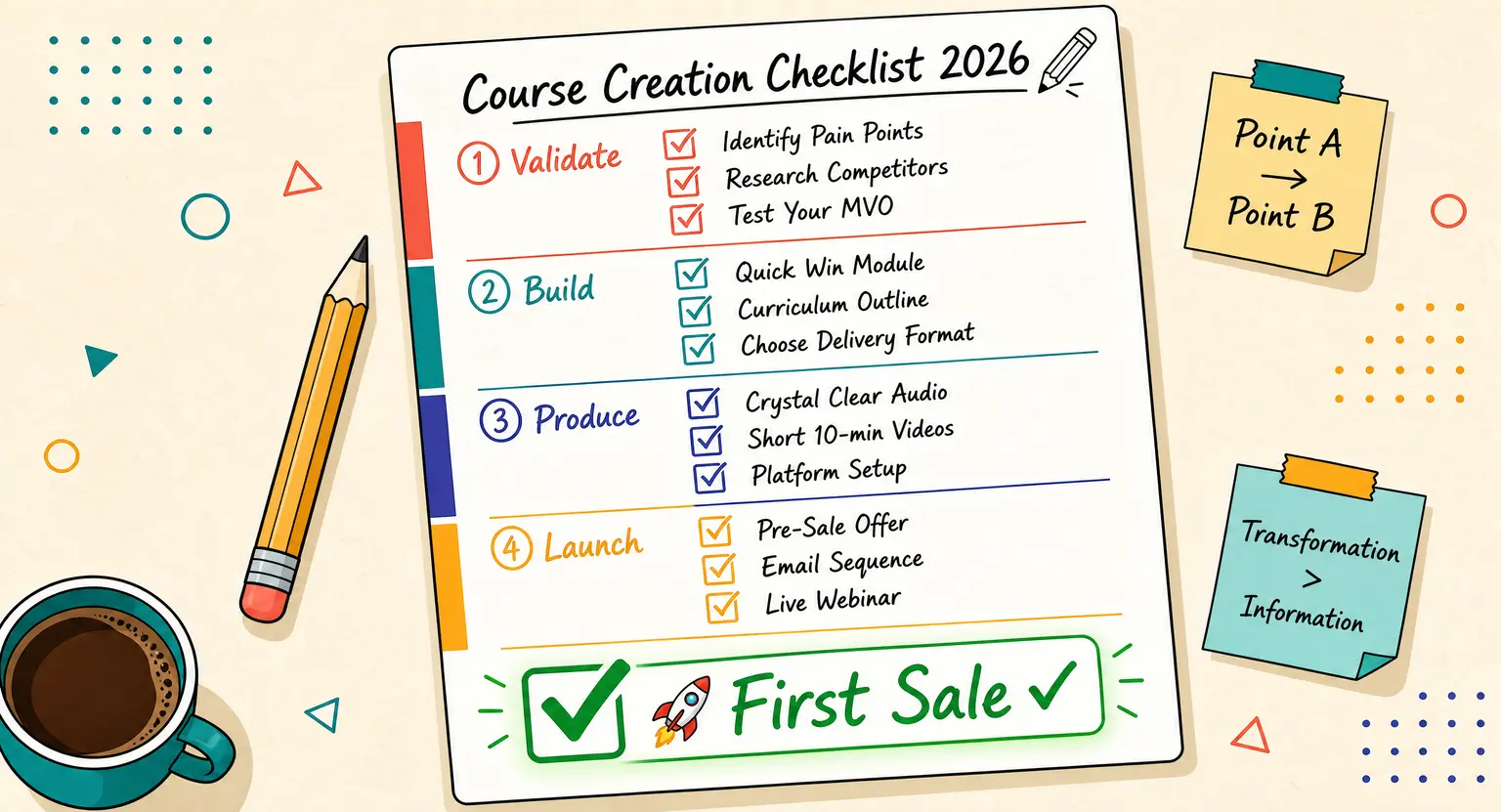
The Ultimate Course Creation Checklist for 2026: From Idea to Profit
The Ultimate Course Creation Checklist for 2026 : From Idea to Profit
Key Takeaways
-
Start with validation to ensure people will actually pay for your knowledge.
-
Choose the right online course formats based on your teaching style.
-
Focus on learning outcomes rather than just dumping information into videos.
-
Use an all-in-one platform to sell online courses to keep your tech stack simple.
-
Don't skip the pre-sell phase; it's your biggest safety net.
I know how it goes : You have this brilliant idea kept in the back of your mind, and you think "if I just record a few videos, the money will pour in."
But it's 2026, and the digital landscape is noisier than ever. People don't want more "stuff" to watch; they want a specific result. They want to get from Point A to Point B without tripping over unnecessary hurdles.
So, before you even think about hitting that record button, you need a plan that actually holds water. This isn't just about making slides; it's about building a business asset that works while you sleep.
And that's exactly why this checklist exists. We've seen too many people spend six months building a "masterpiece" only to hear crickets on launch day.
It's heartbreaking and, quite frankly, avoidable. By following a structured path, you move through the process with confidence rather than anxiety.
So, let's get into the nitty-gritty of what makes a course successful this year. We are going to go through validation, mapping, production, and finally, getting those first few students through the door.
Phase 1 : Market Validation (The Reality Check)
First off, you need to prove your idea isn't just a hobby. But how do you do that without spending a dime? You talk to people. Go where your target audience hangs out - whether that's specialized forums, social groups, or industry events - and listen to their complaints.
What are they struggling with? If you can articulate their problem better than they can, they will automatically trust you to provide the solution. This is the foundation of any profitable training program.
But don't just stop at listening. You need to ask yourself if this is a "bleeding neck" problem. Is it something they need to fix now, or is it just a nice-to-have?
In 2026, people are very selective with their spending. They want high ROI on their time and money. If your course helps them save time, make money, or avoid a major headache, you're on the right track.
If it's just "cool information," you're going to have a hard time selling it.
So, here is your quick validation task list :
-
Identify three specific pain points your audience talks about constantly.
-
Search for existing competitors and see what their students are complaining about in reviews.
-
Create a "Minimum Viable Offer" and present it to five people in your target niche.
-
Ask for feedback on the price point before you build a single lesson.
-
Check if there are active search queries for your topic using modern SEO tools.

Phase 2 : Curriculum Architecture
Once you know there's a market, it's time to build the bones of your program. But please, I beg you, don't just teach everything you know.
That's the fastest way to overwhelm your students and get a 50% refund rate.
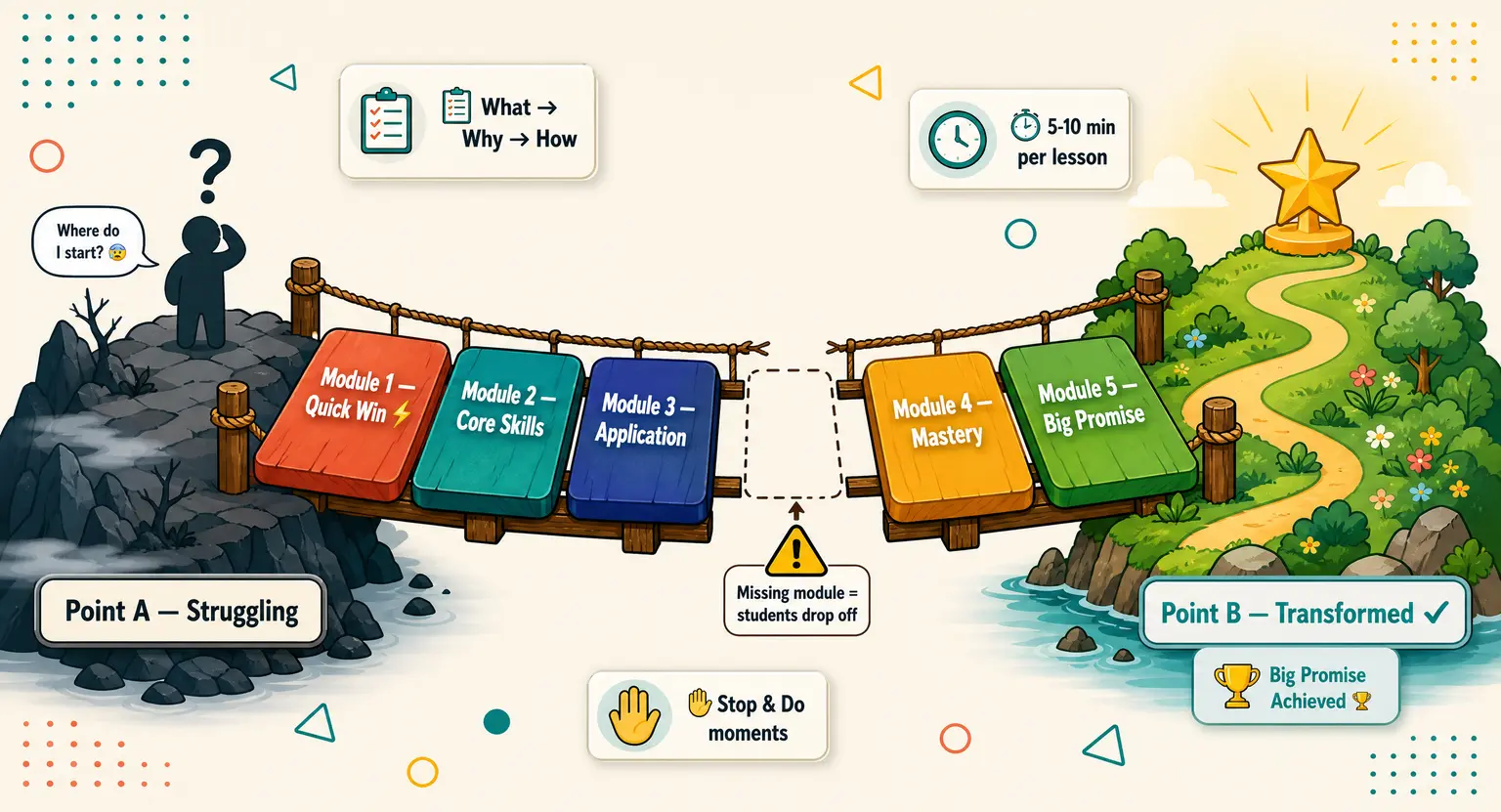
Instead, focus on the transformation.
What is the one thing they will be able to do at the end of module four that they can't do now?
Everything in your syllabus should serve that singular goal. If a lesson doesn't help them reach the finish line, cut it out.
But how do you keep it organized? You need to learn how to make a course outline that flows logically.
Start with the "Quick Win" module. Give them something they can implement in 10 minutes so they feel a sense of accomplishment right away.
This builds momentum and keeps them engaged for the tougher, more technical parts of the training later on. Remember, your job is as much about motivation as it is about education.
After the outline is done, decide on your delivery method.
Will it be all video?
Some PDF workbooks?
Maybe some live Q&A sessions?
In 2026, hybrid models are king. People love the flexibility of recorded content but crave the accountability of a real human.
So, try to sprinkle in some community elements. It makes the whole experience feel more premium and justifies a higher price point for your expertise.
| Strategy component | Beginner approach | Pro/Scale approach |
|---|---|---|
| Tech Setup | Simple screen recording & webcam. | Dedicated studio & all-in-one platform. |
| Pricing Model | One-time low ticket ($49-$197). | High-ticket tiered platform pricing structure. |
| Marketing | Manual outreach & social posts. | Automated sales funnels & paid ads. |
Phase 3 : Production and Tech Stuff
And now we get to the part everyone dreads : the tech.
But honestly? It's never been easier. You don't need a Hollywood crew. In fact, raw and authentic often sells better today than over-produced corporate videos.
Use your smartphone - the cameras on them are incredible now - and get a simple ring light. But don't skimp on the audio. People will watch a slightly grainy video, but they will absolutely leave if they can't hear you clearly or if there's a constant hiss in the background.
So, get yourself a decent USB microphone and a quiet room.
When you record, try to keep your videos short. Ten minutes is usually the sweet spot for adult learners. Any longer, and their eyes start to glaze over.
If a topic is complex, just break it into three smaller parts. It makes the course feel "meaty" without being exhausting. Plus, it's much easier for you to re-record a five-minute segment if you make a mistake than a forty-minute lecture.
And what about hosting? You need a place where your students can log in and feel at home.
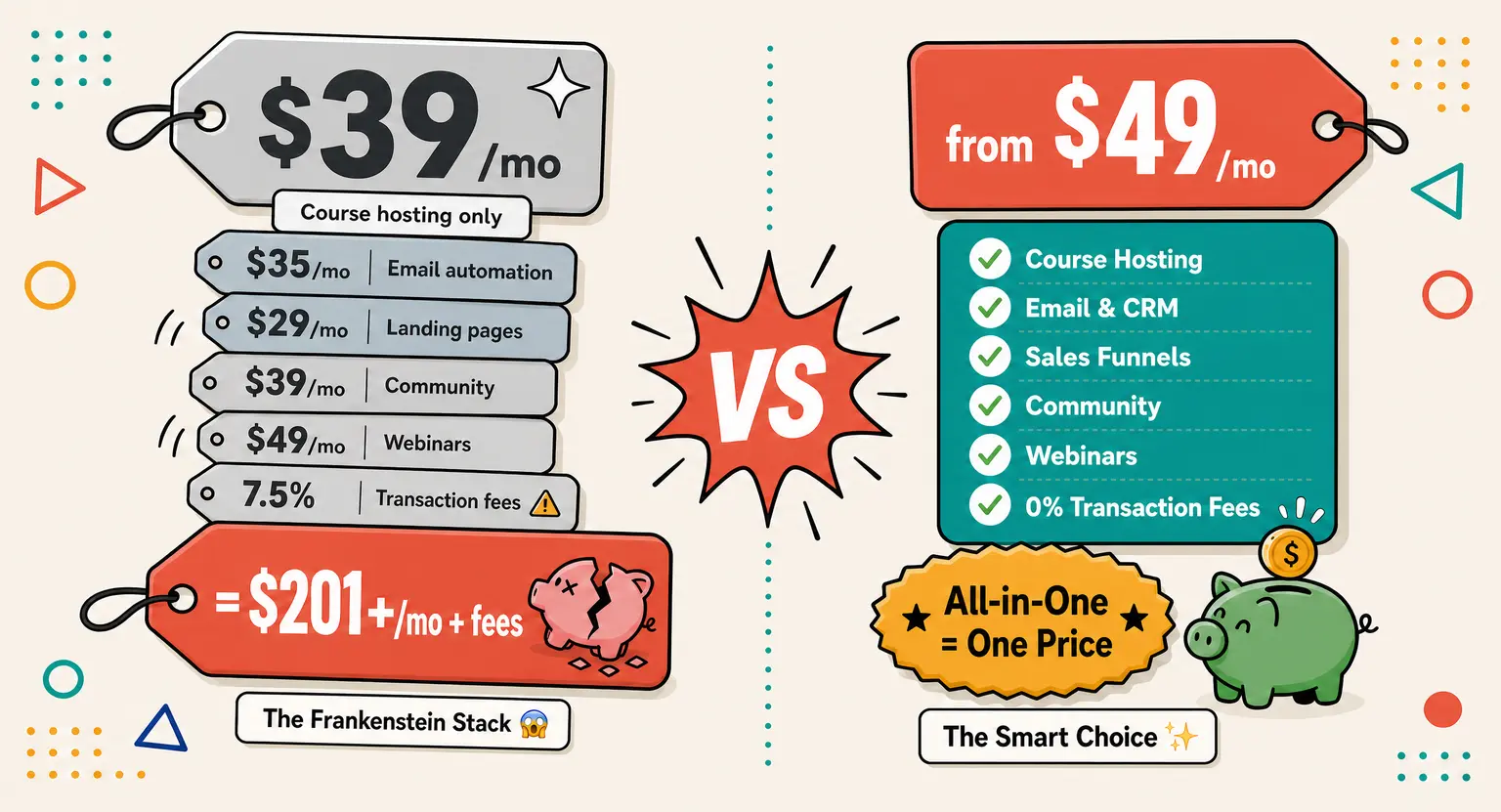
This is where choosing the right platform is critical. You want something that handles the payments, the video hosting, and the email automation all in one place.
Dealing with five different plugins that don't talk to each other is a recipe for a migraine. Keep it simple so you can focus on teaching, not troubleshooting code or fixing broken links.
Phase 4 : Launch and Automation
Finally, the finish line! But wait - how do you actually get people to buy?
Well, if you did your homework in Phase 1, you should already have a small list of interested people.
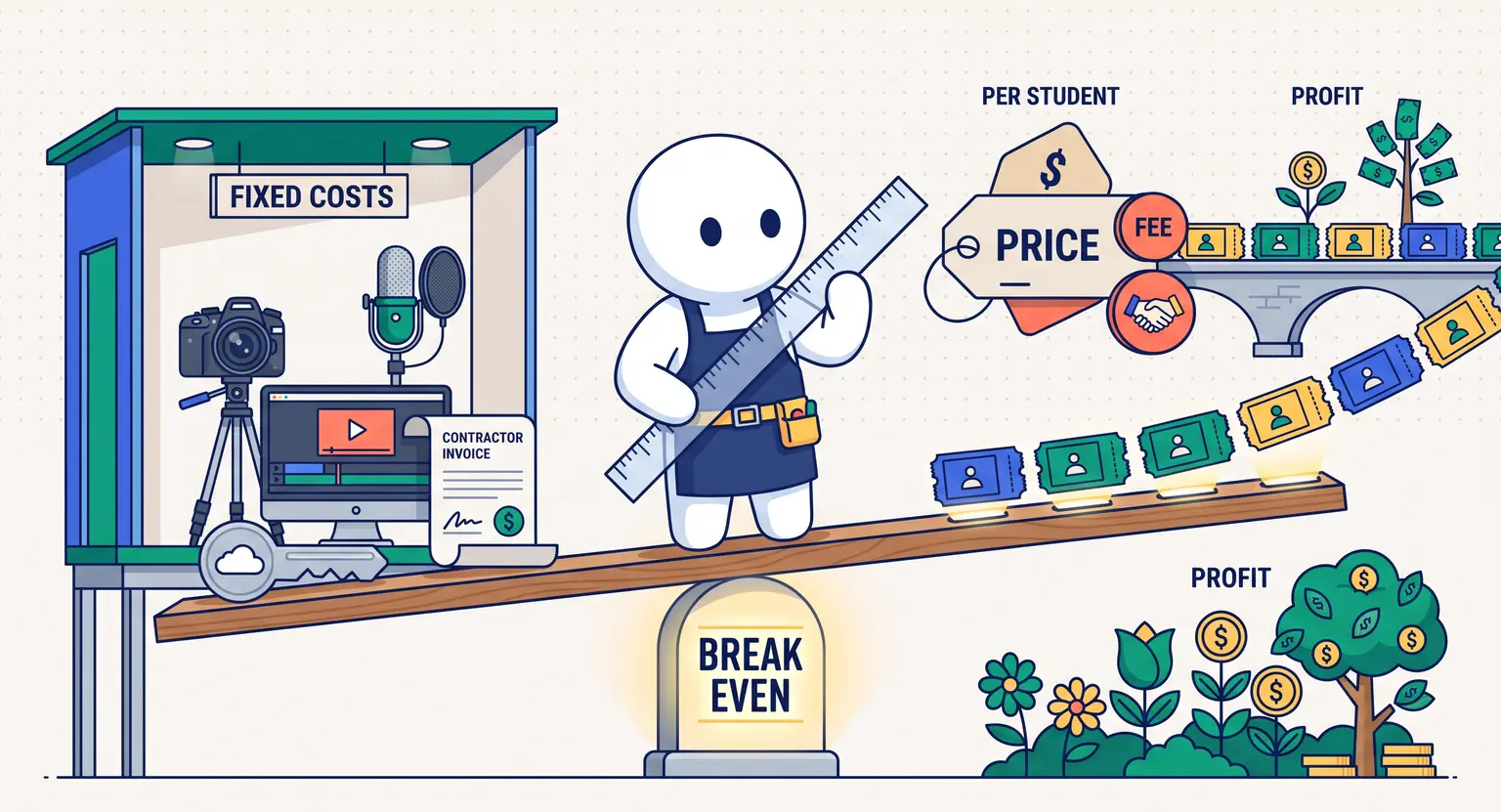
Now is the time to learn how to pre-sell an online course. Tell your audience that you're building this new program and offer them a "Founding Member" discount. This gives you immediate cash flow to cover your software costs and proves once again that the demand is real.
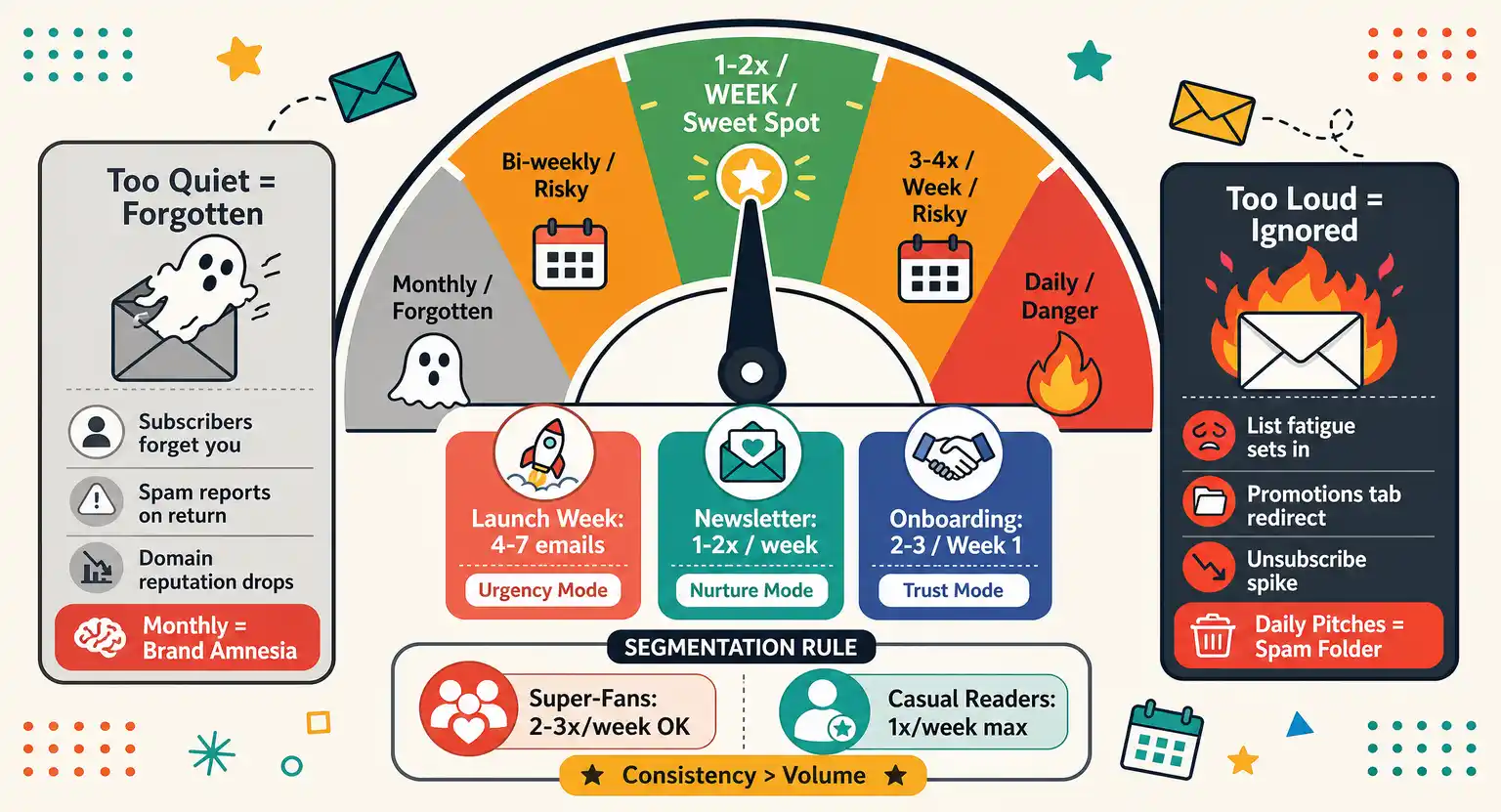
But you can't just send one email and expect a miracle. You need a sequence. Start by providing value for free - maybe a PDF or a short video lesson - and then bridge that into your paid offer.
This is the heart of modern sales funnels. You guide the customer from being a stranger to being a student by proving you know your stuff first. It's about building a relationship, not just asking for a credit card number.
And don't forget the power of live interaction. Running a webinar is still one of the most effective ways to close sales in 2026.
It allows people to see your personality, ask questions in real-time, and overcome their hesitations.
If you're nervous about it, check out our guide on how to organize a successful webinar. It's a skill that pays off for years to come. Once the webinar is done, you can even automate the replay to keep the sales coming in while you're busy creating your next big thing.
The Final Checklist Summary
-
Deep dive into niche research to find a "must-fix" problem.
-
Survey your existing audience or social media followers.
-
Draft a curriculum focused on the student's transformation.
-
Record high-quality audio sessions in a quiet environment.
-
Choose a reliable hosting platform that offers an all-in-one solution.
-
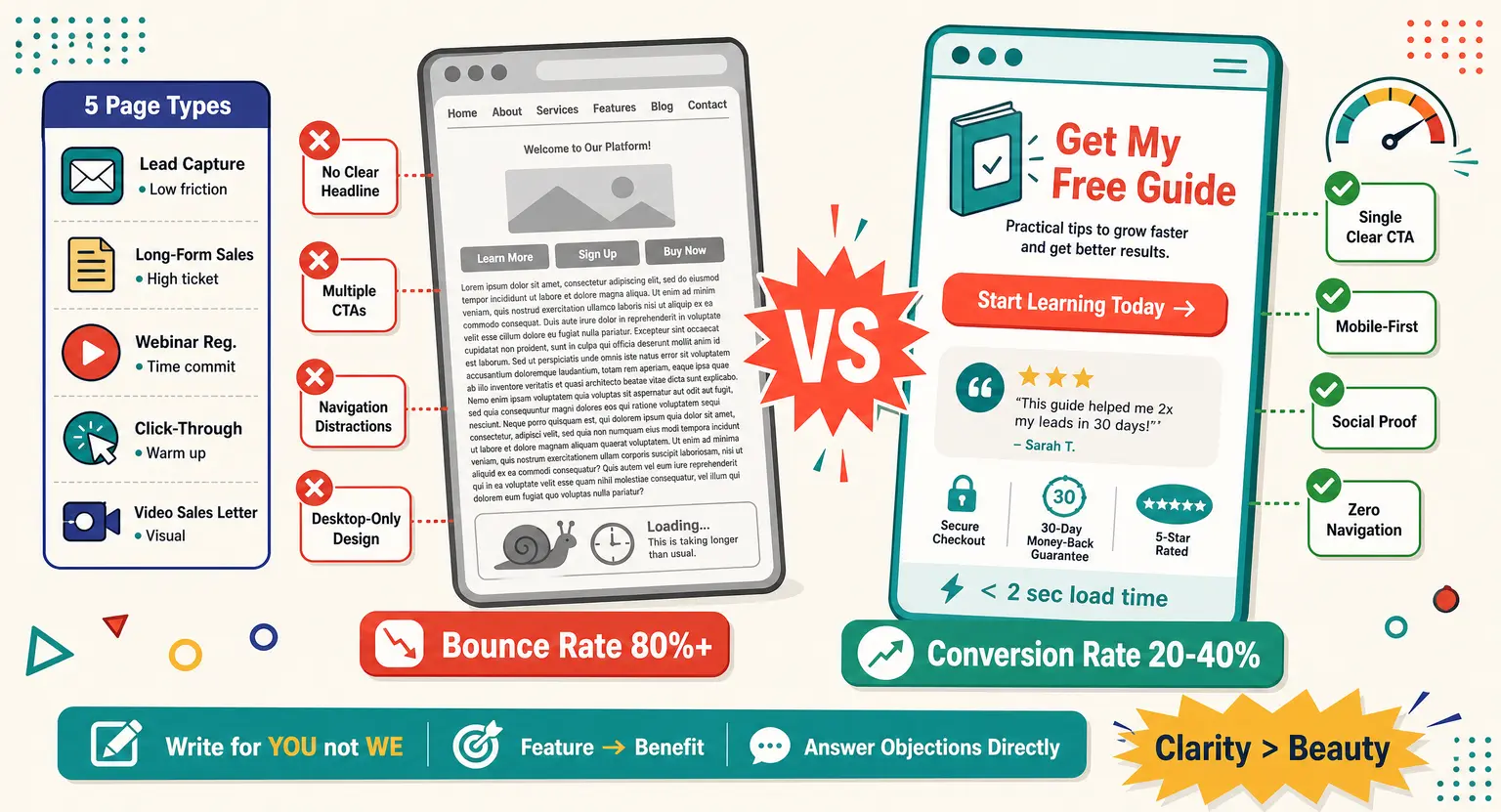
Create a landing page with a clear, compelling call to action.
-
Set up an automated email sequence to nurture your leads.
-
Launch a pre-sale or a live webinar to kickstart your revenue.
So, there you have it. It's not rocket science, but it does require discipline.
The most important thing is to just start. You don't need to be perfect; you just need to be helpful.
The feedback you get from your first few students will be more valuable than any textbook or guide. They will tell you what's working and what's confusing, and you can tweak the course as you go.
Anyway, that's the beauty of digital products - they are living, breathing assets. Now, go out there and share what you know with the world!
FAQ : Common Course Creation Questions
How long does it typically take to create a course in 2026?
Most creators spend four to eight weeks from initial concept to launch, though AI-assisted tools for outlining can speed this up.
The key is focusing on high-quality video and community interactions rather than just massive amounts of raw text.
You want to prioritize the transformation of the student over the length of the curriculum.
Should I record all my videos before I start selling?
Actually, you shouldn't wait until the whole thing is finished because pre-selling helps confirm there is real money on the table.
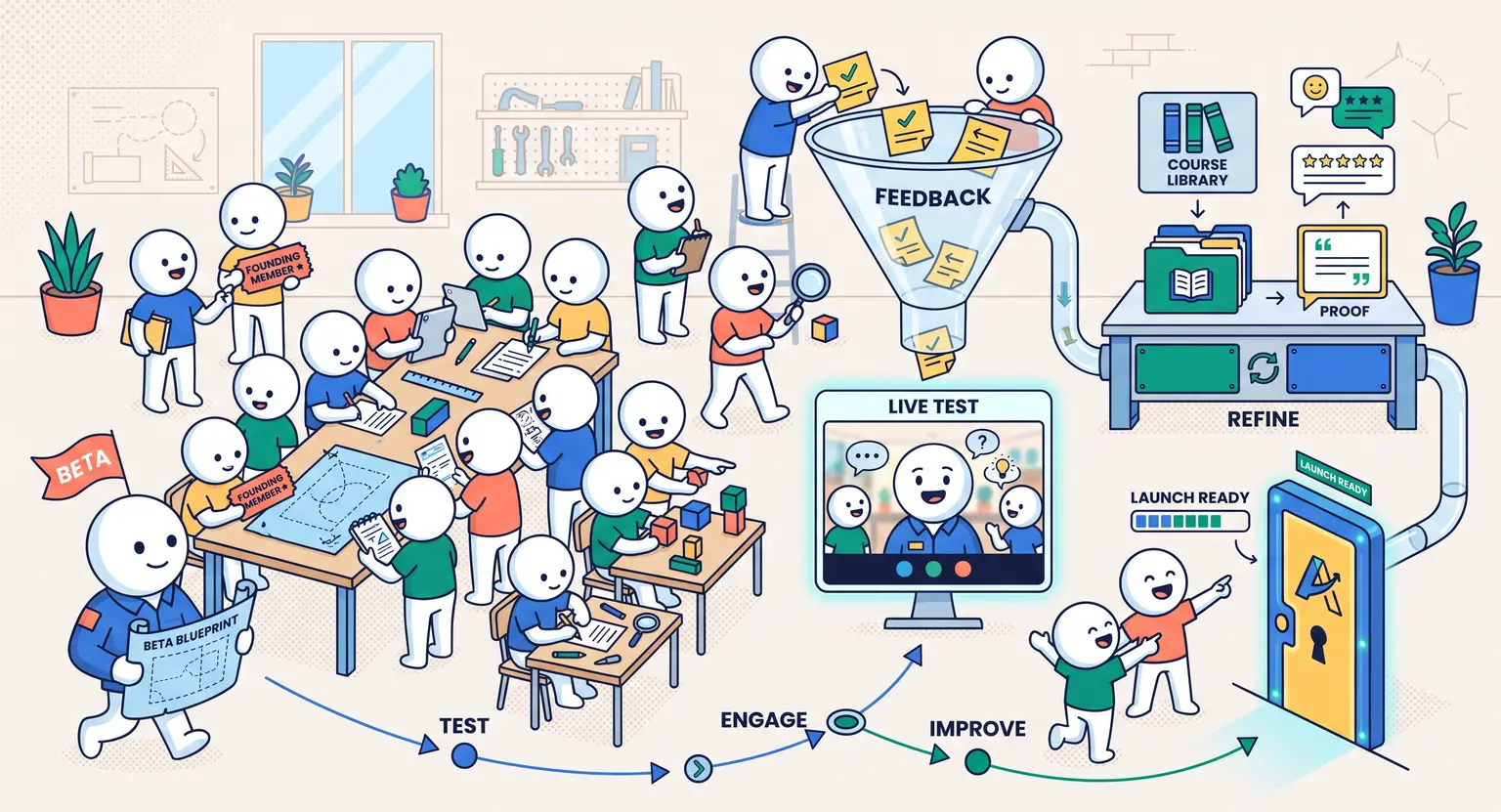
We recommend building the first module and then seeing if people are willing to buy the concept.
This approach, often called a "Beta" launch, saves you from wasting months on a product that nobody actually wants to pay for.
What is the most important technical requirement for a new course?
Clear audio is more critical than a 4K camera because students will forgive a blurry face but they won't stick around if your voice is scratchy.
Invest in a decent cardioid microphone and ensure your recording space has minimal echo. A solid learning management system will take care of the rest of the backend tech for you.
Do I need a massive following to succeed in course creation?
Not at all, as many experts successfully launch small, highly targeted email lists of just a few hundred people.
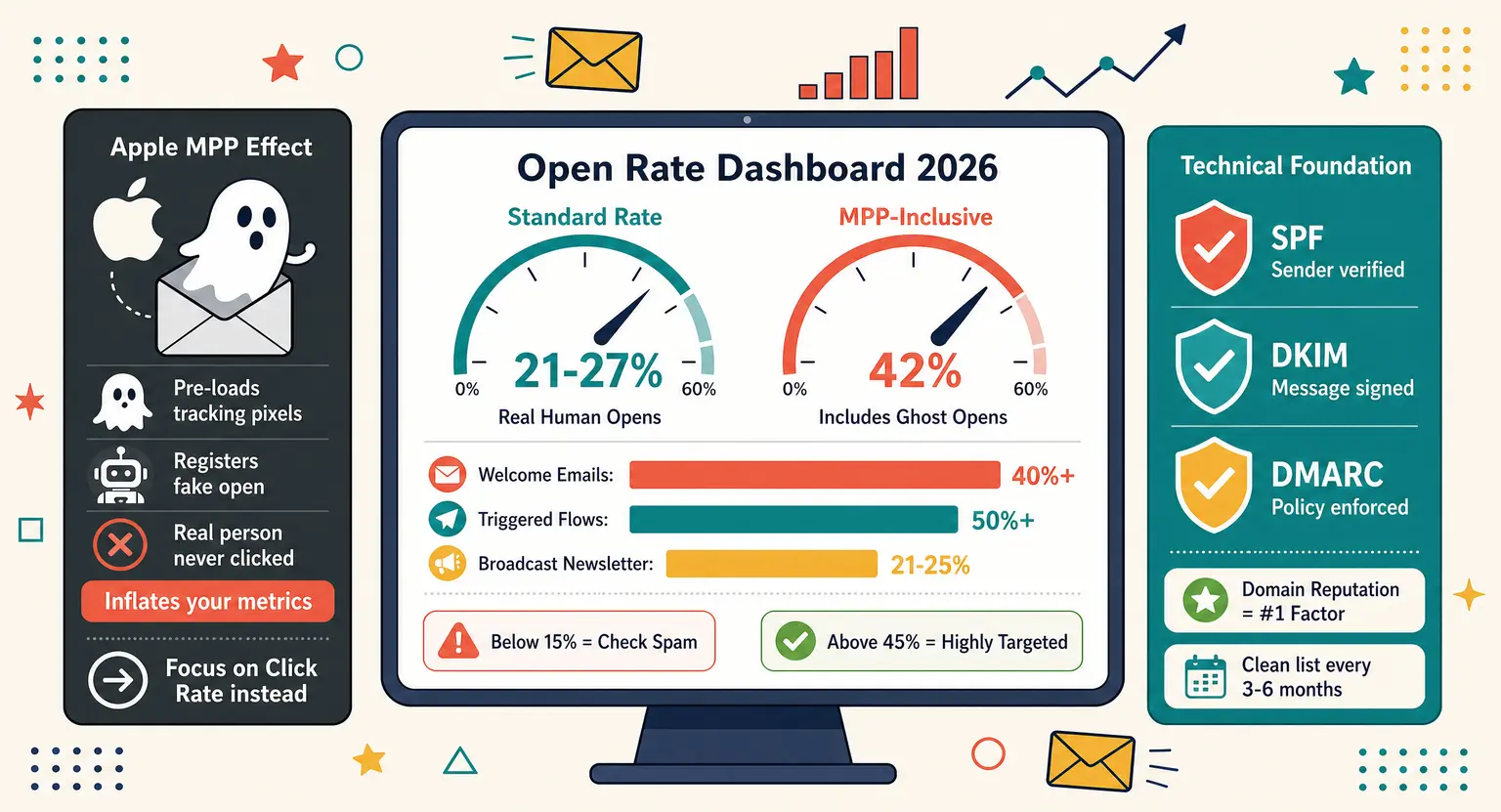
The trick is to focus on a specific problem that a specific group of people is desperate to solve. A small, engaged audience is always better than a million followers who never open your emails.
Explore Further


 How to Run a Beta Version of an Online Course (2026 Guide)
 How to Sell an Online Course With a Quiz Funnel (2026 Guide)
 How to Sell an Online Course Through a Sales Call (2026 Guide)