







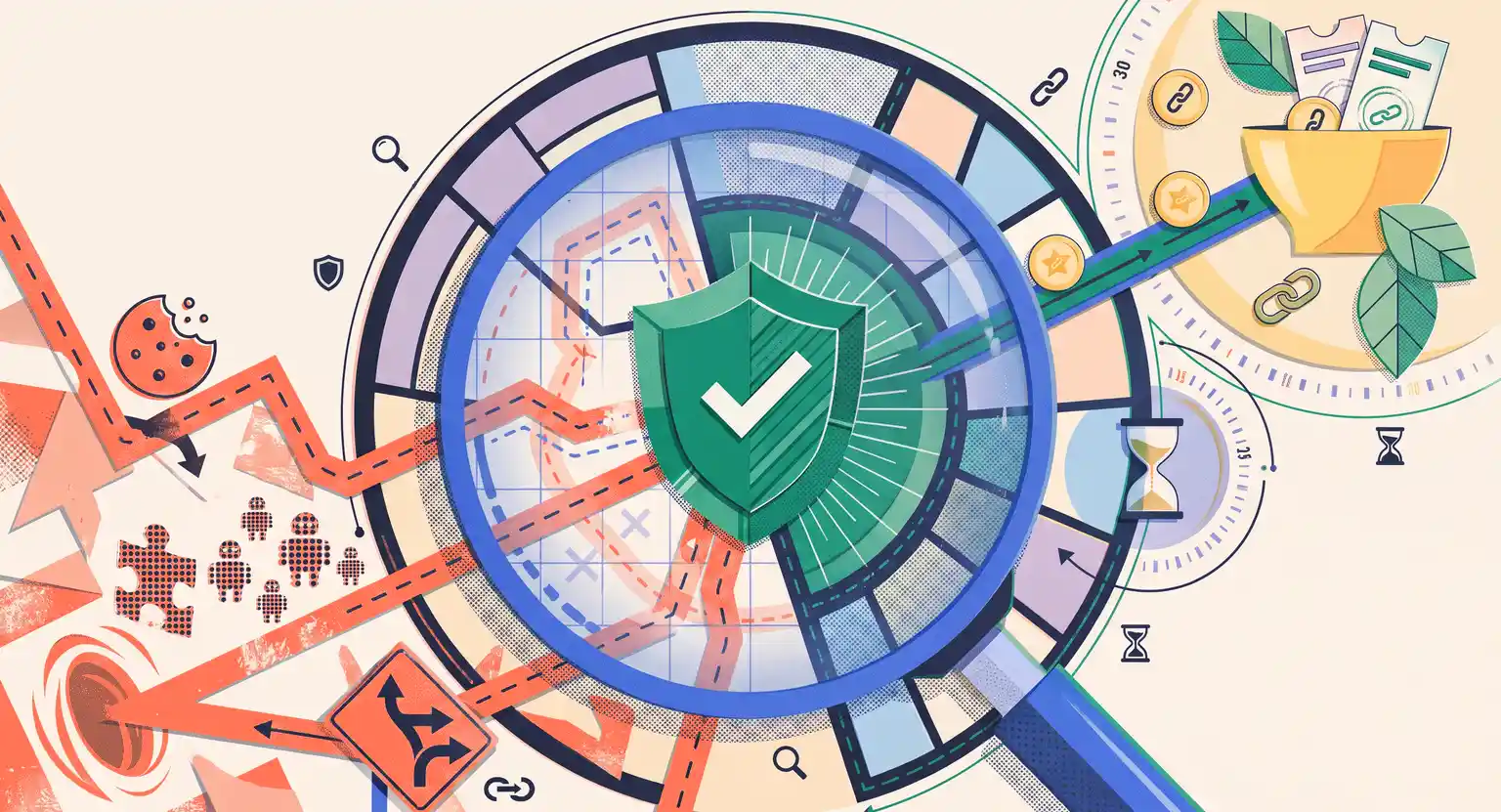
Affiliate Fraud: Types, Risks, and Prevention Strategies
Affiliate Fraud : Types, Risks, and Prevention
Key Takeaways
-
Affiliate fraud drains your marketing budget through fake traffic, stolen cookies, and artificial leads.
-
Spotting suspicious activity patterns like sudden conversion rate spikes is critical for protective strategy.
-
You need to clearly separate your tactics when running an affiliate program vs influencer marketing campaign to block channel-specific abuse.
-
Automating your payout verifications within your chosen best online course platforms will stop bad actors before they cash out.
Word of mouth is beautiful. When someone loves your work, your digital products, or your online courses, they tell their audience, and you share a slice of the profit. It sounds like a perfect win-win ecosystem.
That is exactly how affiliate programs became one of the key cornerstones of modern digital promotion - but where there is easy money flowing on autopilot settings, bad actors will always find sneaky pathways to manipulate your digital business plumbing.
Unfortunately, affiliate fraud is not a minor issue for massive enterprise companies anymore. If you have built an independent business model around your expertise, you are a prime target.
Every dollar paid out to a fraudulent publisher is a dollar stolen from your product development, your genuine partners, and your net profit.
Let us break down how this happens, how to recognize the danger signs, and how to safeguard your hard-earned revenue.
Understanding Affiliate Fraud
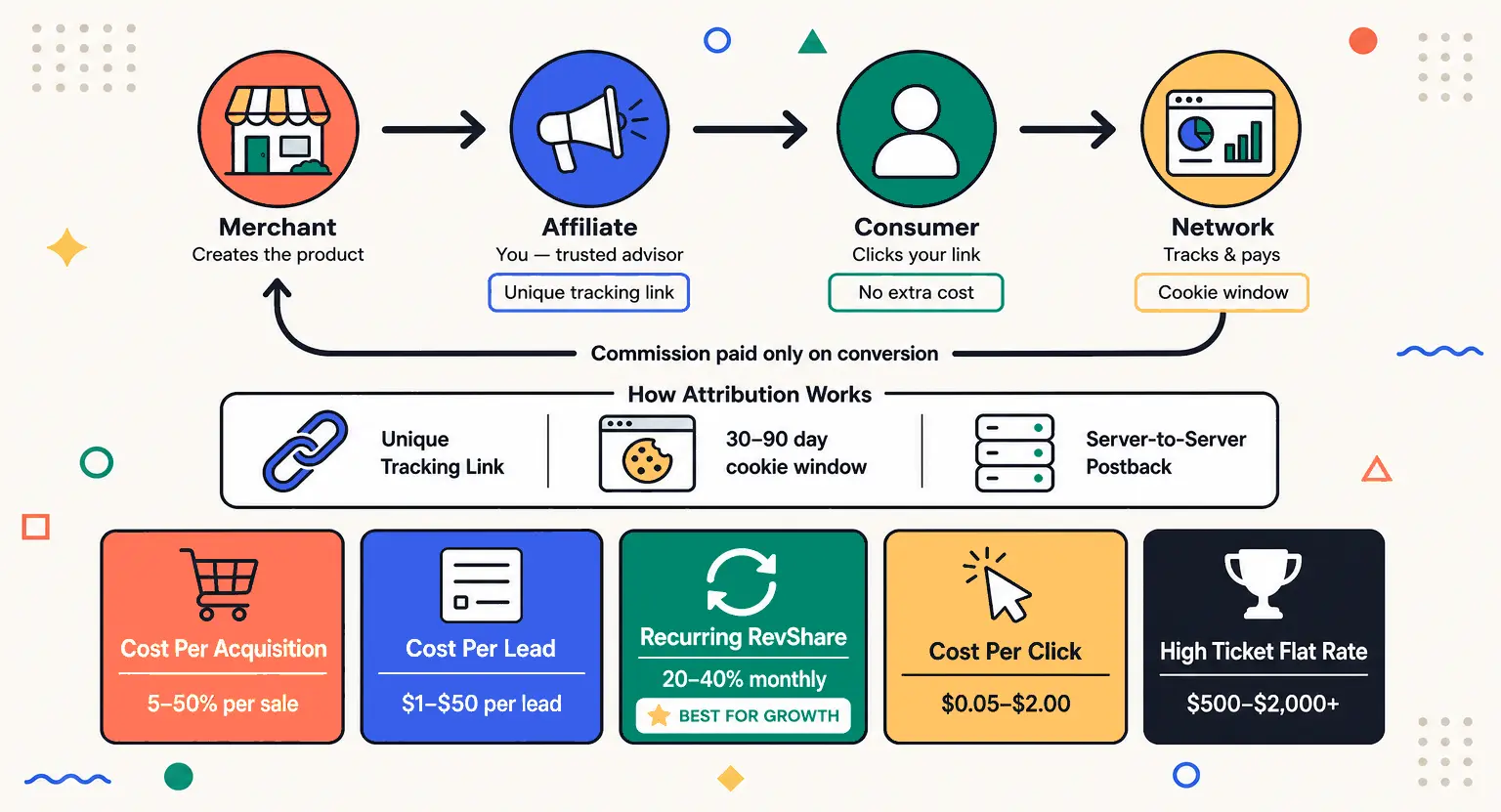
At its core, affiliate fraud refers to deceitful activity generating unearned commissions within an affiliate marketing program.
It is a calculated manipulation of tracking systems to make a merchant believe a legitimate sale, lead, or click occurred through a partner's recommendation, when in reality, it was simulated or hijacked.
In the wider context of creator economy business models, program managers often run these setups on autopilot. They set up tracking links, configure cookie windows, and write automated rules.
Fraudulent affiliates exploit these automated systems. Instead of introducing fresh buyers to your brand, they wedge themselves into the purchase path at the last millisecond or fabricate sales using stolen credentials. Understanding this dynamic is the first step toward reclaiming your marketing budget.
Think of it as digital pickpocketing. Instead of building organic interest or driving authentic engagement with potential customers, fraudulent publishers focus their technical energy on manipulating tracking links.
This results in you paying top-tier payout commissions for customers who were already committed to buying your offering anyway.
The Anatomy of Deception : Common Fraud Types
Fraudsters have become incredibly sophisticated. They do not just rely on simple robotic scripts anymore; they utilize complex browser networks, emulation, and stolen data structures.
Here are the major categories you must keep on your watch list :
-
Cookie stuffing : this is the digital equivalent of slipping a flyer into every shopper's pocket as they walk into a physical store. The affiliate drops tracking cookies onto a user's browser without their knowledge; when that user naturally makes a purchase later, the fraudulent affiliate gets credited.
-
Ad hijacking and typosquatting : fraudulent publishers bid on your brand name keywords on search networks, redirecting users through their affiliate links. They also buy domains that mimic common typos of your site domain, harvesting natural direct traffic and claiming it as referred sales.
-
Lead and transaction generation using bot farms : bad actors construct simulated workflows using headless browsers. They sign up for free accounts, generate fake inquiries, or even initiate temporary sales using compromised credit cards, banking on getting paid before you detect the chargeback.
-
Software and extension exploitation : many browser extensions claim to find coupon codes or cashback deals for users. In reality, they silently inject affiliate parameters at the checkout, stealing credit for sales that were already fully completed by your direct marketing.
Comparing Common Fraud Types and Protection Signals
Let us look very closely at how these different fraud tactics differ, how they hurt you, and what pattern triggers their discovery.
| Fraud type | Main direct impact | Critical detection trigger |
|---|---|---|
|
Cookie stuffing |
Siphons commission from organic direct traffic. |
Unusually high click-to-conversion rates alongside low page engagement. |
|
Ad hijacking |
Inflates search engine marketing bidding costs. |
Drops in direct brand-search traffic matches and unexpected affiliate referrers. |
|
Bot registrations |
Bloats your platform database with junk leads. |
Repetitive sign-ups originating from single IP blocks within minutes. |
|
Extension hijack |
Steals credit from organic, social, or email funnels. |
Commissions registered precisely when shoppers visit checkout pages. |
The Real Threat to Creators and Educators
If you think fraud is a minor tax you pay to play the marketing game, think again.
The risks extend far beyond lost card fees. It pollutes your metrics, making it incredibly difficult to analyze affiliate marketing ROI and program profitability with any degree of accuracy.
This financial leakage quietly eats away at your margins, especially when promoting premium-priced digital programs or complex software packages.
When fake sales pollute your dashboard, your analytics will lie to you. You might scale an affiliate partnership that is actually bleeding you dry, while starving genuine partners who are driving real, organic growth.
Add to that, high chargeback volumes caused by fraudulent credit card payments can damage your merchant processor standing… If your chargeback rates climb too high, processors might freeze your assets or permanently terminate your processing capabilities.
This leaves you stranded without any functional payment system, which can immediately paralyze your entire business.
Proactive Strategies to Defend Your Revenue
How do you defend yourself? You do not have to close down your partner network.
Instead, you need to establish strict boundaries and smart systems to filter the traffic.
-
Screen your applicants carefully : do not allow instant, auto-approval for every affiliate who applies. Require a manual application process where affiliates must detail exactly how they plan to promote your digital resources and products. Ask for links to their active websites or social media channels to verify their true identity presence.
-
Utilize secure payment infrastructures : running your brand on a robust ecosystem like LearnyBox allows you to monitor affiliate paths safely. Combining payment processing with specialized fraud layers helps catch suspicious purchase trends in real-time.
-
Define clear brand policies : explicitly ban bid terms in your program agreements. Your terms of service must state that bidding on your branded search keywords, direct linking, or using forced extensions will result in an immediate lifetime ban and forfeiture of all accumulated commissions. Ensure they sign this agreement digitally before their custom links are generated.
-
Enforce longer payment hold windows : never pay out commissions immediately after a sale is registered. Enforcing a thirty-day holding period matches standard customer refund windows, giving you ample time to detect payment disputes, refunds, and automated bot activities before money leaves your account.
The Role of Safe Tech in Knowledge Commerce
Building a sustainable business means choosing tools that protect your assets and affiliate systems simultaneously. When you dive into what is knowledge commerce, keeping your product ecosystems sound is just as important as the content of your courses.
Using a reliable best all-in-one course platform handles these complexities under the hood.
When automated payments, affiliate links, and student rosters are locked in a single secure architecture, cross-channel fraud attempts and malicious transaction disputes drop dramatically - this keeps your records clear and your real publishers happy.
Explore Further Resources
If you are looking to expand your active monetization channels securely, feel free to explore our helpful resource guides :
-
How to grow your product reach : AI marketing tools for creators.
-
Step-by-step guides for written assets : how to sell ebooks online.
-
Maximize your profit with digital downloads : selling templates online.
-
Pricing defense and clear strategy advice : online course pricing strategy.
Frequently Asked Questions
Can automated tools completely eliminate affiliate fraud?
While automated detection tools can successfully filter out the vast majority of basic bot operations, malicious tactics continuously evolve in the backend.
A healthy combination of automated platform blocks and routine human audits remains the strongest defense against sophisticated cookie stuffing or network-level brand bidding.
How can I tell if an affiliate is stealing organic sales?
Look for conversion times. If an affiliate registers commissions with exceptionally fast touchpoints, meaning the user clicked their link and checked out within five seconds, it often signals active browser extensions stealing credit right at the payment step.
What should I do if I catch a fraudulent partner?
Document the evidence clearly with screenshots or log files, block their affiliate login instantly, and cancel all pending payout balances. Reach out to explain exactly which policy in your affiliate contract was breached to prevent potential legal disputes or merchant chargeback issues.





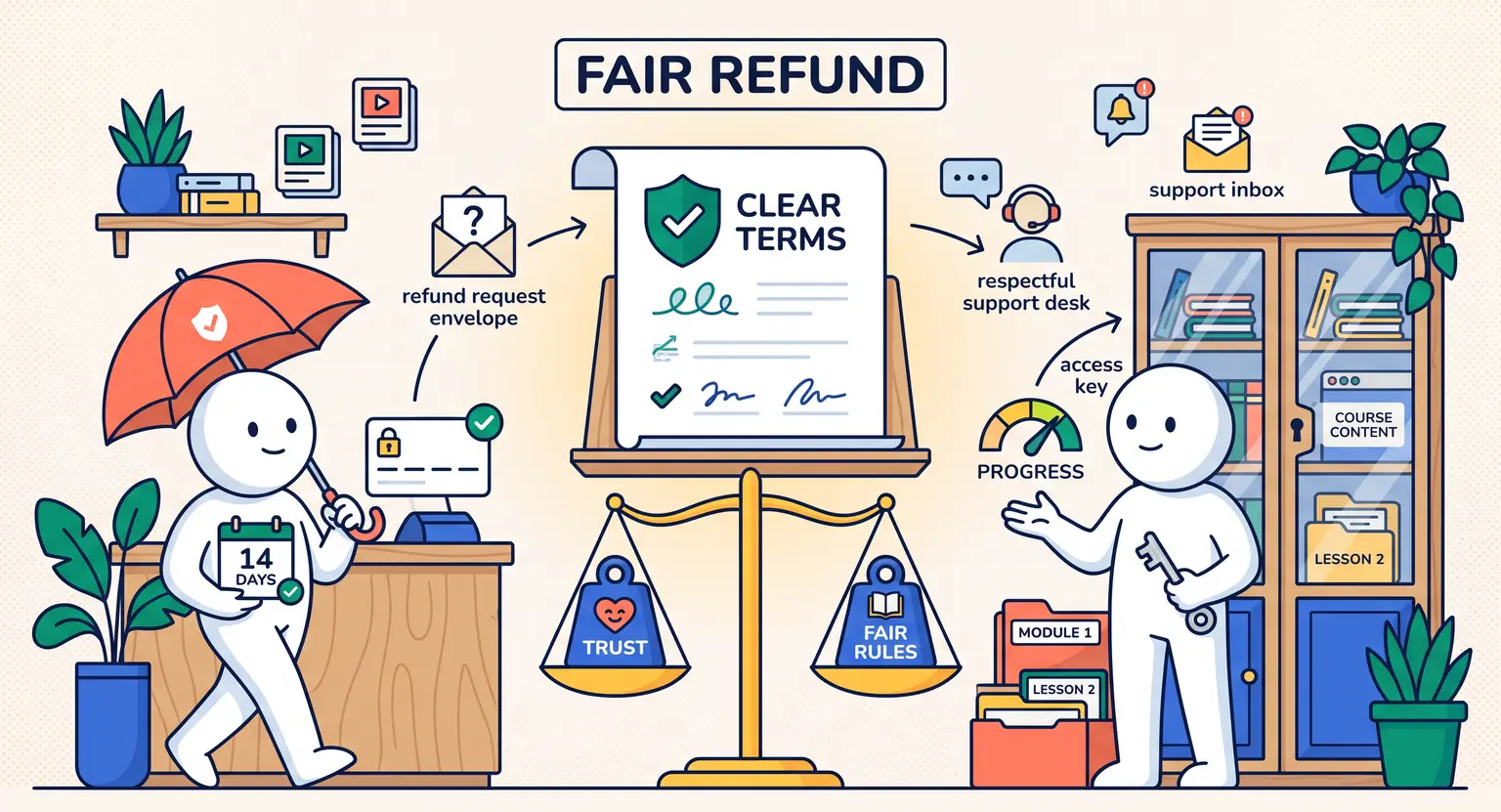 How to Create a Course Refund Policy (Templates & Best Practices for 2026)
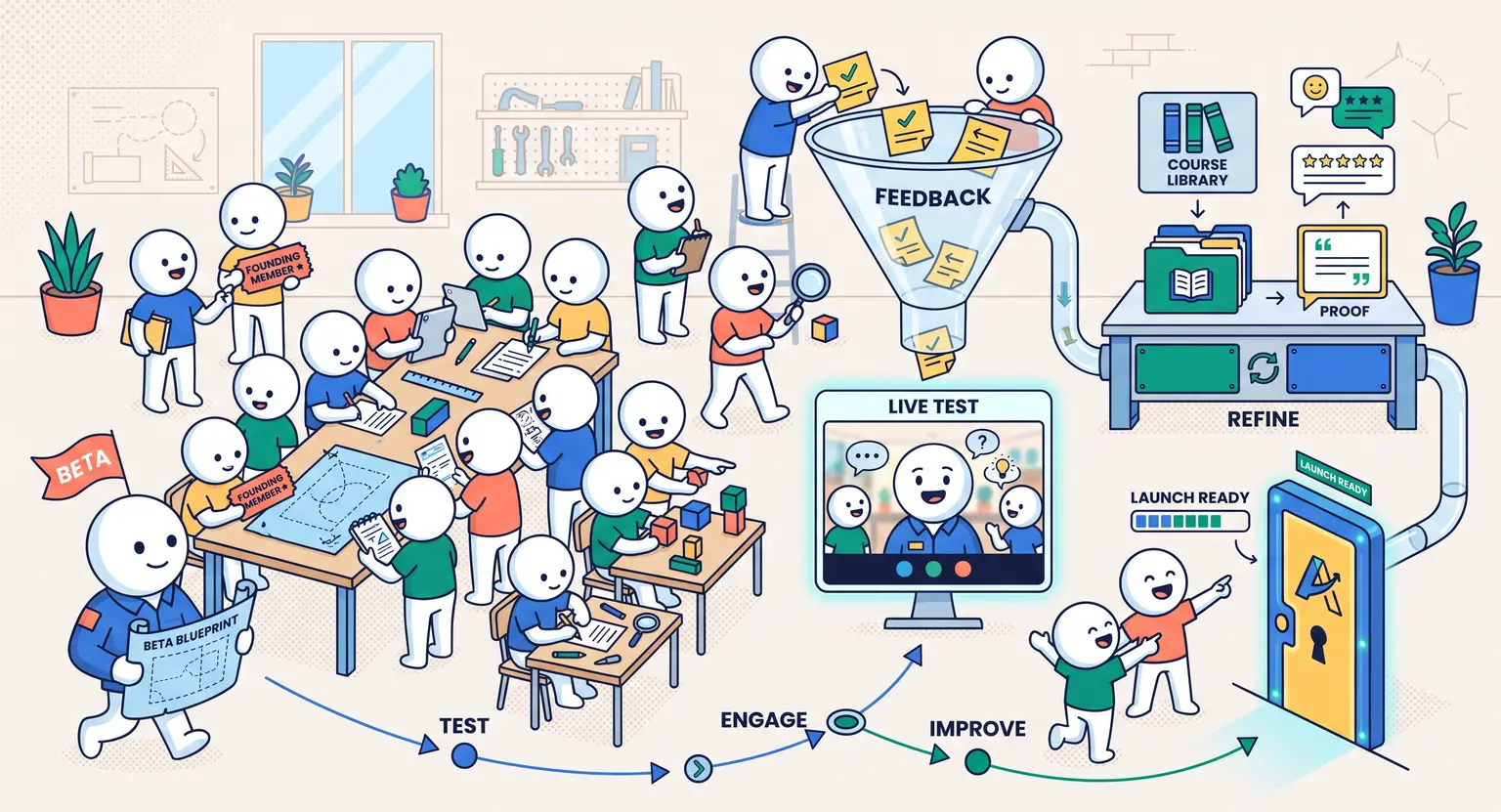 How to Run a Beta Version of an Online Course (2026 Guide)
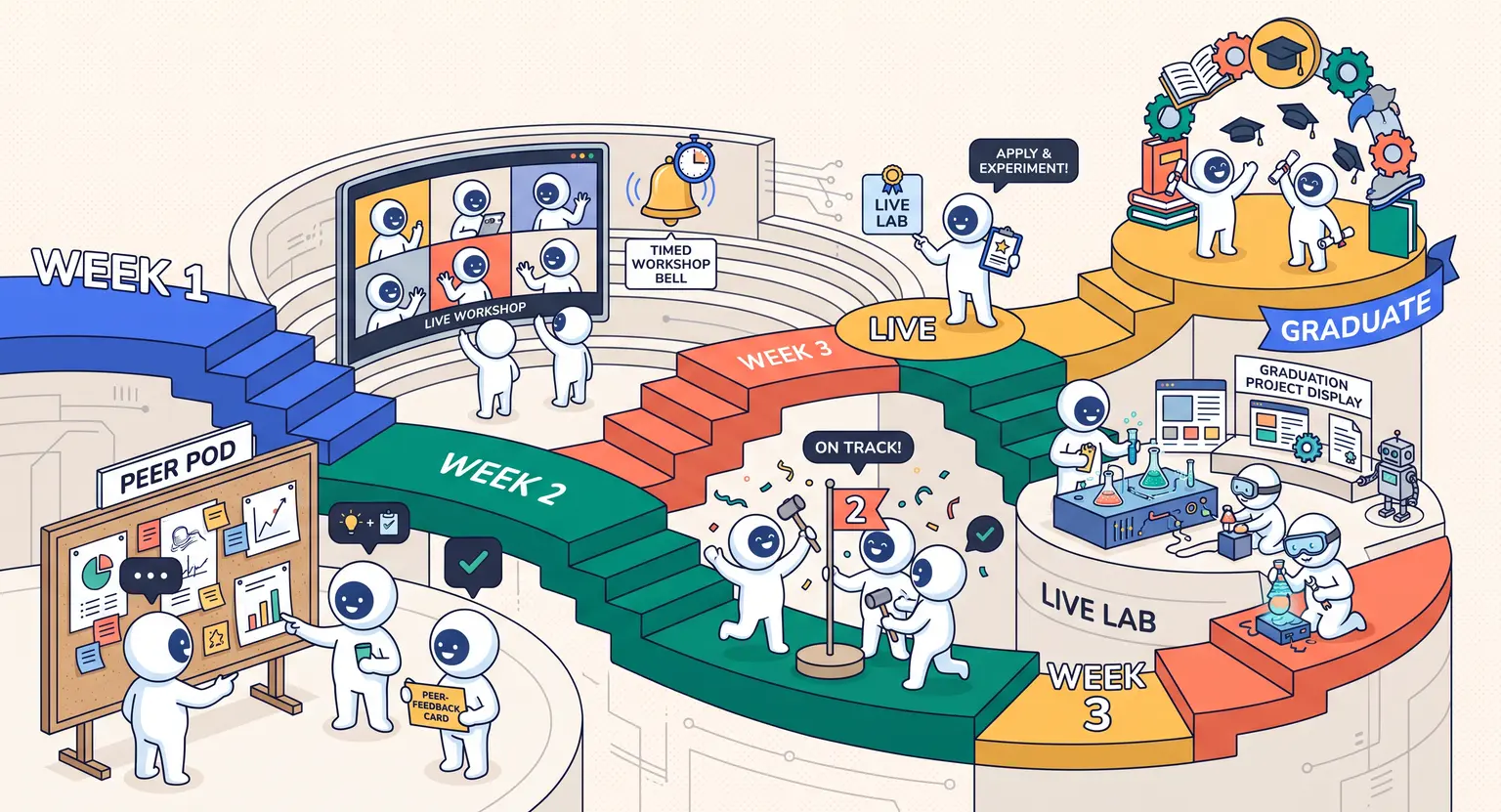 How to Create a Cohort-Based Online Course (2026 Guide)
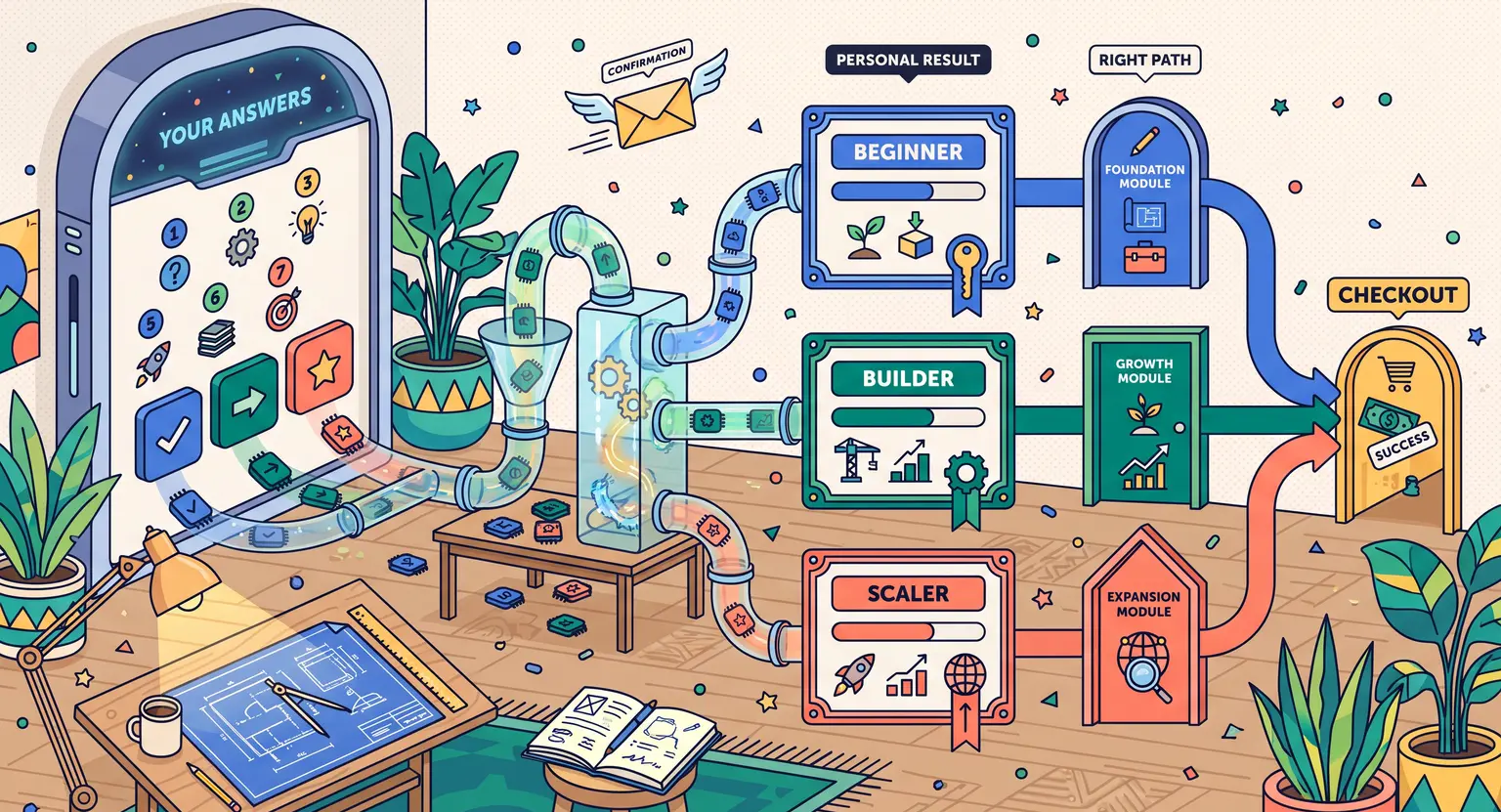 How to Sell an Online Course With a Quiz Funnel (2026 Guide)
 How to Sell an Online Course Through a Sales Call (2026 Guide)