








 French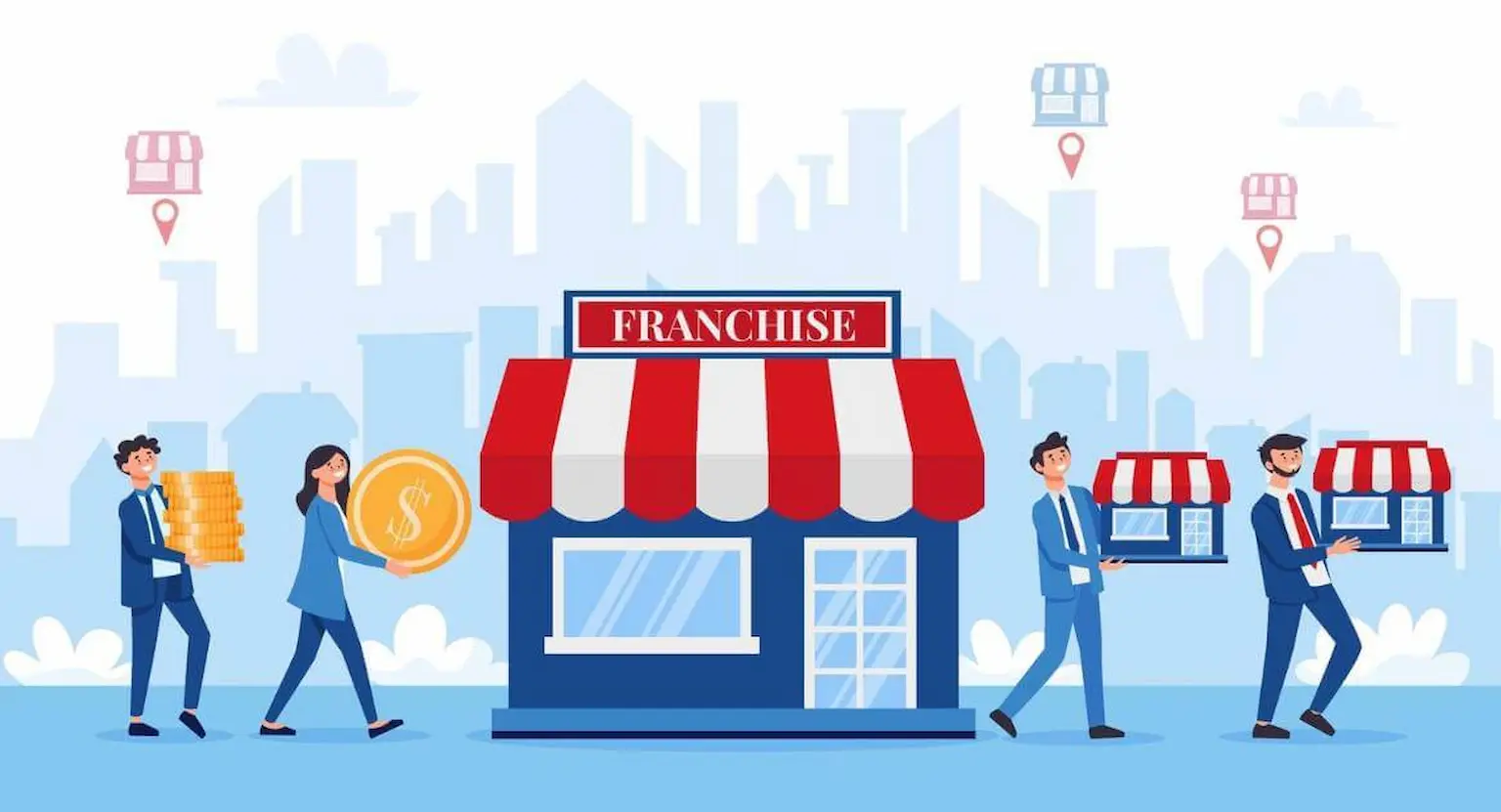
Franchisee Training : How to Choose the Right LMS
Franchisee Training: How to Choose an Effective LMS?
You've built a strong concept, a recognized brand, and proven expertise - and you've decided to share it by developing a franchise network.
Along the way, you've also encountered the central challenge every franchisor faces: how do you ensure that every franchisee, whether in Lille, Marseille, or Brest, represents your brand with the same standard of excellence and applies your methods with the same rigor?
The answer is training. Not just initial training, but continuous, ongoing training that supports the life of your network.
The success of a franchise depends on accurately replicating the original model.
Every franchisee is a brand ambassador, and a consistent customer experience is the foundation of your reputation. A single weak link can undermine the entire chain.
Training a geographically dispersed network with diverse profiles and busy schedules is a genuine logistical challenge.
Costly annual seminars, paper manuals that go out of date quickly, email updates that get buried in inboxes - these traditional approaches reveal their limits fast.
This is where an LMS (Learning Management System) becomes not just useful, but the central nervous system of your network - the tool that lets you distribute knowledge consistently, ensure brand alignment, and track performance across every member of your franchise.
With so many platforms on the market, how do you choose an LMS that's genuinely suited to the specific demands of a franchise network?
This practical guide walks you through it step by step - whether you're implementing a system for the first time or replacing an existing one.
The 6 Major Challenges of Franchise Training
Challenge #1 : Ensuring brand consistency and process uniformity
Your brand is your most valuable asset. Every customer interaction with a franchisee must reflect the same quality standards, the same messaging, and the same experience.
Over time, interpretations drift, bad habits creep in, and the original message gets diluted. A well-implemented LMS keeps the standard clear and consistent across the entire network.
Challenge #2 : Successfully onboarding new franchisees
The arrival of a new franchisee is a pivotal moment : they need to absorb a large volume of critical information quickly.
A digitized and standardized onboarding process ensures consistent skill development from day one - regardless of location, profile, or prior experience.
Challenge #3: Managing ongoing training and updates
Your products and procedures evolve. How do you make sure everyone stays current?
An LMS lets you publish new modules or micro-courses in minutes and push them to the entire network, with real-time progress tracking to confirm uptake.
Challenge #4 : Tracking compliance and performance
Health, safety, regulatory requirements - these don't manage themselves.
An LMS centralizes certificates, expiration dates, and assessment results in one place.
You manage compliance across the network and quickly identify franchisees who need additional support.
Challenge #5: Engaging a network of independent entrepreneurs
Franchisees are independent operators, not employees. They need to be trained - but above all, they need to want to engage with that training.
A seamless, genuinely useful learning experience is the most effective way to strengthen their commitment to the network.
Challenge #6: The logistical and financial cost of traditional training
In-person seminars are valuable - but they're expensive, logistically complex, and limited in reach.
A single session for 50 franchisees can cost anywhere from $10,000 to $30,000 or more.
An LMS substantially reduces these costs while enabling more frequent, more consistent, and more measurable learning.
The LMS: The Central Nervous System of Your Network
A modern, well-chosen LMS addresses each of these challenges directly.
Here's how:
1. A single source of truth for total consistency
No more paper manuals and scattered documents. Everything is centralized, up-to-date, and accessible to everyone.
One platform, one version of the truth - always current.
2. Structured and automated onboarding pathways
New franchisees discover your values, processes, and tools through an interactive journey with quizzes and built-in progress tracking.
You save coordination time and ensure every new joiner gets the same strong, consistent start.
3. Agile and instant continuous training
New campaign launching? Regulatory update? Publish a module in minutes and notify your entire network immediately. No waiting for the next seminar.
4. Dashboards for full visibility
Track progress, results, certifications, and completion rates at a glance across your entire network. This data becomes your decision-making compass - identifying gaps before they become problems.
5. Engaging learning experiences
Gamification, discussion forums, mobile learning - when training is interactive and well-designed, it builds not just skills but a genuine sense of belonging to the network.
6. A scalable, cost-effective model
An LMS pays for itself quickly by eliminating travel costs and reducing the per-franchisee cost of training. And because it scales with your network, growth doesn't multiply your training overhead.
How to Choose the Right LMS: 7 Key Criteria
An LMS for franchise networks needs to do more than just deliver courses. Here are the seven criteria that matter before you commit:
-
Ease of use: intuitive interface, clear navigation, and customizable branding. If franchisees find it confusing, adoption will fail regardless of content quality.
-
Multi-entity management: segmentation by region, performance level, or role - with delegation capabilities for regional managers or pilot franchisees.
-
Built-in content creation tools: the ability to create videos, quizzes, and modules directly inside the platform, without requiring external authoring software.
-
Tracking and certification: detailed completion reports, automatic reminders, and compliance management with certificate tracking and expiration alerts.
-
Mobile access: a smooth app with offline capability and an experience equivalent to desktop - non-negotiable for franchisees who aren't desk-based.
-
Communication tools: forums, chat, push notifications, and integrated webinars to keep the network connected and aligned between training sessions.
-
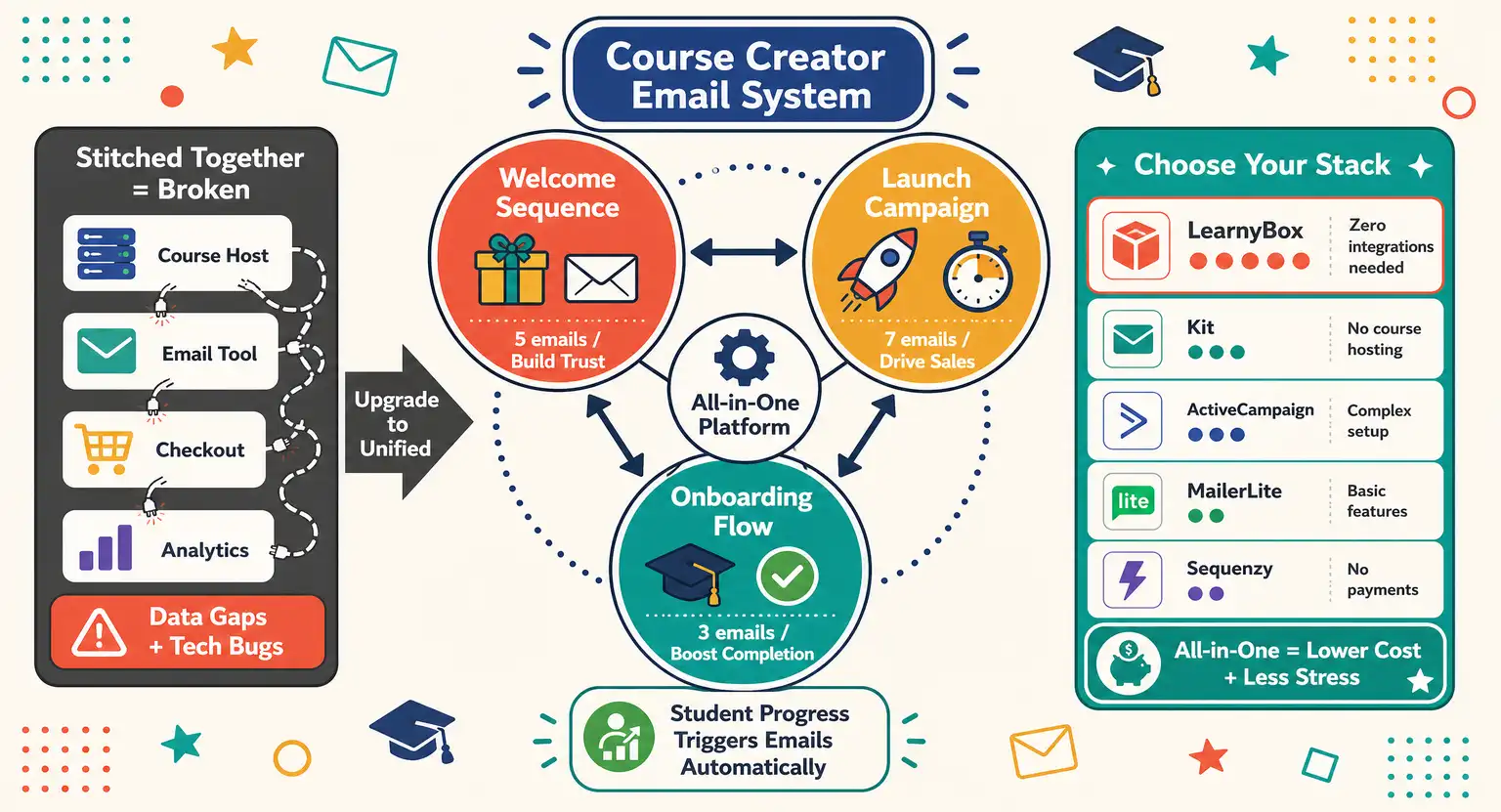
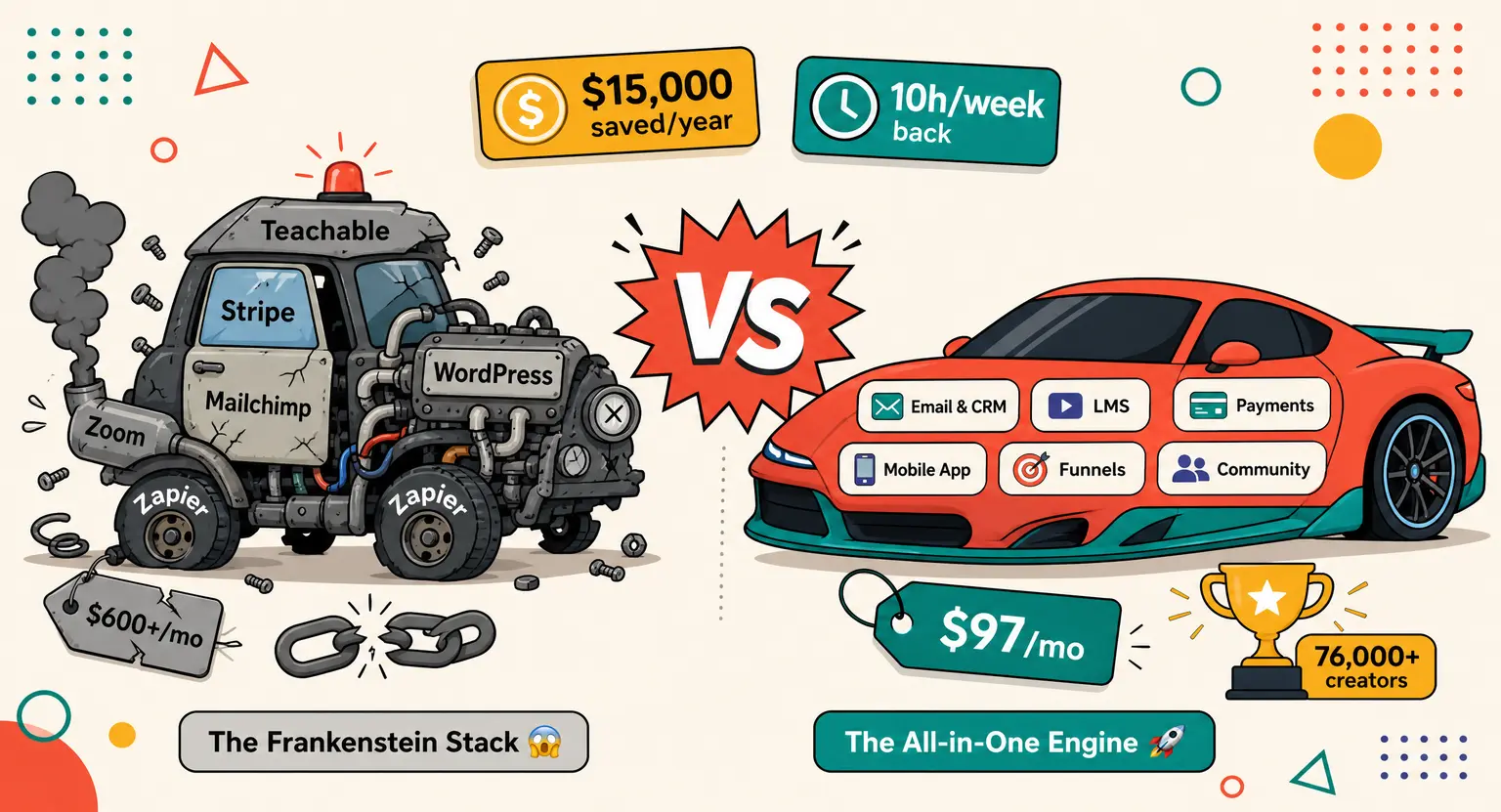
All-in-one platform: centralized training, payments, email sequences, and marketing funnels in a single tool - eliminating the integration complexity of stacking multiple systems.
Conclusion: Turn Training Into a Competitive Advantage
Choosing an LMS is not a technical decision - it's a strategic one. It directly drives the consistency and performance of your entire network.
The strongest franchise networks invest in integrated, intuitive, and scalable tools. LearnyBox is built for exactly this use case: an all-in-one platform that manages franchisee training, engagement, and network communication from a single interface.
The right LMS is the one you stop thinking about. The one that frees up your time, streamlines knowledge transfer, and supports the collective success of your network.
Discover our solution for franchise networks:
✨ Book your personalized demo ✨
FAQ - LMS for Franchise Networks
What is the typical budget for an LMS suited to a franchise network?
Expect to invest between $500 and $2,000 per month for an all-in-one solution, depending on the size of your network.
ROI is typically reached within a few months: a single in-person training session for 50 franchisees costs an average of $10,000 to $30,000 - the LMS pays for itself quickly.
How long does it take to deploy an LMS in a franchise network?
With an intuitive platform like LearnyBox, full deployment typically takes 4 to 6 weeks: initial setup and branding customization, content creation or migration, a pilot testing phase, and general rollout.
Start with 2-3 essential courses and build the catalog progressively - don't try to launch everything at once.
My franchisees aren't very tech-savvy. How can I support them?
Modern LMS platforms are designed to be as intuitive as a streaming service.
To accelerate adoption: create a 5-minute getting-started video, run a launch webinar for the full network, and appoint "digital ambassadors" from among your most tech-comfortable franchisees.
Platform ease of use should be one of your primary selection criteria - if it requires training to use the training tool, something's wrong.
Can we integrate an LMS with our existing tools (CRM, ERP, management software)?
Yes. Most professional LMS platforms offer APIs and native integrations with CRM, communication, and management systems.
LearnyBox provides ready-to-use integrations with a wide range of tools and an open API for custom connections.
Always verify compatibility with your critical systems during the demo - before you sign anything.
How do you measure the ROI of an LMS for a franchise network?
Track three dimensions: financial ROI (50-70% savings on in-person training costs), operational ROI (completion rate above 80%, update deployment time reduced by a factor of 10), and quality ROI (brand consistency, franchisee satisfaction scores).
Define 3-4 KPIs before deployment and measure them at 3, 6, and 12 months.
A question not covered here?
Contact our franchise network training experts - we'll advise you based on your network's maturity and your specific goals: Book a slot




 How to Create a Course Refund Policy (Templates & Best Practices for 2026)
 How to Run a Beta Version of an Online Course (2026 Guide)
 How to Create a Cohort-Based Online Course (2026 Guide)
 How to Sell an Online Course With a Quiz Funnel (2026 Guide)
 How to Sell an Online Course Through a Sales Call (2026 Guide)