







How to Pre-Sell an Online Course in 2026: The Ultimate Strategy Guide
How to Pre-Sell an Online Course in 2026 - The Ultimate Strategy Guide
Key Takeaways for Success
-
Validation First : never build a full course without a single dollar of commitment from your audience.
-
Financial Safety : use pre-sale revenue to fund your high-end production costs later on.
-
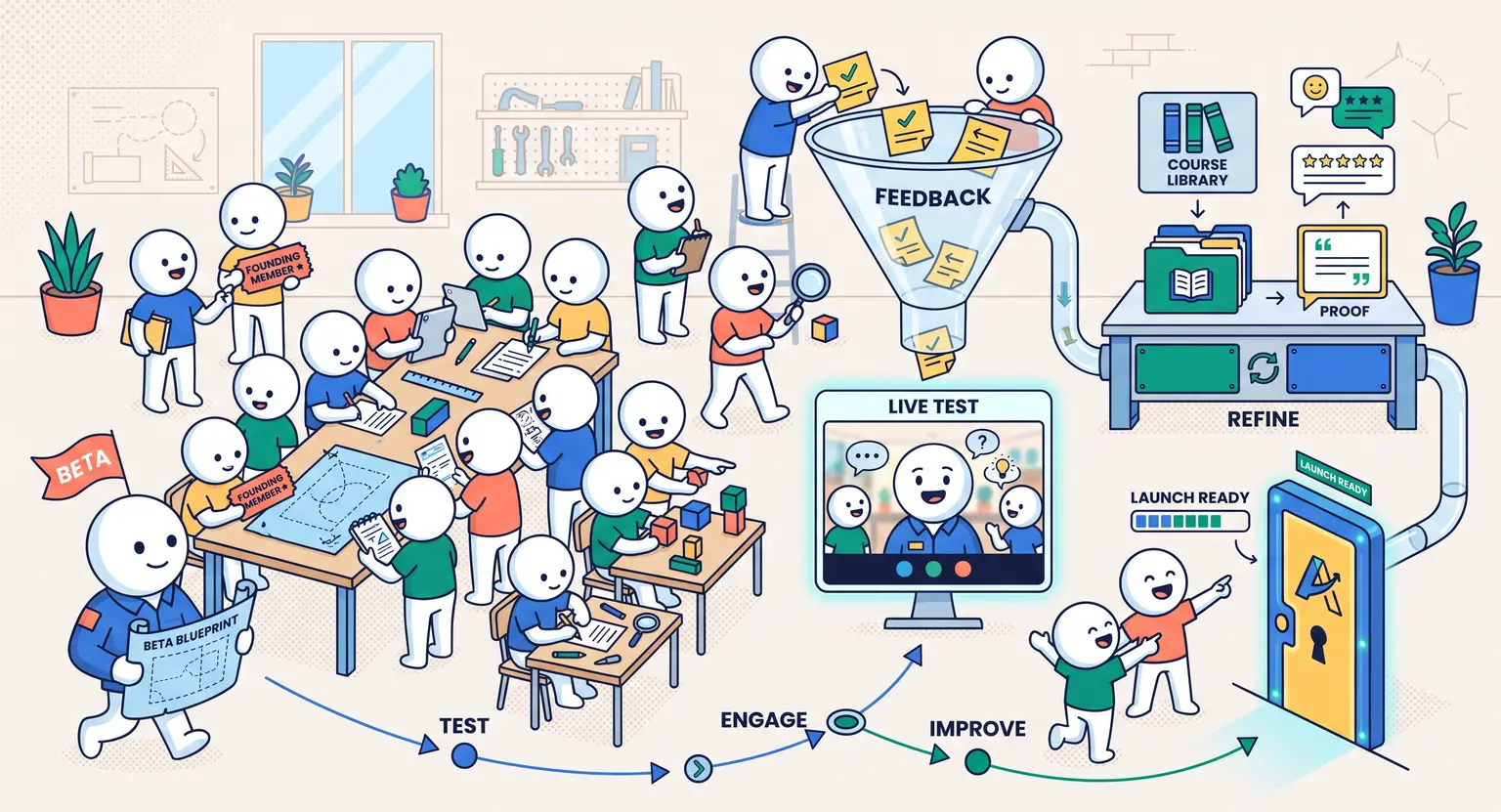
Beta Testing : treat your first buyers as co-creators who help you refine the course creation checklist as you go.
-
Feedback Loops : pre-selling allows you to adjust the curriculum based on real student struggles, not just your assumptions.
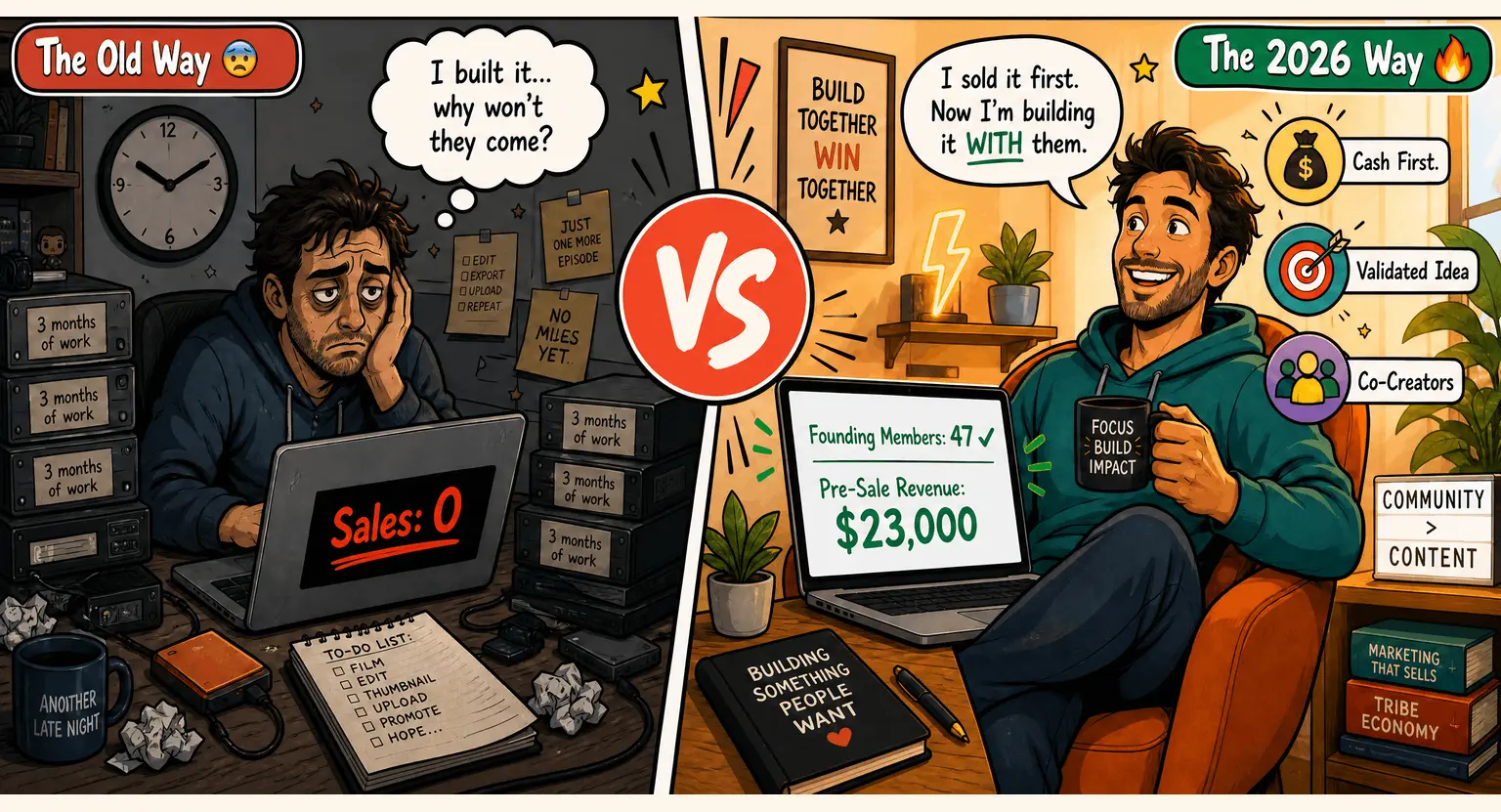
Let's talk about the nightmare scenario. You spend three months in your basement, meticulously editing videos, designing worksheets, and sweating over every pixel of your slide deck.
You launch the course, hit "send" on your email list, and... silence.
It happens more often than most "gurus" care to admit.
The world has changed. In 2026, the era of the mystery launch is dead. People don't want to buy a black box; they want to be part of the solution from day one.
That's where pre-selling comes in. It is the art of selling the transformation before you've actually built the vehicle. It sounds a bit like magic, but it's actually pure psychology and risk management combined into one tidy package.
Look, I've seen hundreds of creators fail because they were too proud to ask for money before the product was "perfect." Perfection is the enemy of profit.
When you pre-sell, you are asking for a "Yes" from the marketplace.
If they say no, you haven't lost months of your life; you've just lost a few days of planning.
But if they say yes, you have something better than just money. You have momentum. You have a group of "Founding Members" who are literally rooting for you to finish the course.
This shifts your role from a lonely creator to a community leader. It makes the actual building process significantly easier because you aren't guessing what they need anymore. They are telling you in the comments, in the live Q&A sessions, and through their progress.
Phase 1 : Validating the Hook Before the Hull
Before you even think about a landing page, you need a hook.
What is the one specific problem you are solving? In 2026, generalized courses are nearly impossible to sell. High-specificity is the name of the game.
You aren't teaching "Digital Marketing"; you are teaching "Lead Generation for Solar Panel Installers using AI-Driven Video." See the difference?
To validate this, you need to engage in what I call "Social Listening on Steroids." Spend time where your people hang out. Look at the complaints.
What are they stuck on? Once you find that friction point, you have your course topic.
But don't start filming yet. Start talking.
Post on LinkedIn, Instagram, or your private community. Share a "Value Post" that solves 10% of the problem for free.
At the bottom, drop a hint : "I'm thinking of building a deep-dive program into this. If I did, would you want in on the early-bird list?"
This is the softest pre-sell possible. It's an "Intent to Buy" signal.
If you get 50 comments saying "Me!", you're on to something.
If you get zero, you just saved yourself a year of heartache.
At this stage, having a clear step-by-step course structure in your head is enough to move to the next step. You don't need the videos. You just need the promise of the outcome.

Phase 2 : The Minimum Viable Offer (MVO)
Now that you have interest, you need a place for them to actually give you money. This is where most people overcomplicate the tech.
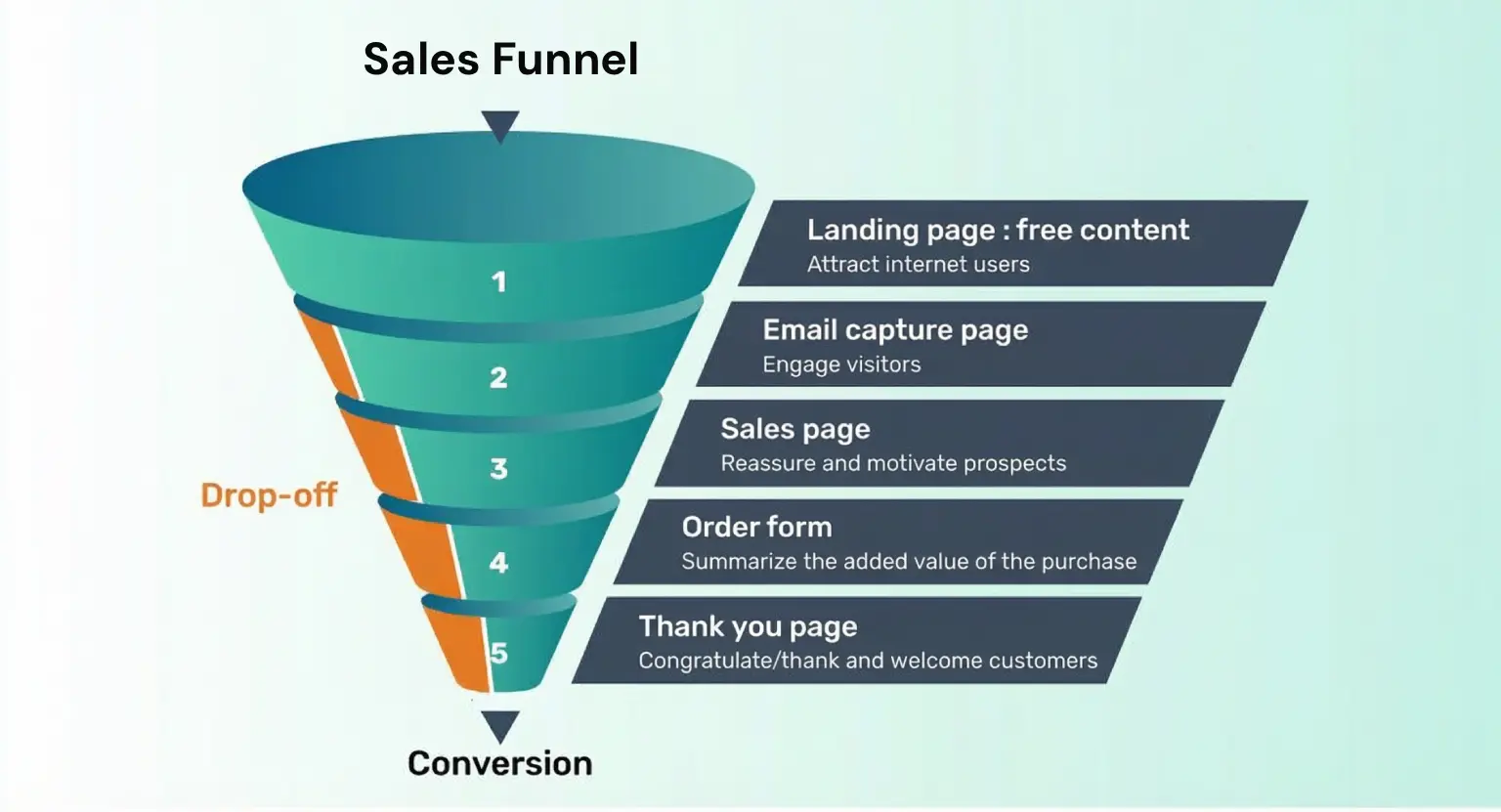
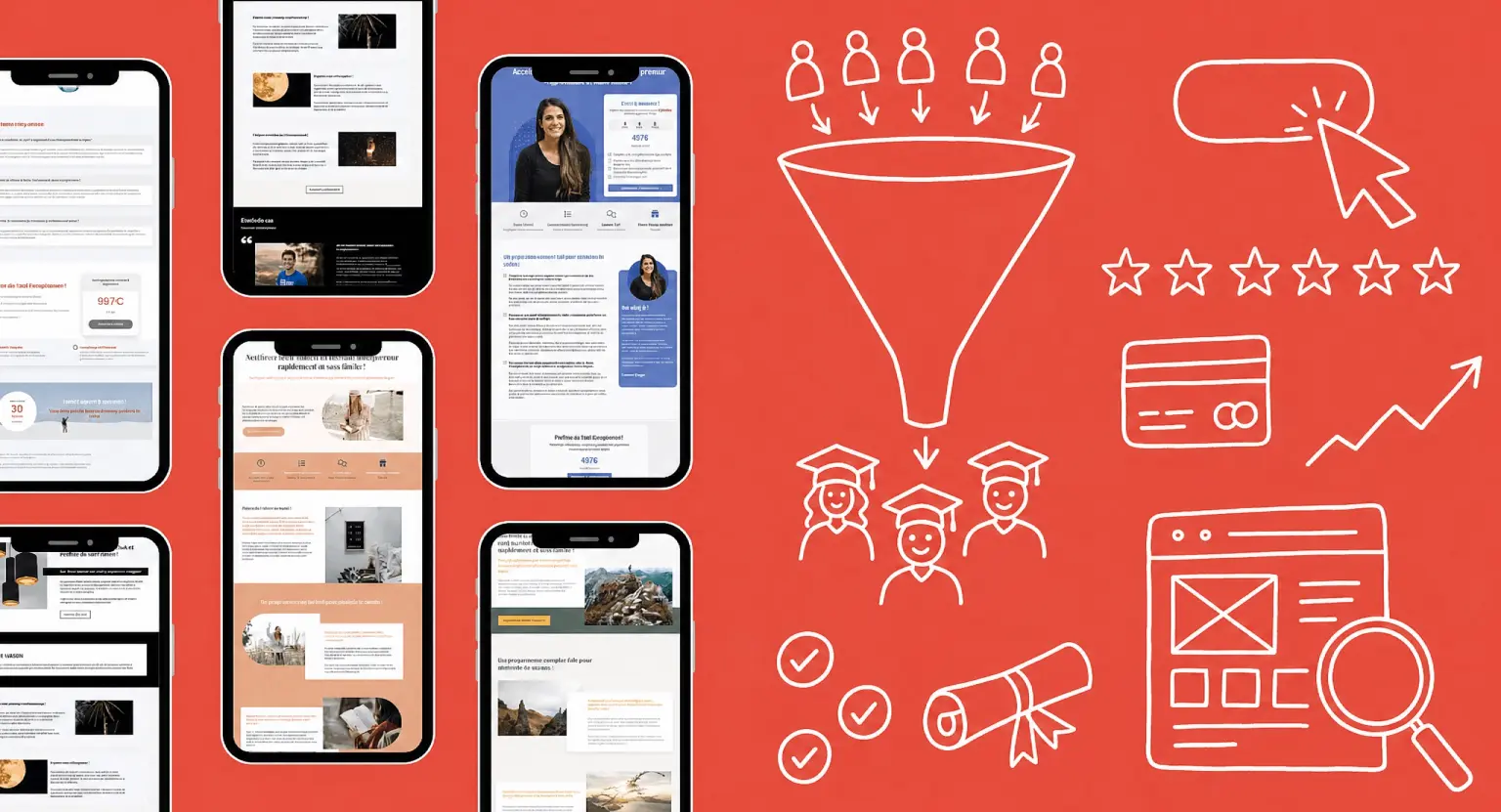
You don't need a 50-page website. You need a high-converting sales funnel that clearly outlines the transformation.
Your landing page should focus on three things :
The Dream (Outcome),
The Draught (The Problem),
and The Bridge (Your Course).
Tell them explicitly : "This is a Beta Program. I am building this live with you. Because of that, you get it for 50% off." People love transparency. They value the chance to get closer to the expert for a lower price. This is your "Founding Member" offer.
Your MVO should include a few key components to feel real to the buyer :
List out the modules, even if they aren't filmed,
Describe the live sessions,
Mention any bonuses they get for being first,
And most importantly, use a payment processor that builds trust.
Whether you're a solopreneur or part of a larger all-in-one ecosystem, the checkout experience must be seamless.
If the checkout feels clunky, they'll bounce. You are asking for trust, so the tech shouldn't get in the way of that trust.
Keep it lean, keep it fast, and keep it focused on the "Buy" button.
| Feature category | The Pre-Sale Approach | Traditional Build-First Method |
|---|---|---|
| Cash Flow | Immediate cash before any work begins. | Negative cash flow for 3-6 months. |
| Product Quality | Extremely high (built on real feedback). | Hit-or-miss (built on assumptions). |
| Market Risk | Zero. If it doesn't sell, you don't build. | Maximum. Total loss of time/effort possible. |
| Student Results | High engagement due to live elements. | Standard (can feel impersonal/static). |
Phase 3 : Driving Traffic and Closing the Sale
How do you actually get eyeballs on this pre-sale page? In my experience, nothing beats live interaction.
You should consider organizing a masterclass or a workshop that addresses the core problem your course solves. During this 45-minute session, you provide immense value, teach them the "What" and the "Why," and then offer the "How" (your course) at the end.
Because it's a pre-sale, your pitch should feel more like an invitation to a private club than a high-pressure sales tactic. "I'm looking for 20 people to build this with me," is much more effective than "Buy now before the price goes up!"
Using live webinar hosting allows you to field questions in real-time. This is gold.
Every question someone asks is a new module idea for your course. If three people ask about the same technical hurdle, you know exactly what to film in week two of your build.
Beyond live events, use your email list. Run a 4-day launch sequence.
The first day is the announcement,
The second day is the "Behind the Scenes" of why you're building it,
The third day is the "Founding Member" deadline,
The fourth day is the "Last Chance."
It's a classic structure for a reason - it works.
Phase 4 : Co-Creating the Curriculum
Once the sales are in, the real work starts. But it's fun work!
You should have different course structures and styles ready to test. Maybe you release one module every week as a live Zoom call, then upload the recording to your student portal.
This "Drip and Build" method keeps you accountable. You can't slack off because you have students waiting for next Tuesday's lesson.
It also allows you to pivot if you realize your initial plan was too advanced or too simple. I've often completely rewritten Module 4 because Module 3 sparked a whole new set of questions I hadn't anticipated...
And don't worry about Hollywood-level production quality yet. In the pre-sale phase, the value is in the information and the access to you. As long as your audio is clear and your screen share is visible, they will be happy.
In fact, raw and authentic often sells better in 2026 than overly polished, corporate-feeling content. Your students want to see the real you. They want to see how you solve problems in real-time. Use this period to find your voice and perfect your teaching method.
By the time you're ready to "officially" launch the evergreen version, you'll have a proven product and a library of success stories.
Setting the Right Expectations with Pricing
Let's talk money. Pricing a pre-sale requires a bit of strategy. If you plan to sell the final course for $997, your pre-sale price should probably be around $497 or even $397.
This steep discount is the "reward" for the early adopters. However, don't go too low. If you price it at $27, people won't value it, and more importantly, they won't do the work.
You need them to do the work so you can get testimonials.
Those testimonials are what will sell the course at full price later on. Look at flexible pricing tiers to see what fits your niche. Sometimes a payment plan makes the pre-sale an even easier "Yes" for someone on the fence.
But here is a pro tip : always have a "Hard Cap" on the number of beta students. Tell your audience you only want 20 or 30 people. This creates genuine scarcity.
It also ensures you aren't overwhelmed by questions during the build-out phase. Managing a group of 20 is a joy; managing a group of 500 while you're still figuring out the curriculum is a nightmare.
Once you hit that cap, close the doors. This build-up of demand will make your subsequent "Public Launch" even more successful because people will have seen that the Beta sold out quickly.
It builds massive social proof before the "real" product even hits the shelf.
The "Oh No" Factor : What if It Fails?
This is the question that keeps people up at night. What if you put out the offer and nobody buys?
Well, first off, congratulations. You just saved yourself hundreds of hours of work.
If nobody buys, it means one of three things : the audience isn't right, the problem isn't big enough, or the price is off.
You can now tweak your message or move on to a completely different idea without any financial loss.
This is the ultimate freedom of the pre-sale model. You aren't married to an idea until the market says "I do" with their credit cards.
Wrapping This Up
Pre-selling isn't just a marketing tactic; it's a philosophy of business that puts the customer at the center of the creation process.
By the time you finish your beta round, you'll have a polished course, a group of raving fans, and a bank account that isn't empty. You've successfully de-risked the hardest part of being an infopreneur.
So, stop waiting for the "perfect" time to record. The perfect time is after you've made your first sale.
Get out there, talk to your audience, and start building something that people actually want to buy.
The journey from idea to profit is much shorter when you let your students lead the way.
Frequently Asked Questions
How do I price a pre-sold course compared to the final launch?
You should generally offer a deep discount for founding members, often between 30% and 50% off the final retail price.
This lower entry point honors their role as early testers and compensates for the fact that the content is being delivered live or over time rather than all at once.
Check out platform pricing models to see how to structure these early-bird tiers effectively.
What if my course idea doesn't get any sales during the pre-sale?
If you don't get sales, it is a massive win in disguise because it indicates a lack of market fit before you've invested significant time.
Simply refund the few buyers you might have had, thank them for their interest, and go back to the drawing board to refine your persona or your hook.
This feedback is essential for long-term success.
How much content should I have ready before the pre-sale starts?
You strictly only need a solid outline and a clear vision of the transformation you are providing.
Most experts recommend having a welcome video and perhaps the first module's outline ready to show. The rest is built week-by-week based on student interaction and specific needs revealed during the beta phase.
Explore Further
Ready to dive deeper into the world of course creation and sales? Check out these resources :
-
Start with our step-by-step launch checklist.
-
Learn the nuances of choosing the right course format.
-
Master the art of running high-conversion webinars.
-
See why thousands choose our all-in-one education ecosystem.



 How to Create a Course Refund Policy (Templates & Best Practices for 2026)
 How to Run a Beta Version of an Online Course (2026 Guide)
 How to Sell an Online Course With a Quiz Funnel (2026 Guide)
 How to Sell an Online Course Through a Sales Call (2026 Guide)