







AI Tutors for Online Courses: How to Scale Personal Support in 2026
AI Tutors for Online Courses
Imagine this scenario. It's three in the morning. A student is working through your course, gets completely stuck on a tricky concept, and wants a quick answer.
They could send you an email, or they could post in your community forum… But they probably won't. Usually, they just close their laptop and walk away.
That's how dropouts happen, and it stinks.
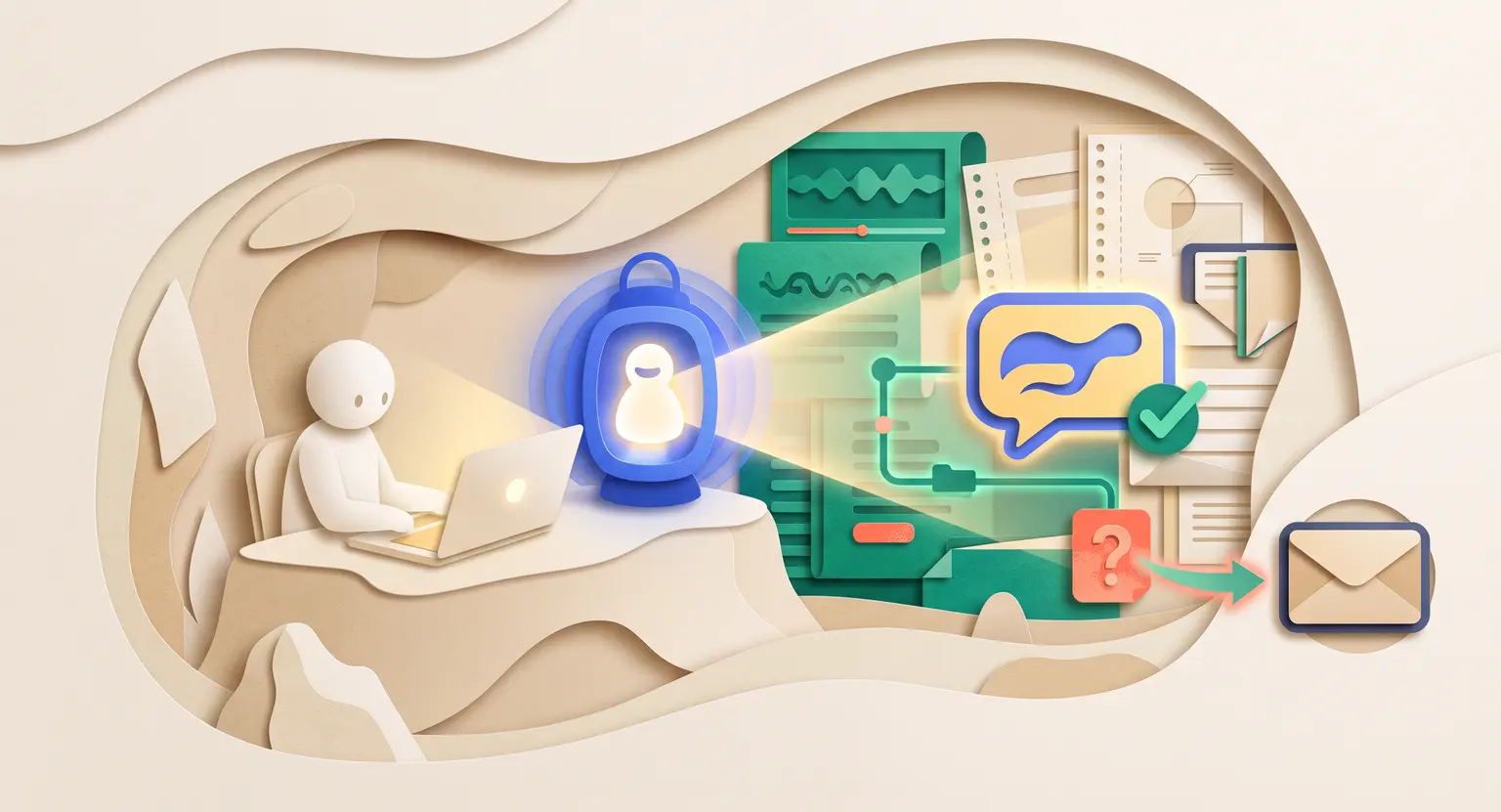
But what if they had a personal assistant sitting right next to them? An assistant that knows your course inside out, speaks their language, and explains things exactly the way you do?
That is precisely what AI tutors are doing in 2026.
They aren't generic chatbots anymore.
They are deeply integrated learning guides changing how we teach.
Quick Highlights : What You Need to Know
-
On-demand support : students get immediate help at 3 AM without waiting for your email.
-
Saves your time : by shifting focus to high-level support, you can focus on building engaging lessons.
-
Feedback loop : read student logs to easily analyze student feedback.
-
Easy setup : absolutely no coding needed to upload your course curriculum and let AI handle the heavy lifting.
The Evolution of Student Support
Not long ago, running an online academy meant choosing between two extremes. You could offer a cheap, self-paced course where students felt isolated, or you could offer expensive, exhausting one-on-one coaching. Finding a middle ground was incredibly tough.
Now, things look vastly different. Modern AI agents read your videos, transcripts, and worksheets.
They act like a brilliant teaching assistant who spent years studying your exact material. They do not just copy-paste answers; they prompt students, offer customized exercises, and gently nudge them back on track.
And honestly, this is a game-changer for student engagement. Instead of passively watching a video, students can pause, ask the AI to explain a slide using a sports metaphor, and get an immediate reply.
It turns static viewing into an interactive, conversational learning partnership.
The Core Power of Modern AI Assistants
What makes these smart tutors different from those old-school clunky bots? For starters, they actually understand context. They do not drift off into hallucinations because you can lock their knowledge base directly to your specific material.
Here are the main capabilities we are seeing across successful platforms right now :
-
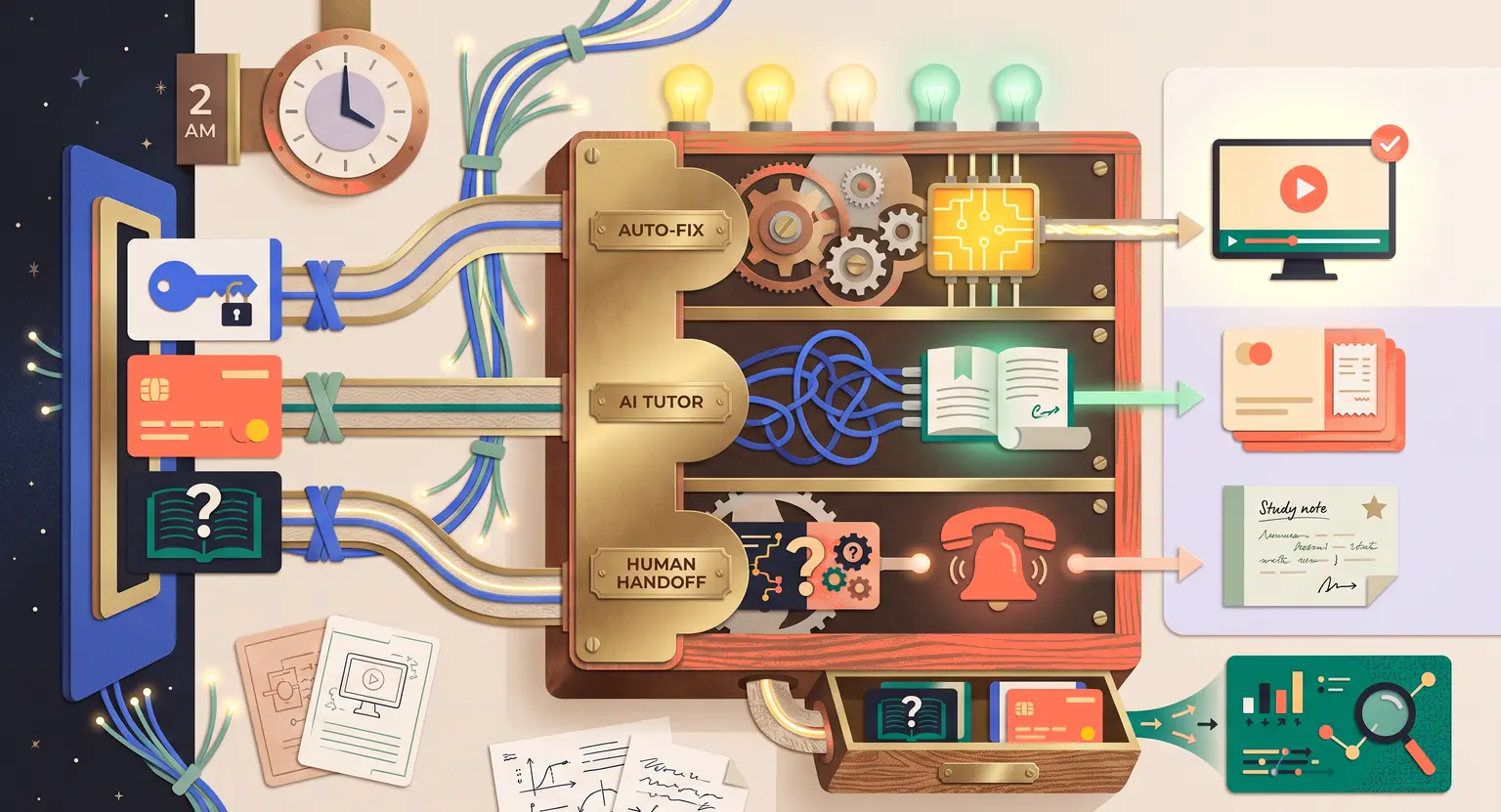
Direct grounding : the AI only answers questions using files, transcripts, and lessons you upload. If it is not in your material, the bot politely refers them to the human creator.
-
Proactive quizzing : instead of just waiting for questions, the tutor can ask, "Do you want to test your memory on this module?" and design a customized quiz on the fly.
-
Tone matching : whether your teaching style is highly academic or extremely casual, you can adjust the bot's persona to sound exactly like you.
-
Automated escalation : when a student faces a complex personal challenge, the tutor knows its limits. It automatically drafts a ticket for your support inbox.
So, you are not handing over the keys to your school, you are simply hiring a digital assistant that works around the clock for pennies. This ensures your students never hit a wall while you're offline.
| Support method | Response speed | Teaching capability | Student retention impact |
|---|---|---|---|
|
Static resources (FAQ, videos) |
Instant search, but lacks personalized help. |
None. Students must read or watch passive content. |
Low. Frustrated users leave when they are confused. |
|
Generic chatbots (outdated) |
Instant, but often hallucinating facts. |
Basic. Limited to simple keywords or direct web text. |
Moderate. Off-topic replies from AI for course customer support can confuse. |
|
Modern AI tutors (2026) |
Instantaneous 24/7 dedicated answers. |
High. Interactive guides that excel at setting up course quizzes. |
Very high. Keeps students consistently engaged. |
Freeing Up Creator Brainpower
If you've been managing an online academy for any length of time, you already know the heavy toll of repeating yourself. You spend hours sitting in front of your email answering the exact same variation of "How do I download the workbook?" or "Where should I get started?"
It drains your creative energy and eats up hours that could support your growth. By integrating a dedicated virtual helper, you delegate these repetitive queries.
You can stay focused on building your platform or deciding between coaching versus online courses to scale your coaching business.
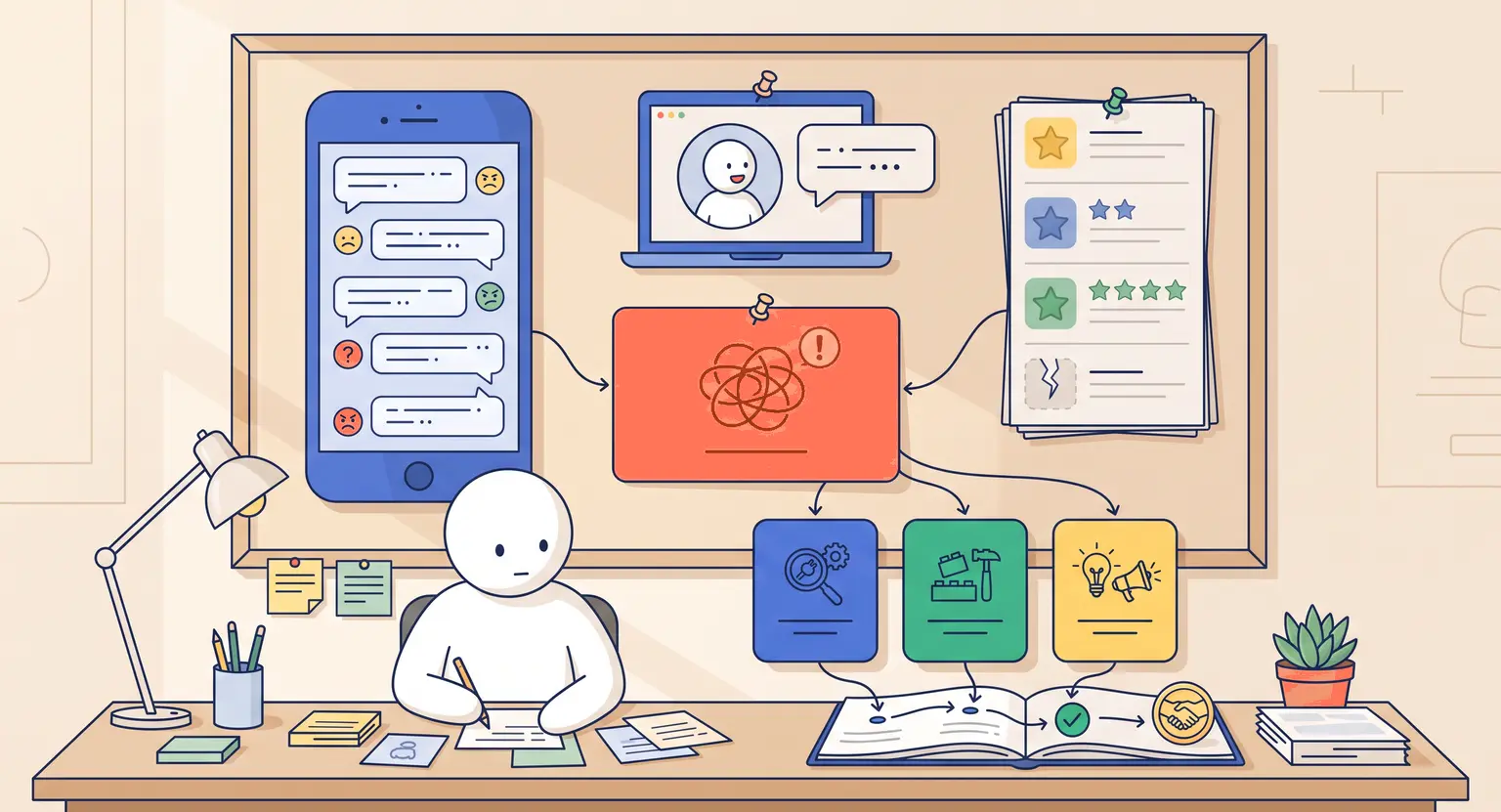
But what about the data? Every chat log is a goldmine of insights.
If twenty students ask the tutor to clarify a specific paragraph in module three, you quickly realize there is a massive gap in your curriculum. You can use these insights when updating your course materials to make your lessons flawless over time.
This is not about replacing your human touch. It is about letting machines handle the busywork so you can have deep, impactful mentoring sessions instead of resetting lost passwords.
Avoiding the Hallucination Trap : Implementation Guide
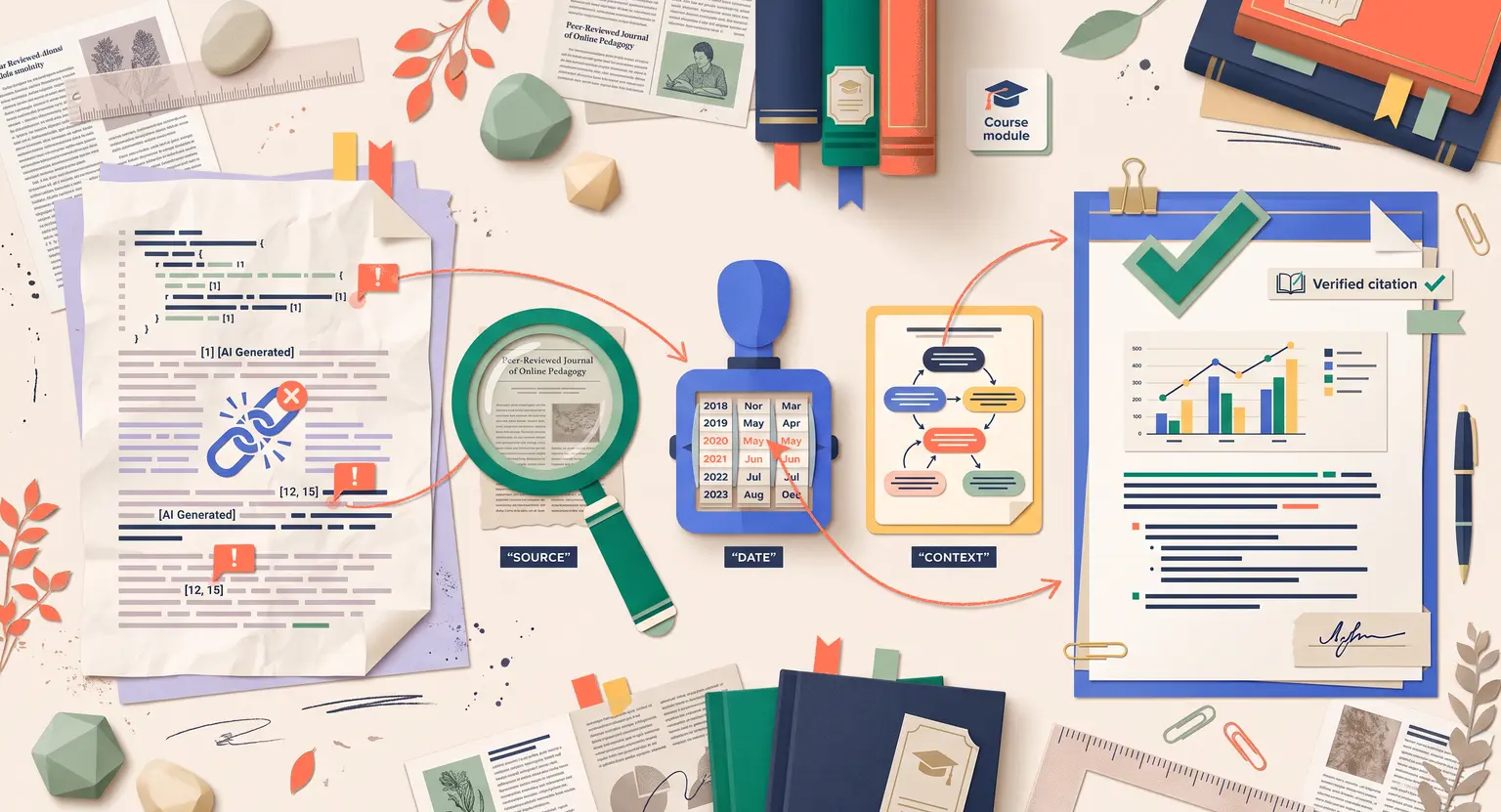
Many creators worry that an AI assistant might say something incorrect. That is a completely fair fear, as we have all seen generic chatbots make up fake links.
To avoid this, you must construct tight guardrails around your assistant. The secret lies in a system called Retrieval-Augmented Generation (RAG).
Instead of searching the entire internet, you set up a sandbox - the AI is specifically instructed to use only your documents as source material.
Here are a few quick tips to set your assistant up for success :
-
Always upload transcripts : export text transcripts. The bot can then find specific timestamps in your videos to guide your students.
-
Write clear boundary rules : tell your helper, "If the answer is not in the documents, suggest opening a support ticket."
-
Review chats weekly : make it a habit to audit conversational logs. This helps you find gaps in your curriculum and refine the bot's prompt rules.
By utilizing these simple practices, you can deploy a reliable assistant with absolute confidence that it will represent your brand beautifully.
The Strategic Edge for Modern Communities
Education is no longer just about content delivery. The actual value of modern online training programs lies in community, accountability, and practical application.
If you are running subscription programs, keeping users logged in and participating is your primary goal. You can experiment with fresh membership site concepts where AI acts as a study companion inside your community groups, prompting discussions and summarizing long threads for busy participants.
And this pays off during launches too. When you promote your online academy, you can prominently advertise that your course includes an active 24/7 personal tutor.
This is an incredibly compelling offer that sets your training apart from simple video libraries on cheaper, basic platforms.
To make this all run smoothly, you need an integrated ecosystem. Trying to glue together five different software tools with messy APIs is a fast path to a headache. Relying on an all-in-one e-learning workspace lets you keep your content, communities, and AI helpers nicely organized in one simple dashboard.
Putting AI tutors into your online learning pipeline in 2026 is no longer some futuristic experiment reserved for massive corporations with huge tech budgets. It is an immediate, practical way to show your students that you genuinely care about their success.
By building highly active learning pathways, saving your valuable creative energy, and providing instant course support, you create an outstanding experience.
Start small, try grounding your bot on your main study guide, and watch how quickly your community begins to thrive.
Frequently Asked Questions
Do AI tutors replace human teachers entirely?
Not at all. Think of an AI tutor as a highly capable teaching assistant rather than a replacement.
The AI handles basic explanations, instant troubleshooting, and repetitive curriculum questions, which actually allows you to focus your energy on high-value group coaching sessions, deep community relationships, and human mentorship.
What kind of materials can I feed to my virtual classroom assistant?
You can upload almost any text-based or media-based files you use to teach, including video lesson scripts, PDF workbooks, blog posts, audio transcripts, and even lists of frequently asked questions.
The system will process this structured data so the tutor only answers using your verified expertise and style.
Can an AI tutor analyze when a student is falling behind?
Yes, modern AI tutoring agents track conversation history and alert you when a user encounters a conceptual block repeatedly.
By viewing these logs, you gain clear, data-driven ideas on exactly how to adjust your course flow to support struggling students before they decide to give up.




 How to Transition From Course Sales to Recurring Revenue
 How to Sell Online Courses to Businesses (2026 Guide)
 How to Create an Irresistible Online Course Offer (2026)
 Competitor Research for Online Courses: Spot Gaps & Succeed