







How to Identify the Biggest Problems Your Online Course Should Solve
How to Identify the Biggest Problems Your Online Course Should Solve
You have a brilliant idea for an online course. You are excited, your slides are half-ready, and you can already picture hundreds of positive reviews rolling in…
But then a quiet, nagging voice in your head asks : will anyone actually buy this? It is a terrifying question, yet it is by far the most important query you will ever ask as an educator.
The harsh truth of the modern e-learning landscape is that people do not buy courses because they want to learn - they buy them because they want a painful problem to go away.
If your course does not target a specific, bleeding-neck problem, it will likely sit on a digital shelf gathering dust.
So, how do you find those deep, agonizing pain points that people will happily pay to resolve?
You do not guess. Instead, you build a systematic approach to uncover what keeps your target audience awake at night.
Here is the step-by-step roadmap to pinpoint the exact, burning struggles your course needs to solve.
Key Takeaways for Course Creators
-
Focus on acute pain : people invest in solutions, not general education. Find the specific issue costing them time or money.
-
Listen to real language : use social listening on platforms like Reddit and Quora to capture exact phrases.
-
Conduct direct interviews : speak to real people to uncover emotional drivers. You can learn more about interviewing potential students to extract deep-seated insights.
-
Analyze competitor gaps : study one-star reviews of existing solutions to find what others are missing.
-
Validate urgency : ensure the problem is big enough that people are already actively spending money to fix it.
The Trap of the "Nice-to-Have" Topic
We love sharing our own passions. If you are an expert in home gardening, you might want to create a course called "An Introduction to Soil Science." It sounds educational, structured, and complete.
But honestly? Nobody is searching the internet at 2:00 AM because they are desperate to understand soil chemistry.
They are searching because their prized tomato plants are rotting, and they do not know why. That is the real, immediate problem.
When building digital courses on the LearnyBox platform, your success hinges on shifting your mindset from teaching a topic to solving an acute frustration.
A "nice-to-have" topic is a vitamin; a problem-solving course is a painkiller - people might skip their daily vitamins, but they will sprint to the pharmacy for a painkiller without a single second of hesitation.
Social Listening : Where the Raw Truth Hides
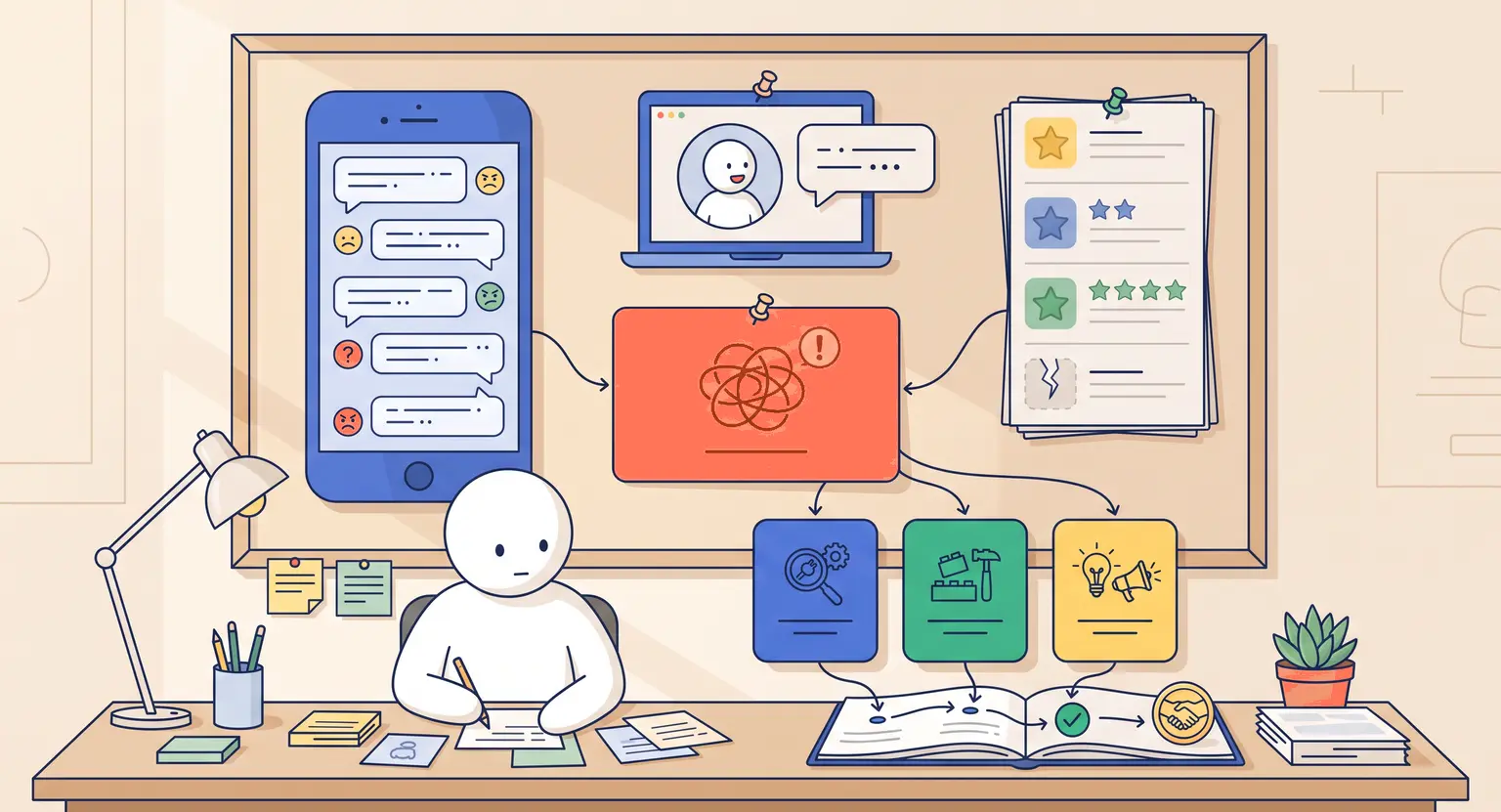
Before you talk to anyone face-to-face, you can easily gather an absolute goldmine of data online - people are incredibly honest when they think they are completely anonymous.
Online forums, social media groups, and review sections are full of raw, unfiltered customer complaints.
But do not just browse : you need to look for patterns. Search keywords related to your niche combined with high-intent acute frustration words like "help," "stuck," "frustrated," "hate," or "confused."
Here are the digital listening posts you should explore :
-
Reddit : look for active subreddits in your industry. Filter by "Top" posts over the last year, or search for "how do I" and "sucks." Pay close attention to threads with dozens of comments.
-
Quora : identify the most frequently asked questions in your niche. If people ask the exact same question week after week, you have found a highly validated pain point.
-
Facebook & LinkedIn groups : join groups where your target audience hangs out. Search the group history for common struggles and read the comment threads to see where existing advice falls short.
-
YouTube comments : look up popular videos about your topic and read the comment section. Users often post follow-up questions detailing what the video creator failed to explain.
Have Real Conversations with Your Target Audience
Data from forums is great, but it only tells part of the story. To truly understand the psychological weight of a problem, you need to hear the tone of voice, see the facial expressions, and feel the sighs of real people.
Find five to ten people who represent your ideal customer profile and schedule short chat sessions with them. Your goal is not to sell anything. In fact, if you start pitching, they will shut down. Your sole strategic objective is to listen.
Ask open-ended questions that allow them to vent.
Instead of asking, "Would you buy a course on graphic design?"
Ask, "What is the hardest part of designing graphics for your local business?"
Listen for the emotion behind their words. When they use emotional language, they are pointing directly at the problem your course should solve.
Mine Competitor Reviews for Hidden Gaps
You do not have to reinvent the wheel. If there are already courses, books, or software programs in your niche, that is fantastic news. It means there is a validated market. Now, your job is to find out where those existing offerings are failing their users.
To do this effectively, you must analyze the competition beforehand to see what they are missing. Head over to marketplaces like Amazon or Udemy and find bestselling books or courses in your subject area.
Filter the reviews to show only the two-star and three-star feedback. Why? Because five-star reviews are often overly enthusiastic fans, and one-star reviews are usually angry ranters who had technical issues. The middle-tier reviews are where the real, constructive, golden critiques live.
Look for complaints such as :
-
"The theory was great, but I did not get any practical steps to implement it."
-
"This was basic and did not cover advanced issues."
-
"The instructor spoke too fast and did not provide templates."
-
"It lacked community support, so when I got stuck, I gave up."
These gaps are your golden opportunities. If a competitor's course lacks practical action steps, make your course highly action-oriented.
Analyze and Categorize the Pain Points
Once you have gathered research from online forums, customer interviews, and competitor reviews, you will have a long list of raw complaints. But not all problems are created equal. Some are minor inconveniences, while others are absolute dealbreakers.
To help you sort through this information, we have broken down how different categories of problems translate into course topics and monetization strategies.
| Problem category | Key audience frustration | Real-world example | Potential course focus | Commercial viability |
|---|---|---|---|---|
|
Financial loss |
"I am losing money every month due to inefficient systems." |
E-commerce store owner experiencing high cart abandonment rates. |
How to optimize checkout pages and write recovery sequences. |
Exceptionally high. |
|
Time scarcity |
"I spend five hours a day on repetitive tasks that I hate." |
Small business owner manually entering lead data into spreadsheets daily. |
Zapier automation for non-technical company founders. |
High. |
|
Career progression |
"I am stuck in my entry-level tech role and cannot get promoted." |
Junior software developer struggling to pass system design interviews. |
Advanced system design training for senior engineer roles. |
Very high. |
|
Health & well-being |
"I am constantly stressed and suffer from chronic sleep deprivation." |
High-performing corporate managers experiencing severe physical burnout. |
Mindfulness and structural stress recovery practices for executives. |
Medium to high. |
|
Lack of skill |
"I want to design my own website but coding is too confusing." |
Solopreneur trying to build a professional website from scratch. |
No-code Webflow development specifically for independent creative professionals. |
High. |
Validate with Real Money
Having a great problem to solve is a start, but you must ensure people will actually open their wallets to pay for the solution. Sometimes, people will complain loudly about a minor inconvenience but refuse to spend even a single dollar to fix it.
The absolute best form of validation is a pre-sale.
Before you spend months recording video modules, map out your curriculum and pitch it to your small group of early listeners. If they are willing to put down a deposit or pay a discounted rate for live beta sessions, you have hit the jackpot.
Once you have confirmed that the interest is real and verified, you can confidently craft a compelling course program that handles this core problem head-on. That structure acts as the true foundation of your premium course business.
Frequently Asked Questions
How many people do I need to interview to validate my course idea?
Aim for five to ten detailed, open-ended conversations. This sample size is usually enough to reveal consistent, repetitive patterns in pain points and vocabulary.
What if my target audience says they have no budget to buy?
This indicates you are either targeting the wrong demographic or solving a problem that is not painful or urgent enough to warrant financial investment.
Can I solve multiple problems inside one online course?
It is best to focus on one primary big problem per course. Too many solutions dilute your marketing and overwhelm your potential students.
How do I know if a problem is too niche?
If you cannot find any active forums, books, or online communities discussing the topic, the target market might be too small to support you.





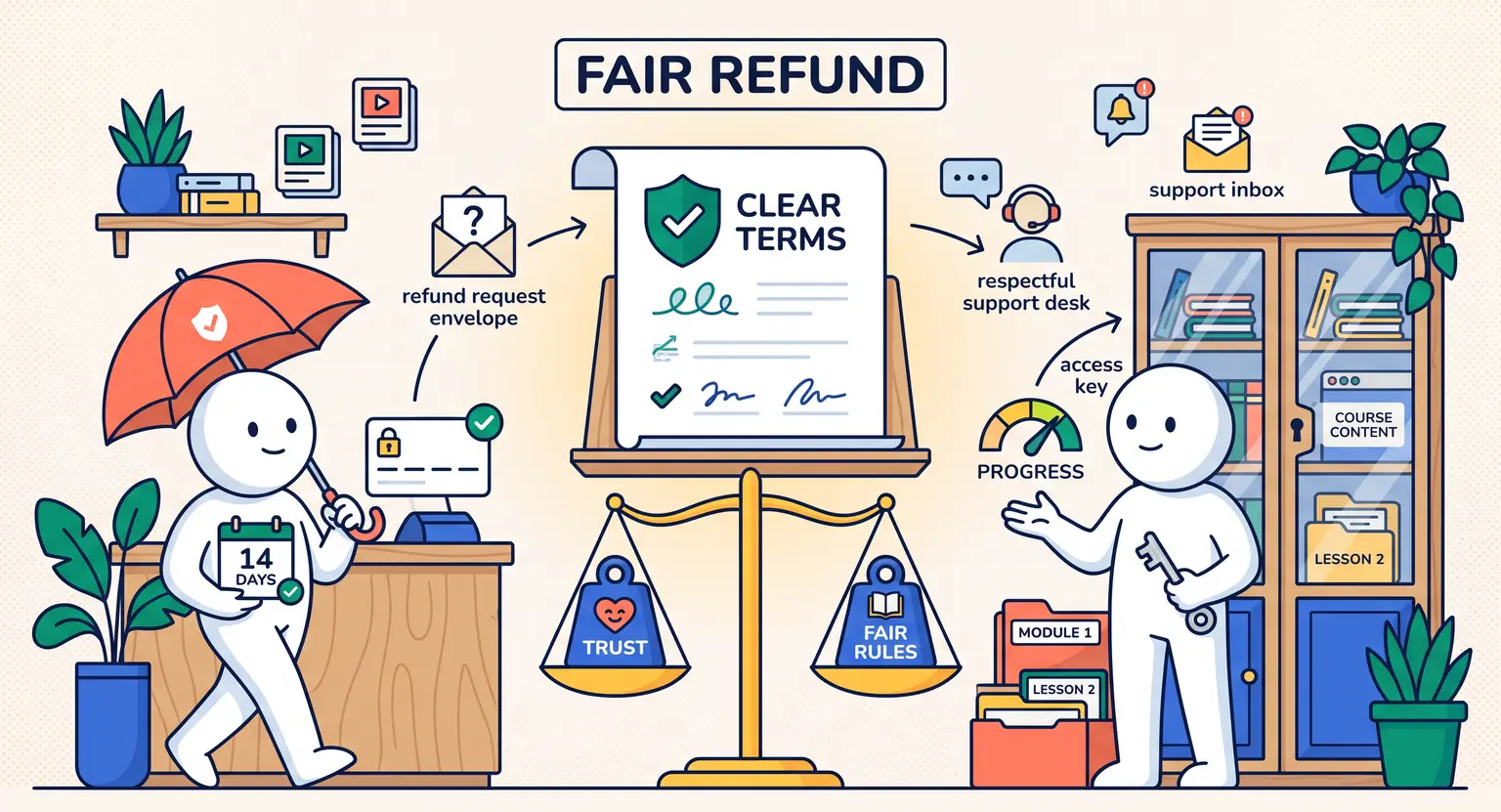 How to Create a Course Refund Policy (Templates & Best Practices for 2026)
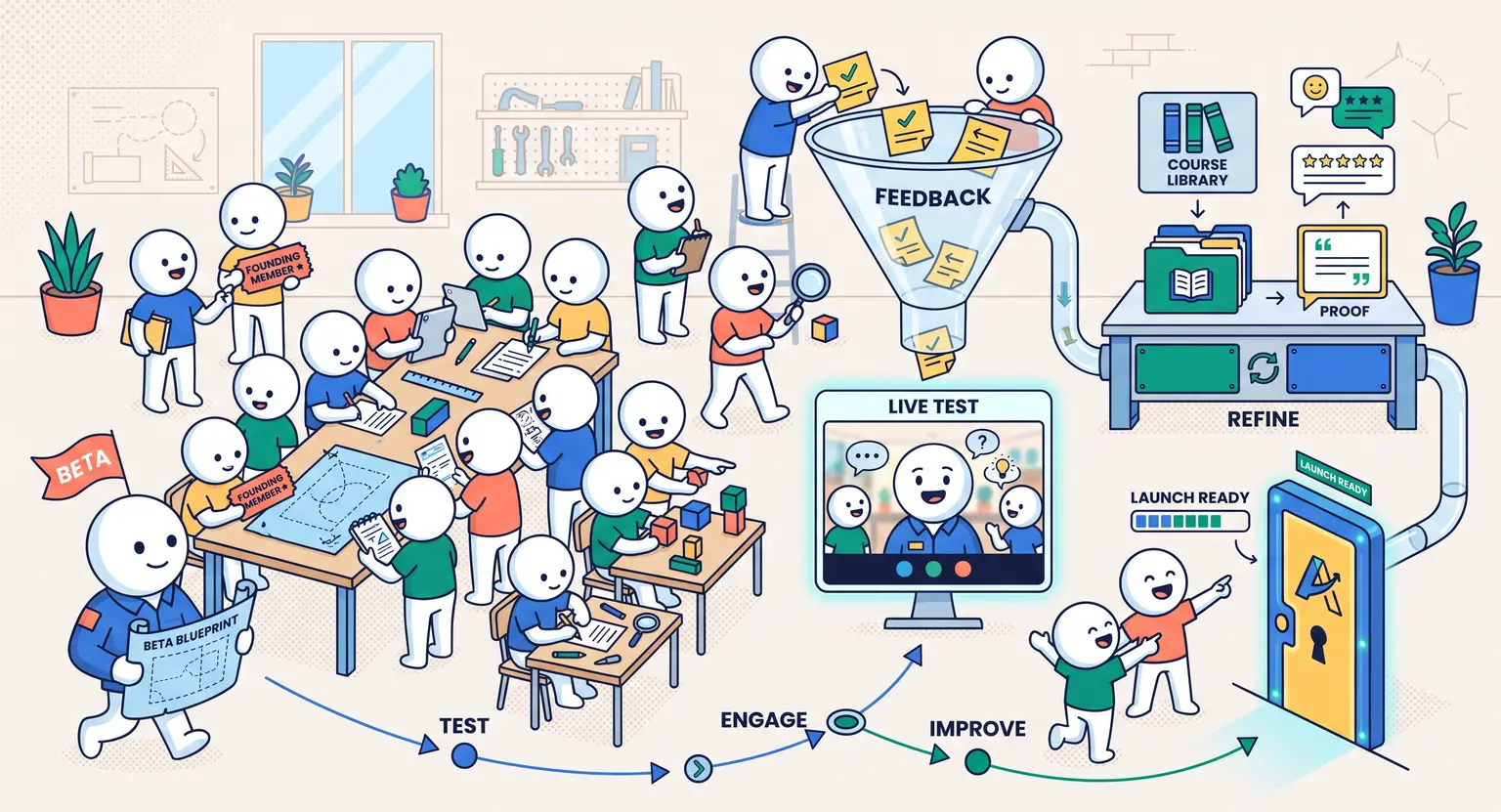 How to Run a Beta Version of an Online Course (2026 Guide)
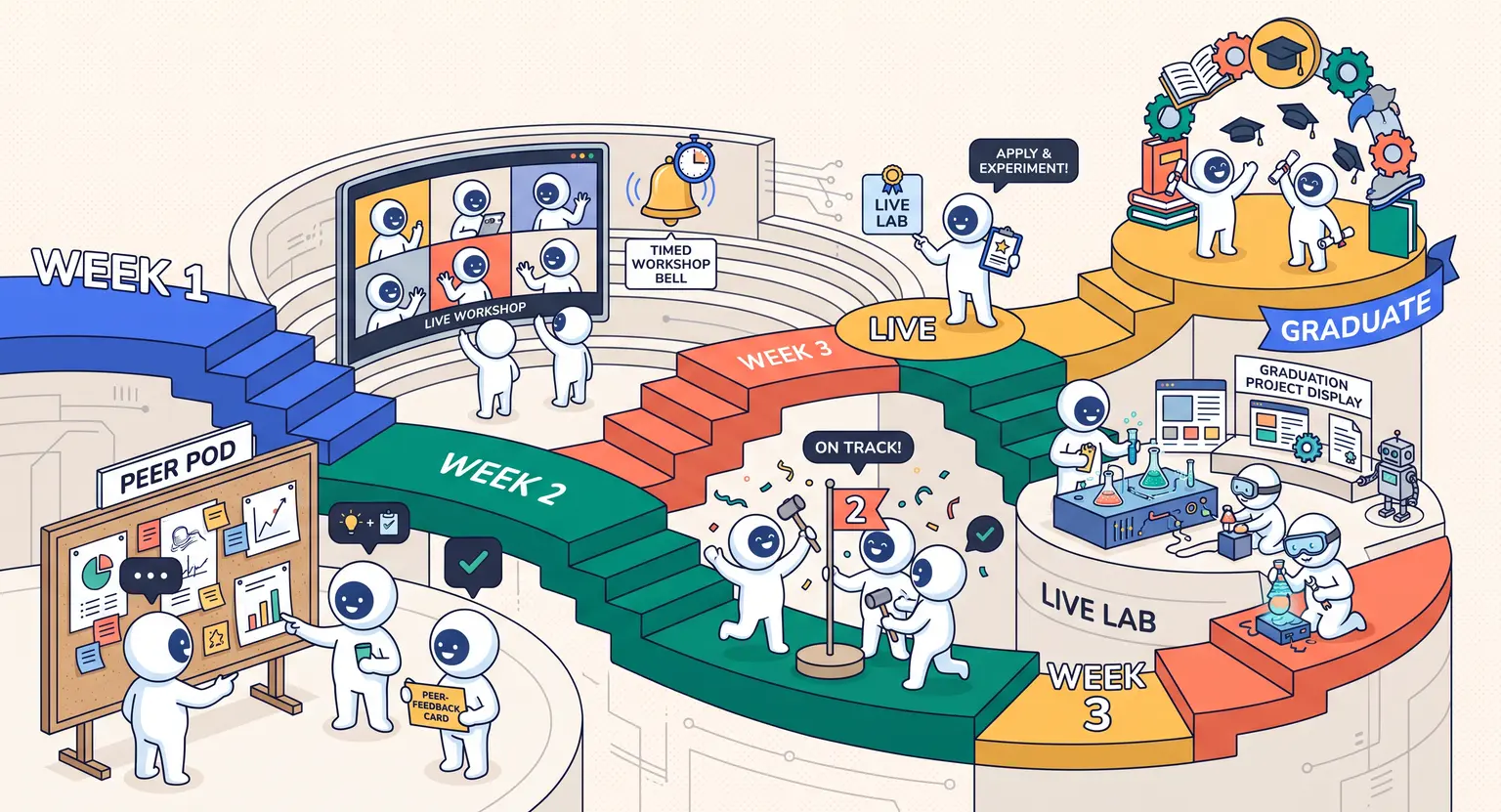 How to Create a Cohort-Based Online Course (2026 Guide)
 How to Sell an Online Course With a Quiz Funnel (2026 Guide)
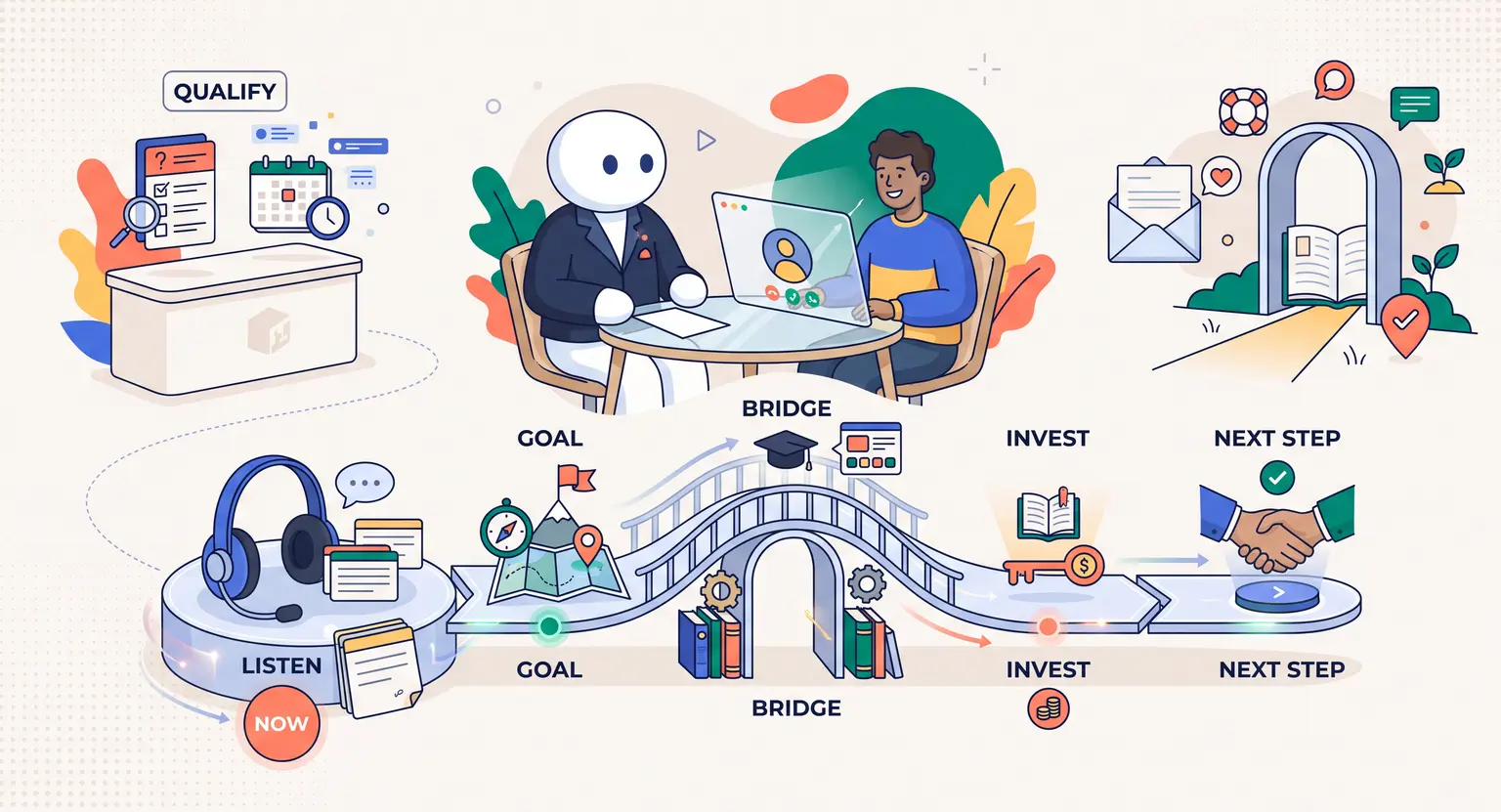 How to Sell an Online Course Through a Sales Call (2026 Guide)