







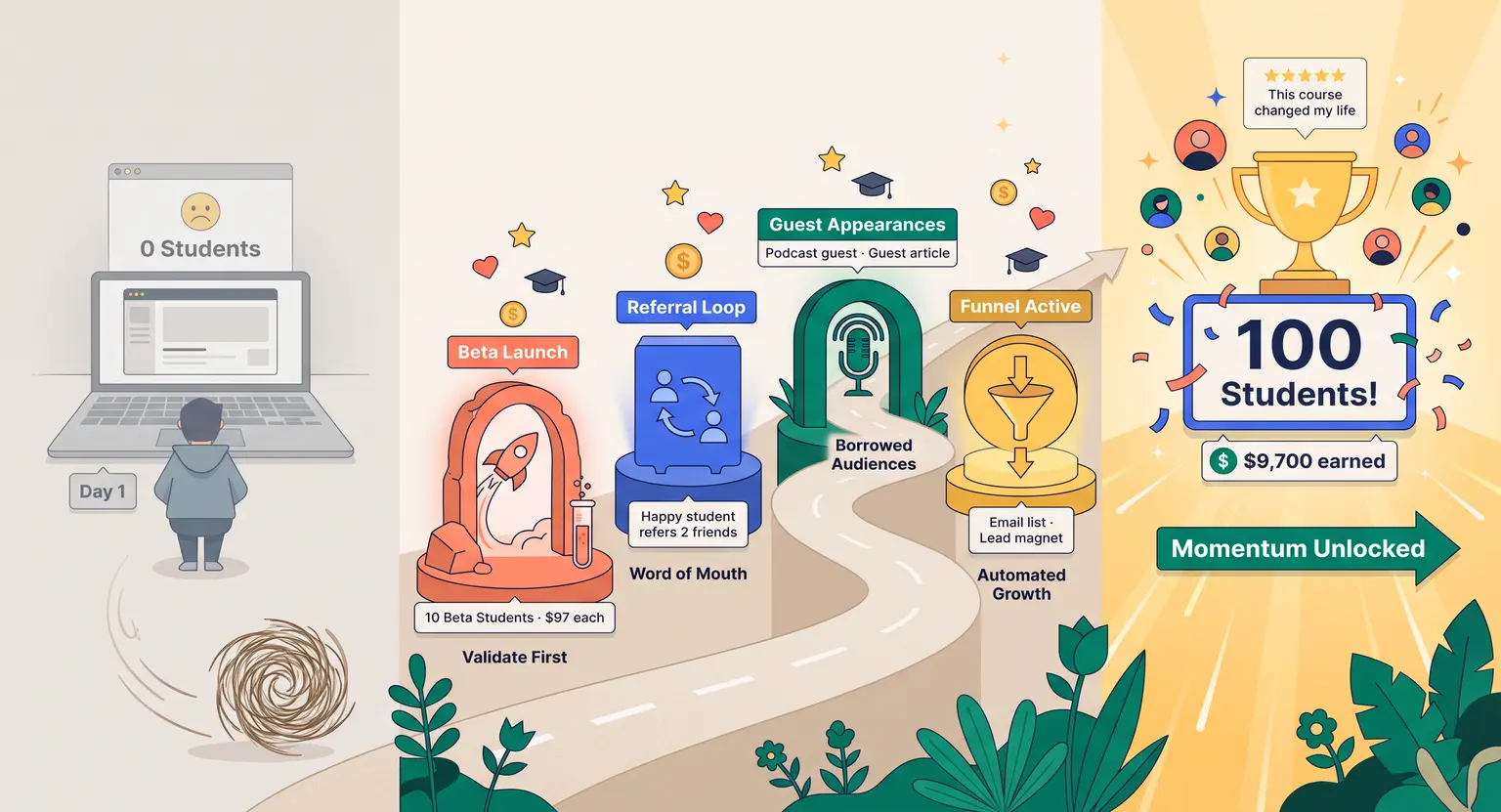
How to Get Your First 100 Students in 2026: The Ultimate Guide
Quick Guide to Your First 100 Students
-
Start by offering a highly engaging beta test to validate your offer before doing full-scale development. This will help you validate an online course idea immediately.
-
Design a simple, high-converting course marketing funnel that guides prospects from cold awareness to warm buyers. We walk through exactly how to do this below, including a stellar option on our course marketing funnel resource page.
-
Pitch yourself as a podcast guest or write targeted guest articles to borrow existing audiences.
-
Nail down a clear enticing offer and gather screaming good reviews from early users.
Let us face it. Starting an online education business can feel like throwing a massive party in an empty room - you spent weeks putting your heart and soul into every lesson, but right now, only your mom and your dog know it exists.
And honestly, that is completely normal. Most top educators started exactly where you are sitting today, staring at a dashboard showing a solid zero in the student column.
But hitting that magical triple-digit milestone of 100 active students is not about having a million-dollar marketing budget. It is about building momentum, piece by piece, human by human.
You do not need a massive following to start selling. What you need is a smart, direct, and conversational approach to find the people who actually need your help.
So let us stop worrying about massive ad campaigns. Instead, let us look at the exact steps to go from zero to 100 real, paying students who absolutely love your work.
This is the ultimate ground-level playbook!
Validation First : Do Not Build in a Vacuum
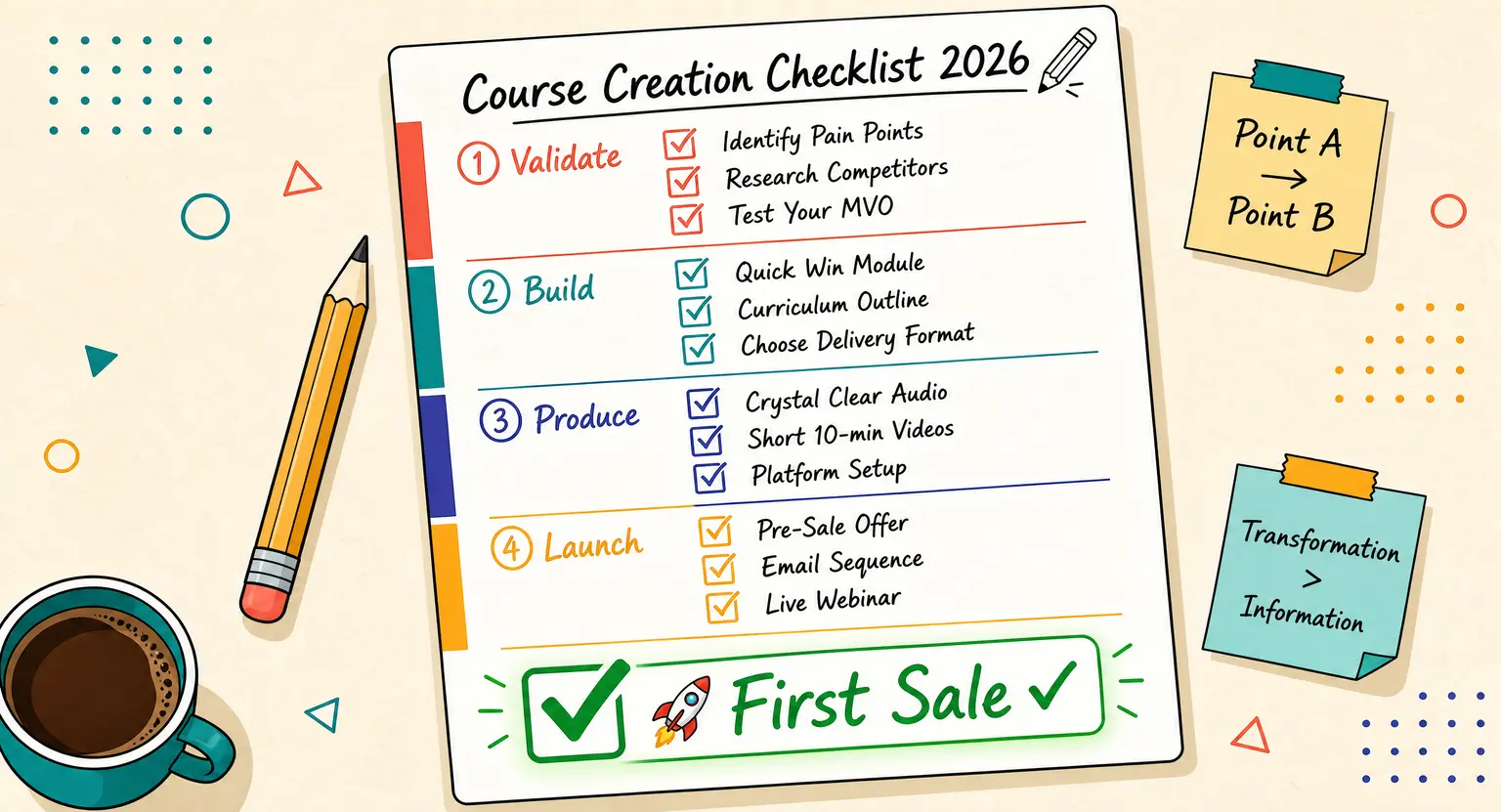
Before you hit record on a single video, you have to make sure someone actually wants to buy what you are selling. Too many course creators spend six months recording perfect lessons only to launch to absolute silence.
To avoid this painful mistake, you need to understand how to pre-sell an online course. Pre-selling is the ultimate proof of concept - if people will not pull out their credit cards when you describe the solution, they certainly will not buy it after you have spent hours creating it.
But how do you pull off a successful pre-sale? You talk directly to your target audience.
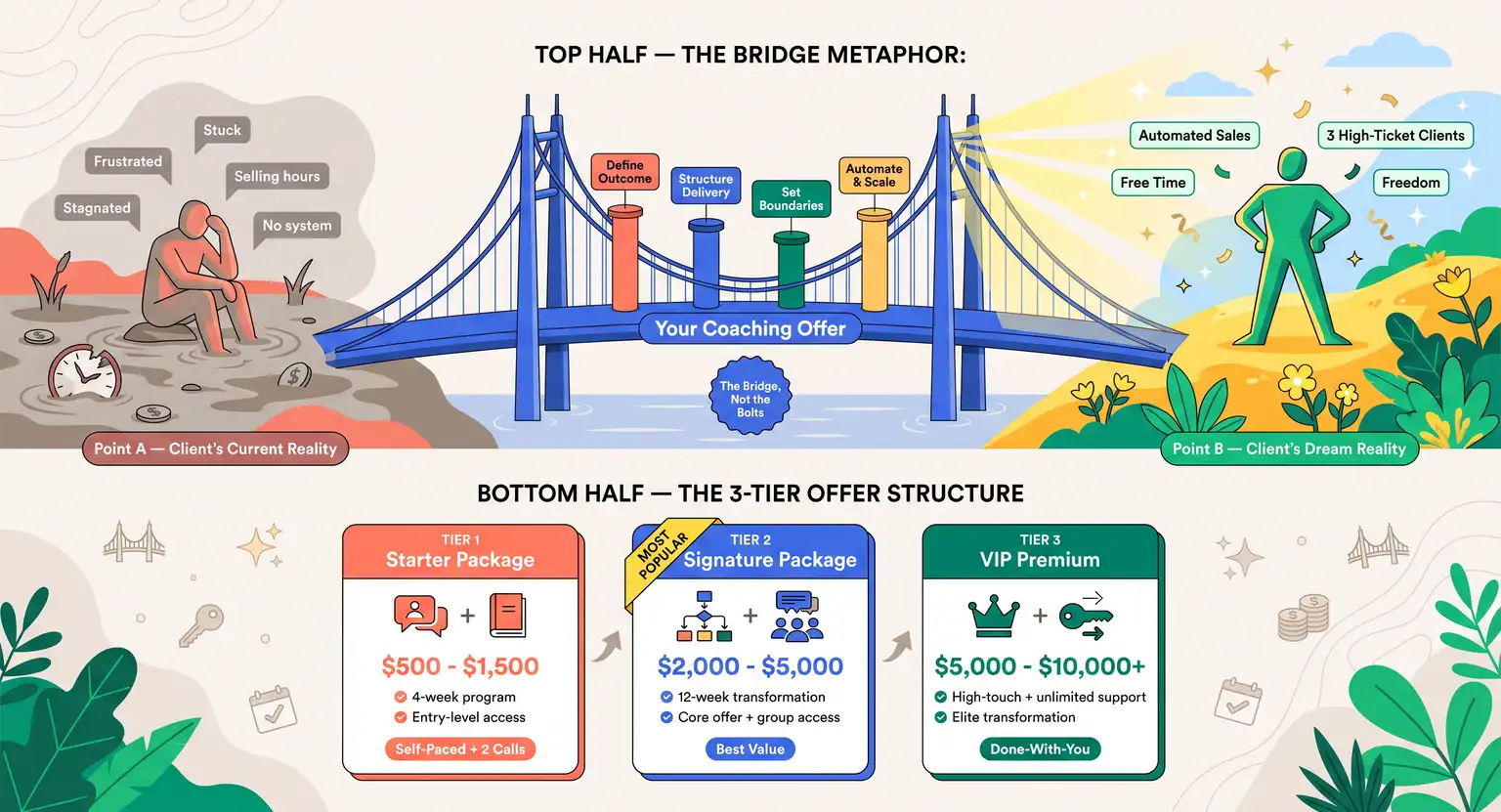
Ask them directly about their biggest struggles and pain points and describe your curriculum as a bridge that gets them from where they are to where they want to be. Offer a special, heavily discounted beta price for the first twenty people.
And when they buy, they are not just buying a course; they are buying direct access to you.
This is how you secure your first batch of believers while funding your production costs at the same time.
The Beta Circle : Your First 10 True Believers
Your first ten students are the foundation of your entire business. Do not treat them like a nameless crowd on a screen - treat them like founding partners.
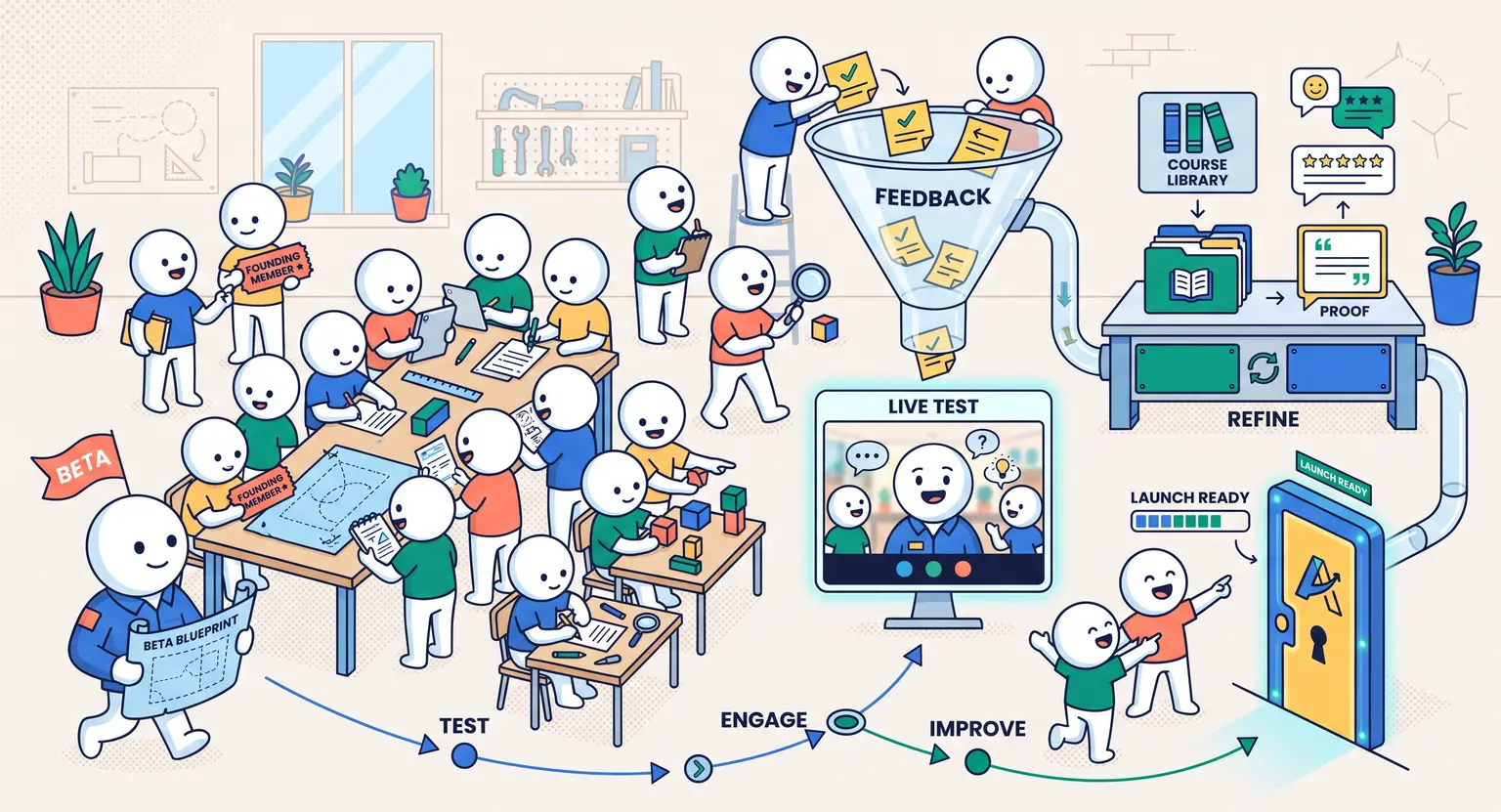
You should begin with a small, intimate pilot or beta round. Reach out directly to your warm network, colleagues, friends of friends, or connections on LinkedIn - let them know you are launching an exclusive pilot program. Pitch it as a collaborative, high-touch experience.
-
Offer live weekly calls to answer questions.
-
Provide direct email or Slack access for personal feedback.
-
Keep the price point accessible in exchange for active participation.
-
Ensure they promise to give you honest feedback and an audio or video review.
By offering this level of service, you will ensure these early students get massive results - when people get results, they talk. And these early reviews are the raw fuel you will use to power your copy as you look to scale things up.
If you want a reliable base to host this community and manage your materials, it is best to check out an all-in-one platform to sell online courses. Having everything under one roof makes this initial hand-holding phase much simpler!
Borrowing Other People's Audiences (Ethically)
If you do not have a large list yet, do not panic. Other people do, and many of those creators are constantly looking for high-quality, valuable material to share with their followers.
So actively look for non-competing creators in your niche - if you teach graphic design for beginners, look for podcasters who teach general freelancing. If you offer a fitness program, find a nutritionist who writes a massive weekly newsletter.
But do not just reach out and ask them to promote you. Instead, pitching value is the name of the game. Write a highly detailed guest post, offer a free thirty-minute training for their Facebook group, or pitch an episode topic for their podcast.
During that training or post, offer a useful lead magnet, like a workbook or a checklist, that points them back to your site.
This is a brilliant way of learning how to build an email list from scratch without spending a single dollar on advertising.
Once those new leads are on your list, send them highly targeted, useful content. You are warming them up for your eventual upcoming offer.
Webinars and Low-Friction Entry Points
When you are aiming for your first 100 students, you need a high-impact conversion vehicle. The classic online webinar remains incredibly effective because it builds deep trust quickly.
In a sixty-minute session, you can demonstrate your expertise, answer real-time questions, and overcome objections on the spot. If you want to maximize your attendee signups, check out this guide on how to organize a successful webinar.
But what if people are still hesitant to jump straight into a high-ticket program? You can offer a low-friction entry point, like a micro-course or a paid five-day challenge.
-
Make the price point highly accessible, for example nine to twenty-seven dollars.
-
Solve one specific urgent problem in under an hour.
-
Deliver instant gratification so they see immediate wins.
-
Upsell your comprehensive flagship course on the backend.
This low-cost entry model lowers the psychological barrier to entry. Once a customer has spent even ten dollars with you, they are far more likely to buy your premium course.
Selecting the Best Path to Your First 100
Different student acquisition channels require different investments of time and budget. Here is a handy comparison to help you prioritize your focus.
| Channel | Average cost | Startup speed | Primary strategic goal |
|---|---|---|---|
|
Direct warm outreach & beta launches |
Zero cost. |
Ultra fast (1-2 weeks). |
Best for securing your first 5-15 founding students and capturing powerful social proof. |
|
Guest podcasting & partnerships |
Free. |
Moderate (3-6 weeks). |
Perfect for borrowing trust from established creators to build your own email list. |
|
High-value live webinars |
Low to medium. |
Fast (1-2 weeks). |
Ideal for delivering rapid value and overcoming conversion objections for higher-priced programs. |
|
Micro-course funnels |
Low ad budget. |
Medium (2-4 weeks). |
Lowering buying friction to acquire list buyers who can later be upsold to flagship courses. |
|
Value-first community posting |
Time only. |
Slow but steady. |
Developing a lasting industry reputation on forums, Reddit, or targeted Facebook groups. |
Stoking the Fire : Referral Engines and Growth Loops
Once you successfully hit 20 or 30 active students, the nature of your acquisition should start to change. You do not have to carry the entire marketing load by yourself. You can turn your existing students into your marketing team.
But how do you set up a natural referral loop?
-
Offer an affiliate share : give your students a percentage of the sale price for every friend they refer.
-
Reward milestones : give them bonus content or a one-on-one coaching call when they refer three classmates.
-
Facilitate public sharing : create beautiful shareable progress certificates that they want to post on LinkedIn or Instagram.
And remember, this only works if your course delivery is stellar, so make sure you focus heavily on student retention and satisfaction.
Use email marketing or check out our email marketing platform to send friendly progress nudges, congratulate them on completing modules, and keep them engaged. A happy student is your absolute best salesperson!
By implementing these referral tactics, you build a compounding machine. Ten students bring in five more, those fifteen bring in ten more, and suddenly, that 100-student milestone is sitting right in front of you.
Explore Further to Grow Your Business :
-
Discover how different models affect your student acquisition in launch vs evergreen course model.
-
Make sure your course keeps students hooked by reviewing our guide on how to structure online course.
-
Find the sweet spot for your course pricing by analyzing online course pricing strategy.
-
Still deciding on your software stack? Compare your options in best platform to sell online courses.
Putting the Playbook in Motion
Reaching your first 100 students is not about a single magic trick. It is about a sequence of strategic steps that build traction over time.
First, you validate. Then, you run a close-knit beta launch to secure those invaluable reviews. Next, you tap into guest podcasting, partnerships, or webinars to reach the wider world.
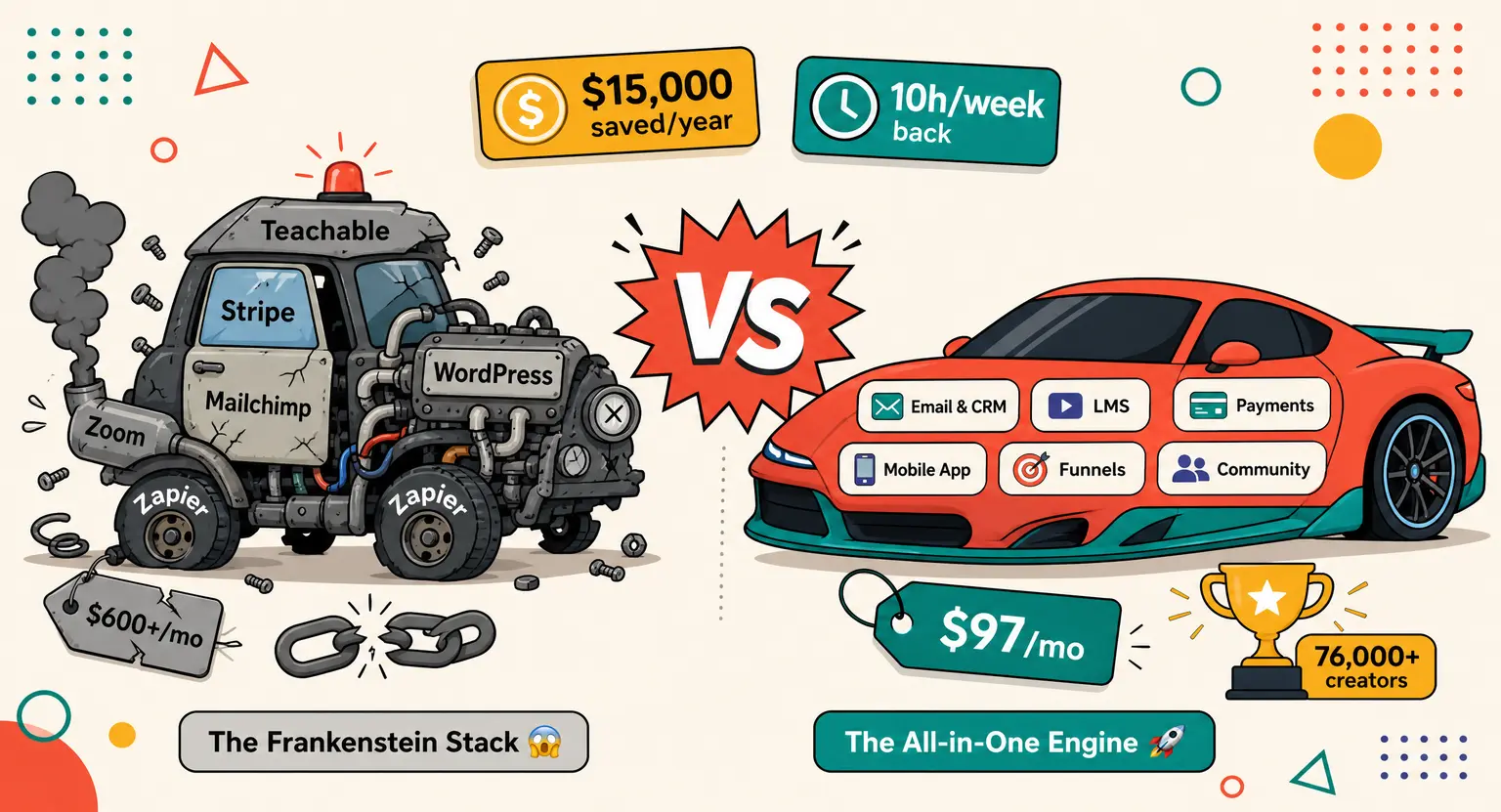
As you grow, keep your software stack integrated and simple. Trying to stitch together ten different software tools is a headache you do not need when your main focus should be marketing and student success. That is where using an all-in-one system helps.
Our online system at LearnyBox provides every resource you will ever need to achieve your business goals.
Frequently Asked Questions
Do I need a large social media following to get my first 100 students?
No. You absolutely do not need an existing audience.
By leveraging guest appearances, writing valuable guest articles, and running highly targeted webinars, you can borrow other people's existing warm audiences to drive signups directly to your course.
Should I offer my course for free to get early students?
Offering a course completely for free can sometimes lower its perceived value.
Instead, we highly recommend launching a paid beta program with a heavy discount. Paying students are far more committed to actually finishing the course and giving you high-quality feedback.
What is the fastest way to get my first 10 students?
The absolute fastest route is warm market direct outreach.
Reach out directly to your professional network, LinkedIn connections, or email contacts. Offer them a highly personalized pilot experience at a special rate in exchange for their commitment and video reviews.
Is email marketing necessary when starting out?
Yes. Email marketing is one of the highest-converting digital channels. To set yourself up for scale, choose an easy-to-use email marketing platform that helps you send automated welcome sequences and educational newsletters to convert casual lookers into buyers.


 How to Create a Course Refund Policy (Templates & Best Practices for 2026)
 How to Run a Beta Version of an Online Course (2026 Guide)
 How to Create a Cohort-Based Online Course (2026 Guide)
 How to Sell an Online Course With a Quiz Funnel (2026 Guide)