







How to Sell an Online Course Through a Sales Call (2026 Guide)
How to Sell an Online Course Through a Sales Call
Selling a digital product through an automated checkout page is great when your program costs a couple of hundred dollars...
But once you move into premium territory - cohort courses, certified masterminds, or high-touch mentorship - buyers hesitate to hand over thousands of dollars to a faceless webpage.
They want reassurance. They want to know if your methodology will actually solve their exact issue. That is why one-on-one sales calls remain the highest-converting channel in the entire knowledge economy.
If the phrase "sales call" makes your stomach drop, you are not alone. Most creators hate feeling pushy or manipulative.
The good news? Modern enrollment calls are collaborative diagnostic sessions. You are not trying to trap someone into buying.
You are simply helping them decide if your curriculum is the shortest bridge between where they are today and where they want to be tomorrow.
Key Takeaways for 2026 Creators
-
Sales calls work best for premium offerings; consult our guide on online course pricing strategy to check if your price tag justifies real-time calls.
-
Discovery conversations are consultations, not pitch festivals; spend 70% of the time listening.
-
Hybrid models convert faster; examine how coaching vs courses influences buyer expectations during live video chats.
-
Prequalification forms protect your calendar from unqualified browsers who lack the budget or motivation to finish.
Why Calls Outperform Web Pages for Premium Courses
When someone is considering a $1,500 to $5,000 investment, standard sales copy rarely answers every micro-objection. People have unique schedules, past disappointments with other courses, and specific technical hurdles.
On a live call, you get to listen actively, address their specific edge case, and demonstrate human empathy. You immediately remove the risk of buyer remorse by establishing genuine personal rapport right from the start.
And let us be realistic about completion rates. Students who join after speaking directly with the creator or a knowledgeable advisor show dramatically higher engagement rates - they treat the program with greater respect because they made a deliberate, conscious verbal commitment.
Before inviting everyone to your calendar, make sure you have mapped out how to build a sales funnel that sends qualified, warm prospects straight to your booking link.
Step 1 : Set Up a Tight Prequalification Filter
Your time is finite. You cannot spend ten hours a week chatting with hobbyists who have zero intention of investing. A smooth discovery call workflow begins long before you hit the "Start Video" button.
Add a brief application form directly to your calendar booking tool. Keep it concise - four to six questions are plenty :
-
What is the number one obstacle holding you back in this area right now?
-
What have you already tried over the last six months to fix it?
-
Why is resolving this a top priority for you this quarter?
-
Are you prepared to invest financially and dedicate 3-5 hours weekly to implement the system?
If someone answers vaguely or indicates they have no budget whatsoever, cancel the call politely. Point them toward your free articles, podcast episodes, or email newsletters instead. This keeps your energy focused solely on individuals ready for transformation.
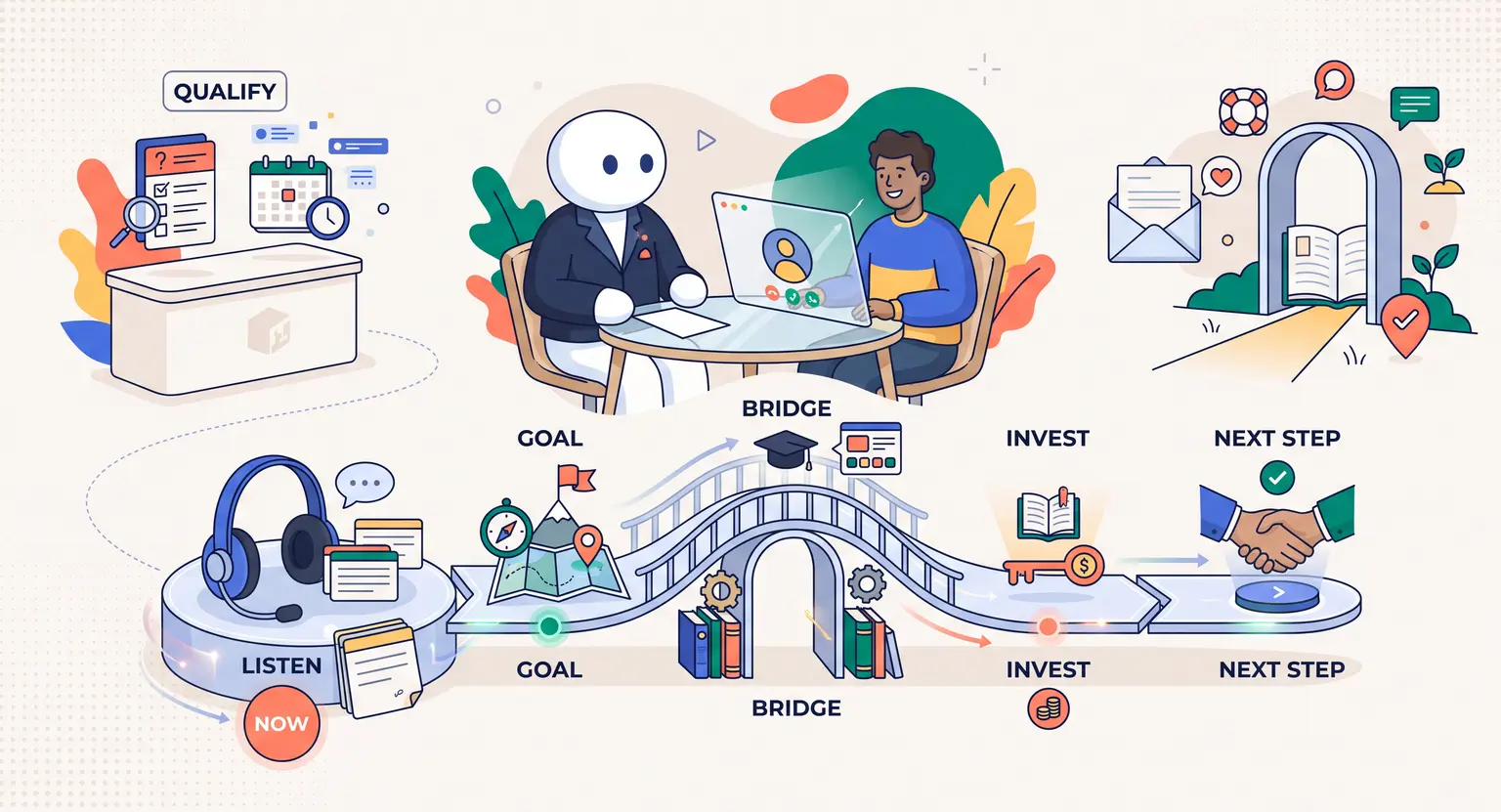
Step 2 : The 5-Part Enrollment Call Framework
A successful sales conversation follows a natural rhythm. It never feels scripted, but it maintains clear direction. Here is the structure that top-performing educators use to close enrollments consistently without awkward pressure.
1. Set the Frame and Agenda (Minutes 0-5)
Break the ice with warmth, then take leadership of the call immediately. This removes awkward tension and gives the prospect confidence that you respect their time.
Try saying something like : "My goal today is simple. We will look at where you are right now, pinpoint what is getting in the way, and see where you want to go. If my course looks like a great fit to get you there, I will share the details. If not, I will point you toward another resource. Sounds fair?"
2. Diagnose the Current Reality (Minutes 5-15)
Ask open-ended questions and resist the urge to jump in with advice. Let them talk about their daily frustrations. How long have they been stuck? What has it cost them in time, missed revenue, or peace of mind?
Take notes. When they describe their pain points, write down their exact words. You will reflect those exact phrases back when outlining your curriculum later.
3. Paint the Future Vision (Minutes 15-20)
Once you understand their problem, pivot toward the outcome. Ask what life looks like once this obstacle is removed. If everything goes right over the next six months, what measurable milestone do they want to hit?
This allows the prospect to mentally anchor the true value of the outcome, making the eventual price tag feel minor compared to the transformation.
4. Connect the Bridge to Your Program (Minutes 20-30)
Now you introduce your course - not as a massive collection of 40 video files, but as the exact vehicle designed to carry them from their current reality to their desired future.
Highlight the two or three specific modules that directly solve the pain points they just mentioned. Keep it focused on outcomes rather than curriculum volume. Mention community support, live feedback sessions, and accountability checkpoints.
5. Present the Investment and Confirm Commitment (Minutes 30-40)
State the price clearly and confidently without apologizing or mumbling. Once you say the price, stop talking. The next person who speaks sets the tone for the rest of the conversation.
Let them process the figure. If they are excited, guide them through the checkout link directly while you remain on the call to ensure their login credentials arrive smoothly.
| Funnel component | Self-serve checkout | Sales call model |
|---|---|---|
|
Optimal price point |
Under $500. |
$1,000 to $10,000+ |
|
Average conversion rate |
1% to 3% of page visitors. |
30% to 50% of completed calls. |
|
Key funnel asset |
Optimized high-converting landing page. |
Application form and scheduling pipeline. |
|
Curriculum positioning |
Self-paced information product. |
Customized system; see how to package your expertise. |
|
Business model fit |
Low-ticket, mass-market digital courses. |
High-touch coaching; review starting an online coaching business. |
Handling Common Hesitations Naturally
When prospects express hesitation, they are rarely saying a hard no. Most often, they are revealing an unspoken fear : fear of failing again, fear of wasting money, or fear of falling behind due to lack of time.
Never argue or push defensive counterpoints. Instead, validate their feeling and get curious :
-
The money hesitation : "I completely understand that this is a meaningful investment. Putting the price aside for a moment, do you feel this system is the right strategy to get you to your goal?"
-
The time hesitation : "Life is definitely busy. The course is broken into 15-minute actionable chunks so you do not need 10 free hours a week. How many hours could you realistically dedicate on weekends?"
-
The partner hesitation : "That makes total sense; major decisions should be shared. What specific questions do you think your partner will have about the curriculum?"
By unpacking the nuance behind their concern, you help them navigate their own mental friction. If you determine the program is genuinely not a fit for their budget right now, tell them honestly. That integrity pays dividends in long-term brand reputation.
The Essential Post-Call Follow-Up
Not every prospective student completes checkout during the live meeting. Some genuinely need 24 hours to review their monthly cash flow or consult a business partner. Your follow-up determines whether those undecided prospects convert.
Send a personal recap email within two hours of hanging up. Outline the core obstacles they shared, the exact goals they defined, and a direct link to the checkout page with their chosen payment terms.
Keep your enrollment link active for a defined window - typically 48 to 72 hours. This provides a natural incentive to make a decision while the inspiration from your call is fresh in their mind.
Explore Further Growth Guides
-
Master audience conversions by running a webinar to sell online courses before inviting attendees to one-on-one calls.
-
Accelerate your pipeline with practical tips on how to get your first 100 students in record time.
-
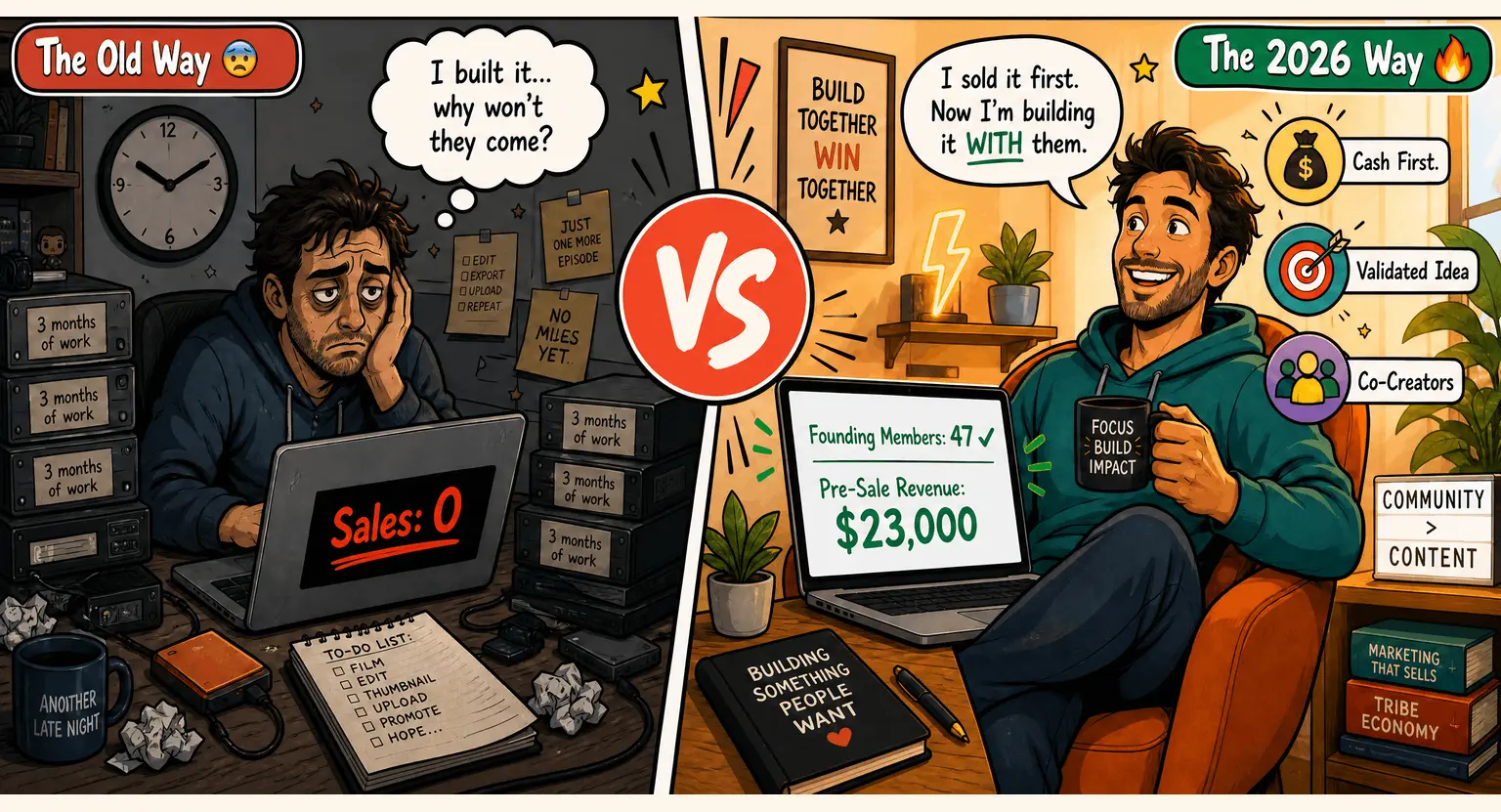
Test market demand early by discovering how to pre-sell an online course before producing video lessons.
Frequently Asked Questions
At what price point should I start selling my course through a sales call?
Generally, courses priced above $1,000 or programs offering hybrid coaching and community benefit the most from one-on-one enrollment conversations.
If your program sells for less than $500, self-serve automated funnels are far more scalable.
How long should a standard course sales call last?
Aim for 30 to 45 minutes.
That gives you ample room to uncover their challenges, articulate the program transformation, address genuine hesitations, and process payment without rushing or letting the conversation wander aimlessly.
What if the prospect says they need to think about it?
Acknowledge their hesitation with zero friction.
Ask what specific variable they need clarity on before making a choice, agree on a concrete follow-up date within 48 hours, and discover how to write a sales email that reinforces the value in your recap.
Should I share the course price before getting on the call?
Providing a ballpark price range on your application page filters out tire-kickers who cannot afford the program.
However, reserving the exact breakdown for the call allows you to frame the cost against their specific personal return on investment.




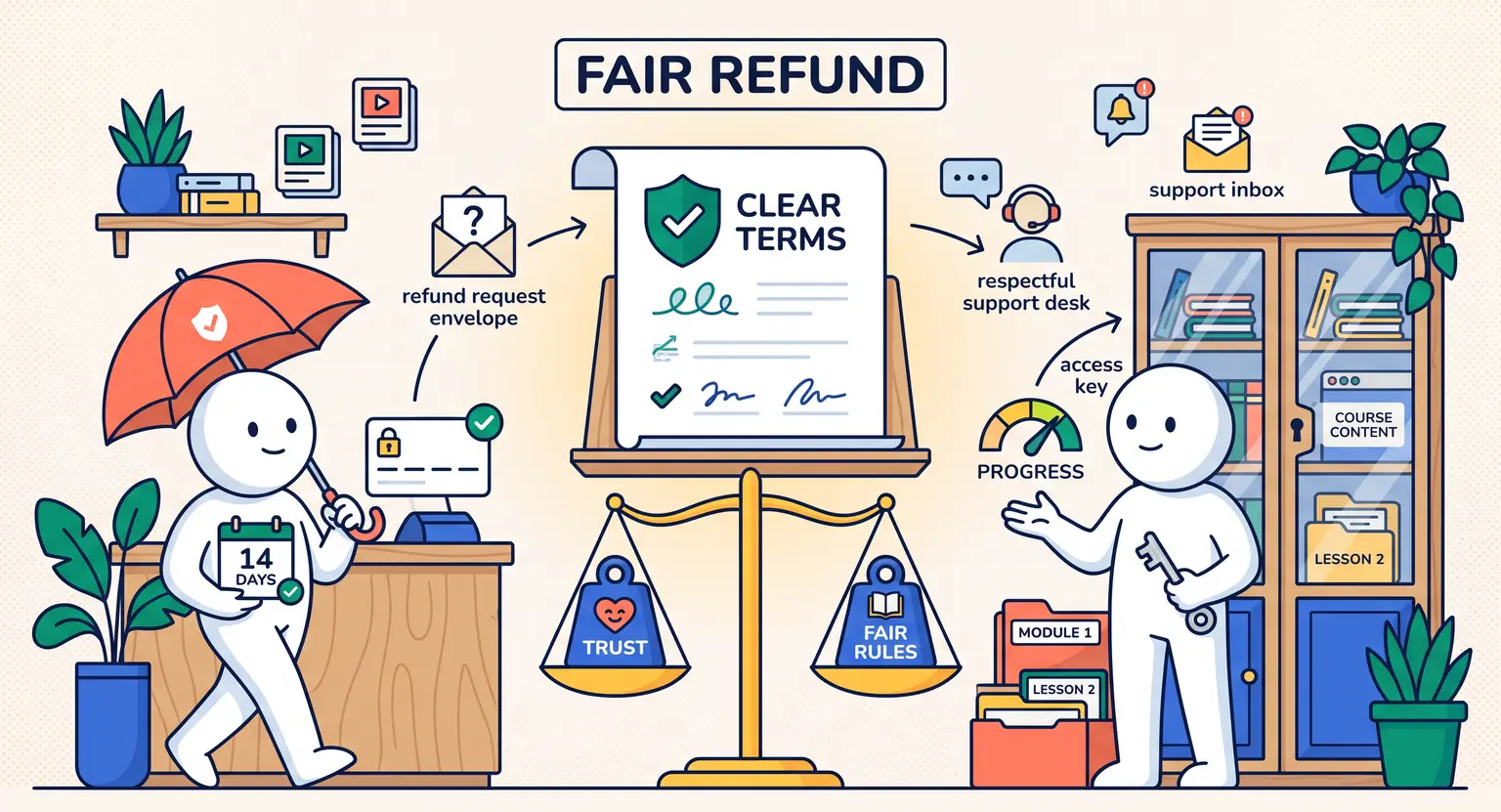 How to Create a Course Refund Policy (Templates & Best Practices for 2026)
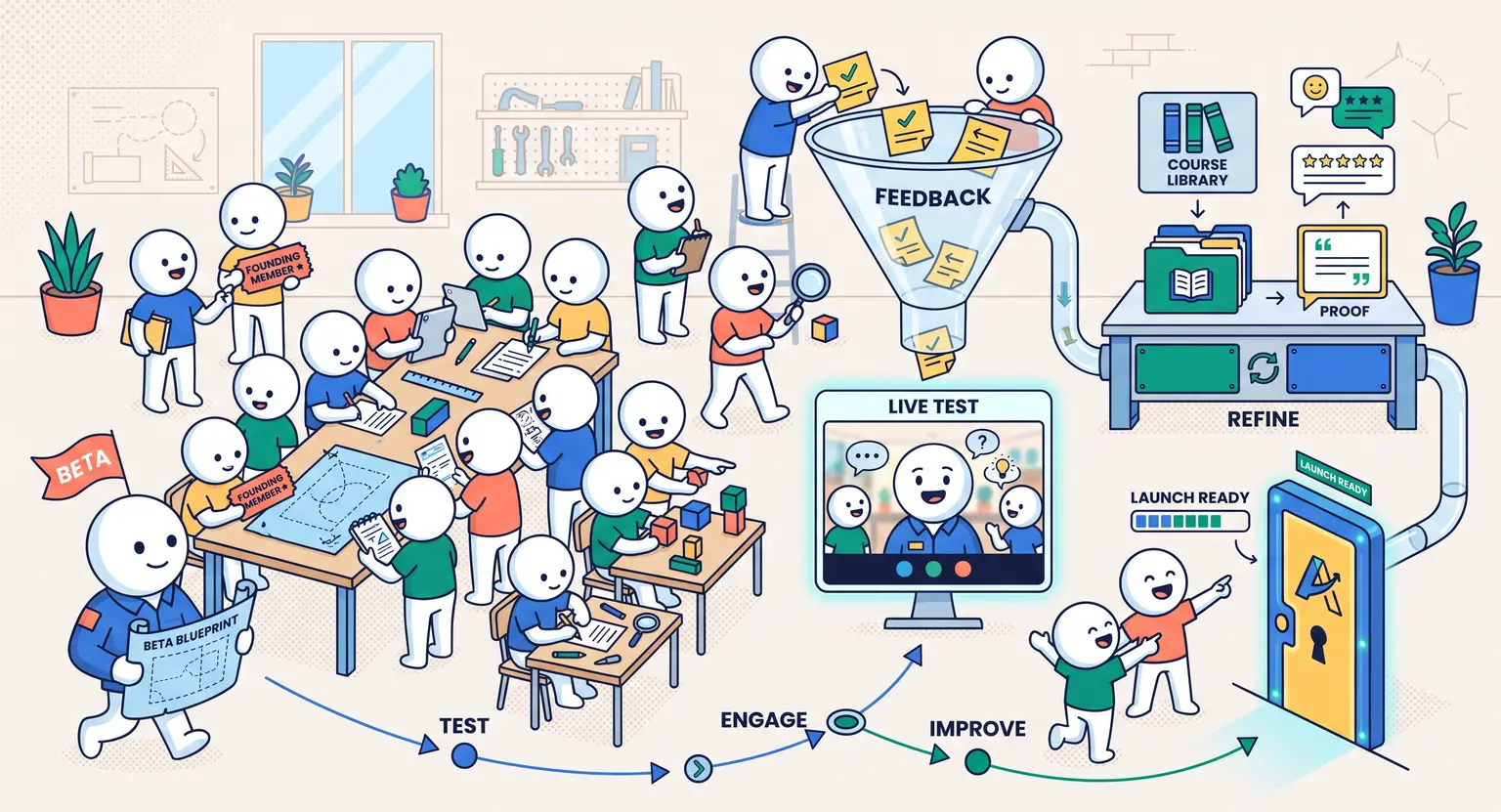 How to Run a Beta Version of an Online Course (2026 Guide)
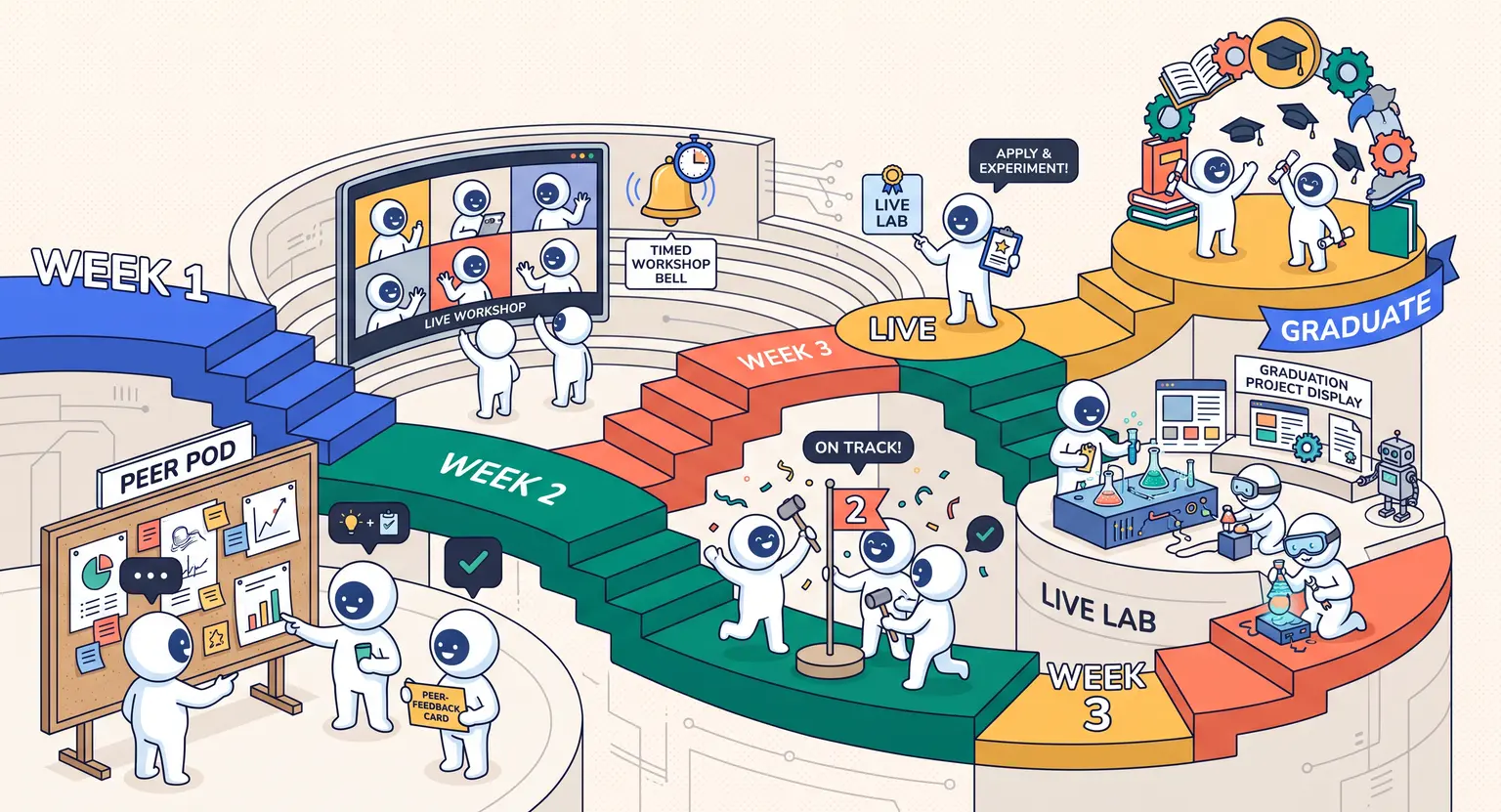 How to Create a Cohort-Based Online Course (2026 Guide)
 How to Sell an Online Course With a Quiz Funnel (2026 Guide)