






Course Marketing Funnel Guide: Step-by-Step 2026 Blueprint
Course Marketing Funnel
Key Takeaways
-
System over Luck : random social posting doesn't scale; an automated system reliably handles daily customer acquisition.
-
Validation First : before driving paid traffic, ensure your idea resonates with real learners. You can find out more on how to validate an online course idea to secure your foundations.
-
Focus on the Initial Phase : reaching a sustainable volume requires a dedicated strategy to attract and retain your first 100 students via highly focused messaging.
-
Tailor Your Architecture : align the mechanical steps of your system directly with either a live launch or an evergreen framework.
Think of a course marketing funnel as the journey your future students take before enrolling.
Let's face it : trying to sell a premium educational program to a cold audience is tough…
People don't scroll social media with their credit cards in hand, eager to spend hundreds on a self-paced program they've never heard of…
This is why a step-by-step conversion pathway is invaluable - by putting a thoughtful funnel sequence in place, you establish a gentle ramp that guides curious monthly website visitors into paying participants.
But what exactly makes this process tick?
At its core level, it is about shifting public awareness. You are taking someone who has a specific, painful problem and showing them that not only does a solution exist, but you are the specific expert they should trust to teach it.
This structural progression is called a conversion pipeline. If you leverage the proper sales funnels, you turn manual outreach into an automatic, round-the-clock machine. Instead of constantly manual pitching, your tech stack does the heavy lifting while you focus on content delivery and student support.
This automated bridge builds credibility over days or weeks, turning skeptics into excited students without requiring you to jump on individual sales calls all afternoon.
The Three Phases of Your Educational Pipeline
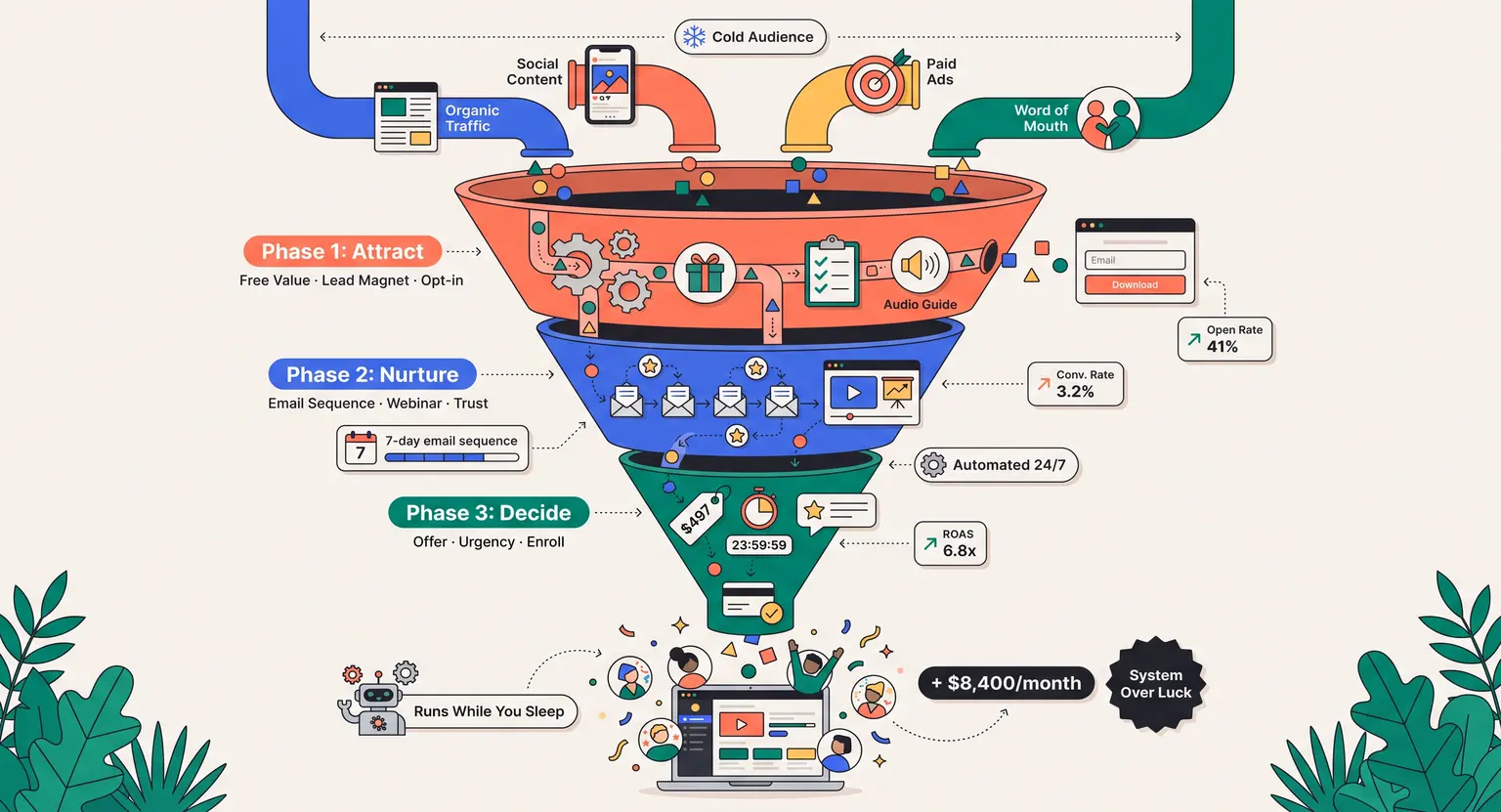
To make things simple, we can divide your system into three distinct phases : attracting, nurturing, and deciding.
First up is the Attraction Phase (Top of the Funnel). This is where your potential learners first discover your brand.
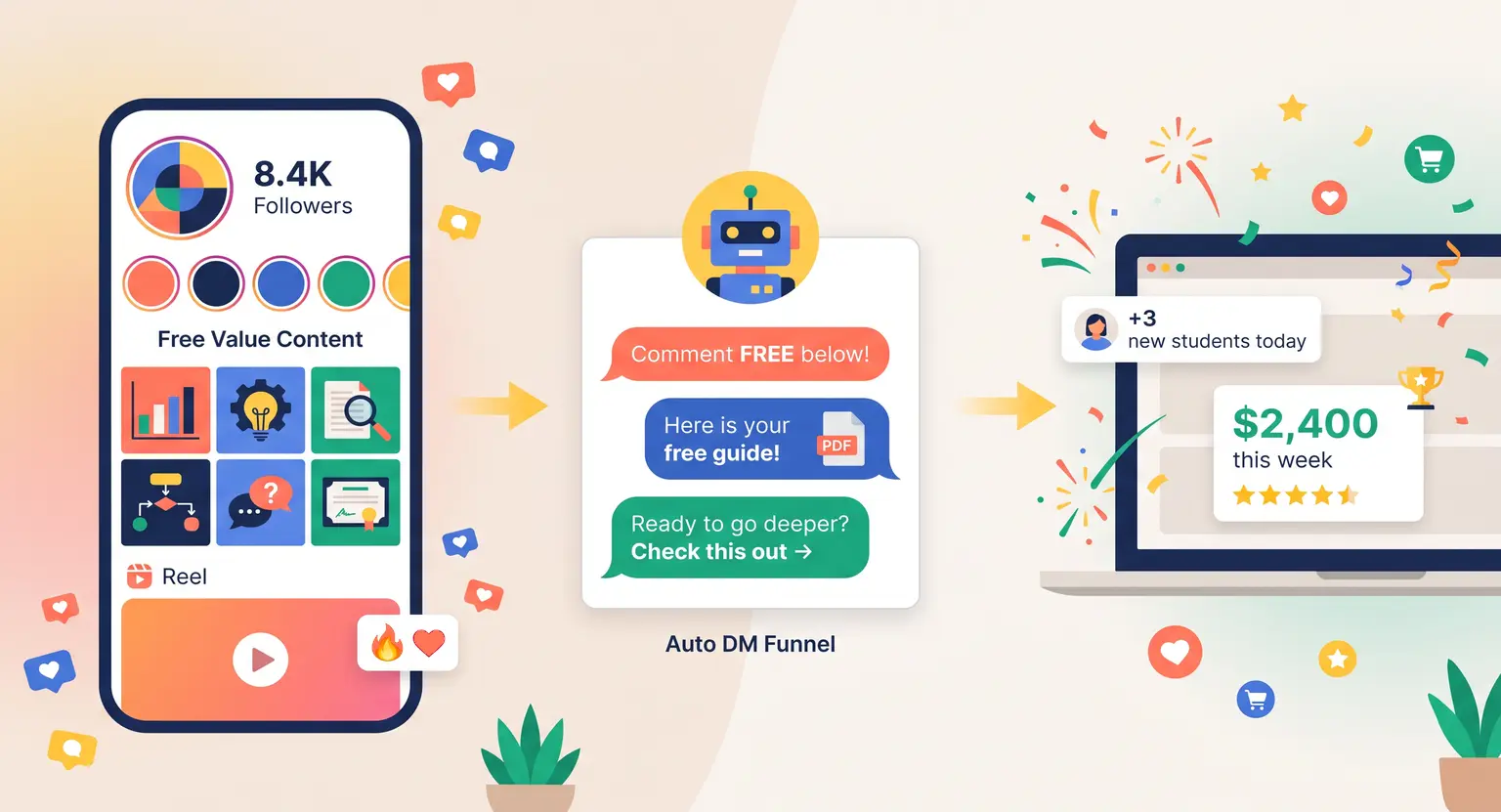
In today's digital climate, people are highly sensitive to generic ads - they want high-value entry points. You can attract them using free resources like mini-checklists, audio guides, or introductory cheat sheets.
The primary goal is capturing their active email address in exchange for an immediate educational win. This step is about showing your expertise, not just telling people about it.
Second is the Nurturing Phase (Middle of the Funnel). Now that they are on your newsletter list, they need to feel comfortable learning from you.
You can share short video breakdowns, industry mistakes, or client success stories… It is also an excellent moment to introduce specialized strategies such as an email marketing for course creators campaign, designed to show how your methodology works.
By presenting actionable ideas across multiple emails, you prove your methodology works long before they pay you a cent.
And third is the Decision Phase (Bottom of the Funnel). This is where the magic happens. Here, your ideal leads are warm, they appreciate your free value, and they understand their own problem.
This is when you present your offer. You can point them to a clean checkout page that lists exactly what they get, the bonuses included, and the risk-free guarantees.
However, to ensure this system fits your schedule, you need to decide how to run your business behind the scenes. If you are also interested in offering 1-to-1 work alongside your programs, you might explore how to start an online coaching business to maximize your overall high-ticket revenue streams.
Launch vs. Evergreen : Which Road Fits You Best?
Choosing your operational style changes everything about your technical setup. You have two main pathways to consider.
The first is the Launch Model. This approach relies on open-and-close cart periods. You build massive excitement over several weeks, run a live workshop or video series, and invite everyone to sign up within a strict five-day window.
This structure generates a huge spike in revenue and creates authentic urgency, but it can be highly stressful, sometimes leaving you with dry spells during the off-season.
For those utilizing this style, having a detailed how to launch an online course checklist is vital to make sure every technical component functions perfectly during the critical rush.
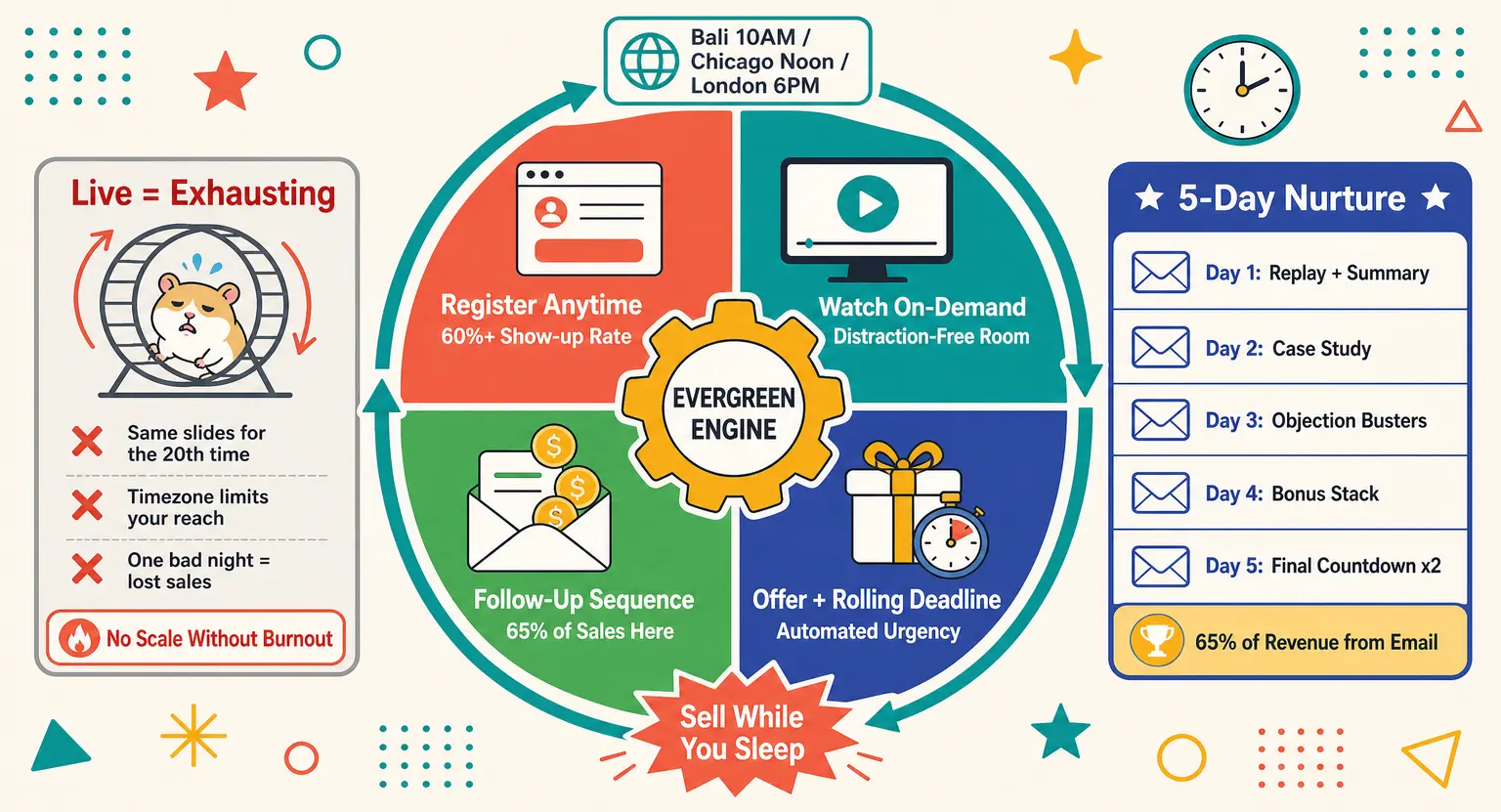
The second is the Evergreen Model. This format runs automatically every single day of the year.
A prospect signs up for your lead magnet on a Tuesday, receives a tailored email sequence over the next four days, and gets an automated offer with a personalized expiration deadline on Saturday.
This setup requires more upfront testing but builds a highly predictable cash flow over the long run. If you are struggling to choose, studying the nuances of the launch vs evergreen course model will help you align your digital sales engine with your personal energy levels and business goals.
Whichever business model you prefer, pricing plays a key role. You cannot build a sustainable sales machine if your margins are too thin to cover marketing costs.
Designing a robust online course pricing strategy is crucial here. It determines whether you need to attract ten high-ticket clients or hundreds of lower-cost students to keep your operations highly profitable.
| Funnel archetype | Ideal offer price point | Core marketing strategy | Key operational benefit |
|---|---|---|---|
|
The Live Launch Funnel |
High ($500 - $2,000+). |
Live multi-day online workshops, interactive challenges, and strict promotional deadlines. |
Generates massive, immediate revenue spikes and builds an interactive, real-time community quickly. |
|
The Automated Webinar Funnel |
Medium to high ($300 - $1,000). |
On-demand masterclasses, automated tracking emails, and personalized dynamic bonuses. |
Provides stable, predictable passive income weekly while educating cold visitors completely on autopilot. |
|
The Tripwire Mini-Course Funnel |
Low ($27 - $97). |
Immediate post-signup, high-converting digital offers, quick checkout upsells, and micro-video content modules. |
Liquidates advertising costs instantly by converting free lookups into immediate buyers in minutes. |
|
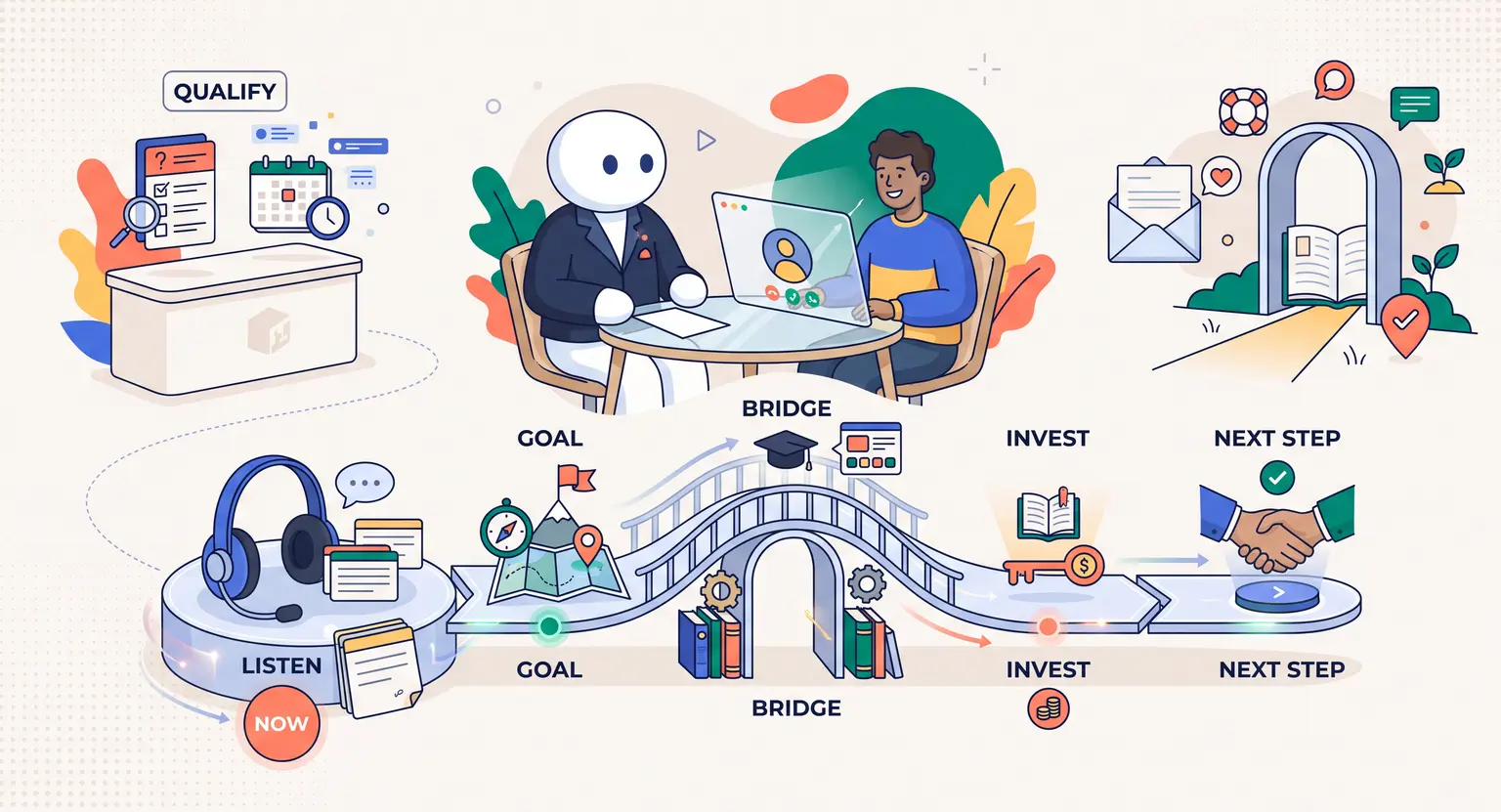
The Direct Consultation Funnel |
Premium ($2,000 - $5,000+). |
Qualifying applications, interactive online scheduler tools, and personalized diagnostic calls. |
Ensures incredibly high closing ratios for expensive masterminds and deep-level consulting plans. |
Fine-Tuning Your Funnel and Avoiding Common Pitfalls
Creating your system is only the first half of the equation; optimization is where the actual profitability lives. Many creators build their lead captures and checkout sequences, only to abandon them when the initial conversion numbers look mediocre. That is a massive mistake.
To continuously improve your system, pay attention to these simple key elements :
-
Opt-in Rate : if fewer than thirty percent of landing page visitors leave their emails, your free gift or headline is not compelling enough.
-
Email Open Rates : focus on crafting intriguing subject lines to keep rates above thirty-five percent so people actually read your nurture sequence.
-
Checkout Abandonment : keep your purchase forms incredibly clean and trustworthy. Eliminate unnecessary form fields.
-
Tool Integration : ensure your tools communicate seamlessly to prevent user friction.
Choosing a reliable, native software solution simplifies this entire process immensely.
Instead of stringing together five different expensive plugins, utilizing the best platform to sell online courses ensures your pages, automated emails, checkouts, and student portals exist under one single roof - this centralized setup eliminates tracking errors and keeps your focus on producing incredible content.
Related Material to Accelerate Your Journey
If you're ready to refine your marketing ecosystem, we suggest exploring these curated guides from our editorial library :
-
For automated outreach mechanics, check why LearnyBox is preferred by online course creators to streamline conversions.
-
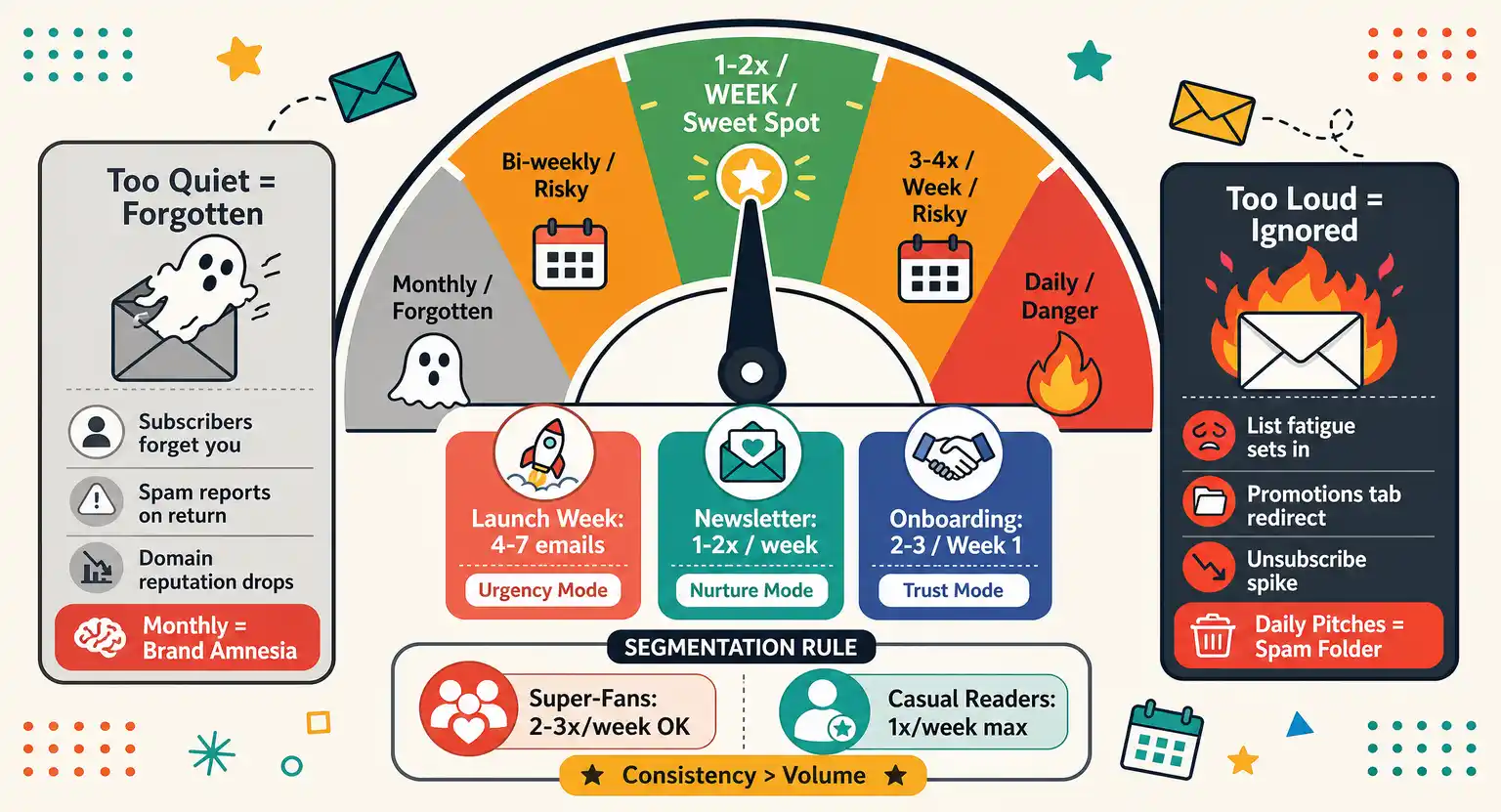
If you prefer to connect with subscribers directly, read how an optimized email marketing platform can scale your regular newsletter outreach.
Frequently Asked Questions
How many emails should be in my automated nurture sequence?
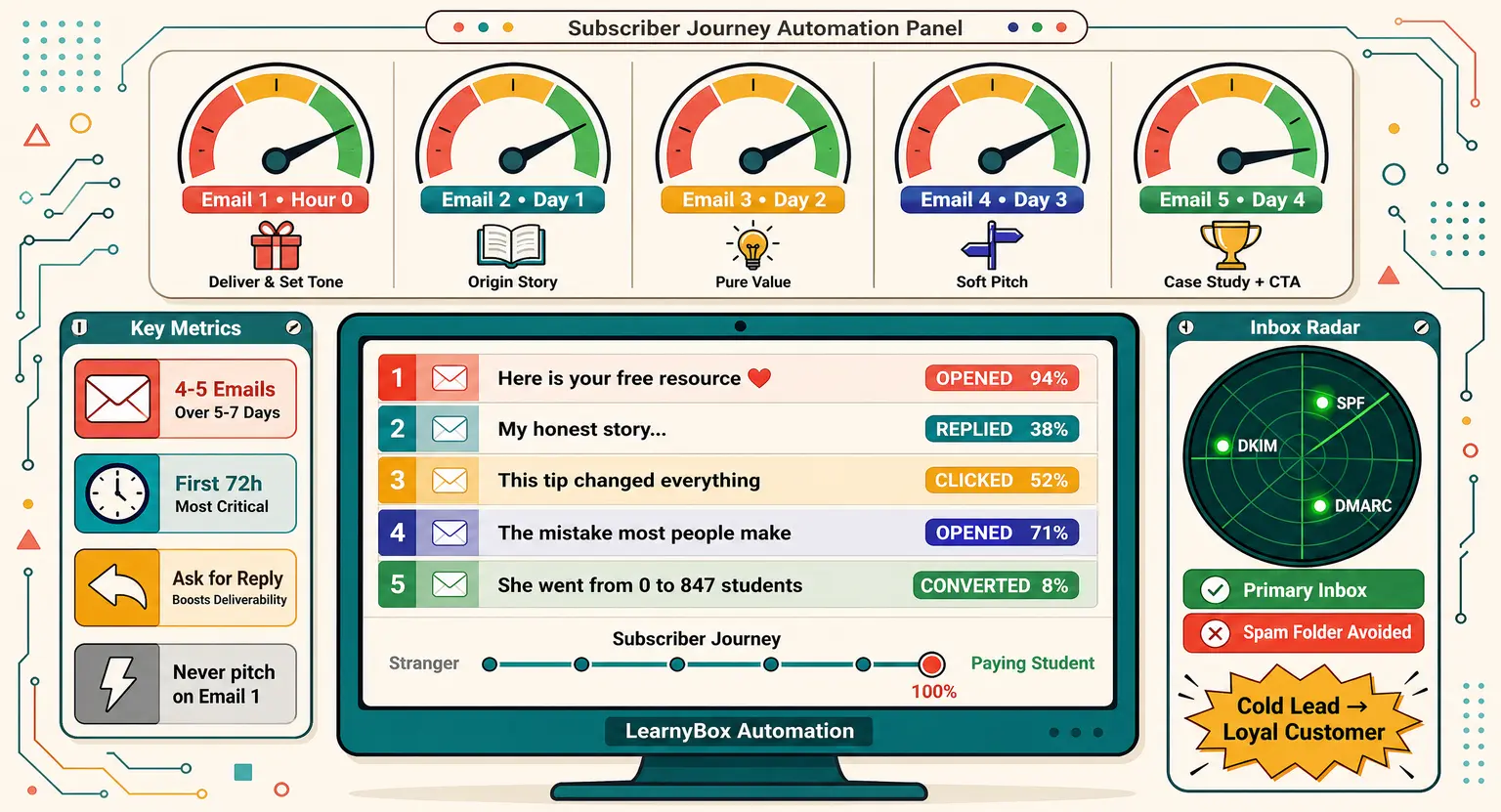
A standard nurture sequence should consist of four to six emails.
The initial message delivers your promised digital opt-in gift. The second and third messages share high-value advice and establish trust.
Finally, the remaining messages introduce your actual training program, outline the course curriculum, provide strong student reviews, and state the final purchase deadline clearly.
Do I need complex software to start my first course funnel?
Absolutely not. While you can easily connect multiple complex applications with custom webhooks, it usually results in technical headaches.
Using a comprehensive all-in-one software allows you to design your opt-in pages, manage contacts, set up automated emails, and process student payments securely in a single dashboard, saving you hours of integration trouble.
Should I use paid ads or organic traffic to drive leads?
We recommend starting with organic methods. Post valuable, high-quality content on professional social networks, write informative blog posts, or guest on relevant industry podcasts.
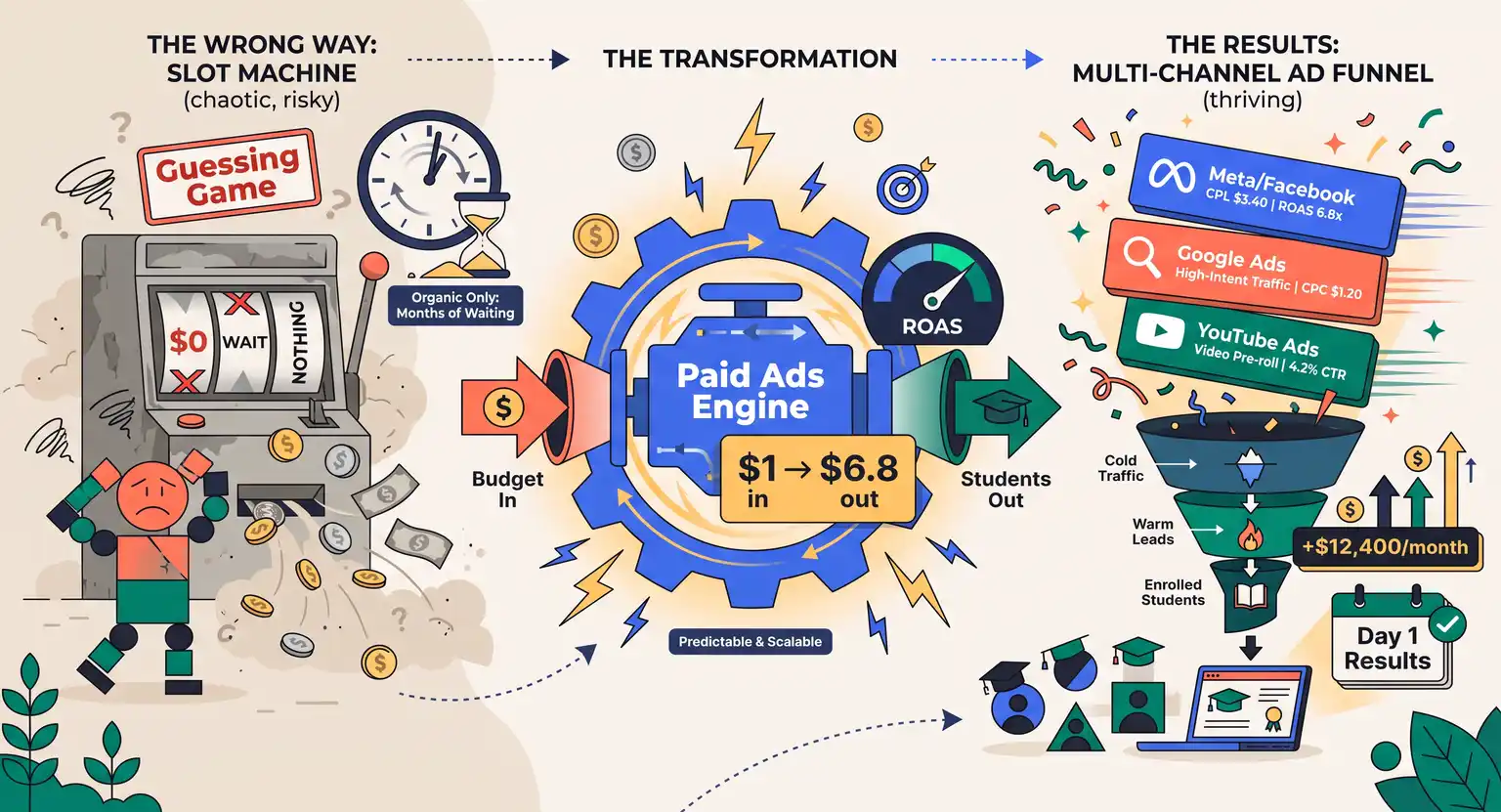
Once you see that your landing page converts visitors at a high rate, you can safely spend marketing budget on paid ads to scale your student enrollment predictably.
When is the right time to transition to an evergreen model?
The ideal time to go evergreen is after you have completed at least one successful live launch. This gives you invaluable insight into your audience's common objections, their favorite lessons, and the overall transformation they want.
You can then translate those exact insights into your automated email and checkout assets for hands-off sales.


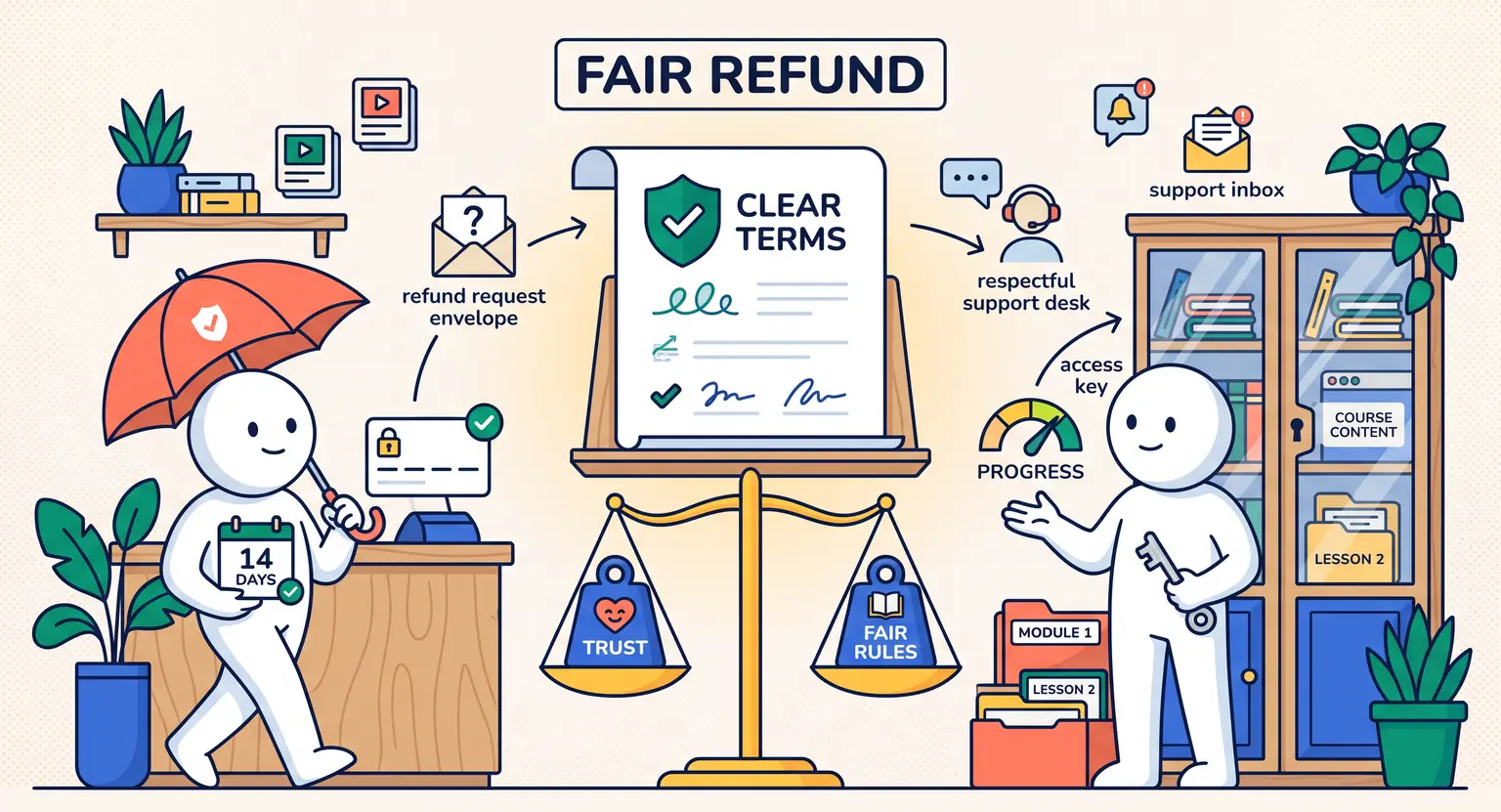 How to Create a Course Refund Policy (Templates & Best Practices for 2026)
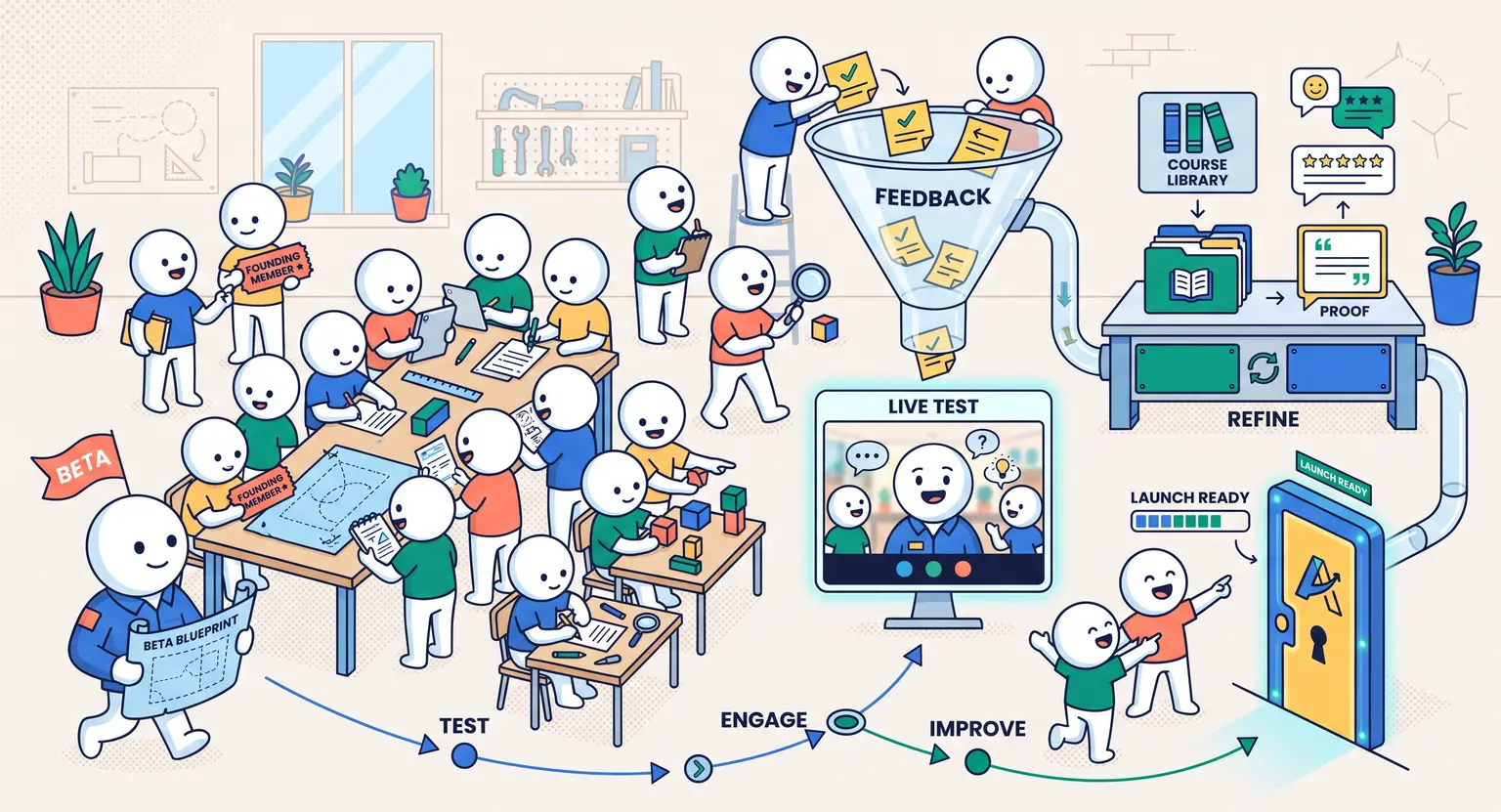 How to Run a Beta Version of an Online Course (2026 Guide)
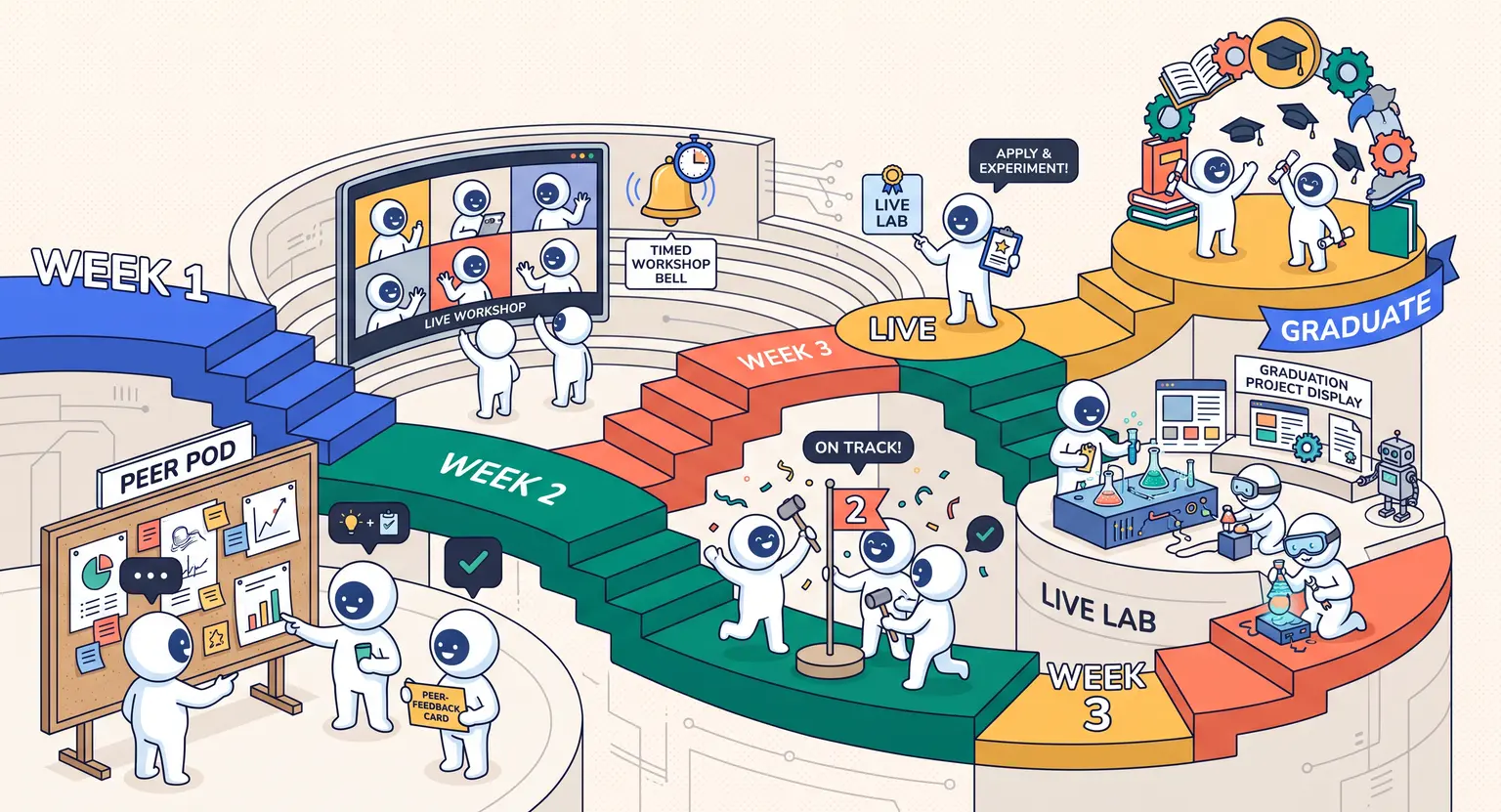 How to Create a Cohort-Based Online Course (2026 Guide)
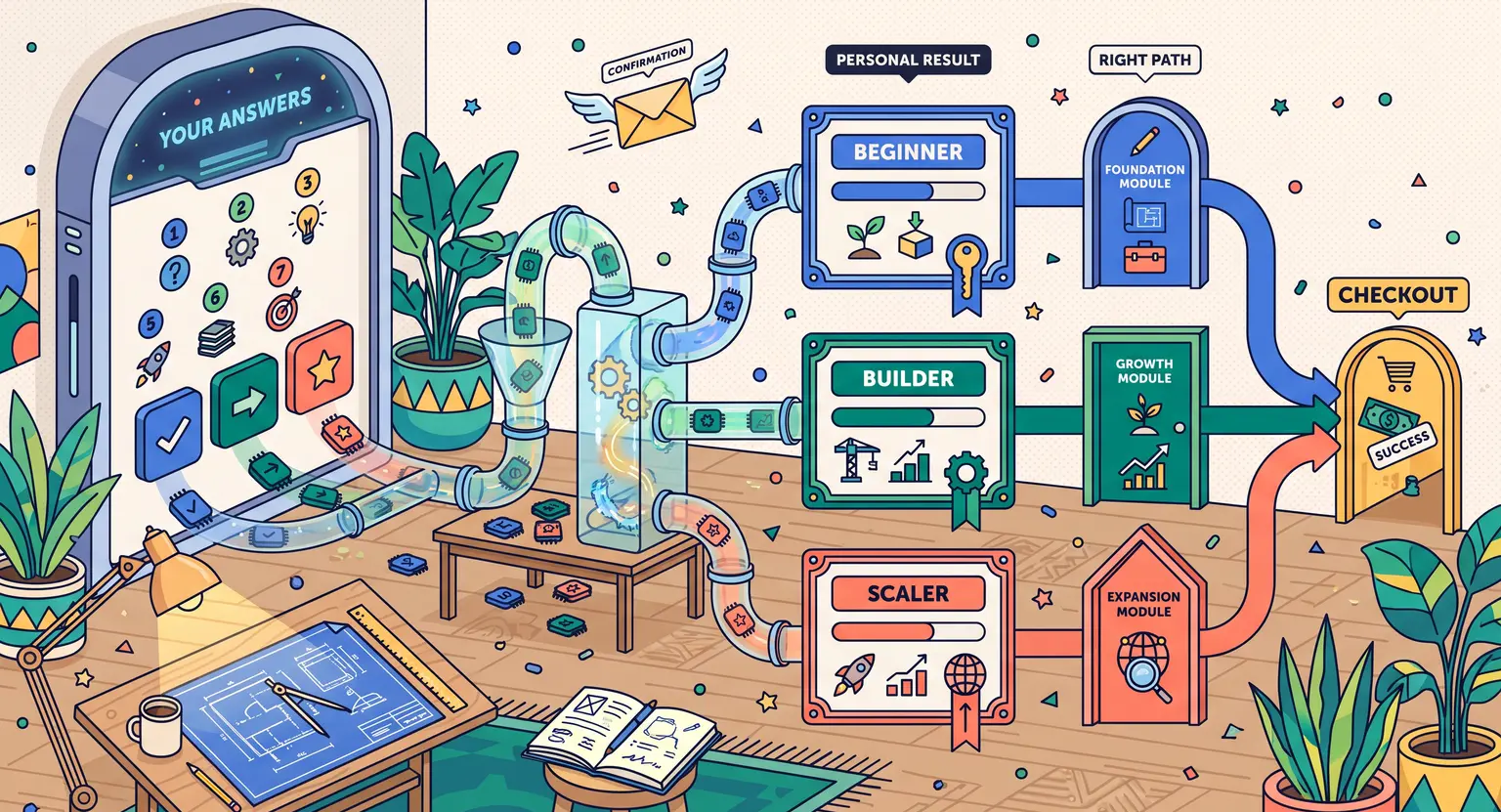 How to Sell an Online Course With a Quiz Funnel (2026 Guide)