







How to Create a Cohort-Based Online Course (2026 Guide)
How to Create a Cohort-Based Online Course
Static video libraries are no longer enough for serious learners. For years, educators recorded dozens of hours of video, uploaded them to a portal, and hoped students would finish on their own…
The reality?
Industry-wide completion rates for self-paced courses hover below ten percent. People buy with great intentions, get stuck on module two, and disappear.
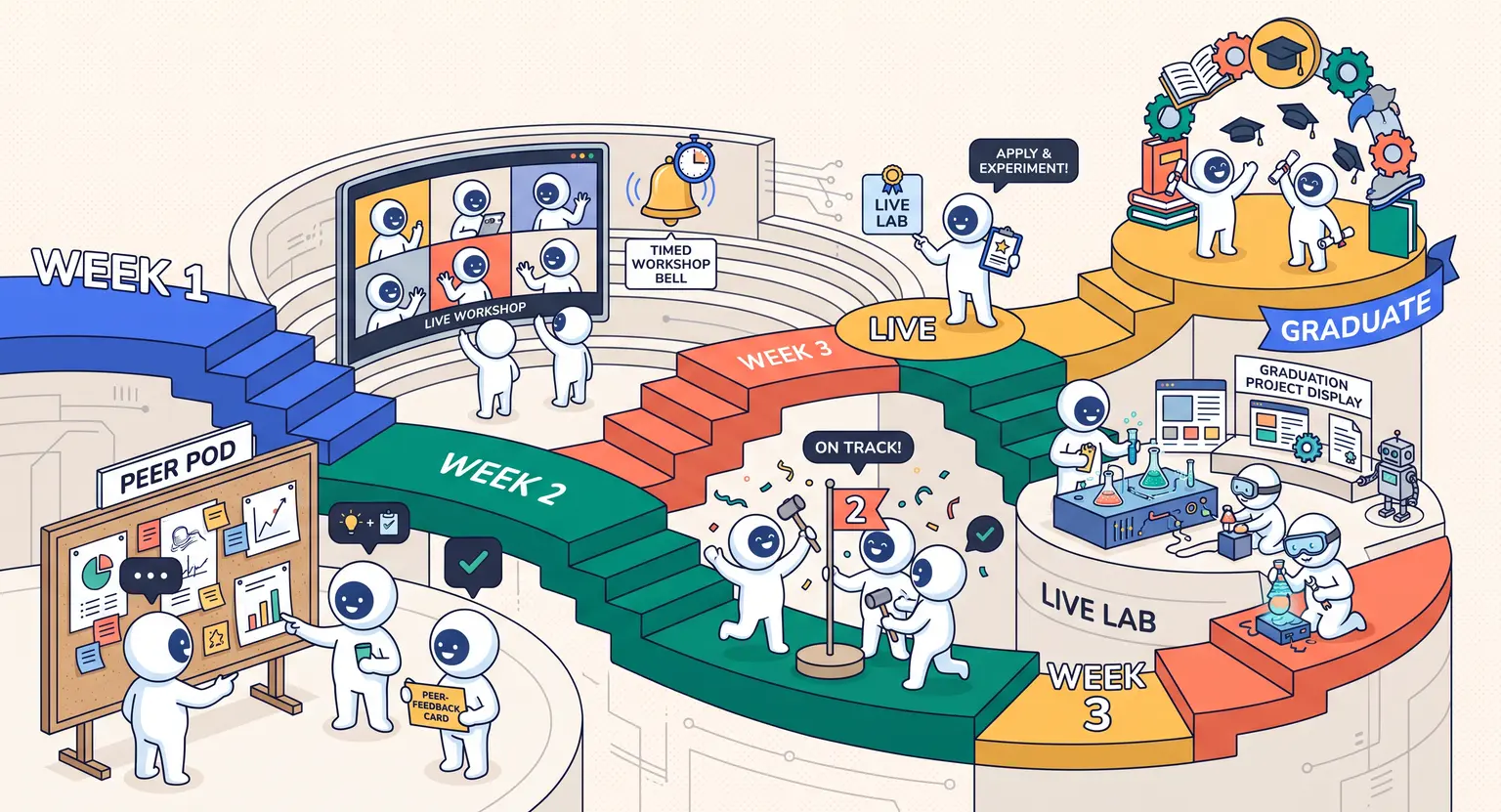
Cohort-based courses change this dynamic completely - by guiding a group of students through a shared curriculum on a set calendar with live workshops, accountability pods, and real-time feedback, you replace isolated watching with active doing.
Students actually complete the work, build relationships, and achieve the transformation you promised.
Key Takeaways for Cohort Creators
-
Focus on outcomes, not information : your job is facilitating transformation through exercises, critiques, and discussions rather than lecturing for hours.
-
Keep cohorts tight : cap your initial cohorts at 15 to 30 students to master facilitation and gather high-impact qualitative feedback.
-
Structure with the flipped classroom : provide short briefing materials beforehand so live calls can center on collaborative work and coaching. Review our comprehensive breakdown of online course formats to understand how cohorts compare structurally.
-
Charge premium rates : high-touch community support, direct access, and peer networks justify prices 3x to 10x higher than asynchronous courses.
What Makes a Cohort-Based Course Different?
A cohort-based course is a synchronized learning experience where a group of students progresses through a structured syllabus together over a fixed time frame.
Unlike evergreen digital products that students consume alone whenever they find time, cohorts operate on calendar milestones.
There is a defined start date, a graduation day, scheduled live interactive workshops, structured project deadlines, and dedicated discussion channels.
The core engine is social learning. Students do not just learn from you; they learn from the questions, perspectives, and industry contexts of their peers.
This dynamic creates healthy social accountability. When participants know their teammates will review their project on Thursday, they get the work done.
The result is completion rates regularly exceeding 75% to 90%, creating passionate brand advocates and glowing case studies.
Step 1 : Define the Specific Transformation
Before scheduling a single live session, you need absolute clarity on the destination.
Vague topics like "Learn Digital Marketing" fail in cohort formats because students cannot evaluate their tangible progress. Cohorts thrive on specific, high-stakes transformations.
Ask yourself : What tangible asset will students build, or what specific bottleneck will they solve by day thirty? Frame your course around a verifiable milestone.
-
Weak premise : "A 4-week workshop on personal branding."
-
Strong transformation : "Write, design, and launch an authoritative newsletter that lands your first 1,000 professional subscribers in 30 days."
-
Weak premise : "Introduction to product management."
-
Strong transformation : "Build a validated product requirements document and pitch deck to transition from junior engineer to associate product manager."
When the outcome is unambiguous, your curriculum design becomes straightforward. Every single workshop, assignment, and peer critique must directly serve that final milestone.
Step 2 : Map Your Timeframe and Live Cadence
Pacing dictates student energy.
If you stretch a cohort too long, participants get busy with work and drop off. If you make it too compressed, they drown in deliverables. For working professionals, a four-week sprint is the undisputed sweet spot.
A proven weekly rhythm includes two synchronous touchpoints paired with targeted asynchronous execution :
-
Tuesday Live Lab (60-75 minutes) : fast framework briefing (15 minutes), live demonstration (15 minutes), and breakout room peer exercises (30 minutes) followed by open Q&A.
-
Thursday Community Office Hours or Teardowns (60 minutes) : live reviews of student submissions, group problem-solving, and hot seats.
-
Weekend Milestone Submission : a concrete deliverable submitted to the community platform for mentor and peer review.
If you are testing an idea for the very first time, consider running a live beta test with a small group before building complicated assets or committing to an elaborate multi-month marketing blitz.
Step 3 : Build the Curriculum Using the Flipped Classroom Model
The biggest mistake first-time cohort creators make is treating live sessions like traditional university lectures. Talking at a grid of silent Zoom faces for ninety minutes will drain your energy and bore your students.
Use the flipped classroom model instead. Asynchronous channels deliver foundational context; synchronous calls are reserved for high-value interaction.
Record short 5-to-10-minute briefing videos or share brief visual frameworks 24 hours prior to the live session. When students enter the live room, they already grasp the theoretical concepts.
Your live time can immediately center on practical application, collaborative critiques, and nuanced discussions that cannot happen on a pre-recorded video.
| Attribute | Self-paced / asynchronous | Cohort-based course |
|---|---|---|
|
Completion rates |
Historically 5% to 12%. |
Typically 70% to 90%+. |
|
Price point |
$49 to $497. |
$750 to $3,500 via a premium pricing strategy. |
|
Learning dynamic |
Isolated consumption of content. |
Collaborative social learning and live practice. |
|
Content delivery |
Exhaustive pre-recorded libraries. |
Lean assets guided by a solid course structure blueprint. |
|
Creator time investment |
Heavy upfront, light maintenance. |
Focused intensity during live cohort weeks. |
|
Student accountability |
Self-motivated only. |
Direct instructor feedback and peer pods. |
Step 4 : Set Up Your Operational Infrastructure
You do not need a complicated maze of twenty software tools to launch - in fact, excessive tech creates friction for students. Your cohort infrastructure requires four core functions :
-
Learning management hub : a central space where students access session recordings, downloadable resources, timelines, and course schedules.
-
Community discussion platform : dedicated channels for introductions, weekly homework submissions, accountability check-ins, and watercooler chat.
-
Live interactive video room : reliable video conferencing software that supports smooth breakout rooms, screen sharing, and recording automation.
-
Checkout & invoicing engine : a streamlined payment flow that supports multiple currencies, installments, and corporate invoicing for employer-sponsored students.
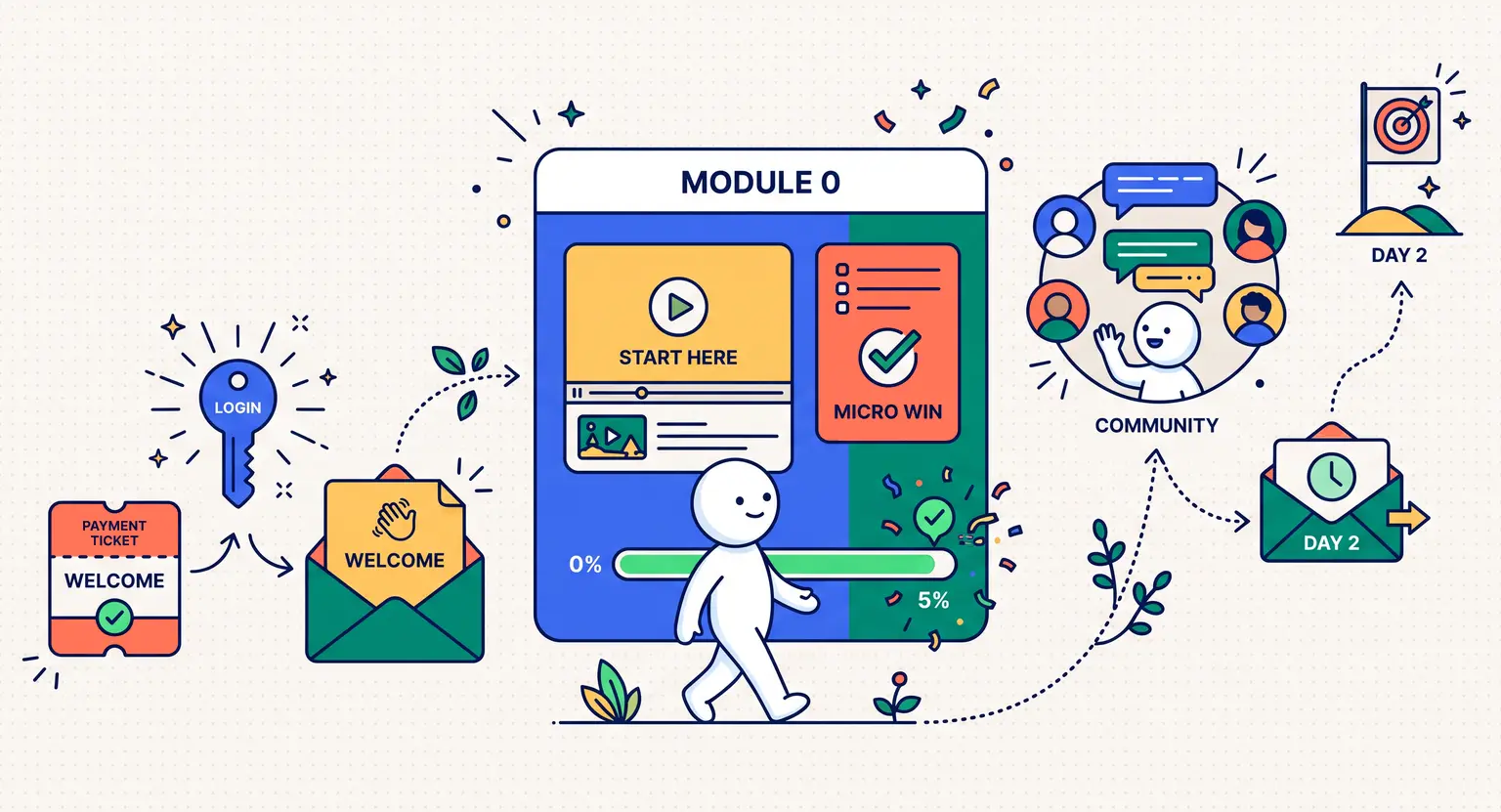
Keep the student onboarding path clean. When someone enrolls, trigger an immediate welcome email with a direct calendar invite file containing all live workshop dates.
If it is not on their work calendar on day one, attendance will suffer.
Step 5 : Structure Peer Accountability Pods
One instructor cannot give in-depth daily attention to forty people.
The secret to scaling cohort quality without working twenty-hour days is dividing your larger group into smaller accountability pods of four to five students.
Form these pods during the onboarding week based on complementary time zones, experience levels, or specific project types.
Pods meet for 30 minutes once a week to review each other's deliverables, share resources, and troubleshoot hurdles before live office hours.
Provide a structured 3-point checklist for peer reviews.
When students evaluate peers using clear criteria, they sharpen their own analytical skills while ensuring every participant receives timely critique on their submissions.
Step 6 : Facilitate Dynamic Live Sessions
Live session facilitation is a performance art. Your presence sets the emotional tone for the entire group. Come to calls energized, structured, and ready to engage.
Start every session right on time with an icebreaker prompt in the chat. This gets fingers moving immediately.
Instead of asking open-ended questions to silence, use targeted prompts : "Type your biggest challenge with user onboarding in the chat, but do not hit enter until I say go."
When running breakout rooms, make prompts laser-specific.
Never send students into a room with vague instructions like "Discuss module two."
Give them an explicit deliverable with a strict timer : "You have 12 minutes in pairs. Student A shares their landing page headline; Student B provides two concrete ways to sharpen the hook. Swap at minute six."
Assign a community manager or teaching assistant to handle tech issues, drop relevant links into the chat, and monitor raised hands so you can focus entirely on teaching and coaching.
Step 7 : Launch, Pre-Sell, and Fill Your Seats
Because cohort courses run on fixed schedules, enrollment works best using an application or open-close launch model.
Creating a sense of calendar scarcity is natural and authentic : once the cohort kicks off on Monday, enrollment closes until the next season.
Begin your campaign four weeks prior to launch. Host a live masterclass or interactive workshop that delivers immediate value while demonstrating your live teaching style.
At the end of the session, open applications or enrollment with an early-bird incentive for the first ten committed spots.
Encourage corporate sponsorships. A large portion of cohort students at the $1,000+ level expense their tuition using professional development stipends.
Provide a downloadable employer reimbursement pitch template on your sales page to help prospects secure manager approval easily.
Explore Further : Related Resources for Course Creators
-
Master early cash flow by pre-selling your educational program to validate demand before building.
-
Decide on your long-term scaling path by comparing the live launch vs evergreen business models.
-
Evaluate course software setups with our breakdown of top-rated platforms for course creators.
-
Streamline your operations with an all-in-one platform to host and sell courses.
Step 8 : Post-Cohort Offboarding and Community Retention
The final workshop should celebrate wins and reinforce identity transformation.
Run a final project showcase where students present their finished work, invite alumni from previous cohorts or guest industry judges to provide encouraging closing remarks.
Send an exit survey within 24 hours while excitement is high.
Capture video testimonials using automated prompt tools and request written feedback on what clicked and what felt slow.
This data will form the basis of your marketing assets for your next cohort.
Do not simply cut off access when graduation concludes.
Transition cohort graduates into an ongoing alumni network or paid membership.
Alumni become your top referral sources, future teaching assistants, and continuous brand evangelists.
Frequently Asked Questions
How long should a cohort-based course last?
Most successful cohort courses run between three and five weeks.
Anything shorter than three weeks feels rushed for deep skill acquisition, while programs longer than six weeks often suffer from student fatigue and declining live session attendance.
What is the ideal student group size for a first cohort?
For your inaugural run, aim for 15 to 25 students.
This size generates vibrant breakout room discussions and diverse peer feedback without overwhelming your ability to provide personalized coaching.
How much should I charge for a live cohort course?
Pricing typically spans from $750 to $2,500 depending on the depth of the topic, career impact, and instructor access.
Because students receive direct live feedback, cohort courses command significantly higher prices than passive video libraries.
Do I need pre-recorded video lectures before starting?
No, you do not need extensive pre-recorded libraries.
The most effective approach is teaching core principles live during your initial cohort, collecting student feedback, and packaging the refined concepts into short assets for later runs while building an engaging online community around your subject.





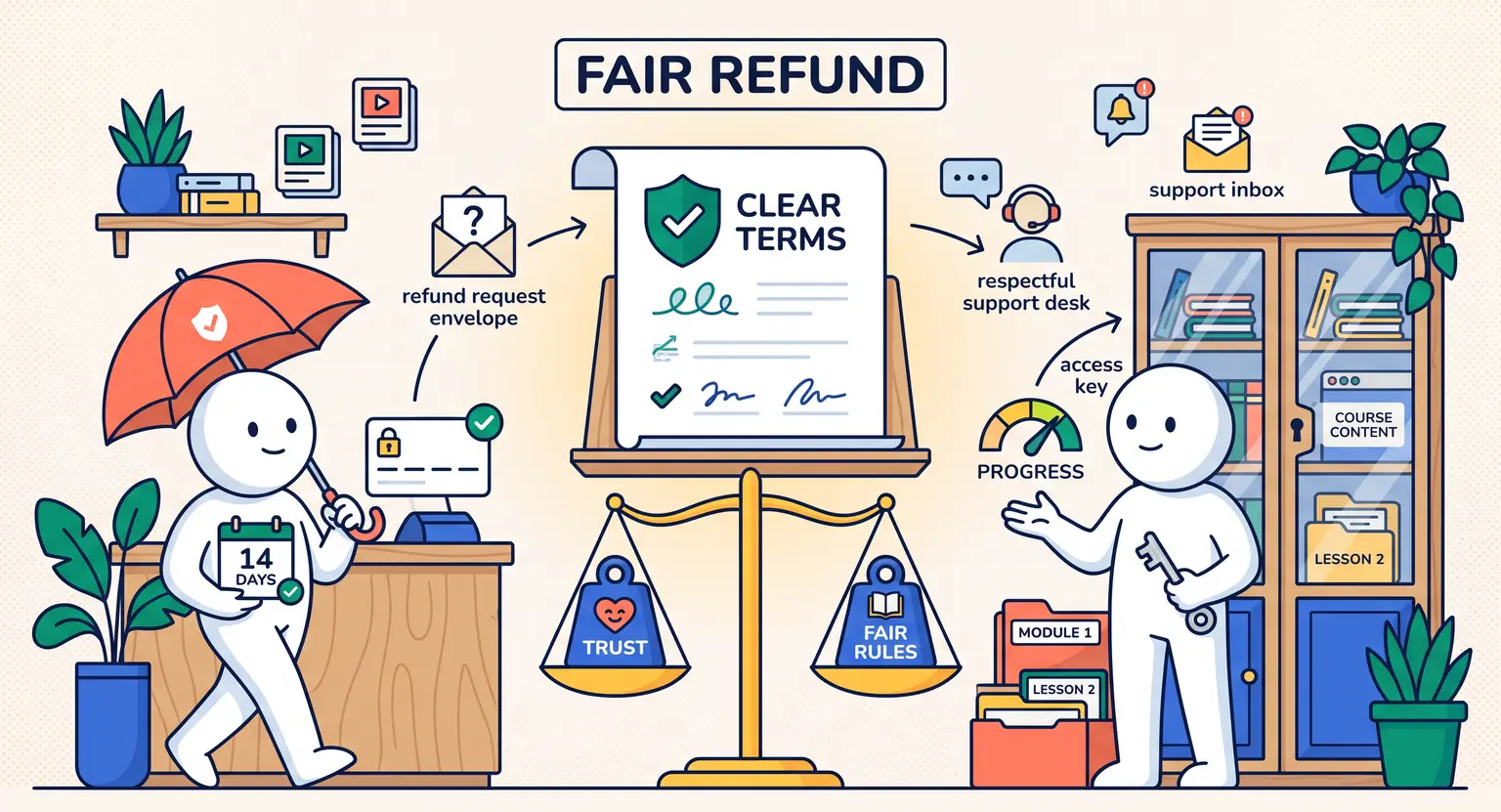 How to Create a Course Refund Policy (Templates & Best Practices for 2026)
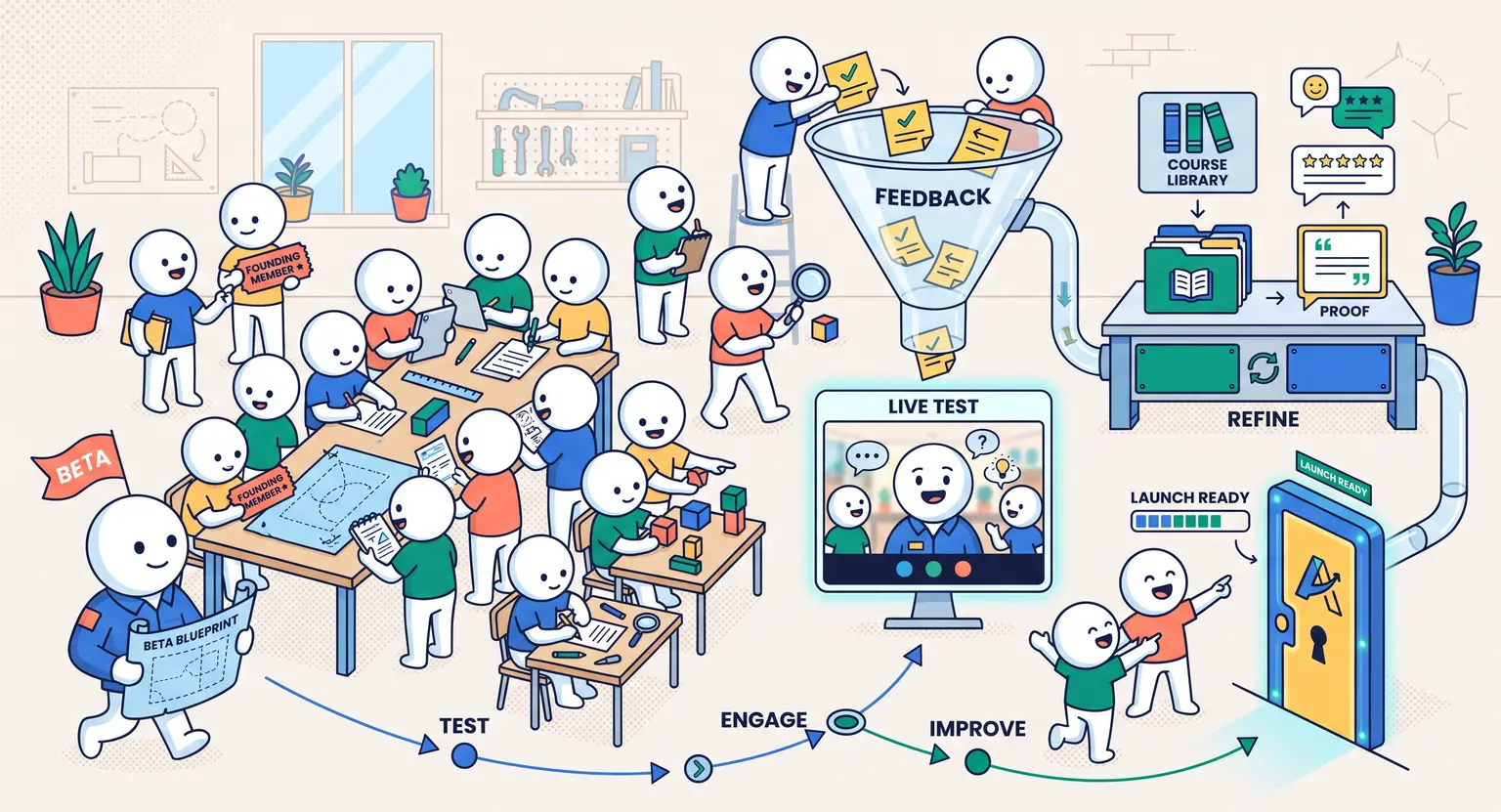 How to Run a Beta Version of an Online Course (2026 Guide)
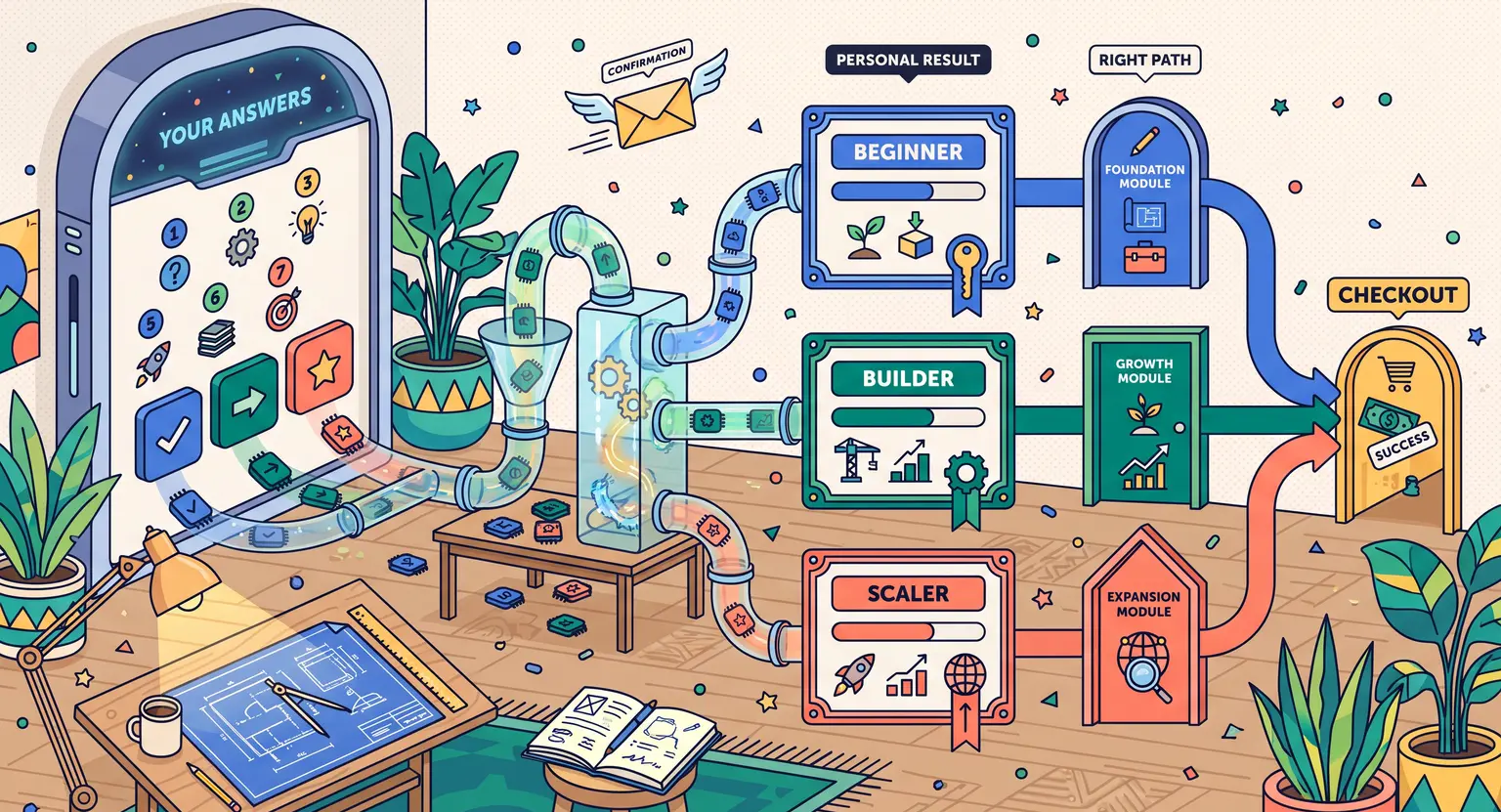 How to Sell an Online Course With a Quiz Funnel (2026 Guide)
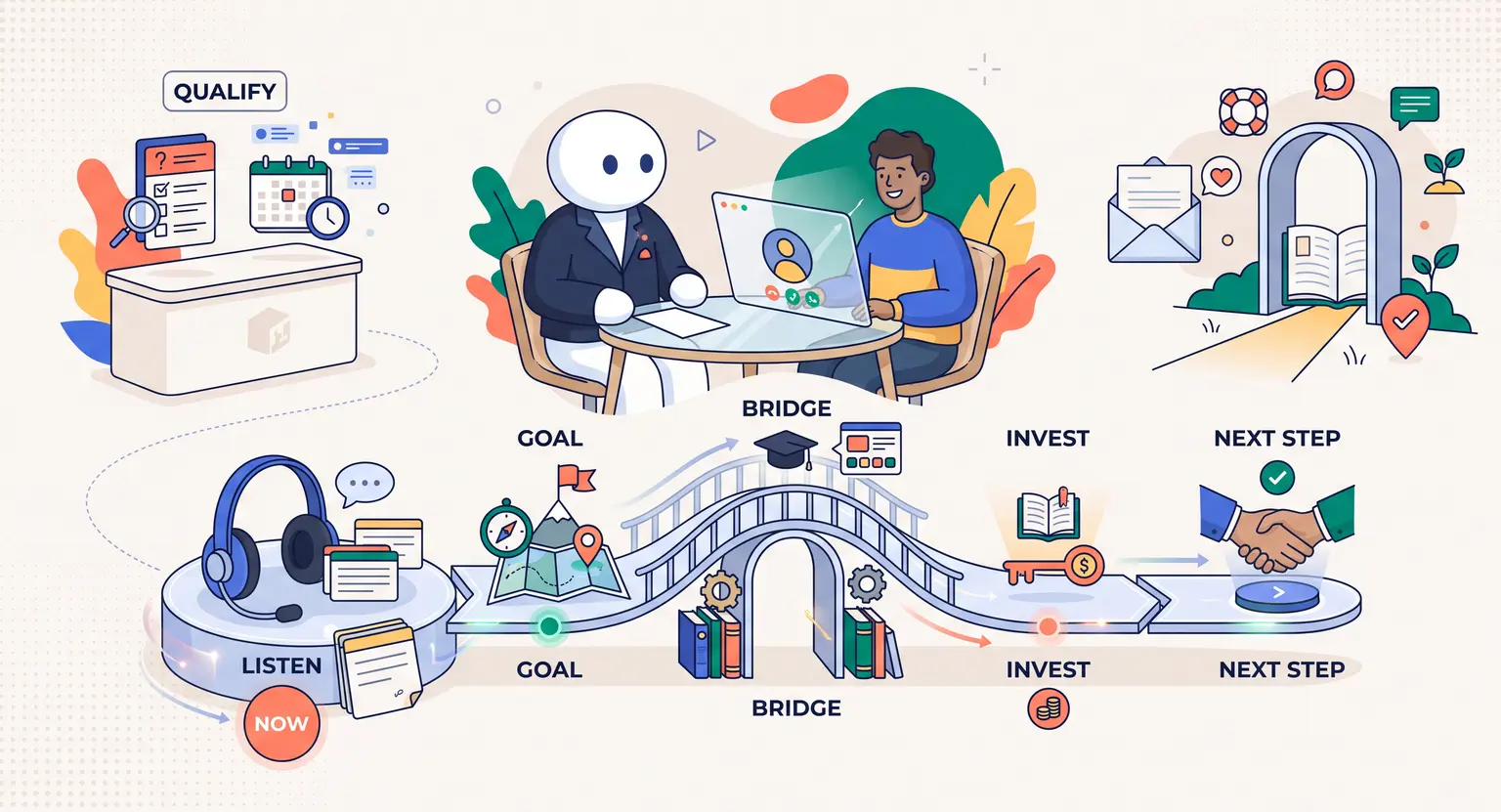 How to Sell an Online Course Through a Sales Call (2026 Guide)