







AI for Course Landing Page Optimization: 2026 Strategy
AI for Course Landing Page Optimization
Key Takeaways
-
AI copywriting : craft personalized, emotionally resonant headlines that speak directly to your target student's pain points.
-
Predictive heatmaps : fix your page layout and visual hierarchy before spending a single dollar on live ads.
-
Automated testing : seamlessly run dynamic variations of your calls to action to see what actually works.
-
Holistic strategy : connect these quick design improvements back to your core launch and setup on the LearnyBox platform.
So, you built an incredible course. You spent weeks recording videos, writing worksheets, and putting your heart into the material…
But when people visit your page, they leave without buying.
It is frustrating, right?
Most creators think they have a product problem. Usually, they just have a page problem.
In 2026, you do not need an expensive agency to fix this. Artificial intelligence can do the heavy lifting of figuring out where your visitors get bored. Let us look at how smart tools make your page irresistible to prospective students.
We will explore how machine learning dismantles visual barriers. Stop guessing if your button should be green or blue - let real statistics guide your optimization path to secure those sign-ups.
Rewriting Your Story with AI Copywriting
Your headline is the first thing people see. If it is boring, they bounce immediately.
Traditional copywriting takes time, but AI tools can draft highly targeted variations in seconds.
Instead of a generic headline like "Learn Photography 101," an AI assistant can analyze student reviews and write something like "Capture Professional Portraits with the Camera You Already Own."
This targeted approach immediately captures interest because it addresses a specific aspiration of your customer.
AI copy generators look for emotional triggers in existing student reviews. By scraping those forums, the algorithm understands the barriers people feel when trying to master a new skill.
But do not just copy-paste whatever the machine spits out. Treat it as a creative partner. Use it to build multiple angles for your target student personas.
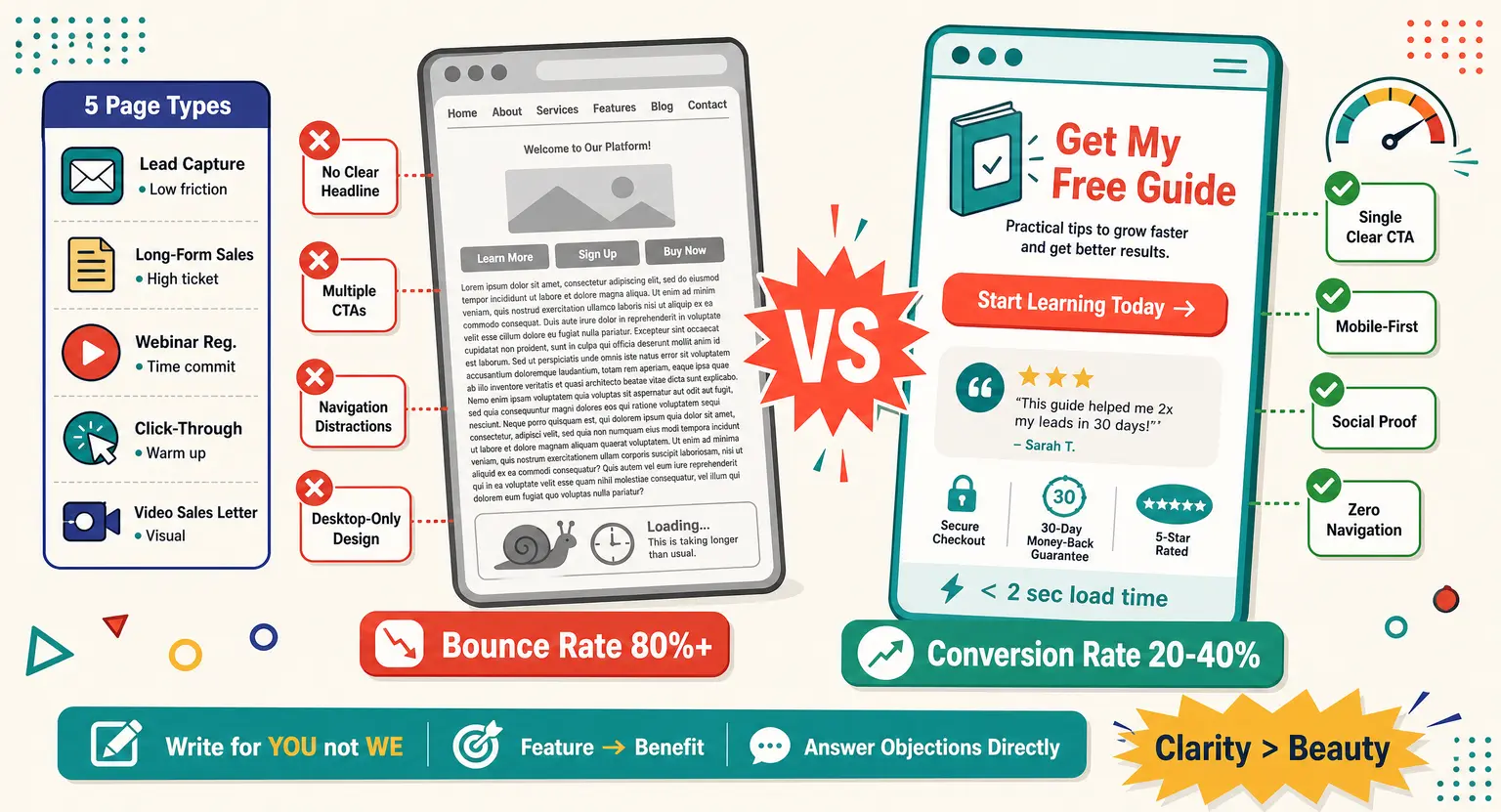
For instance, if you are focusing on a high-converting landing page, your main messaging needs to outline the exact transformation your student will experience.
And remember, your copy must match the follow-up. Keep your messaging aligned by structuring your AI for course email sequences to match the tone of your landing page headline.
Predictive Design : Fixing Visual Friction
People do not read websites anymore; they skim. If your visual layout is messy, they miss your primary offer.
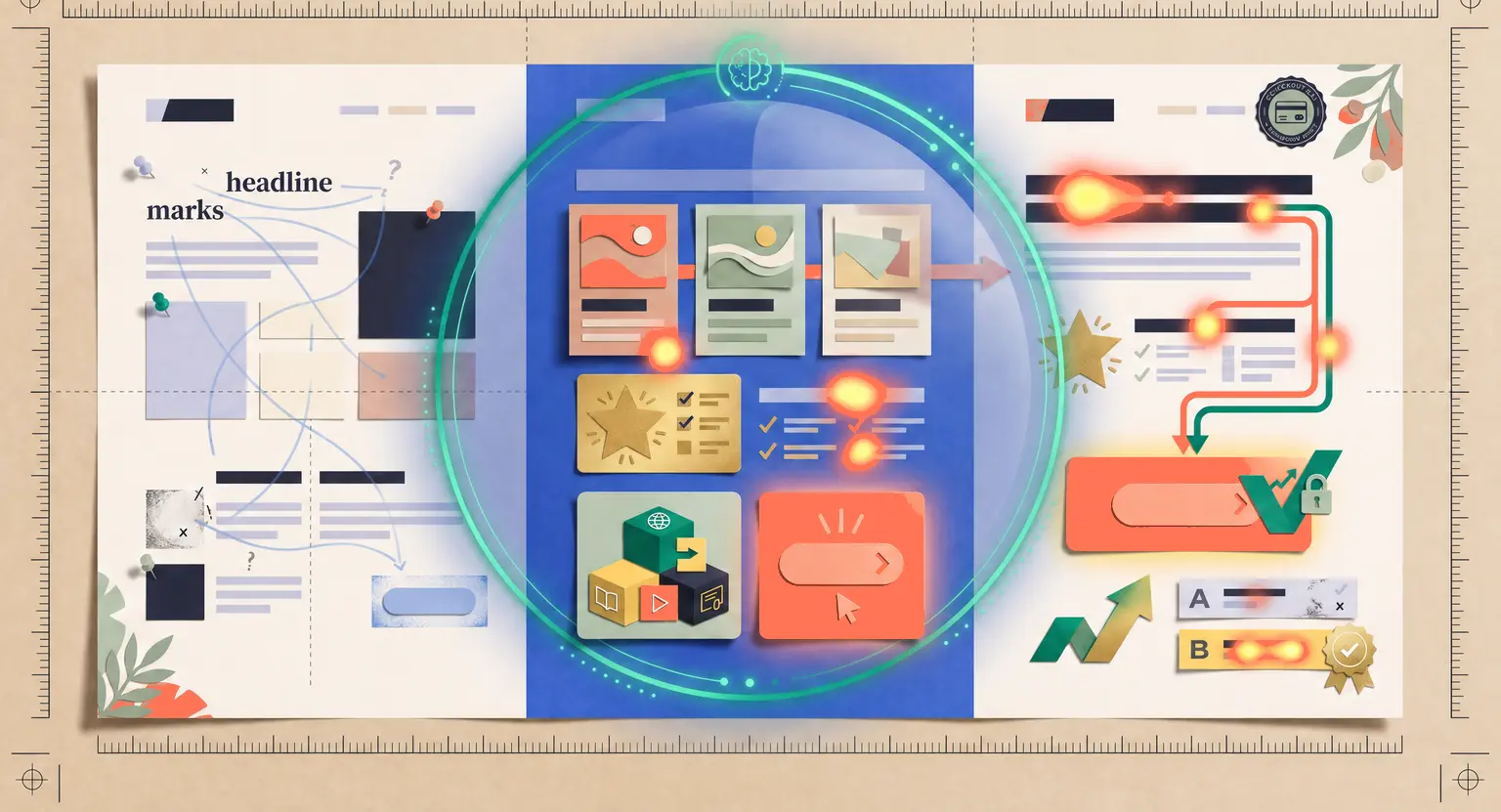
This is where predictive AI design engines shine. They use eye-tracking databases to review your page and predict where visitors will actually look.
And the best part? You can do this before you even launch. No more waiting weeks for traffic to show you that your primary button was in the wrong spot. Look at the key design mistakes AI helps you avoid :
-
Cluttered header sections that hide your main value statement.
-
Tiny, low-contrast checkout buttons that blend into the background.
-
Text blocks that are too wide to read comfortably on a mobile screen.
-
Poor placement of social proof and student results.
By addressing these elements during your initial setup, you improve the layout according to modern landing page best practices.
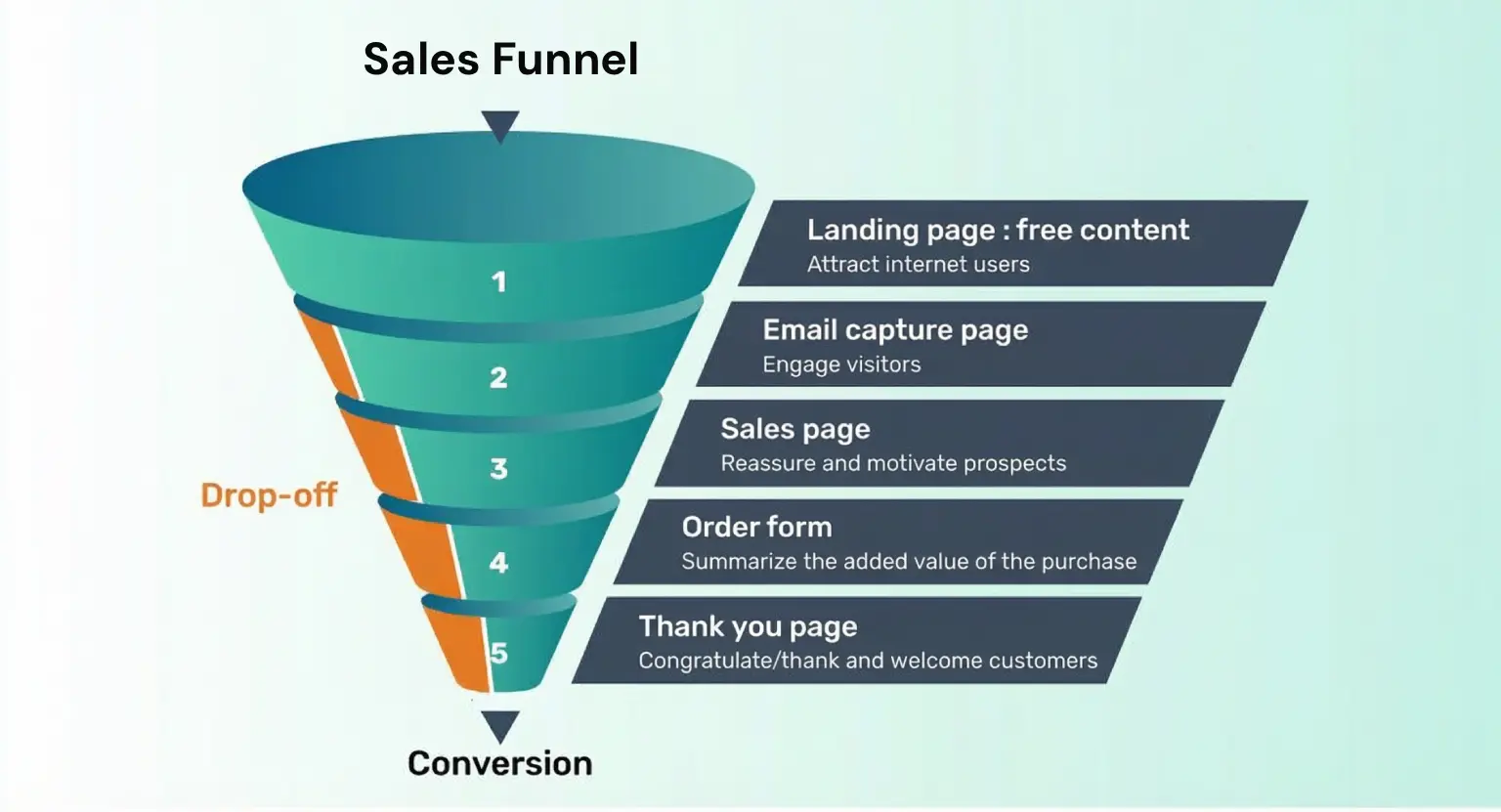
A clean page keeps the reader moving naturally toward the buy button. When you design with data rather than personal preference, your visitor flows naturally down the sales pipeline - they stop stalling and start executing the checkout process because nothing blocks their view.
AI-Powered Performance Comparison
Let us look at how traditional manual optimization compares to utilizing advanced AI methods for your course page.
| Optimization element | Traditional approach | AI-driven approach (2026) |
|---|---|---|
|
Headline copywriting |
Writing two or three headlines manually based on guesswork. |
Generating dozens of data-backed, emotional variations mapped to student intent. |
|
Visual layout tests |
Waiting for weeks of live user traffic to gather heatmaps. |
Predictive visualization showing focus hot spots instantly. |
|
Audience validation |
Running expensive, slow surveys or waiting for sales metrics. |
Instantly analyzing feedback profiles to validate an online course idea cleanly. |
|
Sales copy strategy |
Struggling with copywriting blocks or templates from scratch. |
Analyzing frameworks using AI for course sales pages to structure sections. |
Dynamic A/B Testing and Constant Improvement
If you want to maximize sales, you can't rely on a set-and-forget philosophy. You must test your hypotheses.
But traditional testing is hard. It requires a lot of traffic and technical setup. Modern AI takes the pain out of this by automating traffic distribution. It sends visitors to the best-performing variation in real time, matching different landing page components to different segments of your traffic.
And this isn't just about tweaking button colors. It's about systemic funnel conversion rate optimization. When you make constant, small improvements based on real data, they compound quickly.
Think about it : a small two percent increase in conversion can double your revenue over a year. AI algorithms spot these micro-trends faster than any human analyst.
So, how do you manage all of this without drowning in complex tools? You use a platform that integrates everything. Finding the right tools is easier when you know how to create a landing page that effortlessly coordinates with your checkout systems and email lists.
Setting Up Your Continuous Workflow
Ready to optimize your page? Do not try to change everything at once. Too many changes will confuse your data and make it impossible to tell what actually worked.
Follow this simple routine instead :
-
Validate your core course idea first. No amount of AI optimization can save a course that nobody wants. Build an initial framework and seek direct student feedback before writing.
-
Write your baseline copy, keeping your main audience avatar in mind.
-
Generate headline and button alternatives using your AI assistant.
-
Run a visual analysis tool to check for design friction.
-
Put the page live and start driving target traffic.
-
Review the conversion metrics weekly and tweak underperforming sections.
This workflow keeps you organized. It helps you focus on real metrics instead of vanity design ideas. Whether you are learning how to launch an online course or upgrading an older offer, consistent optimization is what builds real, long-term business growth.
Building a High-Converting Future
Optimizing your course page shouldn't feel like a guessing game. By letting modern AI handle the draft copy and predictive visual tests, you save time and get better results.
But technology is only half the battle. You still need an all-in-one system to run the backend, host your pages, process payments, and send emails smoothly.
That is why having a strong engine underneath your landing pages is so critical for creators. Let artificial intelligence simplify the optimization, and let your platform scale the results.
Your future students are waiting to learn - prepare your launch properly and let them find you easily.
Frequently Asked Questions
Can AI completely replace a human copywriter for course pages?
Not entirely. AI is incredibly fast at generating first drafts, brainstorming ideas, and running variations, but a human expert must review the copy to ensure authentic branding, correct course specifics, and true emotional resonance.
How does AI predict design problems before a launch?
Predictive AI models use database tracking of millions of web interactions.
They analyze your layout's hierarchy and predict exactly where users will look, click, and lose interest, offering simulated heatmaps in seconds.
What is the best way to start with AI optimization?
Start with headline variations.
Write three different hooks, let a predictive AI score them, and then run a mini A/B test using your platform's built-in testing tools to verify the winner.




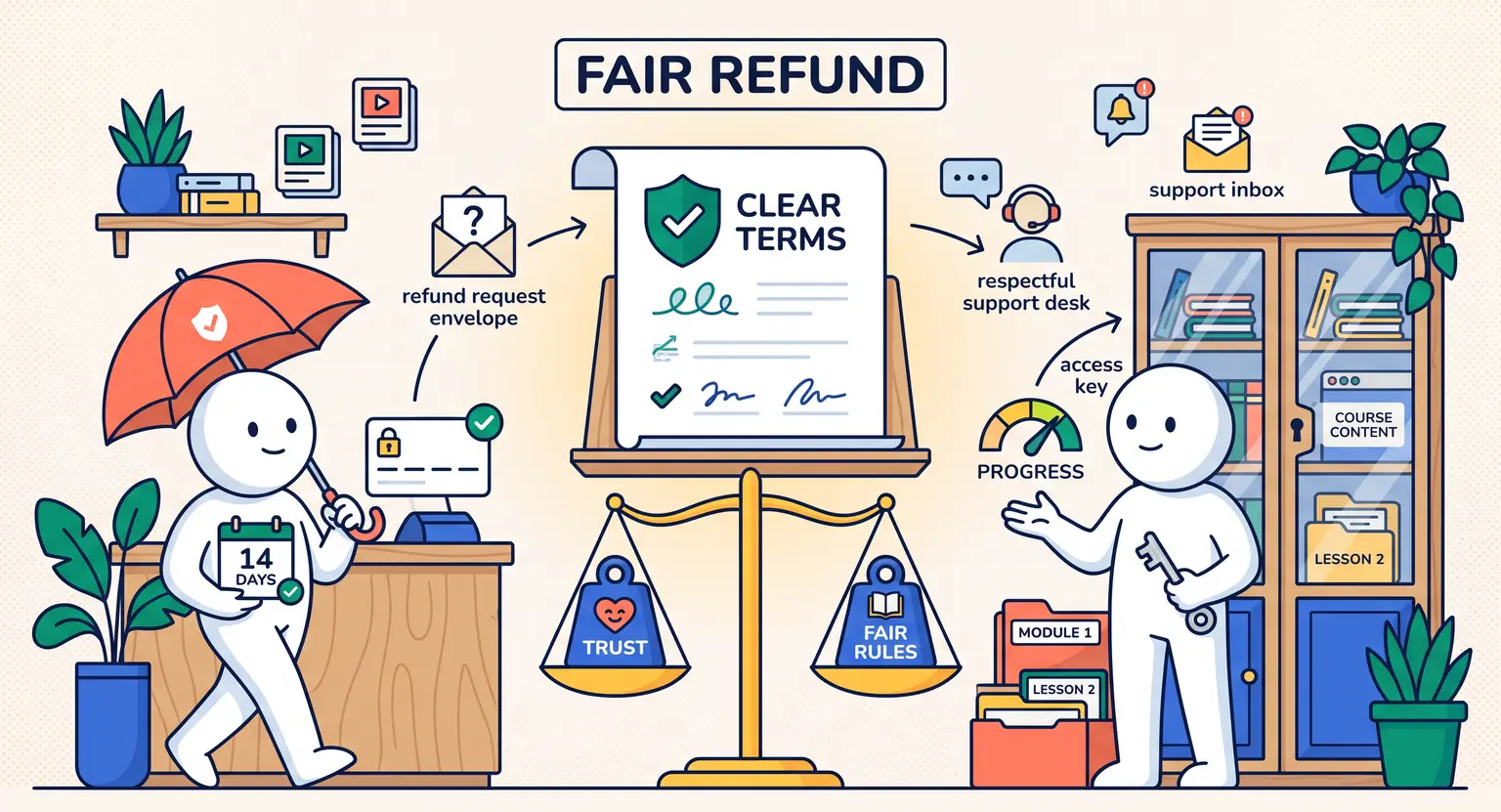 How to Create a Course Refund Policy (Templates & Best Practices for 2026)
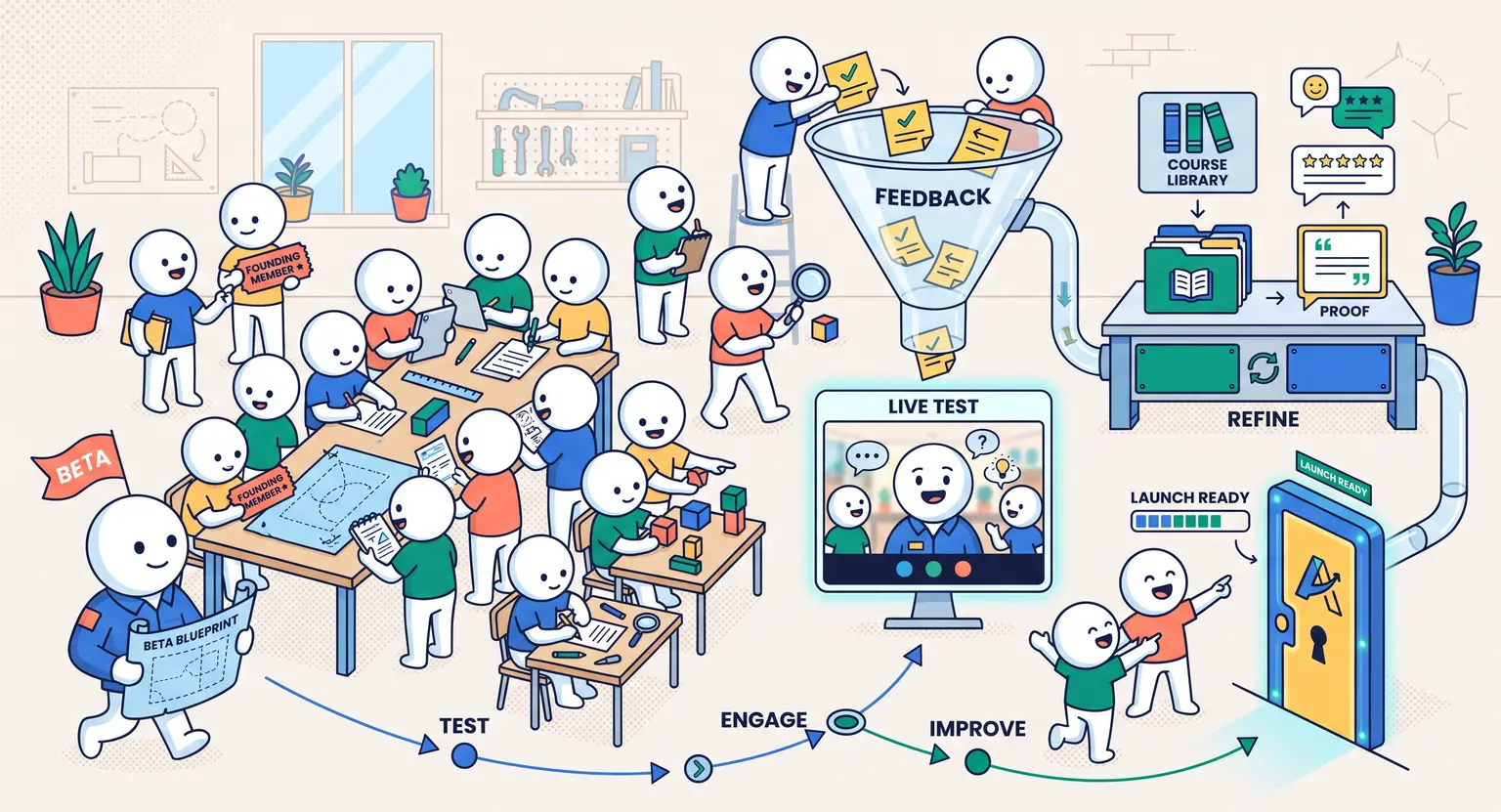 How to Run a Beta Version of an Online Course (2026 Guide)
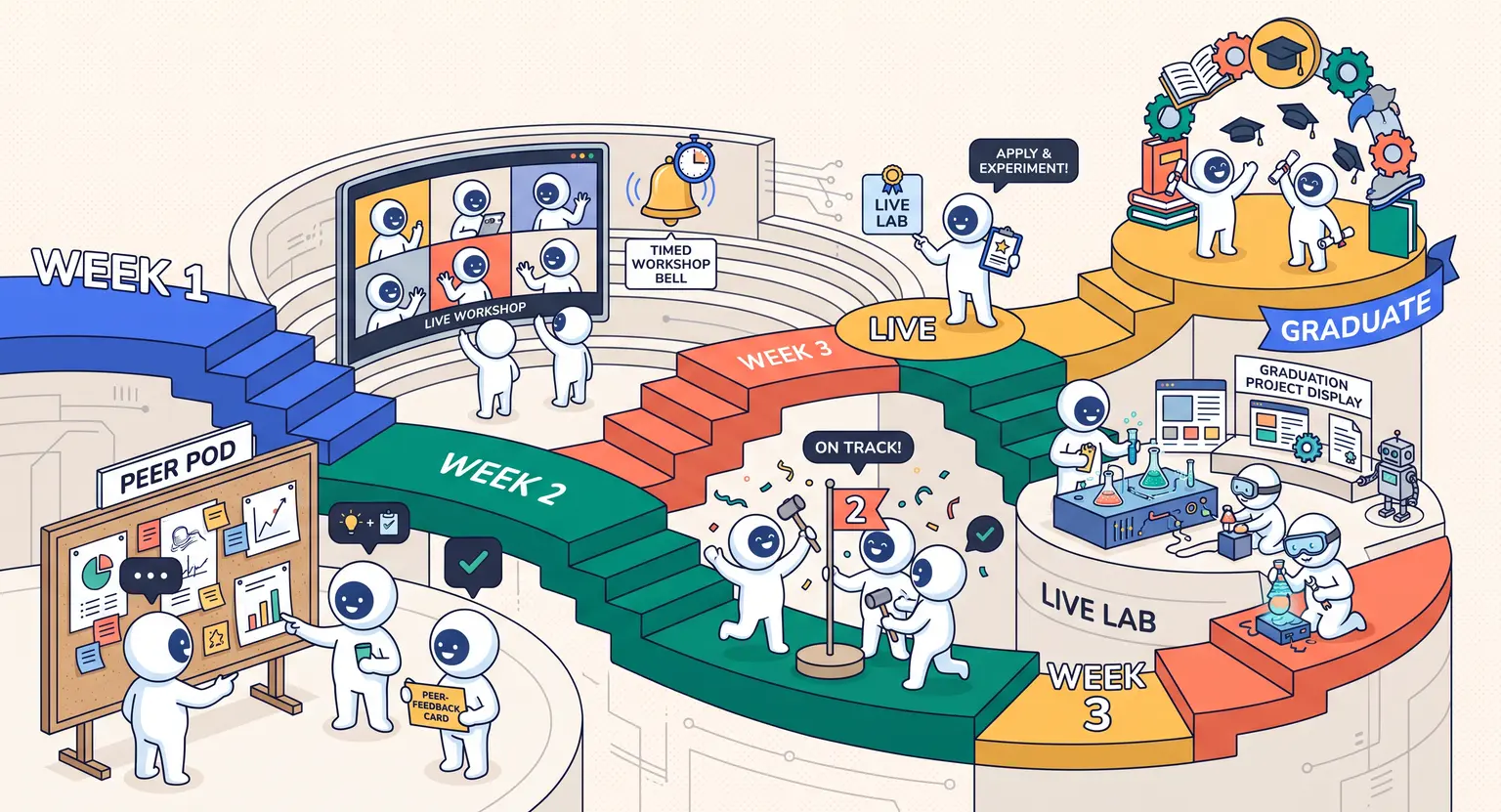 How to Create a Cohort-Based Online Course (2026 Guide)
 How to Sell an Online Course Through a Sales Call (2026 Guide)