







How to Launch an Online Course in 2026: The Expert Human Strategy
How to Launch an Online Course in 2026 : The Expert Human Strategy
Key Takeaways for a 2026 Launch
-
Focus on Result-Oriented Content : learners today don't want "information," they want "transformation." Keep your curriculum lean and actionable.
-
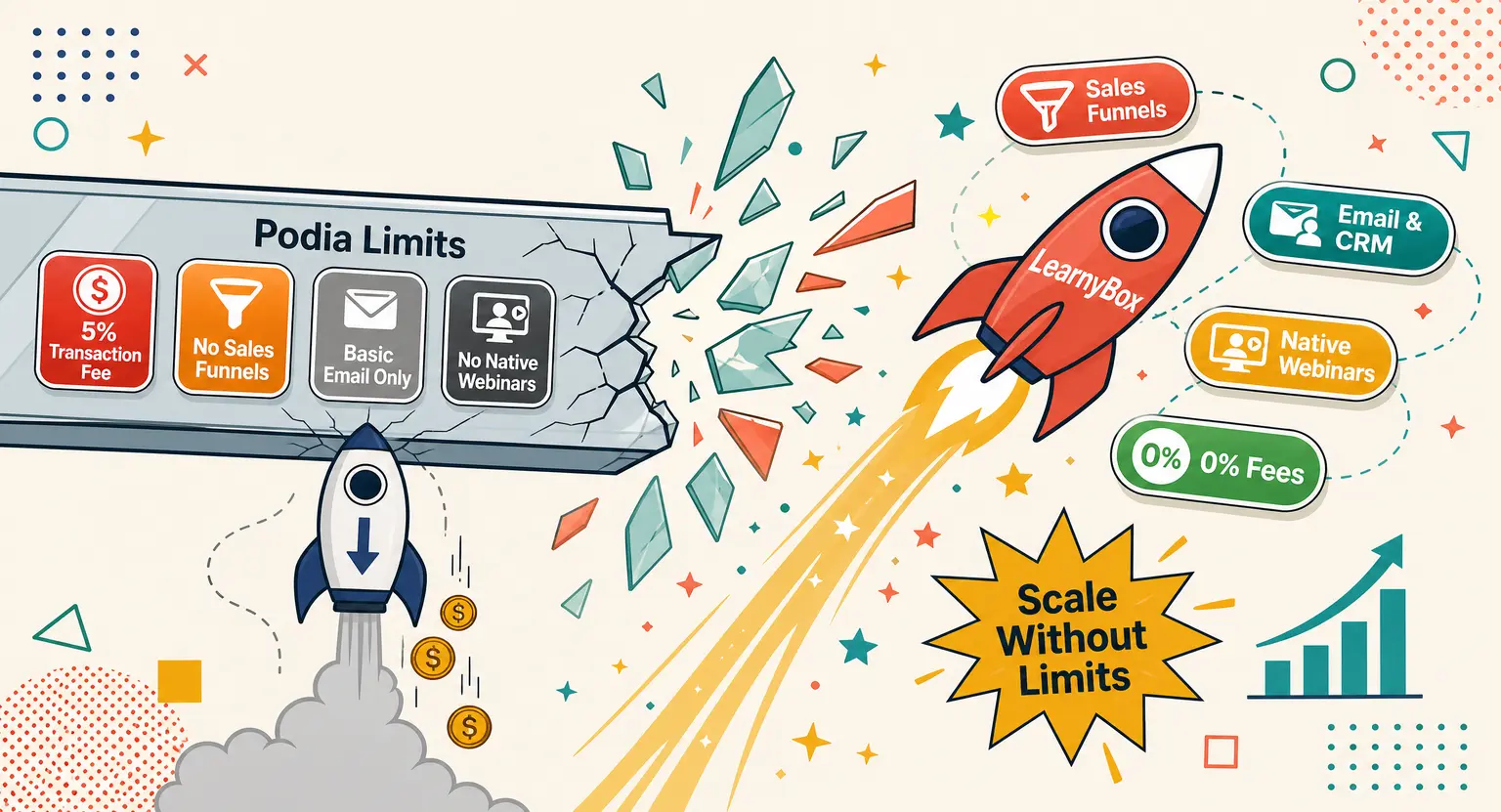
Choose One Versatile Tool : using an all-in-one platform to sell online courses saves you from the "tech-debt" of 2020 by integrating email, hosting, and payments in one place.
-
Human Connection Wins : AI tools help with production, but your unique voice and personal feedback are what people actually pay for.
-
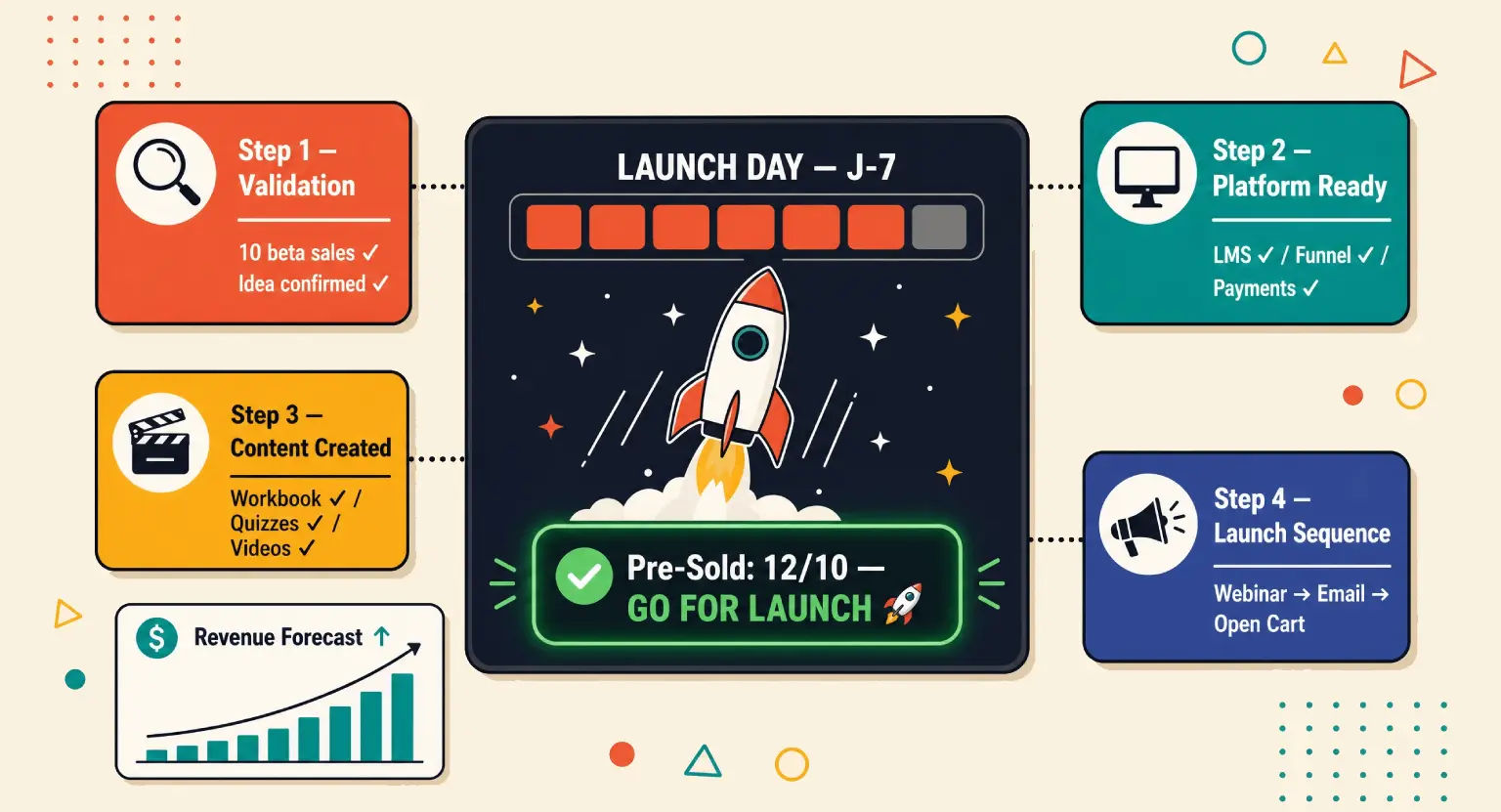
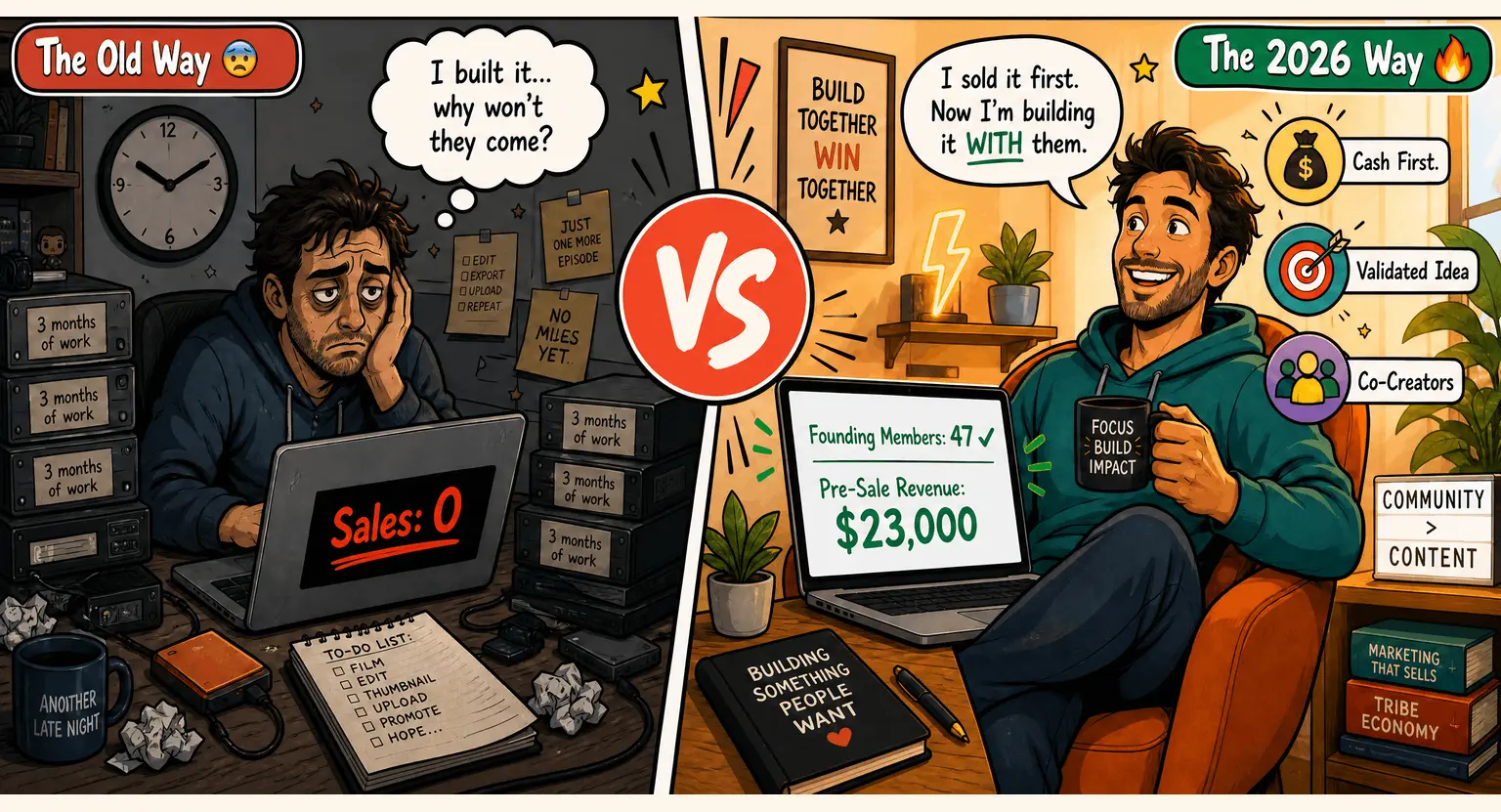
Pre-sell Everything : never build the whole course until you have at least ten paying customers to prove the concept works.
So, you've finally decided to share your expertise.
That is a massive first step.
But let's be real for a second : the world of online education in 2026 is vastly different from the pioneer days of a decade ago.
People are smarter. They've seen every marketing trick in the book, and they are tired of bloated, 40-hour courses that lead nowhere.
If you want to stand out, you need to be surgical in your approach and deeply human in your delivery. This isn't about being the "best" expert; it's about being the most helpful one.
And here is the secret most gurus won't tell you : the tech isn't the hurdle anymore.
Tools have become so intuitive that the "how-to" of setting up a website is a weekend project at most.
The real challenge is the psychological bridge between your brain and your student's success.
You need a strategy that validates your idea before you record a single video frame. But don't worry, we are going to walk through this together, step by step, making sure you don't fall into the common traps that sink most first-time creators.
Step 1 : The Brutal Truth About Validation
Before you even think about your color palette or your logo, you must validate.
Far too many people spend months filming in a dark basement only to launch to the sound of crickets. It's heartbreaking and completely avoidable.
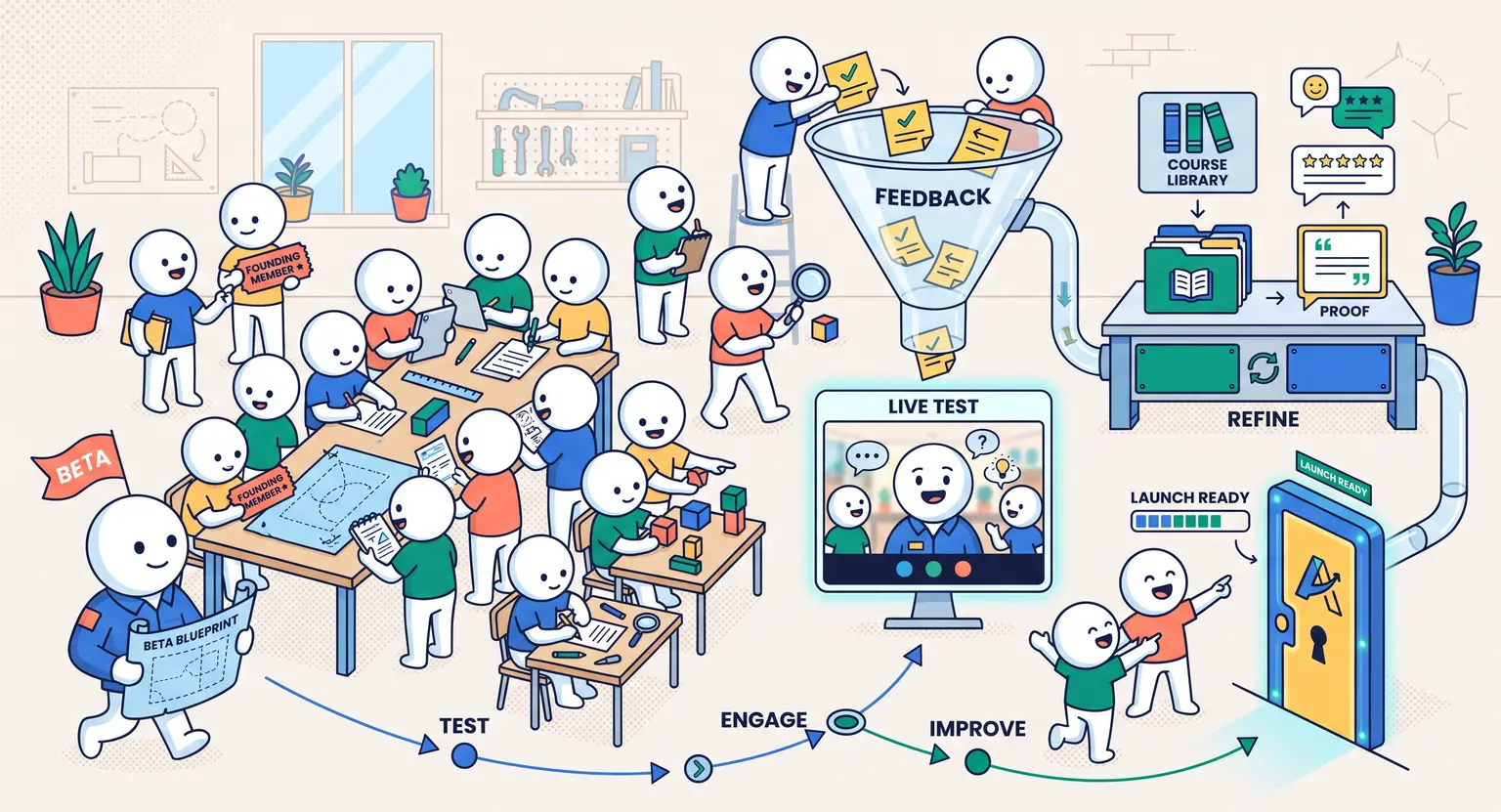
In 2026, validation means getting people to vote with their wallets, not just their email addresses. You want "beta testers" who are willing to pay a discounted price for a rough version of your vision.
Start by talking to your target audience where they hang out. Don't pitch. Just listen. Ask them what their biggest frustration is right now.
Then, offer a solution in the form of a "Pilot Program." This is a live, stripped-down version of your course. If you can't get five people to pay $50 for a live workshop, you won't get 500 people to pay $500 for a pre-recorded course.
But once you have those first few sales, the confidence boost is incredible. You finally know that people actually want what you're selling.
While doing this, it's also smart to study the mistakes to avoid when creating online courses so you don't repeat the errors of those who came before you.
Most failures come from over-complicating the first version.
Your goal is the minimum viable transformation.
What is the shortest path from their pain point to a small win? Once you find that, you've found your course topic. It's that simple, yet that's where most people get it wrong because they want to share "everything" they know.
Don't do that.
Give them only what they need to succeed.
Step 2 : Choosing Your Command Center
Once you have a validated idea, you need a place for your students to live.
In the past, people would duct-tape five different softwares together : one for email, one for video hosting, one for payments, and another for a member area. It was a nightmare.
Today, we know better. You need a unified system that talks to itself. This allows you to focus on teaching while the software handles the heavy lifting of billing and access control.
When looking at options, consider your long-term goals. Do you want a simple repository for videos, or a full-scale digital academy?
Most experts in 2026 prefer platforms that include built-in marketing features. You want to see your conversion rates right next to your student progress reports.
It helps you make data-driven decisions. If you see students dropping off at lesson four, you know exactly where your content needs improvement.
| Feature focus | 2026 Standard requirement | Why it matters |
|---|---|---|
| Mobile Accessibility | Native App & Responsive Web | 65% of learners study on their commute or during breaks. |
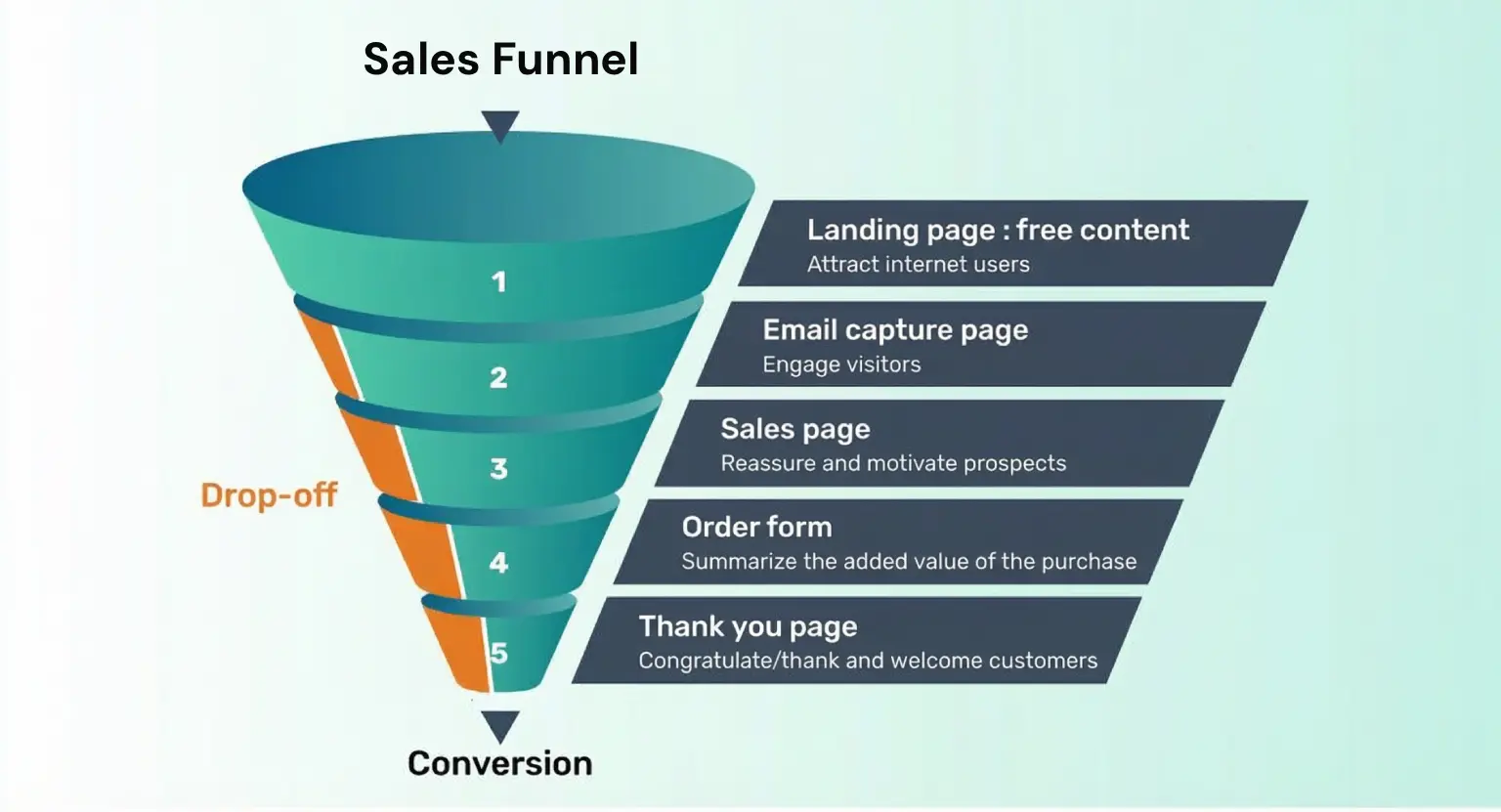
| Automation Engine | Integrated sales funnels | Allows you to sell while you sleep without manual intervention. |
| Student Interaction | Gamification & Quizzes | Keeps completion rates high and reduces refund requests. |
| Pricing Flexibility | Subscriptions & One-time | Check sell online courses platform pricing to stay profitable. |
But remember, the best tool is the one you actually use. Don't spend three months "researching" platforms. Pick one that feels right and move on.
You can always migrate later, but you can never get back the time you lost being indecisive.
Focus on the features that directly impact your student's experience and your ability to collect money quickly and securely.
Step 3 : Creating Content That Sticks
Now comes the fun part : making the stuff. In 2026, high-production value is nice, but clarity is king.
You don't need a Hollywood studio. A modern smartphone and a decent microphone are more than enough.
What matters is how the information is structured. Break your lessons down into "snackable" chunks. No one has time for a two-hour lecture. Aim for 5-10 minute videos that cover one specific concept or action.
And don't just rely on video. People learn in different ways. Some want to read, some want to do. This is where you should learn how to create a course workbook to accompany your lessons.
A physical or digital workbook gives your students a place to take notes and complete exercises, making the learning active rather than passive.
It adds massive perceived value to your course and helps students actually remember what you taught them.
So, what else makes a course great? Engagement.
You want your students to feel like they are winning as they go. You should definitely investigate how to create quizzes for online courses that aren't just boring tests, but helpful checkpoints.
These quick assessments give the learner instant feedback and a sense of progression. When they pass a quiz, their brain releases a little hit of dopamine, making them want to move on to the next module immediately.
This is how you get high completion rates and glowing testimonials later on.
Step 4 : The Art of the Launch
Launching is more than just hitting "publish." It's a choreographed sequence of events designed to build anticipation.
In 2026, the "Live Launch" model still works wonders. This is where you open enrollment for a limited time, usually 7 to 10 days.
The urgency of a deadline encourages people to stop procrastinating and finally invest in themselves. But you can't just announce it; you have to lead people to the door.
And how do you do that without being "salesy"? You provide massive value upfront. One of the most effective ways is to learn how to organize a successful webinar that teaches 20% of your method for free.
This builds trust. It proves you know what you're talking about and gives the audience a taste of your teaching style. At the end of the webinar, you simply offer the full course as the logical next step for those who want to go deeper and faster.
But what if you don't have a massive list? Focus on a "Seed Launch."
- Email your existing contacts - even if it's just 50 people.
- Post your journey on social platforms, showing the "behind the scenes" of building the course.
- Run small, targeted ads to your very specific niche.
- Collaborate with other creators who have complementary (not competing) audiences.
So, even with a small audience, you can generate significant revenue if your offer is dialed in. Once the doors close, take a breath, but then shift your focus immediately to customer support.
Your first students are your most important marketing asset. Their success stories will fuel your next launch and allow you to raise your prices over time.
Conclusion : The Long Game
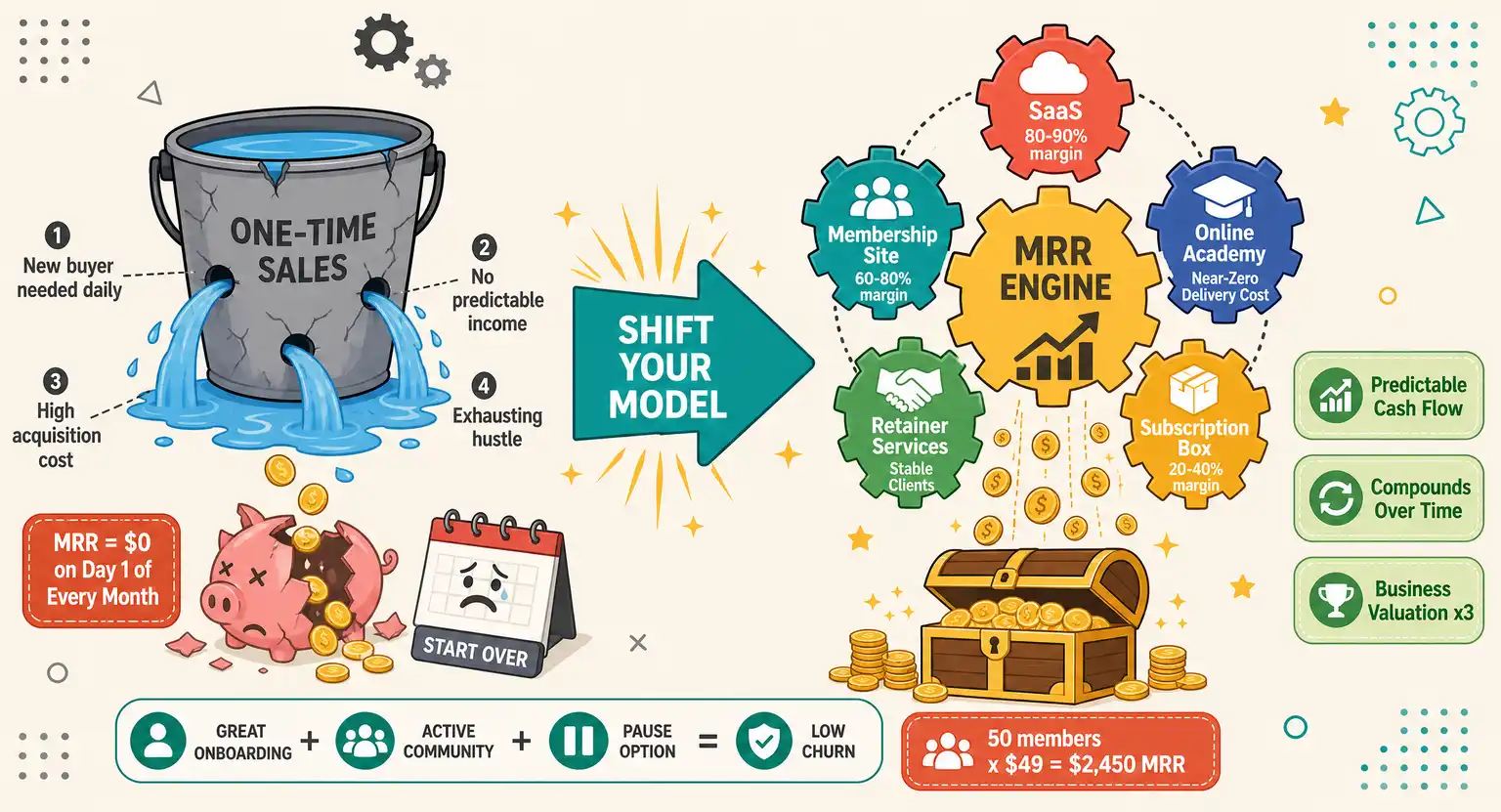
Launching is just the beginning. The real magic happens when you turn your launch into an automated system. But for now, focus on this first one.
Be brave, be helpful, and don't be afraid to show your personality. The world doesn't need another generic course; it needs your unique perspective.
Go out there and start helping people. You've got this.
Frequently Asked Questions
How much does it really cost to launch an online course in 2026?
The price varies, but most successful creators start with an affordable all-in-one platform and high-quality recording gear, usually totaling between $500 and $2,000 for a professional entry.
Do I need a large social media following before launching?
Not necessarily. While a large audience helps, focusing on a highly targeted 'micro-community' of 100 dedicated fans is often more effective for a successful 2026-style launch.
Is it still profitable to sell online courses today?
Absolutely. The demand for specialized, niche knowledge continues to grow, provided you focus on delivering concrete results rather than just information-heavy lectures.
Final Word : Don't wait for perfection; it doesn't exist. Launching is a skill you learn by doing.



 How to Create a Course Refund Policy (Templates & Best Practices for 2026)
 How to Create a Cohort-Based Online Course (2026 Guide)
 How to Sell an Online Course Through a Sales Call (2026 Guide)