







How to Become a Coach: The Definitive 2026 Practical Guide
How to Become a Coach
Key Takeaways for Future Coaches
-
Results over Credentials : real-world results and tangible proof trump certifications every single time in 2026.
-
Keep Tech Simple : you do not need to stitch together ten different apps when you can use tools to sell online courses and interactive coaching packages in one clean dashboard.
-
Niche Down Hard : focus on a hyper-specific niche. Being a generalist is the fastest way to get completely ignored in a noisy digital landscape.
-
Build Your Audience Early : mastering ways to host high-converting webinars and growing a tiny but engaged list is far better than having a massive, silent social following.
So, you want to become a coach.
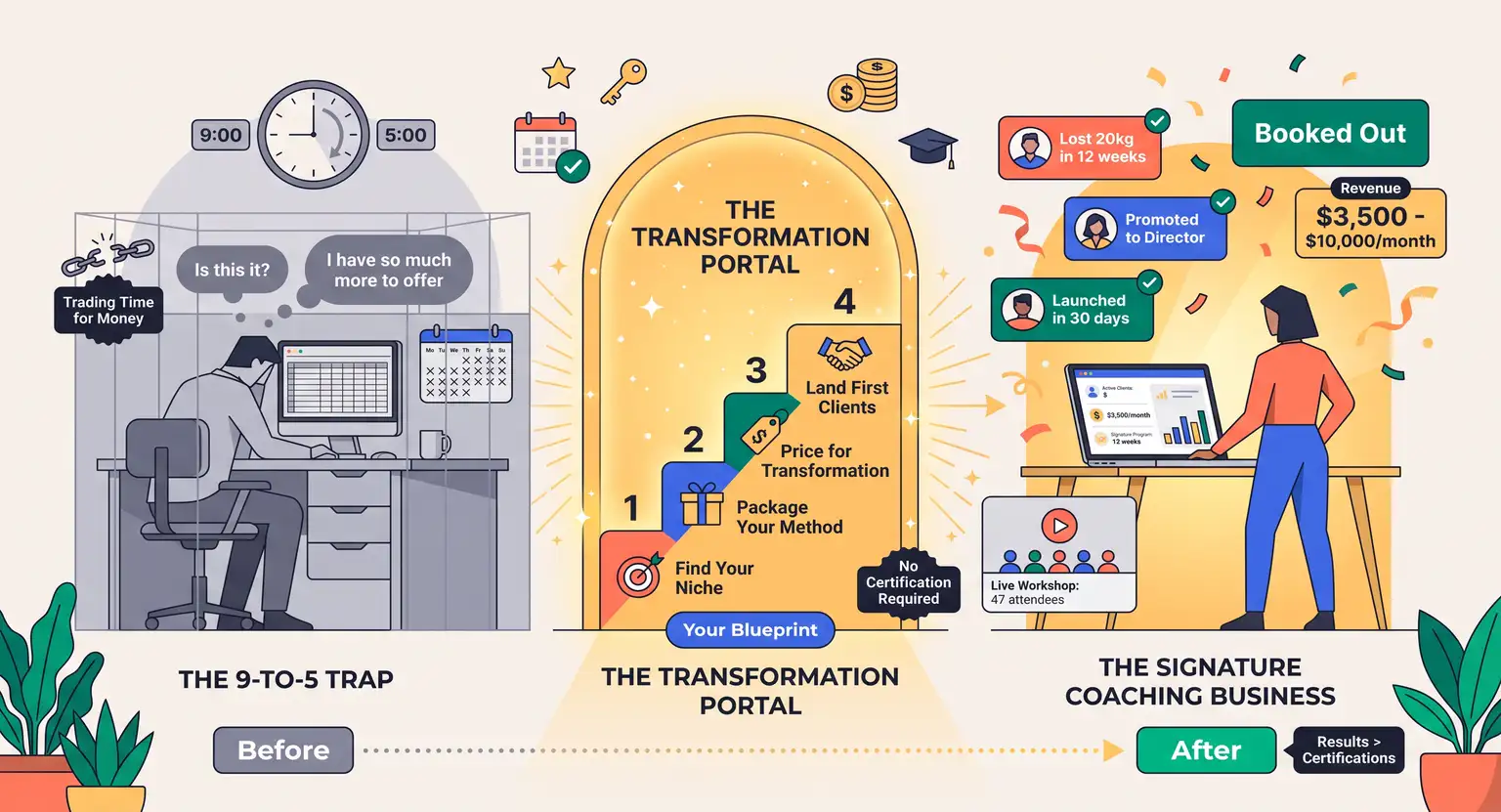
Maybe you are tired of trading your valuable time for standard hourly wages in a boring 9-to-5 loop… Or perhaps you have overcome a massive hurdle in your life - like curing your workspace burnout, learning to code under extreme stress, or building an organic vegetable farm on a tiny balcony - and you realize other people desperately need your blueprint.
Whatever drove you to this screen, let's establish one foundational truth right away : the global coaching market is absolutely booming.
But here is the catch :
In 2026, the landscape looks very different than it did just a few short years ago. The era of the vague "spiritual alignment healer" or "general life counselor" who has no defined method is officially over.
Today's clients are skeptical, busy, and intensely protective of their money. They do not want to buy vague concepts; they want to buy specific, measurable transformations.
And that is actually fantastic news for you. It means that if you can pinpoint exactly what problem you solve, package it clearly, and get it in front of the right crowd, you can build a highly profitable business - you can do this without relying on expensive physical offices, massive marketing teams, or complex corporate contracts.
This guide will outline the realistic, step-by-step path to building your coaching business this year. We will discard the theoretical fluff and focus on exactly what is working right now in the real world.
Step 1 : Uncover Your High-Value Zone (Niche Selection)
But where do you start?
The biggest mistake aspiring coaches make is attempting to serve absolutely everyone. If your website claims you can help "anyone who wants to live a happier life," your bank balance will suffer.
In a crowded digital market, broad statements sound like white noise.
You need to go deep, not wide. Think of your niche as your signature zone. It sits perfectly at the intersection of three components.
First, look closely at your personal and professional skill set :
What have you spent years mastering?
What do colleagues consistently ask for your help with?
It could be anything from technical project management to resolving relationship conflicts or building a strong personal finance routine.
Think about the books you read on weekends, the YouTube videos you play on repeat, and the specific conversations that make your eyes light up in social settings.
This enthusiasm is your fuel. Coaching requires massive empathy and persistence, and you cannot fake interest in a topic you secretly find boring.
Second, identify your unique struggles and triumphs. What major obstacles have you personally overcome? Your personal story is the most powerful marketing asset you have.
If you successfully changed your career at age forty, you possess invaluable insights for others aiming to do the exact same thing.
Third, search for clear evidence of market demand. Are people actively spending money to fix this specific issue? Look at active forums, Amazon book reviews, and online courses to verify that people are investing cash in these solutions.
You must also ensure that your ideal client actually recognizes they have a problem. There is no point trying to coach someone on something they do not think is broken. Target people who are actively searching for solutions right now.
Once you find that sweet spot, define your target audience with absolute precision. Do not just say you coach "moms." Target "working mothers with young children who are trying to balance desk jobs with home education." - That degree of specificity instantly positions you as an expert.
Step 2 : The Credential Myth - To Certify or Not to Certify
Let's address the elephant in the room : do you actually need a coaching certification to start?
It is a question that stops thousands of highly talented people in their tracks. They spend months, sometimes years, collecting various badges and expensive acronyms while postponing their launch out of pure impostor syndrome.
Here is the honest truth.
There is no global, legal governing body that regulates the coaching industry. Anyone can call themselves a coach tomorrow.
Now, that does not mean training is totally useless. If you feel that a structured program will give you the psychological confidence and structured frameworks to facilitate deep breakthrough conversations, by all means, go get a certification.
But let's be real about what actually sells. Your future clients do not care about a PDF certificate sitting on your wall. They care about two simple things : can you understand my specific pain? And can you take me to the destination I want to reach?
Think about your own buying habits :
When you hire a personal trainer or a business consultant, do you ask to see their academic transcripts?
No. - You look at their testimonials, their energy, and whether their worldview resonates with yours - Treat your prospective audience with the same practical logic.
Proof of results beats proof of credentials every single time. The best credential in the marketplace is a client who proudly shouts your name from the rooftops because you genuinely transformed their life.
Instead of dedicating thousands of dollars to high-level academic theory, invest your energy in working with practice clients. Offer a handful of free, high-impact sessions to colleagues or friends in exchange for raw, brutally honest feedback and glowing testimonials.
These early reviews will do far more to establish your credibility and build confidence than any fancy paper credential ever could. Use this initial phase to sharpen your tools and build your confidence.
Step 3 : Building Your Tech Foundation Without Losing Your Mind
Once you know what you are selling and who you are helping, you need a mechanism to deliver your genius.
A major trap that catches new coaches is "tech overwhelm." It is incredibly easy to lose weeks trying to connect a calendar tool to a payment gateway, integrated with a separate email marketing autoresponder, and hooked up to a secure video calling app.
This digital mess is expensive, confusing, and prone to breaking down right when you have a live client on the line.
You need an integrated system that does the heavy lifting for you.
Thankfully, the industry has evolved. You no longer need to patch together a dozen different subscriptions. Savvy coaches now look for the best all-in-one course platform to run their entire backend under a single login.
This lets you manage your client files, capture prospective leads, process credit card payments, and host your resources in one cohesive space.
Having an all-in-one platform to sell online courses and group coaching containers simplifies your digital ecosystem tremendously.
You want your onboarding experience to feel like checking into a boutique hotel, not trying to navigate a tax portal. From the moment they click pay, they should automatically receive a welcoming message, their community login, and their calendar link.
This seamless flow builds tremendous confidence before you even host your very first official call.
To start, your tech footprint should remain highly focused.
First, you need a reliable way for people to schedule chemistry calls with you.
Second, you need a clean, secure checkout interface that processes major credit cards without friction.
Third, you need a simple community or video portal where you can share worksheets, session recordings, and action plans.
Keep it dead simple. Your primary job is to coach, not to spend your nights troubleshooting digital plugins.
Step 4 : Structuring Your Offers and Finding the Perfect Price
Now let's talk numbers. How do you package your wisdom, and how much should you charge?
Historically, coaches sold individual hours. A client would buy a one-hour session, pay you, and then decide if they wanted to book another one.
This is a terrible approach - it forces you onto a constant income rollercoaster, and it does not give the client enough time to experience real progress.
Instead, you should structure your business around transformative packages.
Rather than selling "one hour of career consulting for $100," sell a "90-Day Career Transition Program for $1,500" - this package includes weekly sessions, personalized email check-ins, custom templates, and direct accountability.
When exploring different coaching business models, you will find that packaging your services around outcomes is far more valuable to the user than just charging for your time.
So, how should you price these packages when starting out?
Begin by evaluating the actual value of the outcome you provide. If you help a business professional secure a promotion that pays an extra $15,000 a year, charging $2,000 for your coaching program is an incredibly easy decision for them to make.
If you are still struggling with figuring out how to price coaching services, start with a baseline that feels slightly challenging but fully within your comfort zone.
A great entry point for a structured 3-month program is typically between $1,000 and $2,000. As you collect more testimonials and your roster fills up, you can gradually raise your rates with confidence.
Step 5 : The Client Engine - Getting People to Actually Pay You
Let's be completely honest : you do not have a real business until someone pays you money.
You can have a perfect logo, an amazing website, and a beautiful program outline, but if no one is booking calls, you just have an expensive hobby.
So how do you find those first critical clients?
You do not need a massive advertising budget or thousands of social media followers. Instead, you need to employ targeted, organic strategies on how to get coaching clients from your existing world.
Start by reaching out directly to your personal network. Let people know exactly what you are doing, the specific problem you are solving, and ask if they know anyone who fits that description.
At the exact same time, you need to establish an audience that is entirely yours.
Social media algorithms change constantly, which is why smart business owners prioritize knowing how to grow an email list from day one. An email address is a direct line of communication to a person who has actively raised their hand and expressed interest in your help.
You can easily build this list by offering a free, highly useful resource - like a PDF checklist, a short template pack, or a quick video tutorial - in exchange for an email address.
Spend time learning how to build an email list that is highly engaged by sending regular, value-packed insights every week.
When you consistently show up in their inbox with real solutions to their everyday struggles, they will naturally turn to you first when they are finally ready to pay for 1-on-1 support.
Choosing the Right Path for Your Business
Before you start setting up your scheduling tool, take a moment to look at how different coaching models compare.
This handy breakdown showcases exactly what you can expect regarding pricing flexibility, student-to-coach ratio, and the general complexity involved in launching each offering.
| Coaching style | Core advantage | Typical price tag | Delivery complexity |
|---|---|---|---|
|
Individual 1-on-1 |
Highly personalized, rapid results. |
$1,000 - $5,000+ per month. |
Very simple setup. |
|
Group Mastermind |
Scalable format, high peer support. |
$500 - $1,500 per seat. |
Moderate setup effort. |
|
Hybrid Programs |
Pre-recorded modules with feedback. |
$800 - $2,500 total. |
Moderate setup effort. |
|
Pre-Recorded Course |
Completely passive, massive volume potential. |
$49 - $499 per course. |
High upfront creation load. |
|
Intensive VIP Days |
Maximum transformation in one day. |
$1,500 - $8,000+ per day. |
Simple setup structure. |
Frequently Asked Questions About Becoming a Coach
Do I need a license to practice coaching?
No. Unlike therapy, medical counseling, or legal services, the professional coaching field is currently unregulated.
You do not need a state or regional license to officially launch your business, though staying within your scope of capability is critical.
What is the best way to get clients fast?
Reach out directly to your warm network. Offer five free "test-drive" sessions in exchange for honest social media testimonials.
Positive word-of-mouth recommendations are still the fastest way to book your calendar when starting from zero.
Can I do this coaching work part-time?
Absolutely. Many incredibly successful coaches start during their weekends and evenings while holding down a full-time corporate role.
This approach reduces financial stress, allowing you to validate your offers and build your brand systematically.
Which software tool should I buy first?
Instead of wasting money on complex standalone calendar links, email hosting accounts, and website tools, choose a single, integrated engine that houses everything.
Having all files, packages, and clients in one safe hub saves your sanity.





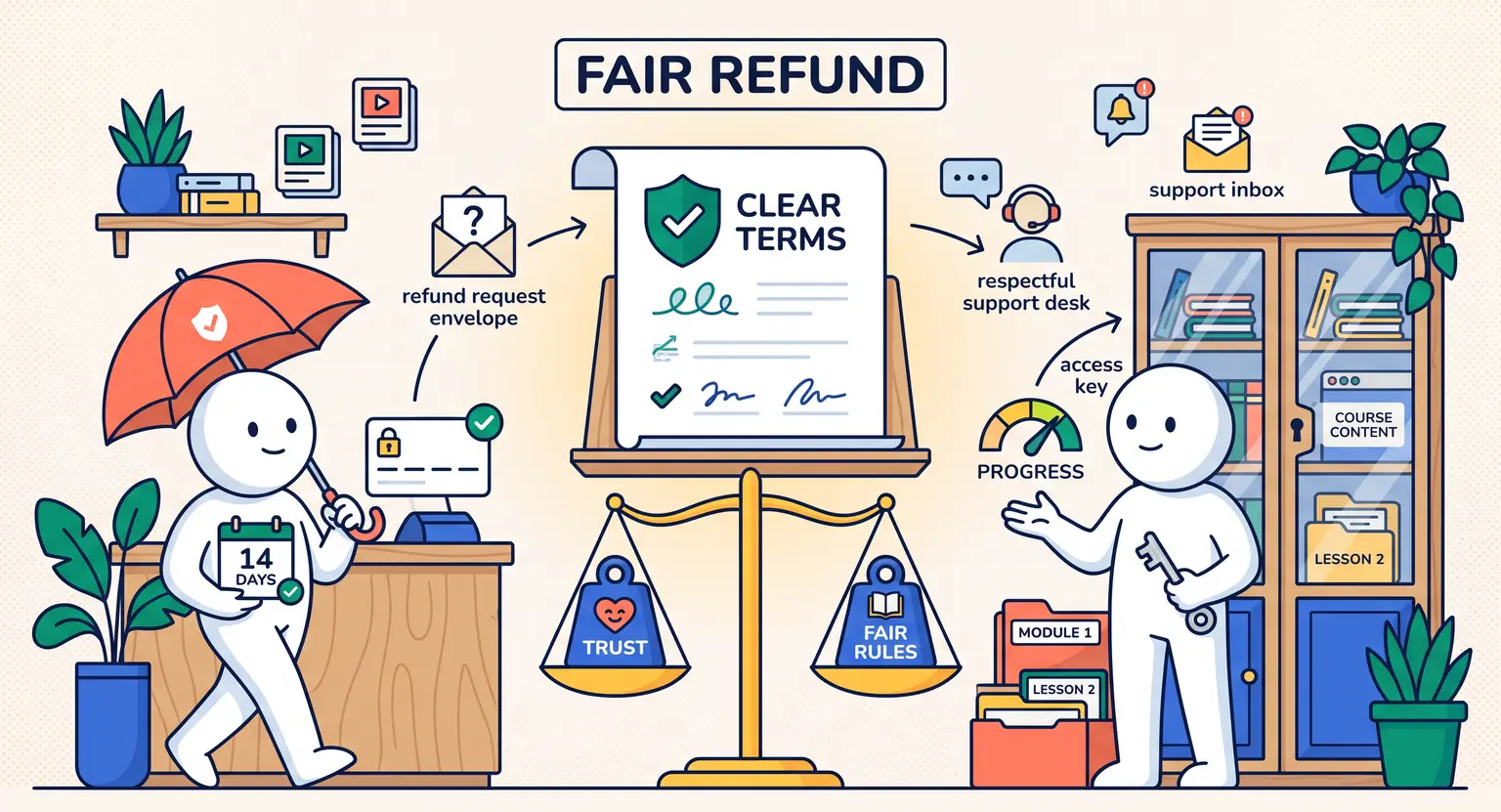 How to Create a Course Refund Policy (Templates & Best Practices for 2026)
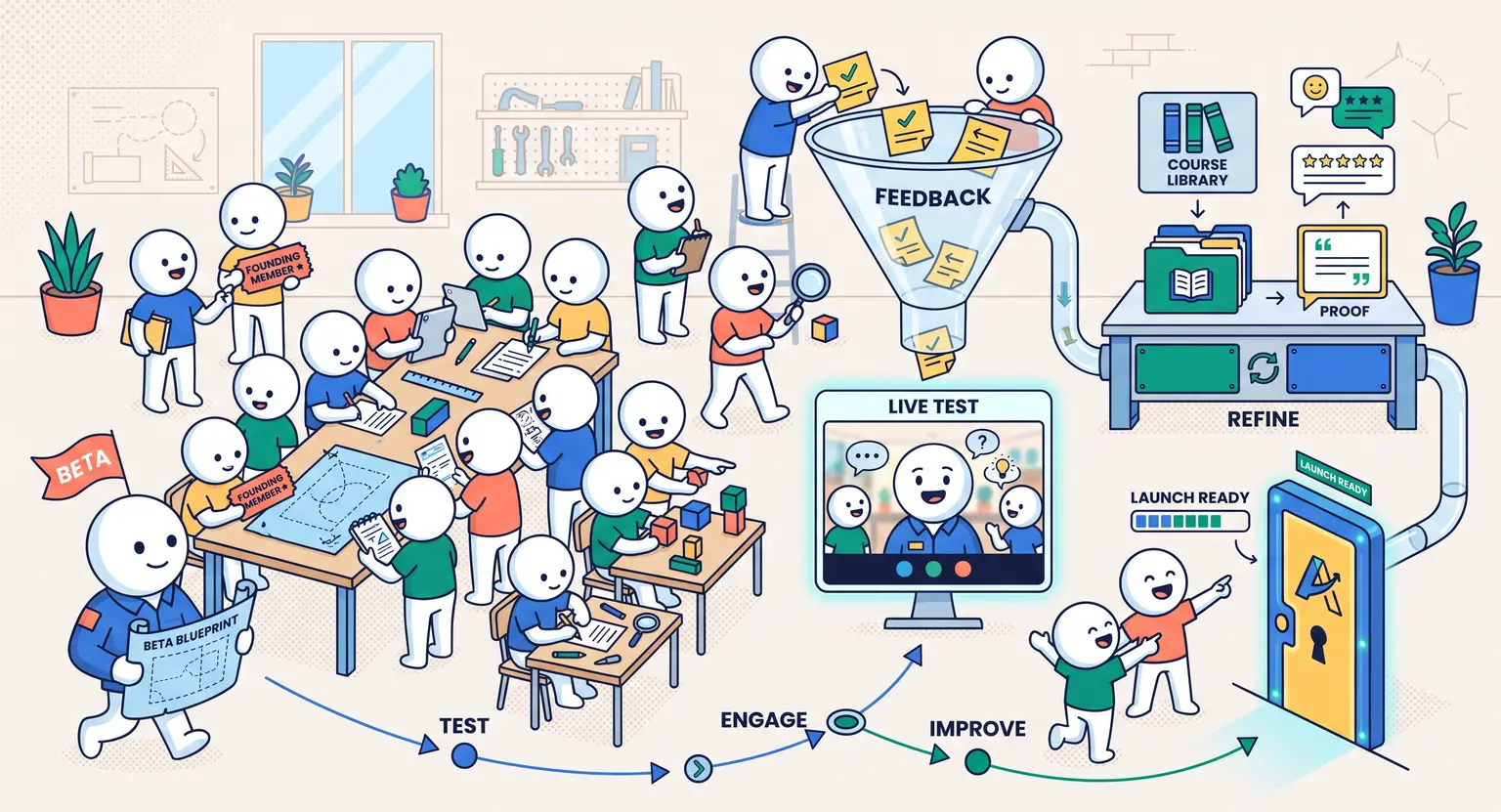 How to Run a Beta Version of an Online Course (2026 Guide)
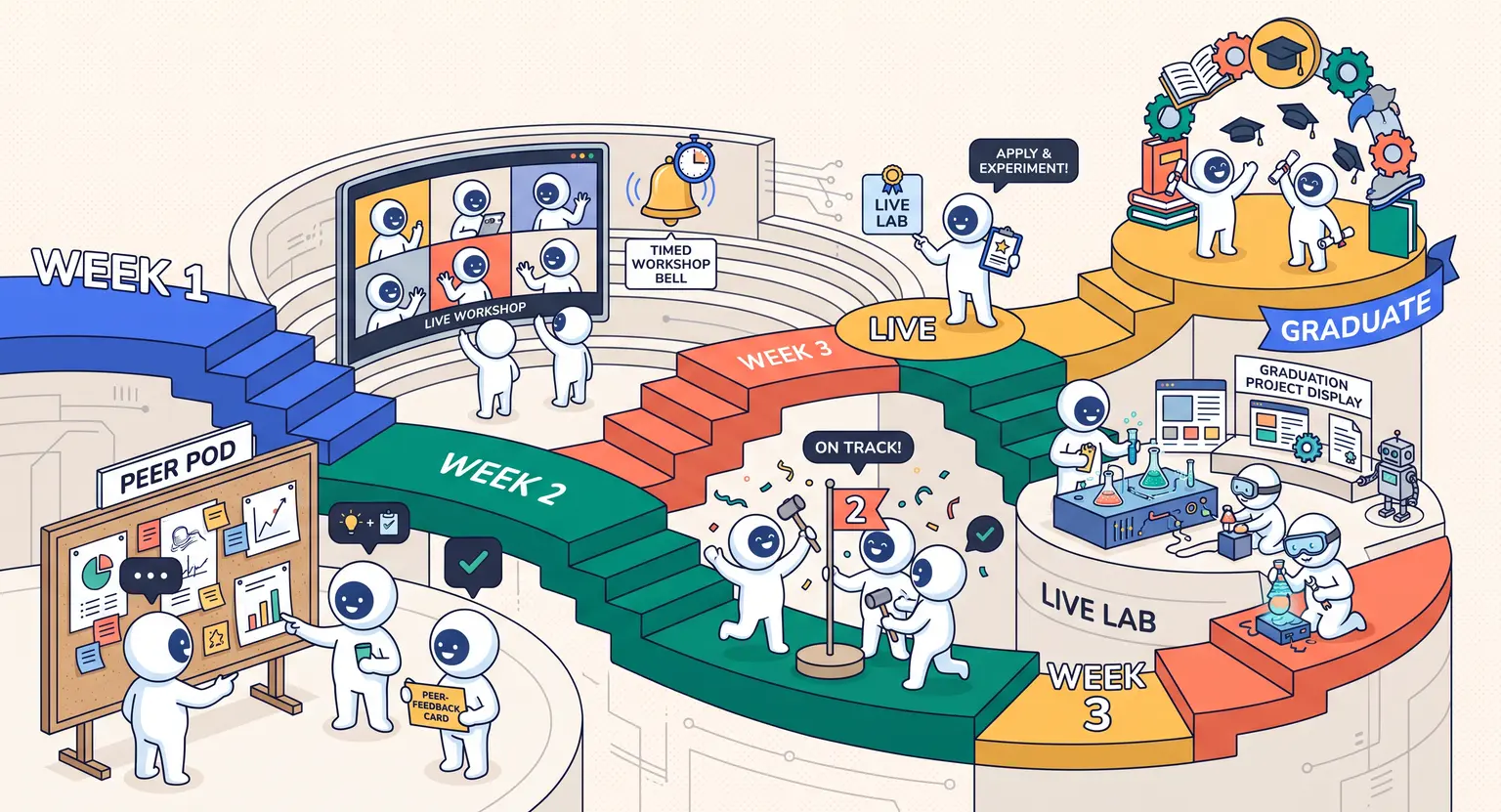 How to Create a Cohort-Based Online Course (2026 Guide)
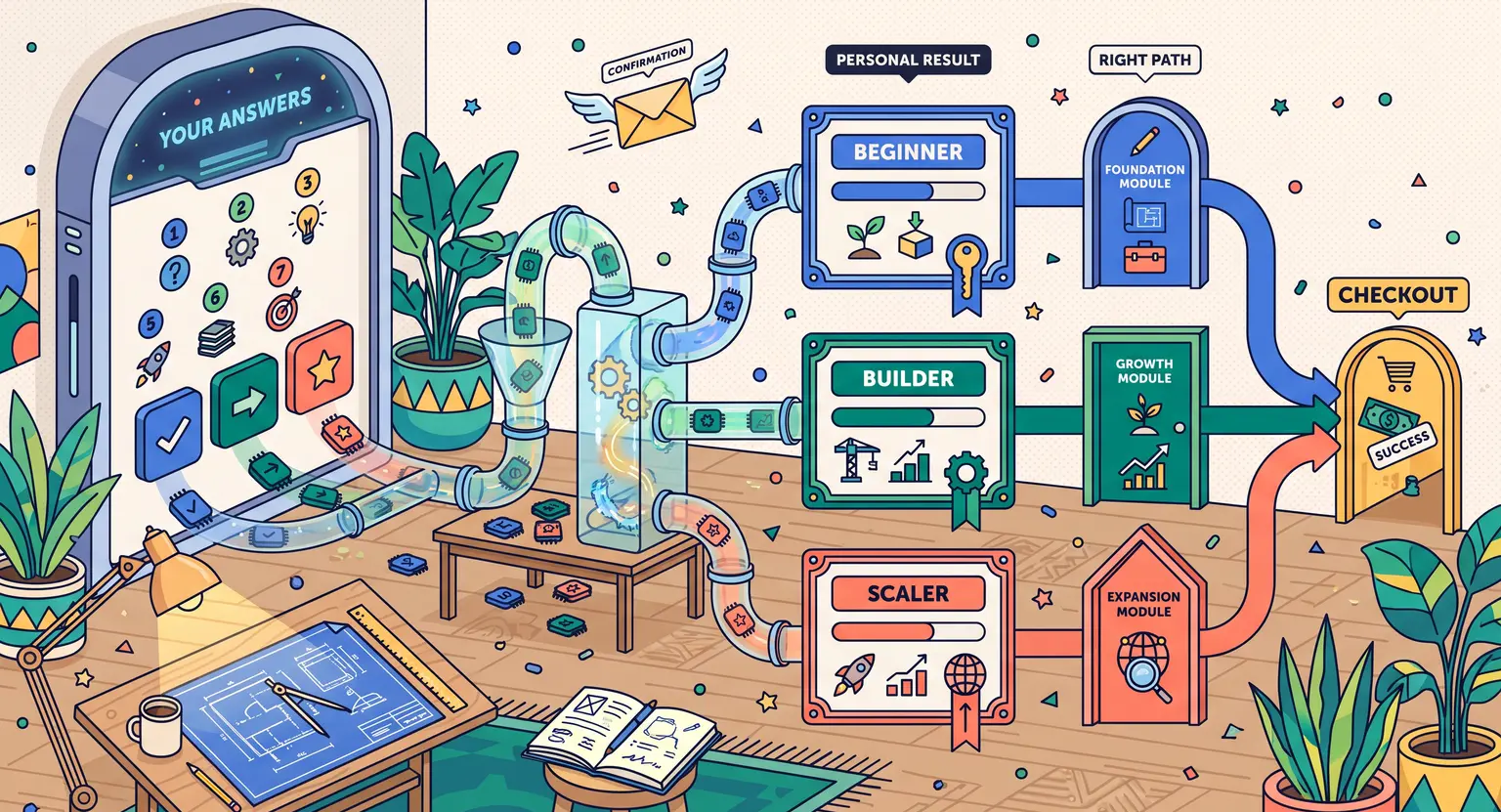 How to Sell an Online Course With a Quiz Funnel (2026 Guide)
 How to Sell an Online Course Through a Sales Call (2026 Guide)