






How to Write a Sales Email That Gets Replies (2026 Guide)
How to Write a Sales Email That Gets Replies
Let's face a hard truth : your prospect's inbox is a crowded, chaotic battlefield.
Every single day, your target audience is bombarded by dozens of robotic, template-cloned sales emails that get immediately archive-slashed or marked as spam.
It is exhausting for them, and frustrating for you... But write a sales email that actually speaks to them like a real human, and everything changes.
In 2026, the era of lazy bulk emailing is officially dead, buried under highly advanced spam filters and a collective fatigue toward corporate buzzwords.
Success today requires a massive shift toward hyper-personalization, immediate value, and authentic connection. It is about understanding the psychological triggers that prompt a busy professional to pause, open, and actually reply.
Over the past twelve months, we analyzed thousands of outbound campaigns to find out what separates high-performing emails from silent failures.
What we discovered might surprise you, because the best-performing sales emails don't feel like sales pitches at all. Instead, they feel like helpful notes from a knowledgeable colleague who genuinely understands their daily struggles.
It is about building real trust rather than forcing transactions.
Core Rules for Modern Sales Emails
High-Impact Sales Email Rules
Before you hit send, verify that your email hits these non-negotiable criteria :
-
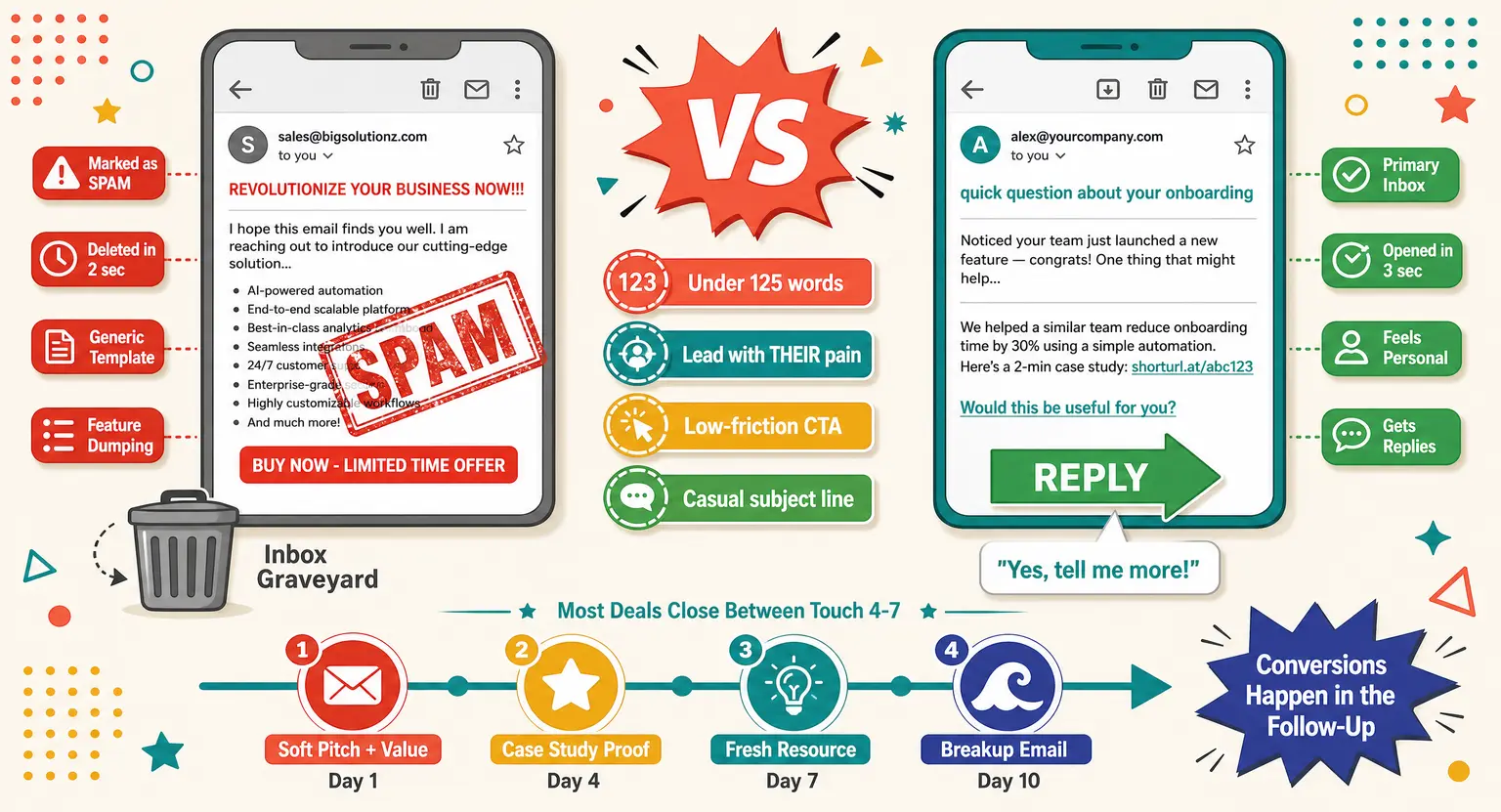
Rule 1 : keep the body exceptionally short; aiming for under 125 words maximizes mobile reading ease and prevents overwhelming your prospect.
-
Rule 2 : never lead with a boastful pitch about your product or company features; start immediately with the recipient's primary pain point.
-
Rule 3 : keep your call-to-action remarkably low-friction by asking a simple, open-ended question rather than trying to book a formal meeting.
-
Rule 4 : make personalization go beyond matching fields like first name and company, aiming instead for deep contextual relevance.
Why Most Sales Emails Go Straight to the Trash
If you are still sending emails that start with "I hope this email finds you well," you are already losing.
Busy executives read that line and immediately recognize it as a generic, low-effort bulk template. Their brains instantly trigger a mental mute button, and they swipe left to delete your message.
The fundamental mistake most sales reps make is treating their outreach as a broadcast channel rather than a private conversation.
They talk endlessly about their own background, their cutting-edge software features, and their long list of industry achievements.
But the truth is, your prospect does not care about you, your brand, or your shiny new product. They only care about their own problems, their current goals, and how they can save time or money today.
To fix this, you must flip your writing perspective completely upside down.
Every single sentence you write must pass the "So what?" test. If a line does not directly address a challenge your recipient is actively experiencing, erase it without mercy.
Let's make your email a laser-focused beam of relevance that cuts through the noise and grabs attention. When you focus on their internal frustrations, you transform from a cold sender to an empathetic adviser.
That is the moment they decide to click reply.
We frequently notice reps writing emails that read like dry, academic essays. Nobody has the time or desire to read through boring corporate announcements, so cut the unnecessary fluff right away.
Hooking Attention with the Subject Line
Your subject line has one single task, and that is to get the email opened. But in 2026, the tactics that worked two years ago are actively working against you.
Spam filters are smarter than ever, and consumers are completely immune to clickbait lines that promise the world. If your subject line sounds like an advertisement, it will meet a swift death in the promotions tab.
The secret to high open rates today is absolute simplicity and a casual, natural tone. Think about how you write emails to your close co-workers; you do not use title case, professional jargon, or alarming exclamation marks.
You write short, lower-case, intriguing phrases that spark curiosity without being deceptive.
For instance, something simple like "question about your onboarding flow" will vastly outperform "Revolutionize Your Customer Onboarding with Our SaaS Platform!" One feels like a genuine conversation, while the other feels like a loud, obnoxious billboard.
Write subjects that look like they were typed by a busy executive, not a polished marketing agency. Keep them casual and real.
Here are a few tried-and-true angles to play with :
-
The mutual connection hook : mentioning a shared colleague or an event you both attended right away.
-
The hyper-specific problem : calling out a public challenge their business is currently facing.
-
The straightforward question : asking a quick query that can be answered in under five seconds.
Let's look at a few fast examples of what this looks like in the real world :
-
Good : "quick question about your user churn" (feels natural and low pressure)
-
Bad : "INCREASE YOUR RETENTION BY 40% NOW WITH OUTSOURCED SUPPORT!" (feels aggressive and like automated spam)
-
Good : "noticed a tiny broken link on your resources page" (offers helpful feedback immediately)
-
Bad : "Web development services at competitive prices" (feels like a generic pitch)
By focusing on conversational, casual language, you bypass mental filters instantly.
The Pitch That Doesn't Feel Like a Pitch
Once they have opened your email, you have about three seconds to keep them from hitting delete. This means your opening hook must immediately address their reality.
Do not waste precious real estate introducing yourself; they can see your name and company in the signature anyway.
Instead, spark an immediate connection by mentioning a recent piece of content they published, a hiring trend, or a universal struggle.
Once you have established that context, transition smoothly into offering actual upfront value.
If you are trying to warm up a cold audience, a fantastic trick is to offer something highly actionable upfront - essentially, knowing how to create a lead magnet that solves a burning problem works wonders.
This shifts you from a greedy seller to a generous partner. Rather than shouting "buy my services," you are saying "here is a resource that solves a minor headache right now." This builds immediate trust and sets a respectful tone for the relationship.
Remember that giving is always better than asking when you are first initiating a conversation with a busy prospect. When you position your solution, do not explain what it does; explain what life looks like after they use it.
Focus entirely on the transformation, the saved hours, and the relieved anxiety.
The Power of Sequencing and Automated Flows
Let's face another reality check : a single sales email is almost never enough to close a deal. In fact, most conversions happen between the fourth and seventh touchpoints, yet most salespeople quit after just one try.
That is a massive amount of missed opportunity left on the table. To succeed, you need a cohesive sequence that builds value over time, gradually wearing down resistance with helpful insights.
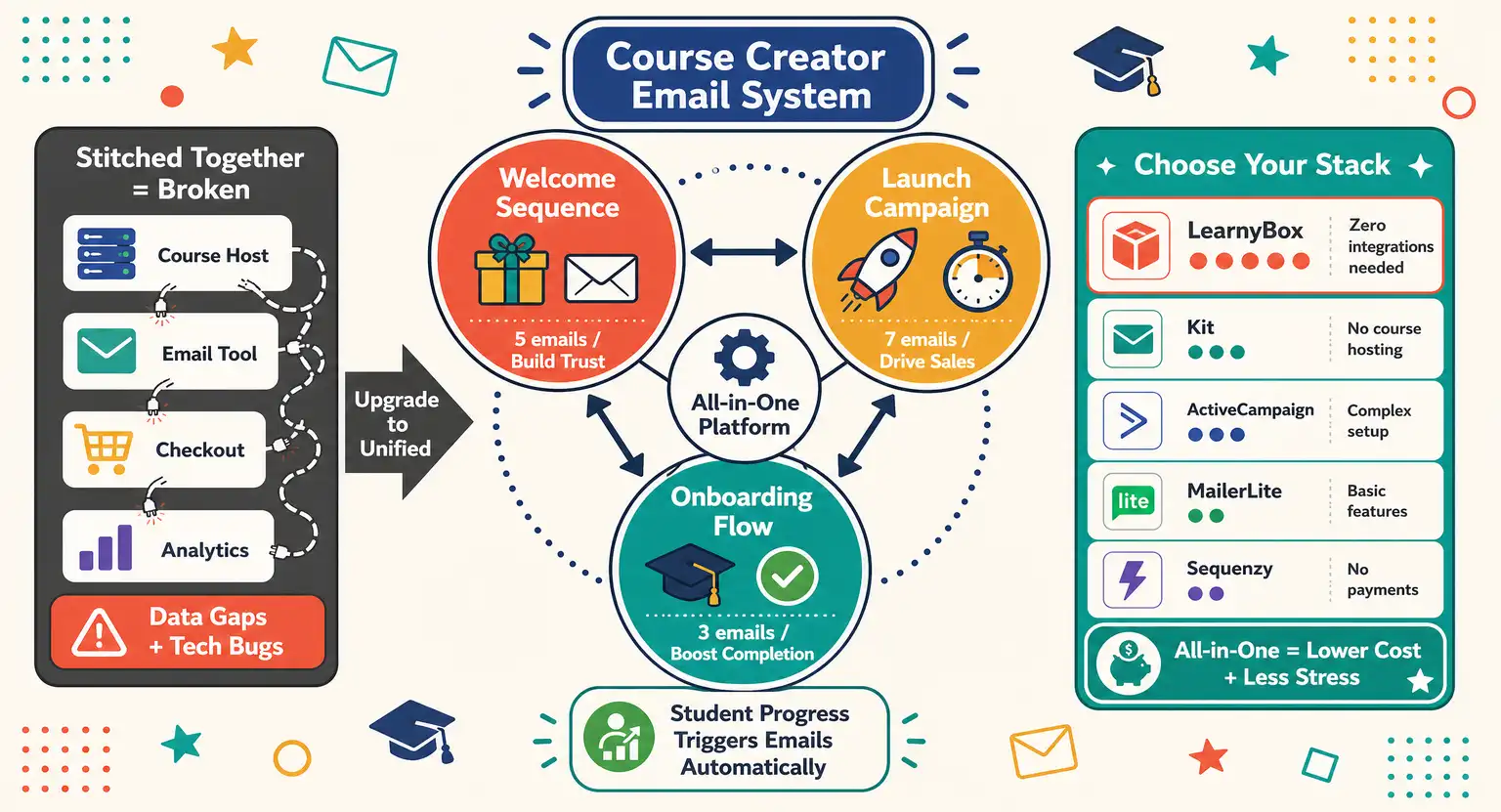
And that's exactly why your initial engagement must be supported by a robust welcome email sequence that builds rapport instantly.
As the conversation progresses, each follow-up email should offer a fresh angle, a new helpful resource, or a relevant case study rather than just "bumping this to the top."
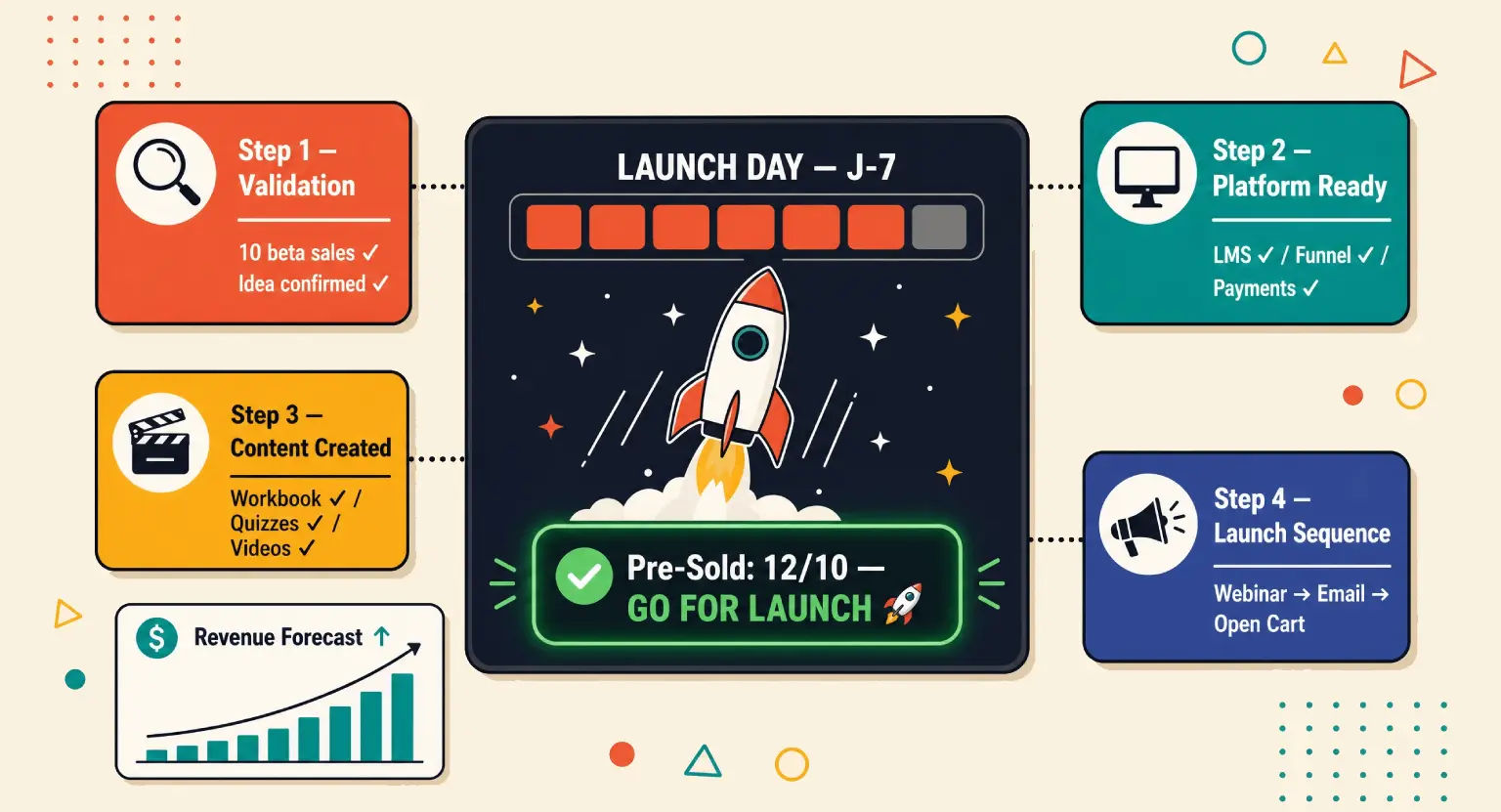
For creators selling educational programs, structured systems like a high-converting email sequence for a course launch ensure that nobody falls through the cracks.
You cannot possibly send all these messages manually, which is why leveraging smart email automation for creators changes the entire game.
These automations allow you to maintain that warm, personal touch at scale. This consistency keeps your brand top of mind when they are finally ready to pull the trigger and make a commitment.
A typical four-step follow-up framework often looks like this :
-
Touchpoint 1 : the original soft pitch offering deep upfront value.
-
Touchpoint 2 : a quick reminder that shares a relevant case study or client proof.
-
Touchpoint 3 : a fresh resource or tool that solves a secondary challenge.
-
Touchpoint 4 : the final "breakup" email asking if this project is no longer a priority.
This simple cadence keeps you organized and highly efficient.
Comparing Outbound Email Templates
Let's break down how different outreach methods compare to one another so you can choose the right weapon for your specific scenario.
Not all sales emails are built for the same job, and using a cold pitch structure on a warm lead will fail miserably.
|
Email type |
Primary objective |
Target CTA |
Key benefit |
Potential pitfall |
|---|---|---|---|---|
|
Cold Prospecting |
Start a conversation with a new, warm client. |
Ask a simple, non-threatening diagnostic question. |
Incredible reach; low starting pressure. |
Can sound spammy if not deeply personalized. |
|
Value-First Pitch |
Give a free resource or audit to establish high authority. |
Ask if they want more details on the audit. |
High engagement rates; warm reciprocity. |
Requires significant upfront research effort. |
|
Launch / Promo Sequence |
Generate direct sales or signups for an online offer. |
Direct link to purchase or enroll. |
Creates healthy urgency; fast revenue spikes. |
Can burn out your main email audience if done too often. |
|
Soft Follow-Up |
Re-engage a prospect who went completely quiet. |
Ask if the project is still a priority for them. |
Keeps your brand top of mind gently. |
Risks sounding repetitive if you don't vary the hook. |
|
The Direct Ask |
Secure a booked demonstration or a formal consultation call. |
A highly specific calendar booking link. |
Saves time by filtering out unqualified leads. |
Lowest overall response rate if sent cold. |
Technical Deliverability Hacks You Must Know
Even the most beautifully written sales email is completely useless if it never reaches the inbox. Modern spam filters are incredibly aggressive, driven by artificial intelligence models that can spot promotional patterns in a split second.
To bypass these strict gatekeepers, your technical setup must be flawless.
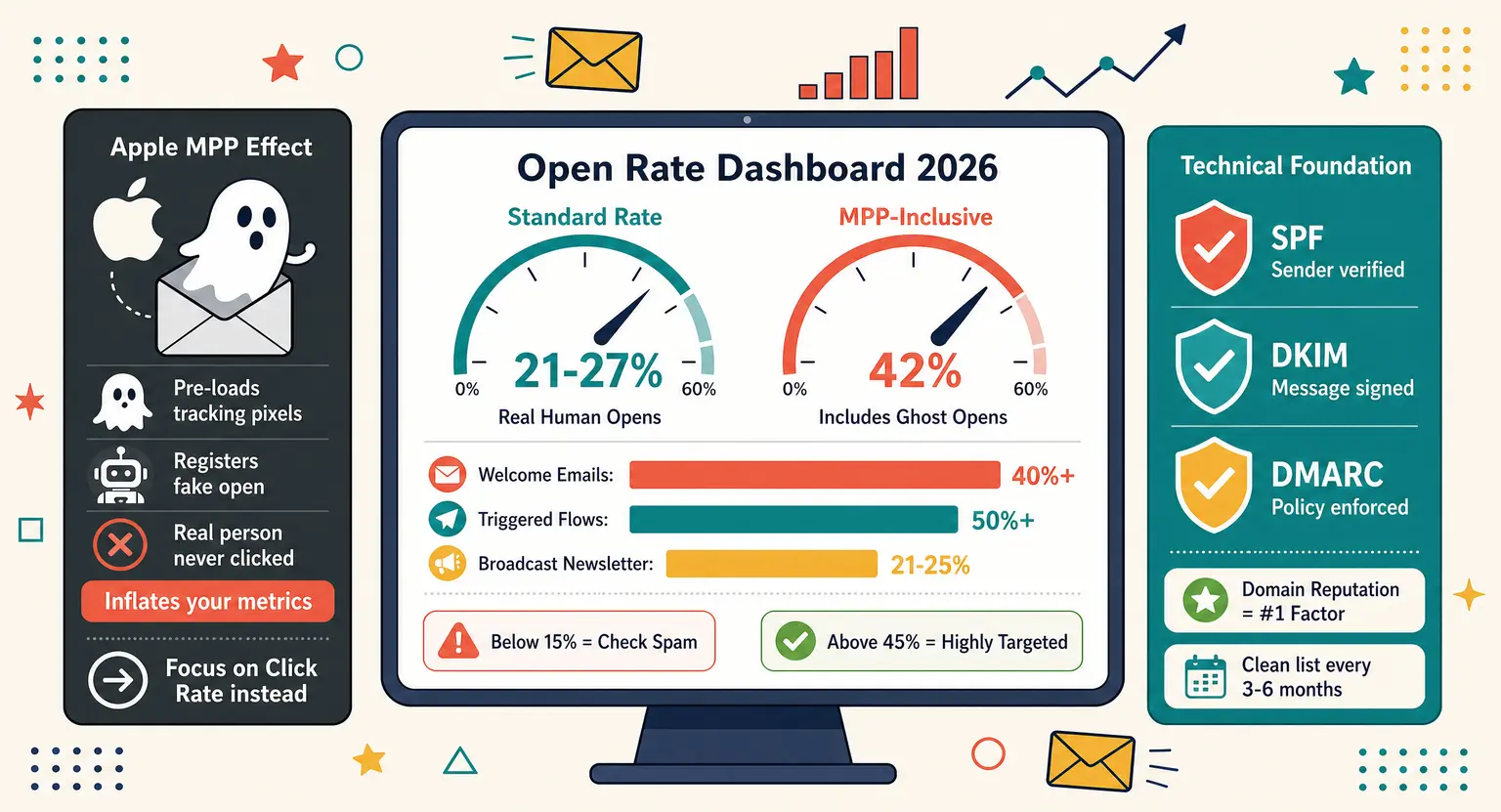
First, ensure your SPF, DKIM, and DMARC settings are configured correctly on your domain.
This proves to major email clients like Google and Microsoft that you are exactly who you say you are.
Second, keep your email copy clean of high-risk spam words like "guaranteed," "free cash," or "buy now."
Third, maintain an incredibly healthy sender reputation by cleaning your lists regularly and keeping bounce rates below 1%.
Your strategy is only as good as your technical foundation, so partnering with a reliable email marketing platform is absolutely non-negotiable.
This tool ensures that your technical deliverability remains robust, helping your emails bypass spam filters while giving you precise analytics to measure your open and reply metrics accurately.
Remember that domain reputation is built slowly but can be ruined with a single bad campaign, so treat every send with care.
Structuring Your Sales Funnel Beyond the Email
An email is only one piece of the conversion puzzle. Once a prospect expresses interest and clicks a link in your email, where do they go?
They shouldn't land on a generic homepage that leaves them confused on what to do next.
Instead, you must guide them onto specialized pages designed to capture their interest and walk them toward a purchase.
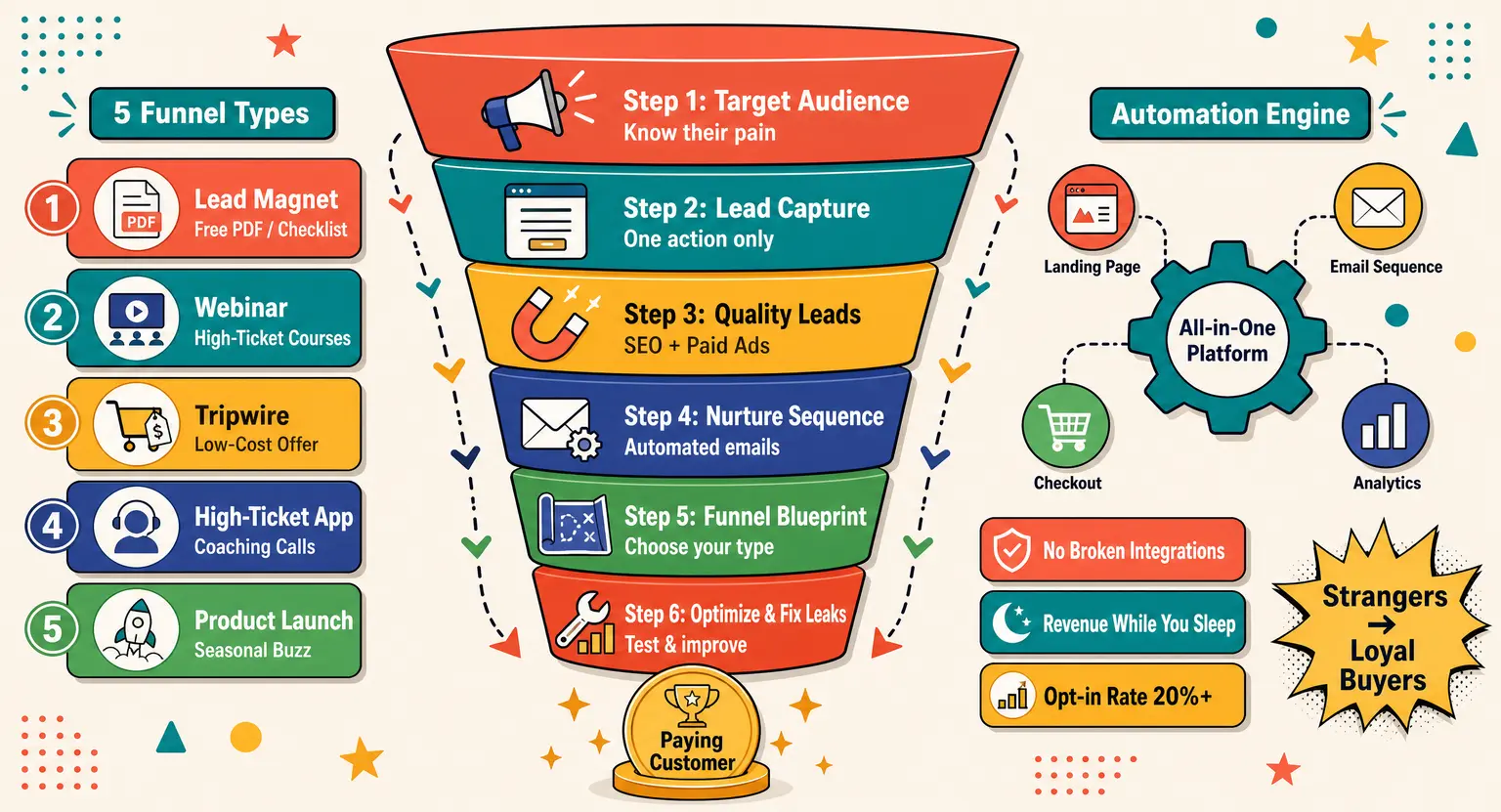
This is about building cohesive sales funnels that lead users on a logical path. If your final objective is to sell knowledge, webinars, or premium services, make sure your page is beautifully aligned with the promise you made in your email.
For instance, if you want to sell online courses seamlessly, your landing page must make enrollment incredibly intuitive.
Keep your messaging tight, remove distraction links, and let them take the natural next step without any technical hurdles. Alignment makes all the difference in modern marketing.
Frequently Asked Questions About Sales Emails
Let's look at some of the most common questions sales professionals and creators ask when learning how to write highly converting sales emails.
-
How long should a standard sales email be?
Ideally, keep your sales email between 50 and 125 words.Busy professionals scan their inboxes continuously and have zero patience for massive blocks of text. Cutting straight to the value is your safest bet for keeping their focus on your message.
Remember to keep paragraphs down to one or two sentences to ensure clean, readable formatting on tiny mobile screens.
-
Should I sell my product directly in the first email?
Absolutely not, because your immediate goal is to sell the next step, not the final offer.Try asking for a quick 5-minute chat, a reply to a simple question, or point them to a helpful free resource instead.
Demanding a purchase right away is like proposing marriage on the very first date - it is way too much, way too fast, and scares people away.
-
How many follow-up emails should I send?
A sequence of 3 to 5 follow-up emails spaced 3 to 4 days apart is the absolute sweet spot.Anything more than that starts to cross the line from persistent to annoying and risks ruining your domain reputation.
Always make sure each follow-up offers a fresh piece of value or unique perspective rather than just repeating your initial pitch.
-
What is the best time to send a sales email?
Mid-week mornings, specifically Tuesday through Thursday between 9:00 AM and 11:00 AM local time, yield the highest open rates because professionals are already settled at their desks and reviewing their inbox.Avoid Mondays when people are drowning in weekend backlog, and Fridays when they already have one foot out the door for the weekend.
Explore Further
Ready to level up your entire digital marketing strategy? Take a look at these powerful master resources :
-
For a complete all-in-one ecosystem, try an all-in-one platform to sell online courses to manage your entire marketing system.


 How to Create a Course Refund Policy (Templates & Best Practices for 2026)
 How to Run a Beta Version of an Online Course (2026 Guide)
 How to Create a Cohort-Based Online Course (2026 Guide)
 How to Sell an Online Course With a Quiz Funnel (2026 Guide)
 How to Sell an Online Course Through a Sales Call (2026 Guide)