






Email Automation for Creators: Build Passive Funnels in 2026
Email Automation for Creators : Build Passive Funnels in 2026
Let's be completely honest for a moment. You did not start your creative career to spend six painful hours every single day manually emailing every person who signs up for your newsletter, downloads your resource, or purchases your digital product.
But as your creative business grows, the sheer workload of keeping up with individual communications can make you feel more like a customer service representative than a creative director.
That is exactly where email automation steps in. We are not talking about sending corporate, robotic mass blasts that immediately trigger spam filters and alienate your community.
Rather, we are talking about building a highly personalized digital ecosystem that nurtures your audience, delivers incredible value, and drives sales while you focus on creating.
The creator economy in 2026 has become intensely competitive.
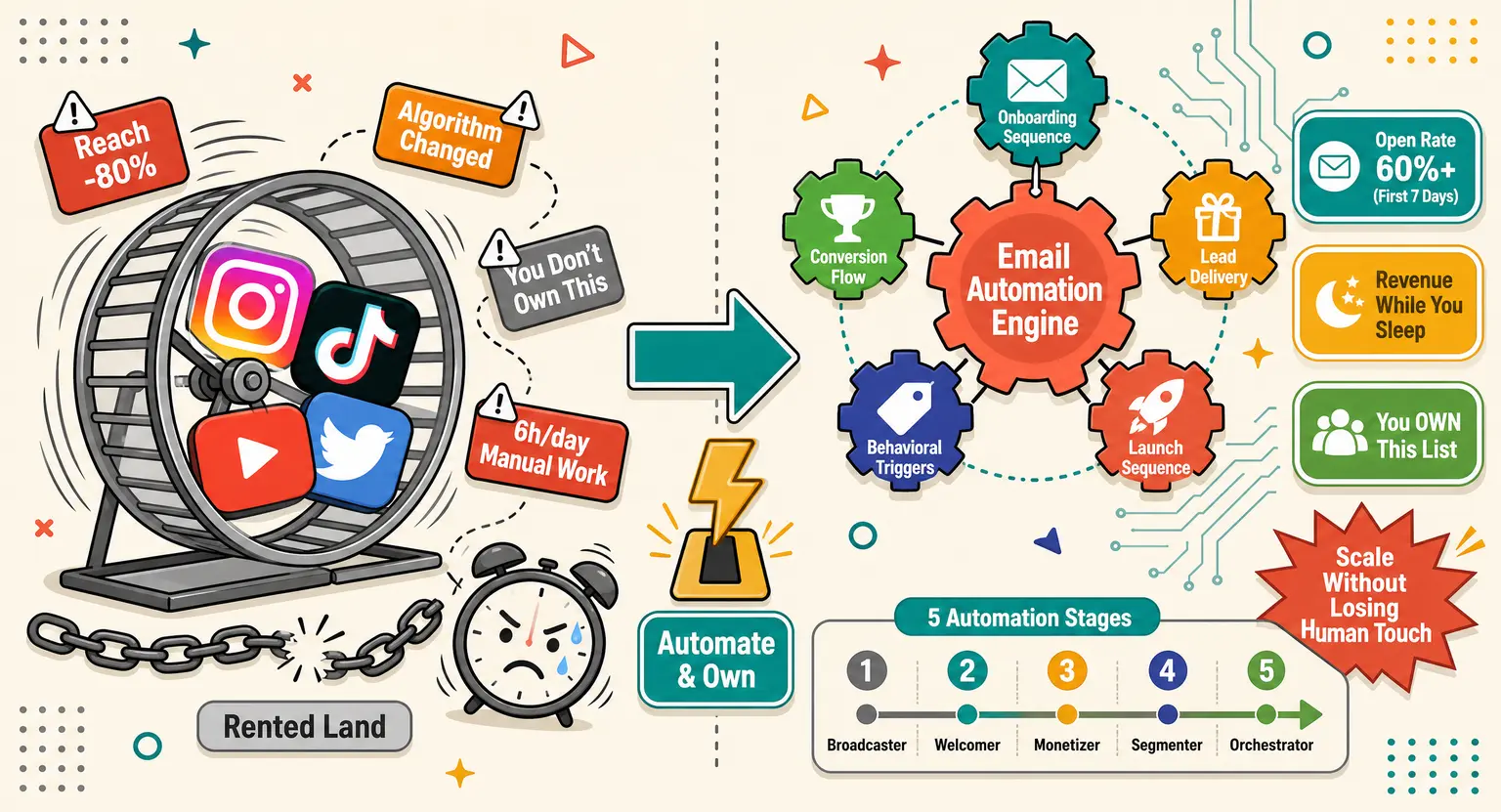
Organic reach on public platforms has plummeted to record lows, and algorithms pivot without warning. In this volatile space, your email list is the only asset that you fully own.
But if you are still manually broadcasting emails every single time you have a new update, you are leaving an immense amount of leverage on the table.
Automation allows you to meet your subscribers exactly where they are in their personal journey.
Whether they just discovered your work or are finally ready to purchase your flagship program, intelligent workflows ensure they receive the perfect message at the optimal time.
Key Takeaways for Creator Success
-
Own Your Distribution : your email database is the only asset completely immune to sudden algorithmic shifts.
-
Leverage the First Touch : build a structured pathway using an integrated email marketing platform to capture attention.
-
Write Honestly and Naturally : always sound like a trusted colleague, avoiding clinical templates.
-
Enable Smart Behavior Triggers : use real actions to dictate subsequent messaging.
Algorithms vs Owned Real Estate
Let's address the rental trap that so many modern creators fall into.
When you build your entire business exclusively on third-party social media platforms, you are effectively constructing a million-dollar mansion on rented land.
A single algorithmic pivot can instantly sever your connection to followers.
This is why experienced creators treat social networks as top-of-funnel discovery channels rather than the ultimate destination. The core mission of your social content should always be to direct that temporary attention toward your owned digital real estate.
When someone willingly shares their email address with you, they are giving you direct access to their private digital sanctuary. This is an incredible privilege that comes with a high level of responsibility.
If you treat their inbox like a cold billboard, they will unsubscribe or report you as spam immediately. But you also do not have the time to individually chat with thousands of new followers.
This is the exact paradox that email automation solves.
It allows you to maintain a high-touch, intimate presence without physically typing out every message. You achieve scale without losing the essential element of human care.
Consider automation as a series of well-planned conversations. When a new person finds your community, they should be guided through a deliberate experience.
You get to map out every single contact point in advance, ensuring they receive your absolute best lessons and most compelling case studies.
This setup ensures that every subscriber gets the premium version of your work, whether they joined today or three years ago. It turns your past creative efforts into a compounding business model where old content continues to support your revenue and build trust.
The Magic of the First Seven Days : Your Onboarding Journey
The first week of subscription is the golden hour of your connection, where open rates regularly exceed sixty percent. Yet, many creators completely waste this critical window.
They send a single, boring automated confirmation message and then remain completely quiet until they send their next generic monthly newsletter.
By that point, the subscriber has forgotten who they are and why they signed up. It represents a missed opportunity to turn casual interest into genuine loyalty.
This is why implementing an onboarding sequence must be your top priority. This initial touchpoint is your prime opportunity to share your story, outline your values, and prove that you deliver massive value.
You want to train your new readers to actively look for your name in their inbox. You do this by over-delivering on your promises immediately, outlining what they can expect in future emails, and inviting them to engage directly.
A dynamic onboarding pathway is also excellent for segmenting your list from day one. By asking a simple question and providing clickable links, you let your subscribers self-segment their interests.
Clicking a specific link can automatically apply a tag in your dashboard, ensuring they only get relevant material moving forward.
If you want to build a truly bulletproof onboarding flow, check out our guide on creating a welcome email sequence that captures interest immediately.
The Three Essential Creator Sequences
Once your onboarding framework is in place, you should expand your setup with specialized automated sequences.
You do not need to build dozens of complex automations to see results. Instead, focus on mastering three core sequences that will drive the vast majority of your business outcomes.
First is the lead delivery pathway. Instead of just emailing a raw download link and disappearing, follow up automatically to check in on their progress, share setup tips, and suggest additional resources.
If you need help with this first step, see our practical guide on how to create a lead magnet that naturally attracts your ideal audience.
Second is the promotion flow. Do not rely entirely on social posts. You need a structured, natural sequence highlighting the product's transformation, resolving common objections, presenting solid case studies, and establishing deadline urgency.
If you are preparing to sell a program, check out our guide on establishing an email sequence for a course launch to maximize your revenue.
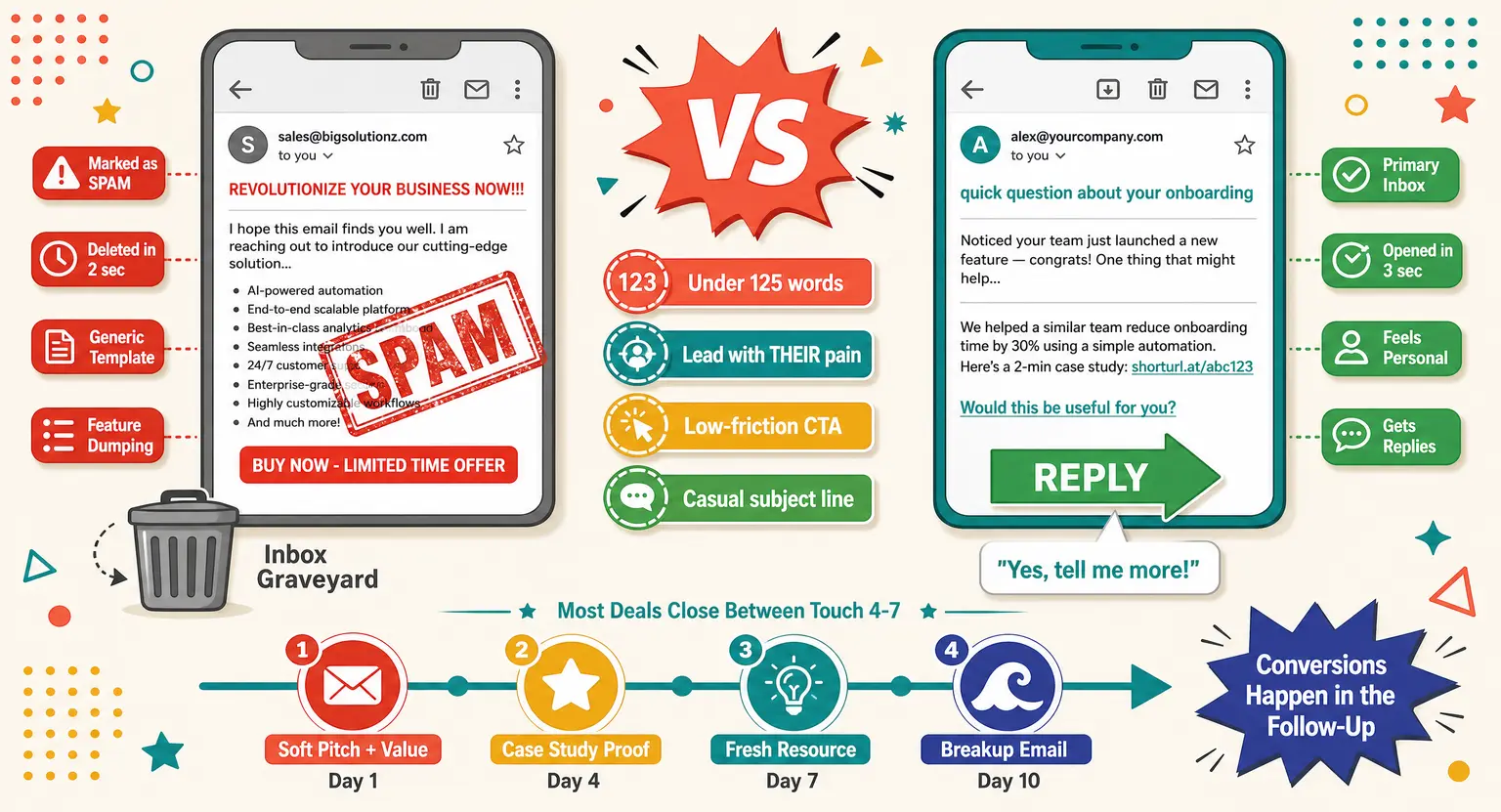
Third is the core conversion copy. Write naturally, focusing on the specific shift your service offers rather than just a dry feature list.
Focus directly on their challenges and demonstrate a path forward.
To write these messages effectively, read our expert recommendations on how to write a sales email that builds authentic connection and drives purchases.
Measuring Your Automation Growth : The Key Stages
Before you start building complex multi-step automated trees, you must understand where you currently stand.
Trying to implement advanced behavioral flows before you have established a simple opt-in page will only lead to frustration.
Use this detailed comparison layout to analyze your current setup and identify the precise strategic improvements you need to prioritize next :
|
Automation stage |
Primary objective |
Technical requirements |
Key metrics to track |
Next growth lever |
|---|---|---|---|---|
|
1. The Broadcaster |
Send basic updates to a single email group. |
Simple checkout or newsletter tool. |
Open rates and link click-through rates. |
Build a dedicated lead incentive to grow list faster. |
|
2. The Welcomer |
Onboard new subscribers in a friendly, helpful way. |
Basic automated welcome sequence. |
Onboarding sequence open and completion rates. |
Implement multi-step sales funnels to generate passive income. |
|
3. The Monetizer |
Convert warm leads into happy digital product buyers. |
Integrated email-to-checkout sequence setup. |
Conversion rate and immediate refund rate. |
Implement behavioral tags to personalize content. |
|
4. The Segmenter |
Personalize messages based on specific interests. |
Tag-based segmenting and automatic rules. |
Average revenue generated per subscriber. |
Deliver custom funnels to sell online courses efficiently. |
|
5. The Orchestrator |
Complete lifecycle personalization and clean list maintenance. |
All-in-one marketing and operations suite. |
Lifetime subscriber value and list retention. |
Run split tests on subject lines and landing pages. |
Beyond Open Rates : Smart Behavioral Triggers and Segmentation
Once you move beyond basic scheduling, the real power of automation lies in smart behavioral triggers.
In 2026, blast-emailing your entire list with the exact same content is a quick way to damage reader engagement. Your subscriber list is filled with unique people who have different skill levels, goals, and budgets.
If you treat a brand new beginner exactly like a veteran student who has bought multiple advanced products, you will frustrate both groups and invite unsubscribes.
Behavioral triggers allow your setup to respond dynamically to how readers engage with your work. For example, if a subscriber clicks a link inside your email about camera lenses, your setup can instantly apply a tag.
This tag can trigger a short, high-value series about product photography.
Meanwhile, subscribers who did not click the link will not see those promotional messages, keeping their inboxes clear and relevant.
This simple level of precision keeps audiences incredibly happy.
We can take this step even further - What happens when someone visits your course landing page but leaves before completing their purchase?
An automated browse or cart-recovery sequence can send a friendly follow-up email a few hours later, answering common questions and providing help.
This simple step recovers a massive portion of lost transactions for creators who configure it. It is not about tracking people; it is about offering helpful support when they are actively making a decision.
This level of intentionality shows your readers that you genuinely care about their success.
Keeping the Human Element in Your Automated Emails
There is a critical risk when you begin automating your workflows : you can easily lose your authentic human voice.
If your automated emails start sounding like generic paragraphs written by a clinical AI assistant, your readers will tune out instantly.
The most effective automated sequences do not feel automated at all. Instead, they read exactly like a personal, exciting message from a colleague who just discovered something incredible and immediately wanted to share it.
They are messy, raw, and incredibly genuine in their delivery.
To achieve this down-to-earth tone, you must avoid over-designed HTML email templates that feature giant header graphics and complicated multi-column grids.
These commercial designs loudly proclaim that you are selling something, and they frequently get filtered into Gmail's promotions folder.
Plain-text or minimally formatted rich-text emails feel infinitely more intimate. They also load incredibly fast and look perfect on every single device, including modern smartwatches.
Write exactly how you speak.
Use casual phrasing, brief sentences, and conversational transitions. Share real behind-the-scenes struggles and professional lessons.
Read your drafts out loud; if it sounds unnatural to say to a colleague over coffee, edit it. Keep your automated letters distinct and personal.
The Power of a Unified Dashboard
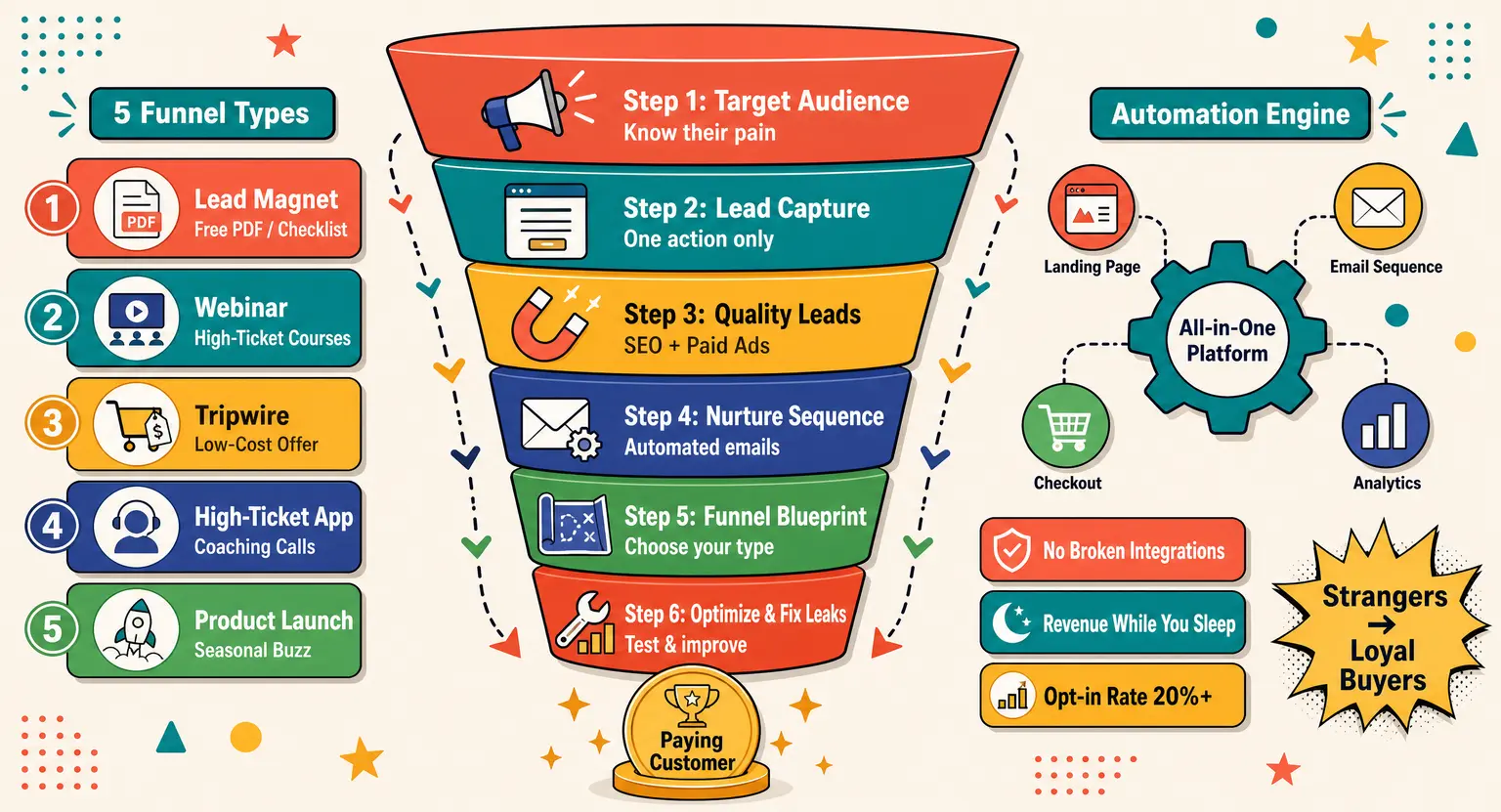
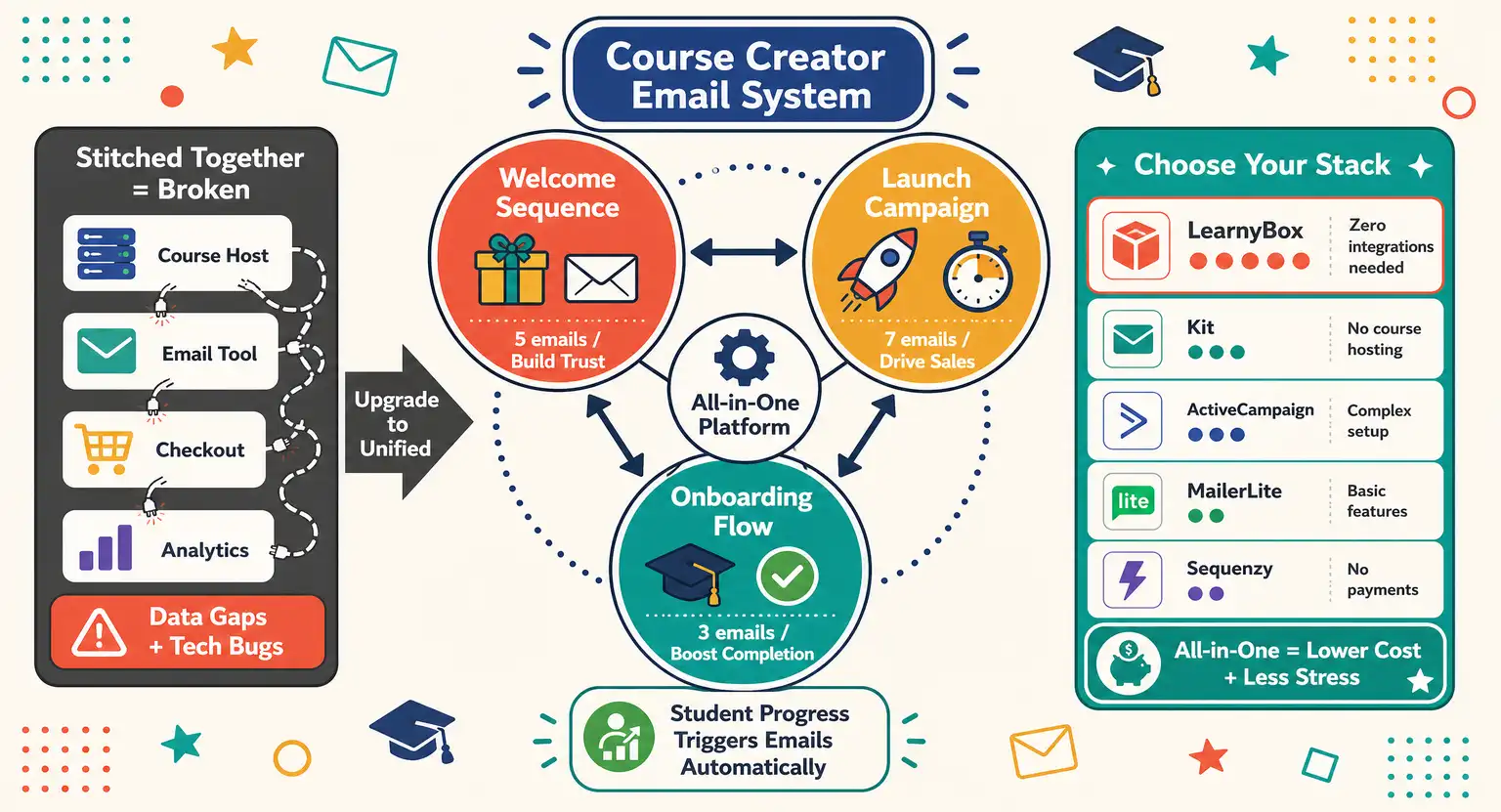
If you are tired of connecting several expensive tools together with complicated APIs just to run a basic promotional campaign, it is time to simplify.
Managing separate software programs for your email builder, checkout pages, courses, and landing pages is a recipe for endless technical frustration.
When one connection fails, you risk losing leads and revenue.
Modern creator systems should work smoothly without needing constant manual updates. This simple consolidation completely changes how you manage your day-to-day business.
This is why modern digital creators are moving toward all-in-one platforms that combine these features into a single, straightforward dashboard.
Choosing a robust all-in-one platform to sell online courses allows you to follow customer journeys clearly. You can see when a user signed up, which emails they read, which landing pages they visited, and the moment they purchased.
This removes the mystery from your metrics and saves you valuable hours. It gives you the mental space to focus on writing.
Explore Further Resources
-
Build Your Academy : learn how to design a profitable online program directly for your audience.
-
Review Expert Advice : browse through our full collection of growth strategies on the official LearnyBox platform.
-
Secure Transactions : master direct payments using secure digital payment processors.
Frequently Asked Questions
How long should my automated email sequence be?
A three-to-five-part sequence is generally the perfect sweet spot.
The first email delivers your opt-in gift, while the subsequent messages share valuable lessons and present your paid offers clearly.
This gradual pacing builds a high level of natural trust before any hard pitch occurs.
Will automated emails harm my deliverability?
No, as long as you prioritize subscriber engagement. Automated emails often perform better because they reach users when they are highly interested, keeping spam rates exceptionally low.
How frequently should I clean my automated email list?
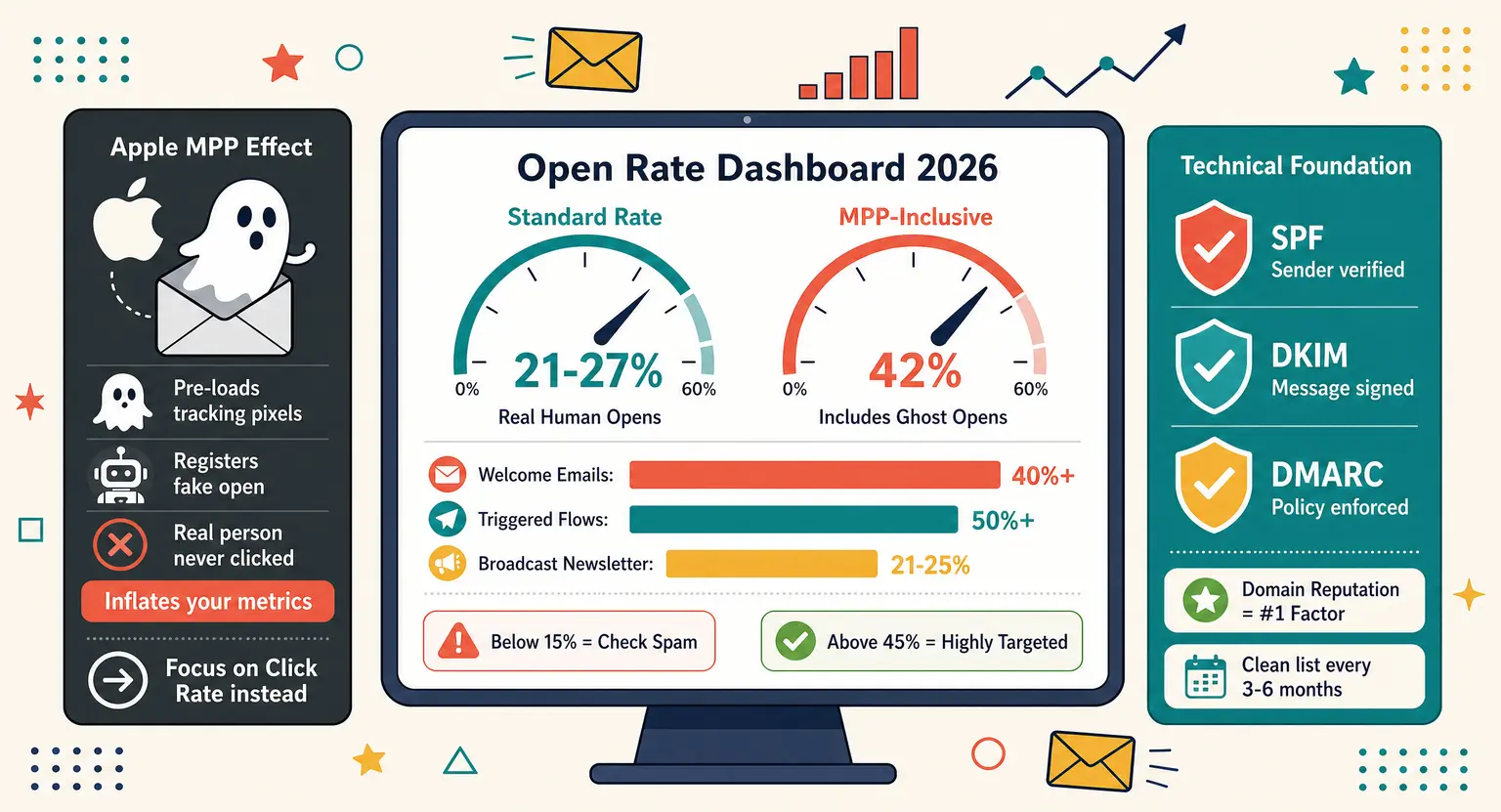
We suggest scrubbing inactive accounts every three to six months. Removing users who haven't opened an email in ninety days protects your reputation and keeps deliverability high.
What is the difference between a broadcast and a sequence?
A broadcast is a single manual email sent on a specific date, while a sequence is an automated series triggered by a specific subscriber action.
Can I combine automated sequences together?
Yes, absolutely. You can seamlessly link sequences together by setting up logical triggers.
For example, when a subscriber finishes your main welcome program, your platform can tag them and automatically move them into a product launch sequence or a general weekly newsletter distribution list.


 How to Create a Course Refund Policy (Templates & Best Practices for 2026)
 How to Run a Beta Version of an Online Course (2026 Guide)
 How to Create a Cohort-Based Online Course (2026 Guide)
 How to Sell an Online Course With a Quiz Funnel (2026 Guide)
 How to Sell an Online Course Through a Sales Call (2026 Guide)