






How to Write a Welcome Email Sequence in 2026: The 5-Step Blueprint
How to Write a Welcome Email Sequence in 2026 : 5-Step Blueprint
Key Takeaways for Your Sequence
-
The first impression is the only one : the initial email sets the tone and determines whether future mail lands in the inbox.
-
Add value before pitching : keep promotional efforts low to establish trust before asking for a sale.
-
Automation saves sanity : using a tool like email automation for creators ensures new contacts receive immediate attention without manual sending.
-
Clean your list early : verify opt-ins and prompt subscribers to whitelist your address right away.
So, someone just gave you their email address. That is a massive deal - though we rarely treat it like one.
In an era where inboxes are more crowded than ever, letting an outsider in is an act of trust. But too many creators treat this milestone like a silent transaction.
They deliver the freebie, run away, and wonder why their list goes cold...
That is a mistake.
When someone subscribes, they are at their peak level of curiosity. They want to know who you are and if you actually know your stuff.
But you cannot just dump product pitches on them immediately. You need to guide them through a carefully orchestrated welcome sequence that builds rapport, establishes expertise, and introduces your offers.
If you run an online business, this is your digital handshake. Let us look at how you can design an automated greeting that keeps people opening your messages.
We are going to build a sequence that feels like a conversation with an actual person, not generic corporate jargon.
Why the First 72 Hours of an Email Relationship Are Sacred
The moment a user joins your email list, a timer starts. Their excitement to read your content is highest in the first three days, then declines sharply.
If you wait a week to send your first real update, they completely forget why they signed up.
I have seen creators spend months figuring out how to create a lead magnet only to neglect the follow-up strategy. When the user gets their download links and then hears nothing, they become disengaged.
During these critical initial hours, your main objective is to establish your valuable domain authority while being highly approachable.
Think of it like inviting someone into your home; you do not pitch insurance the moment they step through the door. You offer them a drink, show them where to sit, and start a conversation.
This is your chance to tell your origin story and set expectations. Because if they do not like the vibe, they will hit unsubscribe.
The Anatomical Breakdown of a High-Converting Welcome Sequence
A truly effective welcome email sequence is a logical progression designed to transform a curious stranger into a loyal customer. To pull this off, you need to mix storytelling with technical precision and subtle psychological nudges.
First, you must address the immediate reason they joined your list. Whether they wanted a PDF, a discount, or a video, deliver it instantly in your very first message.
Second, write in a style that mimics how you would email a close friend.
Ditch the formal corporate speak that puts audiences to sleep. Use short paragraphs and vary sentence lengths to keep the experience lively.
Third, ask your new subscribers easy-to-answer questions to spark a conversation.
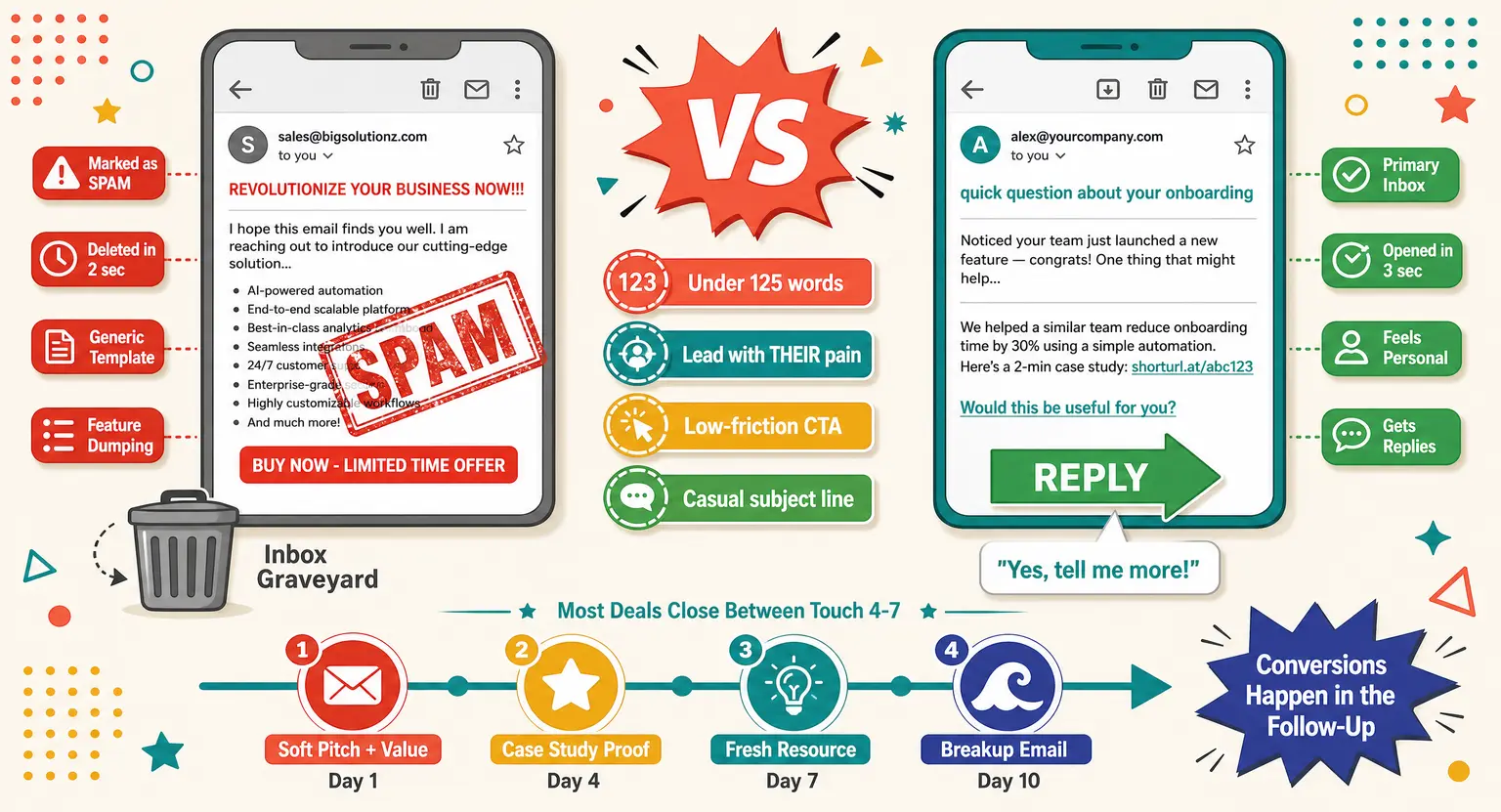
Encouraging them to hit "reply" and share their main struggles does wonders for your deliverability rates. Email systems notice when users respond to you, and they will prioritize your future mail directly to the primary inbox.
Analyzing a 5-Step Sequence Frame by Frame
Let us break down a reliable five-part welcome sequence that works for almost any niche, whether you sell training, consulting, or online courses.
This structure keeps your audience engaged without overwhelming them.
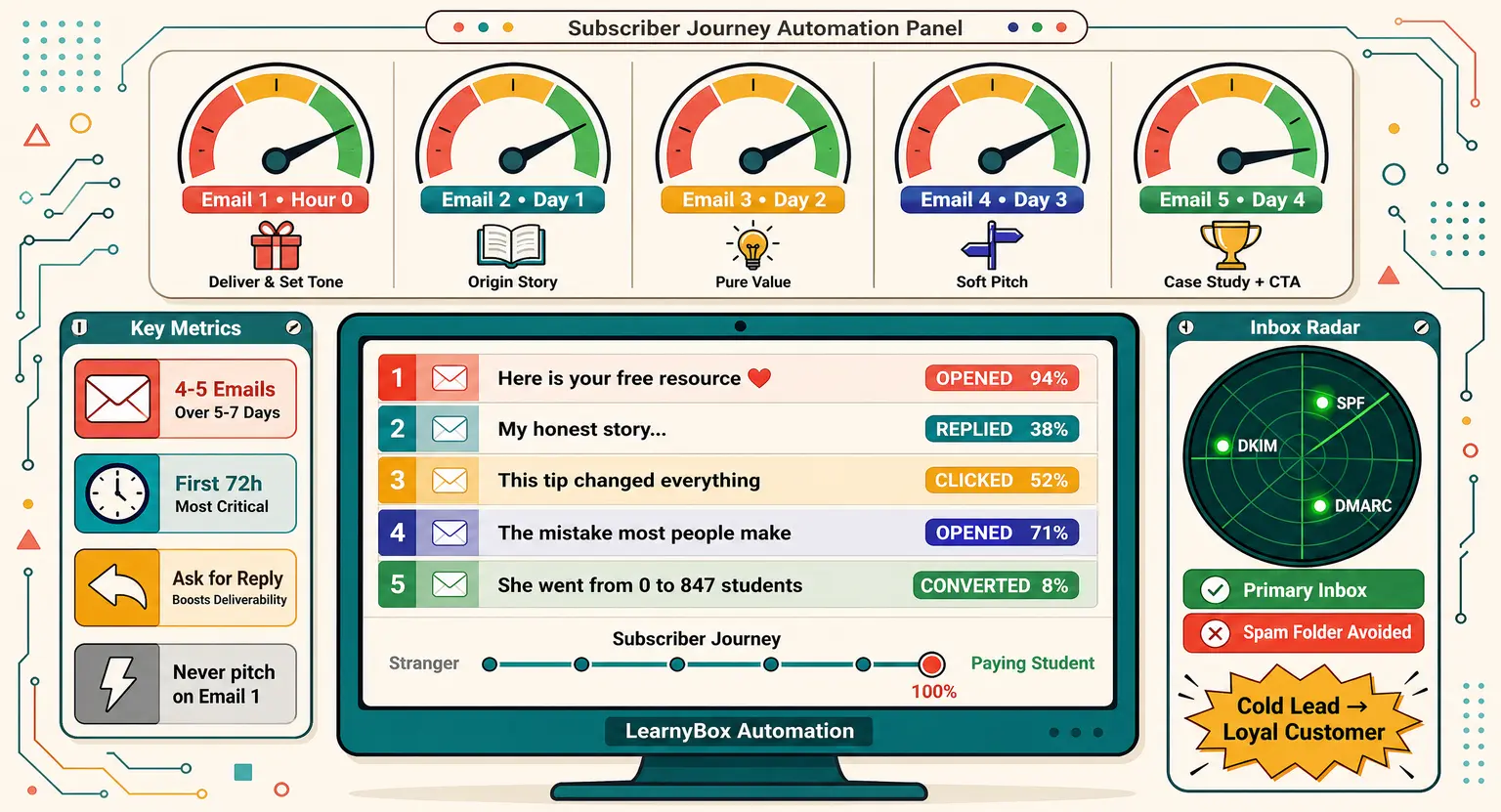
Email 1 : The Immediate Handover and The Setting of Rules
This message goes out the second someone submits their information. Your goal is to give them what they asked for and make a killer first impression.
Say thank you, link to your resource, and tell them how often they will hear from you. Ask them to move your address to their VIP list to avoid missing out.
Keep this email brief, upbeat, and focused on fulfilling your initial promise.
Email 2 : The Origin Story and Shared Struggle
Sent twenty-four hours later, this is exactly where you build connection. Share a brief story about how you got started, detailing a struggle your audience is likely experiencing right now.
This is not bragging; it shows you understand their pain.
By showing vulnerability, you establish yourself as a trustworthy guide. Include a quick tip they can implement in under five minutes to get an immediate win.
Email 3 : The Epiphany and Hidden Value
On day three, deliver a massive chunk of value without asking for anything in return. Provide your best secrets or link to helpful resources.
If you are preparing for a larger product launch, plant some seeds by explaining the strategy behind your approach, much like preparing an email sequence for a course launch to prime your readers.
Show them that your free content is more valuable than most people's paid products.
Email 4 : The Soft Pivot to the Solution
Now that you have delivered value, steer the conversation toward your paid solution. Outline the common mistakes people make when trying to solve this problem alone.
Introduce your product or service as the logical, pain-free path. You are not using high-pressure tactics; instead, you are laying out an invitation to take the next step.
This is a perfect time to learn how to write a sales email that feels completely organic.
Email 5 : The Case Study and Direct Call to Action
In the final email, prove that your method actually works by sharing a real-world story.
Focus on a client or student who struggled with the same issues and achieved incredible results using your system. Highlight the transformation, not just the features of your product.
Conclude with a strong, unambiguous call to action. Keep the tone friendly, confident, and free of false urgency.
Sequence Blueprint at a Glance
|
Email name |
Delivery timing |
Core objective |
Action item (CTA) |
|---|---|---|---|
|
Email 1 : The Delivery |
Immediate (0 hours) |
Deliver the promised lead magnet and set conversational expectations for the upcoming days. |
Download the guide and reply to the welcome prompt. |
|
Email 2 : The Connection |
Day 1 (24 hours later) |
Introduce your brand's unique backstory and show empathy for the subscriber's current situation. |
Read the origin story and share their biggest hurdle. |
|
Email 3 : The Gift of Value |
Day 2 (48 hours later) |
Deliver a highly actionable, high-quality tip without any sales pitch to build deep trust. |
Apply the five-minute strategy and track the early results. |
|
Email 4 : The Shift |
Day 3 (72 hours later) |
Highlight the pitfalls of the DIY route and position your product as the ultimate logical shortcut. |
Check out the main features of the offer. |
|
Email 5 : The Proof |
Day 4 (96 hours later) |
Share a highly relatable success story or testimonial to dissolve any remaining buying objections. |
Secure a spot or purchase the course today. |
Crucial Tech Tactics : Deliverability, Segments, and Timing
Building a brilliant sequence won't help if your emails end up buried deep in the spam folder where nobody can see them. You need a modern tech setup that handles the heavy lifting behind the scenes without breaking a sweat.
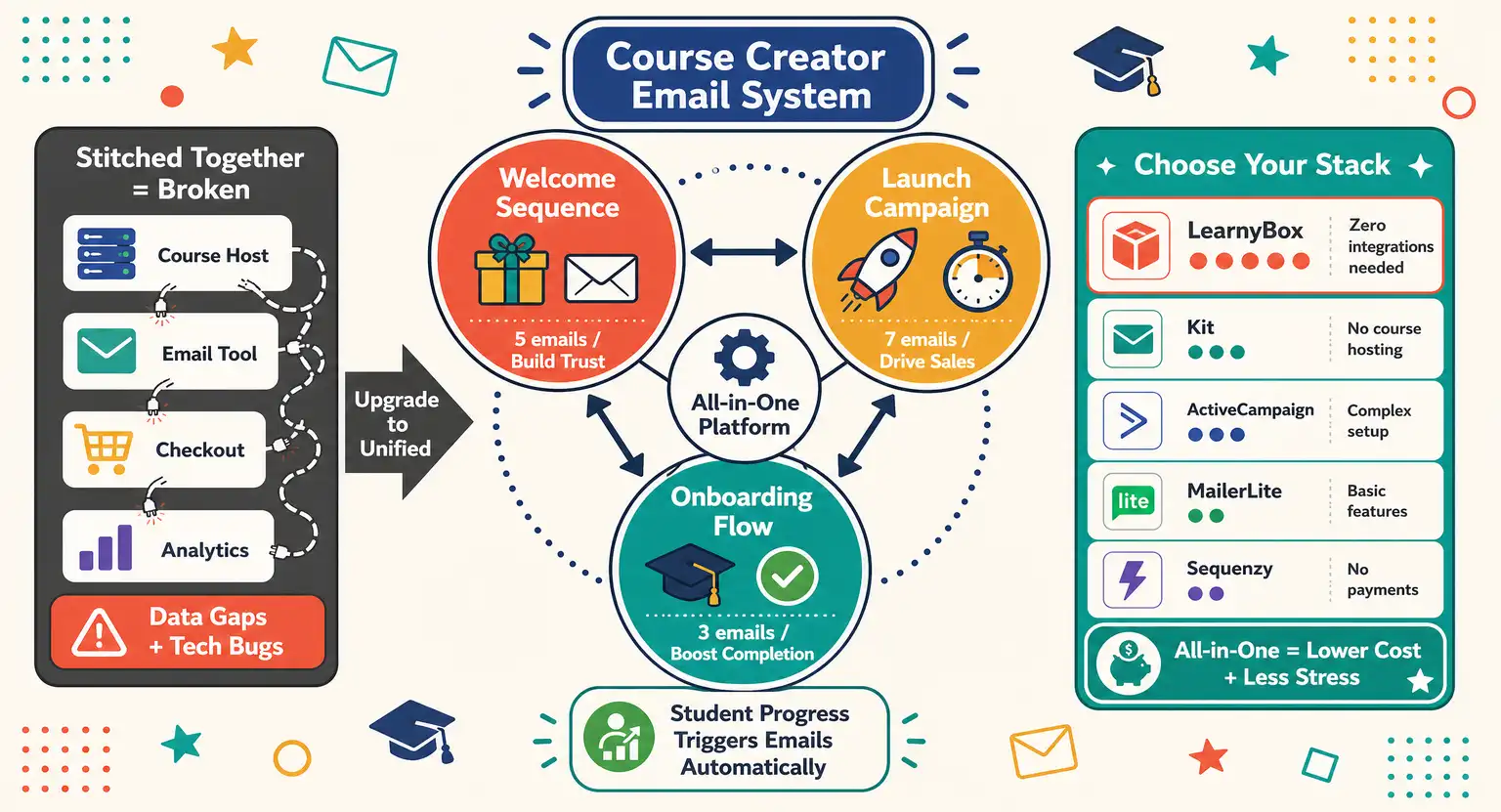
If you are struggling with split systems, you might want to look into an all-in-one platform to sell online courses that keeps your funnel and email hub under one roof. Having everything unified ensures your triggers fire instantly without relying on fragile connections.
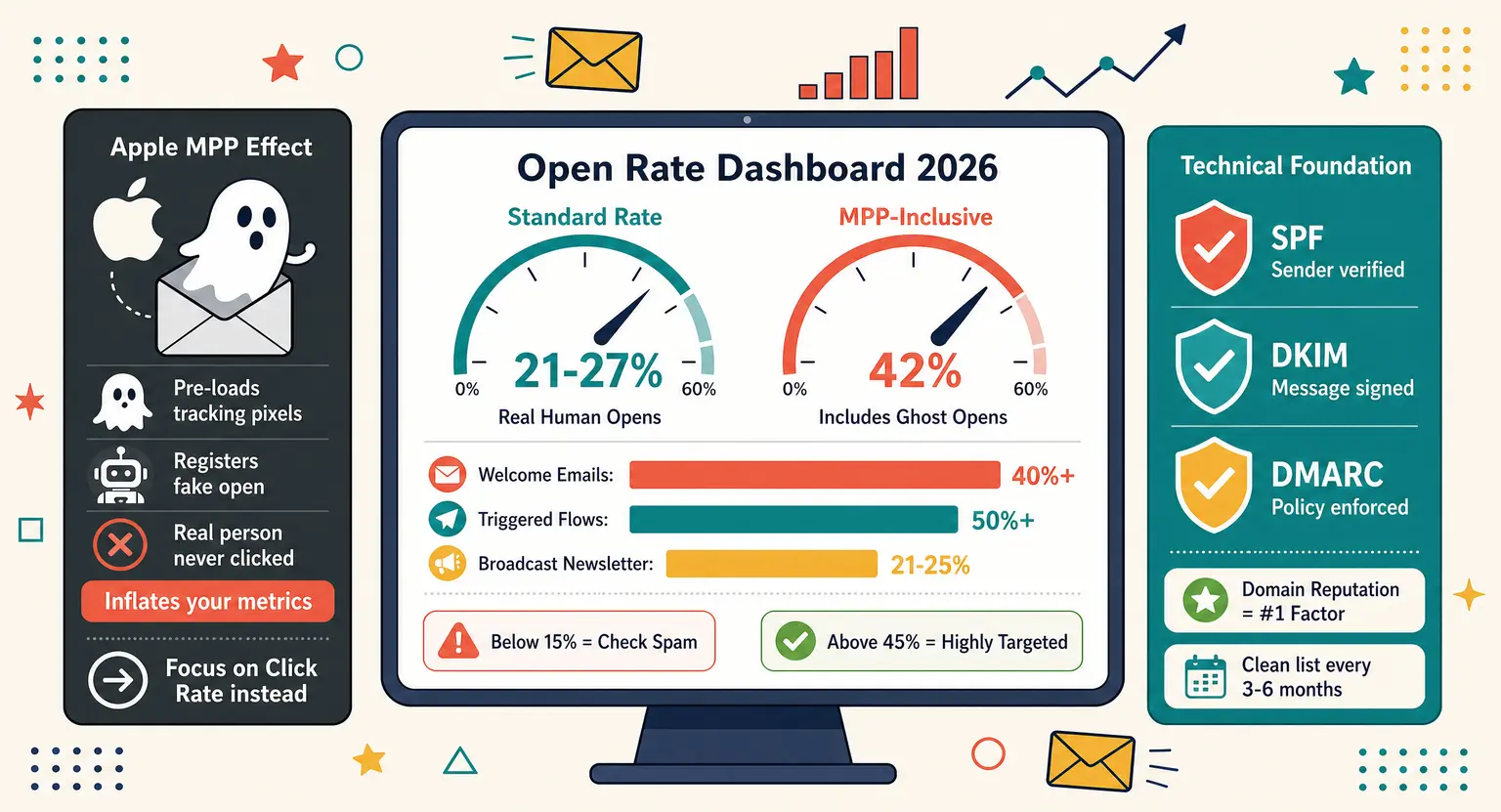
Start by setting up your technical authentication protocols, which are absolutely vital for modern inbox deliverability - make sure your domain has active SPF, DKIM, and DMARC records before you send a single broadcast.
Next, clean your list by setting up automated triggers that tag inactive contacts after thirty days. If people stop opening your emails, remove them or target them with a short re-engagement campaign.
Keeping dead weight on your list only signals to email providers that your content isn't wanted, dragging your entire domain's reputation down.
And don't neglect segmentation from the very beginning. If someone joins your list through a specific guide, tag them with that interest so you don't send them irrelevant promotions later.
Using a proper sales funnels approach means mapping the consumer's journey from landing page to email sequence seamlessly. This ensures you only send messages that match their current awareness stage.
Common Welcome Pitfalls That Kill Engagement Rates
It is remarkably easy to destroy your subscriber engagement with just a few minor missteps in your welcome flow.
The biggest error is overwhelming your audience by sending multiple emails on the very first day.
If a subscriber receives three different notifications because they signed up for a resource, they will instantly feel bombarded. Keep things highly organized by ensuring that only one automation track runs for a new sign-up at any given time.
Another massive pitfall is failing to write like an actual human being.
Avoid automated-sounding subject lines like "Newsletter Issue #1" or "Welcome to Our Community Database".
Instead, use conversational subject lines that look like they were written by a real friend, such as "quick question for you" or "here is the file you requested".
This simple change alone can double your initial open rates.
Lastly, many business owners use a generic email marketing platform that doesn't allow for custom visual layouts, forcing them to use blocky, image-heavy templates.
Plain text or minimally designed emails with simple formatting almost always perform better because they look like personal emails, not corporate advertisements.
Remember that clean, readable formatting built on a highly reliable framework will beat flashy designs every single time.
Keep your focus on building real connections, test your automated email tracking weekly, and adjust your messaging based on direct listener feedback.
Frequently Asked Questions About Welcome Sequences
How many emails should be in a standard welcome sequence?
A standard welcome sequence works best when it consists of four to five emails spread out over five to seven days.
This gives you time to introduce your brand, deliver genuine value, address major objections, and present your primary offer without overwhelming their inbox.
Shorter runs risk rushing the sale, while longer ones lose their interest. Keep the pace steady.
Should I pitch my paid product in the very first welcome email?
Absolutely not, unless you are offering an exclusive, time-sensitive discount that was promised on the landing page.
Your first email should be entirely focused on delivering the free resource they requested and greeting them warmly.
Pitching too early feels like asking someone to marry you on the first date, which usually breaks trust and leads to rapid unsubscribes.
Use the initial message to build rapport and set expectations, then gradually transition to your paid solutions in later emails once they see your value.
How can I prevent my automated emails from going straight to spam or promotions?
You can improve your deliverability by asking your new subscribers to reply to your welcome message right away.
When email providers see active engagement and replies from your readers, they start routing your emails directly to the primary inbox instead of the spam folder.
Additionally, ensure your technical setup is correct by configuring SPF, DKIM, and DMARC on your custom sending domain.
Avoid using spammy phrases in your subject lines, keep your formatting clean, and limit the number of external links in each message.
Can I run a welcome sequence alongside my regular weekly newsletter?
No, you should pause your regular weekly newsletters or promotional broadcasts for any subscriber currently moving through your welcome sequence.
Receiving multiple unrelated emails from the same sender in a single day creates confusion and leads to a high unsubscribe rate.
Use your email service provider to set up an exclusion tag that automatically hides new subscribers from bulk broadcasts until they have successfully completed the entire welcome automation path.
Ready to Build Your Welcome Automated Campaign?
If you want to transition your new leads into paying loyal students, having the right digital architecture is absolutely everything. We invite you to discover how LearnyBox makes creating sales funnels and automated email courses incredibly straightforward.
You can handle your landing pages, course delivery, online payments, and personalized client communications all inside a single dashboard.
Stop wasting precious hours trying to connect different tools with duct tape and complex integrations. Take the next step toward a highly automated business model by exploring our comprehensive creator suite today.
By choosing an all inclusive marketing automated framework, you save money, protect your vital sending deliverability metrics, reduce tech headaches, and build deep trust with every single person who joins your digital world, so start sending emails that people actually look forward to reading.


 How to Create a Course Refund Policy (Templates & Best Practices for 2026)
 How to Run a Beta Version of an Online Course (2026 Guide)
 How to Create a Cohort-Based Online Course (2026 Guide)
 How to Sell an Online Course With a Quiz Funnel (2026 Guide)
 How to Sell an Online Course Through a Sales Call (2026 Guide)