







Tripwire Funnel Explained: The Psychology and Strategy of Instant Conversions
Tripwire Funnel Explained : The Psychology and Strategy of Instant Conversions
Have you ever gone into a store for a cheap pair of socks and walked out with a new winter coat, three shirts, and a bag of snacks? That is the physical equivalent of a tripwire.
It is absolutely not a trick; instead, it is brilliant behavioral psychology at play in real-time.
In digital marketing, getting someone to pull out their wallet for the first time is the hardest obstacle you will face. Once that exciting initial commercial transaction happens, your entire dynamic with them changes entirely for the better.
They are no longer just a passive browser on your site. Instead, they are now an active buyer who trusts you with their hard-earned money.
So, how do digital creators trigger this shift automatically?
The answer lies in a highly strategic system that turns hesitant prospects into paying customers instantly - but to make it work beautifully, you must design the process carefully.
Key Takeaways
-
A tripwire is a low-cost, irresistible offer ($7–$29) designed specifically to convert leads into customers.
-
The magic happens because of a psychological micro-commitment, making future purchases far more likely.
-
To optimize your revenue, incorporate clever upsell and order bump strategies directly on the checkout pages.
-
Successful implementations use high-quality digital assets like mini-courses, templates, or planners that solve a single, immediate problem.
-
For automated delivery, manage everything on a dedicated marketing system like LearnyBox.
What is a Tripwire Funnel?
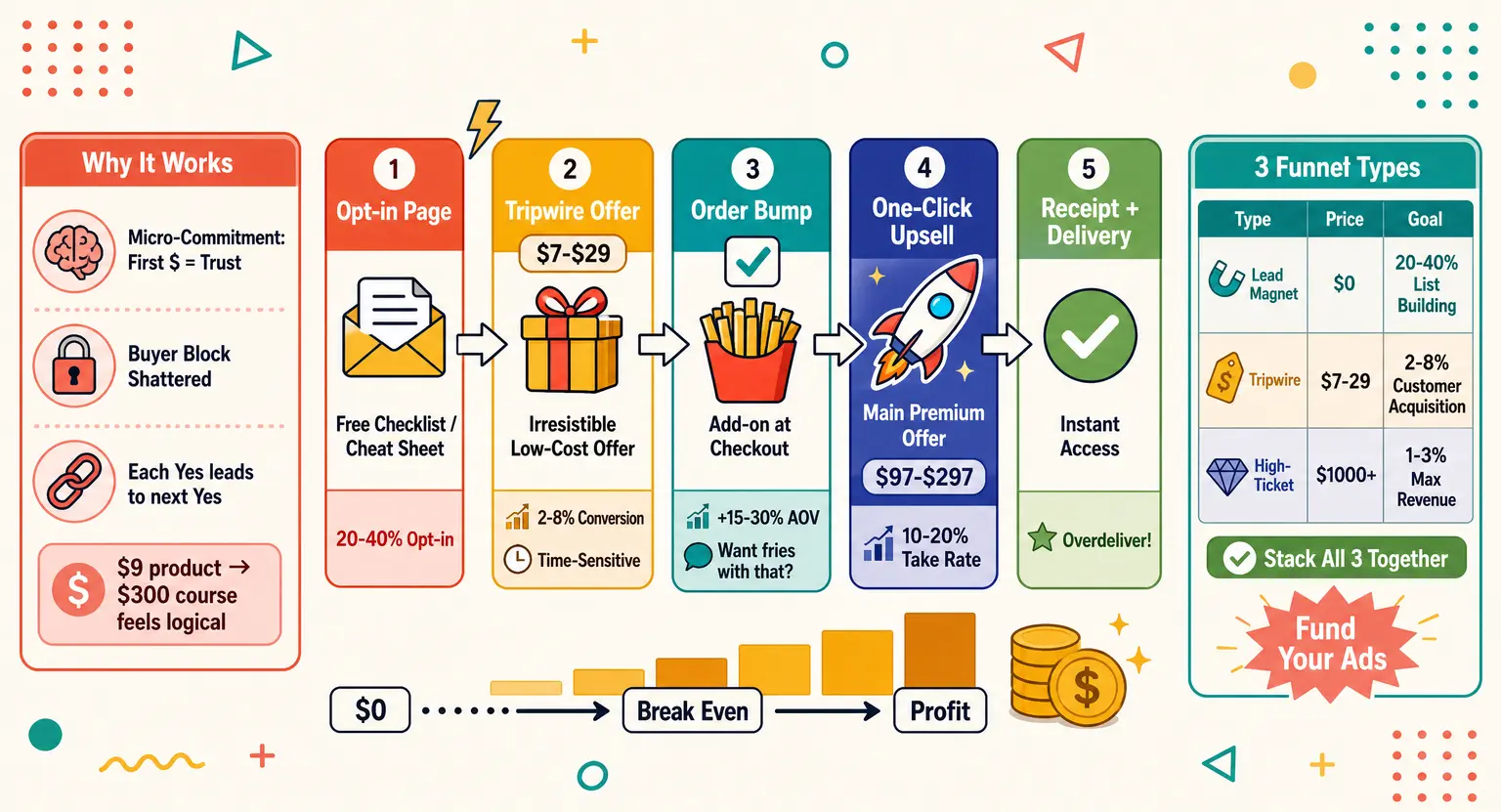
At its core, a tripwire funnel is a multi-step marketing pathway designed to speed up the customer journey.
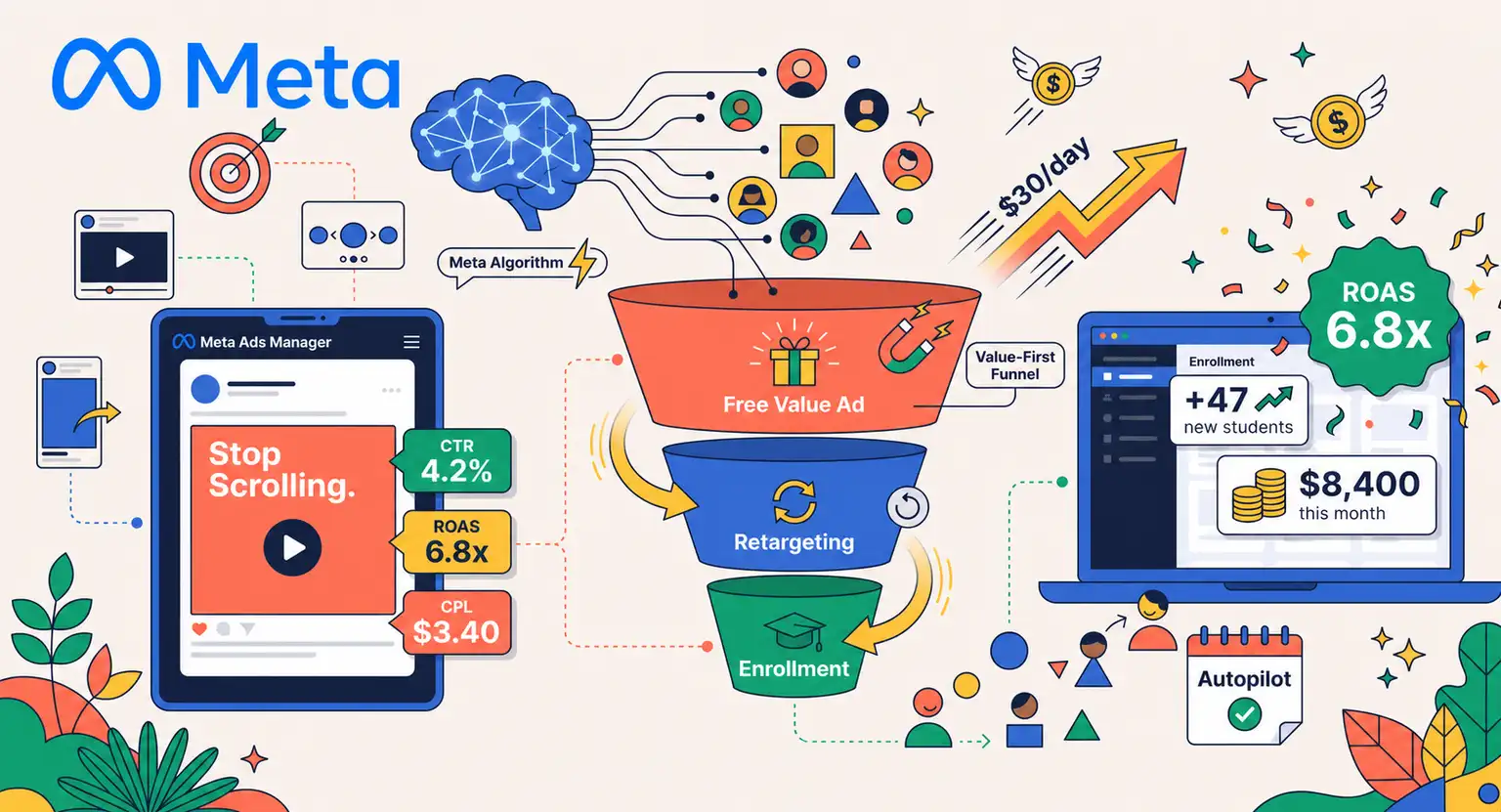
It starts by offering something incredibly valuable for free, followed immediately by a low-cost, high-value offer - and when we say low-cost, we typically mean a price range between $7 and $29.
The primary goal here is not to generate high profit margins right away. Instead, it is about covering your lead acquisition costs and breaking even on your paid advertising spend.
To truly master this method, you need to understand the sales funnel stages explained in depth.Most people treat prospects with caution, showing them free content for months hoping they might eventually buy...
A tripwire flips that slow cycle on its head.
It invites the user to make a micro-transaction early in the relationship. This small transaction shatters the "buyer's block" and builds immediate momentum.
If the buyer receives immense value from a nine-dollar product, they naturally assume your three-hundred-dollar course is mind-blowing. But this flow only works if your systems are fully integrated.
If you split your tools across many disjointed apps, your conversion rates will suffer. By utilizing the dynamic sales funnels software on LearnyBox, you keep your pages loading fast.
That speed helps reduce checkout friction before the buyer changes their mind.
The Anatomy of a High-Converting Tripwire Funnel
A functional tripwire is not just a random product slapped onto a thank you page. It is a carefully orchestrated sequence of steps that guides the user naturally.
Let us break down exactly how these pieces connect.
First, you start with the Opt-in Page. This page exists solely to capture contact details, showing people how to build an email list for future marketing steps.
You offer a quick checklist, a simple cheat sheet, or a free guide. This freebie must be highly relevant to the primary paid offer that is about to follow.
Second comes the Tripwire Sales Page. Once your prospect submits their email, they do not see a standard "check your inbox" page. Instead, they land on a page that delivers an unexpected, time-sensitive pitch.
"Your checklist is on its way to your inbox! But wait..."
This page highlights a premium resource related to that checklist for a ridiculously cheap price.
The value of the offer must feel completely disproportionate to the tiny price. If your workbook looks like it should cost fifty dollars, selling it for seven dollars makes it an absolute no-brainer.
Third, you implement the Order Bump. Directly on the checkout form, you insert a small checkbox offering an add-on item.
This could be an audio version, an extra template, or a fast-track guide. It is a classic "do you want fries with that?" offer that increases average order value immediately.
Fourth, you introduce the Upsell. After the user completes the tripwire purchase, you present them with a one-click upsell page. This is where you showcase your main program, software, or premium training.
Since they already entered their payment details, they can purchase this high-ticket offer with a single tap. This frictionless system is a fundamental pillar of funnel conversion rate optimization.
Finally, they reach the Receipt and Delivery Page, where their purchases are waiting.
Comparing Different Marketing Funnel Strategies
To see where this strategy fits, let us look at how it compares to alternative models. Different goals require distinct funnel configurations.
|
Funnel type |
Primary goal |
Average price point |
Typical conversion rate |
Ideal business model |
|---|---|---|---|---|
|
Free Lead Magnet Funnel |
List building |
$0 |
Twenty to forty percent |
Brand awareness and nurturing |
|
Tripwire Funnel |
Customer acquisition |
$7 to $29 |
Two to eight percent |
E-learning, digital products, e-commerce |
|
High-Ticket Funnel |
Maximize revenue per client |
Over $1,000 |
One to three percent |
Coaching, consulting, agency services |
But remember, you do not have to choose just one of these models. Many successful businesses stack these systems together - they use the tripwire to find eager buyers and fund their ads, then follow up with high-ticket pitches via email sequences.
Advanced Tactics for Maximizing Tripwire Revenue
Simply setting up the pages is not enough to yield incredible results. You must understand the nuances of buyer behavior to maximize your average basket size.
Let us look at some strategies to elevate your performance. Start by picking the right offer. The best tripwires are digital assets that require zero fulfillment costs and offer instant gratification. A PDF workbook, a spreadsheet tool, a short video masterclass, or even a bundle of templates works beautifully.
These assets should solve a specific, painful problem right now.
Avoid offering massive, forty-hour courses here. An overwhelming offer will actually scare buyers away because they do not have the time to go through it.
Next, make sure your pricing makes sense. When structuring your online course pricing strategy, a tripwire should feel like pocket change.
If someone has to think about their budget before buying, your price is too high. It should be an impulse buy that requires zero financial risk.
You must also pay close attention to your automated email follow-ups. What happens if someone opts in for your freebie but bypasses the paid tripwire?
This is where your email marketing platform saves the day.
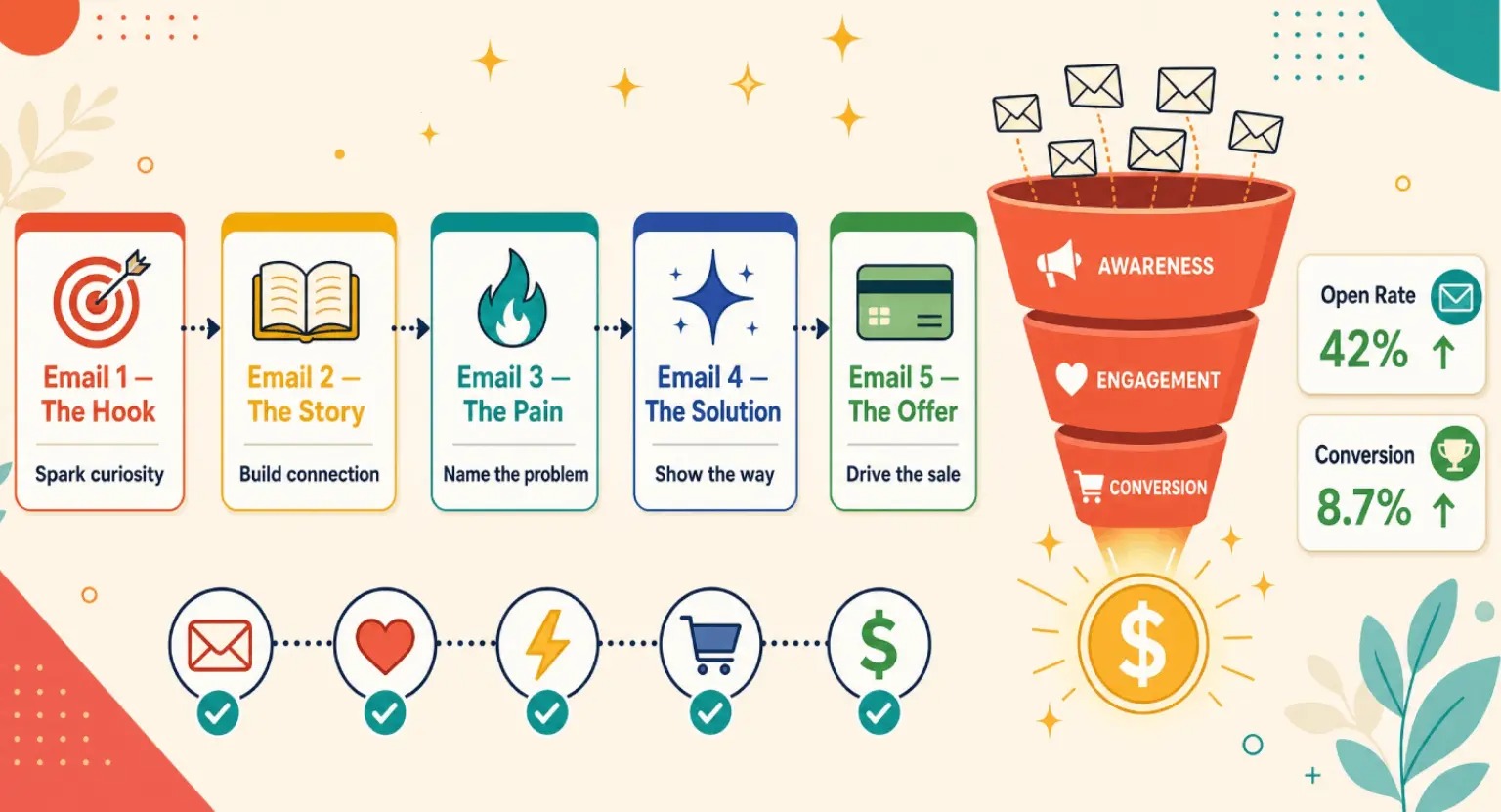
You can trigger a three-day email campaign highlighting the special offer one last time before it goes back to full price. This ensures you do not leave money on the table.
Finally, if you want to know how to launch an online course successfully, using a tripwire is a great way to validate demand.
If people are willing to pay seven dollars for a cheat sheet on your topic, they will likely buy a complete system. This simple validation tool keeps you from spending months building products that nobody wants.
Common Pitfalls in Tripwire Funnels
While this strategy is incredibly powerful, it is also easy to make mistakes that sink your campaign.
One common issue is lack of alignment. If your free lead magnet talks about puppy training, your tripwire cannot be about building dog houses. The transitions must feel natural and logical.
Another incredibly common mistake is presenting low-quality, sloppy tripwire products - some marketers think that because a product is cheap, it can be mediocre... But this is fatal !
The tripwire is the very first transaction a customer has with you. If it is low quality, they will assume everything else you make is garbage too. Overdeliver like crazy on your cheap offers.
Lastly, make your checkout process as fast as humanly possible. Requiring five pages of shipping info for a digital PDF will kill your conversions. Keep form fields to an absolute minimum.
Frequently Asked Questions About Tripwire Funnels
What is a good conversion rate for a tripwire page?
A typical tripwire page converts between 2% and 5% of opt-ins.
If your offer is highly relevant, tightly targeted, and priced correctly under $30, you can see conversion rates push up closer to 8%.
Can you use a physical product as a tripwire?
Absolutely. Physical items work incredibly well, especially when styled as free-plus-shipping offers.
Just ensure your fulfillment costs do not eat your entire margin before the up-sells kick in.
How does a tripwire funnel differ from a typical lead magnet?
A standard lead magnet only collects an email address in exchange for a freebie.
A tripwire funnel presents a low-ticket paid purchase immediately on the next page, turning that prospect into a customer right away.
Do tripwires hurt my brand reputation?
Only if your tripwire product is low quality. If the customer receives massive value for a small investment, it builds deep trust and primes them to buy your higher-priced programs later.
Explore Further
-
Discover strategic marketing ideas by looking at top online course ideas for an expert guide.
-
Get step-by-step guidance on creating a highly structured outline in our free online course outline template to build fast checklist.


 How to Create a Course Refund Policy (Templates & Best Practices for 2026)
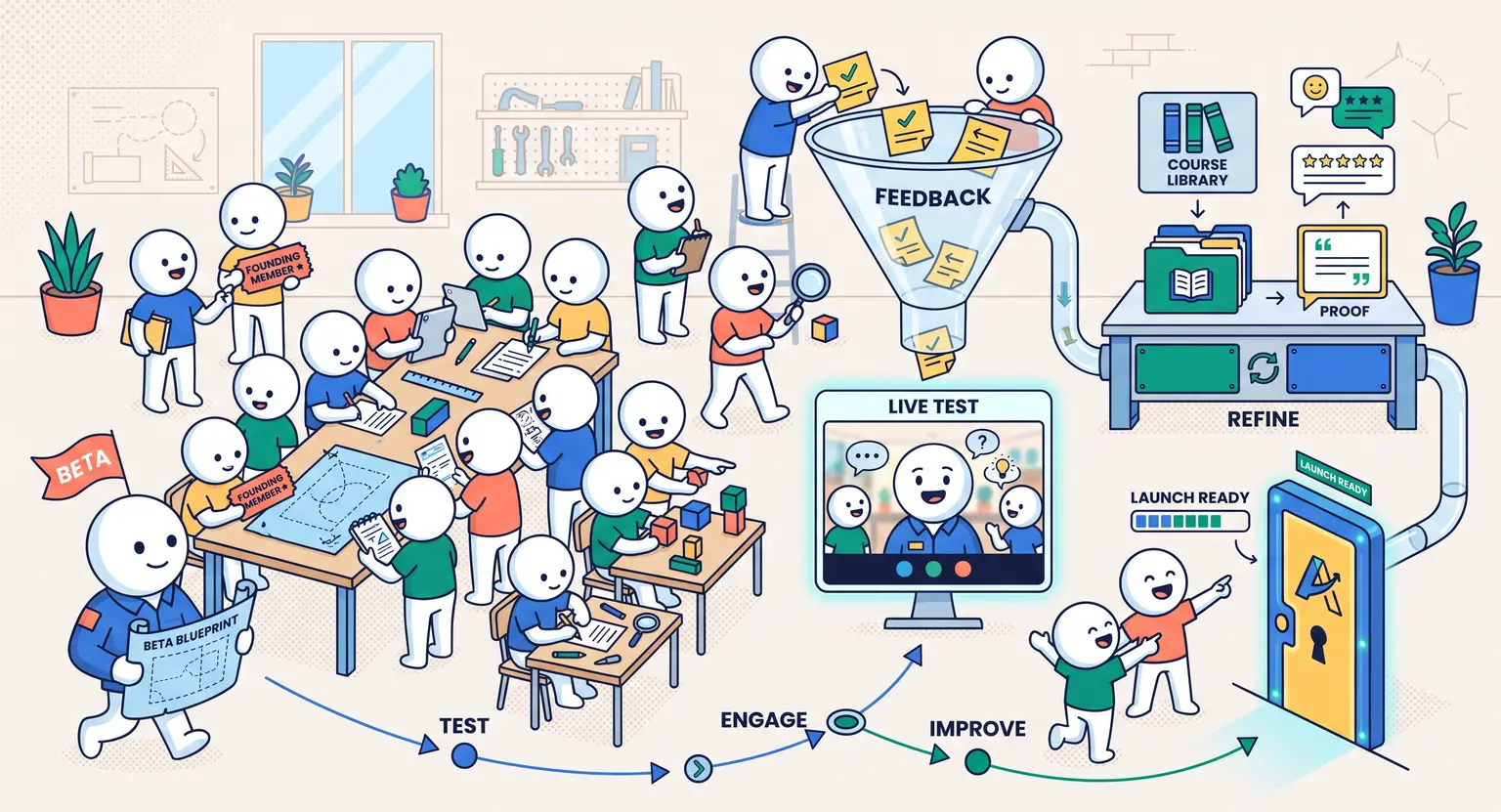 How to Run a Beta Version of an Online Course (2026 Guide)
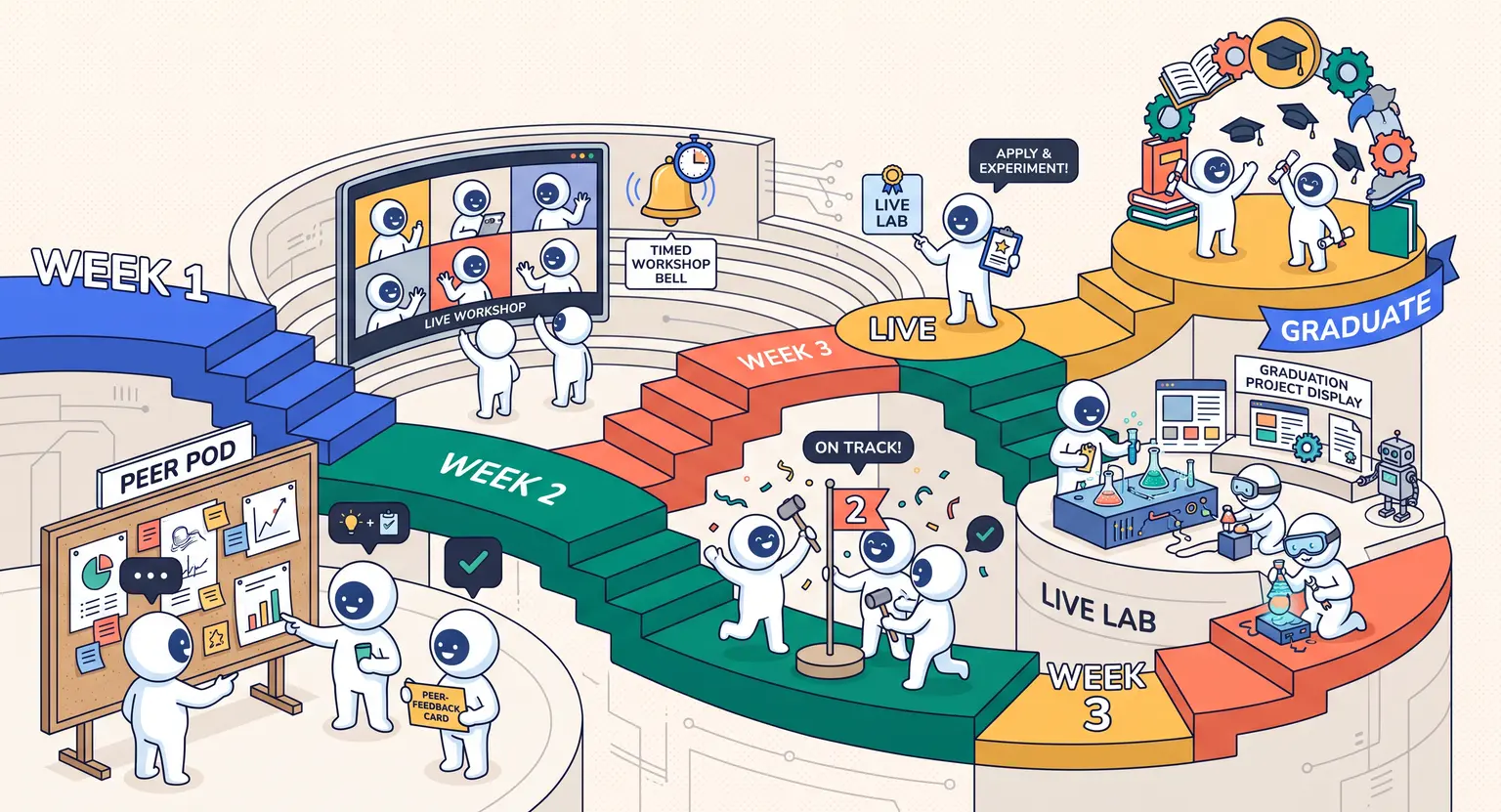 How to Create a Cohort-Based Online Course (2026 Guide)
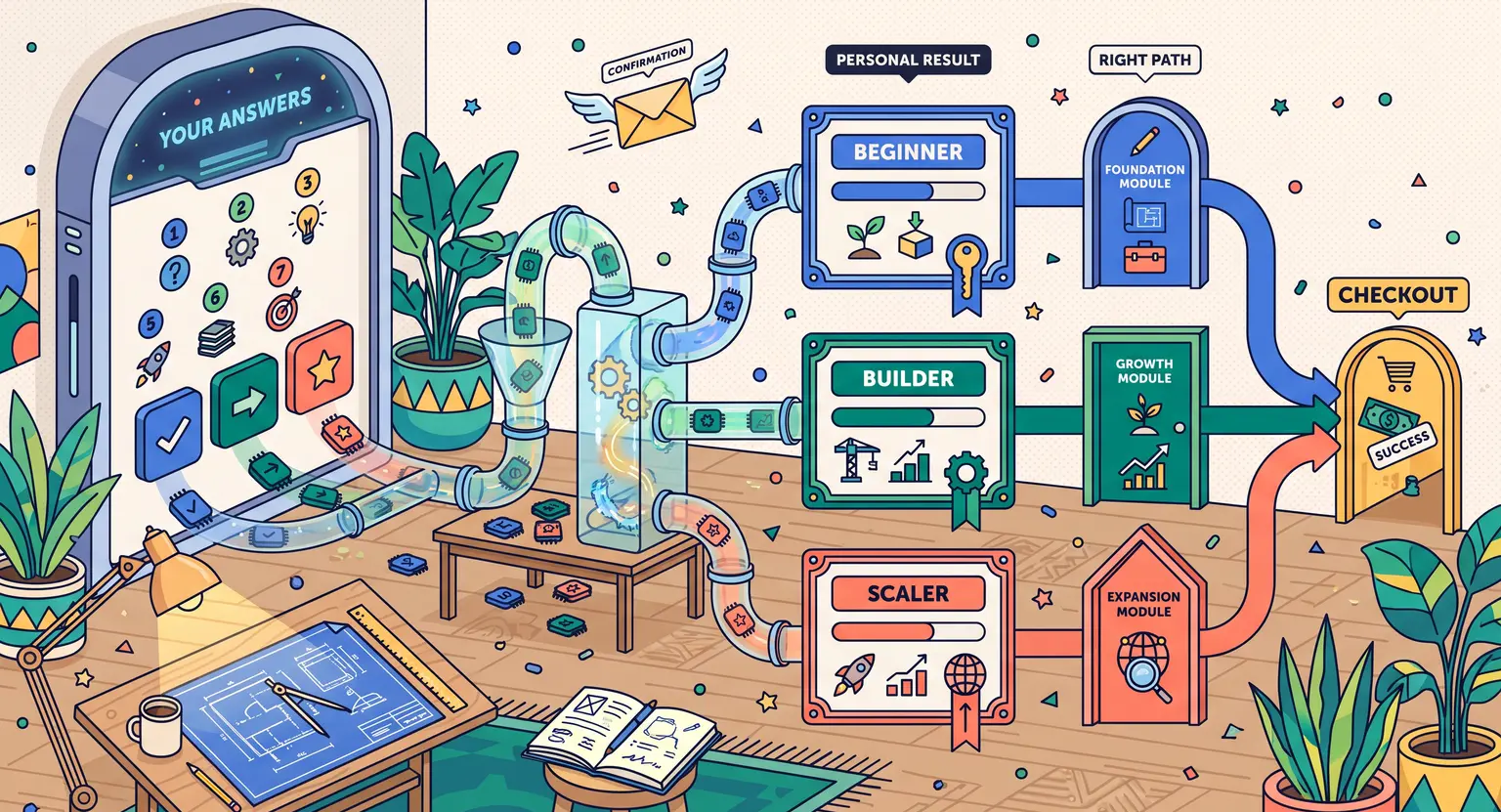 How to Sell an Online Course With a Quiz Funnel (2026 Guide)
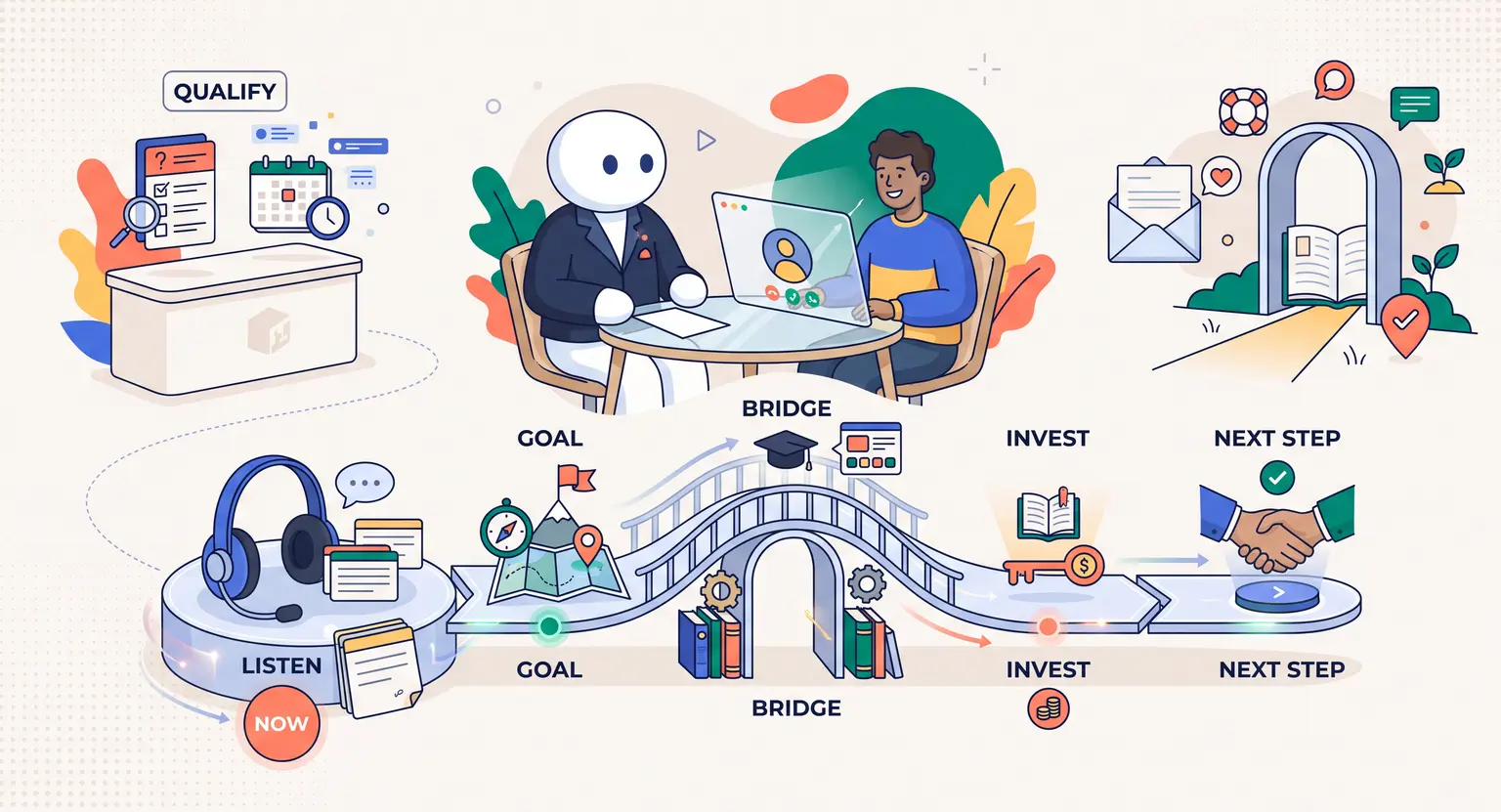 How to Sell an Online Course Through a Sales Call (2026 Guide)