








When Should You Move to an Advanced Course Platform? (2026 Guide)
When Should You Move to a More Advanced Online Course Platform?
Key Takeaways
-
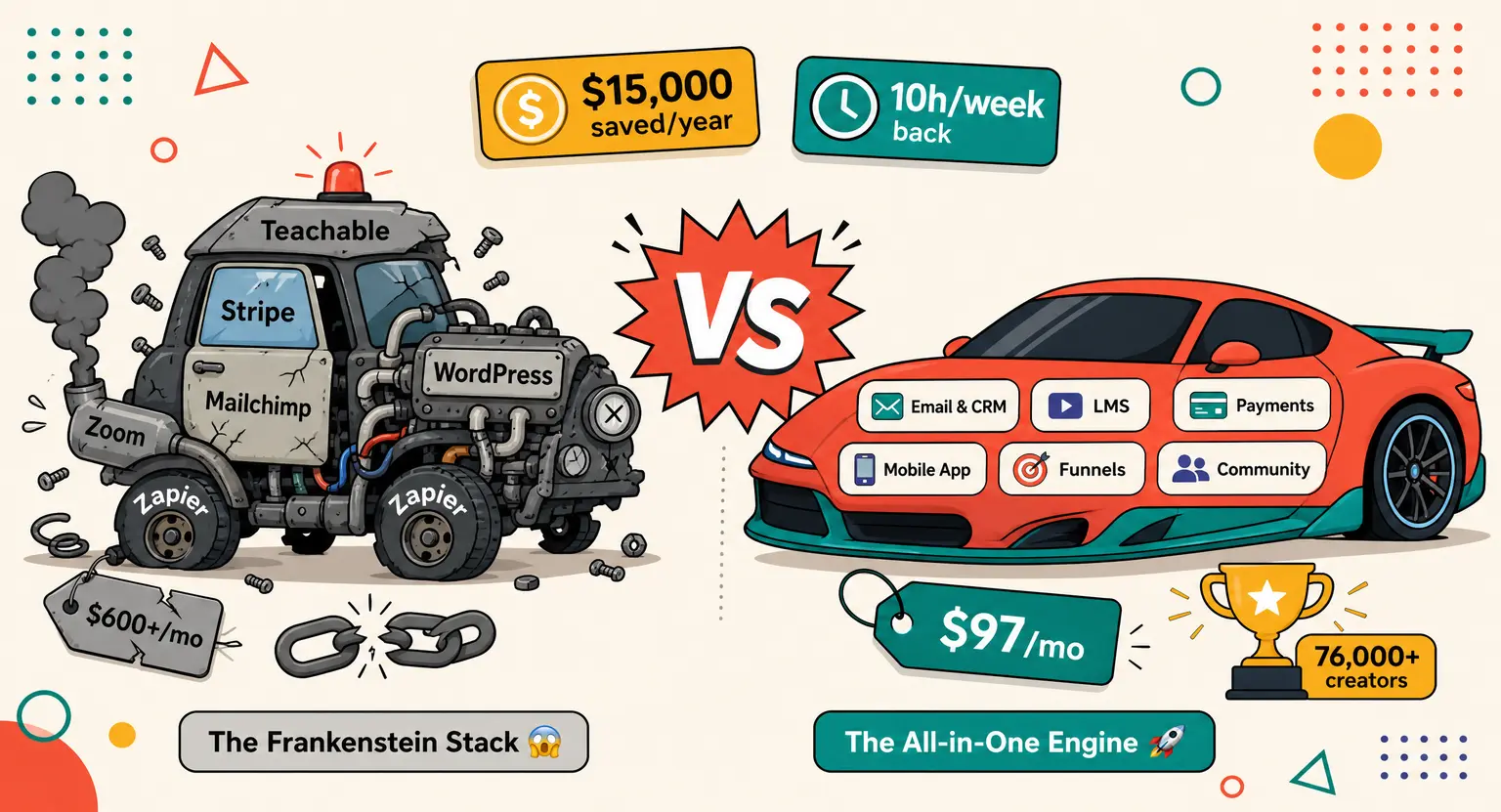
Technology stack fatigue : if your everyday business operations rely on multiple disconnected external services stitched together with fragile automated webhooks, it is definitely time for an upgrade.
-
Marketing limitations : basic online course host sites often lack the high-performance native sales funnels, order bumps, and granular CRM behaviors required to scale premium high-ticket academy offers.
-
Strategic migration safety : relocating your course architecture does not have to create an administrative crisis or disrupt your active learners if you employ a calculated phased transition.
-
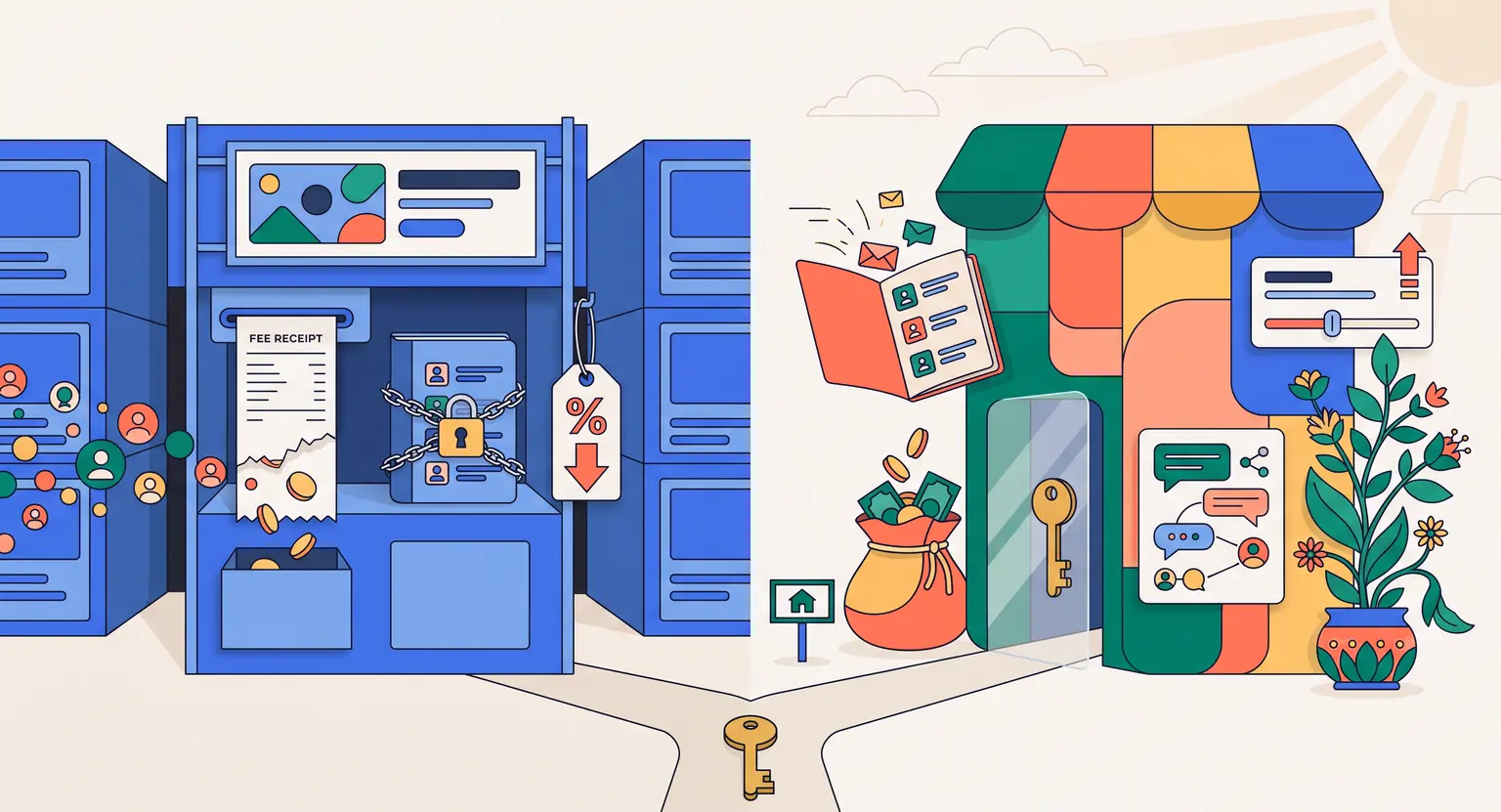
Financial efficiency : upgrading to a comprehensive system drastically reduces leakages from transaction fees and redundant software subscriptions.
Starting an online training business is always highly exhilarating…
When you first launch your project, you naturally prioritize speed, affordability, and simplicity. Perhaps you initially began hosting your training videos on a crowded third-party academy marketplace or a very simple, low-cost platform.
However, as your commercial brand matures, those restrictive starter tools begin to severely pinch your development…
Your active students swell, your email marketing turns chaotic, and your transaction management feels increasingly precarious.
But when, exactly, is the absolute right time to migrate your digital academy?
Let us speak honestly : you should never wait for your existing setup to completely crash during a high-stakes campaign launch before deciding to graduate onto more professional infrastructure. Spotting friction points early protects your student community.
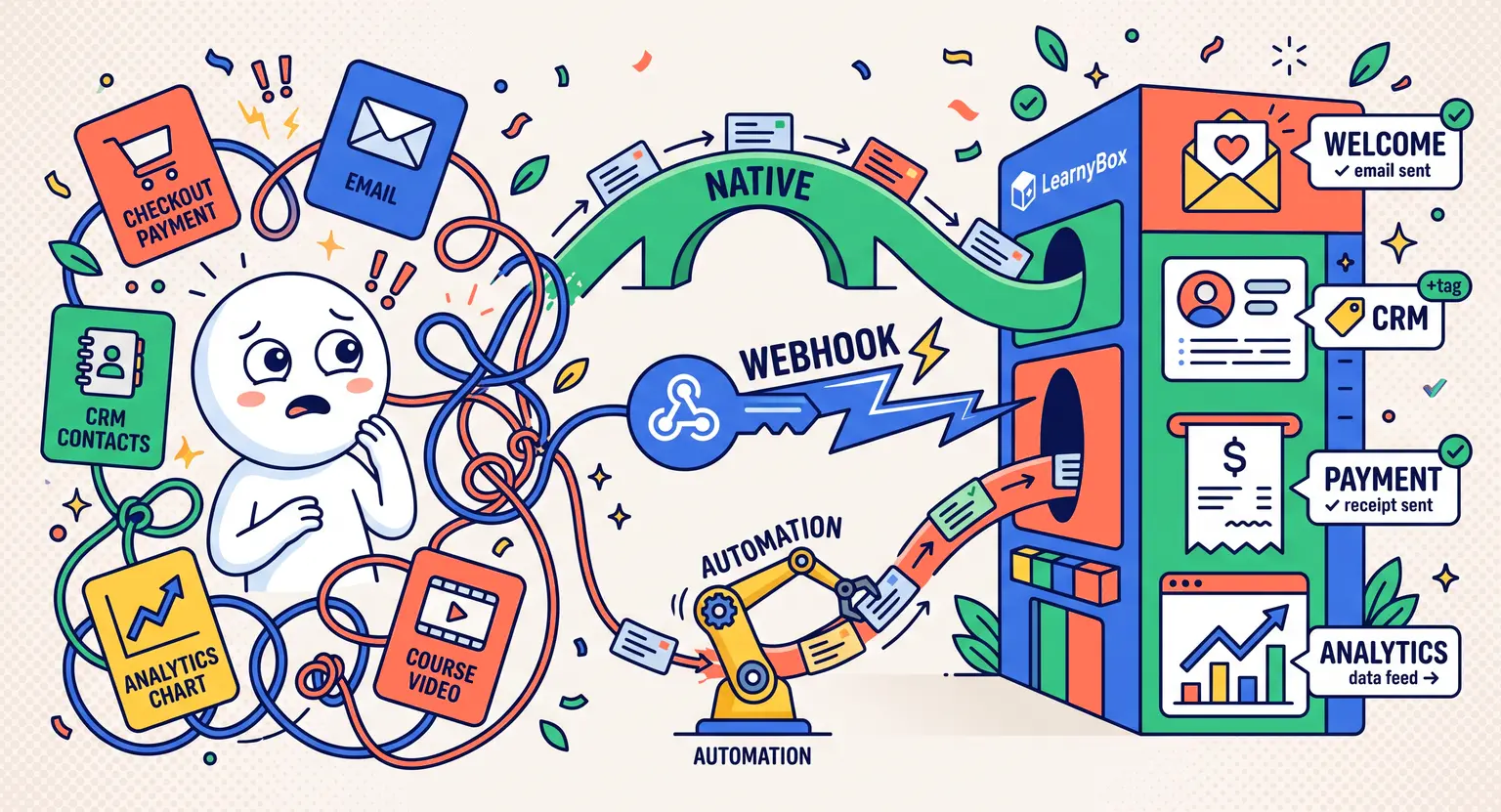
The Frustration of "Duct-Tape" Tech Stacks
Countless independent educators launch their teaching operations using what we describe as a digital duct-tape framework.
Under this model, you store your files on one server, launch blast marketing campaign emails from another service, process student purchases using a basic checkout tool, and utilize bridge platforms to forcefully tie your databases together.
In the beginning phases, this operates acceptably. But as your enrollment numbers expand, these delicate digital handshakes start failing. An API key expires, a student credit card charges but fails to create their classroom login credentials, and you spend your valuable evenings dealing with emergency customer support tickets.
Upgrading to an advanced system completely solves this operational fatigue.
If you are comparing an online course platform vs learning management system, you will realize that advanced platforms bring your client database into a secure, single dashboard.
When your core assets and communication tools operate natively together, file deliveries do not fail, automatic behaviors occur in real time, and your administrative headaches vanish instantly.
Your Sales Strategy Demands Advanced Funnels
Most basic digital hosting services function nicely as glorified online libraries, but they are dramatically unqualified to actively market your educational curriculum. They present simple point-of-sale checkout screens but entirely neglect the underlying psychology of professional conversion optimization.
For instance, ask yourself : what occurs when an interested visitor suddenly leaves halfway through typing their credit card info?
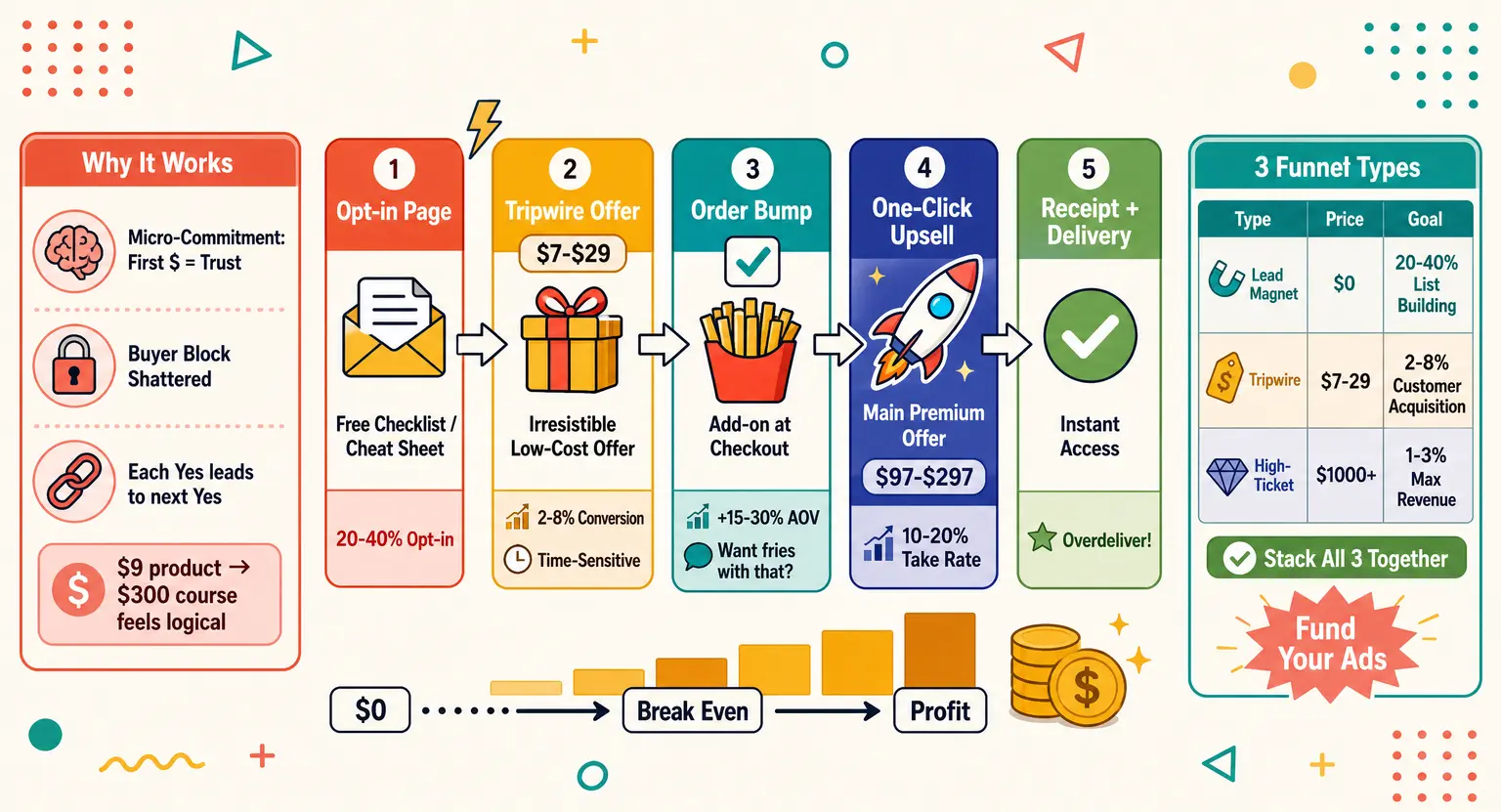
A high-performing platform lets you easily recover those potential buyers. You can design automated flows that rescue abandoned checkouts and map out exactly how to build a sales funnel that handles everything from free lead magnet downloads to high-ticket landing pages.
When you transition your operations onto a premium engine, you activate a stream of responsive behaviors.
Instead of sending generic newsletters, you can establish hyper-focused email automation for creators triggered by precise user behaviors, such as completing a specific lesson, submitting an assignment, or scoring poorly on a knowledge check.
Scaling Revenue with Live and Automated Sales Events
As your training business thrives, running specialized webinar presentations becomes a critical engine for your outbound customer acquisition.
Trying to host these events using basic course hosting software generally results in a chaotic scramble to connect heavy video streaming software with separate external landing page builders.
A sophisticated academy platform simplifies this complex workflow by running events directly inside your host.
If you are aiming for passive scaling, creating an automated webinar campaign acts as a highly effective conversion tool.
The software displays your presentations, monitors attendee metrics, and drops timed purchase incentives into the chat window automatically, turning simple lectures into evergreen engines of profitability.
Structural Comparison : Choosing Your Ideal Setup
Deciding when to transition means mapping out what your training system is currently achieving against what your projected growth actually requires.
Use this comparative matrix to recognize critical differences :
| Performance standard | Basic starter setup | Advanced platform upgrade |
|---|---|---|
|
Marketing capability |
Offers simple newsletters, minimal opt-in forms, and static checkout pages. |
Enables sophisticated multi-step sales funnels, high-converting checkout bumps, and automated cart rescue paths. |
|
Content delivery |
Utilizes standard text blocks and basic host video uploaders with minimal quiz tools. |
Delivers responsive lesson modules, drip sequence settings, interactive exams, and certified learning pathways. |
|
Payment customization |
Restricted to basic one-off pricing formats and single standard currencies with flat fees. |
Supports multiple alternate currencies, dynamic multi-payment agreements, and robust tax-handling frameworks. |
|
System integration |
Requires heavy third-party plugins, Zapier hookups, and constant debugging of outside apps. |
Features a native CRM, email, and streaming center. Operating an all-in-one platform to sell online courses avoids system fragmentation. |
Handling Advanced Checkout and Financial Mechanics
When your transaction volumes begin to multiply, your billing demands undergo a dramatic, complicated shift.
Entry-level portals manage basic payments smoothly, but they quickly buckle when you introduce recurring billing programs, which naturally suffer from inevitable transaction errors.
If a primary credit card expires halfway through your program, your system must execute automatic retries and alert sequences.
Doing this manually is a recipe for burnout. Understanding how to handle failed payments for online courses through integrated automated dunning loops protects your earnings from falling through the cracks.
Plus, scaling up your enrollment volume means empowering partners to sell for you. Setting up an army of promoters using affiliate marketing for course creators requires pristine cookie tracking, targeted referral links, and easy automated commissions that entry-tier packages simply do not possess.
Operational Benchmarks : Are You Ready?
Upgrading your infrastructure is not merely about gaining access to fancy new tools. It is a calculated commercial decision based entirely on your operational stage. Review your business against these benchmarks :
-
Your monthly software subscription costs exceed the pricing of a premium, integrated hub.
-
You waste hours each week manually coordinating files and debugging API connection errors.
-
Your high-ticket courses find themselves limited because your platform checkout lacks split billing arrangements.
-
You cannot launch global versions because your host lacks localization controls.
If you identify with these benchmarks, consult our strategic roadmap on how to choose an online course platform for your business to plan your trajectory.
Frequently Asked Questions
Will migrating impact my active students?
No. Safely learning how to move your students to a new course platform without panic involves maintaining your original academy active while slowly migrating individual users over.
How does platform choice impact pricing?
Advanced software expands monetization. Upgrading helps you optimize your online course pricing strategy by introducing multi-tier memberships, order bumps, and subscription structures that scale customer value.
Are payment plans useful for expensive classes?
Absolutely. Evaluating payment plans vs one-time payments for online courses highlights that flexible installations drastically increase conversion percentages for high-value academies.
What type of software setup lowers long-term overhead complexity?
Choosing the best all-in-one course platform containing native marketing funnels, emails, and webinar integrations allows creators to scale smoothly without experiencing any costly technical fragmentation.







 How to Create a Course Refund Policy (Templates & Best Practices for 2026)
 How to Run a Beta Version of an Online Course (2026 Guide)
 How to Create a Cohort-Based Online Course (2026 Guide)
 How to Sell an Online Course With a Quiz Funnel (2026 Guide)
 How to Sell an Online Course Through a Sales Call (2026 Guide)