








How to Retain Students after Purchase
How to Retain Students after Purchase
Key Takeaways for 2026 Student Retention
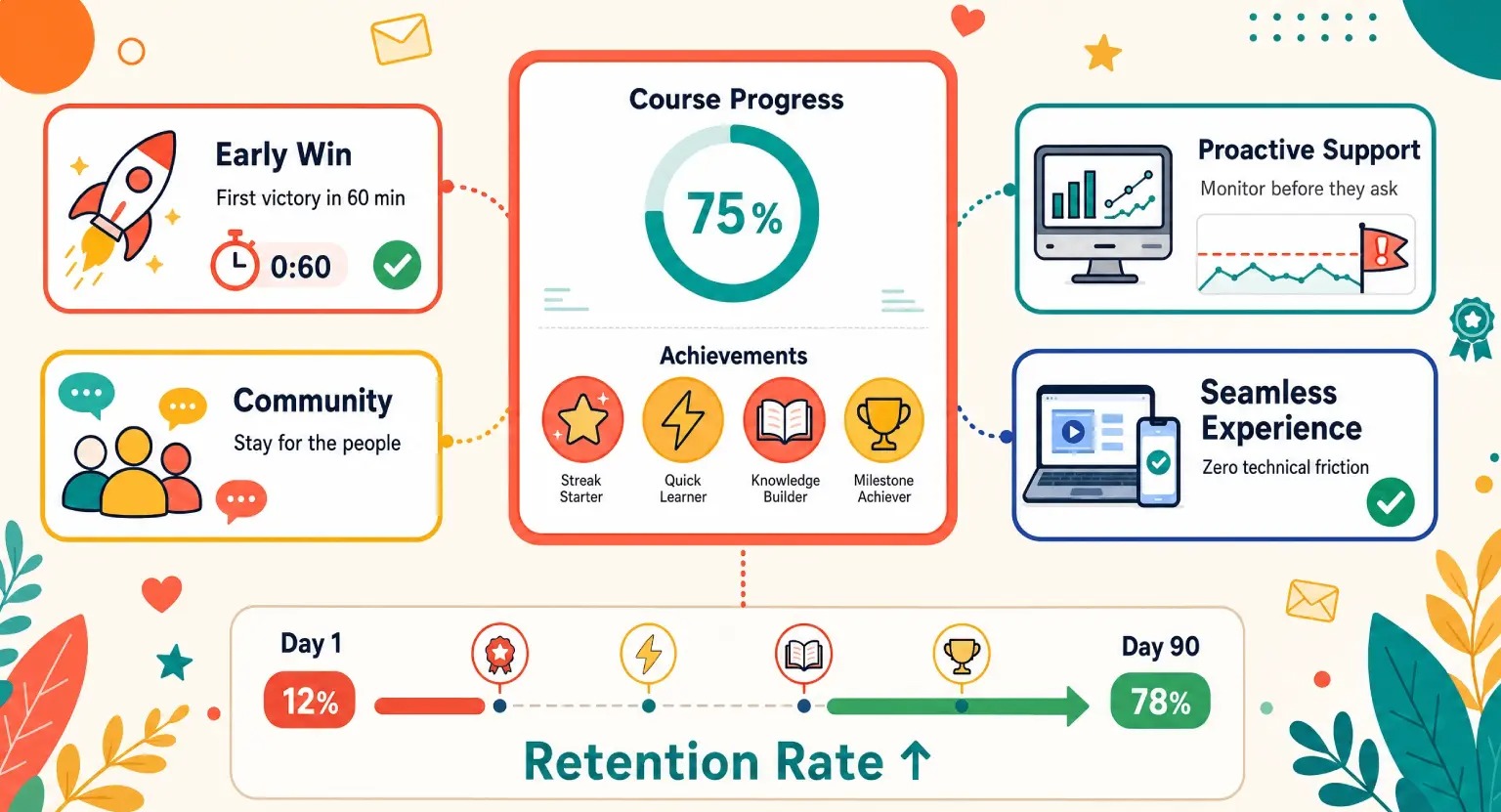
- Early Wins : deliver a victory within the first 60 minutes of access to combat "buyer's remorse."
- Community over Content : students might come for the videos, but they stay for the people they meet.
- Seamless Experience : use an all-in-one platform to ensure no technical friction.
- Micro-Progress : break huge goals into tiny, achievable badges to keep the dopamine flowing.
- Proactive Support : reach out before they ask for help by monitoring backend analytics.
So, you finally closed that sale. The notification popped up, the money hit your account, and you're feeling like a rockstar.
But here's the harsh truth we're seeing in 2026 : that sale is actually the start of the marketing process, not the end of it. If that student logs in once, gets overwhelmed, and never comes back, you haven't just lost a customer; you've lost your reputation and future revenue. Retention is the secret engine of every million-dollar course business today.
Let's be honest. We've all bought a course and let it sit in our digital "junk drawer." Our goal is to make sure your students don't do that. We want them to finish the course, get the result they paid for, and then beg you for your next program.
This shift from "transactional" to "relational" is what separates the veterans from the amateurs. When a student feels seen and supported, they don't just learn - they become part of your brand's ecosystem. It's about building a journey, not just a lecture series.
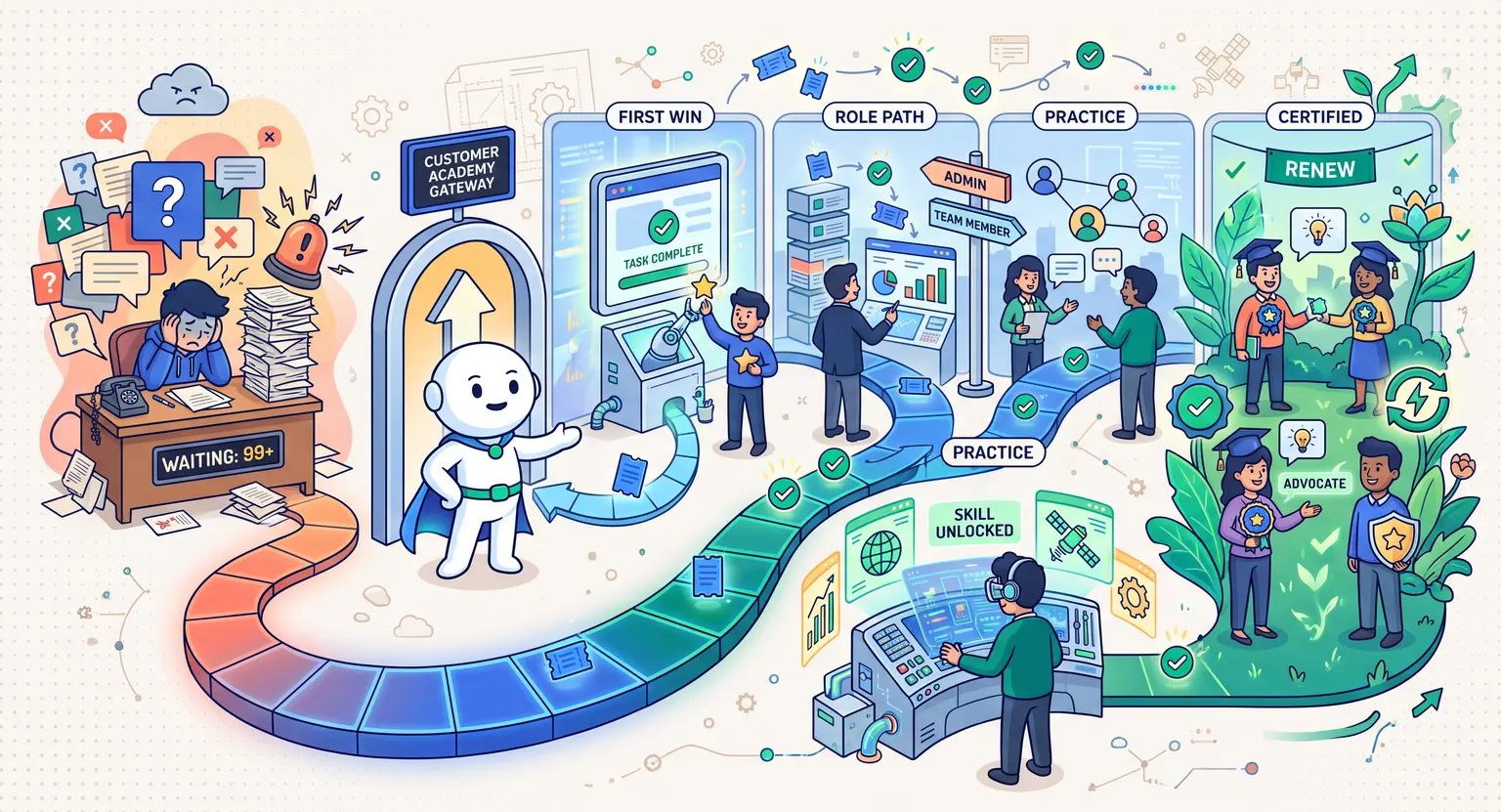
The "Golden Hour" of Onboarding
In 2026, attention spans are thinner than ever. The first sixty minutes after a purchase is when motivation is at its peak. If you waste that time with generic "thank you" pages or confusing login instructions, you're killing the vibe.
You need an onboarding sequence that feels like a warm hug and a high-five at the same time. The best creators use a personalized welcome video that explains exactly where to start. No guesswork allowed. Use your mobile app to send a push notification that guides them to their first quick win.
And don't just tell them what to do; tell them why they are here. Remind them of the transformation they are about to experience.
A great strategy is to include a "Day 0" task. This shouldn't be hard. It could be something as simple as "introduce yourself in the forum" or "download the course roadmap." When a student takes that first tiny action, they've made a commitment. That psychological "foot-in-the-door" technique is incredibly powerful for keeping them coming back for Day 1 and beyond.
Consider the technical side, too. If they have to wait for a manual email to get their password, you've already lost the momentum. Automation is your best friend here. Your platform should instantly grant access and trigger a beautifully designed email marketing sequence that drips value starting at minute one.
The logic is simple : remove every possible obstacle between the student and the learning. If the experience is frictionless, they'll associate your brand with ease and success rather than frustration.
Gamification : Making Learning Addictive
Gamification isn't just a buzzword anymore; it's a standard. But in 2026, we've moved past just handing out "gold stars." We're talking about meaningful progression.
Think about how the most popular apps keep people hooked - it's through streaks, levels, and unlocked content. You can implement this in your course by locking advanced modules until basic ones are completed. This prevents the "overwhelm" that causes students to quit when they see 50 hours of video ahead of them.
But how do you make it feel human? By tying the badges to real-world outcomes. Instead of a badge for "Watching Video 3", give them a badge for "First Campaign Published." This connects the digital reward with their actual goal.
You can also use leaderboards - if your niche isn't too sensitive - to spark some friendly competition. When people see others making progress, they naturally want to keep up. It's that social proof in action that drives retention better than any nagging email ever could.
Irregular reward schedules are another trick. Occasionally, surprise your students. Maybe after they finish the second module, a bonus PDF or a 10% discount on a partner tool unlocks. These "Easter eggs" keep the experience fresh. It makes the student wonder what else is hidden in the course, encouraging them to dig deeper. When the curriculum feels like a treasure hunt rather than a chore, you've won the retention game.
- Visual Progress Bars : always show them how far they've come, not just how far they have to go.
- Unlockable Bonus Content : reward completion milestones with high-value "hidden" lessons.
- Interactive Quizzes : use quizzes not to "test" them, but to reinforce their confidence in the material.
- Digital Certificates : make sure they are easy to share on social media to build their professional status.
- Personalized Feedback Loops : send a quick automated audio clip when they hit a major milestone.
Building a Community They Never Want to Leave
Content is a commodity; community is a luxury. Why do people stay in memberships for years? It's rarely for the archives of videos. It's for the relationships they've built.
If you want to retain students after they've purchased, you must give them a space to interact. This shouldn't just be a dead Facebook group. Integration is key. Your community should live right next to your lessons, so they can ask questions and share wins without switching tabs. Check out our testimonials to see how community-led learning changed the game for our top users.
But community doesn't just happen. You have to facilitate it. This means being present. You don't have to be there 24/7, but you should have set "office hours" or weekly webinars where you show up live. Hearing your voice and seeing your face reminds them that there's a human behind the screen. It builds a sense of accountability.
If a student knows you might ask them about their progress during a live call, they are ten times more likely to actually do the work.
Encourage peer-to-peer support as well. When a student helps another student, both of them become more grounded in your ecosystem. The "helper" feels like an expert and gains confidence, while the "helpee" gets a fast answer.
You can even appoint "student ambassadors" from your most active alumni. These people become the heartbeat of your course, keeping the energy high even when you're busy creating your next big thing. This creates a self-sustaining loop of engagement that requires less work from you over time.
The Data-Driven Approach to Saving "At-Risk" Students
One of the coolest things about 2026 tech is the ability to see exactly where people are getting stuck. You shouldn't wait for a refund request to know someone isn't happy. Use your analytics! If you see a student hasn't logged in for 10 days, that's a red flag.
An automated, friendly "Hey, I noticed you haven't been around, everything okay?" email can work wonders. Often, they just got busy and felt guilty about falling behind. That one email can pull them back in before they decide to quit entirely.
You should also look for "drop-off points." If 40% of your students stop after Module 4, guess what? Module 4 is probably too hard, too long, or too boring. Knowing this allows you to iterate. You can add a supplemental guide or break that long video into three shorter ones. By constantly refining the product based on student behavior, you create a smoother path to completion.
This is how you build a course that actually works, leading to better results and, eventually, more sales funnels that convert like crazy because your success rate is so high.
Finally, don't be afraid to ask for feedback early. Most people wait until the end of the course to send a survey. Send a tiny one after the first week. "How's it going? Is this what you expected?" This makes the student feel like their opinion matters. If they have a grievance, they can vent it to you privately instead of letting it fester or posting a bad review online. Handling a small issue early is the easiest way to prevent a total loss of a customer.
| Retention strategy | Why it works | Implementation difficulty |
|---|---|---|
| Automated Milestones | Boosts dopamine and rewards progress instantly. | Low (Set it once) |
| Weekly Live Q&As | Builds trust and provides a human touch. | Medium (Time commitment) |
| Peer Accountability Pods | Creates social pressure to finish the work. | High (Requires coordination) |
| Mobile Push Notifications | Keeps your course top-of-mind on their devices. | Low (With right LMS) |
| Progress-Based Drip | Prevents overwhelm and maintains curiosity. | Medium (Content mapping) |
Personalization : The AI-Human Hybrid
In 2026, we have the tools to make every student feel like they have a private tutor. While you can't realistically talk to every one of your 1,000 students every day, you can use smart automation to simulate that high-touch experience.
Personalized paths are a great way to do this. Based on an initial survey, you can direct students to the modules most relevant to their specific goals. A "one-size-fits-all" curriculum is a recipe for boredom. When a student feels the material is tailored exactly to their needs, they stay engaged for the long haul.
And let's talk about payments for a second. Nothing kills retention like a failed credit card payment on a subscription. Make sure you use LearnyPay secure payments to handle dunning management (the process of recovering failed payments) elegantly. If a student gets kicked out of a course because their card expired and the process to get back in is a nightmare, they probably won't bother.
Keep the "admin" side of things so smooth it's invisible. Focus their energy on learning, not on managing their billing dashboard.
But beyond the tech, don't lose the "human" element. Send a handwritten note to your top students. Or record a 30-second personalized video for someone who just finished your hardest module. These small, unscalable acts are what create "superfans." In a world dominated by algorithms, being a real person is your biggest competitive advantage.
People don't just stay for the information; they stay for the relationship they have with you and your brand vision. It's about building a legacy, not just a course.
The Upsell : The Ultimate Sign of Retention
The best indicator that you've retained a student is when they buy from you again. This isn't about being greedy; it's about providing the "next logical step" in their evolution. If they finished your "Level 1" course, they are now perfectly primed for your "Level 2" mastermind.
Because you've already built the trust, the sales cycle is much shorter. You don't need a massive webinar; you just need a simple invite. Check out our platform pricing to see how we help you scale these multiple tiers effortlessly.
But be careful. Only offer the next thing once they've gotten value from the first. Pushing an upsell to a student who hasn't even opened Module 1 is a fast way to burn the relationship. Use your retention data to trigger the offer. When a student hits that 100% completion badge, that's the moment to celebrate their win and show them the path to the next mountain.
It's a natural progression that feels like a reward, not a sales pitch. This is how you turn a single purchase into a long-term customer lifetime value (LTV) that keeps your business thriving for years.
So, take a look at your current course. Where are the gaps? Where could a student fall through the cracks? By plugging those holes with better onboarding, community, and gamification, you aren't just improving your retention stats; you're actually helping more people reach their goals. And in the education business, your success is directly tied to theirs.
Let's make 2026 the year of the successful student. If you're just starting out, grab a free LMS account to test these features out for yourself without any risk.
Want to see how these retention tools look in action? We've built the entire LearnyBox ecosystem around the idea that student success is business success. Whether you're just launching your first module or you're scaling a multi-million dollar academy, having the right tech makes all the difference. Stop fighting your platform and start focusing on your students. It's time to build something that lasts!
Frequently Asked Questions
How do I stop people from asking for refunds right after purchase?
The best defense against refunds is a high-impact onboarding experience. Usually, refunds happen because of "buyer's remorse" or confusion. If you can get them to take an action and see a result - even a tiny one - within the first hour, the likelihood of a refund drops significantly. Also, ensure your online course strategy includes a very clear "What happens next" page so they never feel lost or abandoned the moment they hand over their money.
What is a "good" retention rate for an online course in 2026?
While it varies by niche, a completion rate of 20-30% is considered decent for self-paced courses, but the top 5% of creators are hitting 50% or higher by using high-touch community features. Don't just focus on "completion," though; look at "active engagement." If students are coming to your live calls and interacting in the forum, they are getting value even if they haven't watched every single minute of video yet. Tracking these metrics in your analytics reports is vital.
My students are quiet in the community. How do I get them to talk?
Quiet communities are usually a result of "blank page syndrome." People are afraid to be the first to speak. You can fix this by posting regular prompts. Ask them for a "Win of the week" every Friday or a "Challenge I'm facing" every Monday. Tag specific students to ask for their input. Once the ice is broken, the community will start to take on a life of its own. Also, make sure it's easy to access via your mobile app so they can chat on the go.
Is gamification too childish for professional or B2B courses?
Not at all! Professional learners love progress just as much as anyone else. For B2B, you might want to call it "Milestone Achievement" rather than "Gamification," but the mechanics are the same. In fact, many corporate environments use badges and certifications as "social currency" for LinkedIn. As long as the rewards feel meaningful and not frivolous, they will be appreciated. If you need help setting this up, feel free to contact us for a demo.



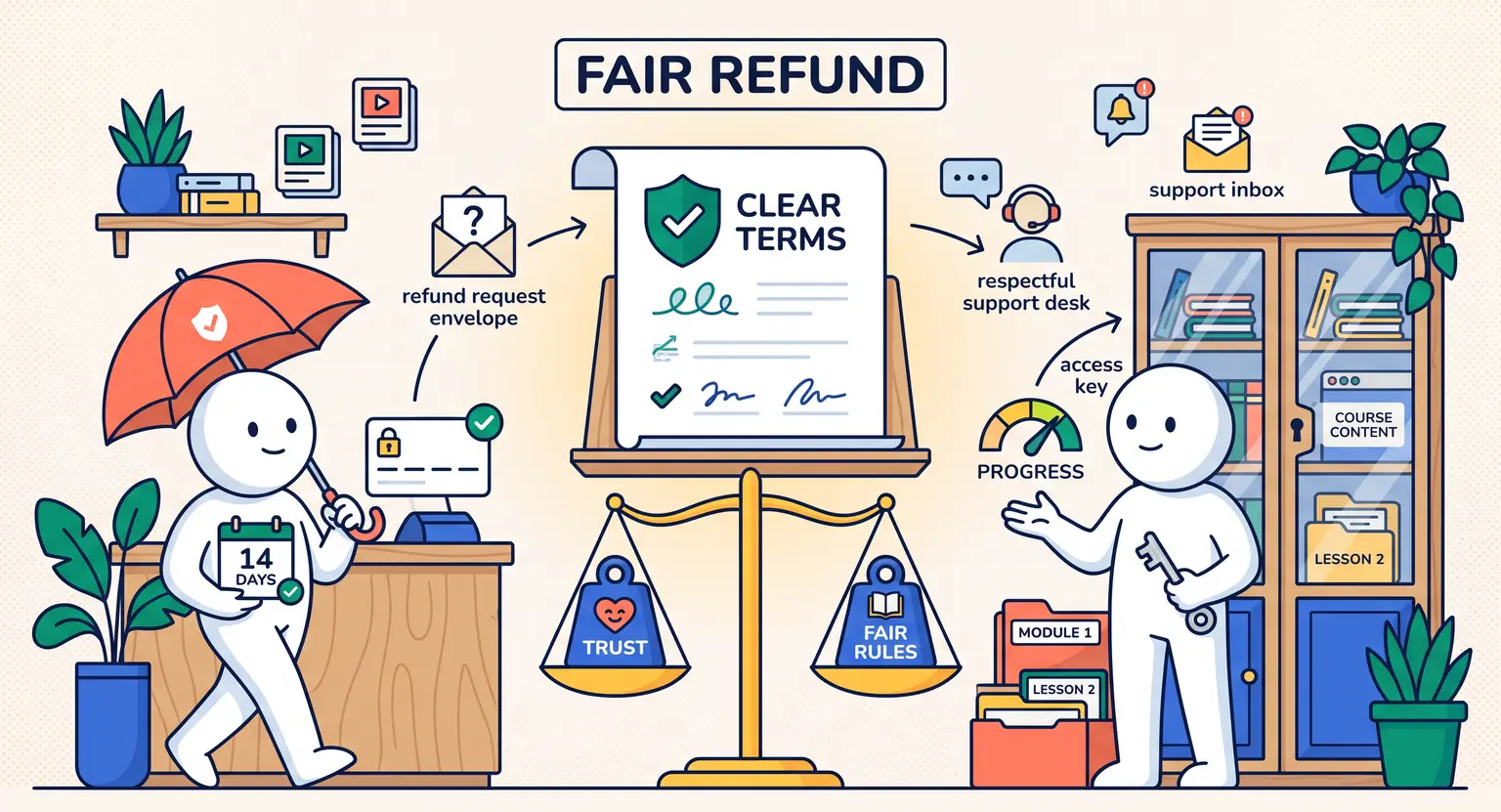 How to Create a Course Refund Policy (Templates & Best Practices for 2026)
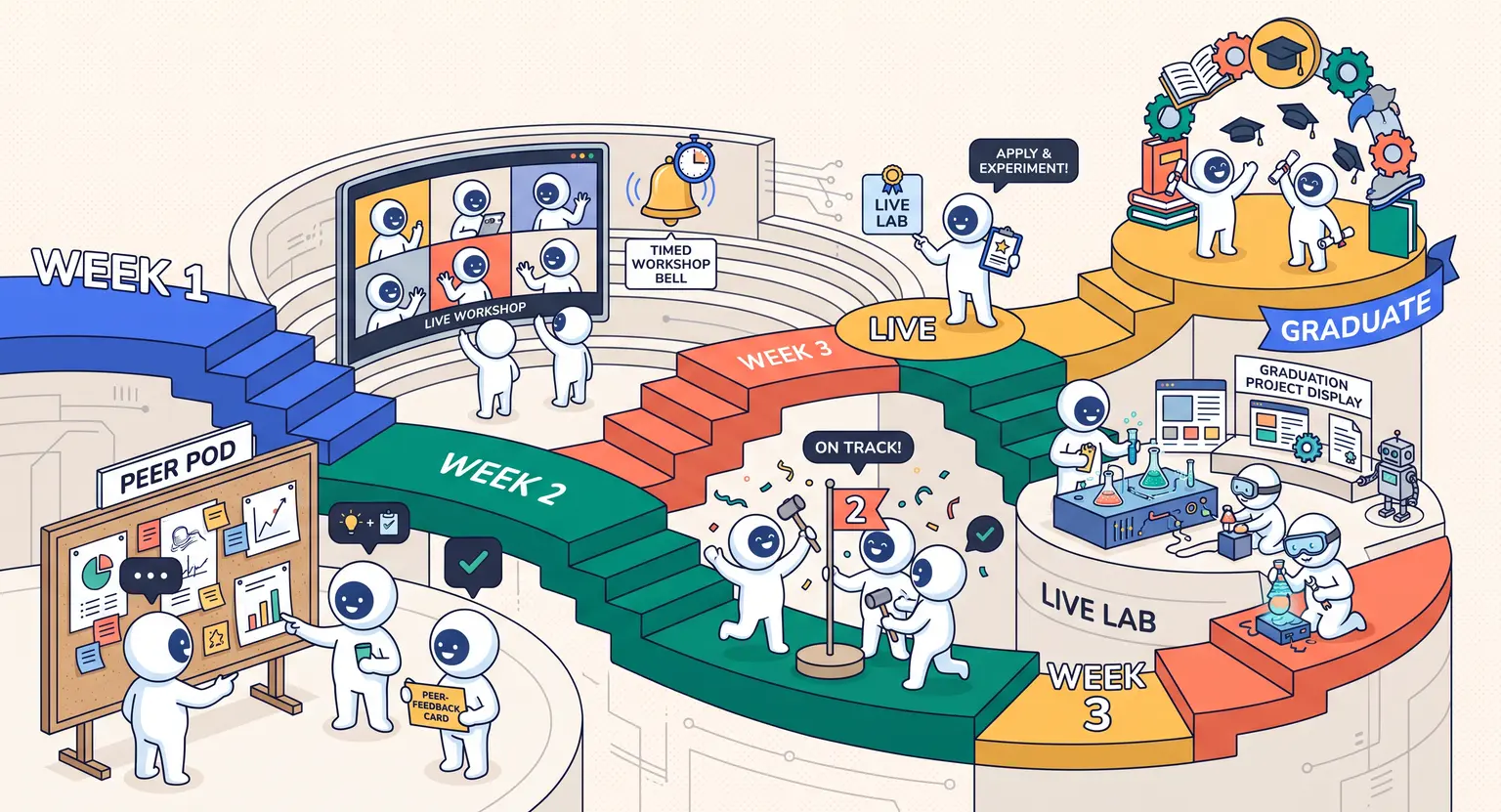 How to Create a Cohort-Based Online Course (2026 Guide)
 How to Sell an Online Course With a Quiz Funnel (2026 Guide)
 How to Sell an Online Course Through a Sales Call (2026 Guide)