







How to Run a Group Coaching Program: The Ultimate 2026 Framework
How to Run a Group Coaching Program
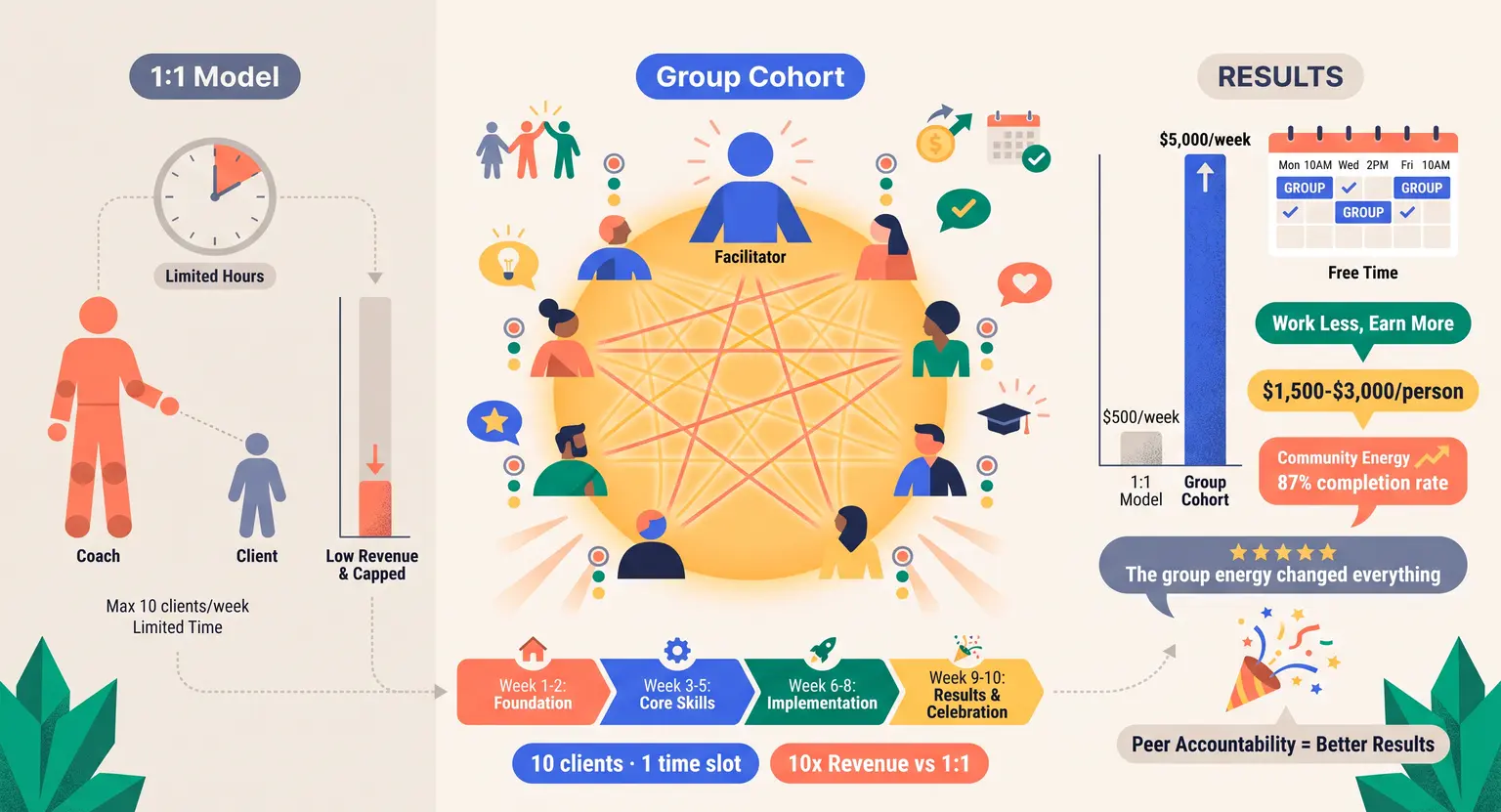
Trading hours for dollars gets old fast. If you are coaching one-on-one, you already know the limits of your schedule.
There are only so many hours in a week, and your energy is not an infinite resource - that is why moving toward a cohort-based model is the smartest move you can make this year.
It lets you support more people, build a passionate community, and drastically increase your revenue without sacrificing your free time.
But organizing a group is not just about inviting ten people onto a Zoom call and hoping for the best. To build something that really delivers results, you need a system.
Let us look at what it takes to organize, structure, and host an online coaching program that keeps your clients coming back.
Key Actionable Takeaways
-
Targeted Transformation : focus every cohort session on a clear, single roadmap so participants actually achieve tangible results.
-
Strategic Growth : transitioning from 1:1 sessions helps you scale your coaching business and leverage your knowledge efficiently.
-
Curated Formats : use structured modules combined with interactive Q&As to build peer trust and maintain momentum.
-
Start Smart : learn how to start a training business systematically to lay down a healthy software and billing foundation.
Why Shifting to Group Learning is Your Best Growth Strategy
Running individual calls can feel satisfying, but it eventually locks you in a box. You cannot accept new clients without losing your weekends. By switching to a group layout, you instantly free yourself from that trap.
But the real magic of this format is not just about your personal freedom. It is about the transformation your clients experience. In a collaborative setting, people learn incredibly fast because they hear other members ask questions they had not even thought about themselves.
They find relief in knowing they are not alone. So, instead of being the sole source of answers, you act as the facilitator. Your clients form deep bonds, keep each other accountable, and achieve progress at almost double the pace.
Designing this setup also means you can offer a more wallet-friendly price point for clients who cannot afford your private rates - this broadens your reach while simultaneously boosting your total hourly earnings.
It is a massive win for everyone involved.
Designing Your Signature Curriculum and Duration
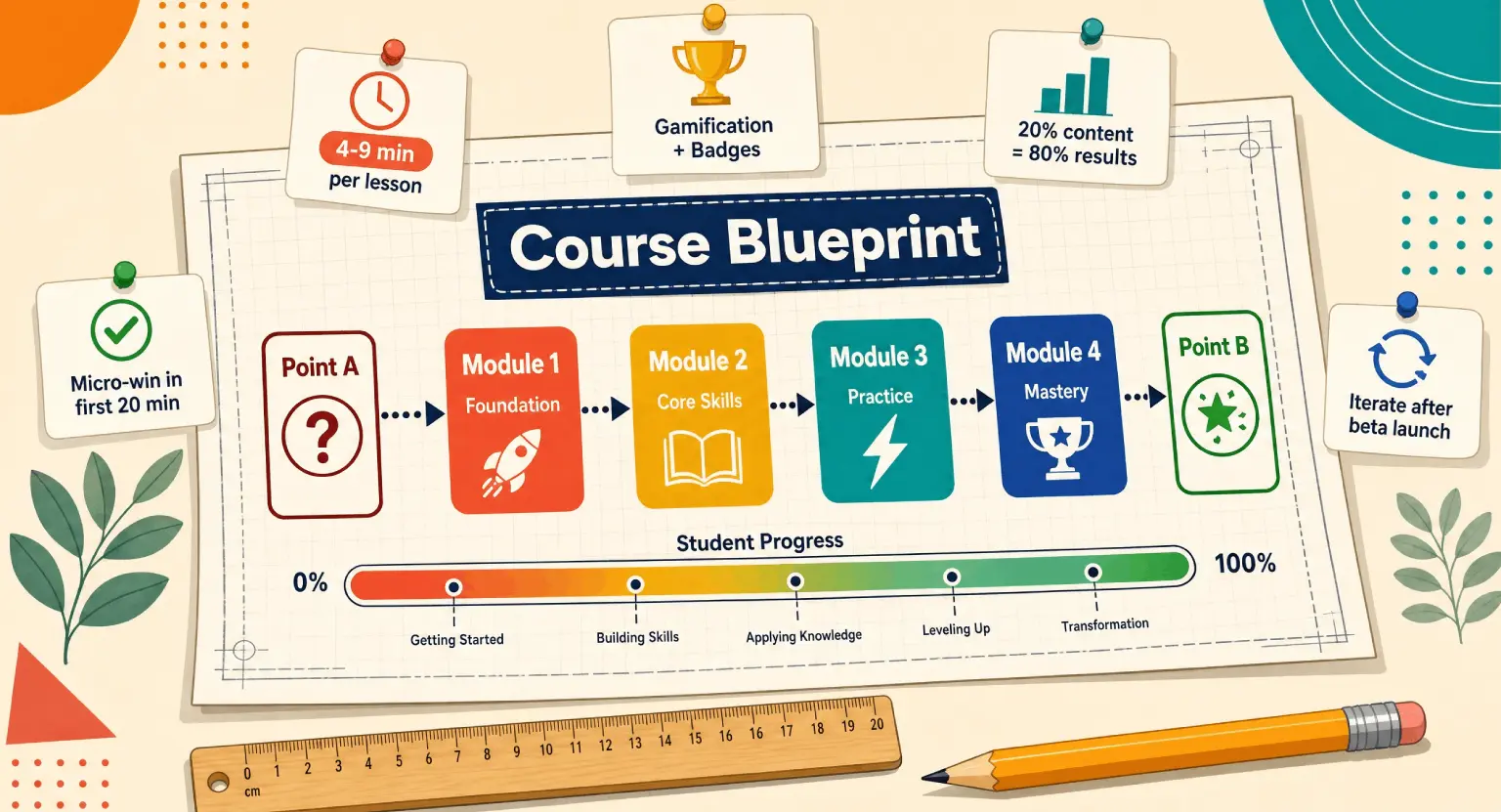
Before you send out payment links, you must clarify your plan. You must outline the roadmap that guides your students from point A to point B. If your curriculum is too general, your group will lose direction.
First, identify the exact result they want. Are they trying to write a book, structure a business, or learn healthy lifestyle habits?
Once you have that locked in, map out the phases.
We highly recommend developing an outline first to keep the milestones logical and straightforward. If you want to know how to create a signature program that works, keep it outcome-focused.
For most niches, an eight-week to twelve-week timeline is the absolute sweet spot. It is long enough to foster deep progress, but short enough to keep people from burning out. If you make it longer, life gets in the way, and attendance begins to drop.
So, break your timeline into distinct segments :
-
Week 1-2 : foundations and setting clear baseline goals.
-
Week 3-5 : deep dive execution where they implement major actions.
-
Week 6-7 : overcoming obstacles and feedback sessions.
-
Week 8 : final integration, milestone celebration, and outlining next steps.
By keeping the timeline tight, you naturally keep the enthusiasm high throughout the entire cycle.
How to Run Engaging and Interactive Sessions
A great group session is active and conversational, not a one-way lecture. If they just want dry information, they can watch a pre-recorded video. They joined a live group to get real coaching and direct human interaction.
Keep your live calls limited to sixty or ninety minutes. Any longer and attention spans decline sharply. We like to divide each session into three distinct blocks :
-
Celebrate Wins (10 mins) : let members share their victories from the past week. This starts the call on a high note and rewards micro-progress.
-
Micro-Learning (20 mins) : share a short, hyper-focused lesson. Give them exactly what they need to execute the next step. To prepare for this, learn how to create engaging course content that answers immediate questions.
-
Hot-Seat Coaching (50 mins) : this is where you actually coach. Invite members to discuss their issues live. Coach them individually while the rest of the group listens and takes notes on shared mistakes.
-
Action Steps (10 mins) : wrap up by asking everyone to declare their single commitment for the coming week.
This layout ensures that the energy remains high, and nobody feels like they are wasting their valuable time.
Choosing Your Delivery and Tech Framework
Running a seamless program depends heavily on your choice of platform.
If you have to jump between five different pieces of software for billing, hosting, and chat, both you and your students will end up frustrated. That is why finding the best platform to sell online courses that handles everything under one roof matters so much.
You need an environment where you can host video lessons, store workbooks, automate emails, and conduct live webinars smoothly.
To help you visualize the shift, look at how the delivery framework changes compared to standard one-on-one sessions :
| Feature node | 1:1 coaching setup | Group coaching setup | Primary tech tool |
|---|---|---|---|
|
Content delivery |
Manual sharing of files, emails, or links during private live calls. |
Automated learning portal where students access lessons on demand. |
LearnyBox Portal. |
|
Session format |
Bespoke conversational calls customized on the fly for one client. |
Structured cohort calls featuring laser coaching and hot seats. |
Integrated Live Webinars. |
|
Community space |
None. The coach represents the only point of guidance and support. |
Structured forums, threads, or channels where peers assist peers. |
Interactive Community Board. |
|
Accountability tracking |
Verbal checks in meetings or sporadic messaging support. |
Gamified milestones, group threads, and weekly progress logs. |
Automated Quiz and Metric Tracker. |
Keeping Engagement High Between Calls
Live calls are only part of the journey. What happens between those sessions decides whether your clients stay motivated or drift away. You want to keep the conversation flowing naturally throughout the week.
First, set up a dedicated community space. When peers talk to each other, they share insights and solutions without needing your direct presence.
Second, pair people up as study buddies or accountability partners. Having a specific peer to check in with raises goal-achievement rates dramatically.
Third, leverage regular check-ins. A simple automated email or prompt in the community space keeps everyone focused.
So, construct your program so the learning continues even when you are offline. This makes the live meetups far more productive.
While learning how to organize a successful webinar helps you nail the live components, a stellar offline support system ensures lasting transformation.
Pricing and Marketing Your Group Program
How do you price this new offer? Many coaches make the mistake of pricing their group program too low. They assume that because it is not 1:1, it should be cheap - but remember, the value is in the outcome and the network they gain, not just your individual face time.
Usually, you should price your group space at roughly 30% to 50% of your private rate. If your 1:1 service costs $2,000, your group program should sit around $700 to $1,000. This maintains a highly premium brand identity while offering an accessible tier.
To market the program successfully, tap into your existing email list. Pitch the transition as an exclusive launch with limited seats. Tell them about the community aspect and how they will learn alongside other ambitious peers.
Use webinars, social proof, and direct outreach to fill up your slots. Once you are ready to launch, you can use LearnyBox to sell online courses and configure your merchant services seamlessly.
Explore Further :
-
Read more useful articles on our marketing blog to fast-track your business growth and scale your business effortlessly.
Frequently Asked Questions
What is the ideal group size for coaching?
We always recommend starting with eight to twelve active participants. This size keeps things highly personal while still driving great community discussions.
How do you handle difficult group members?
Set clear community agreements during week one. Address disruptive behaviors privately via email immediately to protect the shared safe environment.
Do I need pre-recorded training videos?
Not necessarily. You can deliver your curriculum entirely live. Over time, recording lessons will allow you to scale your delivery.
How do you structure feedback loops?
Use short weekly forms to collect client wins and questions. This helps you refine future modules based on real feedback.
Additionally, schedule brief mid-cohort feedback surveys to assess client satisfaction and identify any adjustments your curriculum might need before the program ends.
These active responses ensure that your program delivers maximum long-term transformations for every single person in the group.



 How to Create a Course Refund Policy (Templates & Best Practices for 2026)
 How to Sell an Online Course Through a Sales Call (2026 Guide)