







How to Create a Signature Program in 2026: The Master Guide
How to Create a Signature Program
Key Takeaways
-
Identify a singular, value-driven transition for your dream client instead of throwing a massive pile of random information at them.
-
Validate your program concept in the real world through pre-selling before spending endless hours recording high-definition video content.
-
Use structured modules, community elements, and systematic progress milestones to ensure real, measurable transformations.
-
If you want to start a training business that actually thrives, you need to step away from customized one-off consulting packages.
Look, let's stop playing small. If you have been working as a coach, consultant, or online content creator for any length of time, you already know the brutal reality.
Trading your precious hours for dollars is a fast track to mental and physical exhaustion. There are only so many hours in your schedule, and you cannot copy-paste your personal presence.
If your income depends entirely on you sitting live in front of a web camera, your business model is fundamentally broken - you are not running a free business; you are simply owning a highly demanding, exhausting day job where you are your own boss.
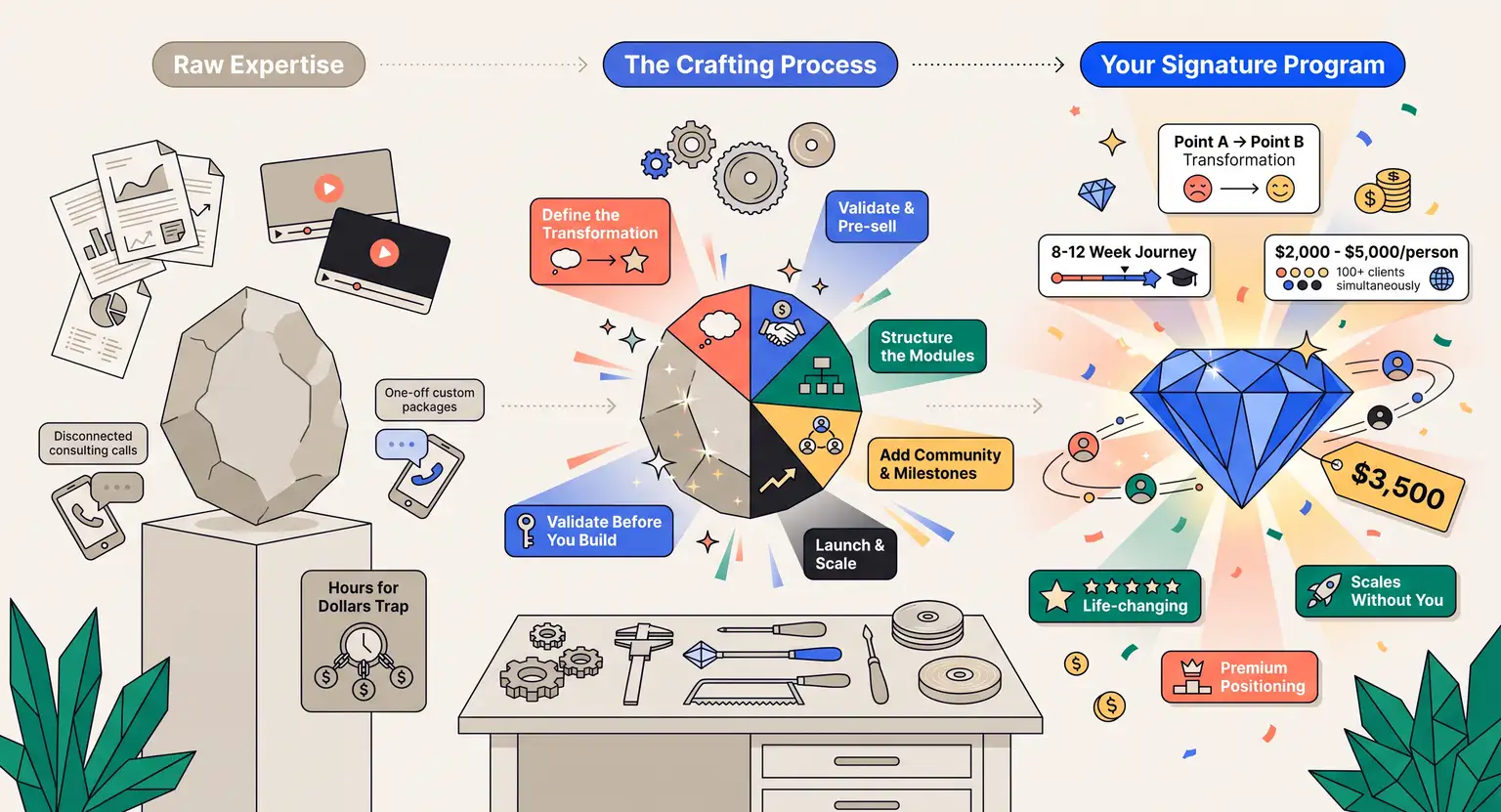
So, how do we break free from this relentless cycle? The answer is simple, though it requires intentional strategic execution - you must package your unique brilliance into a structured digital framework.
You need to construct what we call a signature program.
This is a premium, flagship digital offering designed to take a client from a specific, painful problem to an unmistakable, massive victory. And the best part? It allows you to impact hundreds of people simultaneously without working yourself to the bone.
But building this kind of framework requires more than just compiling a bunch of loose video lessons and hoping for the best. You need a clear, realistic map that honors your knowledge and respects your prospective audience's busy lives.
Defining the Concept of a Signature System
Before we get into the actual setup blocks, let's clarify what we mean when we use this terminology. A signature program is not simply another basic online course - it is a structured transformational journey.
When people sign up for a typical online course, they are usually looking for raw information, like learning how to configure a specific software or understand basic bookkeeping rules. But when people purchase a signature offer, they are buying a targeted, life-changing shift.
Think of it this way : a standard product is a collection of facts. Your signature program is an entire ecosystem designed for implementation. It is a proprietary, step-by-step methodology that you developed through years of hands-on work, personal triumphs, and real-world trials.
It addresses the emotional, strategic, and practical roadblocks your ideal client faces along the path. And it is built around a single, highly refined transformation.
When you structure this journey correctly, you position yourself as the ultimate authority in your space. You are no longer comparable to other practitioners who charge hourly rates.
Instead, your audience views you as the sole architect of the exact transformation they desire. This shifts the entire dynamic of how you acquire leads and convert sales.
Phase 1 : Narrowing Down the Ultimate Transformation
The biggest mistake I watch experts make is trying to teach everything they know all at once.
They want to compile twenty years of wisdom into a single, overwhelming package. This is a guaranteed recipe for failure.
Your students do not want an encyclopedia; they want a shortcut. They are looking for the fastest, most effective way to cross the bridge from pain to relief.
To design a signature system that truly resonates, you must begin by defining three vital pillars :
-
The Point A (Current State) : what is the specific nightmare your ideal client is living through right now? What keeps them awake at two in the morning? Be as specific as possible here. Instead of saying "they want to be happier," target "they are stuck in a high-stress corporate job and feel completely disconnected from their family."
-
The Point B (Desired Destination) : what does their life look like after succeeding with your framework? What is the ultimate victory? Again, make it concrete. If they finish your system, what specific, measurable reality have they unlocked?
-
The Mechanism : this is your unique way of bridging the gap. It is your proprietary framework that makes the transition possible. This is where you outline your core steps or milestones.
If you are hoping to scale your coaching business to steady, automated revenue, this clarity is your absolute foundation.
Without a clearly defined Point A and Point B, your marketing copy will sound incredibly vague, your program structure will feel messy, and your clients will fail to get results because they do not have a defined path to follow.
Phase 2 : Deconstructing Your Method Into Structured Milestones
Once you have identified the primary transition, you need to map out the journey into bite-sized milestones.
I want you to imagine you are guiding a close friend up a steep mountain. You would not tell them to leap from the bottom to the peak in a single jump - you would design specific camp locations along the way to rest, rehydrate, and check their progress.
Your program modules work the exact same way. Each module should represent a distinct milestone. When a student completes a module, they should feel a small but significant victory. They should be able to say, "I have officially checked that step off my list."
Let's break down how this works by using a real-world example. If you are creating a program to help experts design and launch digital training offers, your milestones might look like this :
-
Milestone 1 : finding and validating a highly profitable topic area. This includes talking to prospective buyers and testing the demand.
-
Milestone 2 : structuring the modular learning path. This is where you create a robust syllabus.
-
Milestone 3 : building the marketing assets and checkout pages.
-
Milestone 4 : executing a lightweight launch to enroll founding students.
But here is the trick : limit your program to between three and five core milestones. If you go beyond five, you risk overwhelming your audience. Each milestone can then be split into three or four short, action-focused lessons.
When you design this structure, you want to focus heavily on the learning path.
Highly actionable programs always lead to better client results. If you are curious about creating a stellar breakdown, you can read our deep dive on structuring your program curriculum to make sure your students actually complete what they start.
Phase 3 : Real World Validation and the Founding Member Launch
And now we arrive at the phase where most builders stumble. They disappear into a dark room for six months, record eighty hours of high-definition videos, build incredibly complex website systems, and design gorgeous worksheets.
Then, they finally step out into the daylight, launch their program, and hear nothing but crickets. It is a heartbreaking scenario, and it is completely avoidable.
The secret to success is validation. You must make sure that real people are willing to open up their wallets and pay for your solution before you spend hours filming curriculum videos.
We call this running a founding cohort launch.
So, how do you execute this? You put together a simple, highly persuasive offer sheet.
This sheet details the transformation, the milestones, and the starting date. Then, you reach out to warm contacts, previous customers, or your social media audience. You offer them a special, highly discounted "Founding Member" price.
In exchange for this lower investment, they get direct, live access to you as you teach the program live for the very first time, and they agree to provide feedback and testimonials along the way.
This approach is highly beneficial because it funds your development process. You get paid to create your signature offer - even better, you get to adapt the materials in real time based on the actual, direct feedback your founding cohort shares with you.
If you want to master this phase, check out this guide on how to validate your offer idea to eliminate all financial risk from your business ventures.
Structuring the Perfect Delivery Model
Once you have validated the demand, you must choose how you want to present your signature program. Modern program delivery features a mix of different educational styles.
In 2026, students are tired of passive learning. They do not want to buy a massive course of pre-recorded videos that they will never open : they crave dynamic environments, accountability, and community.
But how do you deliver this without burning yourself out?
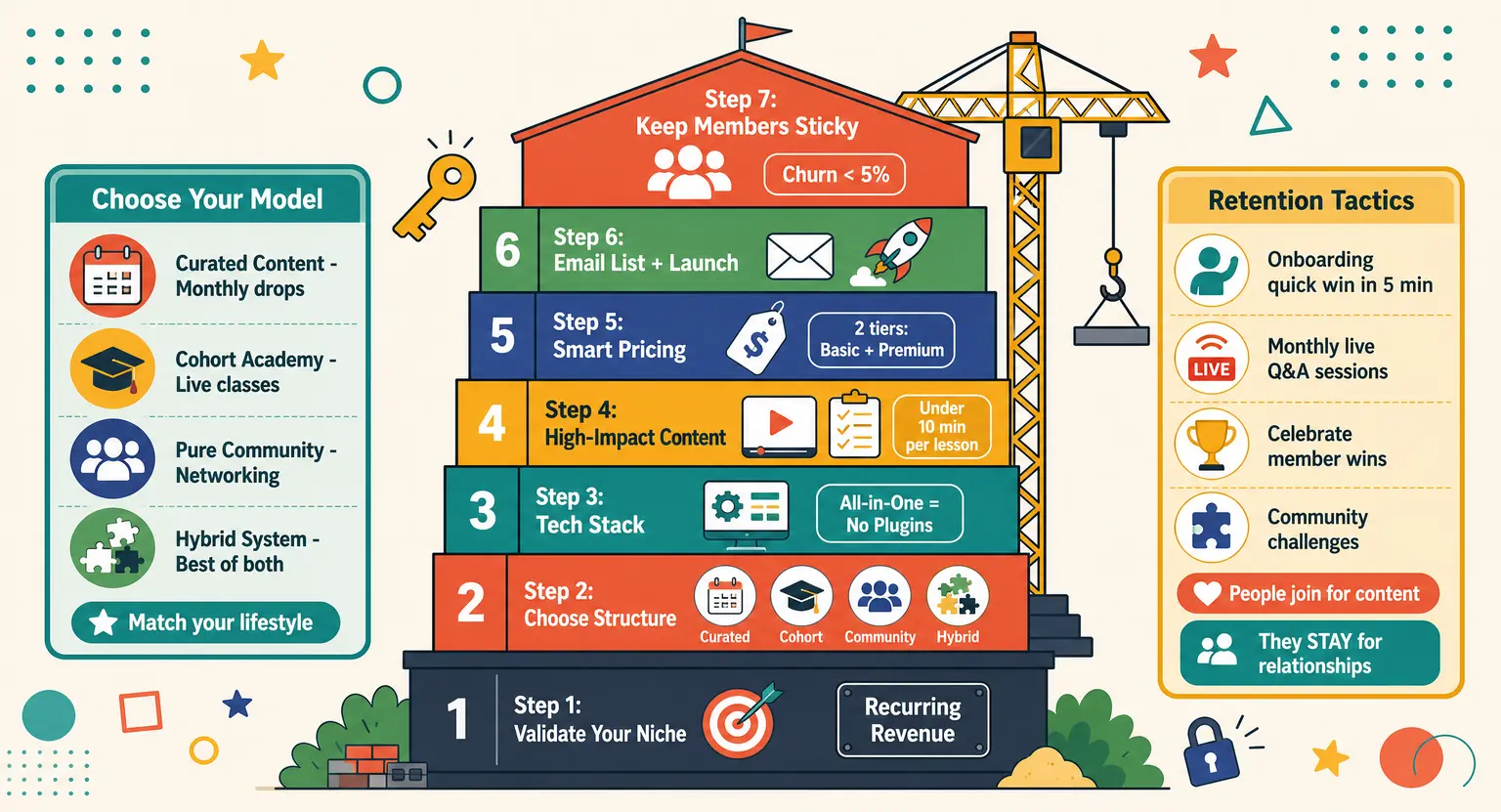
The sweet spot is a hybrid delivery format. This model balances leverage with human support to give students the absolute best chance of success.
Here are the core components you should look to combine :
-
Asynchronous Training Assets : short, dynamic pre-recorded lessons that explain core concepts. This is where your frameworks and mechanical systems live. Keep these videos brief and focused.
-
Interactive Live Elements : weekly or bi-weekly group question and answer sessions where you unblock students. This is where you can help them apply your framework to their unique situations.
-
Safe Community Hubs : a private group where students can connect, share wins, and ask questions. This relieves you of being the sole source of communication and allows peer-to-peer accountability to carry the weight.
-
Actionable Worksheets : minimalist, impact-driven tools that help students implement each lesson fast instead of just reading about theory.
By structuring your offer this way, you make the learning experience highly engaging. If you want to support multiple clients effectively, you should learn how to run a group coaching program that keeps students highly engaged and moving forward without eating up all your calendar hours.
Comparing Different Delivery Formats
To better understand the value of this approach, we can compare standard educational delivery models.
| Feature | One-on-one coaching | Standard online course | Signature program |
|---|---|---|---|
|
Main focus |
Immediate customized advice. |
General information sharing. |
Step-by-step transformation. |
|
Time freedom |
Extremely poor leverage. |
High leverage, low setup. |
Excellent leverage, scalable. |
|
Pricing potential |
Medium pricing limits. |
Low prices ($50 - $200). |
Premium ticket ($1,000 - $5,000). |
|
Client success |
Varies widely by person. |
Frequently very low rates. |
High due to structural support. |
Selecting Your Toolset and Executing the Launch Campaign
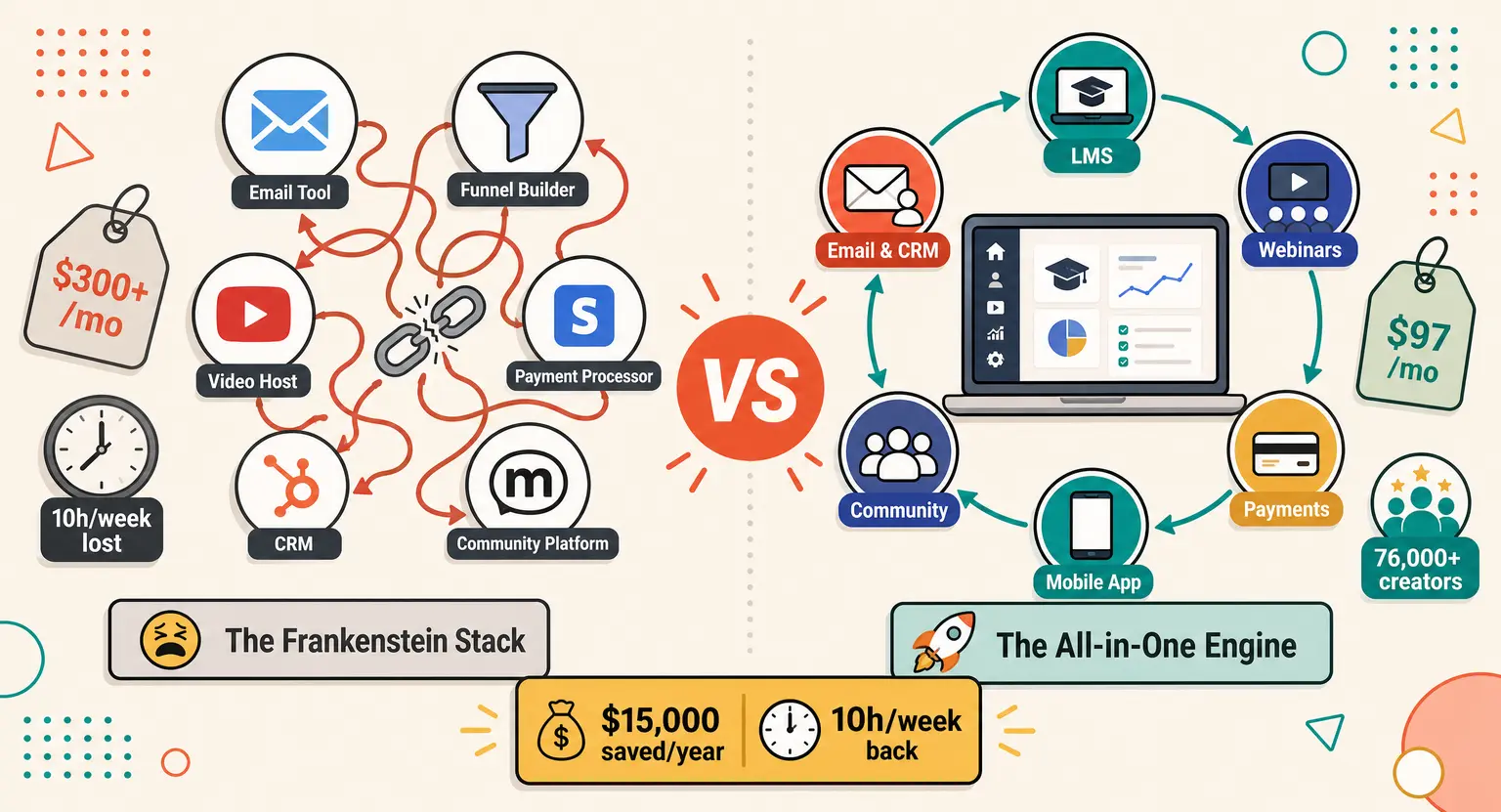
But how do you handle the logistical work without getting stuck in technology headaches? Many emerging program builders spend weeks trying to connect different email service software systems to video players and checkout tools.
This is a massive waste of precious time. Instead, you should run your offer on a dynamic all-in-one platform solution. This centralizes your checkouts, hosting, memberships, and marketing in one straightforward hub.
When you are ready to put your system in front of your target audience, you must execute a calculated campaign.
Understanding how to launch an online course of this caliber involves mapping out a clear runway of educational emails, hosting a live workshop to demonstrate your methodology, and closing the open cart with a strong call to action.
And do not ignore your financial strategy. Your pricing setup will dictate your launch success. Look at the best pricing structures and plans to establish a premium price point that reflects the major value you are bringing to the table.
Explore Further :
-
To manage your membership communities and coordinate your sales pages effortlessly, visit learnybox.com to organize your own unique modern digital framework.
Frequently Asked Questions
What is the difference between a signature program and a standard online course?
Standard courses share basic facts or features. A premium signature program delivers a deep, end-to-end transformation using a proprietary, step-by-step methodology combined with community validation, live coaching, and active support.
How long does it take to design and launch this program?
Most program builders need six to twelve weeks. Spend the first few weeks validating the concept, then teach your first cohort live before recording any video lessons.
Can I launch this if I have a very small audience?
Yes, absolutely. Because signature programs deliver highly valuable transformations, you can easily charge premium ticket pricing. You only need five to ten initial clients to run a successful, profitable pilot launch.
Do I need expensive software to run my signature program?
No, not at all. Standard software platforms manage your checkouts, private membership hubs, automated email campaigns, and video assets in one dashboard, completely eliminating the need for expensive web developer retainers.





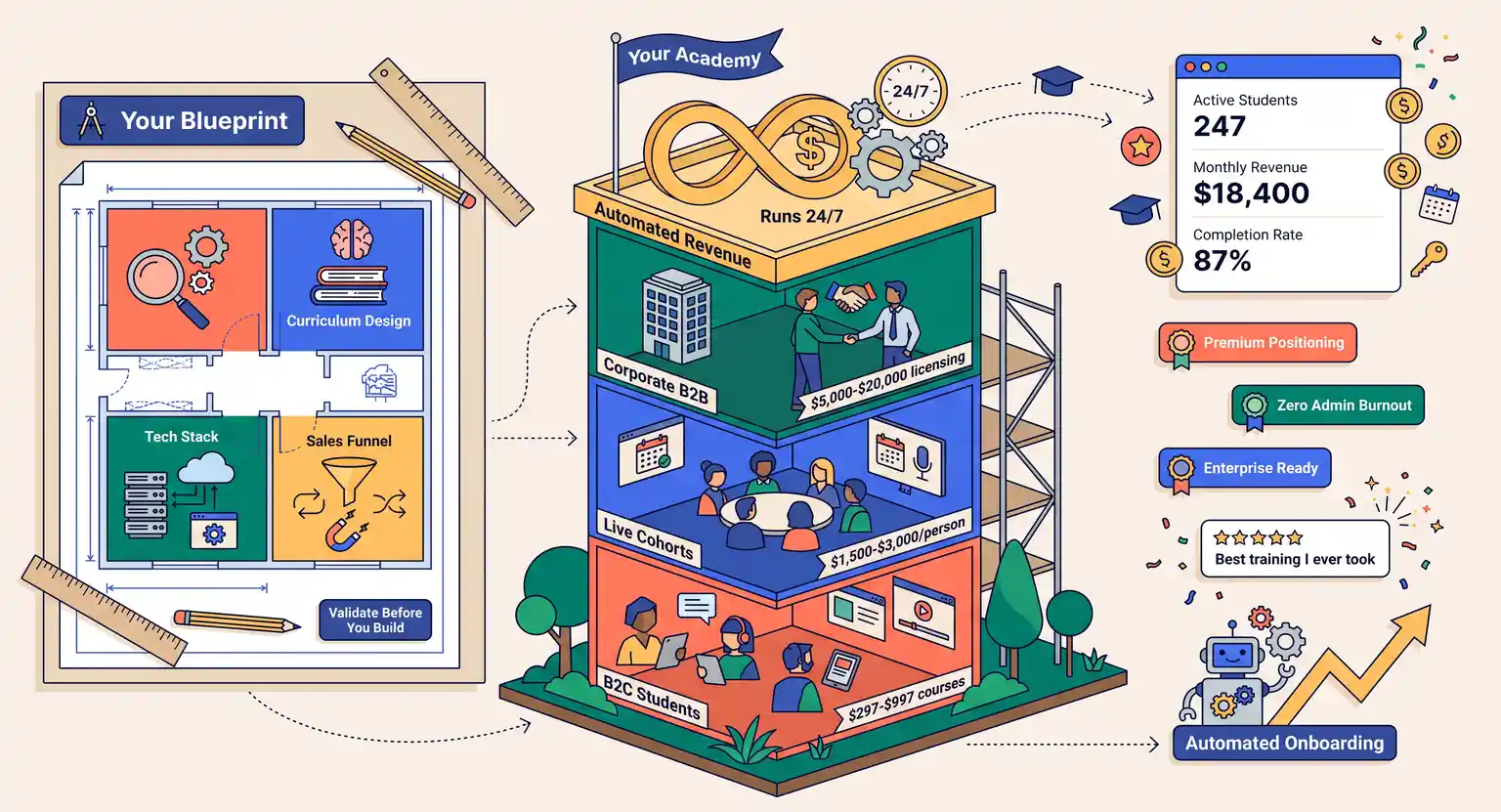 Start a Training Business in 2026: Definitive Step-by-Step Blueprint
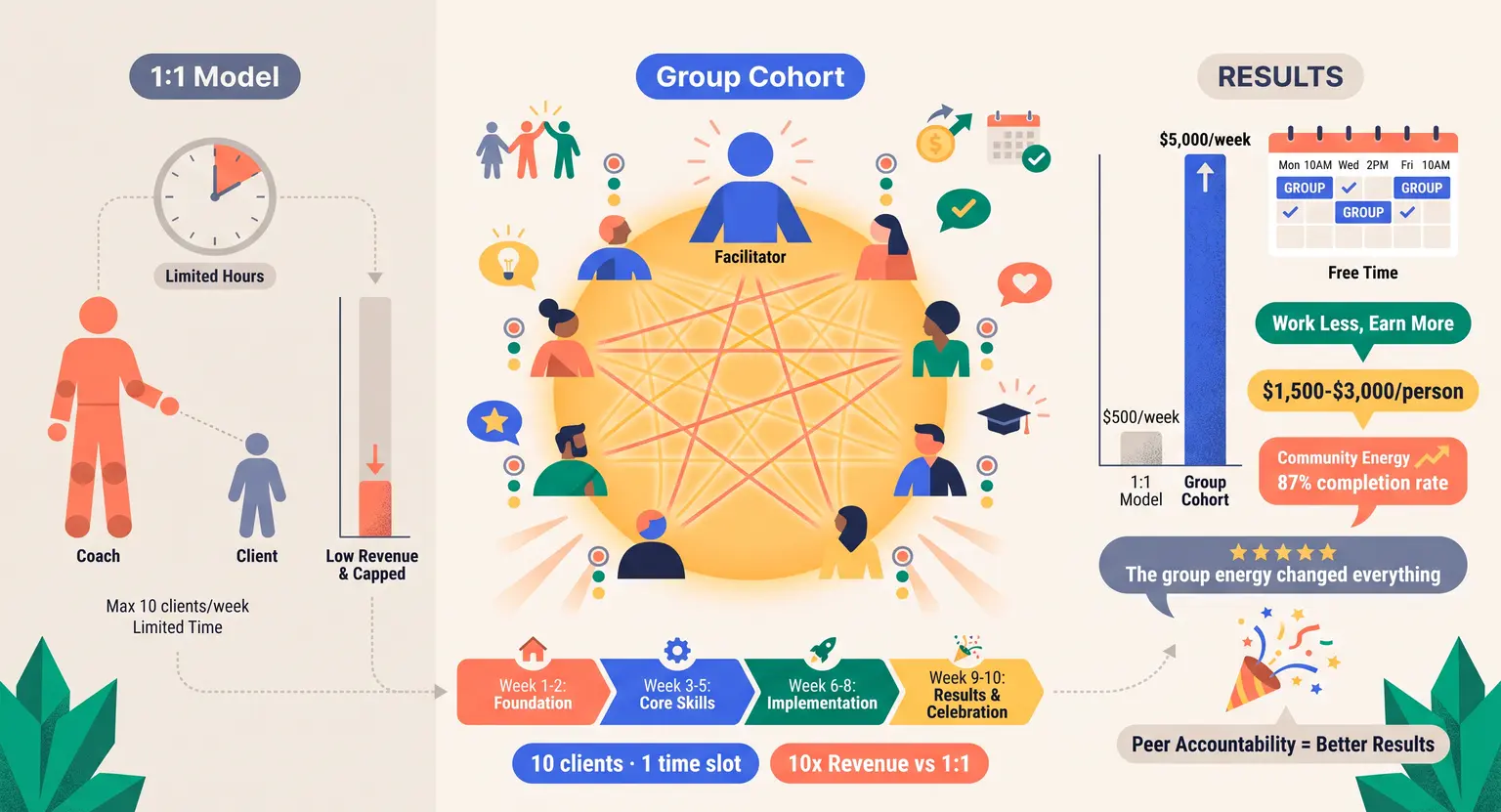 How to Run a Group Coaching Program: The Ultimate 2026 Framework
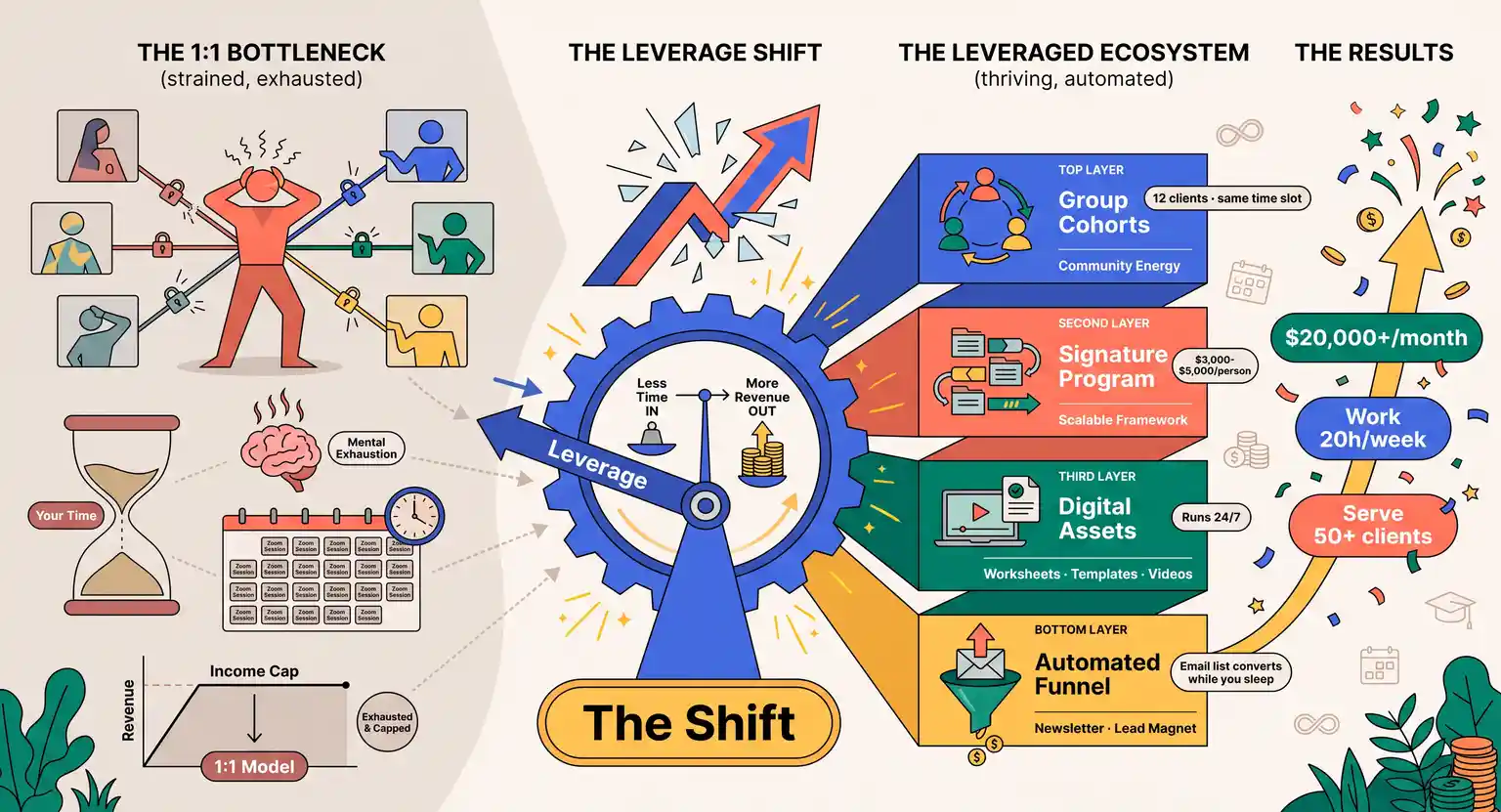 How to Scale a Coaching Business: The 2026 Leverage Blueprint
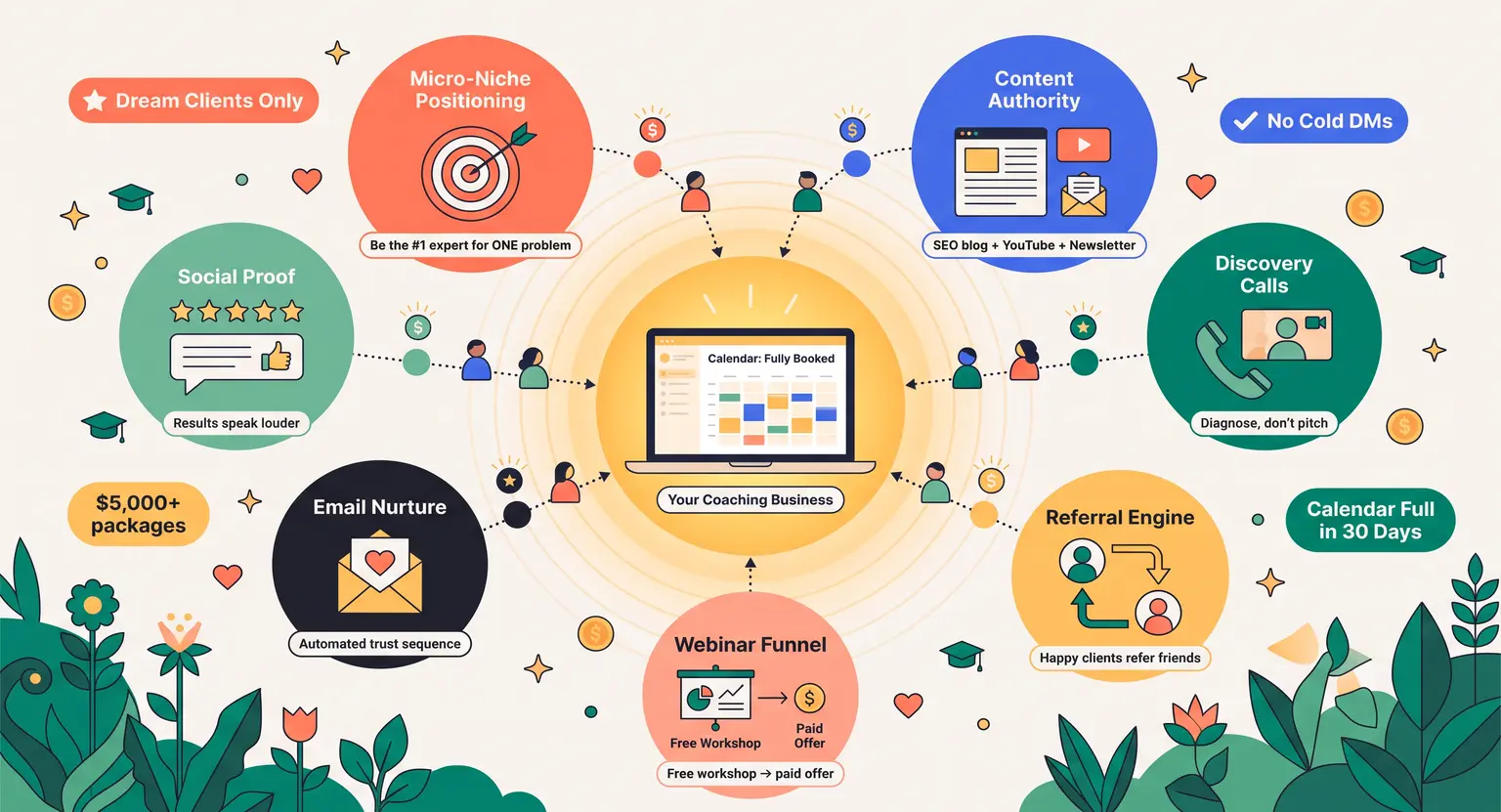 How to Get Coaching Clients in 2026: The Ultimate Guide