







How to Scale a Coaching Business: The 2026 Leverage Blueprint
How to Scale a Coaching Business
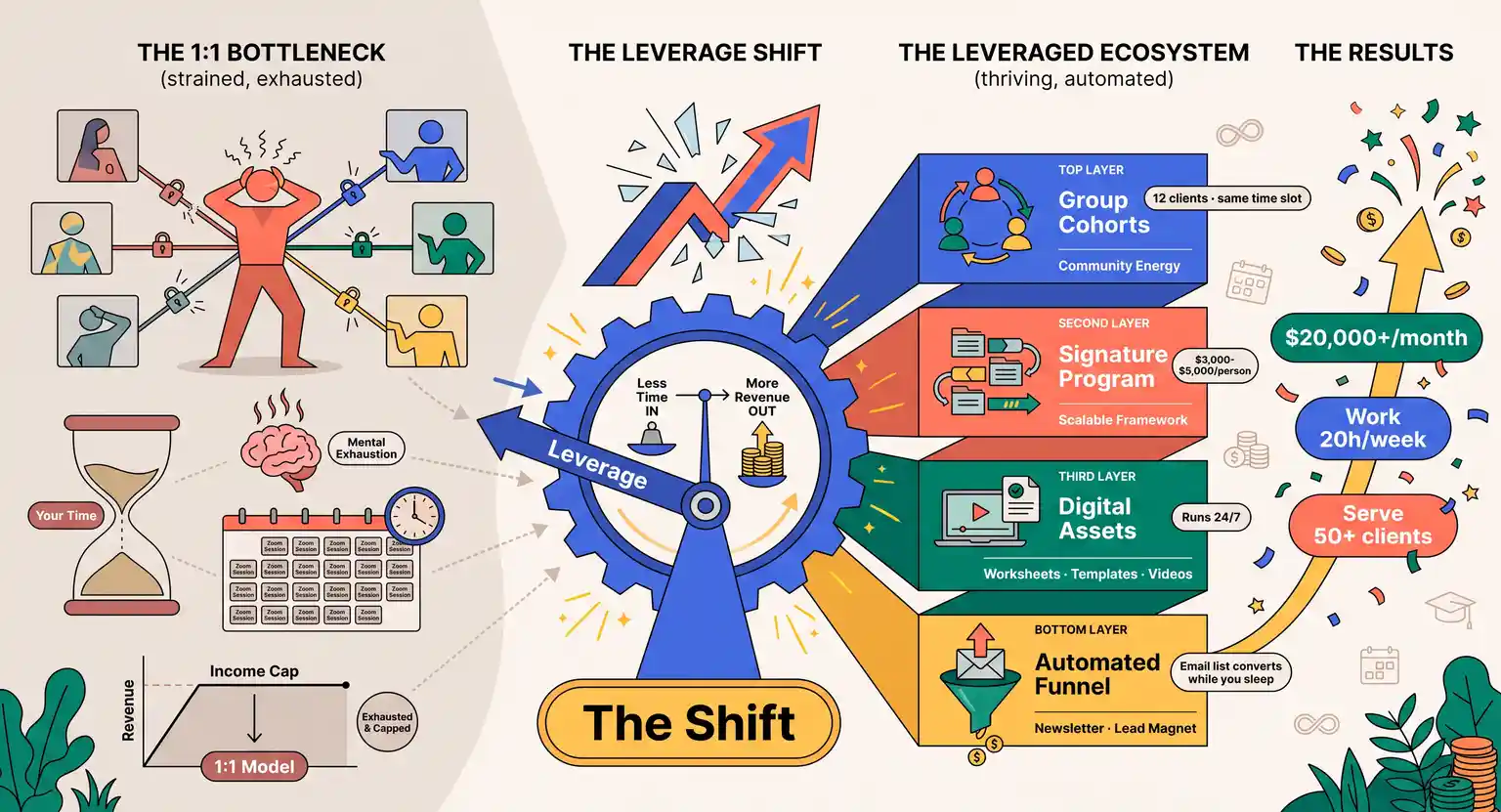
Let's cut straight to the point : you are tired. You love helping people, but your calendar is packed.
That packed schedule is exactly what is keeping you trapped. When your income is tied to your physical presence, you don't own a scalable business; you own a demanding job.
If you want to break past that ceiling, you must shift your perspective.
The coaching landscape in 2026 does not tolerate outdated delivery styles. Today's clients are highly selective; they want structured frameworks, community energy, and real-time support without having to wait weeks for a personal check-in.
Scaling your business isn't about working more hours - it is entirely about detaching your time from your revenue engine.
But how do you pull off this transformation without losing that personal, human touch? It starts by abandoning the assumption that 1:1 interactions are the gold standard.
By packaging your expertise into structured pathways, you provide superior value while giving yourself space to breathe easily today.
Key Takeaways for Scaling Success
-
Move Past 1:1 : transitioning your core methodology into structured formats is the absolute prerequisite to business growth.
-
Adopt Group Formats : leverage community mechanics to boost student engagement and ease your private schedule.
-
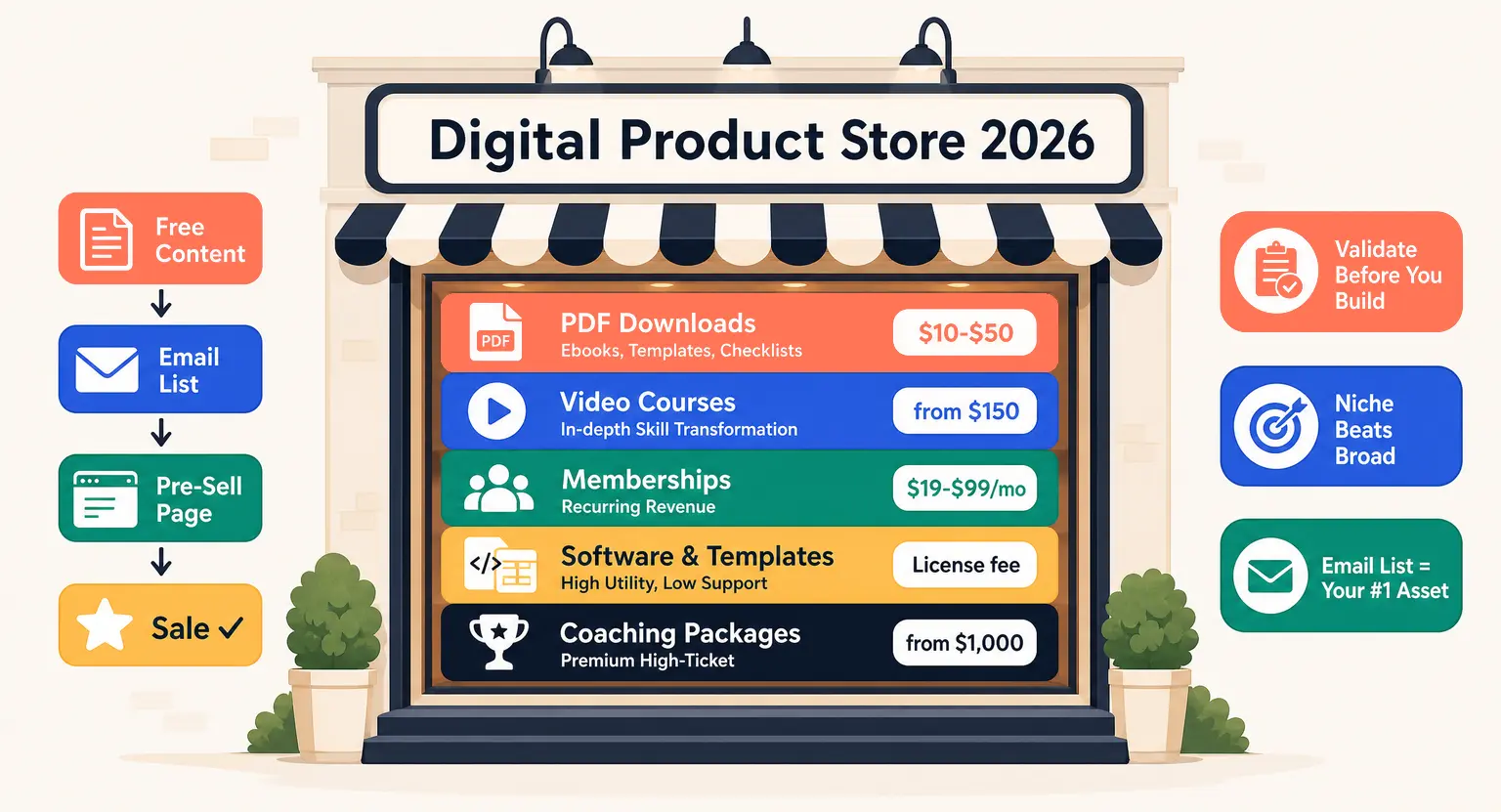
Build Assets : create high-quality digital products, worksheets, and templates that handle basic foundational educational needs seamlessly.
-
Grow Your Distribution : shift efforts from manual outreach to automated processes like establishing a steady newsletter and discovering how to build an email list that converts, growing an active directory of potential buyers instead of chasing cold direct messages.
-
Simplify Your Entire Tech Stack : use specialized software to run your curriculum, payments, and client communications in one centralized, secure system.
The Invisible Ceiling of 1:1 Coaching
We have all been there. You start your coaching journey filled with enthusiasm, but fast-forward a few months, and reality sets in - your schedule is a mosaic of Zoom links.
You repeat the same basic lessons twenty times a week.
Your brain feels fried, and you hit an absolute limit on earning potential.
This ceiling exists because you trade time for money. If you want to increase revenue in a 1:1 model, you only have two options : raise rates to astronomical levels or work yourself into exhaustion.
Raising rates works up to a point, but eventually, you hit market resistance. It becomes harder to close clients when ticket prices are higher than what people justify.
Working more hours leads to burnout. When you are tired, your coaching quality drops, your energy flags, and clients notice.
If you get sick or take a vacation, your revenue drops to zero - that is not a business; it is a treadmill that drains your creative soul.
Scaling your model is the single logical exit.
Designing Your Scalable Signature Program
To make your business scalable, you have to transition from custom services to a structured experience.
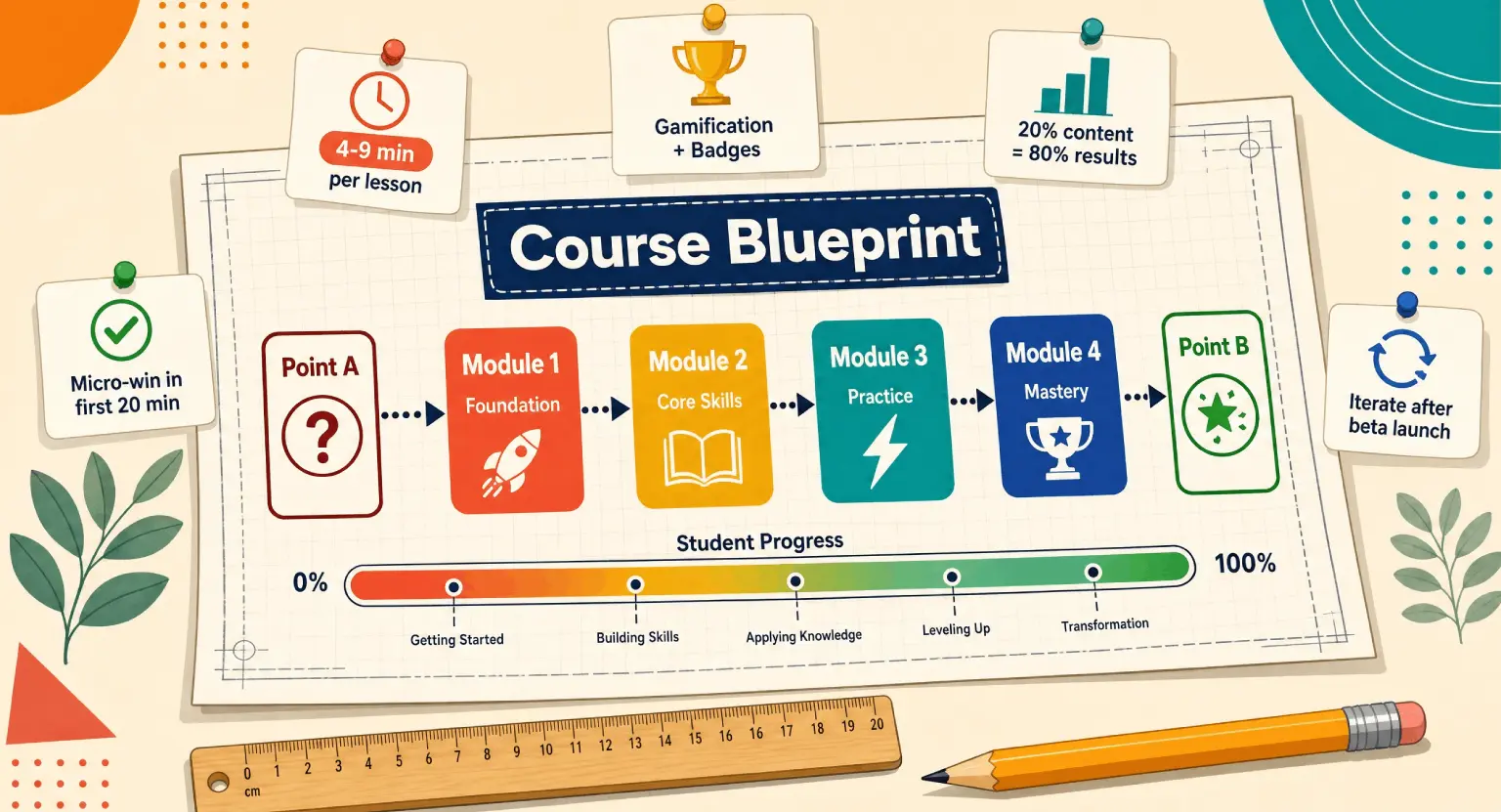
When you treat every client like a custom project requiring custom advice, systemizing your work becomes impossible. Instead, you need to identify the exact path your most successful clients travel to go from point A to point B.
This proven journey is your proprietary framework. By organizing this pathway into sequential steps, you write the blueprint of your methodology.
Why explain the same basic guidelines over and over on individual video calls?
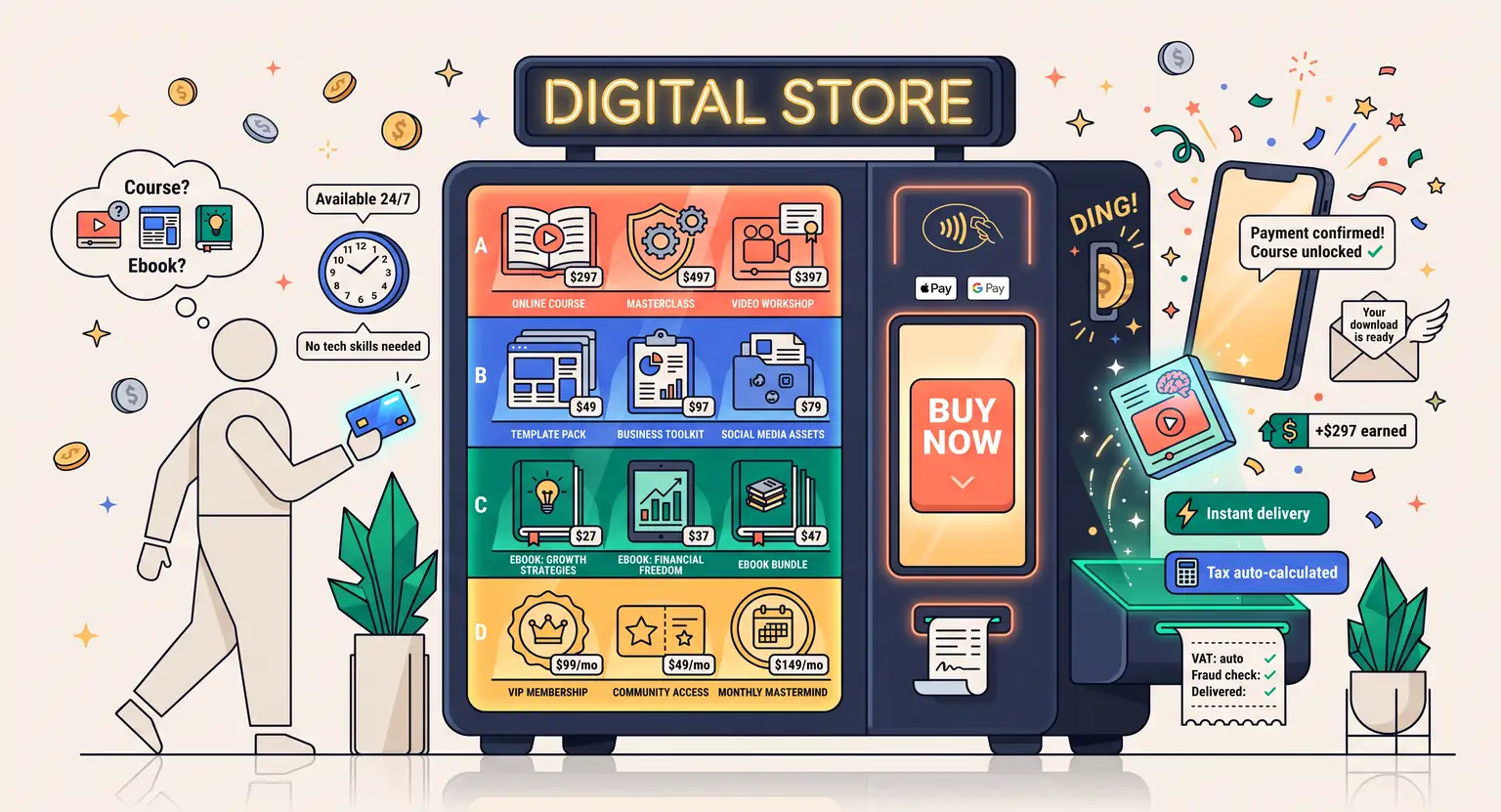
Instead, record these lessons once. Create workbooks, templates, and spreadsheets that handle the heavy lifting.
When you package these assets, you build a powerful flagship training program. If you are wondering how to package your concepts, take a moment to look at the process of how to create a signature program that solves a singular, high-value problem for your target audience.
This structured system does not replace your coaching; it elevates it. It allows your clients to learn concepts at their own pace, making your interactive sessions far more focused on breakthroughs.
Plus, having a clear signature curriculum instantly increases your perceived value. High-quality prospects love structured plans because they visualize the milestones clearly. It completely removes the scary financial mystery.
Transitioning to the Group Model Without Sacrificing Results
Many coaches hesitate to scale because they worry client success rates will suffer. They worry that without intense individual attention, clients will fall off track, lose motivation, or fail to implement the material.
This is a common concern, but reality is quite the opposite - when done correctly, group environments outperform individual coaching.
In a group setting, clients find deep comfort in realizing they are not alone. They learn from questions peers ask, opening up insights they might never have thought of themselves. The peer community creates organic accountability, which is a powerful motivator.
To successfully make this shift, master the art of how to run a group coaching program that balances community support with expert access.
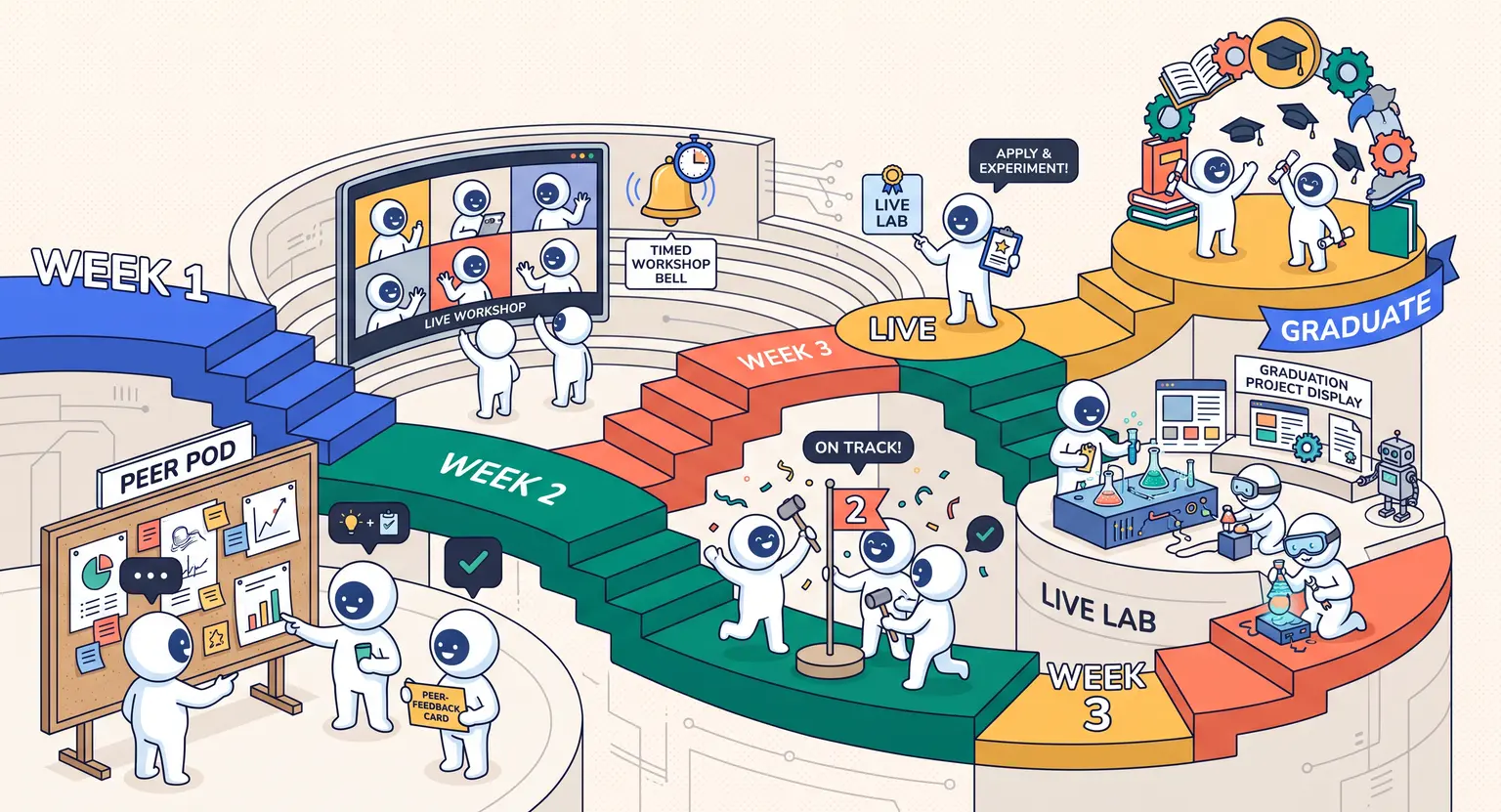
Instead of offering custom individual calls, host weekly group strategy clinics. Use your curriculum to cover core lessons, and use live group sessions to review work, solve roadblocks, and celebrate wins.
This shifts your role from therapy to strategy, helping dozens of ambitious people simultaneously.
Segment your participants by progress level to keep live calls highly relevant - when everyone in the room is tackling similar challenges, the communal energy skyrockets and client success rates easily surpass what you used to achieve in lonely individual sessions, boosting program reputation.
Building the Marketing and Sales Engine
Let's face another truth : group models require a steady, predictable flow of leads.
When charging premium rates for individual spots, you only need to sign a handful of clients monthly to stay comfortable - but running a leveraged group model requires attracting a larger volume of ideal buyers without working endless hours on manual outreach.
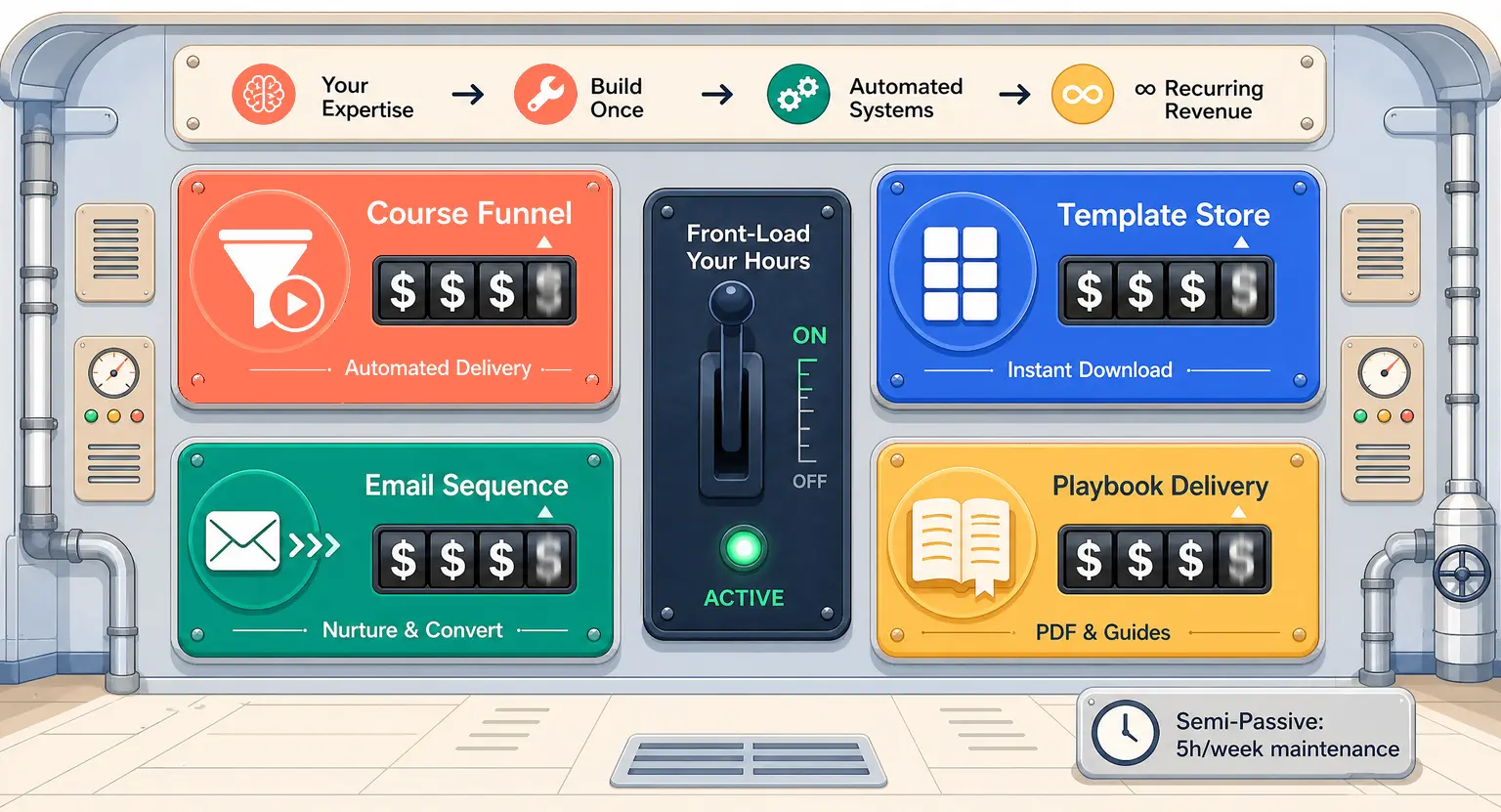
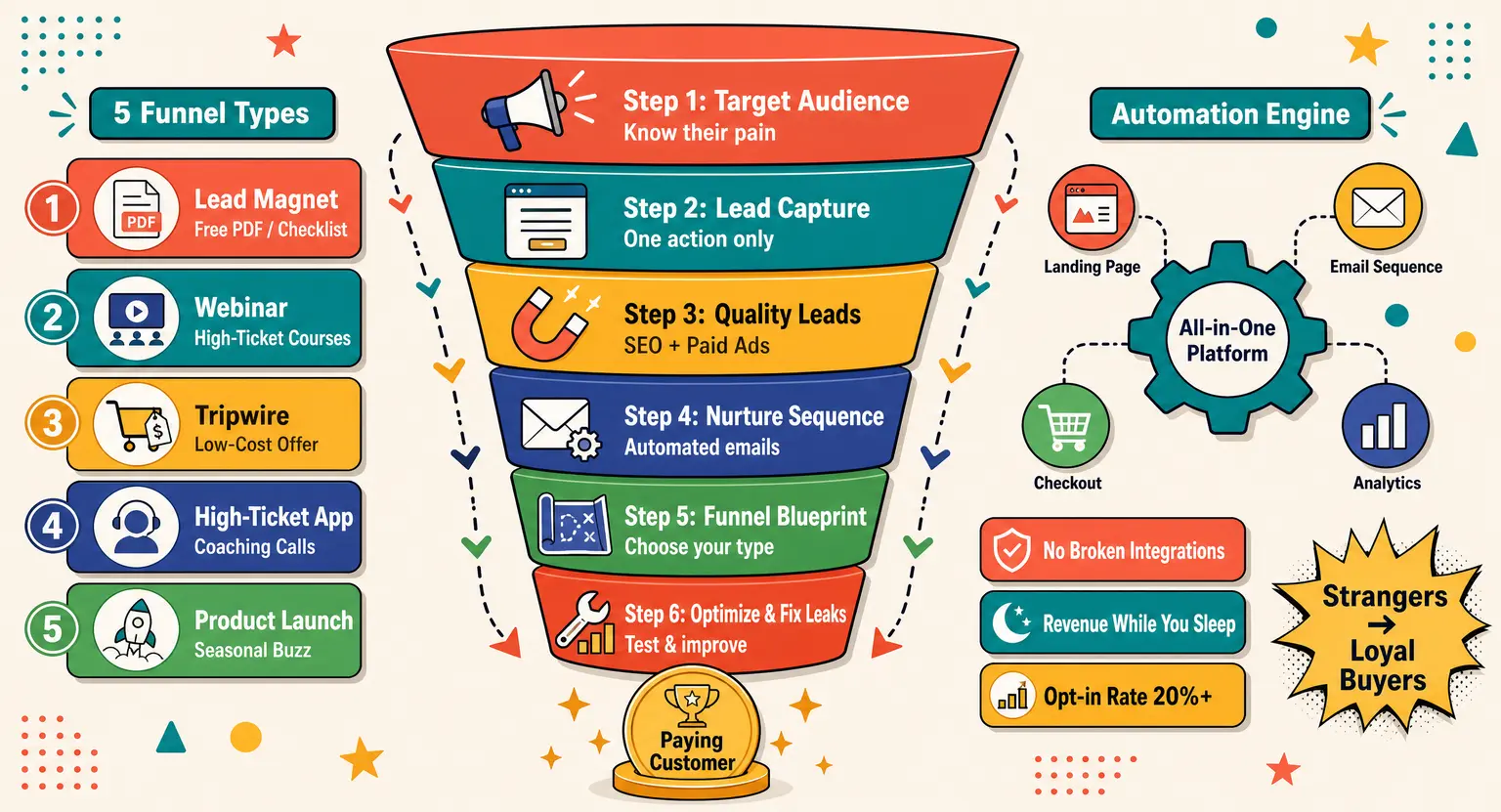
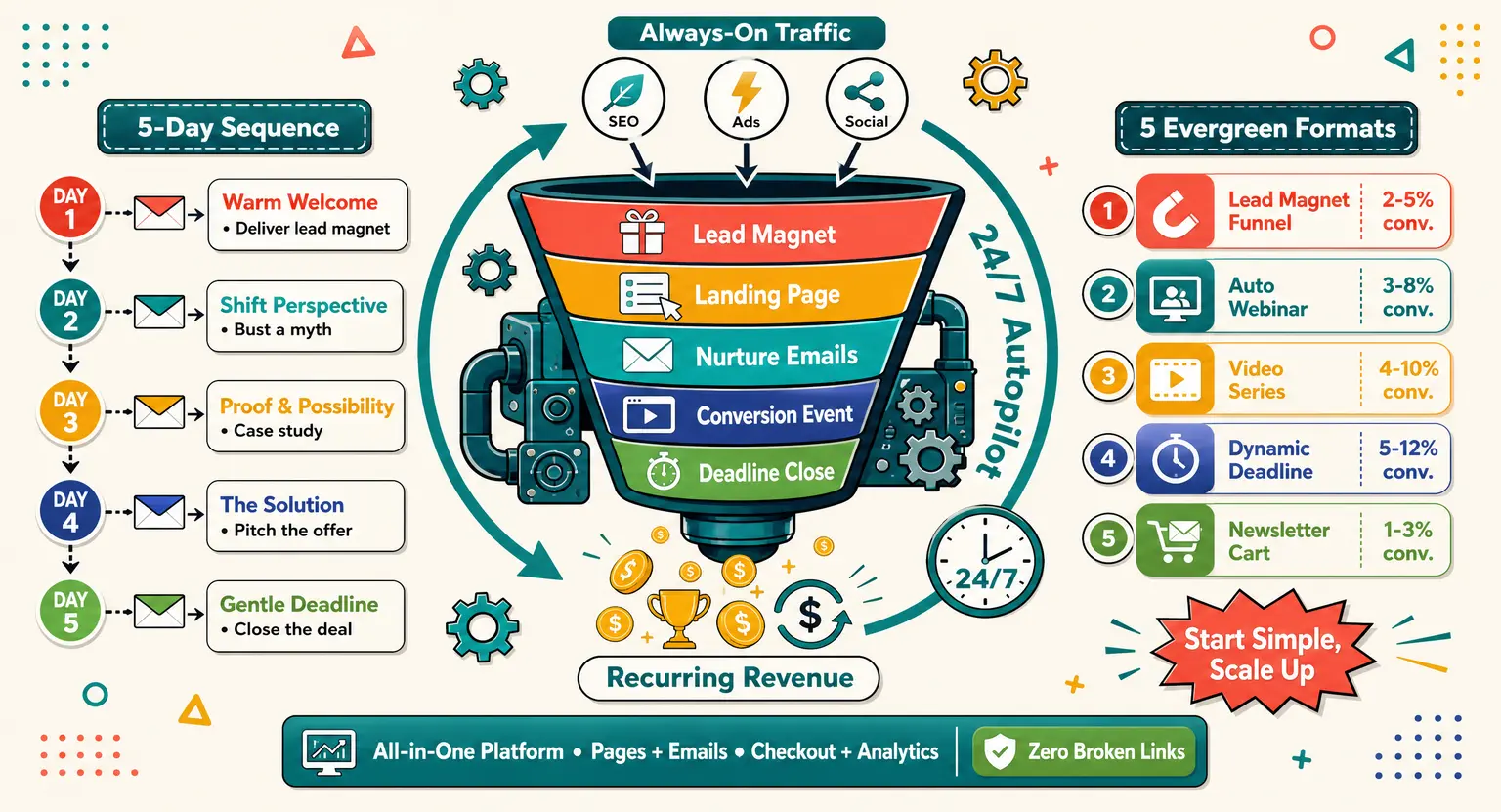
This is where marketing automation saves your sanity. You need a reliable system that introduces new prospects to your brand, nurtures trust, and drives enrollment - designing automated sales funnels is the key to automating this entire client acquisition journey.
A high-converting funnel starts by offering valuable free content - like a masterclass, checklist, or quiz - for an email address.
Your automated software sends nurtured emails addressing objections, sharing success stories, and presenting your offer. Finally, the funnel directs them to a clean checkout page.
This tireless automated engine allows you to wake up to notifications of new enrollments instead of manual chattering on social media.
It works tirelessly in the background, allowing you to focus on high-impact brand building or hosting live workshops. When you stop chasing single transactions manually, your brand gains permanent authority and customers begin seeking your services out organically - it changes your outlook completely.
From Coach to Training Organization
As your business grows, your focus naturally shifts from giving advice to building an enduring institution.
You are no longer just a person with some ideas; you are running an educational system. This shift requires you to think less like an independent guide and more like a training director.
You might eventually hire assistant coaches to run group calls, assign accountability partners to your students, or license your training materials.
If you want to expand into these highly profitable lanes, look into how to start a training business that scales beyond your personal name.
By building structured assets, your enterprise becomes a sellable business. You can hire talented trainers who use your frameworks to get incredible results. This lets your business run smoothly even if you decide to step away, shifting focus to strategic growth rather than daily troubleshooting.
You must build systems that transfer wisdom seamlessly.
This shift turns your custom intellectual property into a scalable corporate asset that produces value regardless of your personal calendar availability, granting you ultimate freedom and lasting operational strength.
Choosing the Right Model to Scale Your Coaching Business
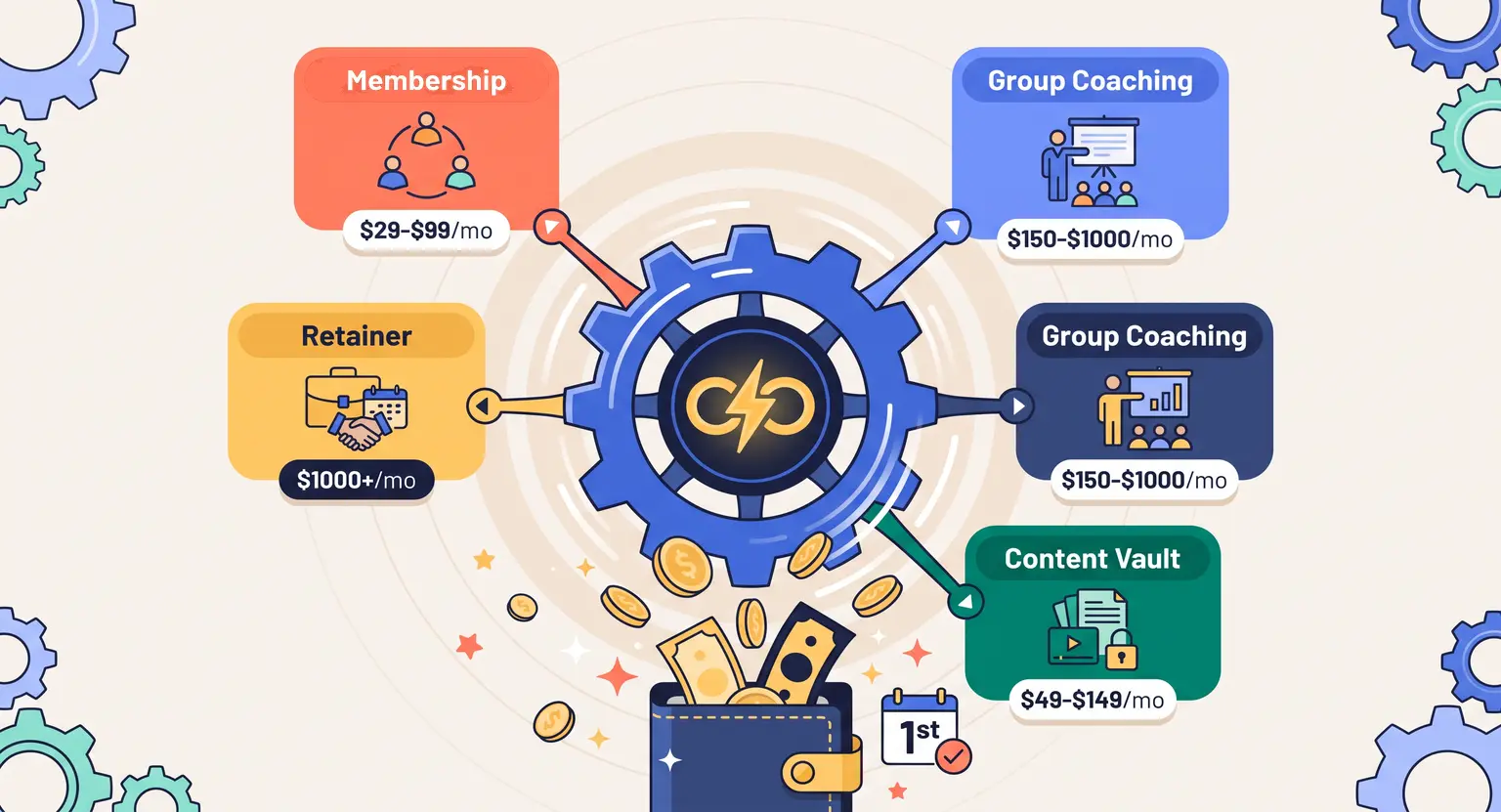
There are many ways to scale a coaching business, and the right path depends on your goals, price points, and personal preferences.
To implement any of these successfully, focus on simple tools and select the best all-in-one course platform to keep content, communities, and payments organized - take time to choose which scaling pathway fits your current life.
| Scaling model | Pricing range | Time leveraged? | Client experience type | Key strategic scaling bottleneck |
|---|---|---|---|---|
|
Classic Group Coaching |
$1,000 - $3,000. |
Highly leveraged (one-to-many live sessions). |
Structured curriculum + interactive group calls. |
Managing group dynamic and keeping live strategy calls structured. |
|
Hybrid Mastermind |
$5,000 - $15,000. |
Moderately leveraged (group calls + light 1:1 check-ins). |
High-touch mastermind, community, and networking. |
Your personal time spent on occasional 1:1 backup check-in calls. |
|
Evergreen Course |
$200 - $900. |
100% leveraged (self-paced). |
Independent online module training. |
High volume of website organic traffic and complex advertising funnels. |
|
Corporate Cohorts |
$10,000 - $30,000. |
Highly leveraged (contracted delivery to team pools). |
Professional B2B enterprise skills programs. |
Long B2B sales cycles and custom procurement compliance standards. |
|
Hybrid Coaching Portal |
$1,500 - $5,000. |
Very leveraged (pre-recorded learning + hired support coaches). |
Self-paced training with feedback from certified assistants. |
Vetting, hiring, and keeping assistant coaches aligned with your high teaching quality. |
Streamlining Operations and Smart Automation
Let's be practical : you can have the most beautiful framework, but if your administrative backend is a chaotic mess of spreadsheets, disparate platforms, and manually sent login links, your business will feel like it's held together with tape.
Scaling amplifies existing friction. If a process takes five minutes manually for one client, it will eat up hours when you have hundreds of clients.
This is why successful scaled operations rely on automated workflows. You need unified tools that handle checkout, instantly deliver course portal access, send automated welcome email campaigns, and schedule community reminders without you having to click a single button.
By using robust systems, you reclaim valuable mindshare. You can stop worrying about logins and focus on where you excel : delivering breakthroughs and growing your community.
Every automated task is a task you don't have to hire a virtual assistant to handle, keeping your profit margins exceptionally high.
This clean digital setup builds massive confidence from the first touchpoint, establishing you as a truly world-class coaching institute.
Where Do You Go from Here?
The path is straightforward, but it requires courage. It requires you to say no to custom individual projects so you can say yes to building automated engines that scale.
Start by auditing your current calendar. Identify the recurring themes you find yourself explaining to almost every single client. That is your signature curriculum waiting to be built.
Turn those lessons into your first structured sequence, choose the right delivery model, set up your automated funnels, and prepare to welcome your first group cohort.
The tools are accessible. Your freedom is waiting now.
Related Resources to Drive Your Growth :
Leverage advanced strategies in our practical guide on email marketing for course creators to build closer bonds with your list and sell your group cohorts on autopilot.
Refine your customer engagement techniques daily to maintain strong community momentum indefinitely - apply this expert advice and enjoy watching your enrollments multiply.
Frequently Asked Questions About Scaling Coaching Businesses
What is the fastest way to transition from 1:1 to group coaching?
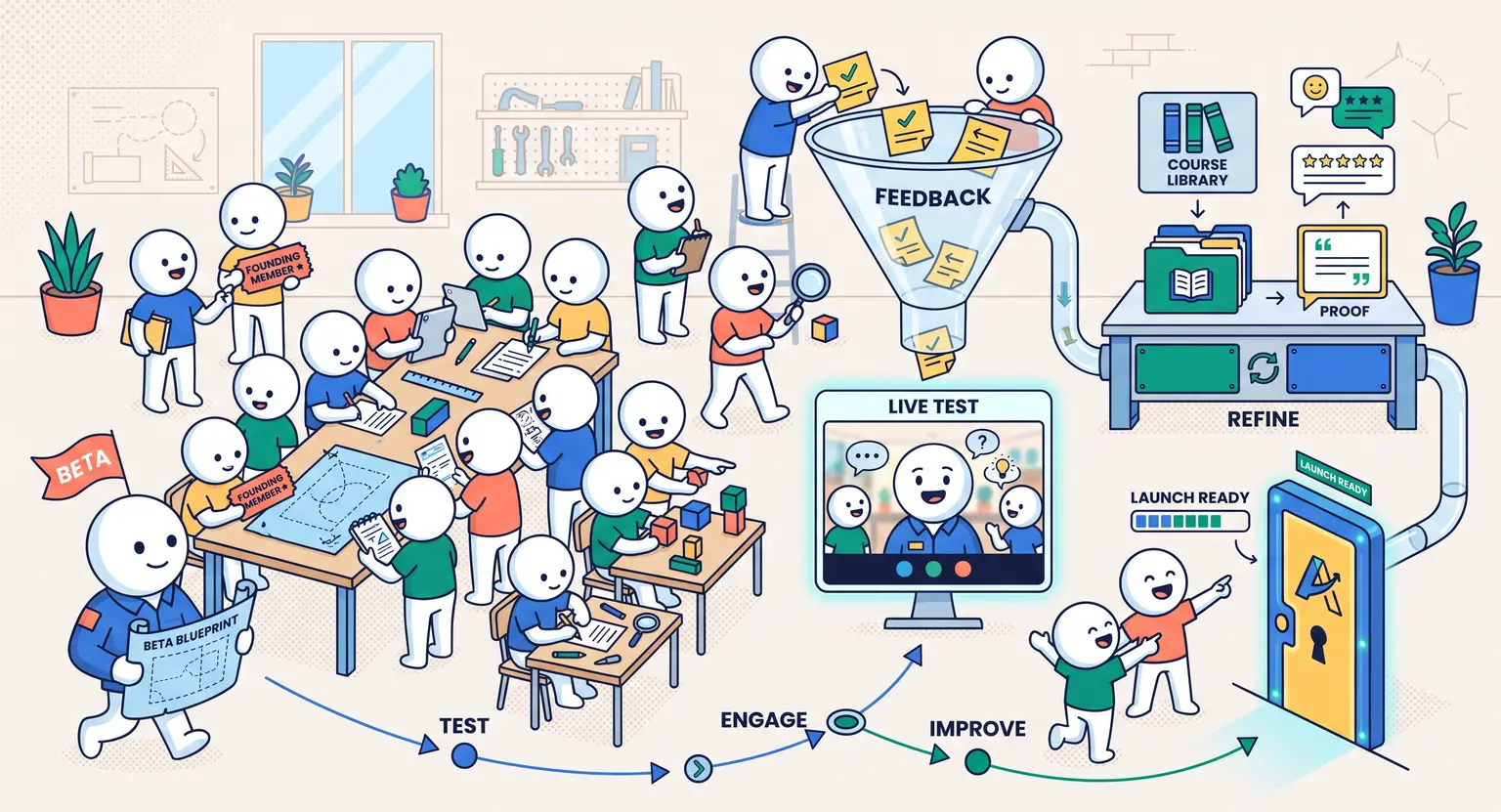
The fastest path is to package your existing core framework into a structured curriculum, then transition your next 3 to 5 inquiries into a small pilot group.
This allows you to validate delivery metrics and build immediate case studies without completely building out massive online portals first. This keeps development lean and risk-free.
How do I price a group coaching program without looking cheap?
Do not treat group coaching as a discounted version of 1:1 work. Instead, frame the community, peer accountability, and curated materials as a premium upgrade.
Set a premium rate, usually 50% to 70% of your 1:1 price, and apply a strategic online course pricing strategy that highlights the collective wisdom of the cohort.
Will scaling my coaching business hurt client results?
Actually, client results often improve. When you shift from repeating basic instructions in individual calls to creating clear high-quality core lessons, clients get consistent, structured advice.
Group environments also encourage community learning, reducing their over-reliance on your personal direct attention, forcing them to take action.
What core software tools are needed to scale?
You need an integrated ecosystem comprising an email broadcast engine, a sales checkout portal, a community area, and a reliable host for video modules.
Rather than patchworking separate tools, successful coaches opt for an all-in-one system to avoid technical disruptions and client login issues.
How do I launch my scaled program successfully?
You should combine a high-ticket live launch sequence, like an interactive webinar, with an intimate follow-up campaign.
Warm up your list beforehand, map out the syllabus clearly, and use a step-by-step master plan on how to launch an online course to keep enrollment organized and predictable. Do not skip these validation details.


 How to Create a Course Refund Policy (Templates & Best Practices for 2026)
 How to Sell an Online Course With a Quiz Funnel (2026 Guide)
 How to Sell an Online Course Through a Sales Call (2026 Guide)