








 French
How to Sell Online Courses in 2026 : What Works Now
How to Sell Online Courses and Stand Out in 2026
For years, the pitch for selling online courses sounded almost too good to be true: "Build an online course, run a few Facebook ads, and make money while you sleep." Simple, right?
And alongside those promises came the success stories - incomes that skyrocketed in weeks, a market supposedly wide open to anyone regardless of experience or resources.
Then reality caught up. The sector grew fast - perhaps too fast. Between platforms that appeared overnight, unqualified instructors, and promises that were never going to be kept, buyers eventually grew skeptical. And disillusioned.
So where does that leave us? Can you still sell online courses profitably - and build a real business around it?
Yes. But the rules of the game have changed. The era of hype and overpromising is over. What's replacing it is something better: maturity, quality, and trust.
Here's an honest look at how the online course market has evolved, what's gone wrong, and - most importantly - the strategies that actually work right now.
Selling Online Courses: A Maturing Market
To understand where things stand in 2026, you need to look back. Online courses went through a period of extraordinary growth - triple-digit expansion globally, an explosion in remote work, and the rapid digitization of entire professions.
The timing couldn't have been better.
The numbers speak for themselves: by 2025, the global e-learning market had surpassed $300 billion, with no signs of slowing down.
In Europe, it's projected to reach $210 billion by 2033. France alone saw the sector exceed $12 billion in 2024.
On the corporate side, 76% of companies were already using online courses as part of their L&D strategy by 2024.
Strong growth. But not without side effects.
When the Online Course Boom Turned into the Wild West
The explosion of the online course market attracted everyone. Real experts, yes - but also operators drawn entirely by the prospect of quick money.
You know the pattern:
-
outrageous promises ("your Lambo in 3 weeks")
-
thin, recycled, or just plain disappointing course content
-
high-pressure and borderline manipulative sales tactics
-
eye-watering prices for content that didn't come close to delivering
An October 2025 piece in L'ADN featured testimonials from buyers who spent thousands of euros on hollow, never-ending courses where "the instructor talks a lot but says nothing."
These practices leave a mark. Buyers are now more cautious, more informed, and far more demanding. Which is actually good news: a natural market correction is underway, clearing the way for what comes next.
2026: A More Demanding Market - But Full of Real Opportunities
The market isn't saturated. It's selective. Buyers don't want pie-in-the-sky promises anymore. They're looking for:
-
clarity
-
solid instructional design
-
concrete, demonstrable results
-
an instructor who genuinely knows their subject
And when they find that, they're willing to pay for it. Seriously pay for it.
Demand for online courses is growing fast in:
-
career transitions
-
premium, high-ticket programs
-
tech and AI skills
-
soft skills
-
personalized coaching and mentoring
The market now favors experts who fully own their expertise. Dream sellers haven't disappeared - but they're much easier for buyers to spot and avoid.
5 Strategies to Successfully Sell Online Courses in 2026
The opportunity has never been bigger. But how do you actually stand out?
Here's what works right now.
1. Become a hyper-specialist : the power of niches in online courses
Broad, generalist courses are losing ground. The market rewards precision, specialization, and context.
The difference is stark:
- "Learn digital marketing" - far too vague.
- "How to promote your business as a building contractor" - perfectly targeted.
The tighter your niche, the stronger your messaging, the more obvious your expertise, and the less direct competition you face.
There's no shortage of high-potential niches right now:
-
AI applied to specific professions - for writers, accountants, creators, and more.
-
Soft skills - stress management, emotional intelligence, leadership.
-
Green careers - permaculture, energy-efficient renovation, circular economy.
-
Well-being - meditation, mental health, nutrition, yoga.
Specialization builds trust. And trust is what turns a prospect into a paying customer.
2. Put instructional design at the center
This is probably the sharpest difference between the online course market of 2020 and 2026. Buyers no longer want to "watch videos" - they want to:
-
be guided through a clear progression
-
practice with real-world exercises
-
understand the why behind every concept
-
make measurable progress
-
feel supported when they get stuck
The essentials of an effective online course:
-
a logical progression (not just a list of modules)
-
real-life scenarios and case studies
-
well-designed quizzes that actually test understanding
-
human touchpoints: a private group, live Q&A sessions, individual check-ins
It's this combination - what's called instructional design - that transforms a collection of videos into an experience learners actually finish and remember.
3. Play the transparency card
Transparency is the most effective antidote to market skepticism. In practice, that means:
-
sharing real testimonials from identifiable people (name, photo, video when possible)
-
being upfront about what your course does - and doesn't - cover
-
spelling out the effort required to get results
-
publishing clear pricing with no hidden fees
-
presenting your offer honestly alongside alternatives
Buyers no longer want to be impressed - they want to be respected.
4. Offer blended learning: the winning combination
100% asynchronous video? Not enough anymore. 100% live? Hard to scale. The combination of both, however, consistently outperforms either alone.
A strong blended learning model typically includes:
-
self-paced video modules - for independent learning at any time
-
regular live sessions - to answer questions, troubleshoot obstacles, and keep momentum going
-
premium workshops - reserved for higher-tier packages where deeper engagement justifies a higher price
5. Authenticity: the real differentiator
This might be the most important shift of all. Buyers are exhausted by over-produced, over-polished pitches. They want real people who say real things.
Share your journey - including the parts that didn't go as planned:
-
the mistakes you made
-
the moments of doubt
-
the pivots and the setbacks
-
the wins that actually meant something
-
the behind-the-scenes reality of building something
The online courses that win in 2026 aren't the ones that promise the most. They're the ones that create a genuine, human connection - and then deliver on what they promised.
2026 Rewards Real Expertise and Real Value
The opportunity to sell online courses has never been greater - but only if you're credible, honest, and serious about the learning experience you're delivering.
The market has matured. Buyers are better informed. The operators who cut corners are gradually being weeded out.
The ones who will keep winning are:
-
genuine subject-matter experts
-
educators who put their learners' success first
-
mentors who show up for their community
-
entrepreneurs who lead with transparency
Honestly? That's a good thing.
If you create high-quality online courses, speak to the right audience, and rely on tools that work - you have everything you need to build something profitable, sustainable, and genuinely rewarding.
When you're ready to launch, don't underestimate your choice of platform. An all-in-one solution like LearnyBox brings sales funnels, webinars, automated email sequences, and video hosting together in a single place - everything connected, nothing to stitch together manually.
FAQ - Sell Online Courses
Is the online course market saturated?
No - it's maturing, not saturated. The difference matters. Yes, there are a lot of offerings. But buyers have become much better at distinguishing quality from mediocrity.
Generic online courses with no real value are disappearing, while niche courses backed by genuine expertise and strong support are finding their audience and commanding real prices.
The French market alone is projected to more than double by 2033, growing from $12 billion to $25 billion. There's room - provided you deliver something real.
How do you avoid being lumped in with scammers and dream sellers?
Radical transparency. Show verifiable testimonials - names, photos, video when possible. Be honest about the effort required and what realistic outcomes look like. Keep your pricing visible with no hidden fees.
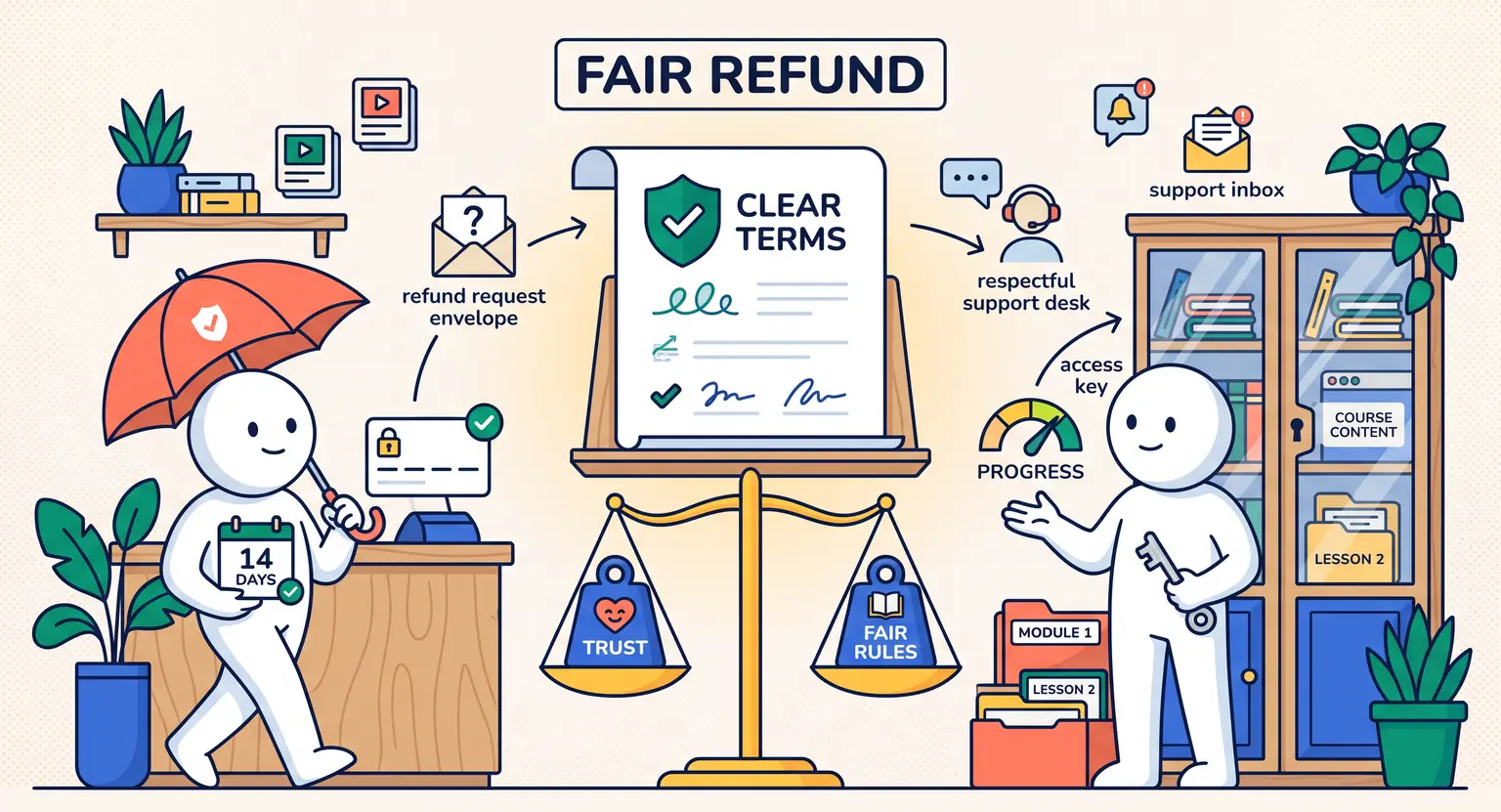
Build credibility through high-quality free content before you start selling. Offer a genuine money-back guarantee - and honor it without friction.
Your most powerful marketing asset is a community of satisfied customers who talk about their results.
What are the most promising niches to sell online courses in 2026?
The highest-opportunity niches are those tied to major societal shifts:
-
practical AI skills applied to specific professions
-
soft skills - management, communication, emotional intelligence
-
green economy careers - energy-efficient renovation, permaculture, circular economy
-
well-being and mental health
The key : pick a specific sub-niche where you have real, demonstrable expertise. The narrower the niche, the more precisely you speak to your audience - and the easier it becomes to stand out.
Do you need a large social media following to sell online courses?
Not at all. A small, highly targeted, engaged audience consistently outperforms a large passive one.
500 subscribers who genuinely trust you will outperform 50,000 followers who barely know you exist. Focus on building an email list and creating content that naturally attracts your ideal audience.
A launch webinar remains one of the most effective ways to sell online courses - even with a small list.
How much should you charge for an online course in 2026?
Price should reflect the transformation you deliver, not the number of video hours. A comprehensive online course with support typically sells for between €300 and €1,500 depending on your level of expertise, your niche, and how much personal access you include.
Pricing too low attracts uncommitted buyers and signals low value. Offer payment plans (3-4 installments) to make your course accessible without discounting it.
Which platform should I use to host and sell online courses?
Choose an all-in-one platform that centralizes video hosting, payments, the members' area, email sequences, and sales funnels in a single tool. That way you're not juggling five separate subscriptions that barely talk to each other.
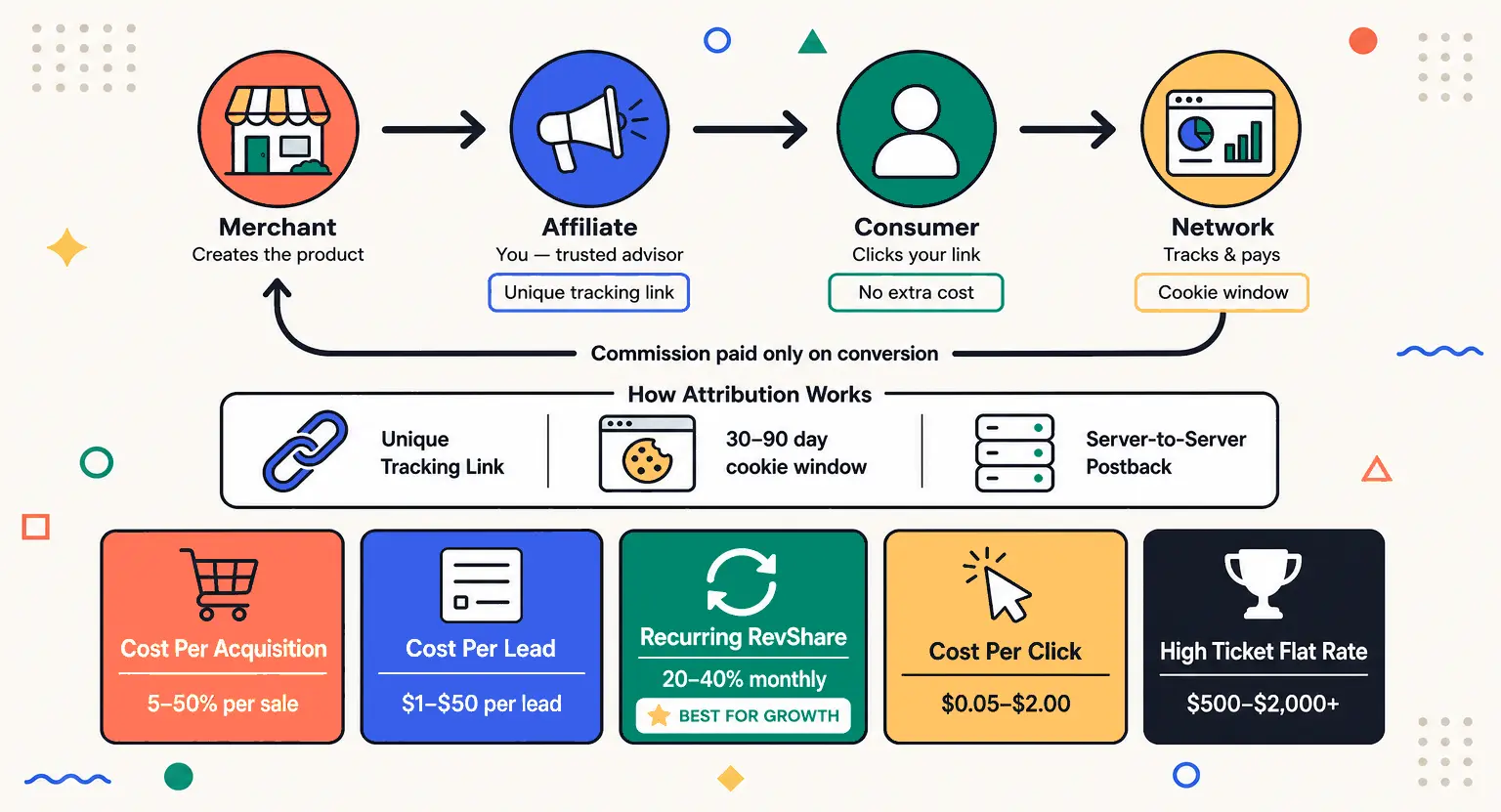
Key criteria: ease of use, secure and unlimited video hosting, brand customization, integrated marketing tools (webinars, email automations, affiliate program), and responsive support.
LearnyBox was built specifically for French-speaking course creators and brings all of this together in one place - so you can focus on what matters: building great content and supporting your learners.
Have more questions about how to sell online courses?
Feel free to reach out or drop them in the comments below.





 How to Create a Course Refund Policy (Templates & Best Practices for 2026)
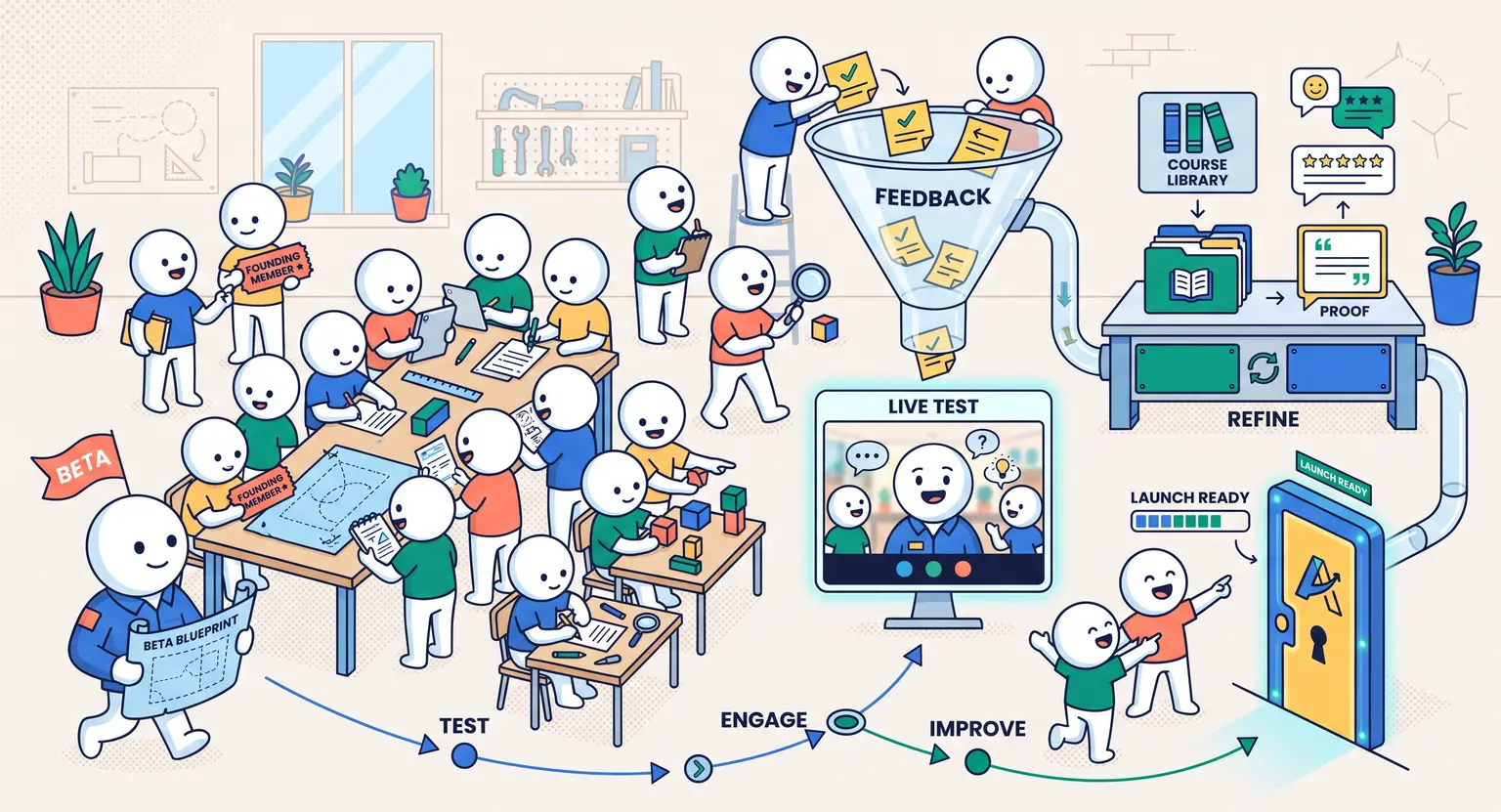 How to Run a Beta Version of an Online Course (2026 Guide)
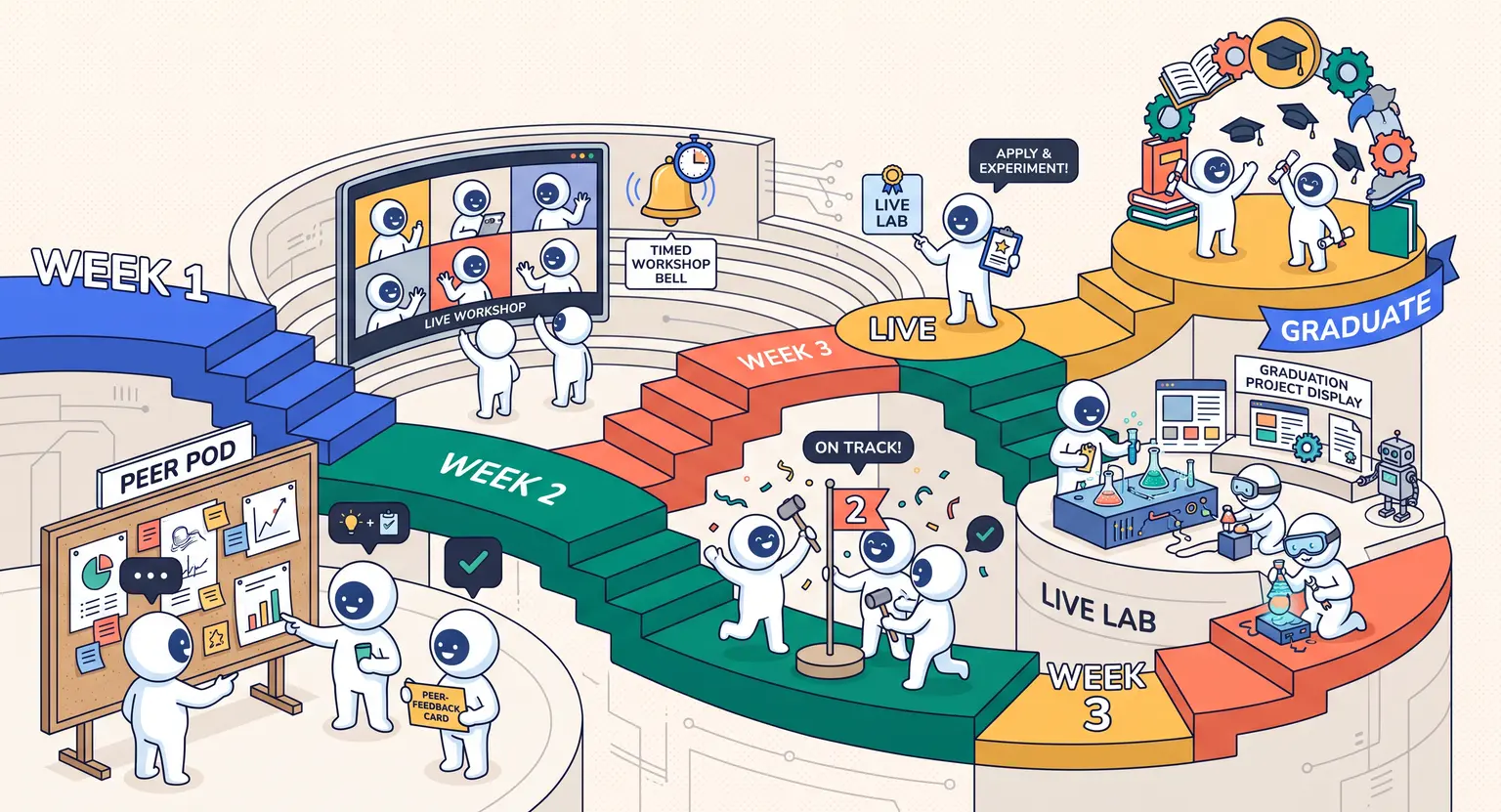 How to Create a Cohort-Based Online Course (2026 Guide)
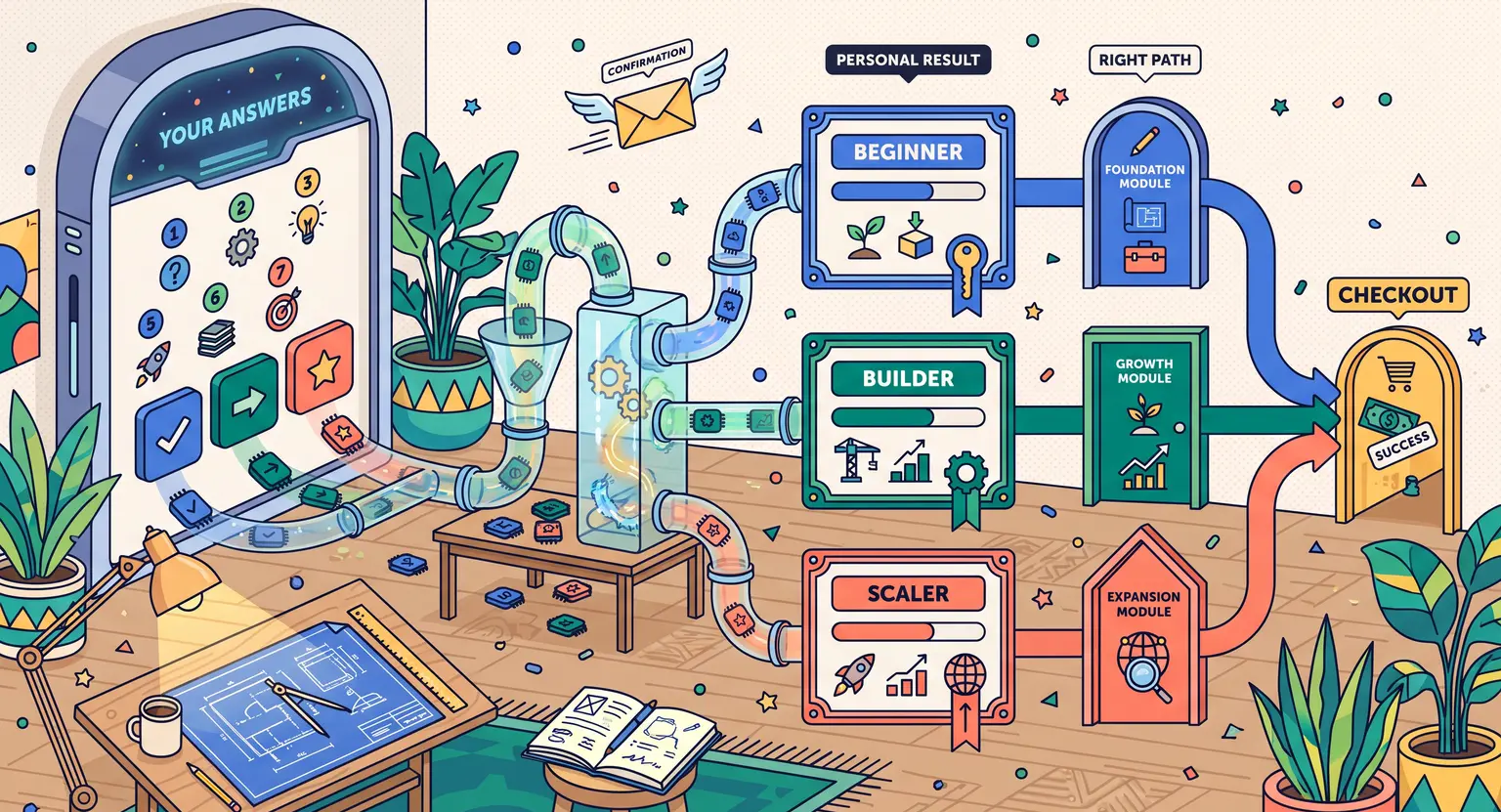 How to Sell an Online Course With a Quiz Funnel (2026 Guide)
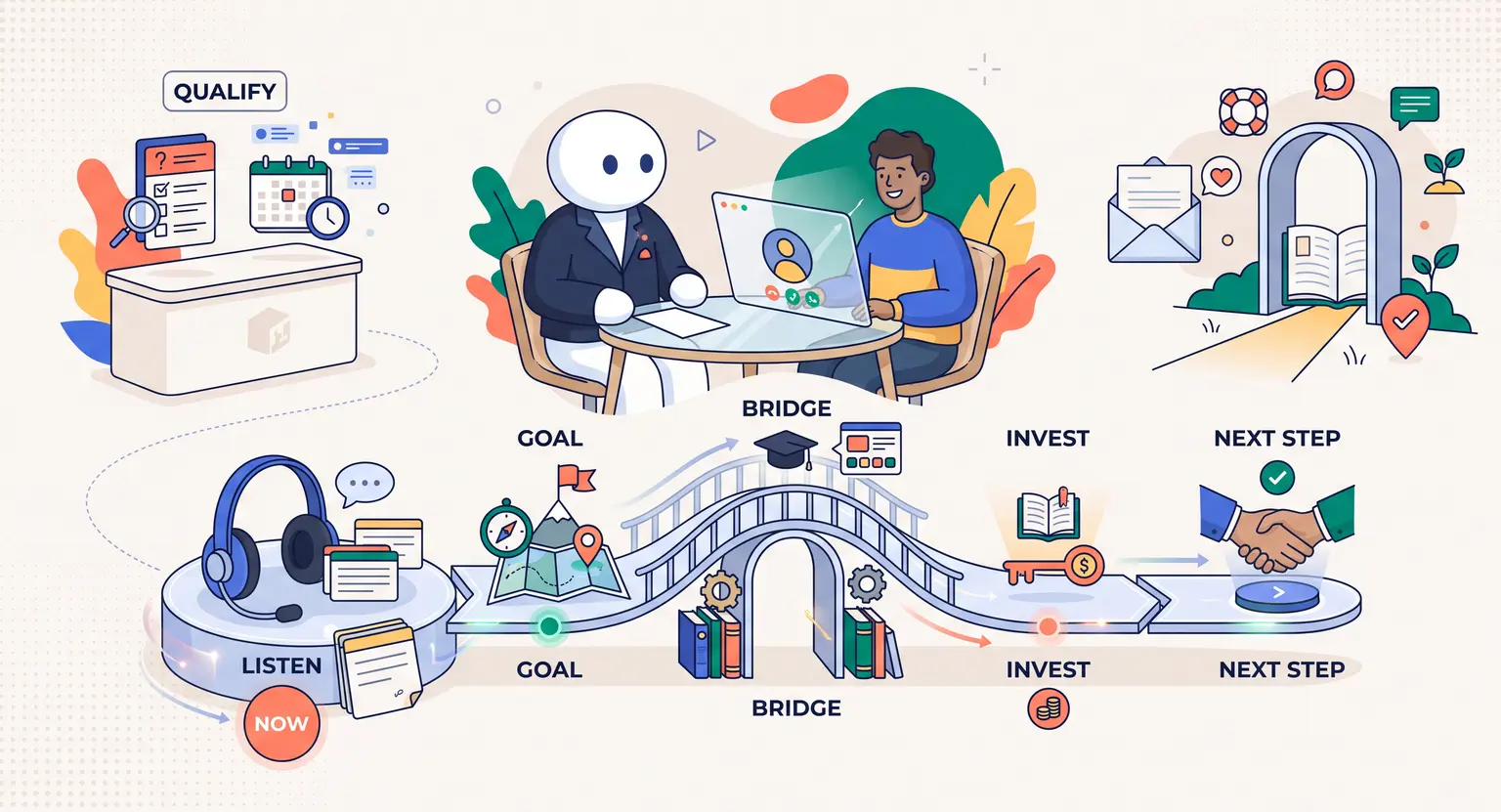 How to Sell an Online Course Through a Sales Call (2026 Guide)