







How to Create a Webinar That Actually Converts: The 2026 Guide
How to Create a Webinar That Actually Converts : The 2026 Masterclass Guide
In 2026, our digital worlds are louder than they've ever been. Our email inboxes are constantly flooded with AI-written pitch decks, and automated outreach has made buyers develop a near-supernatural ability to filter out generic corporate jargon.
But because of this endless sea of synthetic content, people crave real, raw human connection more than ever before.
This is exactly where webinars reclaim their crown as an elite marketing strategy. Webinars work because they reverse the standard script : instead of invading someone's digital space, you offer an open invite to a value-packed, real-time experience that they eagerly opt into.
Hosting a webinar isn't just about showing some slides; it's about building a genuine trust bridge with your audience.
Yet, constructing an engaging webinar that keeps attendees glued to their monitors isn't something you can just wing on a random Tuesday afternoon. If your presentation drifts, or if you repeat the same superficial tips found on any search engine, people will silently exit your stream without leaving a trace.
To help you design a highly successful virtual event, we have compiled the ultimate masterclass playbook below.
We'll cover every step of the journey, from finding your winning angle to choosing the right platforms and perfecting your pitch.
Key Takeaways for 2026 Webinar Success
-
Provide unique live incentives, like interactive coaching or high-value resource downloads, to push registration-to-attendee conversion past the standard fifty percent mark.
-
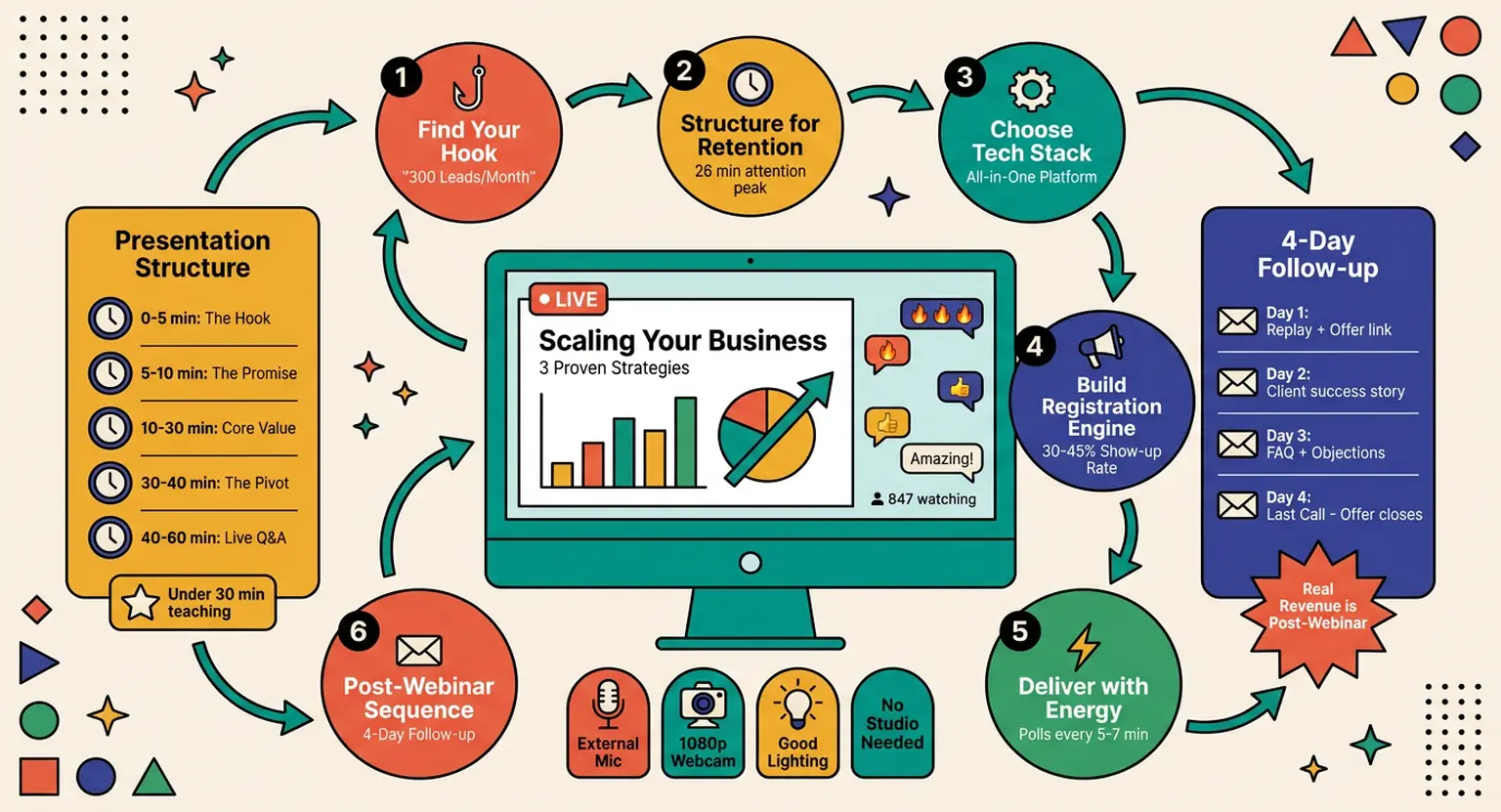
Keep your primary educational presentation tight, aiming for under thirty minutes, as modern analytics show user attention peaks around twenty-six minutes.
-
Integrate a seamless software platform, such as the LearnyBox platform, to manage registration landing pages, email follow-ups, and live streaming in one unified place.
-
Rethink your sales strategy by designing a specialized masterclass to sell online courses that weaves education seamlessly with a compelling call-to-action.
The Human Element : Why Webinars Are Unstoppable in 2026
Why do virtual events continue to dominate the marketing charts despite all the high-tech alternatives? The answer is beautifully simple : human authenticity.
In a professional landscape increasingly managed by automated algorithms and artificial agents, your face, voice, and real-time responsiveness represent the ultimate premium assets.
Your potential clients aren't just looking for static data sheets; they want to see the real human behind the brand. They want to know if you actually understand their micro-level daily headaches, and if they can trust you to help solve them.
But the true magic lies in the focus factor of live streaming. When someone registers for your webinar, they are voluntarily setting aside thirty to sixty minutes of their busy day specifically to listen to what you have to say.
That level of dedicated attention is incredibly rare in modern digital marketing... It gives you a golden opportunity to nurture leads, display deep subject matter authority, and guide prospects through their buying decisions in a single, interactive afternoon. By establishing this live feedback loop, you turn a passive reader into an active participant.
And let's not overlook the business metrics - B2B and B2C organizations alike report that webinars consistently deliver the highest return on investment of any content format.
They require minimal overhead compared to physical roadshows, can be pulled together in a matter of weeks, and act as a massive generator of high-intent visual data.
If you run your webinar correctly, it doesn't just end when you close the stream. It transforms into an evergreen asset that fuels your sales funnel for months to come.
Step 1 : Finding an Irresistible Hook
The success of your virtual event is decided long before you launch your slide creation tools... It lives or dies based on your angle.
If you choose a generic title like "Introduction to Modern Marketing," your target demographic will simply skip past your registration page.
People today are extremely protective of their digital calendars, and they will only trade an hour of their lives for a highly specific, tangible outcome. You need a hyper-focused hook that addresses an urgent, painful challenge your ideal customer is facing right now.
Start by interviewing your existing clients, analyzing recent sales calls, or reading discussion forums in your niche.
What keeps your audience awake at night?
What recurring roadblocks throw off their progress?
Once you pin down that exact problem, craft a title that promises a concrete solution.
Instead of a broad title, go for something punchy and result-oriented like "How to Generate 300 Qualified Leads Monthly Without Spending a Fortune". This framing sets clear expectations from the absolute start.
Step 2 : Structuring Your Session for Max Retention
Once you've hooked your audience, you must design a structured flow that keeps them interested.
Do not make the amateur mistake of loading fifty slides with dense bullet points and reading them word-for-word. Modern audience analytics prove that digital viewers lose interest very quickly, with average viewing times hovering around twenty-six minutes.
If your structure drags, or if you waste twenty minutes talking about your personal backstory, your drop-off graph will look like a cliff !
Use a classic five-part storytelling arc to keep the momentum going :
-
The Hook (Minutes 1 to 5) : welcome everyone warmly, outline the agenda, and lay out a compelling reason to stay, such as a custom worksheet or a live hot-seat coaching opportunity.
-
The Promise (Minutes 5 to 10) : clarify who this session is for, acknowledge their current struggles, and briefly establish your credibility so they know you are worth listening to.
-
The Core Value (Minutes 10 to 30) : deliver your primary teaching points. Focus on three clear, actionable takeaways that they can implement immediately, keeping slides highly visual and text-light.
-
The Pivot (Minutes 30 to 40) : transition naturally from education to your paid solution. Show them how your product or course can help them achieve these exact results faster.
-
The Live Q&A (Minutes 40 to 60) : open the floor to user queries, address common sales objections live, and keep displaying your expertise.
This structure ensures your attendees walk away with massive value, regardless of whether they buy your offer. It protects your brand reputation and leaves a fantastic impression, making them far more likely to engage with your future marketing campaigns.
Step 3 : Selecting Your Tech Stack Without Overcomplicating It
You do not need a multi-million-dollar television studio to host a professional webinar. In fact, over-complicating your hardware and software setup is a direct path to technical disasters...
What you truly need is reliable, simple, high-performing equipment that lets your natural personality shine through - a crisp external microphone, a solid 1080p high-definition webcam, and decent lighting are more than enough to elevate your production value above ninety percent of your competitors.
But your software choice is where you should pay the closest attention. Managing separate tools for landing pages, email marketing automation, and video streaming creates room for technical errors.
To prevent integrations from breaking, utilizing an all-in-one platform is a game-changer.
Using the right tool lets you build registration pages, automate reminder sequences, stream your live presentation, and handle checkouts without constantly switching platforms.
Step 4 : Putting Together Your Registration Engine
You could have the most life-changing webinar presentation on the planet, but it won't matter if nobody shows up - designing a highly structured promotional timeline is essential to fill your digital seats.
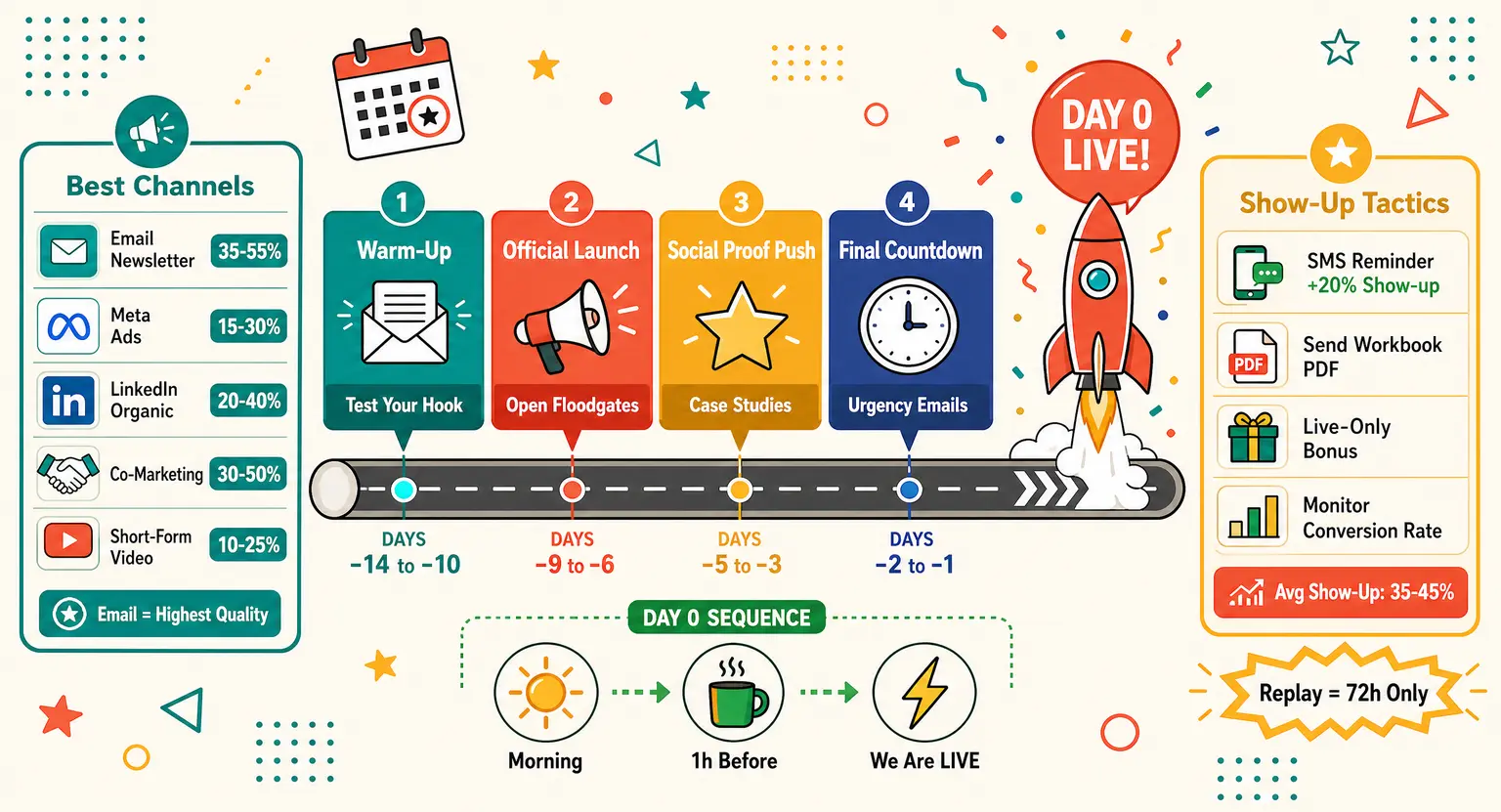
Human behavior shows us that nearly half of your registrations will happen in the final week leading up to the session. Do not panic if your sign-up count looks low two weeks prior; stay consistent with your outreach and let your plan play out.
To maximize your attendance rates, run a multi-channel campaign across several touchpoints :
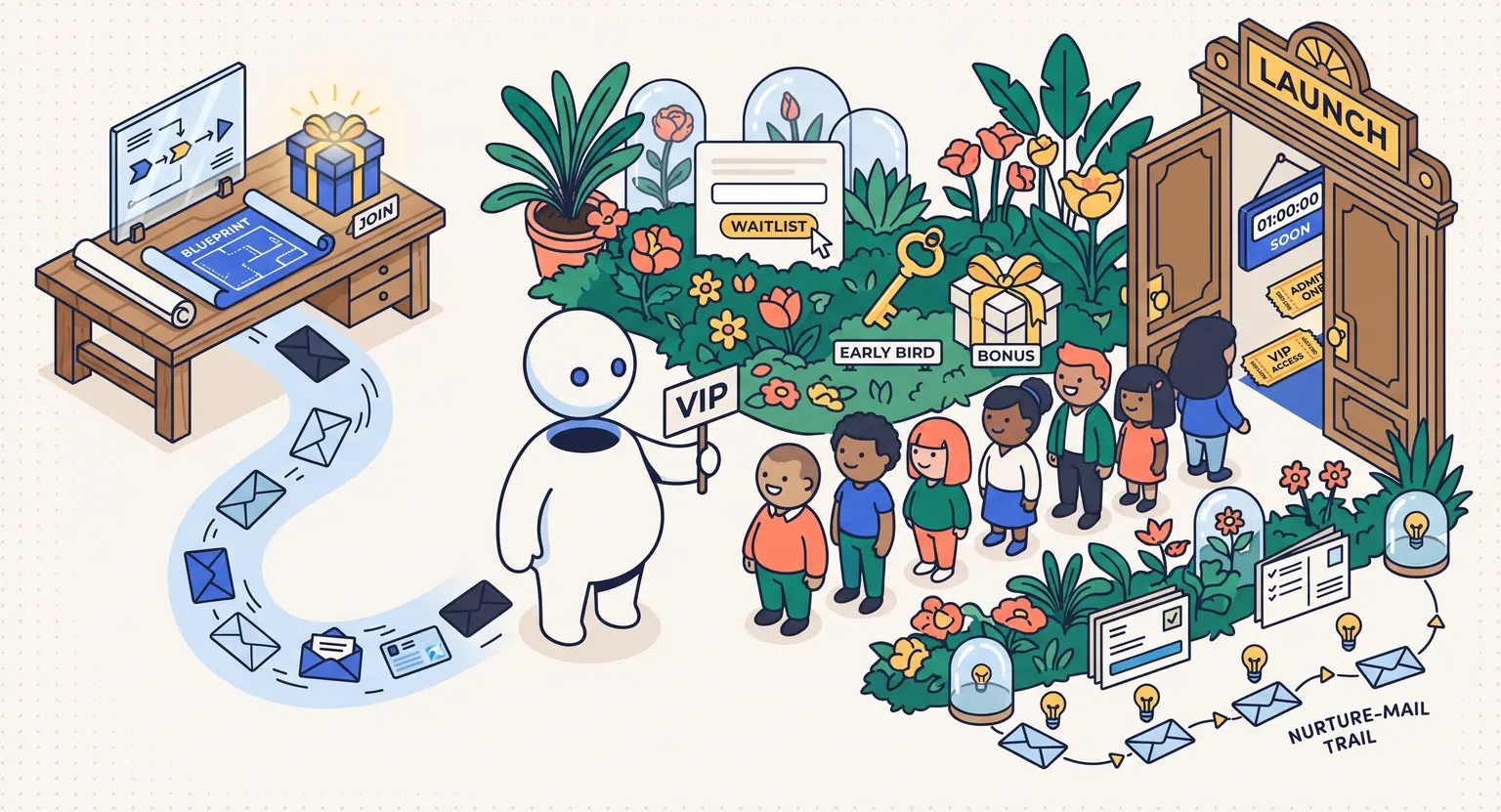
Send a three-part email invitation series focusing on the core problem and the urgency of securing a limited spot,
Share short, value-first teaser videos highlighting key slide insights on social media,
Finally, reach out directly to high-value prospects or partner with a non-competing creator in a related niche to co-host the session.
But the work doesn't stop once they register, because average show-up rates typically hover between 30 and 45%, you need a tight, automated reminder sequence.
Send out a confirmation email immediately upon registration, followed by reminder notices twenty-four hours before, one hour before, and fifteen minutes before you go live - and don't forget to include a direct join link in every single message to make logging in as simple as possible.
Reviewing Webinar Formats to Suit Your Goal
Not all virtual events are constructed the same way. The style you choose should match your business objectives, your budget, and how much time you can dedicate to live presentation.
Check out this simple breakdown to find the right format for your brand :
|
Webinar style |
Best for |
Live engagement |
Scalability |
|---|---|---|---|
|
Live Masterclass |
High-ticket sales, new launches, building raw trust. |
Extremely High (Interactive Q&A). |
Low (Requires your presence). |
|
Automated Workshop |
Consistent lead generation. Learn about the automated webinar approach. |
Low (Simulated chat option). |
High (Runs 24/7 automatically). |
|
Evergreen Funnel |
Selling courses passively. Set up an evergreen webinar easily. |
Low (Viewer on-demand streaming). |
Extremely High (Scales infinitely). |
|
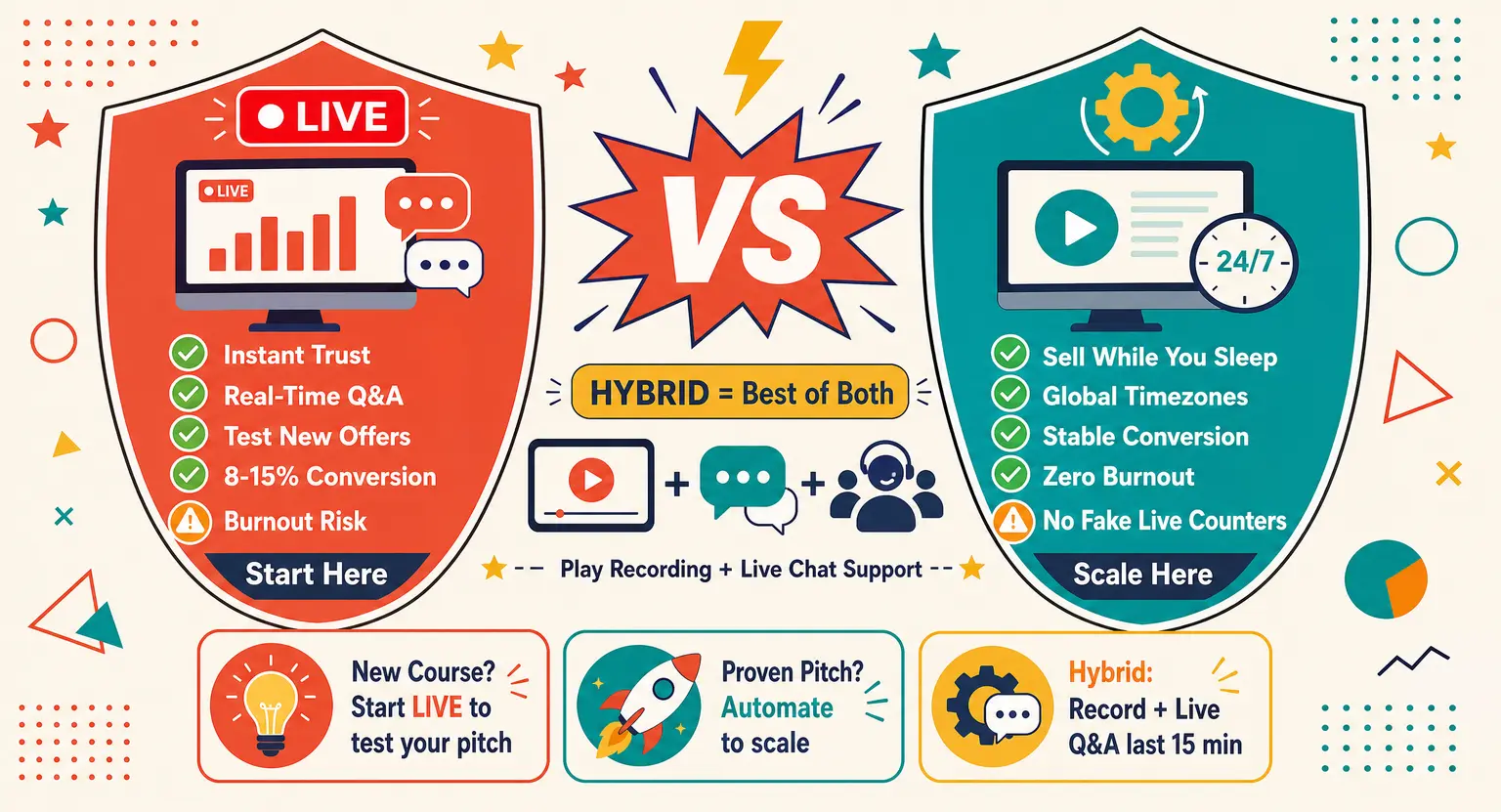
Hybrid Event |
Lowering live presentation stress while keeping Q&A. |
High (Pre-recorded video, live Q&A). |
Moderate (Only live during final Q&A). |
|
Interactive Q&A |
Customer onboarding and high-trust community retention. |
Maximum (Entirely chat-driven dialog). |
Low (Hard to scale effectively). |
Step 5 : Masterclass Presentation and Delivery Tech
When the broadcast clock counts down and you finally go live, your energy levels dictating the room are everything.
Keep in mind that your audience is sitting in front of a web browser, just one click away from checking their social media feeds, reading news articles, or answering pending work emails.
If your presentation voice sounds flat or robotic, you will lose their attention immediately. Stand up during your talk if possible to keep your physical energy high, look directly into the camera lens rather than looking at your slides to maintain eye contact, and smile naturally.
But speaking passionately is only half the battle. You must actively break up their passive viewing patterns to keep them engaged.
Do this by scheduling interactive micro-moments every five to seven minutes throughout your presentation. Drop an interactive poll to ask about their biggest business goals, read out attendee names and locations from the live chat, or ask them to type a specific number in the comments if they agree with a point you just made.
These little moments keep them active, alert, and feeling like an important part of the conversation.
And what should you do if something goes wrong? Technical glitches happen to even the most seasoned veteran presenters...
If your slide presentation freezes,
if your video feed jitters,
or if your microphone cuts out for a moment,
do not panic or apologize profusely.
Address the issue calmly, make a lighthearted joke to break the tension, and keep moving forward. Your audience will deeply appreciate your professional composure under pressure, and it builds far more human trust than a perfect, sterile performance ever could.
Step 6 : Executing the Gold-Standard Post-Webinar Sequence
Most first-time hosts put all of their mental energy into the live broadcast, totally ignoring what happens after the stream ends. This is a massive mistake that leaves a significant amount of potential revenue on the table.
Only a fraction of your registrants will actually buy your product during the live pitch. The real magic happens in your post-webinar follow-up sequence, where you nurture warm leads over the subsequent days and help ease them across the finish line.
To capture these missed opportunities, build a highly targeted email follow-up sequence based on how they interacted with your event :
-
For Live Attendees : send a thank-you note within two hours of wrapping up. Include a direct link to your offer page, summarize the exclusive bonuses, and mention when the replay link expires to create healthy urgency.
-
For No-Shows : reach out to the registrants who missed the session. Provide a clear replay link, mention the core strategies they missed, and give them a structured window to watch before the video is taken down.
-
For Early-Departures : email the people who logged off before your pitch. Keep this message highly value-focused, ask for their open feedback on the educational portion, and offer a quick way to ask questions.
But do not let this sequence drag on forever. A tight, high-impact four-day follow-up campaign is ideal.
Send the replay link on day one,
share a detailed client success story on day two,
address frequently asked product questions on day three,
and send a final last call notice on day four before closing the offer.
This structured approach respects their inbox while maintaining a strong conversion pull.
Explore Further on LearnyBox
Ready to master your webinar marketing strategy? Check out these deep-dives to maximize your results :
-
Discover the psychology of high-converting presentations with our playbook on a webinar to sell online courses.
-
Take your time back by setting up a fully automated sales pipeline using an automated workshop sequence.
-
Build a long-term passive customer engine with our step-by-step setup guide for an evergreen webinar.
At the end of the day, launching a successful webinar boils down to committing to a simple, repeatable system. Start with a hyper-focused problem, design a beautifully structured presentation, and choose an integrated platform to handle your tech stack.
As you run more sessions, your confidence will soar, turning webinars into your reliable growth engine.
Frequently Asked Questions
What is the best day to host a webinar?
Analytical benchmarks in 2026 highlight Thursdays as the premier day for hosting live webinars, followed closely by Wednesdays.
For optimal timing, aim for late mid-morning in your target market's timezone.
How long should a webinar run?
Your entire session should stay within forty-five to sixty minutes. Protect thirty minutes for teaching, ten minutes for your live pitch, and leave fifteen minutes for an interactive Q&A segment.
What is a realistic attendee show-up rate?
Standard live show-up rates run between thirty and forty-five percent. You can bump this by introducing unique live-only incentives like audits or exclusive resource links.
Can I automate my live presentation?
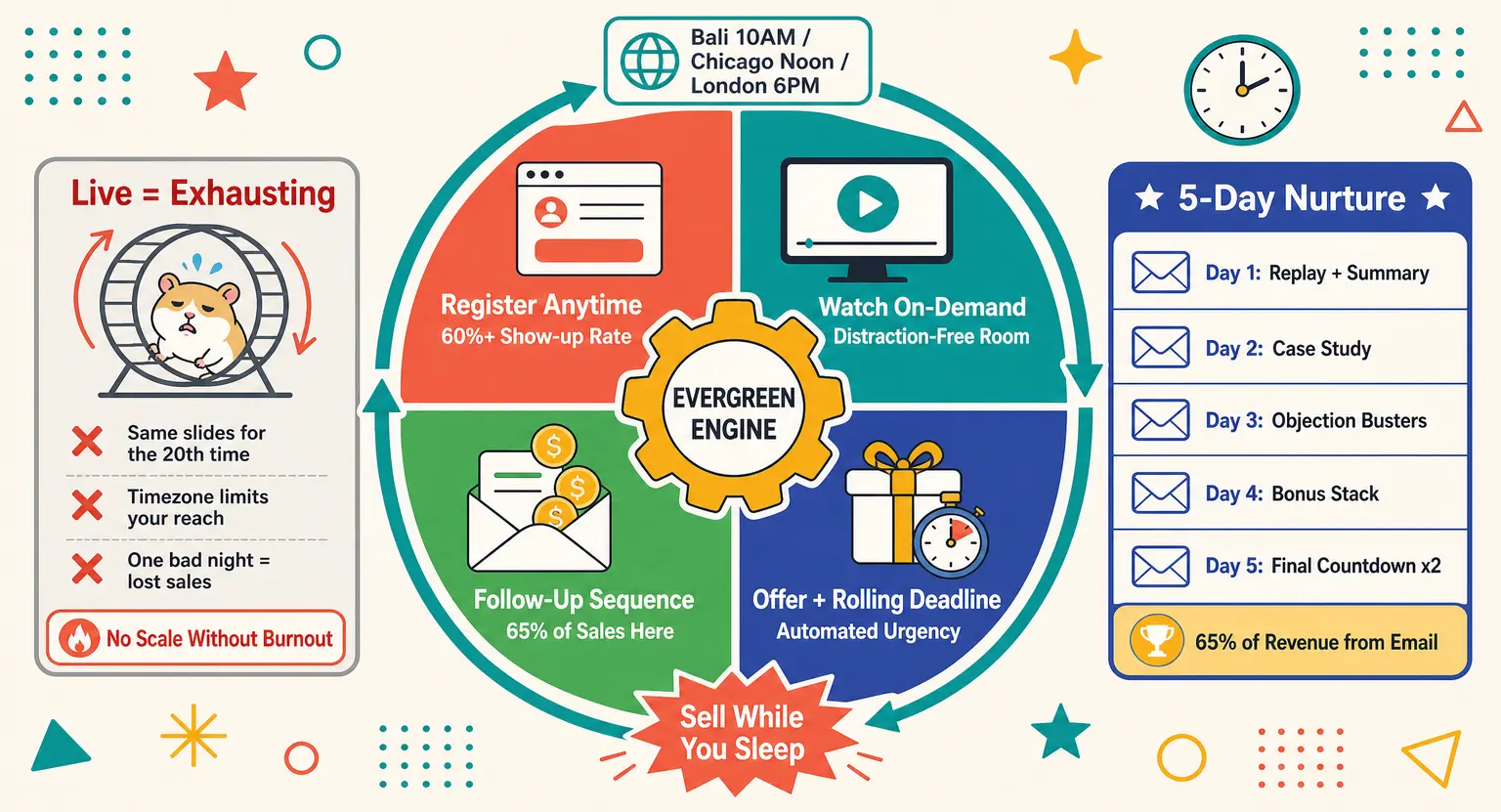
Yes, once your live webinar converts extremely well, you can record and transition it into a profitable evergreen funnel that builds authority around the clock.





 How to Create a Course Refund Policy (Templates & Best Practices for 2026)
 How to Run a Beta Version of an Online Course (2026 Guide)