







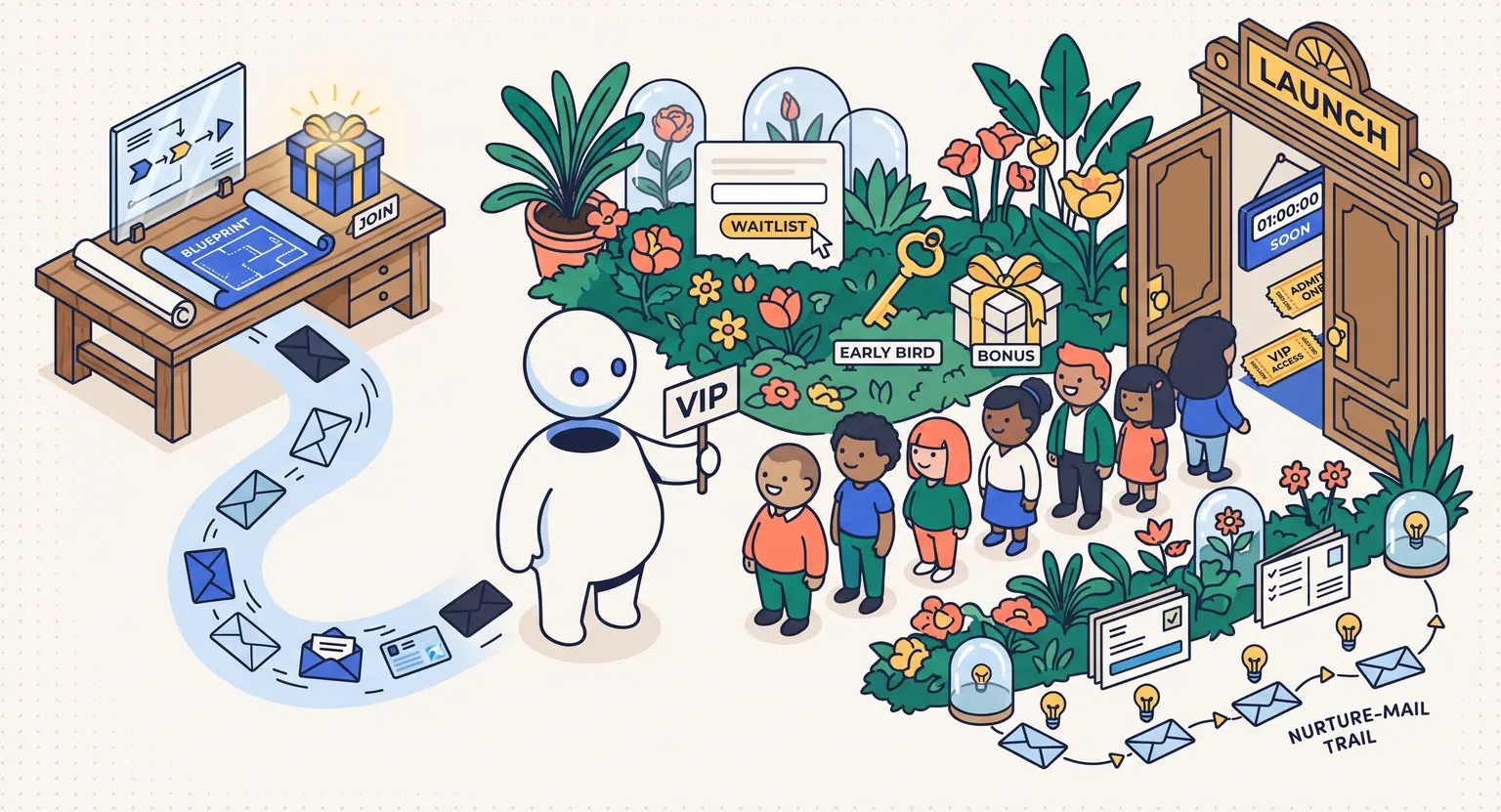
How to Build a Waitlist for an Online Course (2026 Guide)
How to Build a Waitlist for an Online Course
Key Takeaways
-
A waitlist acts as direct market validation, preventing creators from recording modules nobody wants.
-
Dedicated high-converting landing page designs capture up to 40% more pre-launch leads than generic lead forms.
-
Offering tangible VIP perks like early enrollment discounts drives significantly higher cart conversions.
-
Nurturing subscribers through bi-weekly behind-the-scenes emails keeps excitement alive until launch day.
-
Pairing a waitlist with structured how to pre-sell an online course tactics secures cash flow ahead of schedule.
Every creator dreads opening a new cohort only to hear crickets. You spend nights mapping slides, perfecting audio, and setting up member portals, yet nobody clicks checkout. That scenario usually stems from launching into a vacuum instead of a room full of eager buyers.
A well-crafted course waitlist eliminates that uncertainty entirely. It proves whether people actually want your solution while generating an audience primed to buy before you ever finish production.
Here is the practical roadmap to building, growing, and activating an eager waitlist for your next online program.
1. Define the Irresistible Transformation
People do not buy video lessons; they buy clear, specific outcomes. If your waitlist pitch reads like a dry syllabus, signups will trickle in at a painfully slow pace.
Your pre-launch positioning must highlight the exact shift a student experiences between module one and graduation. Focus heavily on their current frustration, the roadblock stopping them, and how your curriculum closes that bridge.
Ask yourself three direct questions :
-
What tangible milestone will a student hit inside 30 days?
-
What frustrating guesswork does this program eliminate for them?
-
Why is this format faster or more effective than piecing together free videos?
When you outline the core promise clearly, crafting your waitlist copy becomes effortless.
Take time to test phrasing across your primary channels to see what sparks genuine replies from peers and followers.
2. Build a Frictionless Waitlist Landing Page
Your waitlist landing page has one single job : earn an email address. Avoid complex navigation bars, external blog links, or lengthy footnotes that distract visitors from taking action.
Keep the page structure lean, punchy, and centered around reader curiosity.
Here is what high-performing waitlist pages include :
-
A benefit-driven headline : name the promised outcome immediately without vague jargon.
-
Three concrete bullet points : highlight the top skills or templates included in the upcoming release.
-
An exclusive incentive : explain why joining the waitlist beats waiting for the public launch.
-
A single form field : ask only for a first name and email address to remove resistance.
Make sure the page loads instantly on mobile screens. Over 60% of modern course leads sign up directly from social feeds on smartphones.
If you need inspiration on designing an uncluttered registration hub, study proven landing page best practices to maximize every single visitor session.
3. Sweeten the Deal with VIP Incentives
Signing up for a generic "coming soon" list is boring. People need a compelling reason to hand over their contact info weeks before your doors open.
The most effective waitlist campaigns offer exclusive perks reserved strictly for founding members.
Consider offering incentives such as :
-
Early-bird pricing : a permanent 20% to 35% discount off the eventual public retail fee.
-
Founding member bonus assets : private resource libraries, editable Figma files, or plug-and-play spreadsheets.
-
Direct access Q&A calls : a live onboarding cohort call exclusive to the first 50 students.
-
Early enrollment windows : giving waitlist members 48-hour head starts before enrollment caps fill.
These micro-incentives transform passive curiosity into genuine urgency. They also give you concrete talking points when sharing the page across social channels.
Waitlist Funnel Strategy Comparison
Different course price points require tailored waitlist approaches. Review this comparison grid to identify which mechanism fits your business model :
| Waitlist model | Ideal course price | Opt-in incentive | Avg. conversion rate |
|---|---|---|---|
|
Standard VIP email list |
$50 - $200 |
Discount coupon code & cheat sheet. |
5% - 10% |
|
Micro-workshop waitlist |
$200 - $600 |
Free 45-min live training + recording. |
12% - 18% |
|
Curriculum advisory board |
$500 - $1,500 |
Direct input on modules + 1-on-1 review. |
18% - 28% |
|
Deposit-backed priority list |
$1,000+ |
$50 deposit credited as $150 course voucher. |
40% - 65% (of deposits) |
|
Gamified referral waitlist |
Any tier. |
Unlock higher tiers by inviting colleagues. |
8% - 14% |
4. Drive High-Intent Traffic to Your Waitlist
A flawless landing page does nothing without eyeballs. You do not need a massive ad budget to generate early traction, though.
Lean heavily on organic conversations, short-form authority clips, and smart lead magnets.
Create a bite-sized lead magnet that solves step zero of your course curriculum. If your course teaches workflow automation, offer a downloadable template pack. When people download the asset, redirect them onto a thank-you page inviting them to join the full program waitlist.
To brainstorm high-converting downloadables, explore our guide on best lead magnets for course creators for ideas that match your niche.
You can also use organic social hooks :
-
Share "work-in-progress" screenshots of your slides and ask for feedback in the comments.
-
Publish quick breakdowns of common mistakes your target audience makes.
-
Drop short video walkthroughs showing real student workflows on YouTube or LinkedIn.
-
Pin a direct link to the waitlist page on all social profiles and within your email signatures.
Consistency matters far more than virality. Ten targeted daily visitors will build a far better buyer cohort than a viral video full of unengaged viewers.
5. Nurture Your List Before Launch Day
The biggest blunder creators commit is collecting waitlist leads and ignoring them until cart opening day. Silence cools interest rapidly. By week four of zero contact, subscribers forget who you are.
Keep your waitlist warm by delivering consistent, high-value touchpoints throughout the pre-launch window.
Adopt an engaging nurture sequence :
-
Email 1 (Immediate) : welcome them, deliver promised bonuses, and outline what is coming.
-
Email 2 (Day 5) : share the origin story behind why you are building this specific curriculum.
-
Email 3 (Day 12) : share a survey asking which lesson topic they are most excited to tackle.
-
Email 4 (Day 19) : deliver a free, standalone case study or quick-win tutorial.
-
Email 5 (Day 26) : reveal official pricing, early-bird bonuses, and the exact launch countdown.
By treating waitlist members like co-creators, they develop emotional ownership over the course before it even launches.
Setting up an automated series takes minimal effort when using a reliable welcome email sequence designed to nurture new subscribers automatically.
6. Orchestrate the Launch Window
When launch day arrives, your waitlist should get the first opportunity to buy.
Open the doors for waitlist subscribers 24 to 48 hours before the public announcement. Frame this window as their dedicated VIP booking phase.
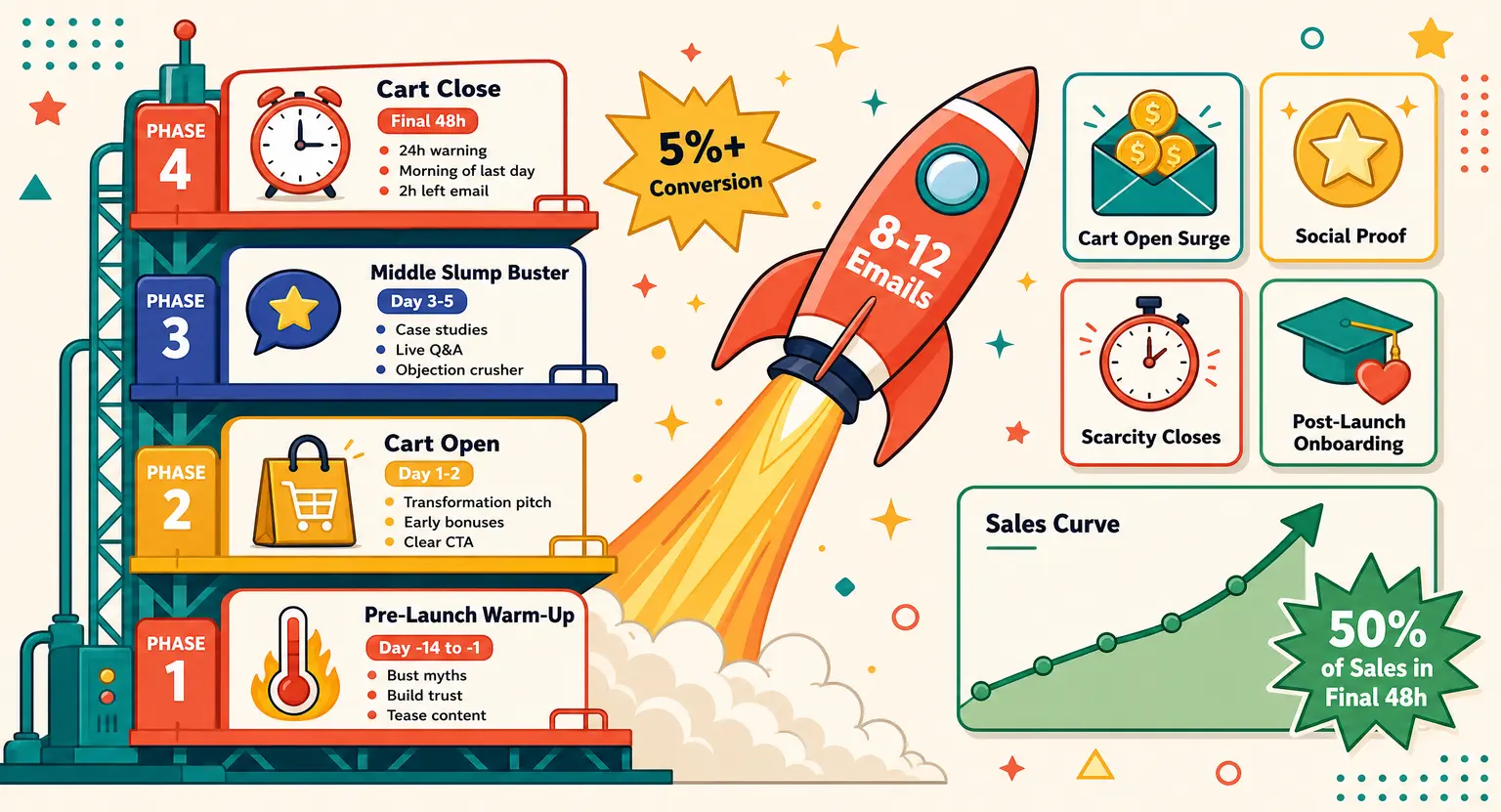
Send a crisp email announcement highlighting three things : direct checkout links, early-bird bonus expiration dates, and how many seats remain. Creating natural scarcity around bonuses or cohort capacity drives decisive action.
When you align the waitlist with a structured email sequence for a course launch, closing your first cohort becomes a systematic, predictable win.
Explore Further Course Creation Strategies
-
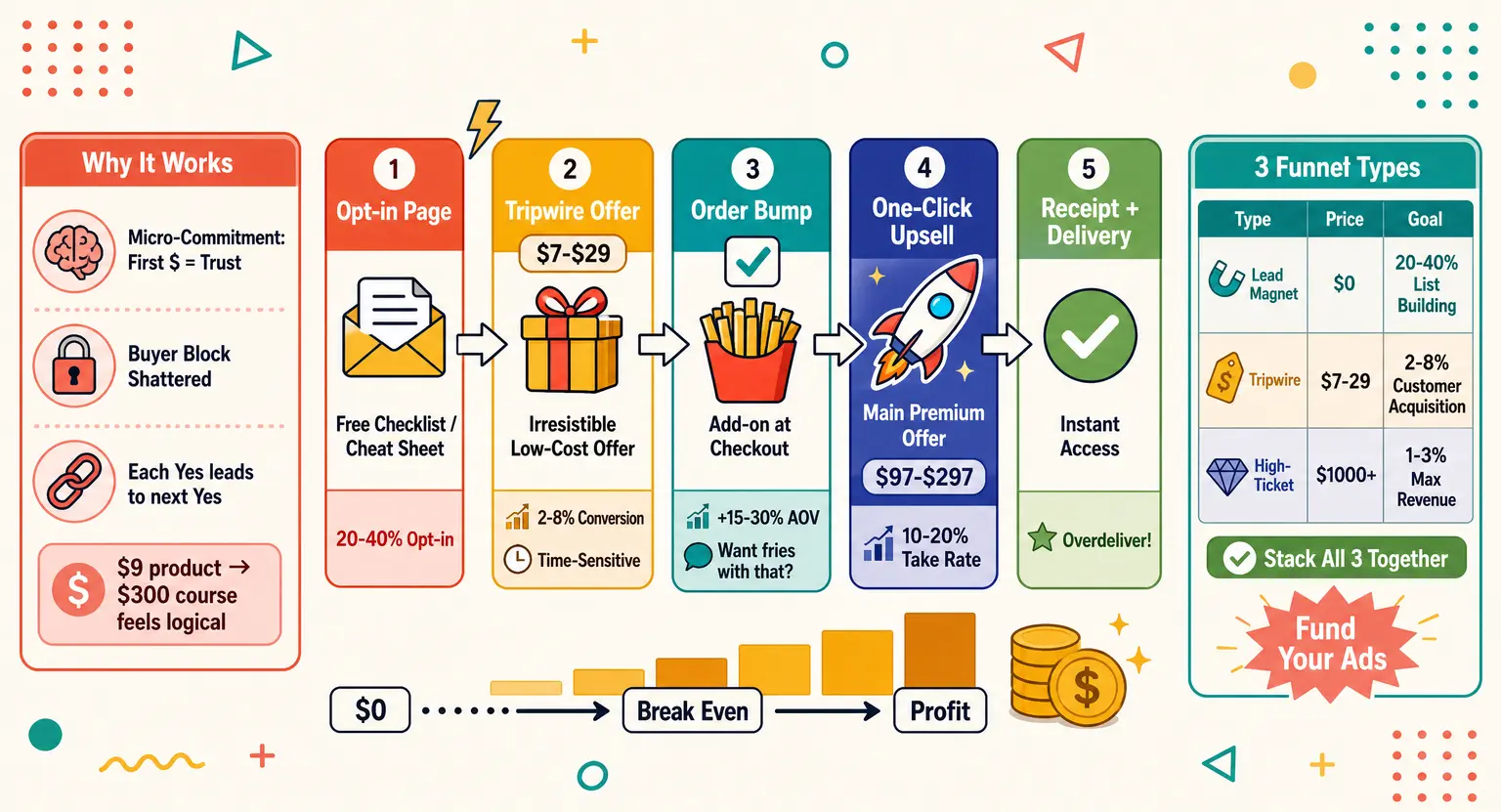
Discover the essential steps for your release in our complete guide on how to launch an online course.
-
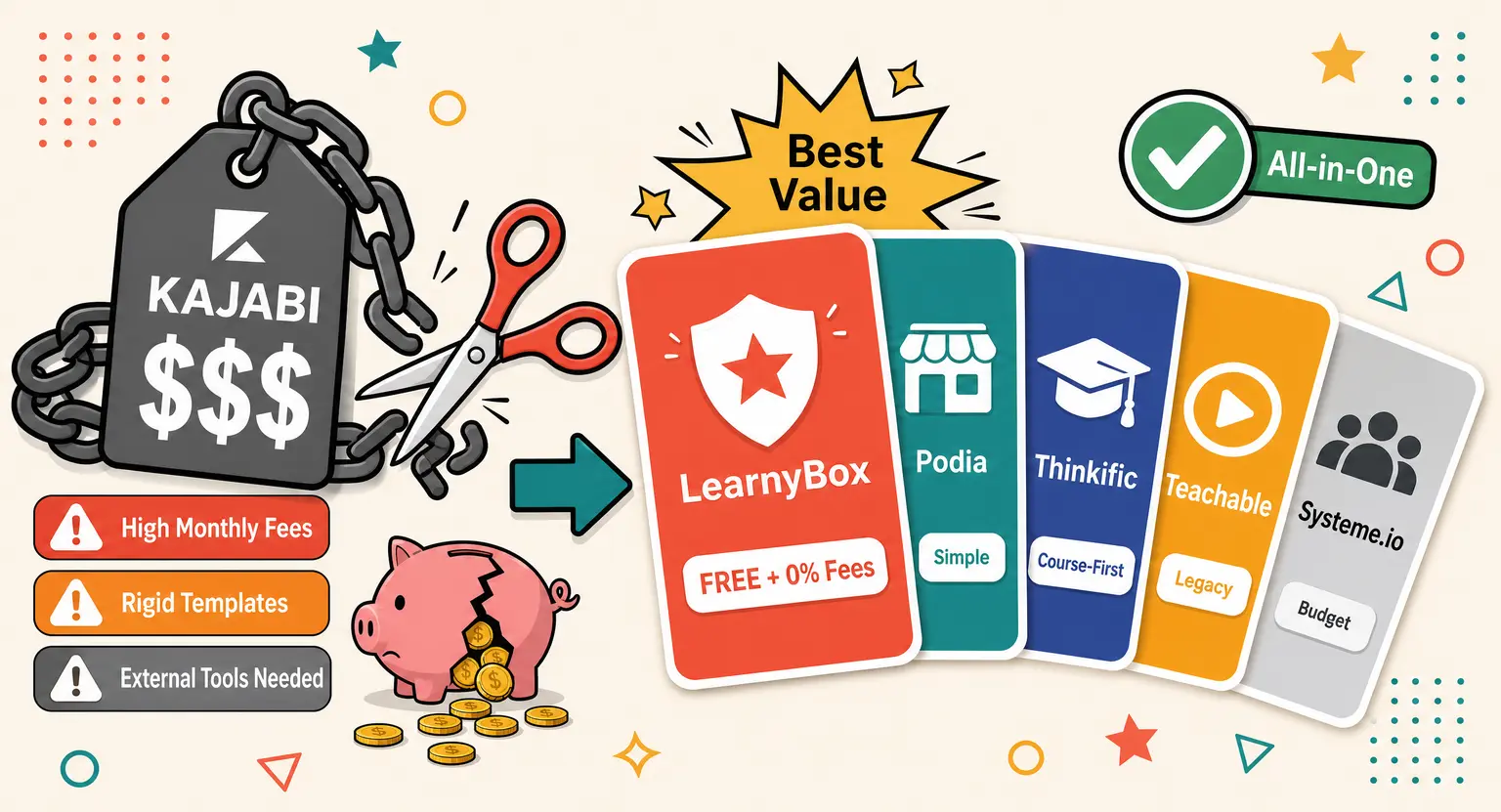
Select the right software stack by reading our roundup of the best online course platforms.
-
Construct high-converting marketing assets using our proven sales page template.
-
Master the entire funnel architecture with our blueprint on how to build a sales funnel.
-
Scale your outreach across social platforms with actionable online course marketing strategies.
Frequently Asked Questions
How far in advance should I start building a course waitlist?
Starting roughly 60 to 90 days before your intended cart open date provides the ideal window.
Anything shorter than four weeks leaves little time to build relational trust, while stretching past four months risks subscriber fatigue and declining open rates.
What is a realistic conversion rate from waitlist to paying student?
Typical unprimed waitlists convert between 3% and 7%.
Highly engaged, incentivized waitlists that offer exclusive discounts, private Q&As, or early curriculum input often reach conversion rates between 15% and 25% on launch day.
Should I collect deposits or keep the waitlist free?
For signature or high-ticket programs over $500, a small refundable VIP deposit of $20 to $50 filters out casual browsers and dramatically lifts purchase commitment. For lower-priced offers under $150, a friction-free email signup works best.
How often should I email my waitlist before the launch?
A bi-weekly rhythm works well during the first month, shifting to weekly value-driven emails during the month before launch. In the final seven days leading up to cart opening, increase contact to two or three targeted updates.


 How to Build an Online Course Business for Acquisition (2026 Guide)
 How to Create an Instructor Revenue-Sharing Model (2026)
 How to Build a Customer Education Program With Online Courses (2026)