







SEO for Course Creators: The 2026 Master Playbook
SEO for Course Creators
We've all seen the classic, heartbreaking narrative play out in the digital course creation community - you spend months and months scripts-writing, recording modules, and structuring materials, only to launch to absolute crickets.
You throw a grand or two into social media ads, get a few clicks, maybe three sales, and then watch the budget evaporate into the digital ether. It hurts.
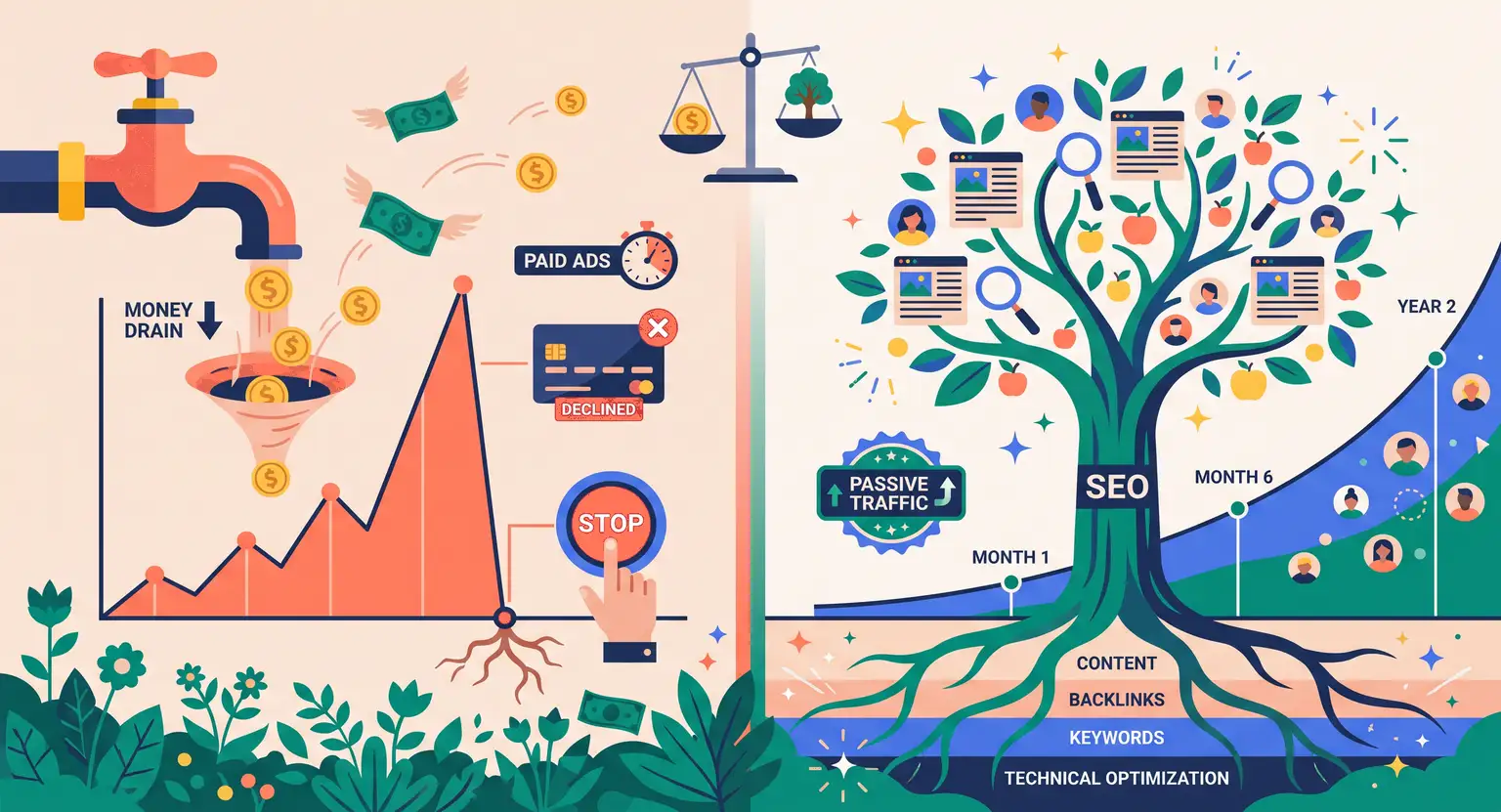
But here is the cold truth of selling online knowledge : paid ads are purely a renting model. When you stop feeding the algorithm cash, the traffic dries up instantly. If you want sustainable, high-margin growth, you need an asset that builds compounding returns over time.
That is where organic search optimization comes in. Organic search is not dead; it has simply evolved.
Today, search engine algorithms do not just look for keyword matches. They seek topical authorities, verified subject experts, and comprehensive answers.
This master roadmap will guide you step by step through building a high-converting search visibility machine.
Whether you are teaching coding, pastry arts, or financial forecasting, these strategies will show you how to naturally capture students when they are actively looking to learn.
Key Takeaways for Online Academies
-
Focus on Intent Over Volume : targeting broad terms is a waste of resources. Target long-tail search items that show true commercial intent.
-
Nail the Entity Map : search engines analyze your academy as an interconnected brand, not a list of unrelated blog pages.
-
Structured Curriculums : format landing pages so web crawlers and potential students grasp your course modules clearly.
-
Multi-Channel Growth : use search optimization assets to support your broader online course marketing strategies for compound visibility.
The New Era of Search : Entities and Trust Over Keyword Stuffing
Think back to how search optimization worked a few years ago. You would find a high-traffic keyword, sprinkle it in your title, throw it into the header tags, mention it twenty times in a thousand-word post, and sit back. Those days are gone forever.
Today, engines use deep learning and latent semantic modeling to interpret search intent. They understand synonyms, related concepts, and the depth of your expertise.
If your site lacks substance, modern platforms will simply filter you out in favor of structured databases and highly authoritative resources.
So what does this mean for you? It means you must establish yourself as an authority within a specific node of the web.
This is what we call entity-based search optimization. Your online school needs to be recognized as a distinct entity that is deeply connected to your main subject area.
If you teach professional baking, you cannot just write a few blog posts about flour. You must cover recipes, technique videos, equipment guides, and trouble-shooting pages.
By doing this, you build a topical map. When search crawlers see this complete web of information, they trust you enough to display your paid program to people searching for systematic training.
This foundation is exactly how to get students for an online course without fighting the expensive ad wars. You become the go-to center of excellence.
Keyword Selection for High-Value Class Enrollments
Let us be highly specific here. If you target a massive keyword phrase like "learn coding," you will get crushed by massive institutions, universities, and venture-backed giants. You do not have the millions needed to compete on that battlefield.
But you do not need to. The magic happens in the long-tail phrases. These are the highly descriptive search strings people use when they are close to pulling out their credit cards.
Look at the search hierarchy :
-
Informational : "how does javascript work" (high volume, low intent).
-
Commercial / Investigative : "best coding bootcamps for web developers" (medium volume, medium intent).
-
Transactional : "react js course with certificate for beginners" (low volume, absolute purchase intent).
Your primary landing page must be optimized entirely for transactional intents. This is where you leverage a robust structure. Your auxiliary content - such as blog posts, YouTube video outlines, and resource hubs - should target the informational queries.
To build this out, sit down and map your user journey. Start by listing the struggles your potential buyers face.
If you are preparing to figure out how to validate your course curriculum, search queries are your market research. Look at what they ask on Reddit, industry forums, and community groups.
For instance, look for modified keywords that contain words like "system", "method", "class", "program", "blueprint", "tutorial", or "certification". These modifiers indicate a strong desire for a structured learning path rather than a random collection of YouTube videos.
Optimizing Your Course Landing Page for Conversions and Crawlers
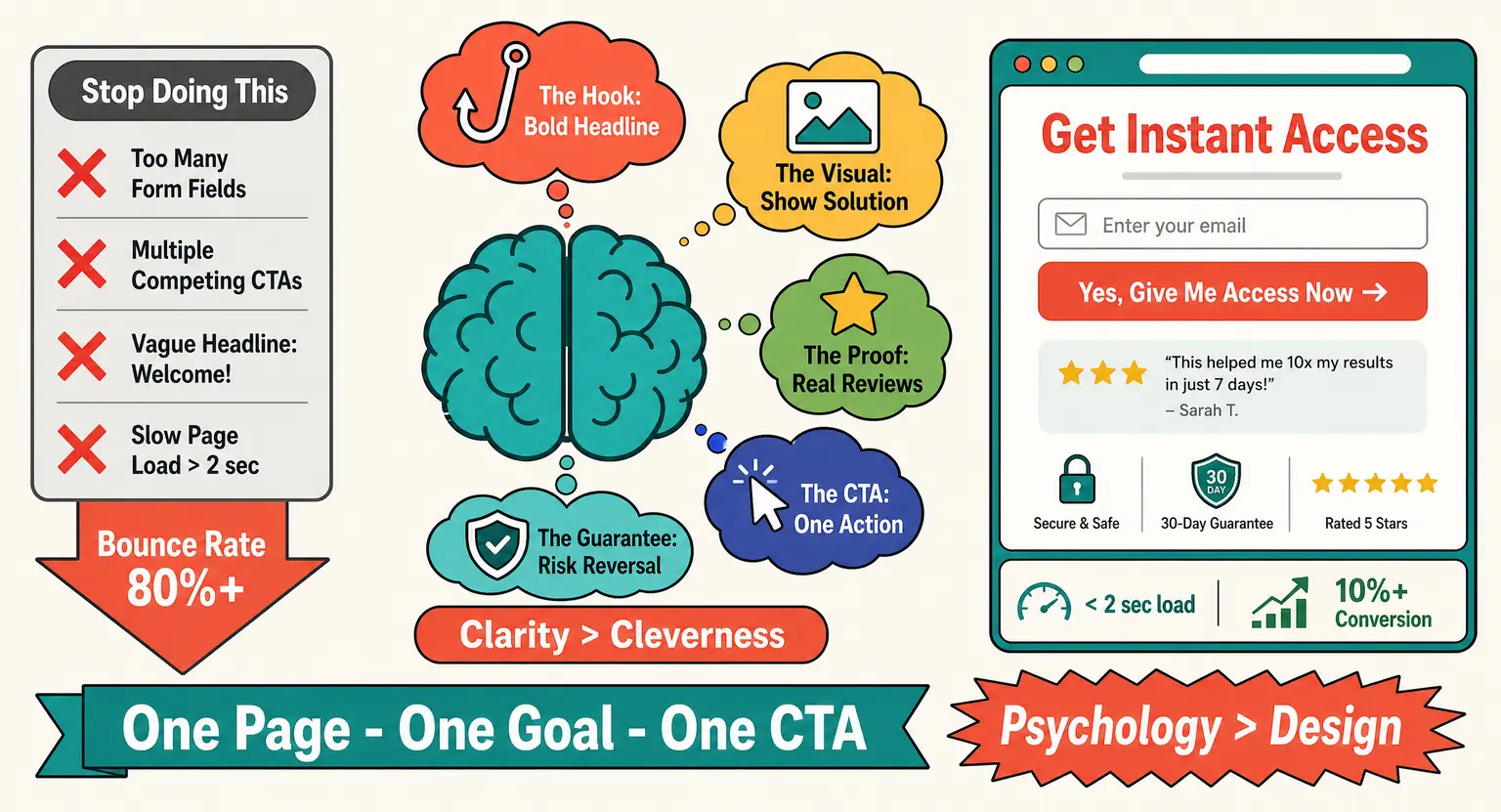
Your course sales page is your ultimate monetization asset. It must perform two jobs flawlessly : convince a human to register, and prove to engines that this is the best course on the market.
And you can do both without sacrificing design. First, focus on your primary heading - it should declare the ultimate outcome of your program.
Use your core transactional keyword naturally in this header.
Next, make your course curriculum crawlable. Many creators make the mistake of using heavy, unreadable JavaScript files or locking their curriculum behind a paywall.
To rank, search engines must read what you are teaching.
Use text-based modules and lessons on your sales page. Create structured accordions with lightweight code so engines can scan your lesson titles. To make this process painless, running your business on a robust setup like LearnyBox provides built-in SEO tools that make structured output simple.
Do not forget the power of schema markup. Schema is the structured data you add to the HTML of a page to help engines index your details.
For course pages, you must use the Course schema object. This specifies the course name, provider, description, and price.
When done correctly, engines can show your course rating and price directly in the organic search results, skyrocketing your click-through rates.
The Course Creator's Content Architecture Strategy
| SEO asset type | Primary search intent | Target optimization metric | Recommended actions |
|---|---|---|---|
|
Main sales landing page |
Transactional / Commercial (ready to buy). |
Conversion rate & direct organic signups. |
Implement detailed FAQs, explicit pricing tables, and schema markup on a fast all-in-one platform to sell online courses. |
|
Course curriculum preview |
Investigative (evaluating quality). |
Dwell time and course outline visibility. |
Use toggle/accordion lists for modules and write highly descriptive, benefit-driven sub-lessons. |
|
Niche blog posts & guides |
Informational (problem-solving). |
Organic traffic & lead magnet opt-in rate. |
Deploy custom lead magnets. Ensure clean internal links to support your overall content marketing for course creators. |
|
Student testimonials & reviews |
Brand-specific (evaluating credibility). |
E-E-A-T score & brand search prominence. |
Format reviews using structured Product Review schema so star ratings populate on engine search results. |
|
Free resource / lead magnet hub |
Early-stage informational (seeking templates). |
Click-through-rate & subscriber growth. |
Create lightweight templates or toolkits that organically transition users toward your paid curriculum. |
|
Industry glossary pages |
Informational (definition seeking). |
Topical authority & passive backlink capture. |
Create concise definitions of technical terms to capture students looking up industry concepts. |
Enhancing E-E-A-T : Demonstrating True Human Expertise
Search engines have been flooded with generic, low-grade AI articles. In response, modern algorithms have doubled down on E-E-A-T : Experience, Expertise, Authoritativeness, and Trustworthiness.
If you want your platform to rank in 2026, you must prove that there is a real human specialist behind the screen. An anonymous website with standard stock photos will no longer survive.
And it starts with your author bios. Write detailed profiles for your instructors. Link their bios to verified social profiles, other published academic papers, or media mentions. Include physical photos, first-hand stories, and external portfolio links.
Another critical element is the integration of student feedback - authentic testimonials do more than build trust with buyers. When you format them properly with schema, they serve as ranking signals.
But there is more. You must show real-world experience through your material.
Share case studies, personal mistakes, and data-backed experiments. Incorporating your unique insights into your content marketing for course creators makes your brand inimitable.
It proves to both your prospective students and search spiders that you are not merely regurgitating basic web articles, but delivering hard-won field experience.
Building Backlinks and Authority Without Spammy Outreaches
Many folks assume link building is all about mass email outreach. You know the drill : sending identical pitches to hundreds of webmasters begging for a guest post slot. It is exhausting and yield rates are abysmally low today.
Instead, focus on creating linkable assets. These are resources so helpful that other writers and creators naturally link to them as references.
So what constitutes a linkable asset for an online educator?
-
Deep-dive original reports and data surveys.
-
Customizable workbooks or free templates.
-
Free calculators, digital widgets, or interactive diagnostic tools.
-
Unique infographics summarizing complex processes.
-
Exhaustive industry glossaries outlining complex terms.
-
Comprehensive directory pages profiling industry leaders.
Think about a blogger writing a guide on how to launch an online course. If they want to cite statistics or a methodology, they will link to a creator who has published concrete data.
By publishing original insights, you systematically attract highly valuable natural backlinks.
You should also coordinate this with your social media for course creators strategy. Share your findings across LinkedIn and professional networks to get eyeballs needed to trigger those organic links.
This targeted cross-promotion ensures your data sets reach the journalists and resource curators who write resource lists in your specific industry niche.
This compounding effect builds domain authority, allowing your actual sales pages to rank higher with much less effort.
Technical Optimization : Keeping Your Academy Fast and Easy to Navigate
We need to talk about raw website speed and user experience. If your school takes six seconds or longer to load on a standard mobile device, your rankings will tank, and you will leak potential buyers.
Search engines prioritize fast, responsive, and mobile-friendly websites. Users expect instant gratification, and search engines optimize for their happiness.
To combat slow load times, watch out for massive, unoptimized images. Compress your course hero graphics and badges before uploading them.
If you host video trailers, never host them directly on your web host. Use responsive players that serve scaled, lightweight assets based on the device the student is holding.
Your platform's technical setup is critical. A system that offers integrated landing pages, secure payment checkout, and student areas can keep everything unified.
When you choose to build your training organization on the right infrastructure, you sidestep the complicated plugin configurations that slow down self-hosted platforms.
And keep a flat website structure. A student or web crawler should be able to reach any video lesson, blog post, or sales listing page within three simple clicks from the home page.
Clean, logical navigation keeps readers moving through your site, showing engines that your platform offers high user-satisfaction metrics.
Explore Further :
-
Target the perfect focus using our strategic guide on top online course ideas for experts.
-
Research highly profitable niches with our updated guide on profitable online course ideas.
-
Validate your concepts before recording with our blueprint on how to validate an online course idea.
-
Launch with absolute precision using our checklist on how to launch an online course.
-
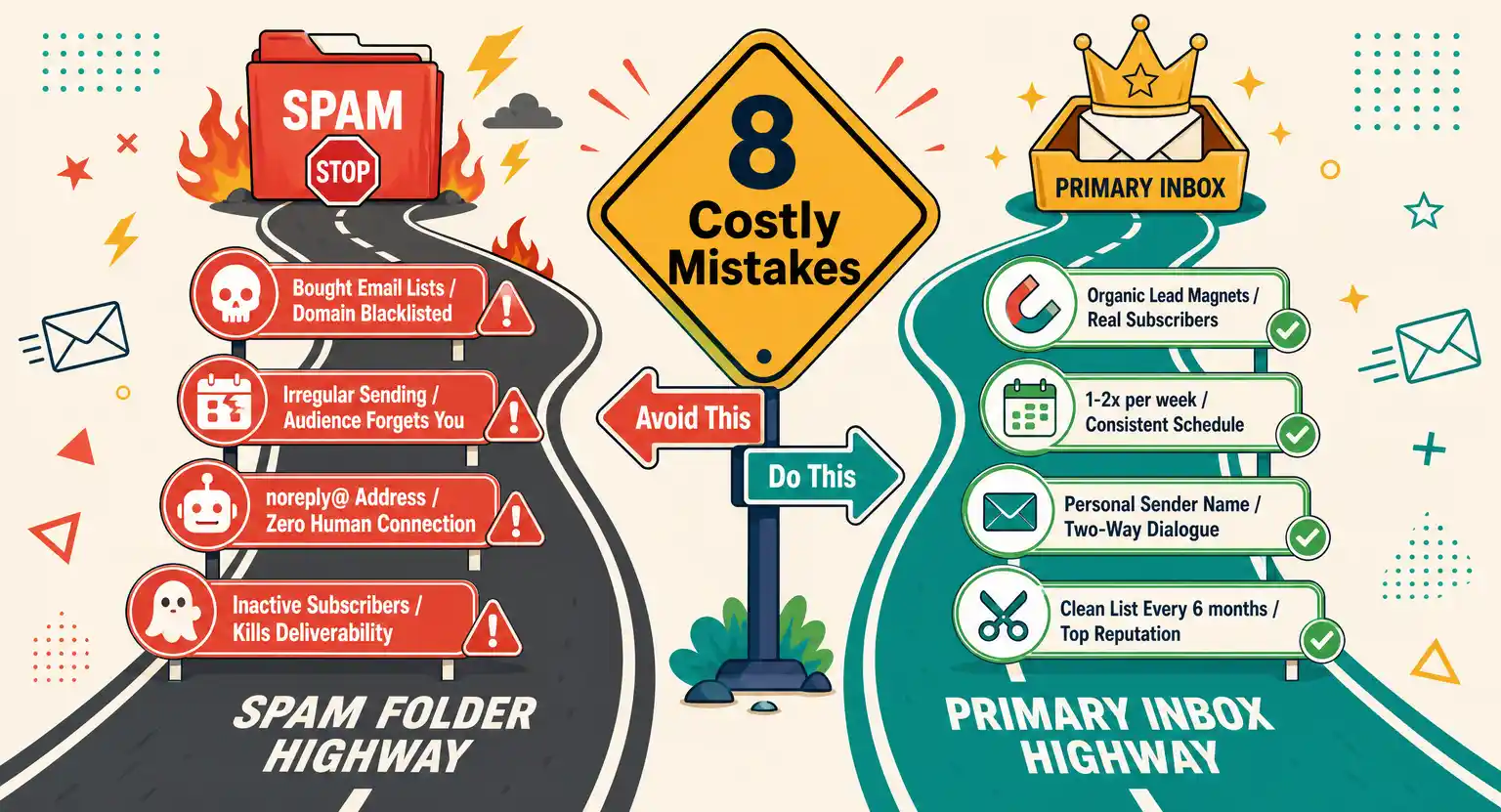
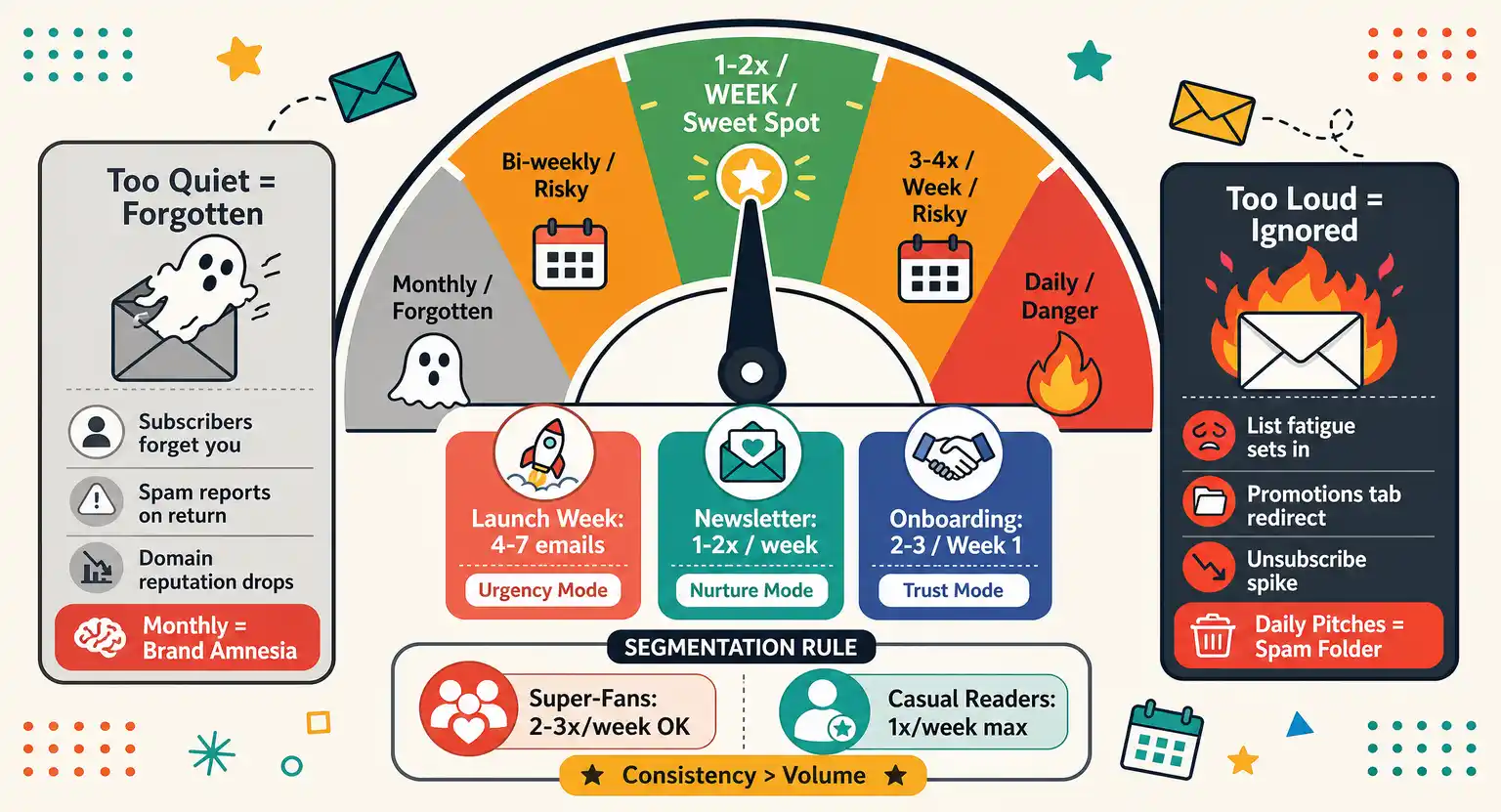
Build an organic relationship with your list by executing email marketing for course creators.
Frequently Asked Questions
How long does it take for a new course page to rank on search engines?
For a newly established web domain, expect stable, high-intent ranking results to consolidate over a timeframe ranging between three to six months.
Standard algorithmic crawl spiders require significant processing windows to test user behavior, measure content depth, and map your brand as a specialized entity.
You can substantially accelerate this trajectory by optimizing for ultra-focused niche search targets that feature lower direct market competition.
Should I make my course curriculum completely public to boost organic traffic?
Yes, sharing your curriculum structure publicly is exceptionally beneficial.
Providing readable, text-based modules directly on your public promotional landing page allows engines to interpret the academic structure of your training program. This text architecture provides critical conceptual vocabulary that helps rank your key resources for diverse investigative search inquiries.
Be sure to format these lessons using responsive accordion toggle tables to preserve your UX layouts.
Is maintaining an active blog mandatory for online course promotion?
While maintaining a dedicated marketing blog is not technically mandatory, it functions as a supercharged accelerator for your organic pipeline.
Standard sales landing pages naturally prioritize ready-to-buy transactional audiences, whereas a well-managed editorial blog allows your business to connect with early-stage, informational search buyers.
By linking blog resources back to your paid checkout paths, you build a self-sustaining marketing engine that delivers compounding signups over time.
How can I properly optimize my lesson video previews for search prominence?
Optimize your video materials by always placing highly descriptive textual outlines and comprehensive transcripts directly underneath your embedded media players.
Search engines do not purely analyze raw visual files; instead, they crawl the surrounding text context to understand subject relevance.
Furthermore, utilizing correct Video schema markup helps modern search platforms easily interpret titles, durations, and thumbnails, dramatically increasing your visibility inside interactive search snippets.
Which is the best online course platform to support an aggressive SEO roadmap?
The optimal platform should combine blazing fast load performance, flat visual structures, integrated landing page environments, and customizable schema markup fields.
Many creators look for the best online course platforms that eliminate complex technical hurdles so they can focus pure effort on student satisfaction.
Choosing a modern system like LearnyBox that integrates these technical fundamentals ensures that your content remains crawlable, secure, and fast without requiring complex external coding efforts, heavy plugins, or secondary hosting plans.






 How to Create a Course Refund Policy (Templates & Best Practices for 2026)
 How to Run a Beta Version of an Online Course (2026 Guide)
 How to Create a Cohort-Based Online Course (2026 Guide)
 How to Sell an Online Course With a Quiz Funnel (2026 Guide)
 How to Sell an Online Course Through a Sales Call (2026 Guide)