







How Affiliate Marketing Works: Step-by-Step Guide (2026)
How Affiliate Marketing Works
Key Takeaways
-
Concept : it is a performance-based system where you earn commissions by recommending products.
-
Mechanics : tracking links record custom user paths using secure first-party pixels or cookies.
-
Payouts : digital rewards are highest, often paying 30% to 50% per transaction.
-
Growth : maximizing income requires mastering modern best affiliate marketing strategies like hyper-relevant reviews.
-
Transparency : disclosing affiliate links protects your reputation and keeps search engines happy.
Let us strip away the hype, the flashy cars on social feeds, and promises of overnight success. Affiliate marketing is neither a magic button nor a scam - It is simply one of the most reliable, performance-driven sales models on the internet, evolving into a massive economy where creators and developers share digital revenue.
If you have ever recommended a good restaurant, you understand the core mechanics. The only difference is that digital platforms track your recommendation and reward you with a fair kickback. No products to store, no shipping hassles, and no complex customer support needed.
But how does it actually transfer money into your account?
Let's check the gears - In this guide, we will break down exactly how this ecosystem operates so you can build a sustainable, trusted income stream starting today.
Demystifying the Model : The Truth of 2026
To succeed now, we must unlearn the outdated tactics of the early web. Years ago, you could spam basic links and watch commissions trickle in. Today, audiences are incredibly savvy, and low-value tactics are quickly filtered out by modern search engines.
At its heart, this is a mutual agreement. A brand wants customers, and a creator wants to monetize their content. By bridging this gap, the creator recommends a solution, the buyer gets the tool they need, and the brand shares part of their revenue. It is a beautiful dynamic of mutual trust.
This dynamic is perfect for people beginning their digital journeys - If you are starting, understanding affiliate marketing for beginners requires shifting your mindset from high-pressure sales to advisory roles.
You are simply a helpful guide showing people products that solve their problems.
Why do brands willingly share profits? Simple. Customer acquisition is expensive.
Conventional ads return fewer results every year. By paying affiliates only when an actual conversion happens, businesses eliminate upfront risk. They are happy to pay a premium for guaranteed results, making it highly lucrative.
The Technical Engine : Cookies, Trackers, and Postbacks
How does a brand know that a customer came from your platform? The magic relies on tracking parameters.
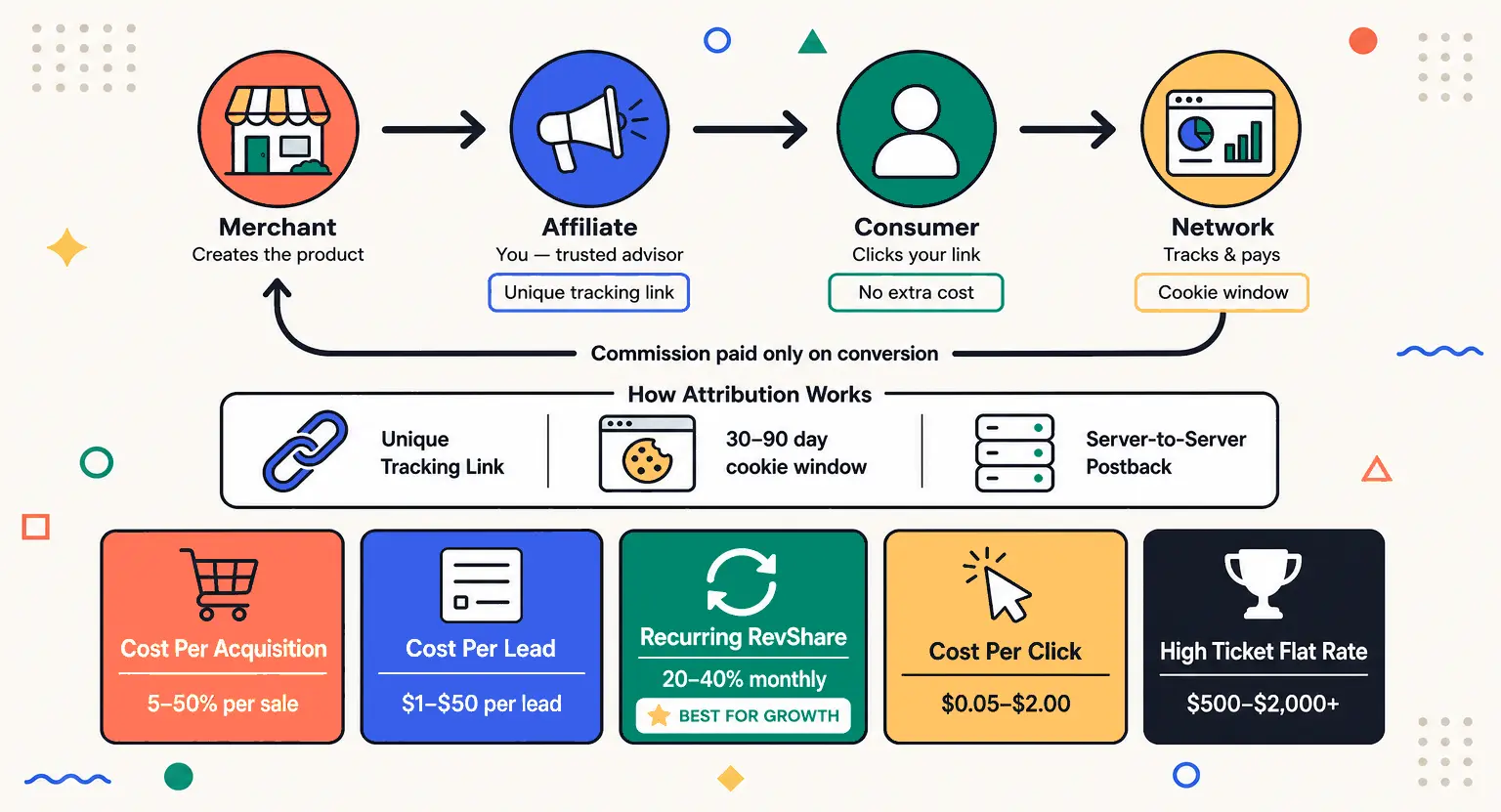
When you join an affiliate program, you receive a unique tracking link - This link serves as your digital signature. When a reader clicks it, a small file called a cookie is temporarily stored on their browser. This text file logs your custom ID and the date.
This ensures attribution remains safe, fair, and mathematically accurate.
Cookies have a specific lifespan, called the cookie window. If a program offers a 30-day window, you get credit even if the user delays their purchase - They can ponder the decision for weeks, but as long as the cookie remains active, you earn the commission.
As we transition into a privacy-first web space, tracking technologies have grown. Networks now implement server-to-server postbacks that protect user data while guaranteeing that affiliates receive proper attribution for every conversion they trigger.
Once a purchase is finalized, the system records your commission. Payouts are usually held during a brief window to confirm no refund occurred, and after that phase, your earnings are transferred directly to your account.
The Four Key Players in the Affiliate Ecosystem
To comprehend this system, you must understand the four distinct roles that make this engine run smoothly.
Each player carries equal weight in the transaction pipeline.
-
The Merchant : the creator, seller, or developer of the product. They can range from solo creators selling courses to global corporations. They handle support and inventory.
-
The Affiliate : this is you. You produce helpful content, reviews, and tutorials to demonstrate how the product works. You act as the trusted advisory voice.
-
The Consumer : the buyer looking to solve a specific problem. Crucially, purchasing through an affiliate link never increases their retail price.
-
The Network : the digital directory where affiliates manage links, track clicks, and receive consolidated monthly payments from multiple partners on one dashboard.
Understanding Commission Models : A Data-Rich Comparison
Not all setups are identical. Depending on the product type and your partners, the payout structure changes.
Let us explore the five primary commission models you will encounter.
| Commission model | How it operates | Average payout scale | Typical industries |
|---|---|---|---|
|
Cost per acquisition |
Paid when a visitor completes a purchase through your unique link. |
5% to 50% of sale. |
Retail, physical goods, software. |
|
Cost per lead |
Paid when a visitor registers for a trial or newsletter subscription. |
$1 to $50 per lead. |
Insurance, finance, online schools. |
|
Recurring revshare |
Continuous monthly commission paid for the life of the referred active subscriber. |
20% to 40% monthly. |
SaaS, hosting, software platforms. |
|
Cost per click |
Paid for sending unique traffic to the developer page directly. |
$0.05 to $2.00 per click. |
High-volume content blogs. |
|
High-ticket flat rate |
A premium payment for promoting high-value specialized courses or consulting. |
$500 to $2,000+ per sale. |
Enterprise services, coaching. |
Setting Up Your Affiliate Strategy Step-by-Step
Understanding mechanics is only half the battle. Now, you must execute. Building a sustainable pipeline requires patience and a structured blueprint.
Let us look at the key steps to earning your first commercial commissions.
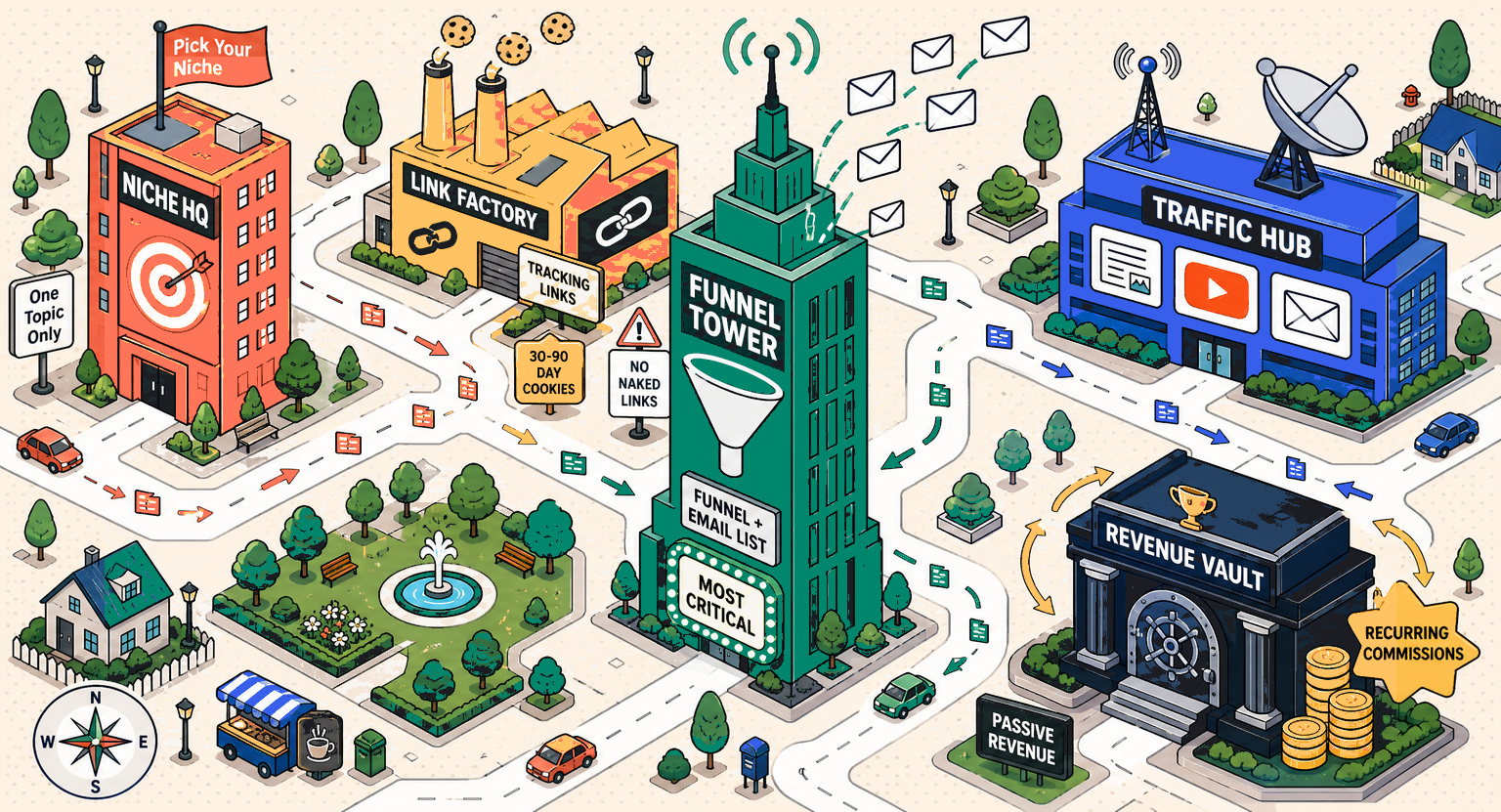
Step One : Pick a Highly Specific Niche
Focus is your superpower. Do not review kitchen appliances and enterprise software on the same page - Pick a narrow sub-niche where you have genuine interest, and become the most trusted authority for that exact audience.
Step Two : Choose Your Home Platform
While social networks work, a dedicated site is the safest base. It secures your content catalog and ensures you do not lose your community if an external social algorithm changes overnight.
Step Three : Build Your Own Email Hub
Traffic is highly volatile. If visitors leave without subscribing, you lose them forever. This is why experienced publishers study how to grow an email list. A direct newsletter allows you to nurture prospects before offering affiliate recommendations.
Step Four : Join Reliable Programs
Apply to programs that match your niche context. You can join global retail networks or private software programs.
Modern educational systems provide fantastic payouts for creators promoting course toolkits.
Step Five : Craft High-Utility, Sincere Content
Never publish articles that feel like raw advertisements.
Produce deep comparison guides and hands-on video tutorials. Help users solve problems first. The transaction should represent a natural solution rather than a forced commercial sale.
Sidestepping the Traps That Tank Most Affiliates
The web is littered with dead sites left by discouraged sellers. Most fail due to simple errors. A primary trap is promoting low-quality solutions just because they offer massive, unrealistic payouts.
To build a lasting business, maintain extreme transparency. Legally, you must disclose your affiliate relationships clearly. Disregarding rules damages audience trust.
Be sure to study common affiliate marketing mistakes to safeguard your reputation and ensure long-term regulatory compliance.
Future-Proofing Your Creator Business
Moving forward, partnerships are becoming far more collaborative. Brands want publishers with specialized communities. This is incredibly true if you create educational material.
As your affiliate conversions grow, you might naturally decide that providing courses fits your audience perfectly.
And this is where hybrid marketing thrives. Once you master traffic, you can easily implement courses - This evolution elevates you from a standard promoter to an independent owner, yielding massive compound growth.
Explore Further
Use these expert resources on our publication to accelerate your digital growth :
-
Establish campaigns using our central all-in-one marketing platform.
-
Launch conversions with custom automated sales funnels.
-
Nurture subscribers with an email marketing platform.
-
Read detailed systems on how to launch an online course successfully.
Frequently Asked Questions
Is affiliate marketing still highly profitable for beginners?
Yes, absolutely. The digital creator economy is growing rapidly, but your strategy must prioritize real utility rather than generic promotional links.
New publishers who focus on thorough hands-on testing can easily earn high commissions and out-convert older legacy blogs that rely on outdated strategies.
Success starts with choice.
To succeed today, you must identify a specialized niche and answer the exact questions buyers have before they purchase.
Avoid promoting everything on a single site. Think of yourself as an objective expert adviser rather than a salesperson - Building a solid platform based on genuine advice will produce continuous commissions.
Additionally, focus on digital solutions - Promoting SaaS or web software delivers much higher earnings than physical assets.
How do I legally disclose my commercial affiliate partnerships?
You must place explicit disclosures on every page where referral links are shared.
Legally, trade regulators require that your audience knows you stand to earn a fee if they buy. This disclosure should be extremely easy to spot, prominently displayed, and written in highly simple vocabulary.
Never hide disclosures in small fonts or at the footer of policies. Place them at the absolute top of your blog articles.
Interestingly, being fully transparent actually increases customer conversion rates because audiences appreciate professional honesty and actively choose to support creators who value open relationships.
Simply state the relationship clearly. Say something friendly like : "I earn a modest commission if you click my links, but this costs you nothing extra".
This keeps you completely compliant with consumer guidelines.
What tracking systems protect commissions in a privacy-first web?
Traditional third-party cookies are slowly disappearing due to browser privacy frameworks.
To resolve this, premium modern partner programs have migrated to server-to-server postbacks and first-party tracking parameters. These systems upload transactional data directly to secure corporate servers instead of tracking users on unstable native browsers.
For dedicated publishers, this evolution is wonderful news. It ensures that your commissions are monitored reliably and you rarely lose attribution due to browser-level script blockages.
Make certain you select partners that use advanced backend scripts to capture buyer journeys.
These modern servers link customer touchpoints across multiple devices, ensuring that you receive proper credit within your agreed attribution windows - Using secure systems ensures your efforts are always fully rewarded.
How do recurring commission structures compare to flat fees?
Flat fees deliver a single bulk payment once a transaction finishes. This is very common for retail sites and major consumer goods networks.
While these payouts can be very attractive initially, they force you to constantly generate fresh buyers to keep your commercial earnings stable over time.
In contrast, recurring revshare models send continuous monthly payments.
Software platforms and digital subscription networks prefer this setup, paying you for as long as your referred customer remains active.
This builds predictable passive earnings that allow you to plan your digital business growth safely.
For steady growth, we highly recommend focusing on monthly recurring systems. Software products offer the absolute best returns because subscription retention remains incredibly strong across most online business sectors.
Can I promote multiple competing product solutions simultaneously?
Yes, and you certainly should. Building exhaustive comparison tables highlighting competing products is highly effective.
When you show the actual pros and cons of multiple brand solutions side by side, your reputation increases because you are not behaving like a biased corporate spokesperson.
Your readers search for realistic evaluations to make smart decisions. Helping them find what fits their practical budget ensures they trust your platform - They will make their choice, and regardless of the tool they pick, you secure a conversion.
This objective approach transforms your business role completely. You become a highly valued industry analyst rather than a biased marketer, which leads to much higher long-term referral conversions across your entire website.








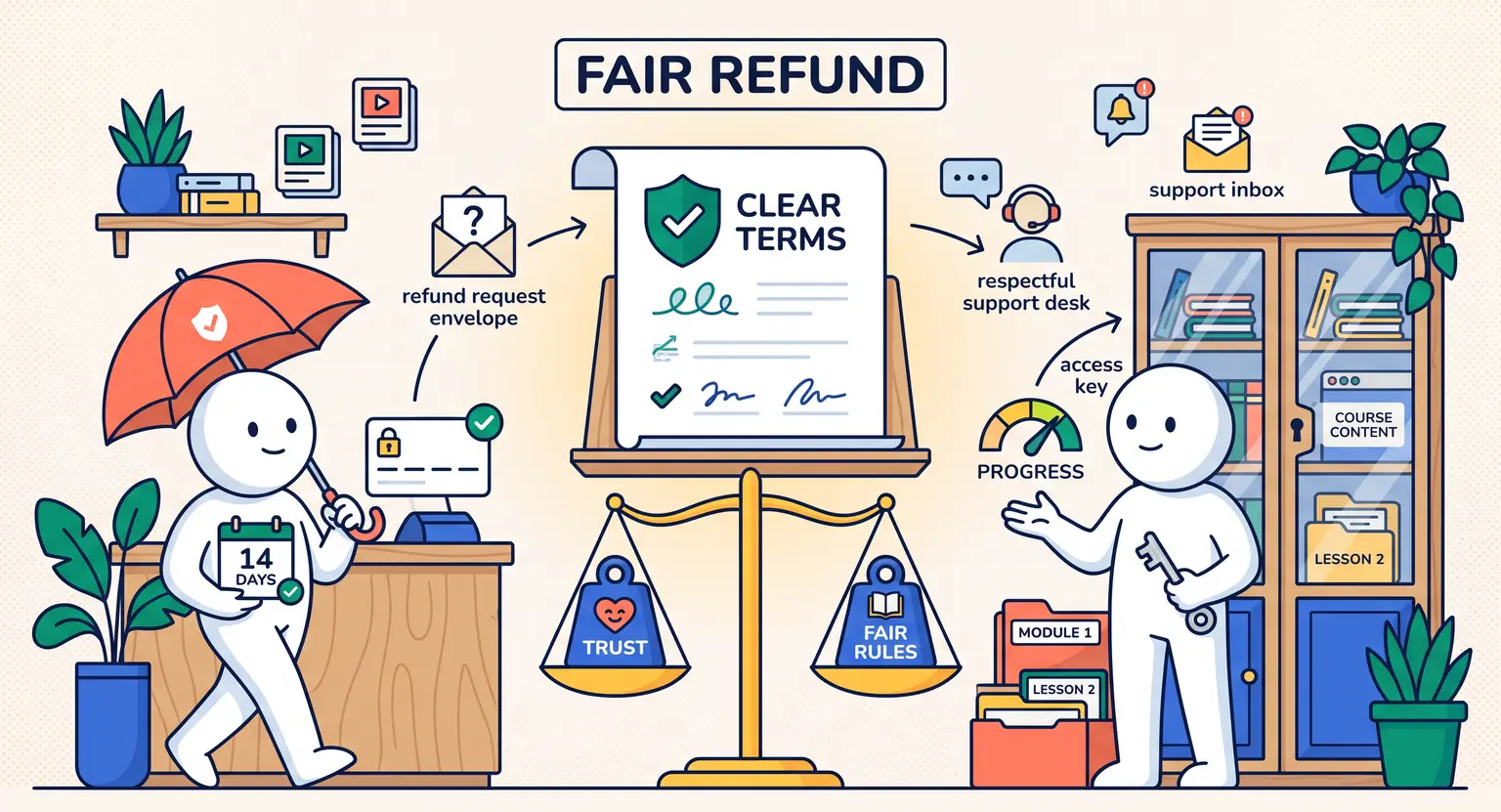 How to Create a Course Refund Policy (Templates & Best Practices for 2026)
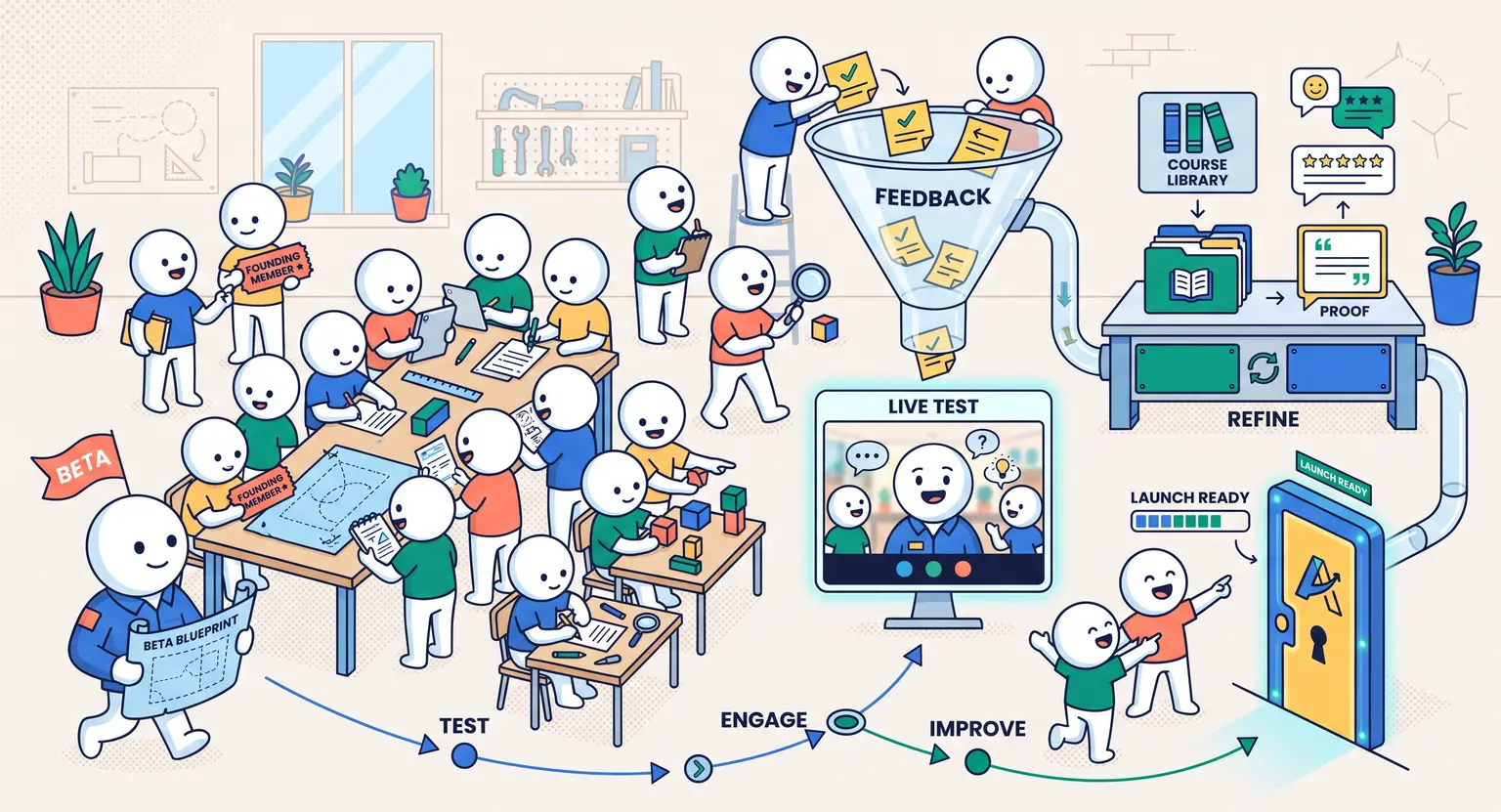 How to Run a Beta Version of an Online Course (2026 Guide)
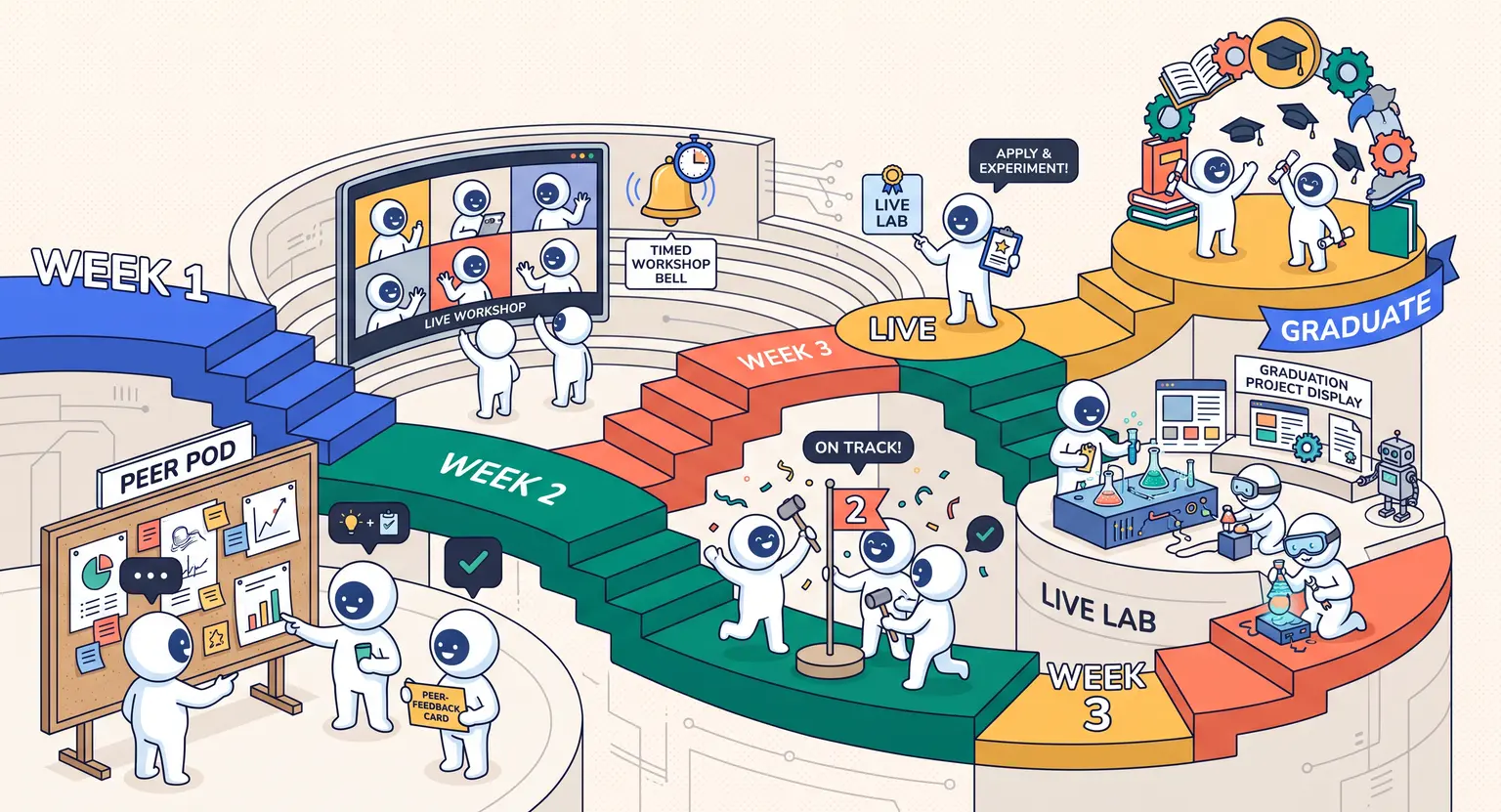 How to Create a Cohort-Based Online Course (2026 Guide)
 How to Sell an Online Course With a Quiz Funnel (2026 Guide)
 How to Sell an Online Course Through a Sales Call (2026 Guide)