







AI for Course Creators: The Expert Blueprint for 2026
AI for Course Creators
Remember 2023? We were all losing our minds because ChatGPT could outline a course in twelve seconds. Fast forward to 2026, and the novelty has worn off - today, if you're still copy-pasting generic syllabus ideas, you're falling behind.
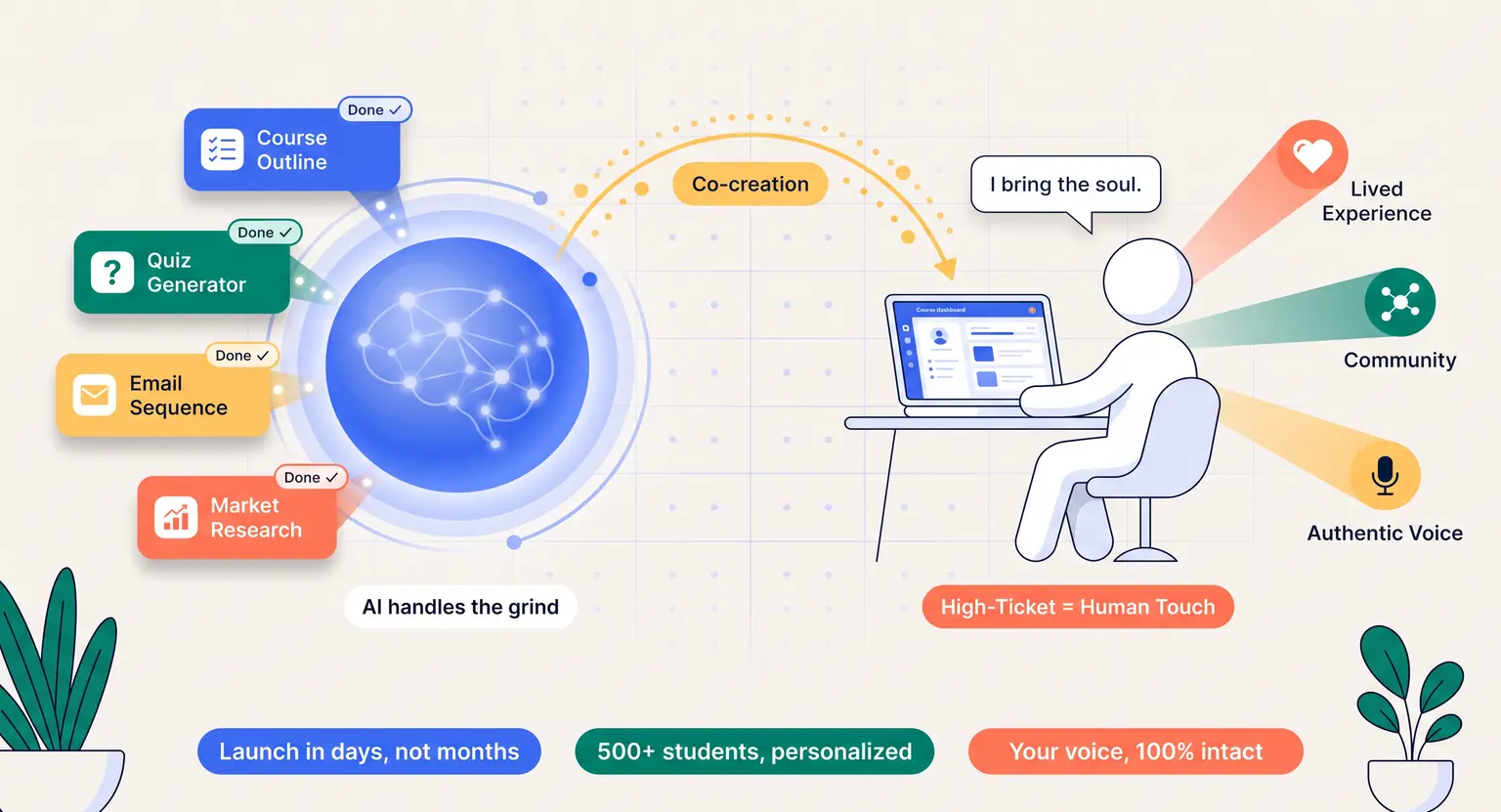
True intelligence lies in co-creation. It's about leveraging advanced neural tools as strategic execution partners so you can build deeper human connections with your community, turning casual students into loyal advocates.
So, how do successful knowledge entrepreneurs use machine learning today? They don't let algorithms write their soul away. Instead, they use them to handle the heavy grinding, leaving the authentic, lived-experience teaching entirely to themselves.
This comprehensive guide shows you exactly how to integrate these workflows without losing your unique voice.
Key Takeaways for Modern Educators
-
Efficiency is the baseline : use machine helpers to draft structured plans and format raw thoughts, not to replace your unique insight.
-
Accelerated Launch : you can build, test, and adapt complex assets in hours rather than months by integrating AI tools for course creation early in your workflow.
-
Personalization at scale : 2026 is all about adaptive learning experiences that tailor tests, recaps, and support to individual student needs.
-
Keep the human element : video, mentorship, and active communities remain the premium elements that drive high-ticket sales.
Ideation & Validation : Speeding Up the Sandbox
Let's face it. Ground zero of any training business is the blank canvas of your next offer. You have decades of expertise, but distilling it into a marketable format takes forever. Plus, how do you verify people will actually pay for it before you spend dozens of hours recording?
This is where predictive modeling and prompt-assisted research come in. Instead of guessing, you can feed current market data, competitor reviews, and audience pain points into a structured analysis engine - and you get an instant diagnosis of gaps in the market.
By analyzing real review data from forums, public social groups, and industry reports, you can pinpoint the exact challenges your prospects face daily.
But do not just build blindly. It's essential to evaluate demand first. Learning how to validate an online course idea with swift interactive landing pages and rapid-fire focus groups saves you months of wasted effort.
In 2026, we don't build first and market later. We co-create with our target market, utilizing intelligent systems to process their feedback in real-time, matching our personal skills with what the market desperately wants to buy.
Structuring & Outline Generation : From Chaos to Curriculum
Once you've validated your concept, the next hurdle is structure. How do you divide your vast reservoir of knowledge into logical, bite-sized lessons that don't overwhelm your students?
The danger of manual outlining is scope creep - you try to teach everything at once, and the course ends up being eighty hours long.
Generative systems excel at breaking down complex concepts into clean, progressive steps. Tell the platform your target student's current situation and their ultimate goal.
It will map out the precise learning path needed to bridge that gap. This is not about letting an engine decide your curriculum, but about having a virtual architect lay down the scaffolding.
For example, you can use a free online course outline template to build fast, combining classic educational theory with machine sorting. This structural framework keeps your curriculum focused on transformation rather than information overload.
You can reorganize modules on the fly, adjust the pacing for different cohorts, and ensure that each lesson naturally flows into the next without missing a single beat or losing student engagement.
Content Creation : Video Scripts, Quizzes, & Copywriting
Now we get to the heavy lifting. Writing scripts, worksheets, action guides, email follow-ups, and landing page copy is where most creators lose momentum. Generating hundreds of pages of written assets is exhausting… thankfully, smart generation systems are your tireless assistants.
Take video scripting. You can feed your rough bullet points or voice memos into an AI partner and ask it to draft a highly conversational, engaging script. It can format the script with visual cues, transitions, and calls to action in seconds.
But remember : the magic is in the human edit. Read the output aloud, strip out any overly formal phrases, and insert your personal anecdotes.
The key is knowing how to create engaging course content. In 2026, passive observation is out; active learning is in.
To keep student attention high and reduce course refund rates, add interactive elements like action-oriented challenges, reflection prompts, and quizzes. These are incredibly easy to format.
You can learn how to create quizzes for online courses by prompting your workspace to generate scenario-based questions based directly on your lesson material. This tests true comprehension, turning passive viewers into active, successful students who love your academy.
Production Hacks : Building Your Digital Presence
Let's talk about the technical side of recording. Many experts stall because they dread setting up cameras, testing audio, and editing video.
The good news is that the technological landscape has completely shifted - you don't need a Hollywood budget or an expensive production crew to create highly professional training programs.
If you are comfortable on camera, smart editing software can trim silence, auto-generate captions, and even realign your gaze if you look away from the camera.
If you want a faster setup, look into how to create an online course with AI tools that turn raw text directly into slide presentations with natural synthetic voiceovers.
However, keeping a direct, authentic connection is crucial. Even when utilizing machine-guided design, your choice of recording gear matters. Setting up with the best equipment for recording online courses ensures crystal-clear, high-fidelity sound that stands out.
This crisp delivery immediately signals premium quality, building instant trust with your students even before they complete their first module.
The Core Ecosystem : Choosing Your Strategy
Not all generative features are built the same. Some tools specialize in organizing your curriculum, while others focus on automated editing, content generation, or marketing funnels.
The secret is finding the right balance that suits your teaching style and tech comfort level.
To help you choose, here is an extensive look at how different system features assist your business :
| Feature type | Main use case | Benefits for creators | Human action needed |
|---|---|---|---|
|
Curriculum planners |
Drafting initial syllabi, breaking down complex disciplines, and checking for learning gaps. |
Cuts down early design phases from weeks to minutes. |
Review the outputs to ensure the lessons mirror your personal methodology and professional philosophy. |
|
Automated video editors |
Slicing raw recordings, matching audio-visual tracks, removing filler words, and producing short clips. |
Eliminates tedious manual cutting, producing punchy visual delivery. |
Injecting personal stories, real screen-shares, and checking emotional pacing of key training sections. |
|
Script generators |
Fleshing out voice drafts, building natural structures, and customizing messaging for specific segments. |
Maintains steady writing progress and easily helps defeat writer's block. |
Reading scripts aloud to adjust syntax, ensuring they sound natural and feature your signature vocabulary. |
|
Adaptive quiz builders |
Formulating scenario-based assessments and practical tests based on your video transcripts. |
Increases course completion metrics by making study review interactive and completely customized. |
Modifying incorrect answers to include clever teaching cues and practical real-life scenarios. |
|
Launch & funnel assistants |
Writing marketing campaign outlines, landing pages, email nurture sequencers, and registration copies. |
Helps build cohesive multi-channel marketing campaigns without paying premium agency fees. |
Sharing real-world case studies, student feedback, and defining the specific emotional stakes of the course. |
Launching & Marketing : Smarter Funnels, Faster Launches
You can build the absolute best program in the world, but if nobody knows it exists, your school won't survive. Launching used to mean writing endless sales pages, building checkout integrations, and drafting twenty-part email campaigns.
With automated marketing components, that mountain turns into a molehill. You can feed your validated offer details into a smart marketing framework to draft highly persuasive sales funnels that capture attention and build authority. From lead magnets to confirmation sequences, your systems handle the initial copywriting.
The trick is using this leverage to focus on high-touch connection points. Learn how to launch an online course by pairing smart copy with real social proof.
Spend your time talking to your early leads, conducting live preview webinars, and gathering authentic testimonials that tell your true brand story. That is what transforms curious visitors into paying buyers.
Your Next Move in the Digital Classroom
The future of online instruction belongs to educators who work smarter, handle tedious tasks smoothly, and show up fully today. A solid system completely frees you to teach with passion.
Explore Further Insights :
How to monetize your expertise without a massive marketing team :
-
Discover the power of online teaching as a business to secure your freedom.
-
Learn the structural secrets of how to make a course outline.
-
Keep your business simple, focused, and stress-free.
Frequently Asked Questions
How can I make sure my AI-generated content still sounds like me?
The easiest way is to feed the system your own written material first, such as past blog posts, transcripts, or newsletters, and ask it to analyze your tone.
When generating new material, instruct the engine to write in your specific style. Most importantly, always do a human pass.
Read the text aloud and insert personal jokes and career stories to make it yours.
Can I build my entire e-learning platform in one unified dashboard?
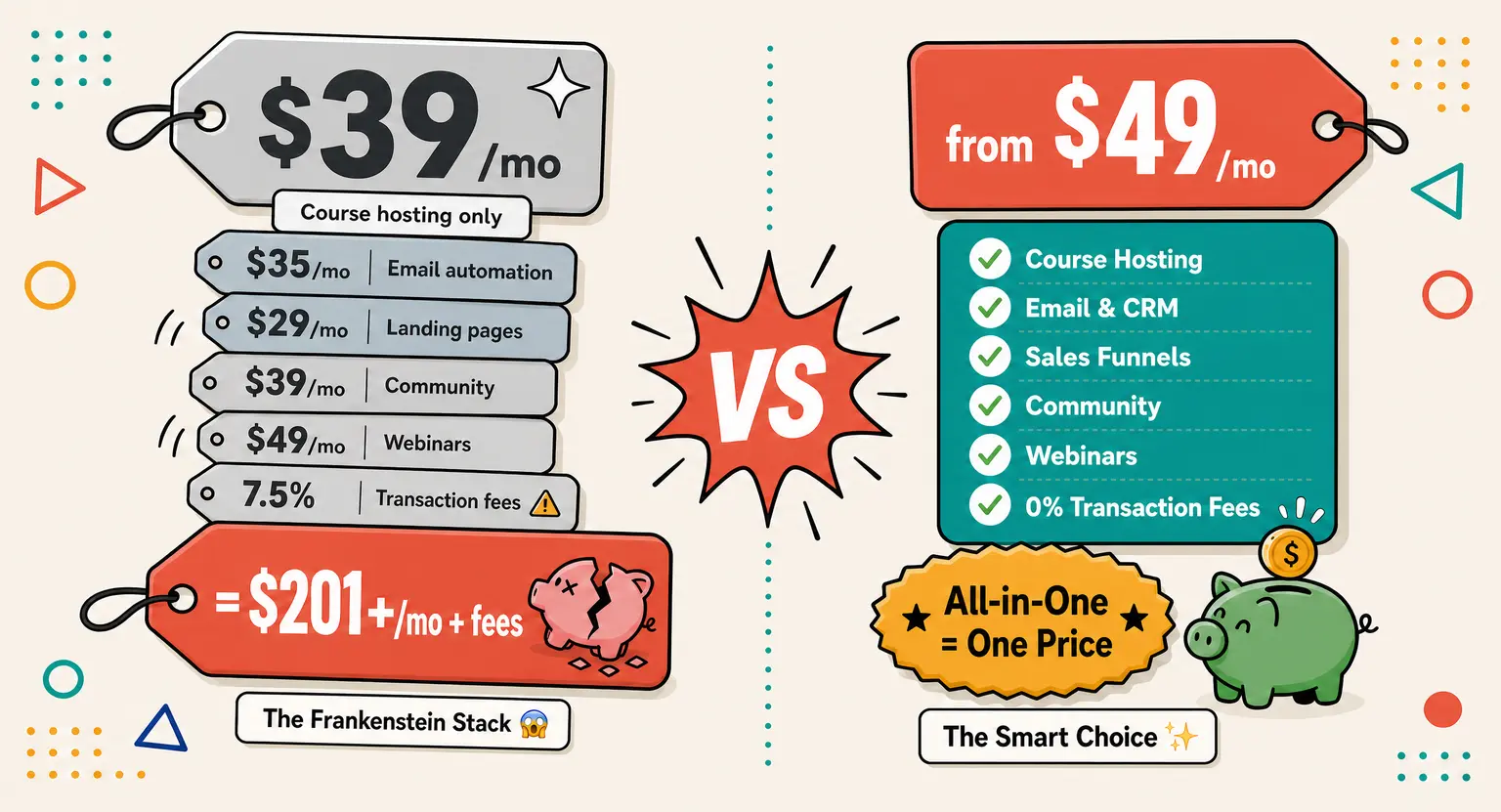
Absolutely. Modern business owners want simple workflows. Instead of sewing different tools together with webhooks, using an integrated platform like LearnyBox allows you to host courses, set up checkouts, schedule events, and run emails from one central hub, saving time and tech-induced headaches.
What is the most effective pricing strategy for an online course today?
Pricing depends heavily on your offer's structure and the level of direct support you provide.
High-ticket courses usually feature live group coaching or personalized masterminds. For standalone courses, finding a balanced pricing model is key.
Reviewing a detailed online course pricing strategy will help you align your price points with student expectations and your brand value.
Will AI replace human online instructors entirely?
No, far from it. While algorithms can sort data and write templates, they lack empathy, lived experience, and authentic authority.
Students do not pay just for raw information; they pay for community, guidance, and validation.
The role of the human instructor is more important than ever because true transformation requires active, genuine connection.





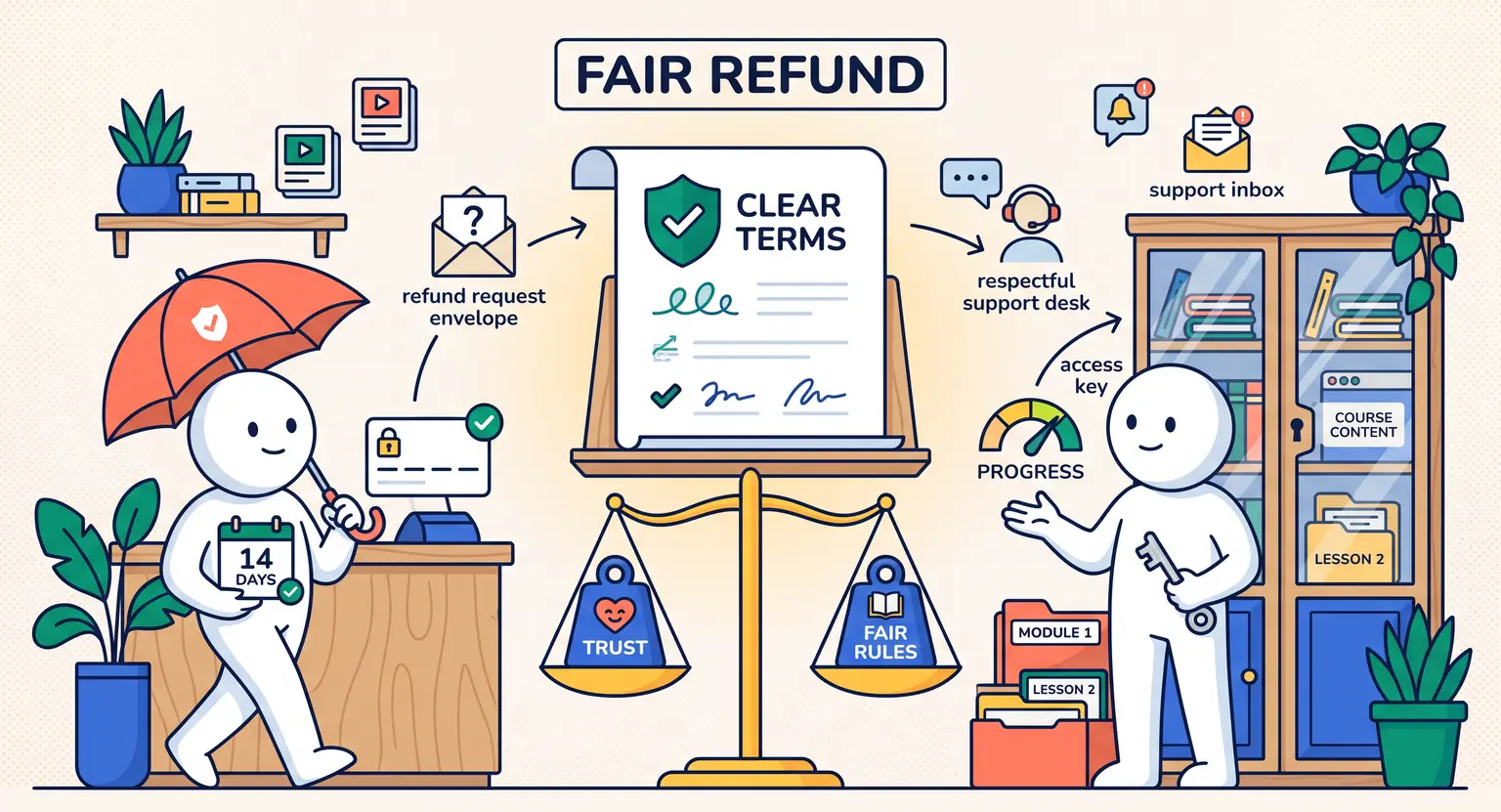 How to Create a Course Refund Policy (Templates & Best Practices for 2026)
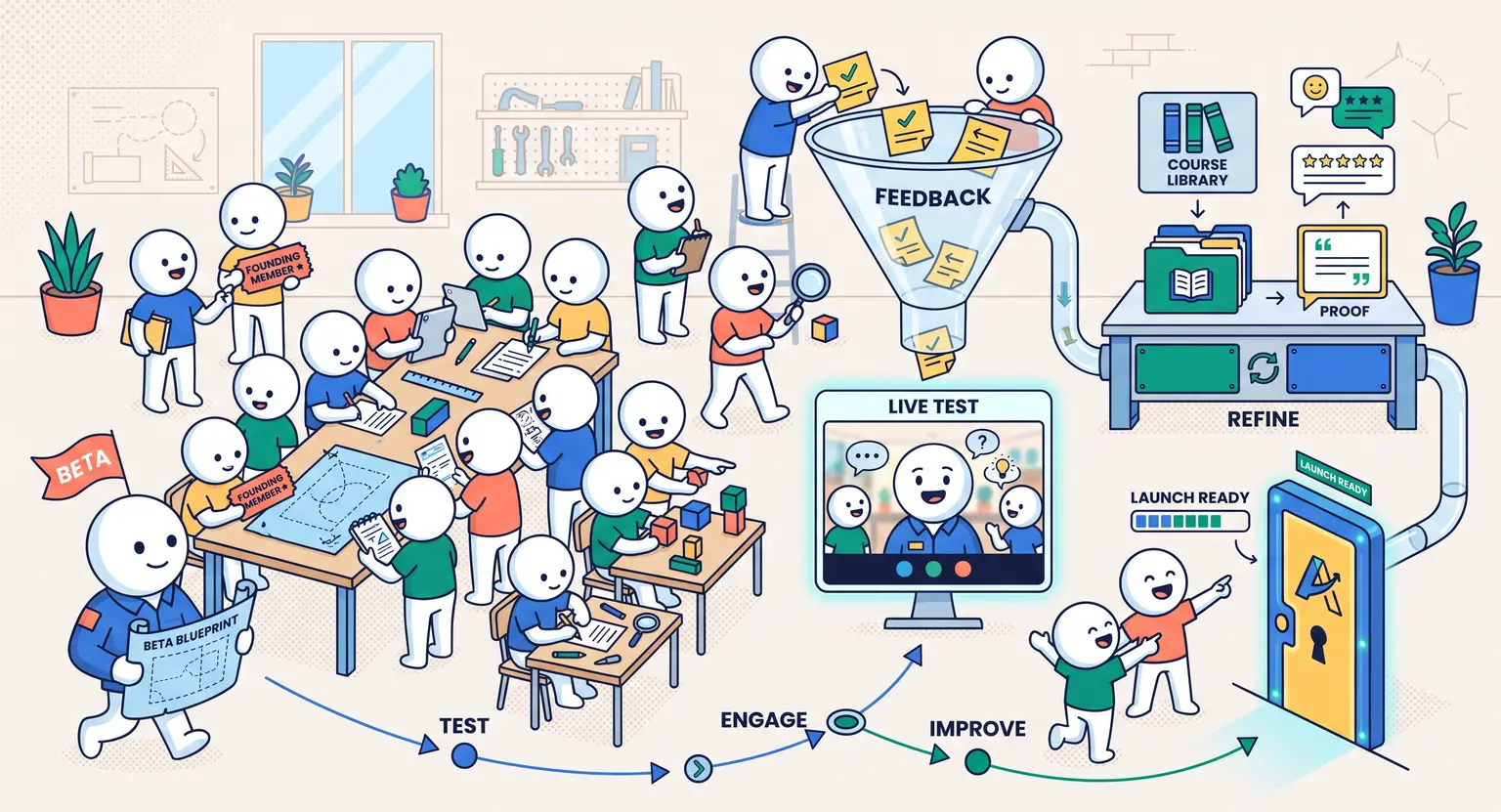 How to Run a Beta Version of an Online Course (2026 Guide)
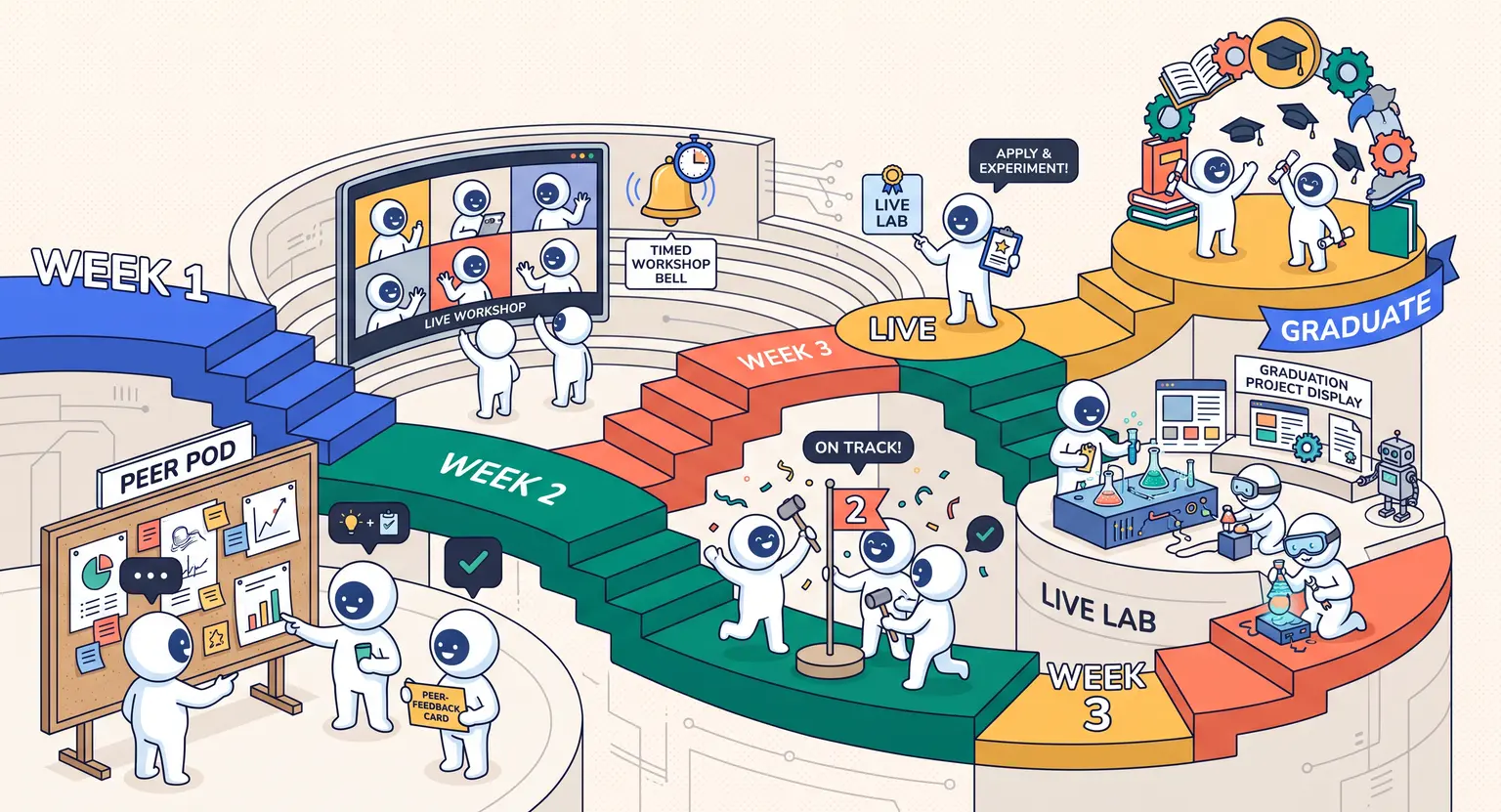 How to Create a Cohort-Based Online Course (2026 Guide)
 How to Sell an Online Course With a Quiz Funnel (2026 Guide)
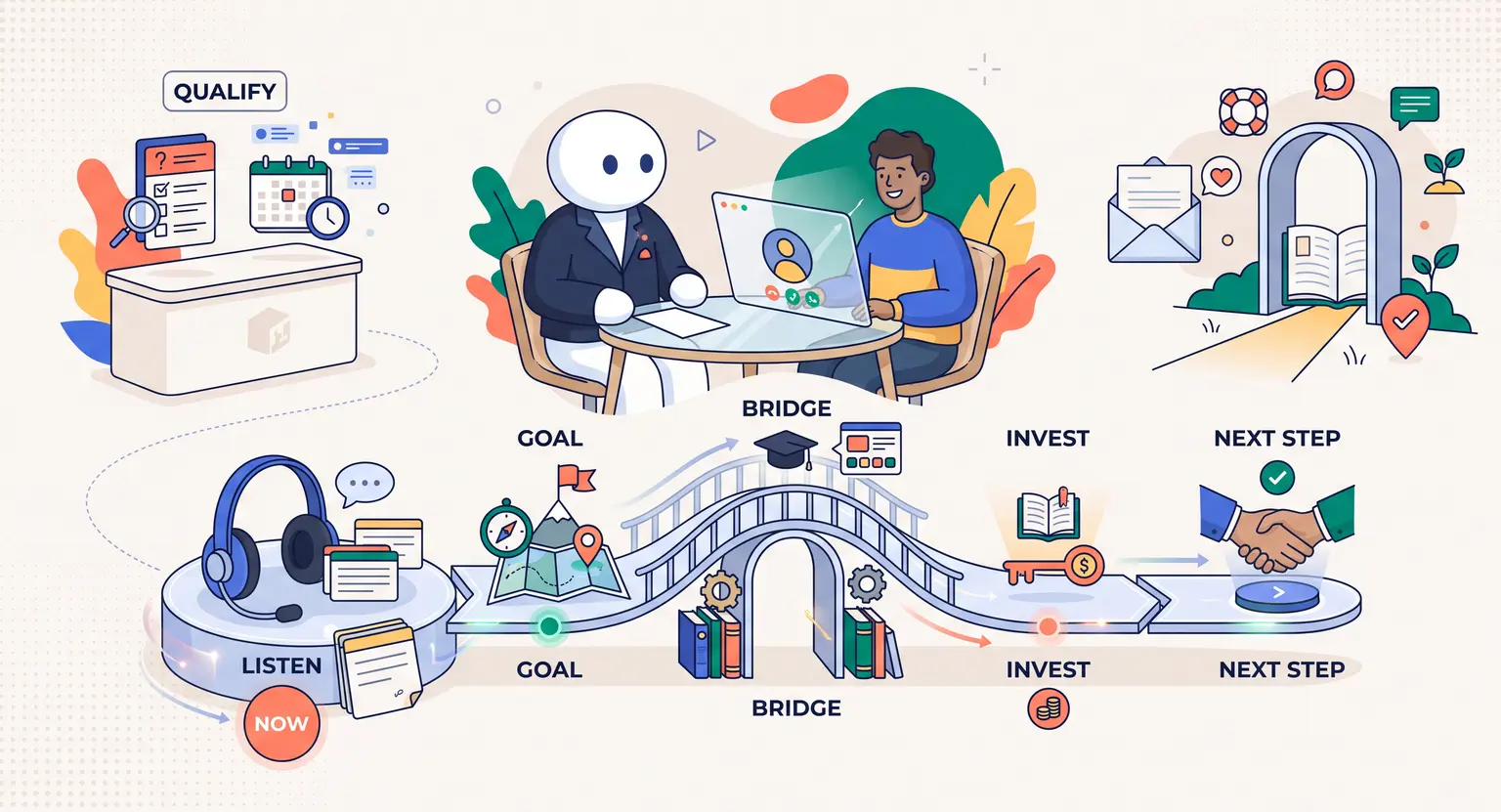 How to Sell an Online Course Through a Sales Call (2026 Guide)