







Online Teaching as a Business: Your 2026 Strategic Blueprint
Online Teaching as a Business
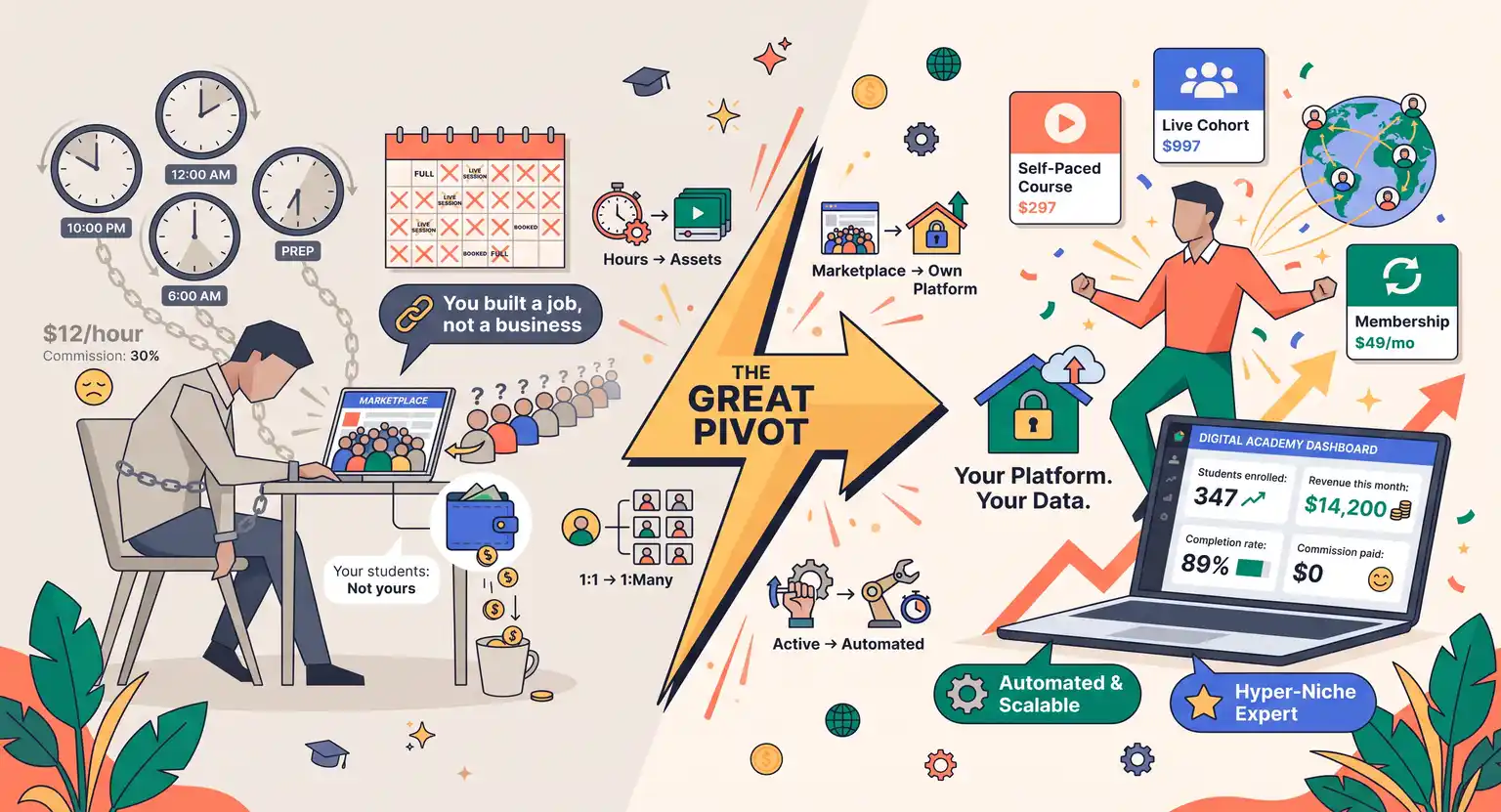
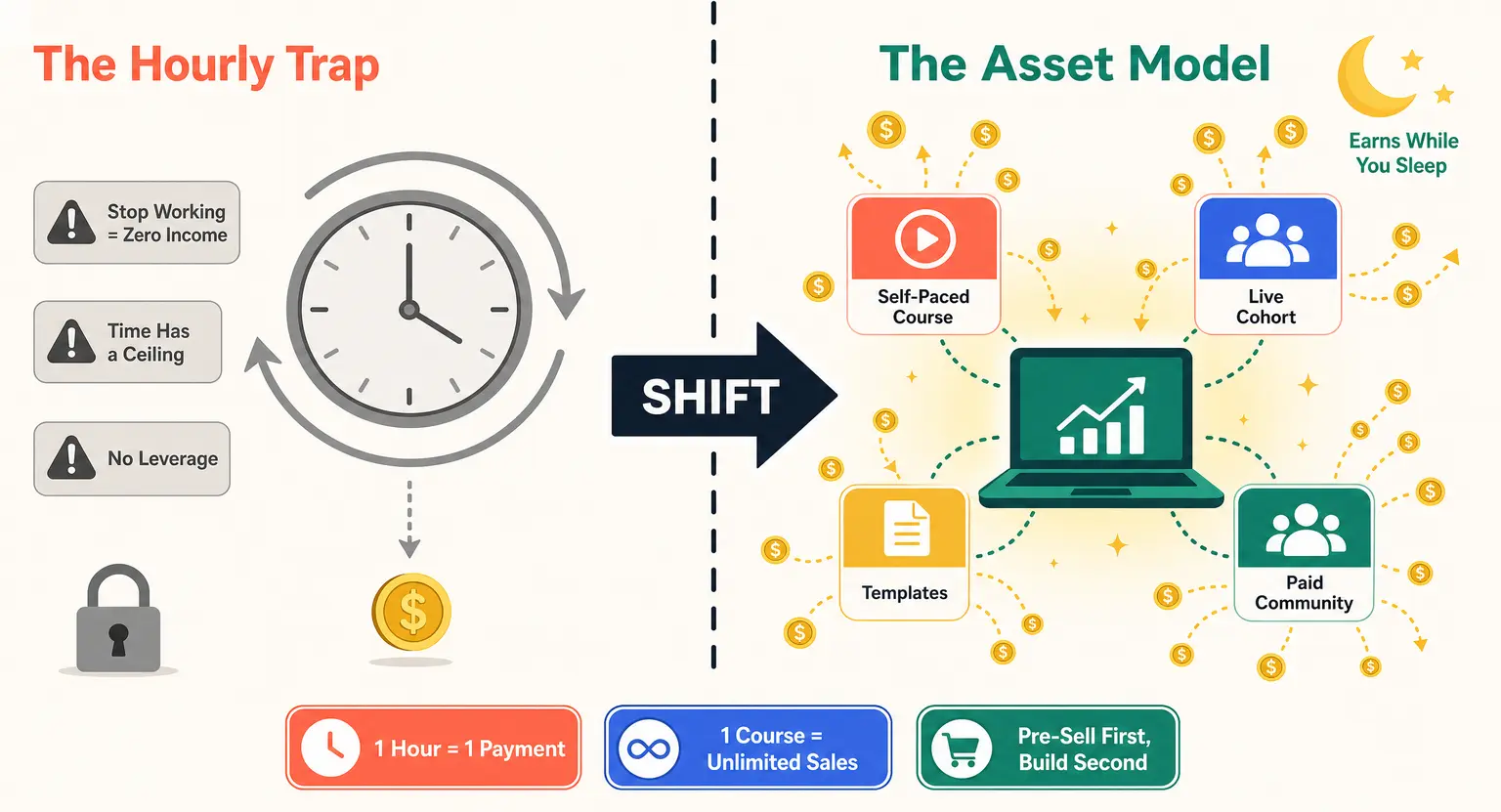
Let's be completely honest for a second : if you are still trading your precious hours for erratic hourly rates on crowded external marketplaces, you are not running a business - you have simply built yourself a demanding, low-yield job.
In 2026, the global demand for knowledge has reached an all-time high, but the way students buy education has drastically shifted.
People do not just want passive information anymore. They want curated outcomes, close-knit communities, and highly structured transformation paths.
This means your expertise is incredibly valuable, provided you package it correctly.
But making the mental leap from a freelance online tutor to an actual entrepreneur is terrifying for most…
How do you find students?
What software do you use?
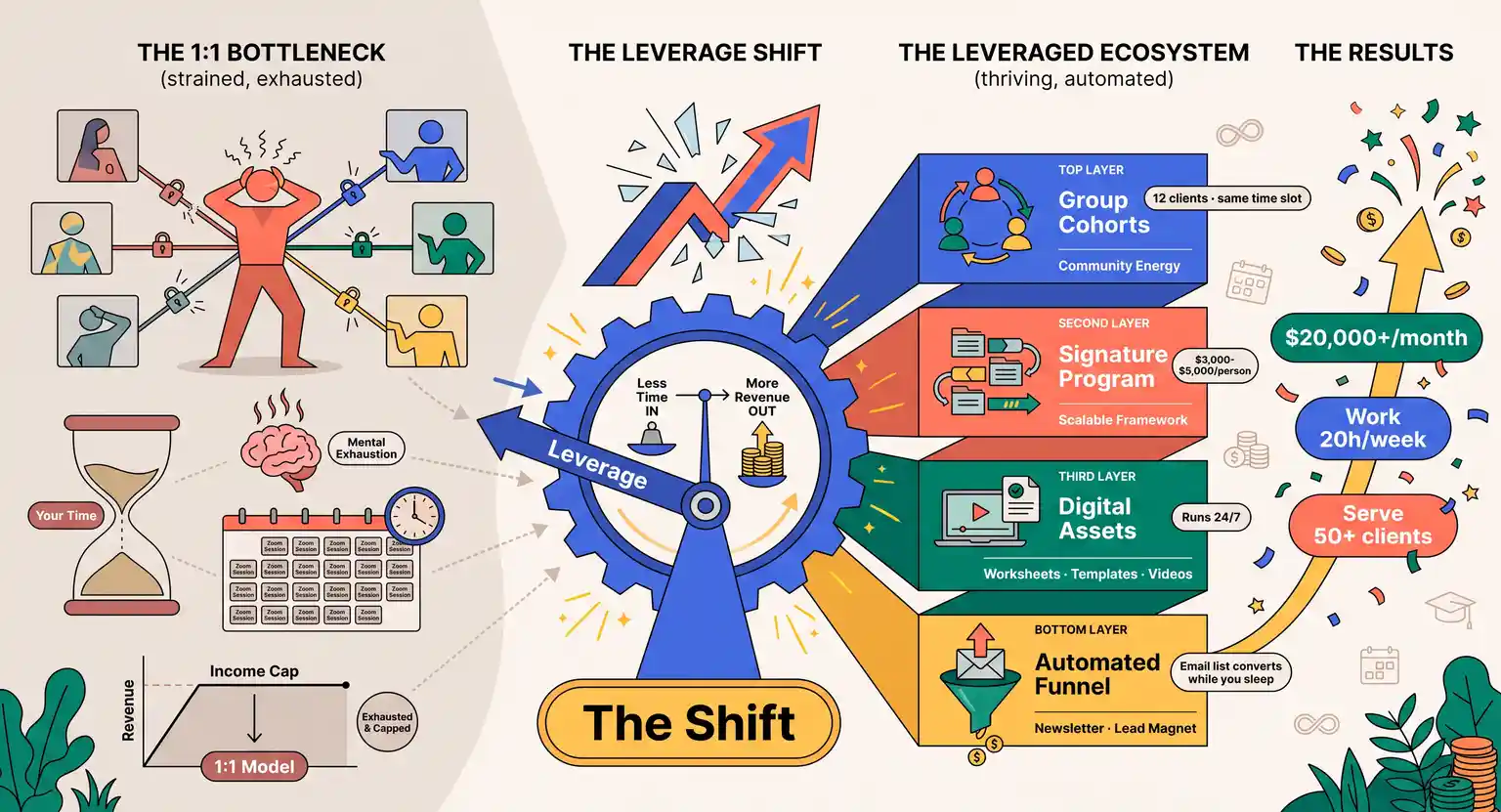
How do you prevent yourself from burning out after teaching ten live classes a day?
If you have been asking yourself these exact questions, you are in the perfect spot. We are going to strip away the overwhelming tech buzzwords and lay down a concrete, highly practical blueprint.
Together, we will walk through exactly how to build, scale, and automate your own online teaching business this year.
Key Takeaways for 2026
-
Trade active hours for scalable digital assets. Move from one-to-one sessions to cohort programs and self-paced digital academies.
-
Focus on a hyper-specific niche instead of general subjects to command premium pricing.
-
Utilize a self-hosted platform to retain full control over your customer list, student data, and marketing pipelines. You can easily sell online courses directly without paying high marketplace commissions.
-
Automate administrative workflows so you can spend your time teaching, building, and marketing.
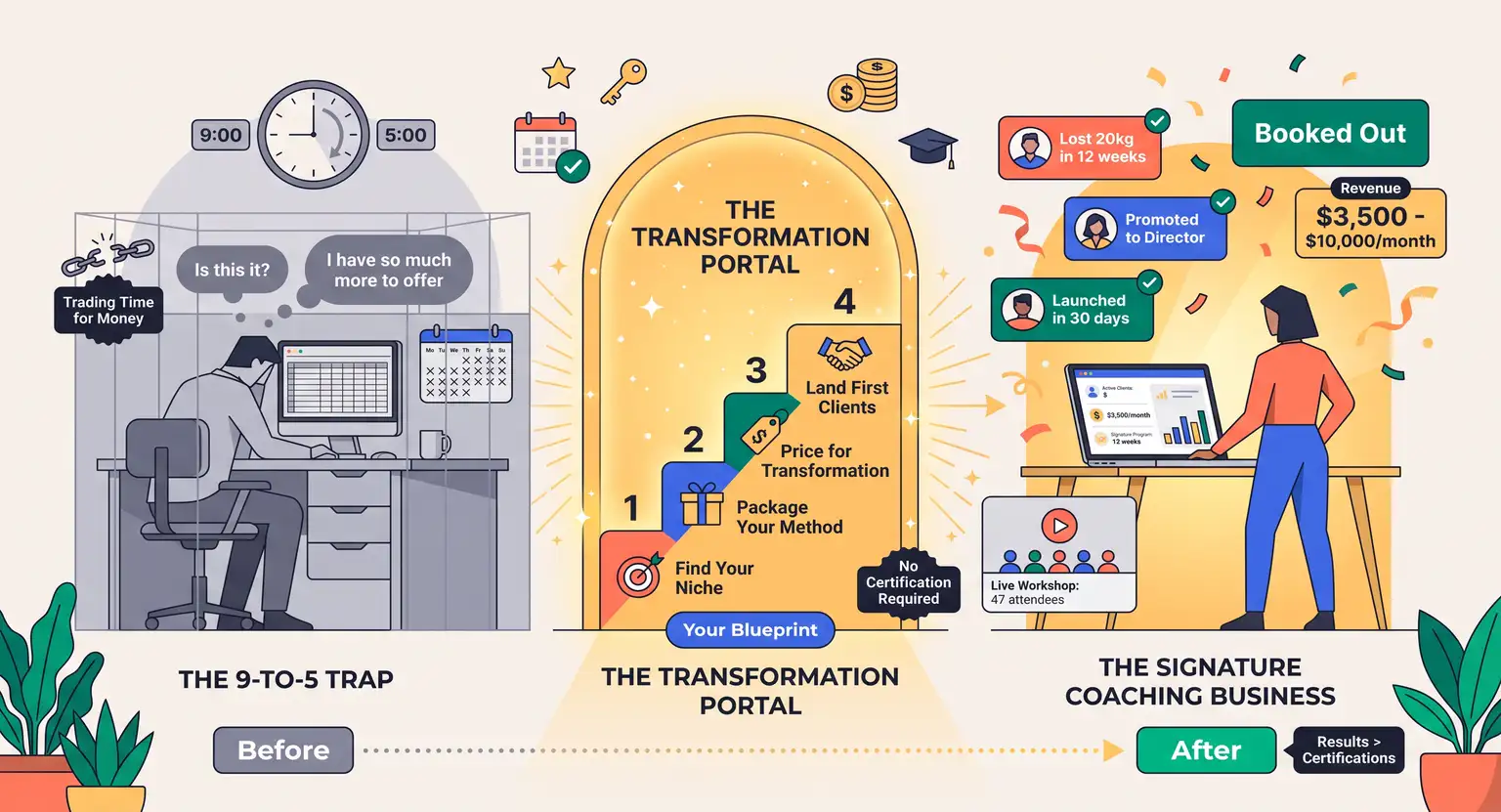
The Great Pivot : From Side Hustle Tutor to Scalable Business Owner
Most educators begin their digital journey by signing up for marketplace platforms. It makes absolute sense at first.
These networks provide a ready-made stream of potential students, managing the payment processing and technical infrastructure on your behalf. But you quickly hit an invisible ceiling.
You are forced to adhere to their pricing templates, compete directly with thousands of identical profiles, and surrender a massive percentage of your earnings as platform fees.
Worst of all, you do not own your audience. If the marketplace changes its search algorithm overnight, your entire income stream vanishes.
Transitioning into a genuine business means taking ownership of your entire ecosystem. This means you must build a centralized digital hub under your own brand name.
Instead of hoping a marketplace algorithm showcases your profile, you will attract leads directly, capture their emails, and nurture them over time.
You should build a structured educational portfolio that blends self-paced digital academies with high-ticket live coaching. If you want to explore the types of subjects that thrive under this architecture, review these profitable online course ideas to spark your creativity.
So, how does this structure operate on a daily basis? You shift your core offering from single hourly lessons to outcome-based programs.
Instead of selling a generic one-hour conversational French lesson, you sell a ninety-day comprehensive system to pass the French B2 exam - this transition completely reframes how potential clients perceive your value.
They are no longer judging your business based on an hourly price tag. They are investing heavily in a highly specific, guaranteed life transformation.
Niche Selection : Escaping the Race to the Bottom
If you try to teach everyone, you will end up teaching nobody. The absolute worst mistake you can make when launching an online teaching enterprise is keeping your focus too broad.
General English, basic math, or introductory photography are commodities. Commoditization forces you into a brutal price war against educators from regions with significantly lower costs of living.
To survive and thrive, you must narrow your focus until you are the default expert in a deeply specific niche.
Think about who can afford premium pricing. It is usually someone who needs to solve an urgent, high-stakes problem immediately.
A programmer needing to pass a Google senior developer interview next month is much more likely to spend thousands of dollars than a casual hobbyist wanting to learn basic JavaScript.
A corporate manager needing to master public speaking in English for a board meeting is going to happily pay premium rates for specialized coaching.
Seek out these high-stakes scenarios.
Once you isolate your specific group of target buyers, design your education to make them successful. You must focus intensely on building stellar learning materials.
The key is knowing how to create engaging course content that keeps students motivated and actually gets them across the finish line. When your clients secure real-world results, they become your most powerful marketing channel, spreading word-of-mouth recommendations that drive organic growth.
Building the Engine : Choosing Your Tech Infrastructure
The modern educational entrepreneur does not need to be a seasoned software engineer to construct a professional, reliable architecture - but you must choose the right system to support your growth.
Many beginners make the fatal error of duct-taping a dozen different tools together. They use one tool for emails, another for hosting videos, a third for processing payments, and a fourth for managing their calendar - this setup creates a fragile digital environment prone to sudden breakdowns, frustrated students, and lost revenue.
Instead, you should look for consolidated, unified tools that handle everything under one roof.
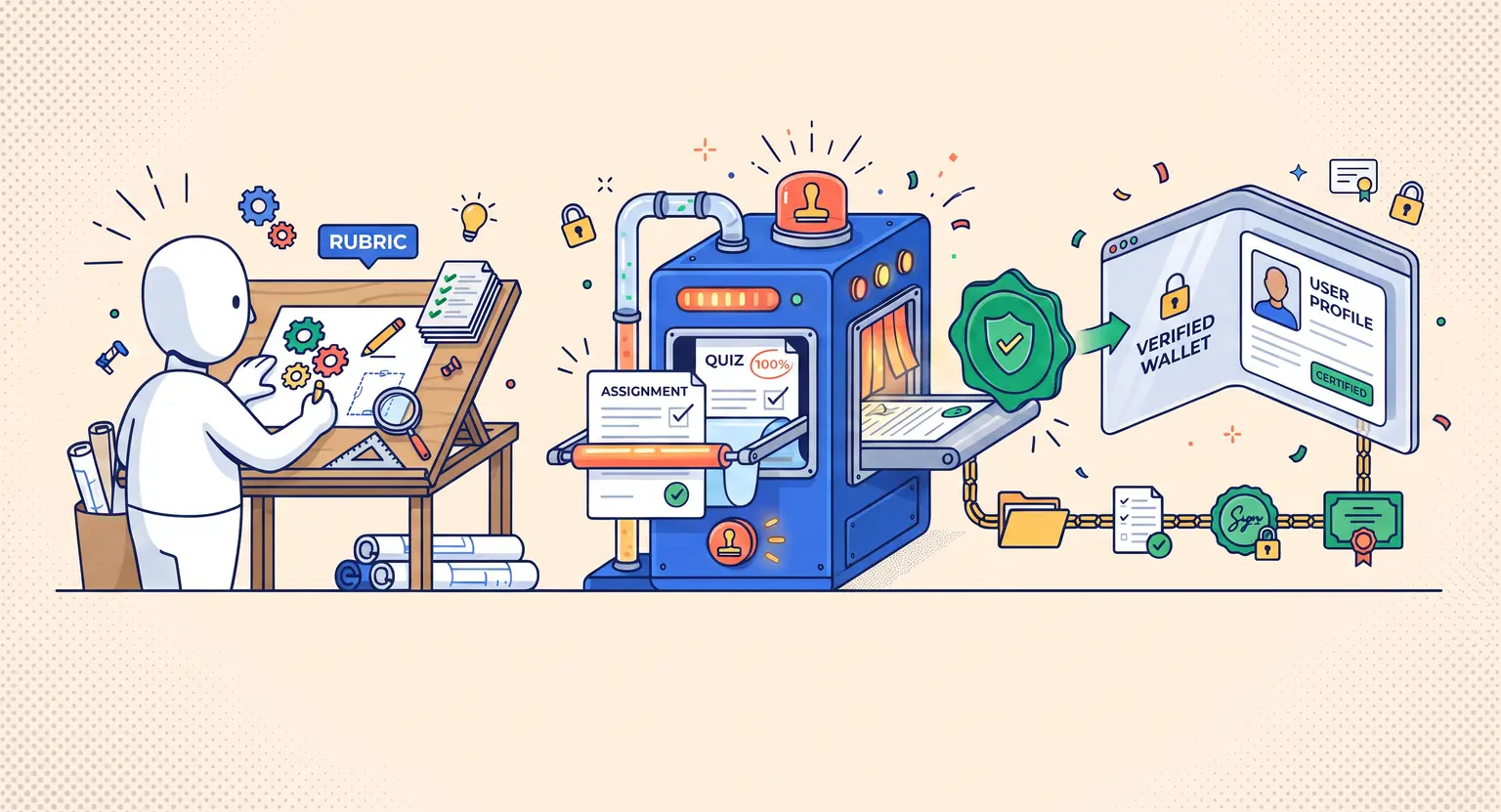
Your platform needs to manage your curriculum delivery, automate your billing pipelines, and run your email marketing sequences seamlessly. When researching the best online course platforms, prioritize tools that let you easily design structured lessons, design functional sales pipelines, and issue certificates.
Ideally, your system should feature seamless payment integrations, clean user dashboards, and automated onboarding processes.
When a student buys your system, they should instantly receive their login details, find their initial course modules, and get a friendly welcome message. This instant, friction-free onboarding builds massive confidence immediately, setting up your brand as a professional, high-end operation from day one.
To help you choose the best layout for your online education firm, let's compare the primary operational models dominating the field today :
| Business model | Primary delivery format | Pricing potential | Scalability level | Tech requirements & platform focus |
|---|---|---|---|---|
|
On-demand academy |
Pre-recorded video libraries, downloadable workbooks, and automated self-graded quizzes. |
Low to medium ($49 - $299). |
Extremely high. |
Requires a reliable student portal to host videos and automate logins. See why LearnyBox serves this model perfectly. |
|
Cohort-based programs |
Live group lectures, specific start and end dates, interactive assignments, and peer reviews. |
High ($500 - $2,000). |
Medium. |
Requires robust webinar integration, interactive group forums, and clear class scheduling interfaces. |
|
Hybrid premium mentorship |
Weekly one-on-one sessions combined with supporting step-by-step video lessons and worksheets. |
Premium ($1,500 - $5,000+). |
Low. |
Demands integrated calendar booking systems, student progress tracking, and direct chat integrations. |
|
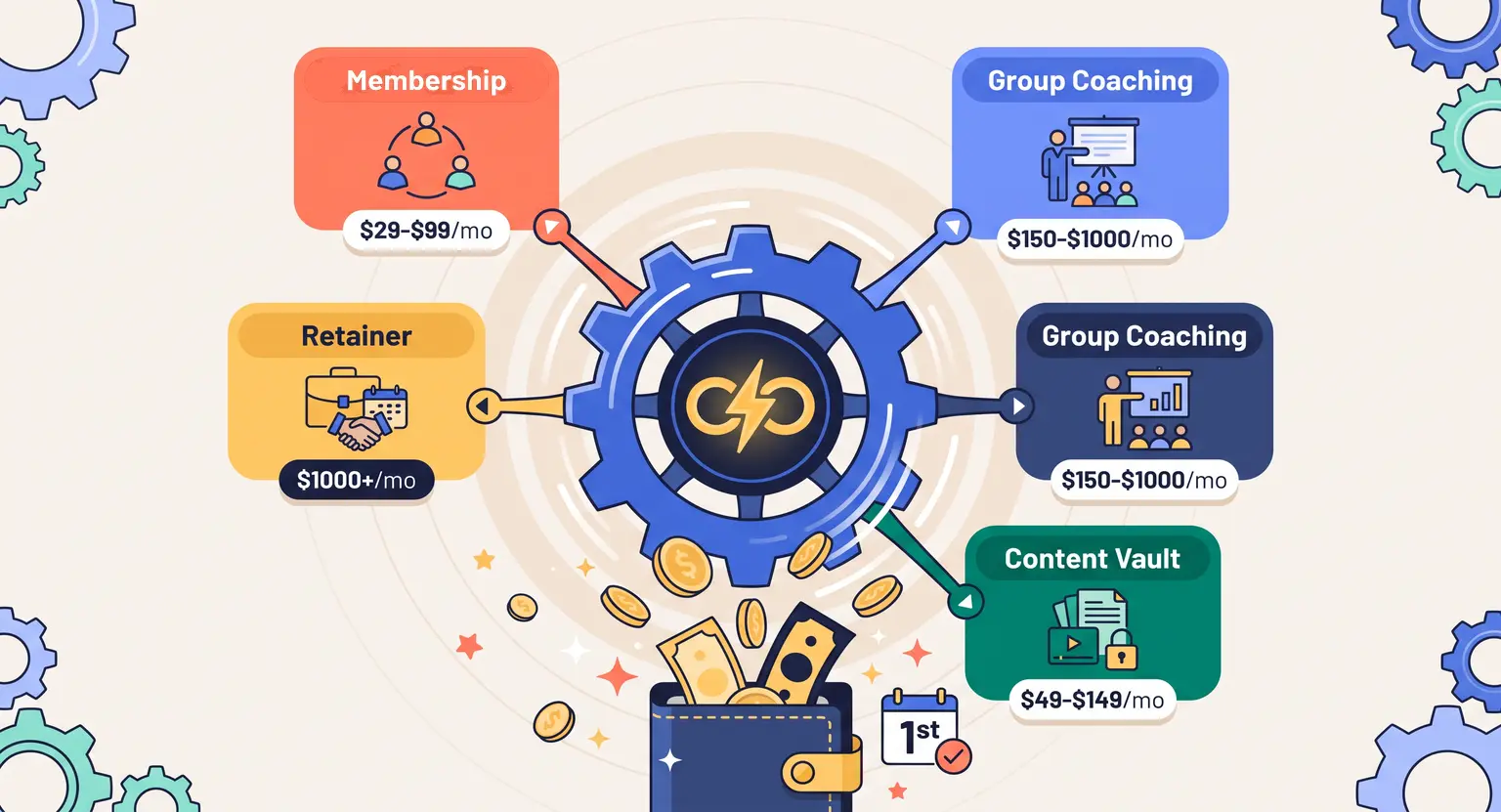
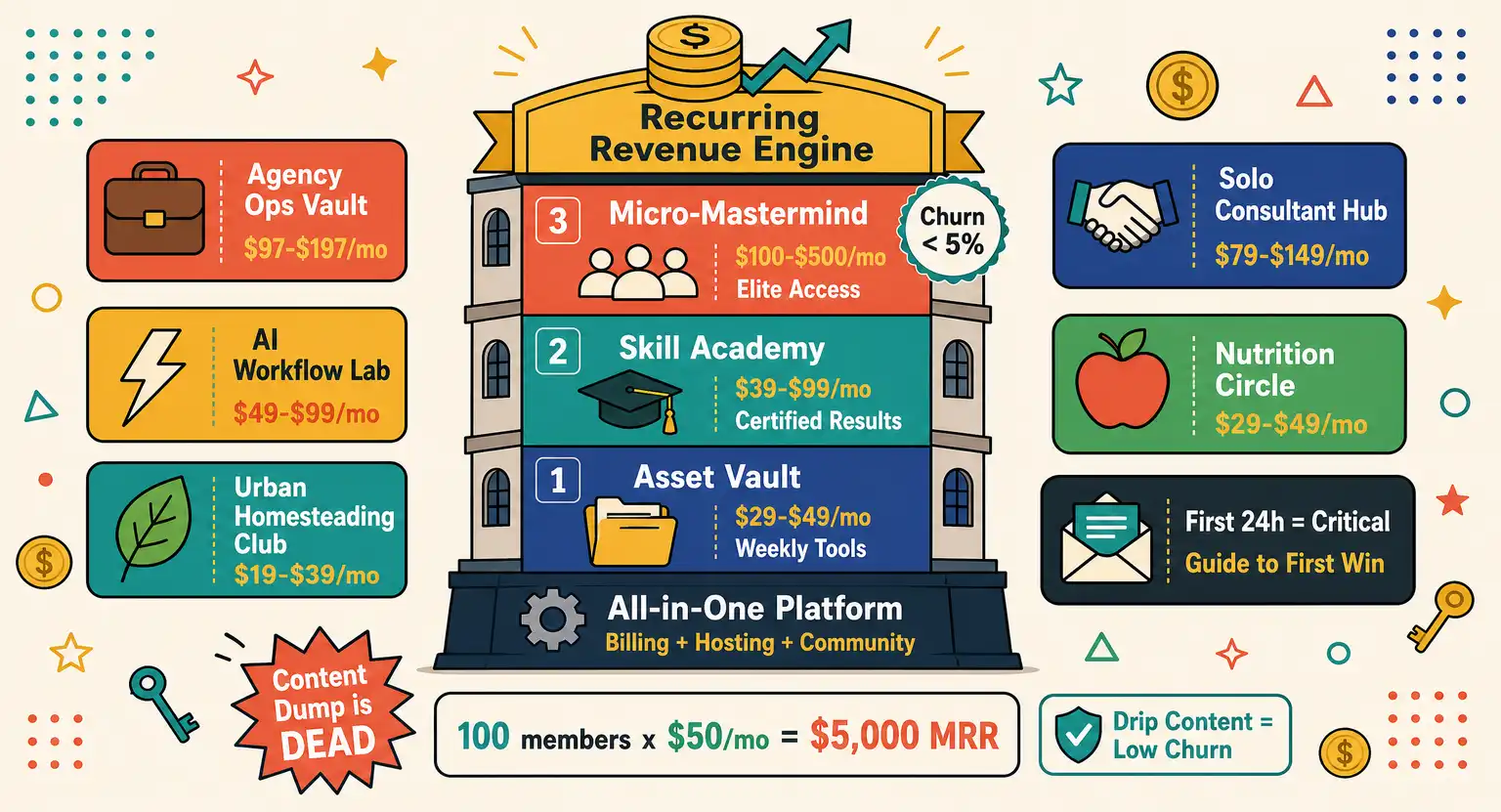
Membership & community |
Consistent monthly video uploads, exclusive resources, masterclasses, and group discussion threads. |
Recurring ($29 - $99/mo). |
High. |
Needs strict subscription billing integrations, automated content dripping, and modern community forums. |
|
B2B enterprise training |
Group licensing access, corporate reporting dashboards, and custom-tailored industry compliance courses. |
Very high ($5,000+). |
Medium. |
Demands multi-user team licensing portals, advanced administrative analytics, and certified completion reports. |
Marketing Systems That Fill Seats While You Sleep
Once you establish your framework, you must confront your next primary bottleneck : student acquisition. How do you consistently attract paying customers without spending every waking hour pitching on social media platforms?
The secret is building automated marketing pipelines. A modern educational business does not survive on random, spontaneous social media posts. Instead, it relies on structured, predictable marketing processes that consistently convert strangers into loyal, paying advocates.
And this begins with building your email database. Your social media followers belong to those tech networks; your email list belongs exclusively to you.
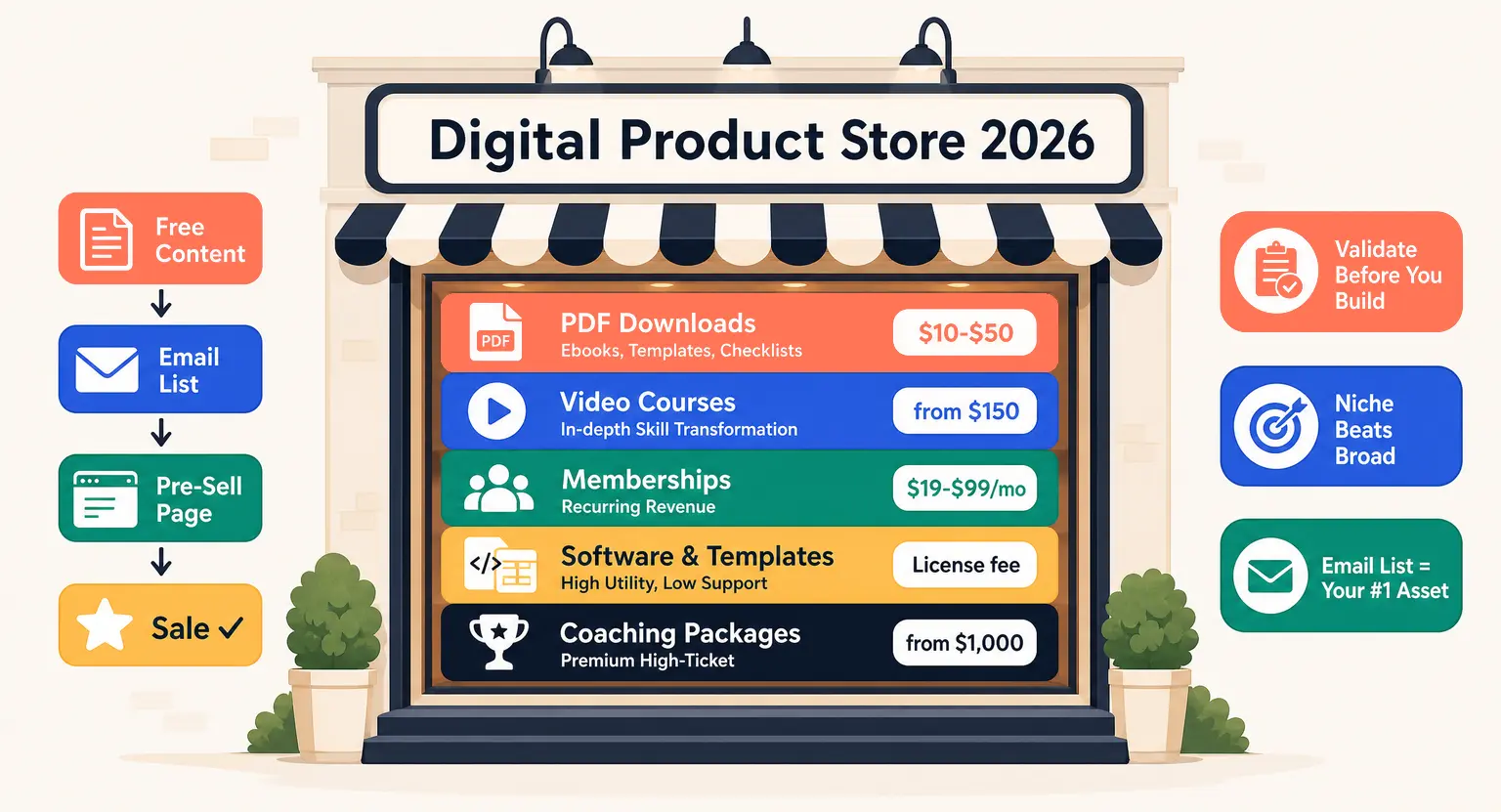
Create a high-value free resource, like a comprehensive PDF checklist, a short mini course, or an exclusive video tutorial, and offer it in exchange for an email address. Once they subscribe, your automated sequences take over.
You can consistently use automated email marketing for course creators to build genuine relationships, provide real value, and present your premium training programs at the perfect moment.
So, how do you handle the ongoing launch process? You must implement structured launch events. Try running free live masterclasses, hosting engaging educational challenges, or building interactive workshops to showcase your deep expertise.
Give away your absolute best insights during these introductory sessions - when participants witness the immense depth of your complimentary training, they will naturally wonder how incredible your premium, paid programs must be.
This organic curiosity serves as your primary tool to drive sales without feeling overly salesy.
Pricing Strategies : Packing Maximum Profit and Value
Let's talk money. Pricing your offerings correctly is a complex balancing act that can make or break your academic enterprise.
Most emerging educators price their digital programs far too low. They suffer from imposter syndrome, assuming people will not pay premium prices for their education. But lower pricing actually attracts worse students.
Low-paying buyers are often the most demanding, least committed, and most likely to request refunds.
Premium pricing, conversely, attracts students who are deeply committed to getting real results.
But how do you command premium rates before you have a massive following? The answer lies in the pre-sale.
You can validate your core offering and generate immediate cash flow by selling your training before you record a single module.
Discovering how to pre-sell an online course is a game-changing strategy for any builder.
It ensures you only spend your time, energy, and resources building educational assets that your students have already proven they are willing to buy.
So, avoid the trap of selling generic, low-cost assets. Build tiered pricing architectures that offer clear, progressive paths for different budgets.
Offer a mid-tier self-paced program for independent learners, alongside a premium tier that features direct mentorship or live community workshops. This structure maximizes your earning potential while providing options for everyone, ensuring your business stays highly profitable, sustainable, and enjoyable to run.
Your Practical Strategy Launch Plan
The global digital landscape is actively waiting for your unique expertise. Stop trading your valuable hours for peanuts. Focus on a clear, premium niche, choose an integrated platform that supports your long-term growth, and start sharing your knowledge with the world.
Your teaching business starts today, and your scaling potential is truly limitless.
So lay down your technological fears today - start immediately with what you already know, build a highly reliable training system, and make a massive, positive, and lasting business impact on students all around the entire globe.
Frequently Asked Questions About Running Online Teaching Businesses
How do I choose the correct price for my educational programs?
Finding your perfect rate requires matching your price tag to the exact transformation you deliver to your students.
Do not guess. You must align your pricing with the financial outcome your students expect to receive.
To establish a highly profitable structure, focus on a comprehensive online course pricing strategy that supports your overhead and rewards your energy.
Can I start an online teaching business if I have zero marketing experience?
Absolutely. Everyone starts from scratch. Instead of worrying about giant advertising campaigns, start by solving one specific problem for people in your network.
When you are ready, follow a reliable roadmap on how to launch an online course to roll out your academy in a safe, step-by-step manner.
What role does artificial intelligence play in modern online teaching?
AI is an exceptional digital assistant for your business.
Instead of spending days writing lesson structures or quiz questions from scratch, you can use specialized AI for course creators to handle your outline drafts, marketing materials, and student assessments, giving you more time to build deep student relationships.
Do I need expensive recording gear to get started?
Not at all. Your modern smartphone or a standard webcam paired with a budget-friendly USB microphone is more than enough.
Clear audio, natural window lighting, and highly focused, transformative instruction matter infinitely more to paying students than Hollywood-level editing or high-end studio gear.




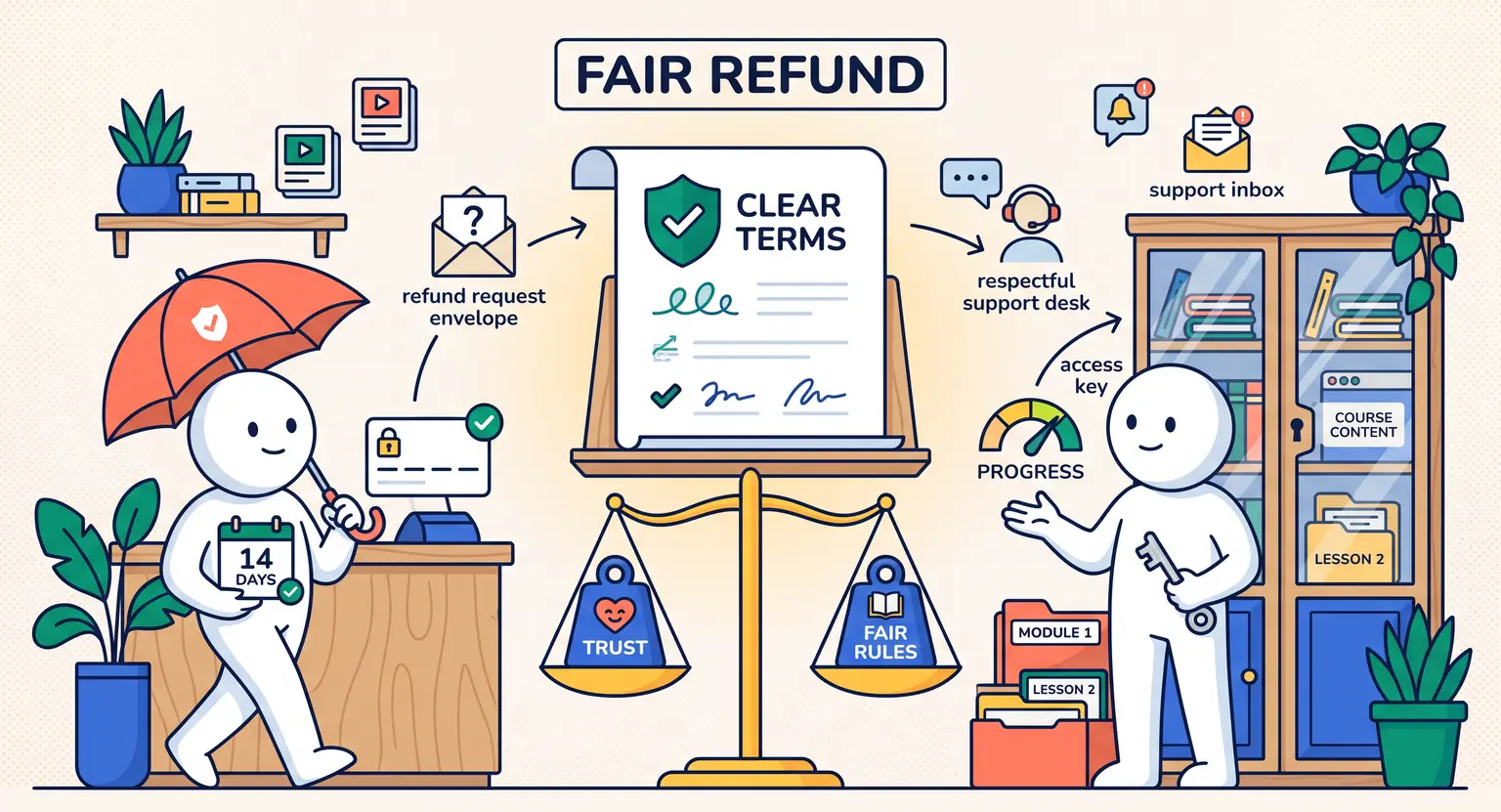 How to Create a Course Refund Policy (Templates & Best Practices for 2026)
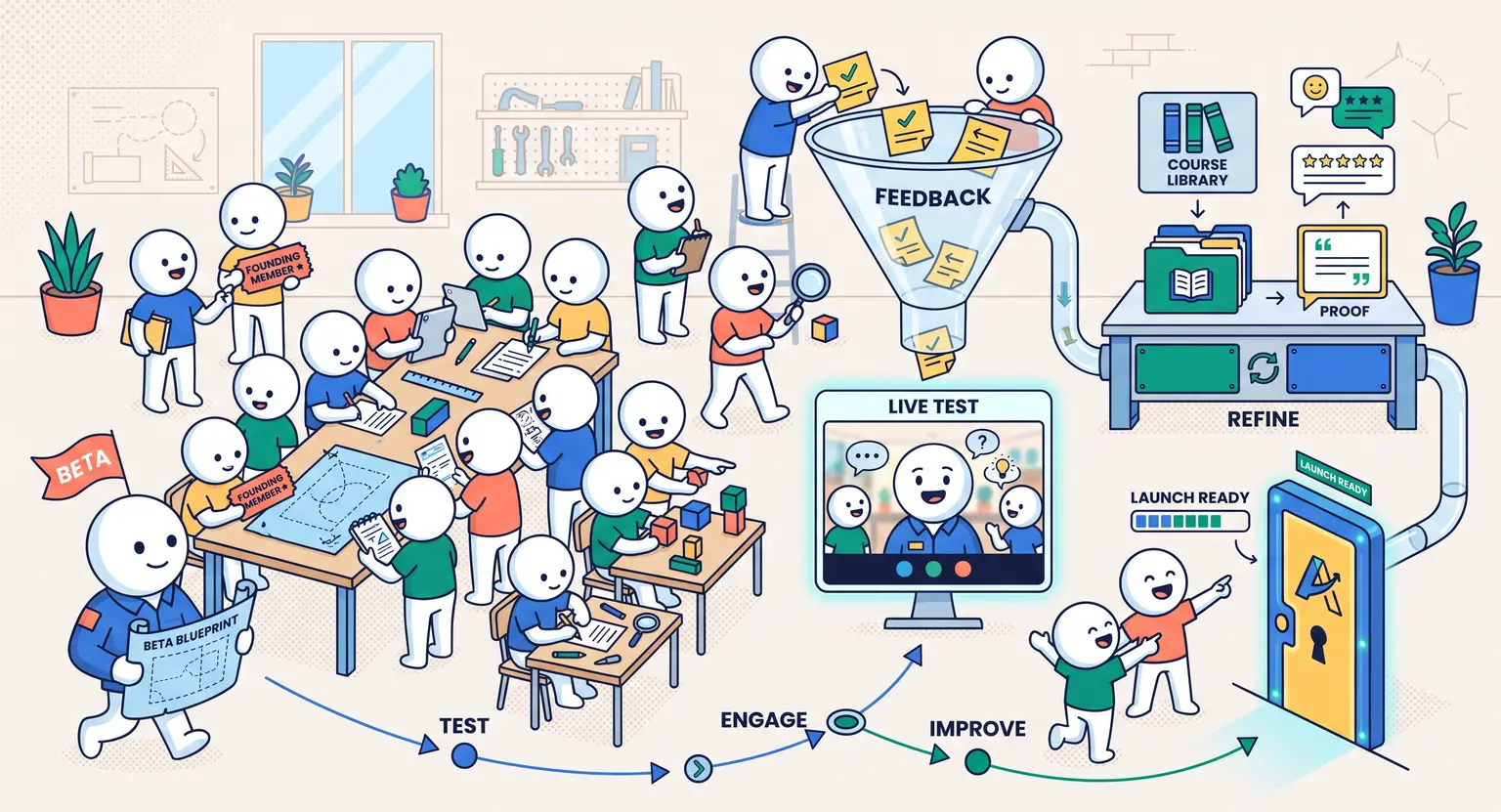 How to Run a Beta Version of an Online Course (2026 Guide)
 How to Sell an Online Course With a Quiz Funnel (2026 Guide)
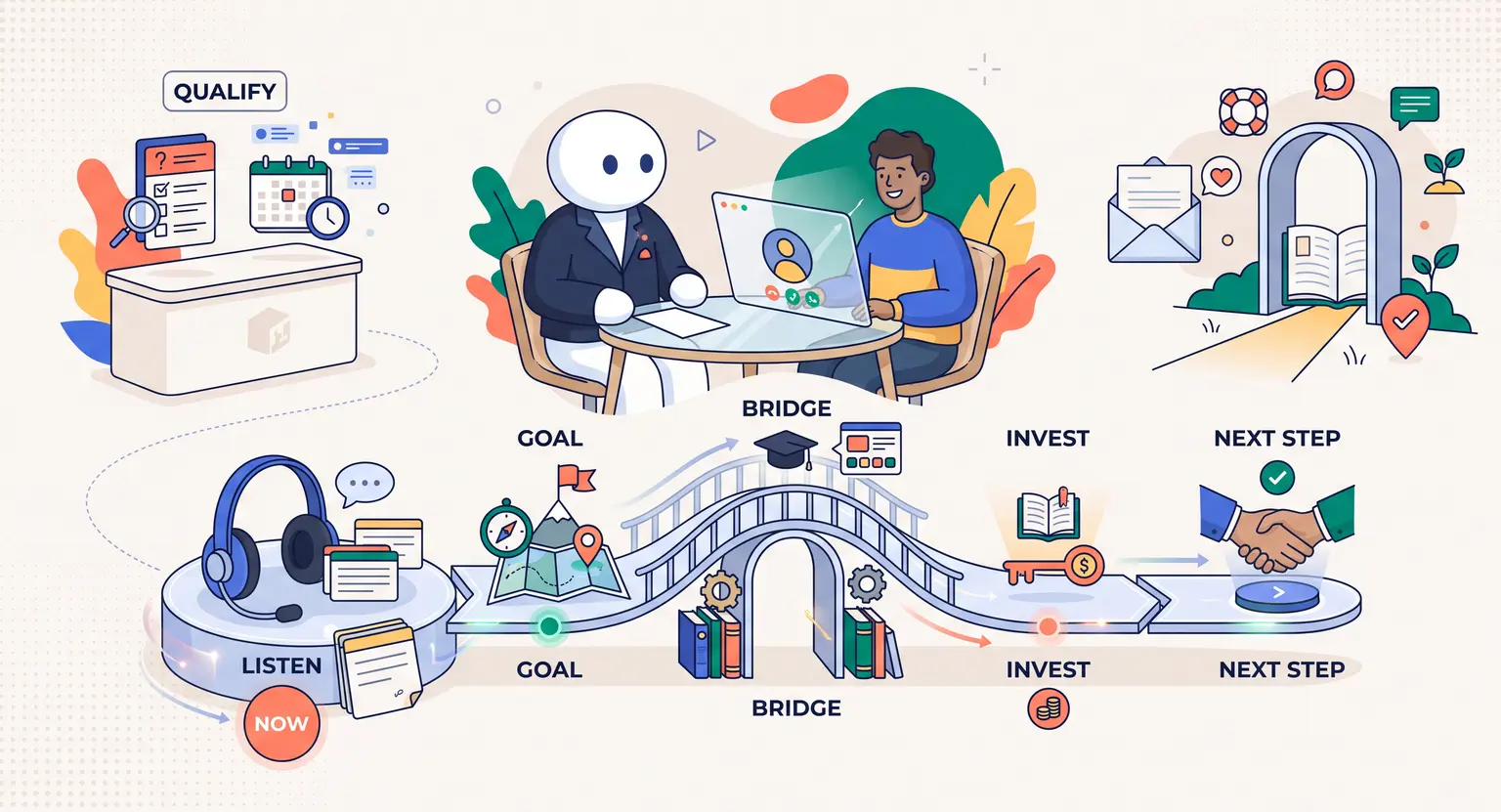 How to Sell an Online Course Through a Sales Call (2026 Guide)