







How to Market an Online Course in 2026: The Ultimate Human-First Playbook
How to Market an Online Course
Key Takeaways :
-
Focus on Transformations : marketing in 2026 requires selling outcome-driven transformations, not passive libraries of general information.
-
Validate First : selling your program beforehand is the ultimate safeguard; never build full lesson plans before securing early financial commitments.
-
Construct a Clean Funnel : focus on high-impact webinars and automated email series rather than scattering your focus across several platforms.
-
Leverage Social Proof : look at how others succeed. Check success stories at our dedicated testimonials hub to see real-world validation in action.
Let us address the elephant in the room right away : the absolute worst mistake you can make this year is treating your premium digital training like a simple product on a shelf.
The game has changed. Buyers do not want to purchase another standard folder of digital videos that they will forget about by next Tuesday - they want real, raw, direct transformations.
With free AI tools instantly spitting out textbook answers to almost any factual query, raw data is essentially free. This means your job is not to sell encyclopedic information - your job is to guide students to an actual result.
And that changes the entire way you position, pitch, and launch your curriculum !
Ready to pull back the curtain on how elite creators manage this transition ?
Let us break down the definitive blueprint to sell your digital education material today, ensuring your expertise gets the audience and attention it rightfully deserves.
Shift Your Model : Sell the Destination, Not the Plane
If you wanted to learn to climb a mountain, would you buy a long video series explaining the chemical composition of climbing ropes ?
Or would you pay for a direct guide that gets you safely to the peak with hands-on instructions ?
Exactly. You choose the climb.
When figuring out how to market your material, forget about boasting about your total hour count. Instead, emphasize the specific transition your customer undergoes.
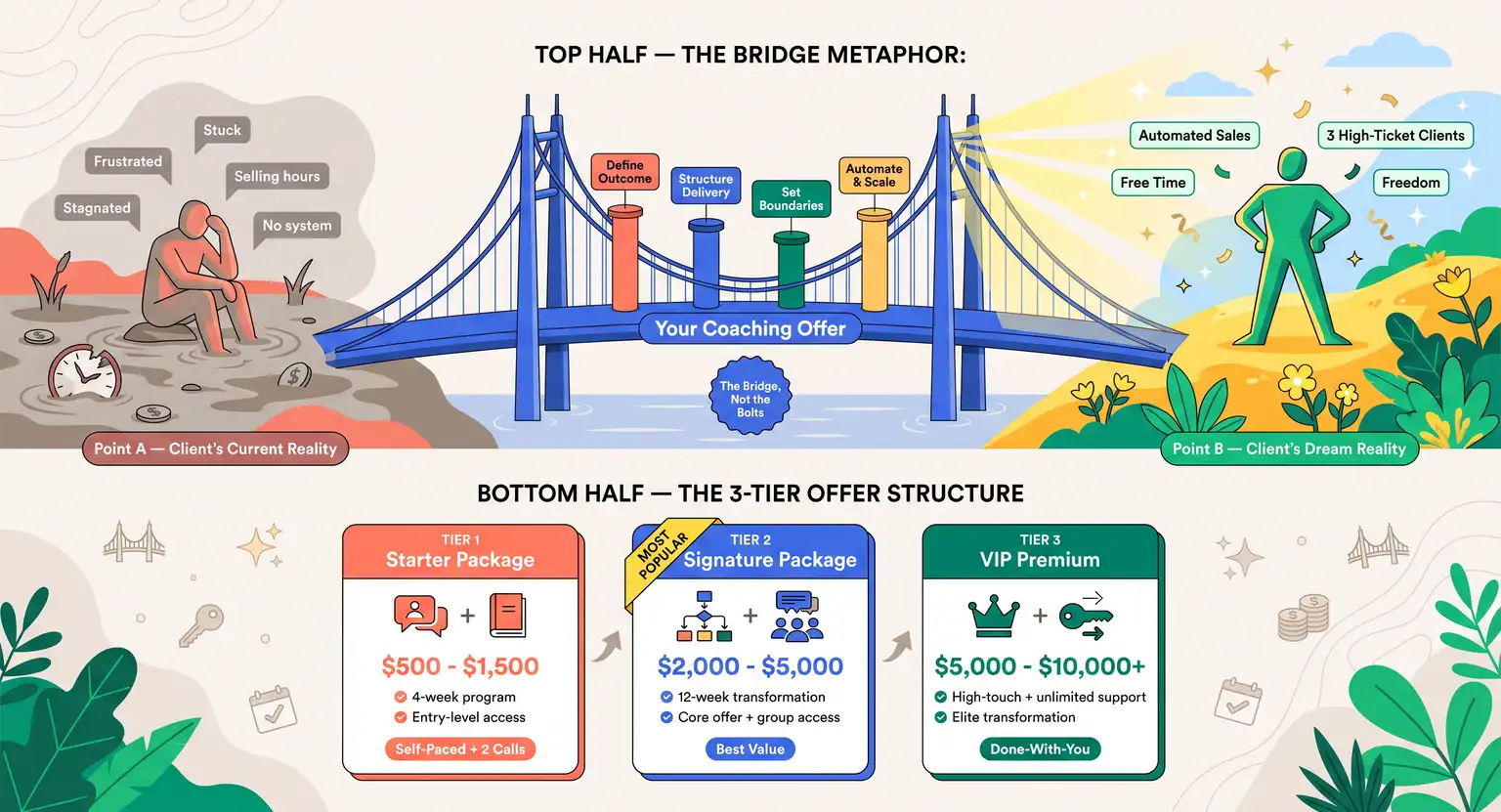
They are at Point A - struggling, confused, stuck - and want to get to Point B - capable, confident, successful.
By pivoting away from listing the technical details of your modules and focusing on the personal freedom and capability your student achieves, your marketing shifts from salesperson-style pushing to authentic pull attraction.
Every landing page sentence, broadcast sequence, and social media post must focus on Point B.
If you are deciding how to frame your business structure, examining the one-to-many business model helps you see how scale and transition work hand in hand.
Validate Your Market Before Writing a Single Line of Code
The old playbook went something like this : you lock yourself in a dark room for three months, record fifty high-definition videos, deal with complex editing, and then launch to absolute silence.
That path is exhausting and financially risky. The modern standard relies on rigorous validation - you need to verify that your target base is actually willing to open their wallets before you spend a single weekend recording content.
And how do you do that? You launch a pre-sale.
Pre-selling allows you to validate demand by letting early buyers purchase the curriculum at a discount before it goes live. This gives you immediate capital to build training while confirming product market fit.
For a complete step-by-step methodology on this validation phase, check out our guide on how to validate an online course idea to avoid building something nobody actually wants.
But how do you handle execution and transactions during a pre-sale? This is where your platform choice makes or breaks you.
You need a setup that allows you to spin up structured sales pages, configure secure checkouts, and build mailing lists in an afternoon.
Once you have validated the core concept, you can boldly move toward the pre-sale launch.
If you want a dive on setting this up structurally, read our thorough breakdown on how to pre-sell an online course safely to get your first paying users enrolled in no time.
Scale Wisely with Targeted Funnels
So, you have a validated concept. Now you need a predictable client acquisition loop. But please, do not make the mistake of trying to be active on YouTube, Instagram, Threads, TikTok, LinkedIn, and Pinterest all at the same time…
You will burn out before your first subscriber purchases anything.
Instead, focus on constructing one clean, high-performance funnel that runs seamlessly.
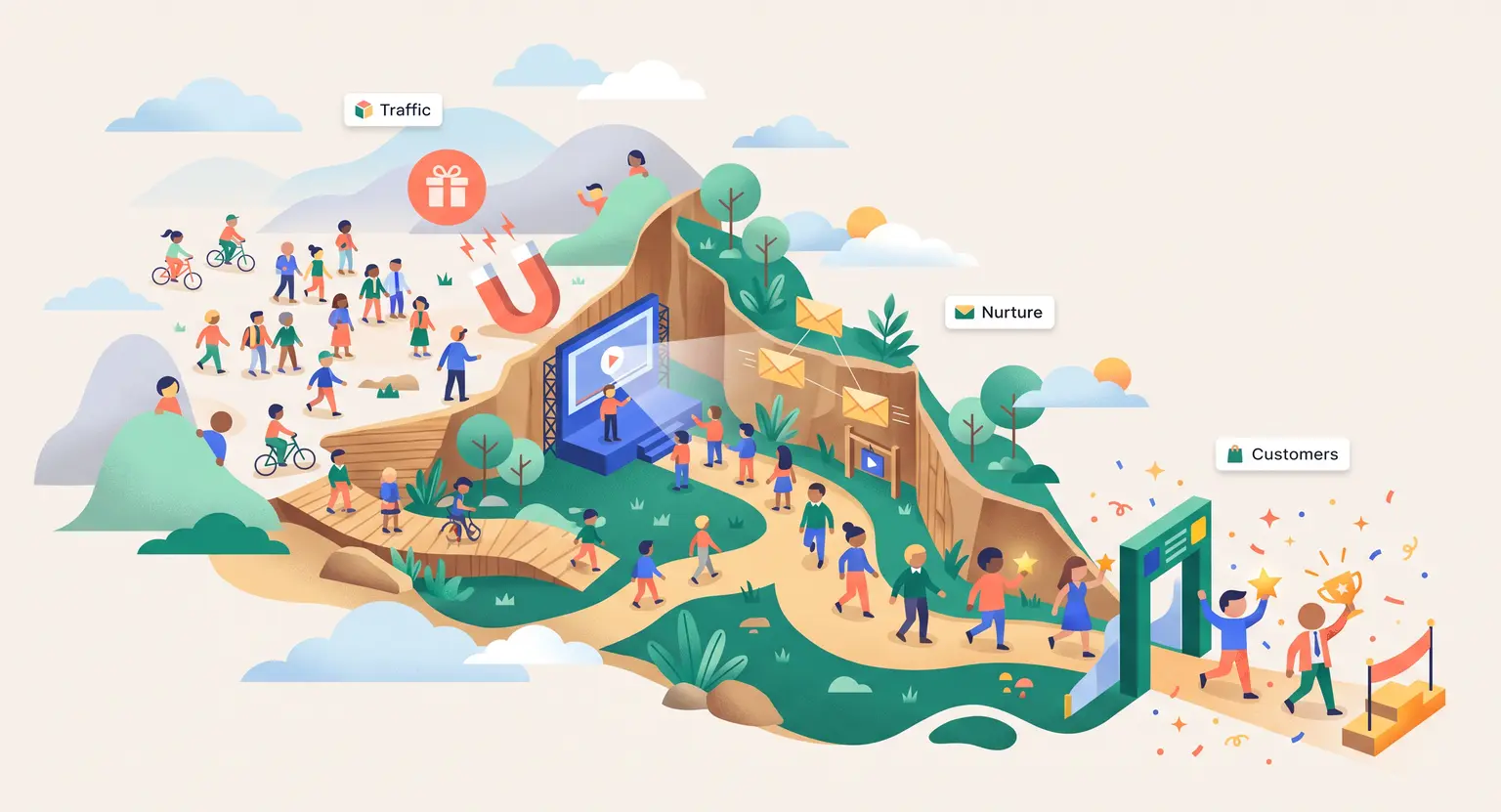
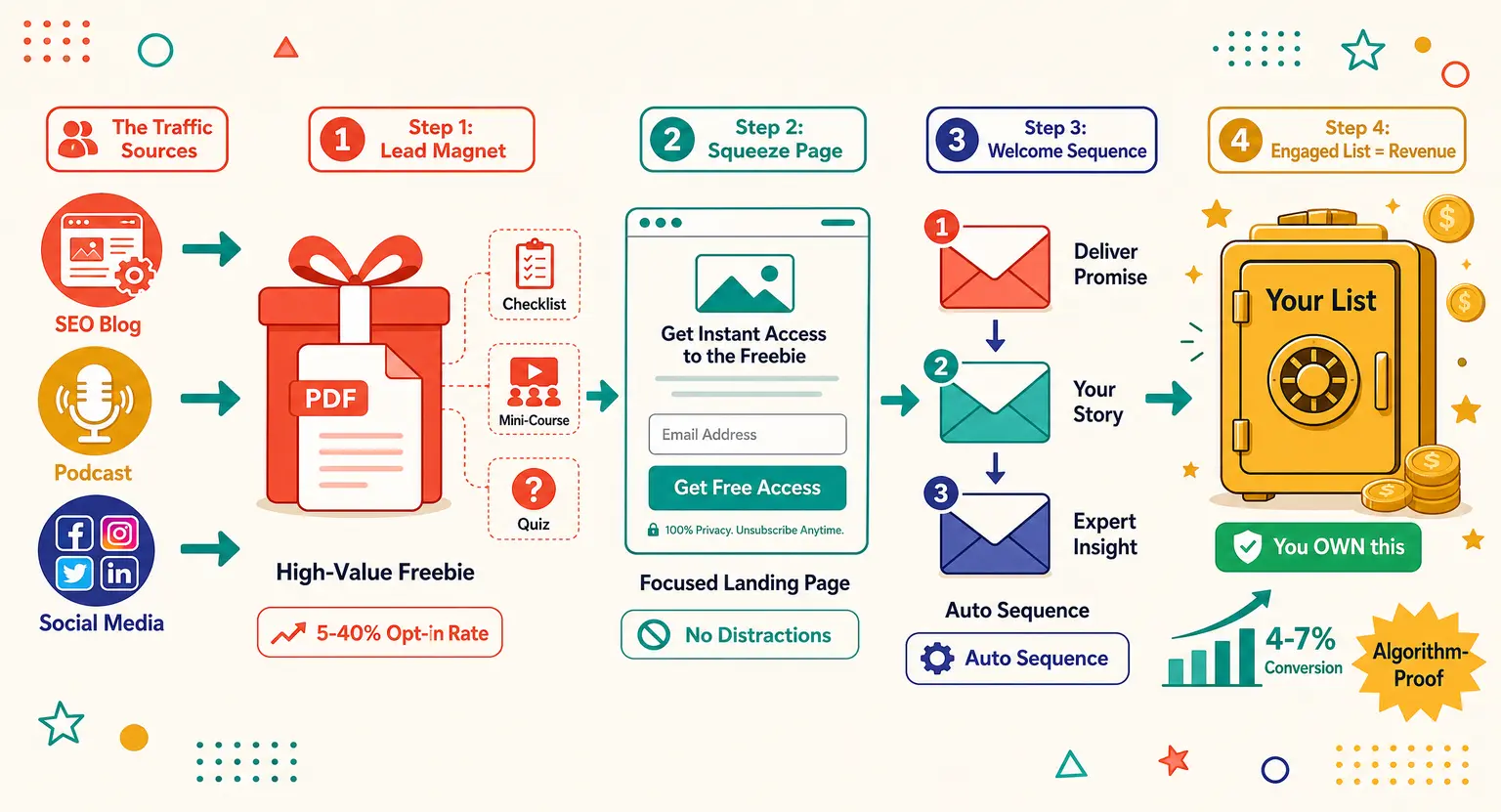
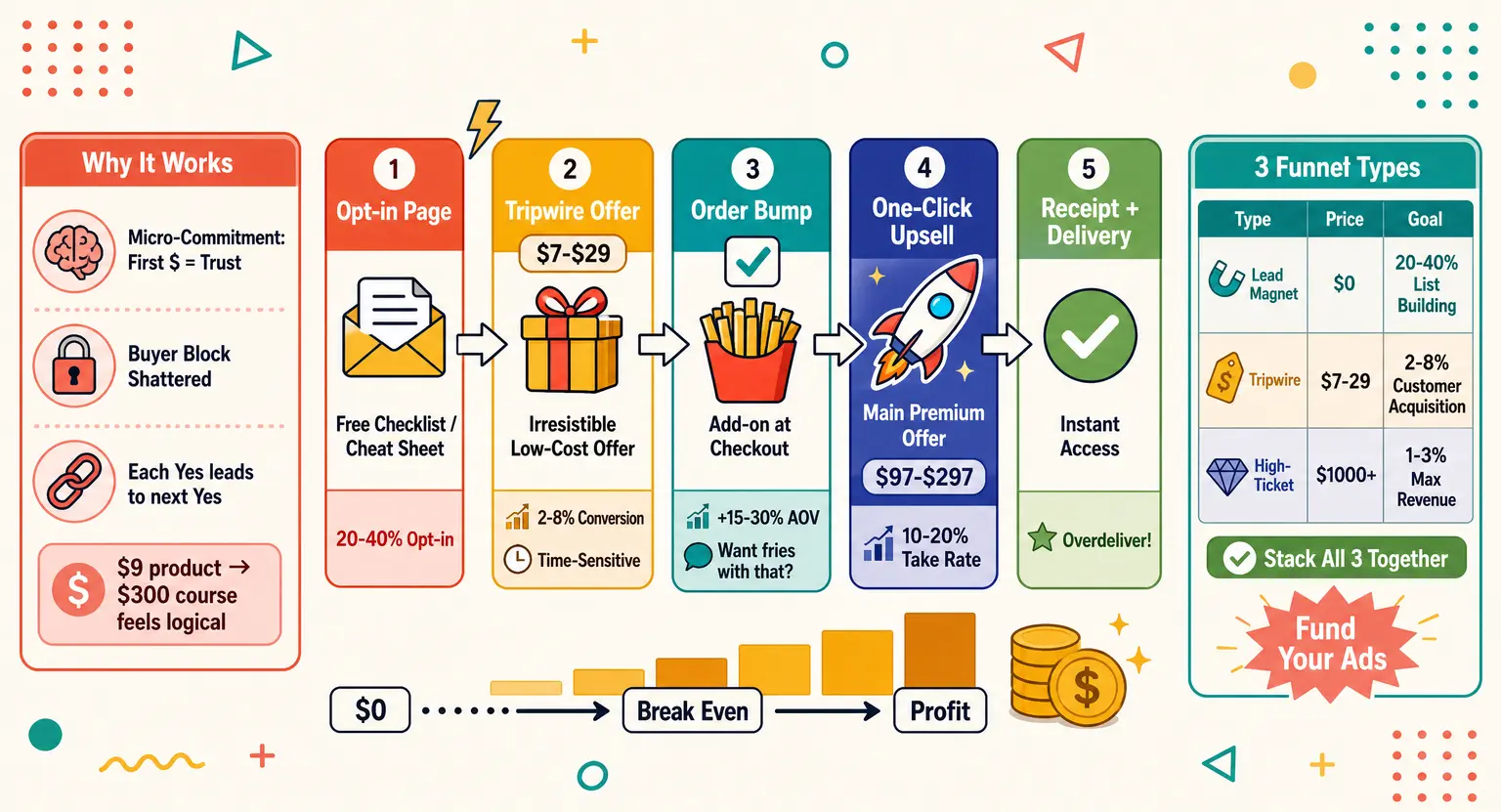
A standard high-converting funnel looks like this :
-
Traffic Capture : driving interest through high-value search content or targeted social posts.
-
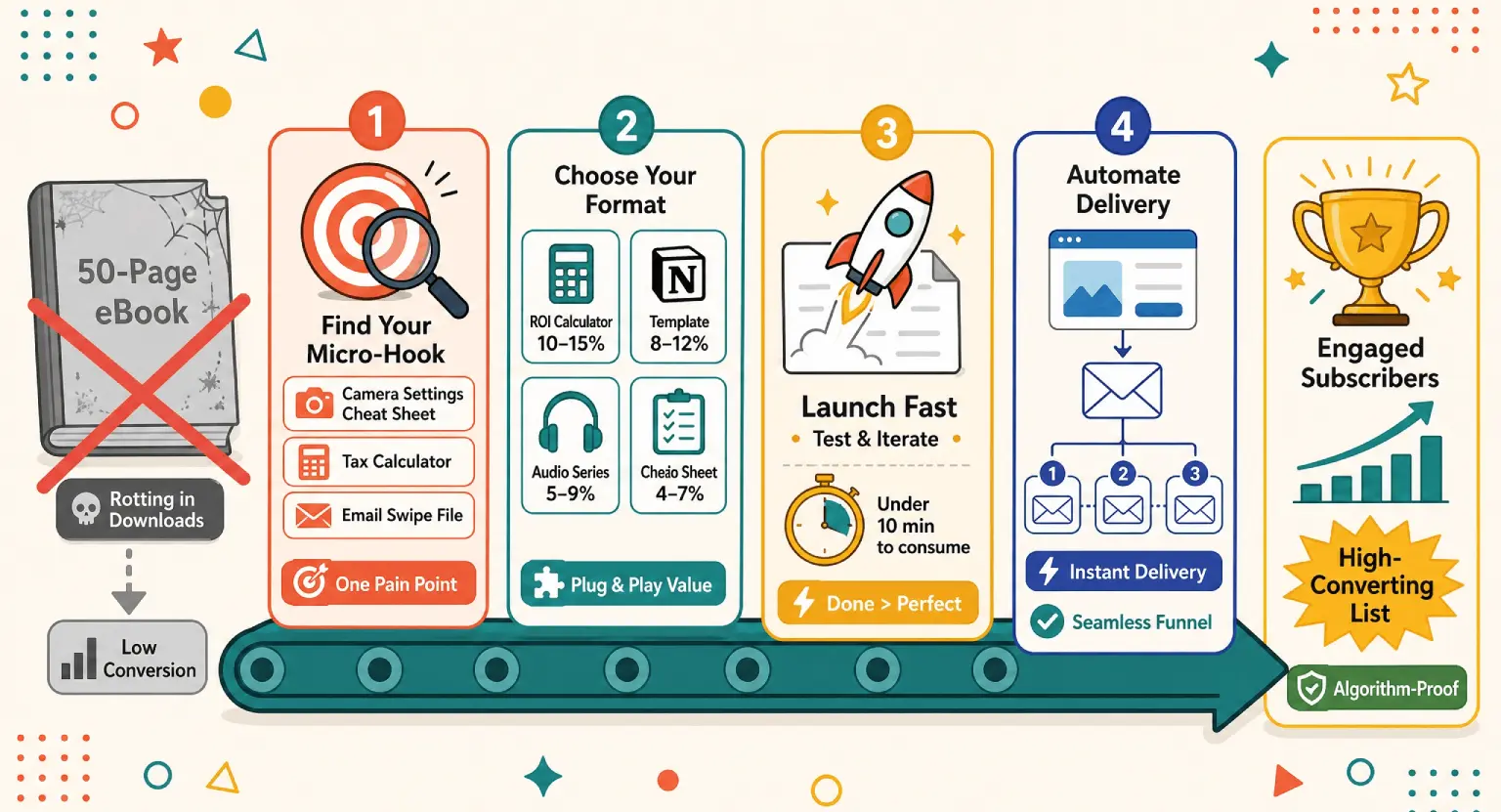
The Opt-In Bridge : offering a hyper-specific lead magnet that solves a minor struggle instantly.
-
The Core Presentation : directing those leads to an automated workshop or detailed landing page.
-
The Checkout Experience : providing a clean, trusted transaction portal to finalize the sale.
To make this work without headache, you need integrated systems. Relying on five different plugins that do not talk to each other is a recipe for broken checkout pages.
That is why utilizing the best all-in-one course platform simplifies your entire marketing stack, letting you easily track where every single dollar comes from.
From there, scaling becomes a mathematical puzzle rather than a guessing game. You know your lead cost, your conversion rate, and your ultimate customer lifetime value.
Command Attention with High-Impact Webinars
Let us be completely honest. There is still nothing that converts cold prospects into eager buyers quite like a live event.
Webinars let people hear your voice, feel your passion, experience your teaching style, and ask questions in real time. It bridges trust gaps faster than generic blog posts or social graphics ever could.
But a great webinar is not a boring lecture. It is an educational experience where you break down false beliefs of your audience and replace them with a clear path forward.
At the end of your presentation, you make a seamless transition to your premium offer. It is natural. They want to go deeper.
And how do you pull this off flawlessly ?
We have mapped out the entire process in our complete guide on how to organize a successful webinar so you can execute yours without a hitch.
Build an Unshakable Email Nurture System
Social media algorithms can change overnight. A platform you rely on today could easily bury your reach tomorrow because of a minor code update, but your email list is your digital sanctuary - you own those direct connections.
This is why building an automated newsletter strategy is not optional. It is the literal lifeblood of high-ticket course marketing.
When a prospect downloads your lead magnet or registers for your webinar, they enter your ecosystem. Now, you need to deliver structured value through automated sequences.
These automation flows should focus on three main vectors :
-
Value Delivery : show them exactly how to solve their starting challenges so they experience a tiny win.
-
Objection Busting : address why they might be hesitant (lack of time, fear of failure, technical confusion).
-
The Countdown Pitch : introduce clear, natural scarcity to motivate them to act before doors close.
Using a specialized email marketing for course creators strategy ensures that your automations fire precisely when a lead is most engaged, so instead of shouting into the social media void, you can quietly generate sales on autopilot while you sleep.
Optimize Your Pricing Structure for Real Profit
A common mistake that ruins course creators is pricing their transformational training too low. If you sell your program for twenty bucks, you need a mountain of traffic just to keep the lights on. That model works for massive corporations, but not for individual experts.
Instead, price your offer based on the size of the problem you solve.
If you help a business owner save ten hours a week, that is worth thousands of dollars.
If you help a professional land a high-paying promotion, that transformation is worth a premium investment.
Creating tiered pricing is another great way to anchor your value. For example :
-
Base Tier : self-paced, raw curricula access.
-
Pro Tier : includes templates, a community group, and direct workspace updates.
-
VIP Tier : includes direct private sessions, feedback, and bespoke masterclasses.
To lay out a sustainable revenue map, explore our breakdown on online course pricing strategy to find your financial sweet spot.
By building high-value offers, you instantly access the margin needed to run paid ads or hire support, elevating your enterprise from a simple side project to a scalable business.
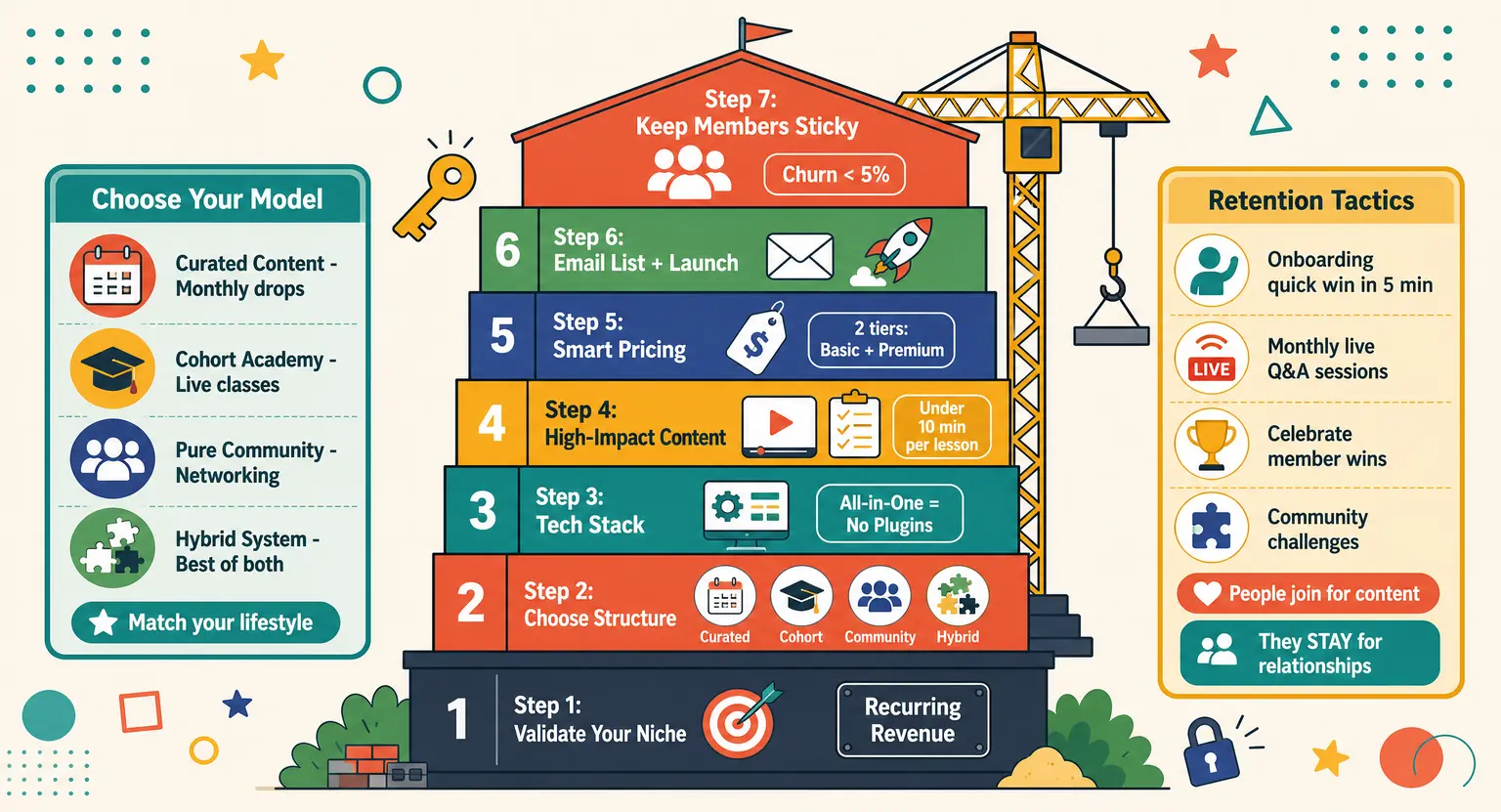
And high-value pricing sets up opportunities for predictable income. Check out these smart recurring revenue ideas for experts to keep your monetization consistent year-round.
Leverage Guest Partnerships and Joint Ventures
You do not have to generate traffic entirely on your own. One of the most effective strategies is leveraging other audiences : partner with creators who serve your market but do not offer competing programs.
For example, if you teach photography, partner with a travel blogger.
You can host a free, co-branded masterclass for their audience, delivering massive value upfront before inviting them to join your course. In exchange, offer your partner a percentage of sales generated through their link.
It is a perfect win-win. They provide content and earn revenue, while you gain access to thousands of highly engaged buyers.
This bypasses the grind of building a cold audience, letting you leverage established trust.
Choosing Your Primary Marketing Strategy
To make your planning painless, we have compiled a high-value layout weighing top promotional approaches today.
Use this comparison to decide where to focus resources first :
| Marketing channel | Primary benefit | Initial complexity | Long-term return | Best infrastructure tool |
|---|---|---|---|---|
|
Lead magnets and email funnels |
Highest conversion rate; you own direct audience contact. |
Medium (requires simple pages and automation flows). |
Excellent. Offers a sequence of automated sales. |
An integrated platform. Check out the best platform to sell online courses. |
|
High-impact live webinars |
Fast trust building. Ultimate for launching premium tiers. |
Medium-high (requires slides, scripting, and live performance). |
High. Can be recorded and run evergreen later. |
Integrated live video software with native checkout overlays. |
|
SEO and organic traffic |
Passive search leads looking for your exact topic. |
High (requires keyword planning and detailed content writing). |
Very high. Generates leads for months without budget. |
A dedicated, optimized blog framework with fast loading. |
|
Social media shorts |
Fast viral reach. Test concepts and build authority. |
Low (just a smartphone camera and quick script). |
Medium (highly volatile algorithmic changes and low intent). |
A seamless mobile shopping link directly in bio. |
|
Paid ads (Meta and Google) |
Instant traffic and rapid testing of landing pages. |
High (requires testing budget and optimization skill). |
Scalable, but dependent on positive advertising returns. |
An optimized funnel setup. Check how to launch an online course. |
Our Curated Marketing Resources
To support your path, explore this curated repository of our expert guides to speed up your growth :
-
Need a roadmap for monetization architectures? Check our resource on coaching vs courses to refine your transformation structure.
-
Looking to build an audience organically? Discover how to establish your reach with how to grow an email list.
-
Struggling for inspiration? Look at our curated list of top online course ideas for experts.
Frequently Asked Questions
How do I sell a course without a social media following?
Focus on targeted beta launches. Reach out directly to ten ideal prospects via professional networks, offering a steep validation discount in exchange for direct feedback, success stories, and reviews.
This raw feedback works wonders to quickly refine your lessons before your public launch. Additionally, this strategy allows you to pre-sell the seats to secure your ultimate launch budget.
Are paid advertisements completely necessary for scaling up?
No. Paid ads help speed up growth, but you should only run ads after validating your conversions through organic channels first to keep your primary acquisition margins healthy and secure predictable profits.
How often should I email my warm launching list?
Send four to six value-focused emails during your cart open week, concluding with a countdown series on closing day to gently guide decision-making prospects to take immediate action.
Can I launch my digital program on a tight budget?
Absolutely. Focus your resources on teaching transformations. Use a clean, functional workspace rather than booking expensive studios, as instructional quality matters much more than cinematic video style.



 How to Sell an Online Course Through a Sales Call (2026 Guide)
 How to Build an Online Course Business for Acquisition (2026 Guide)
 How to Create an Instructor Revenue-Sharing Model (2026)
 How to Build a Waitlist for an Online Course (2026 Guide)
 How to Build a Customer Education Program With Online Courses (2026)