





Scale Your Reach: Inside the One-to-Many Business Model (2026 Guide)
One-To-Many Business Model
Imagine spending forty hours a week repeating the exact same advice to thirty different people…
It is exhausting, right?
That is the classic pitfall of the one-to-one setup. You run out of hours, your energy drains, and your earnings hit an artificial ceiling.
But there is another way.
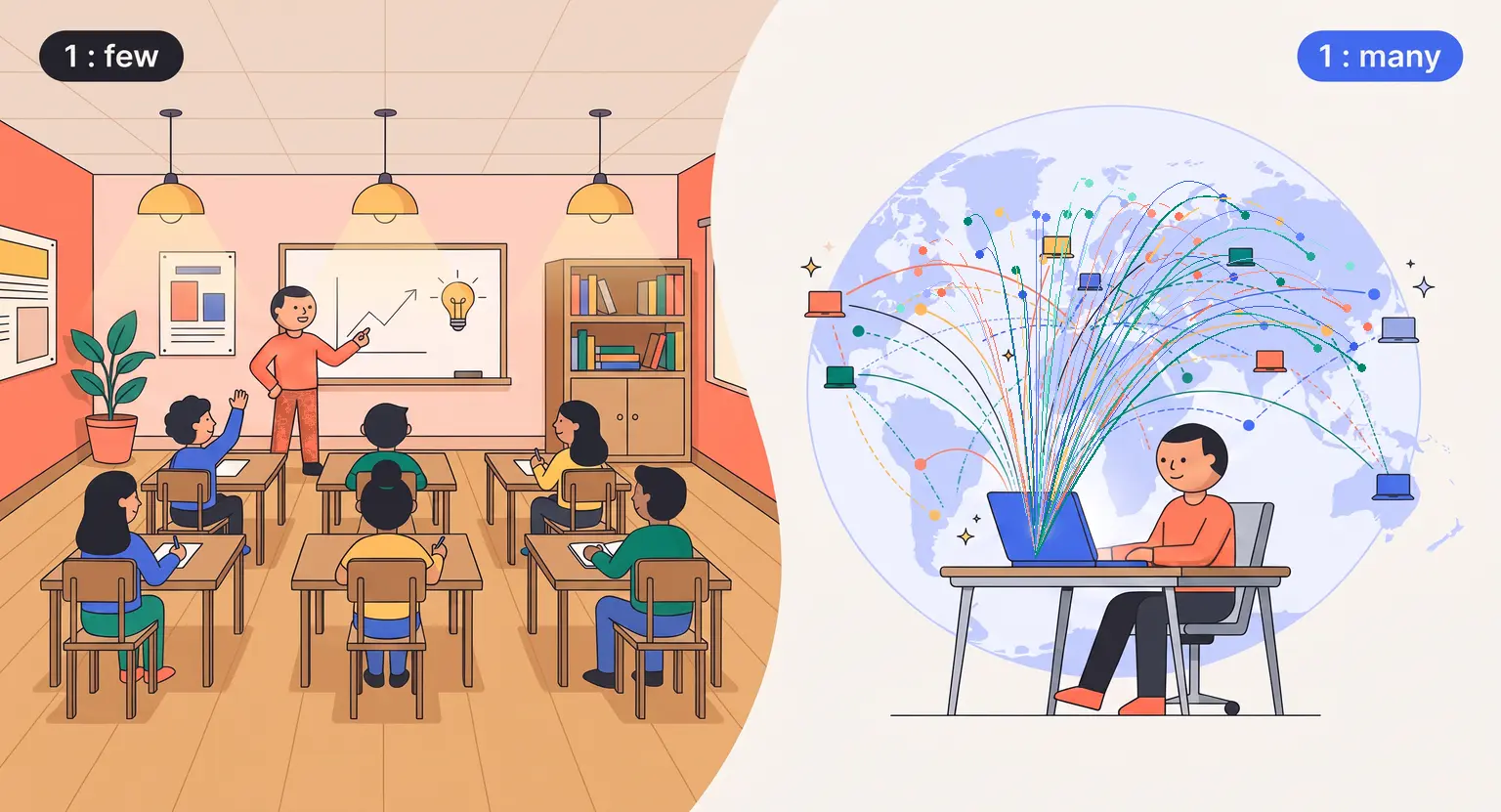
The one-to-many business model flips this equation entirely. Instead of trading hours for dollars, you package your expertise to serve hundreds of people simultaneously.
It is not about working harder, it is about magnifying your impact.
Let us look at how this setup works and why it has become the standard in 2026.
Key Takeaways to Keep in Mind :
-
Unlimited Scalability : your growth is no longer tied to your calendar because delivery is centralized.
-
Diversified Offers : you can compare coaching vs courses to find the best fit for your workload.
-
Sustainable Income : this model creates space for highly predictable, recurring cash flow.
-
Tech Simplification : relying on tools that handle delivery keeps manual tasks to an absolute minimum.
Understanding the One-to-Many Framework
At its core, a one-to-many model means you create a single asset or program and distribute it to multiple clients at the same time - think of it as a broadcast rather than a private phone call.
The effort it takes to teach ten people is virtually identical to the effort required to teach five hundred…
But do not mistake this for a cold, impersonal approach.
Modern systems allow you to maintain high engagement through community spaces, automated check-ins, and group dynamics.
Some of the most common applications include :
-
Pre-recorded digital courses that students complete at their own pace.
-
Group coaching programs where you host live, collective Q&A sessions.
-
Paid membership websites loaded with templates, toolkits, and ongoing resources.
-
Live interactive events that pool people together around a single outcome.
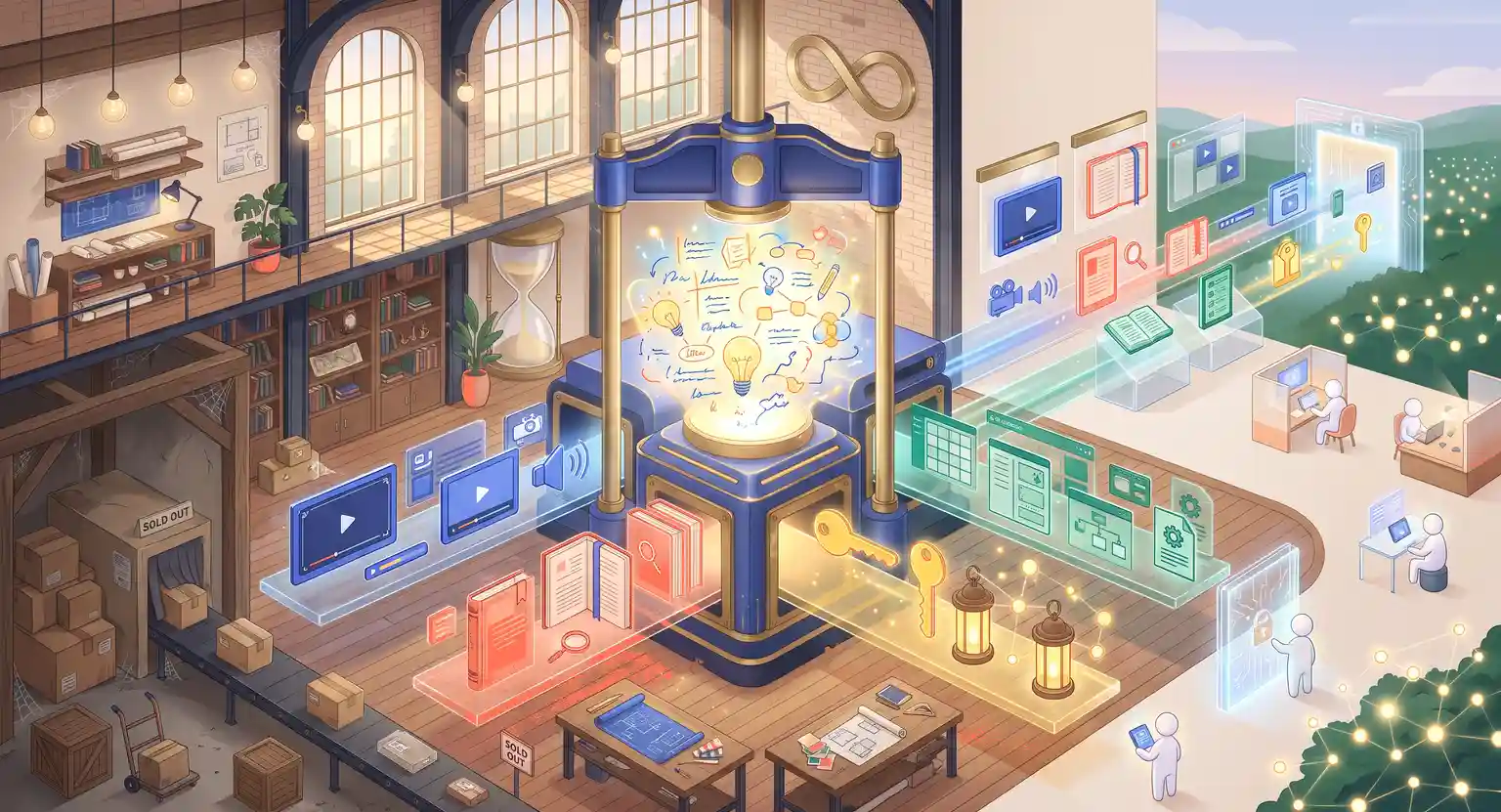
So, you write the curriculum once, set up the delivery system once, and focus your energy on marketing and community facilitation.
Why Digital Creators are Shifting to One-to-Many Right Now
The landscape has changed dramatically over the last few years. Consumers are smarter, and they do not want to buy flimsy ebooks. They want real results, structured pathways, and community support. (And frankly, burnout is at an all-time high.)
Service providers are tired of getting stuck in back-to-back video calls.
By introducing a streamlined offer, you protect your calendar while lowering the entry price. Your clients get access to your brilliance at a fraction of your one-on-one rate, and you reclaim your freedom.
Besides, the economics are incredibly persuasive. When scaling, you can easily develop recurring revenue ideas for experts that keep your business stable, transitioning away from the feast and famine cycle that plagues traditional freelance businesses.
Top Formats for Designing Your Scalable Offer
You do not have to abandon your current services overnight. Instead, look at how you can package your knowledge into structured formats that do the heavy lifting for you.
Here are the most effective formats dominating the market today :
1. Self-Paced Online Courses
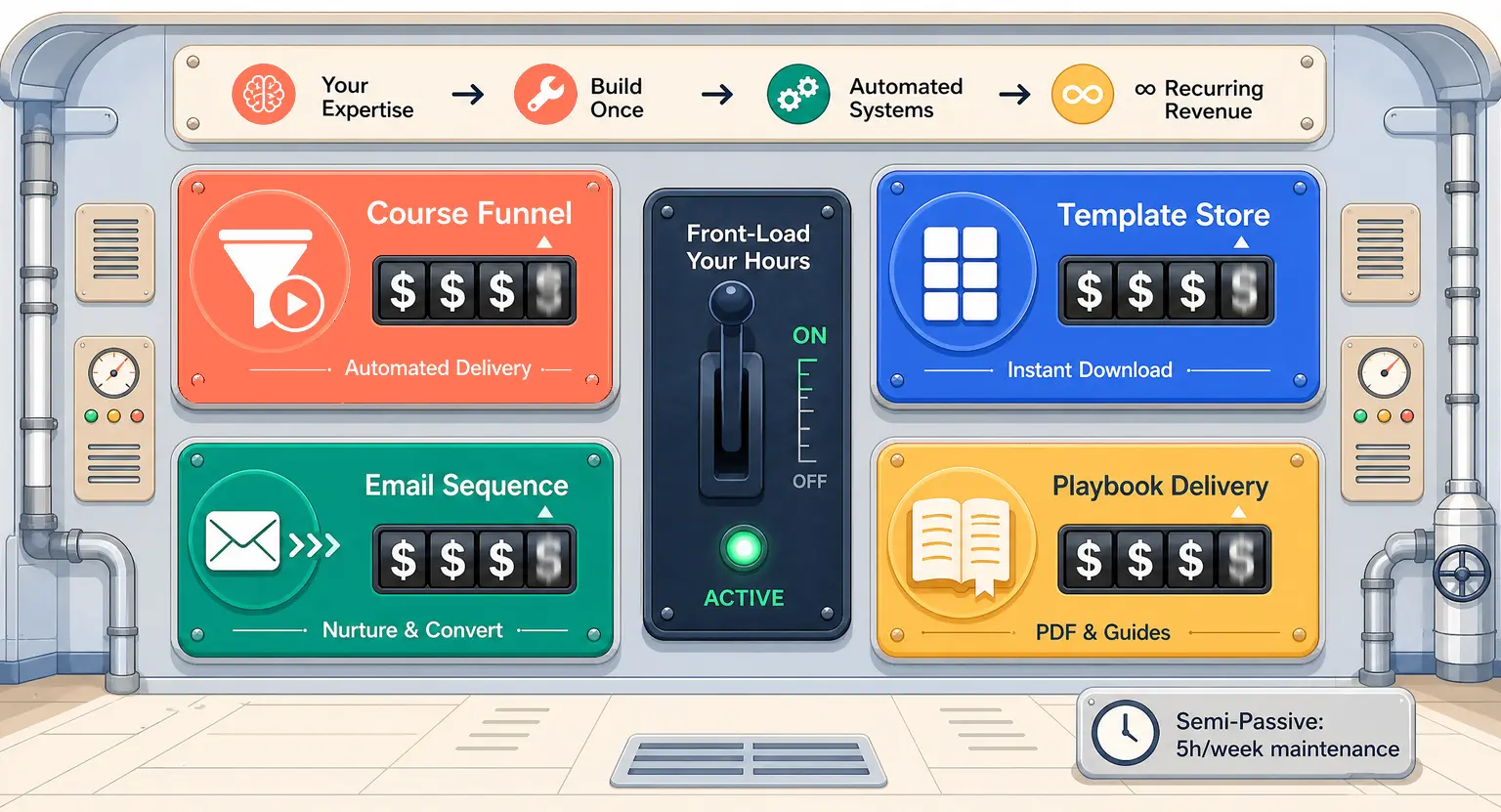
This is the ultimate hands-off asset. You record your lessons, design your worksheets, and set up your delivery platform.
If you want to sell online courses successfully, focus on clear, action-oriented lessons rather than endless theory.
2. High-Value Webinars and Workshops
Using webinars to deliver high-impact workshops is a stellar way to work with crowds… You can teach a live class to hundreds of attendees, answering questions in real time while showcasing your deep mastery.
3. Hybrid Coaching Programs
But what if your clients need personal hand-holding? A hybrid group program is the sweet spot.
You provide core lessons via recorded videos, then bring everyone together for weekly group coaching calls, giving them community support without draining your personal schedule.
Comparing One-to-One and One-to-Many Approaches
Let us look at how these two setups stack up when it comes to time, income potential, and execution complexity.
| Feature | One-to-one model | One-to-many model |
|---|---|---|
|
Income ceiling |
Strictly capped by your personal hours. |
Virtually limitless through automated distribution. |
|
Delivery effort |
Requires active manual labor for every customer. |
Created once and distributed automatically. |
|
Customer price point |
Premium pricing to justify private time. |
More accessible, increasing client acquisition ease. |
|
Tech complexity |
Low, involving basic tools and communication. |
Moderate, requiring course hosting and email flow. |
Selecting the Technology to Fuel Your Scale
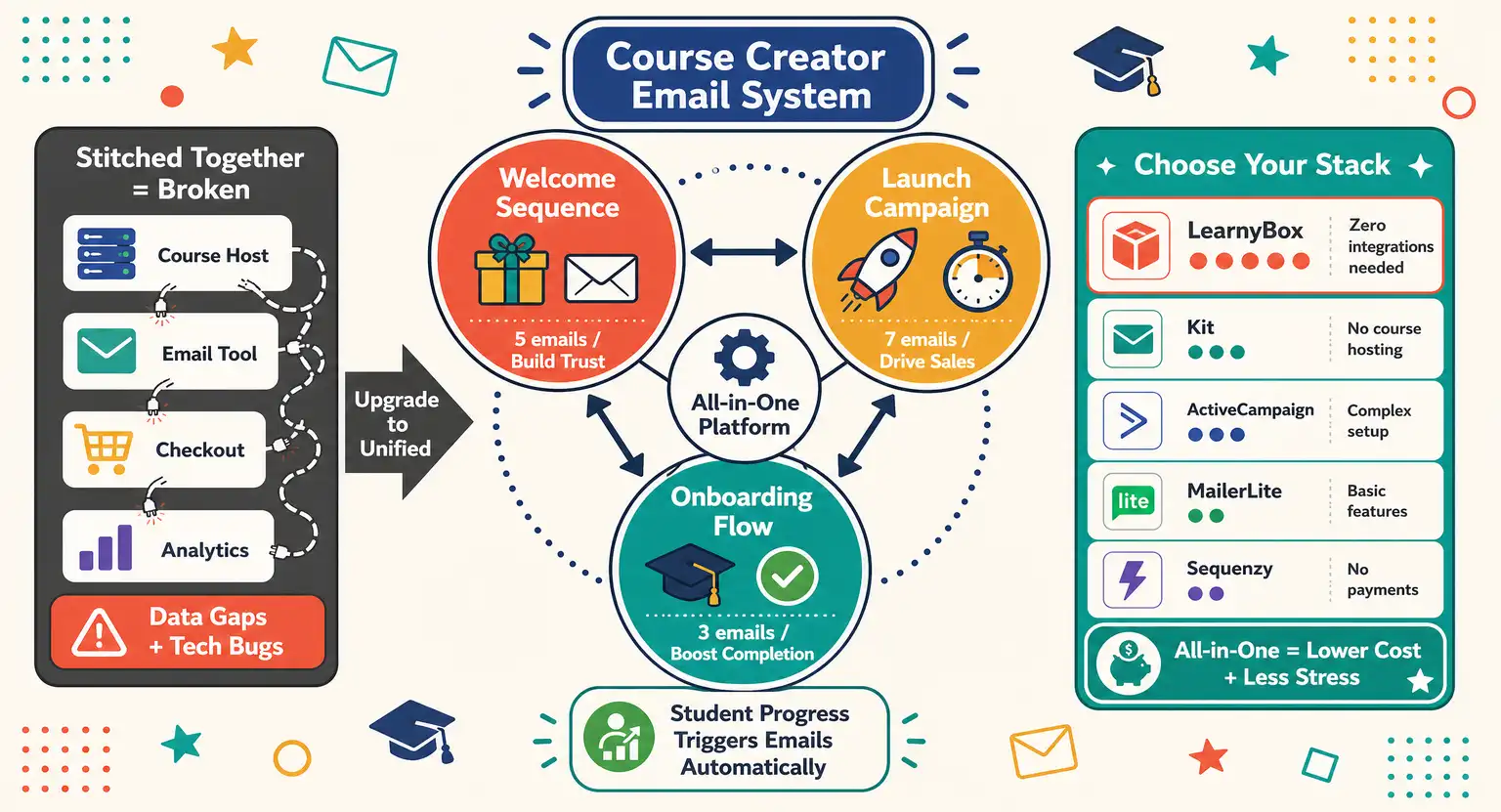
To run this model smoothly, you cannot rely on separate, disjointed tools. You need an automated system that handles sign-ups, hosts your lessons, registers webinar attendees, and shoots out regular emails.
Choosing the right platform simplifies your operations. Utilizing an all-in-one platform to sell online courses ensures that your student dashboard, checkout pages, and email campaigns function as a single unit without complex integrations.
And when you are confident in your tech setup, you can turn your attention back to what actually matters : helping your students succeed and growing your brand.
How to Transition Your Business Model Smoothly
Moving from high-touch client work to a leverageable offer can feel overwhelming. But you do not have to tear down your existing business.
You can build this transition step by step.
-
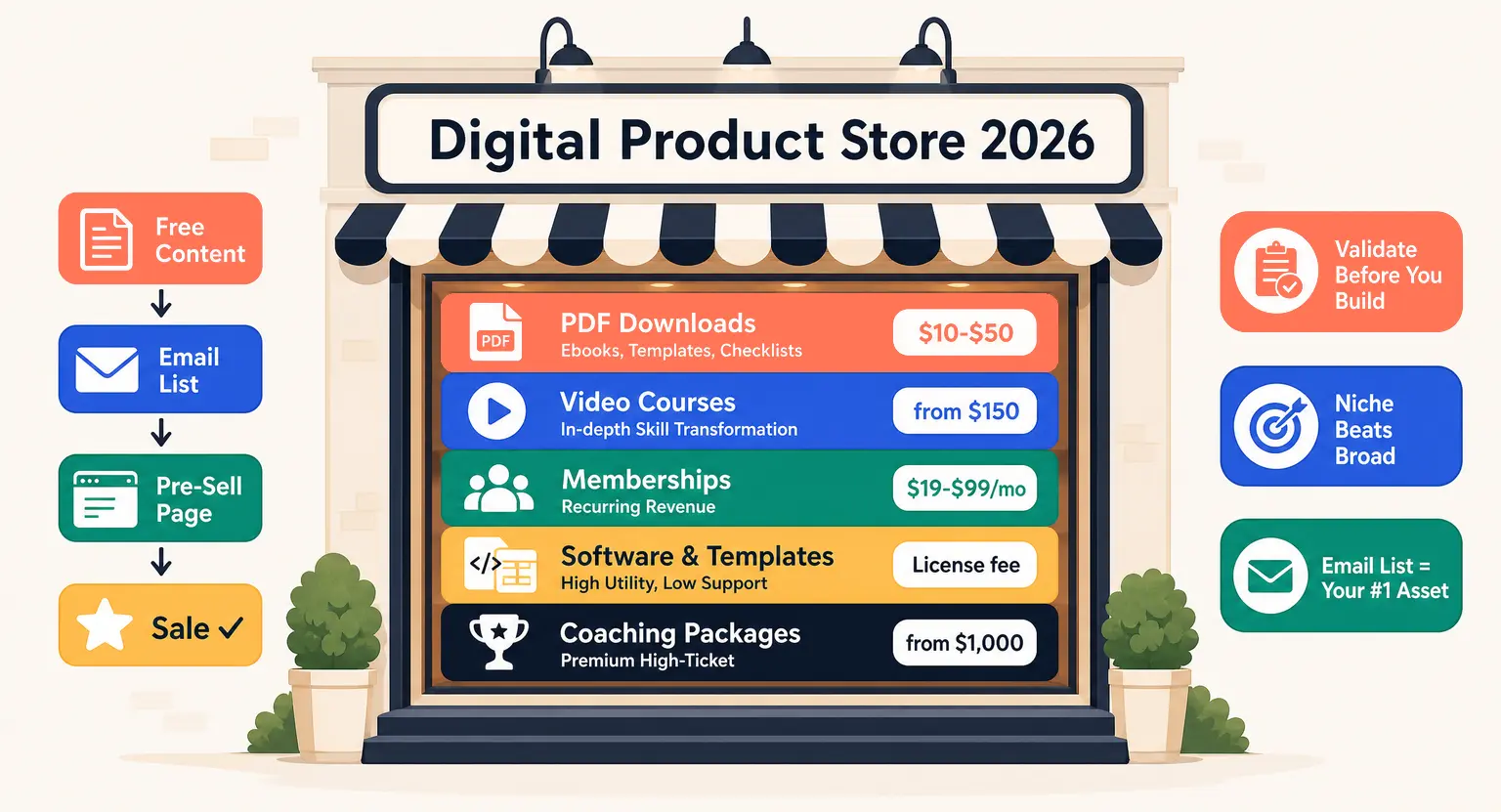
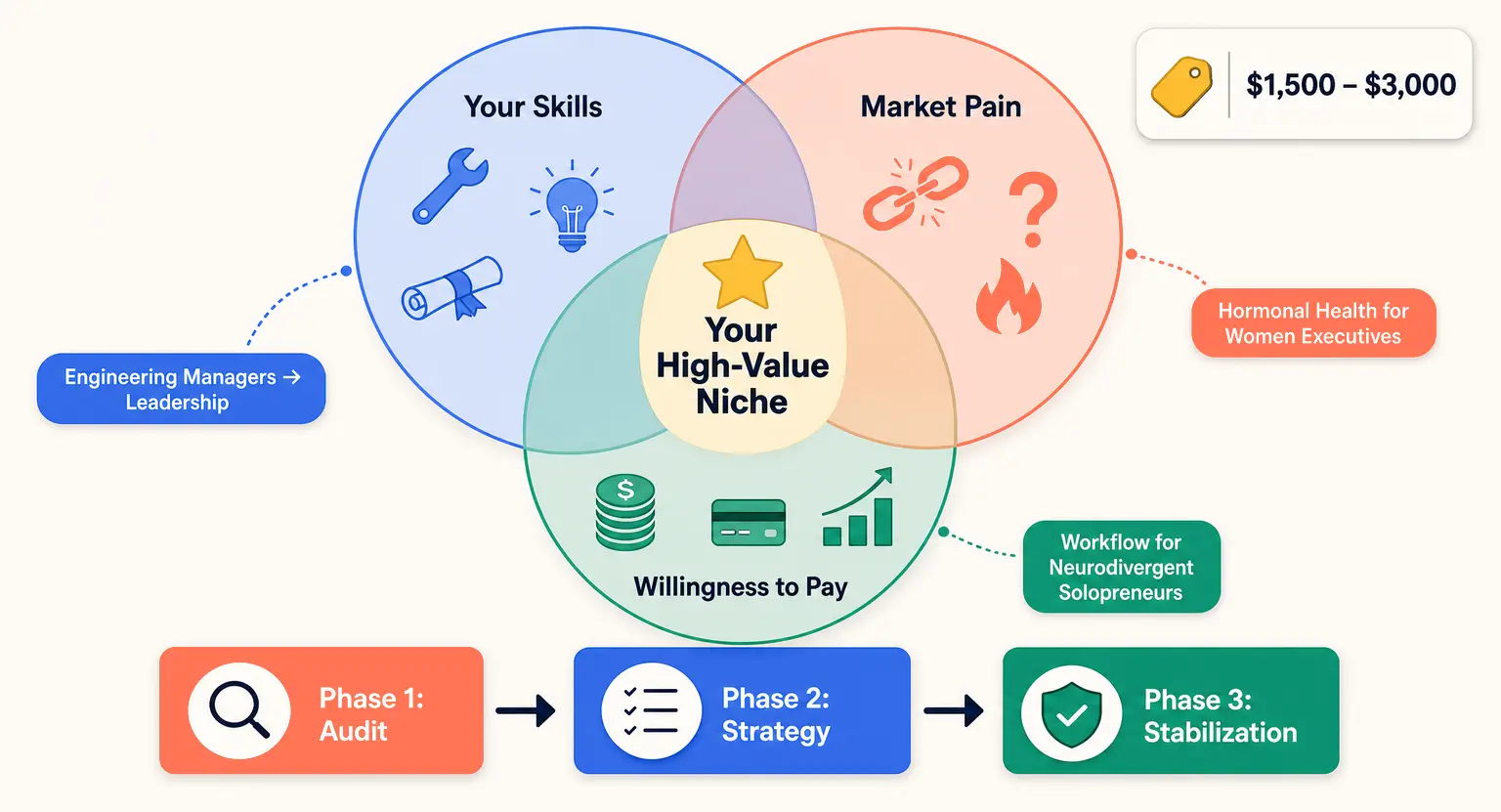
Validate Your Topic First : talk to your existing audience or clients. Figure out their biggest recurring struggles. If you are looking for popular directions, check out the top online course ideas for experts to align your wisdom with current market demands.
-
Pre-Sell Your Program : never spend months building a course in a dark room without payment validation. Secure your first cohort of buyers using a basic sales page before you record a single video.
-
Structure Your Curriculum : build a clear, step-by-step path that guides your students from point A to point B. Avoid overcomplicating things; focus purely on the fastest road to their desired outcome.
-
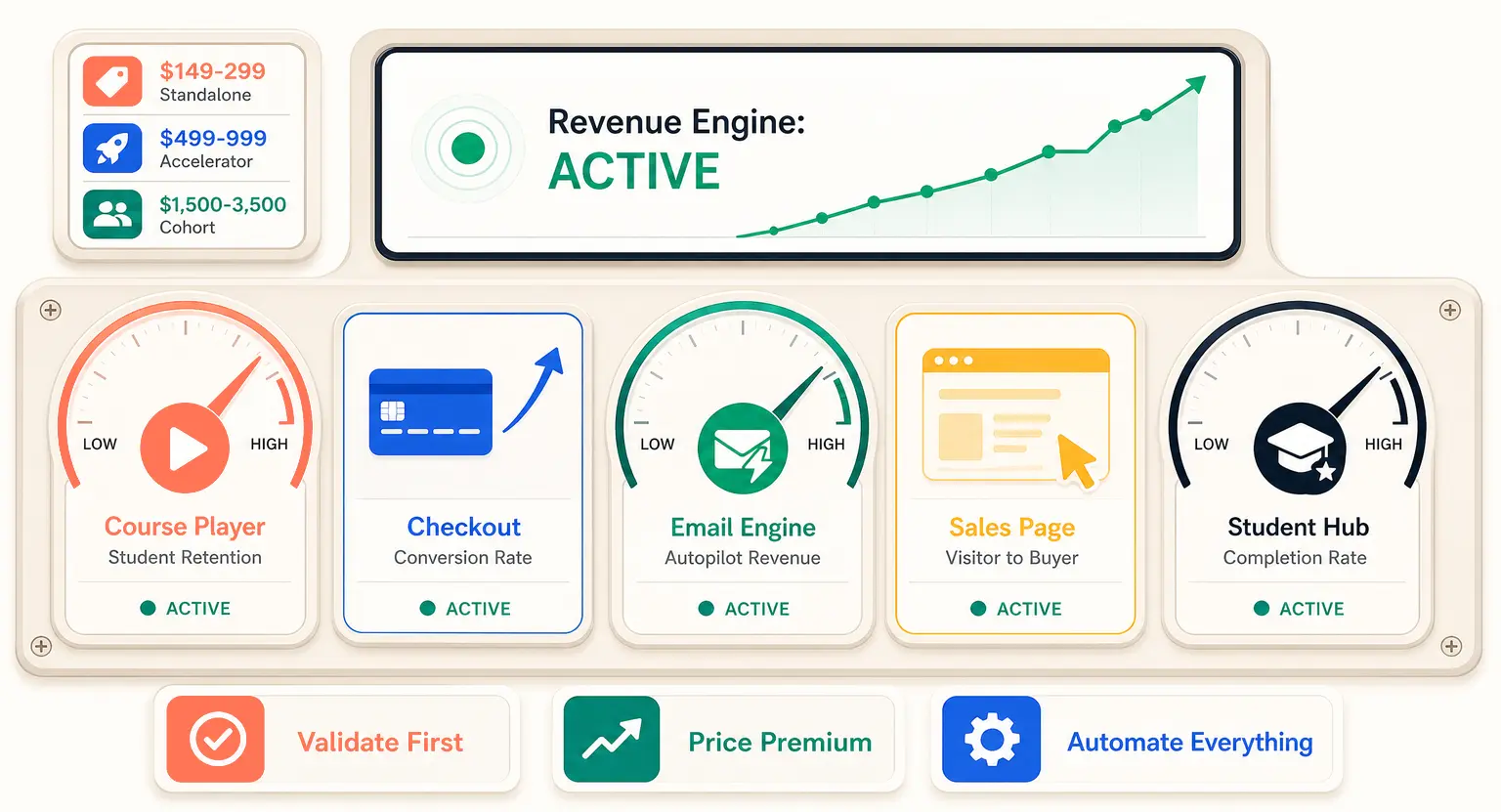
Establish Your Pricing System : set a price that mirrors the value you deliver. You can develop an optimized online course pricing strategy by pairing your program with group support elements.
-
Plan a Smooth Launch : build anticipation with your email audience, then host an online event to welcome your initial members. Learning how to launch an online course properly can save you from painful mistakes.
By taking these steps, you protect your cash flow and build your offer with real, paying clients feeding you feedback along the way.
Attracting Customers at Scale
Once your system is ready, the game shifts to marketing. In a one-to-one business, you only need a couple of leads a month, but in a one-to-many business, you need a steady stream of interested buyers to keep the engine humming happily.
So, how do you handle this without turning marketing into a full-time job?
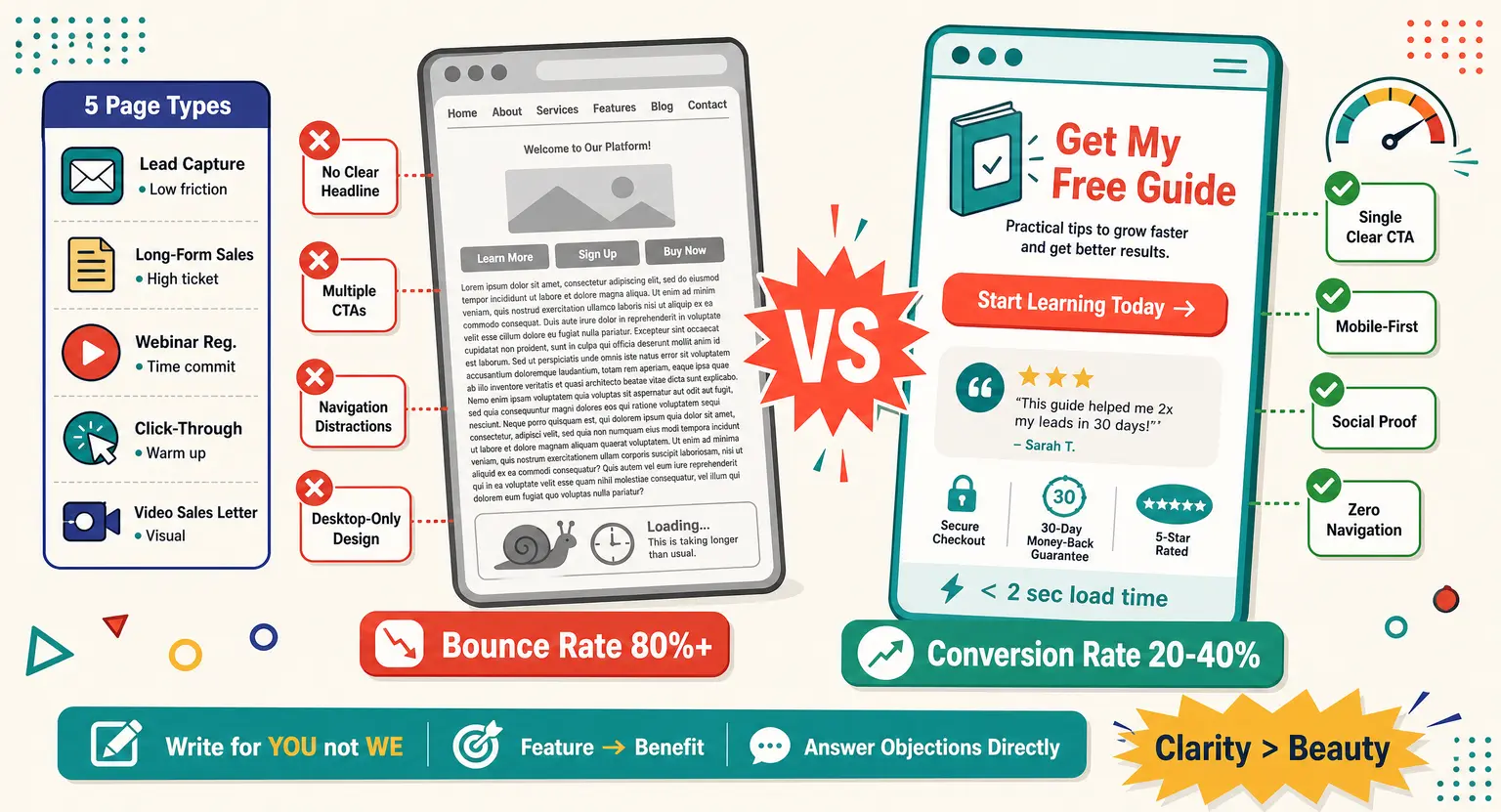
You start by setting up consistent lead acquisition funnels. Offer free templates or checklists that solve a highly specific problem for your audience. Once they sign up, use automated email sequences to show them why your paid offer is the logical next step.
Additionally, mastering how to market an online course is critical. Focus your energy on organic search content, strategic partnerships, and occasionally paid ads if you want to speed up your reach.
Designing the Ultimate Student Experience
The biggest criticism of one-to-many services is that students can feel lost in the crowd. When you do not have that intimate one-on-one connection, completion rates can slip if you are not careful.
But you can easily overcome this - make your platform intuitive and easy to use.
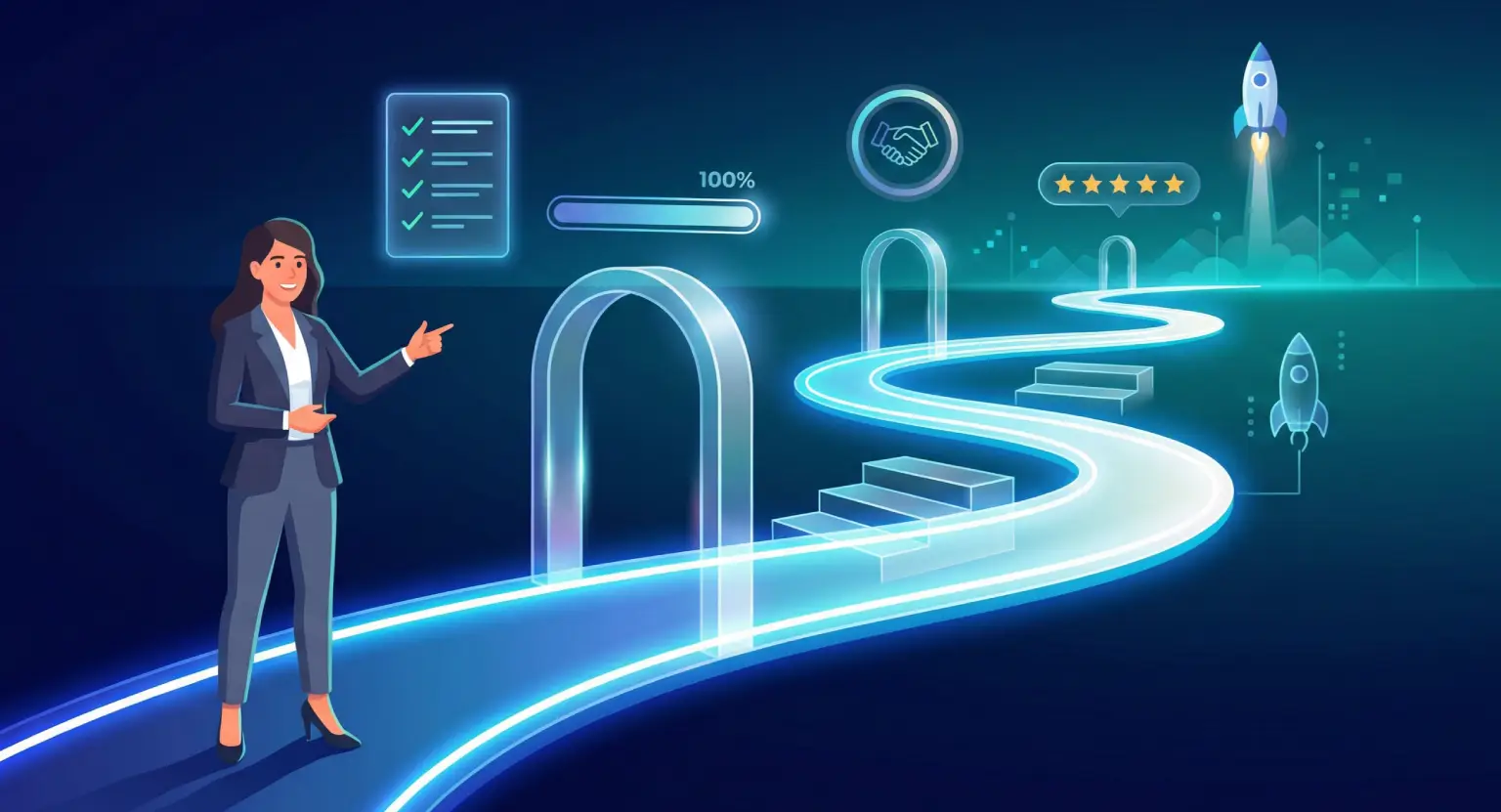
Ensure your students have a clear path from their very first login. You can find inspiration on setups by researching the best online course platforms to see what modern learner dashboards look like.
Then, build in passive accountability. Use simple triggered check-ins if someone stops logging in, reward them with digital milestones, or host study groups inside your community.
When students feel seen, their success rate skyrockets.
Time to Build Your Leverage
The decision to step away from the daily grind and scale your wisdom is incredibly liberating… By adopting a one-to-many model, you gain complete control over your calendar and experience unlimited growth.
Use the right tools, package your knowledge, and start making an impact at scale today.
Frequently Asked Questions
Can I shift to a one-to-many model if I am just starting out?
Absolutely, though having even a small amount of client work under your belt helps immensely.
Working with individuals first shows you their exact pain points, which makes designing your group curriculum much easier.
How many hours a week does it take to run a group program?
Once everything is built, you can manage a group program in just a few hours a week.
Most of your time will go into running weekly question and answer calls, supporting the community, and reviewing student progress.
Do I need a massive audience to make this model highly profitable?
Not at all. A small, highly engaged audience of a few hundred people is more than enough to build a lucrative business.
It is all about how well your offer solves their specific, painful problems.
What if my students demand individual attention?
You can offer a VIP tier that includes limited email access or brief monthly calls. This lets you serve the majority through the group model while satisfying clients who want premium personal assistance.


 How to Sell an Online Course Through a Sales Call (2026 Guide)
 How to Build an Online Course Business for Acquisition (2026 Guide)
 How to Create an Instructor Revenue-Sharing Model (2026)
 How to Build a Waitlist for an Online Course (2026 Guide)
 How to Build a Customer Education Program With Online Courses (2026)