







How to Become an Online Coach: The Complete 2026 Action Plan
How to Become an Online Coach
Let's have a completely honest conversation here : the old coaching playbook is entirely dead. You know the one : where someone takes a weekend course, slaps the word "Guru" on their profile, posts random motivational quotes on social media, and watches money roll in.
It just does not work anymore in 2026. Audiences have developed highly sensitive radar systems for fluff and generic advice.
But here is the good news : there is still an incredible demand for deep, authentic coaching.
People are actively searching for individuals who can help them solve complex problems, build new skills, and make sense of an increasingly noisy digital marketplace.
If you have real-world experience, professional expertise, or a unique life perspective, you are sitting on an asset that can be packaged into a highly profitable virtual practice.
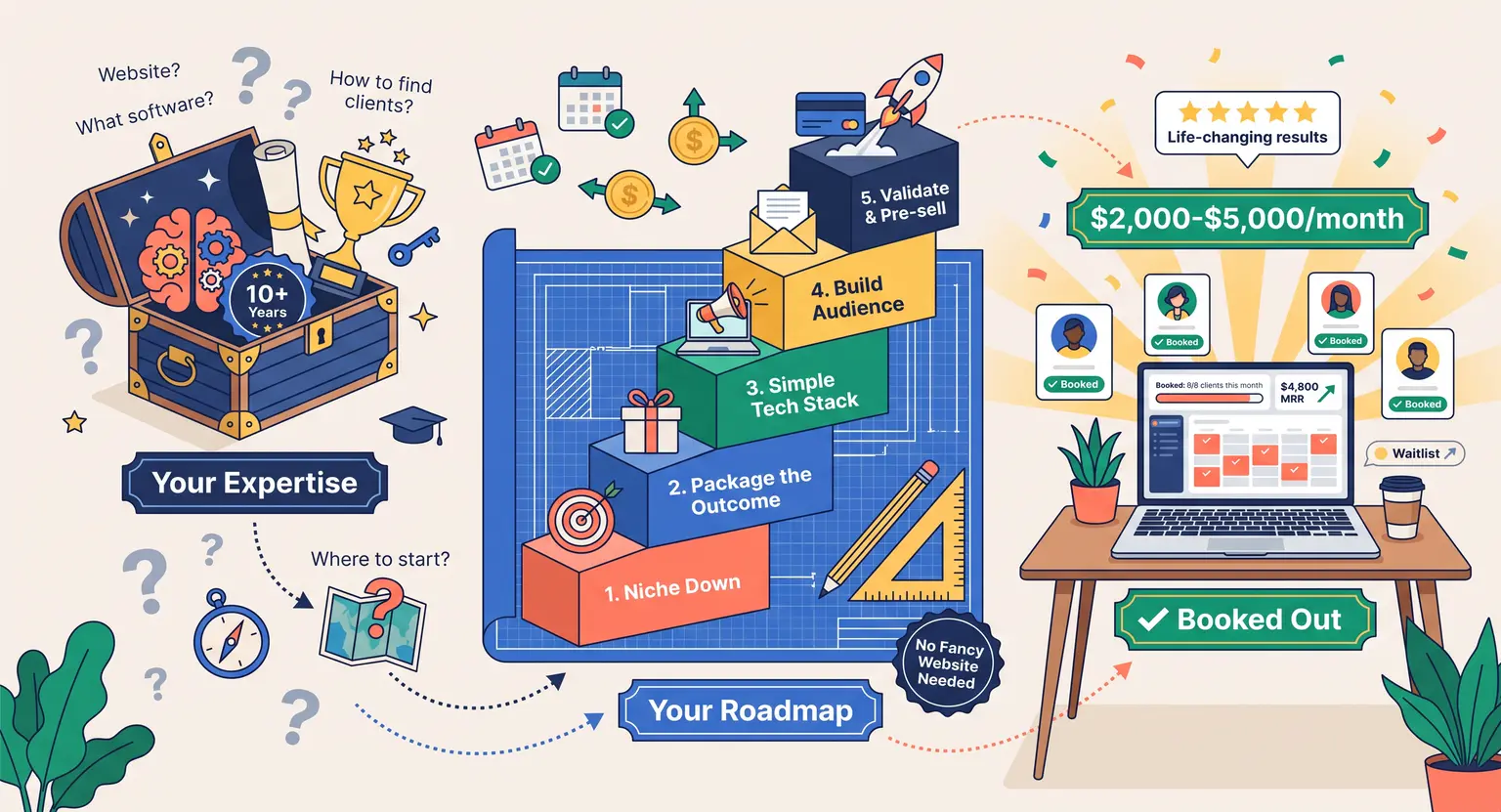
So, how do you cross the bridge from wondering where to start to actually launching a business that pays your bills?
Let's strip away the useless jargon and look at the actual step-by-step reality of getting your coaching brand off the ground this year!
Key Takeaways for Future Coaches :
-
Define the transformation over the duration. Clients purchase clear outcomes, not hours spent chatting on a screen.
-
Build a simple tech core. Do not get lost in complicated tool setups; stick to a system that houses your landing pages, payment flow, and mailings easily.
-
Establish a human-centered sales pipeline. Your initial high-value clients will come directly from deep, personal conversations, not from cold, automated funnels.
-
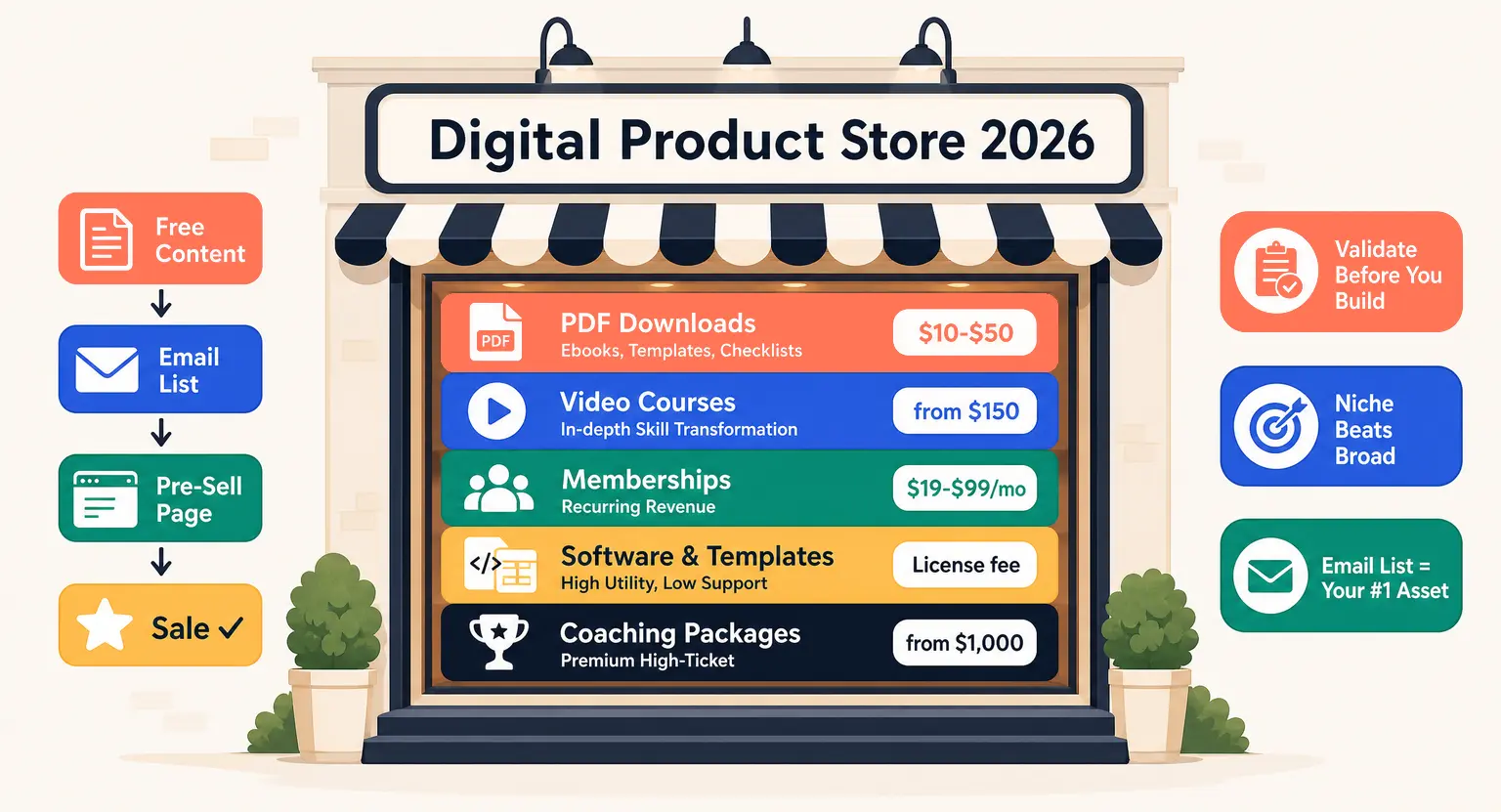
To secure your launch, make sure you know how to validate an online course idea or coaching concept before investing long development hours.
Identify Your High-Value Intersection (The Niche Step)
Every aspiring coach makes the same initial mistake - they try to help everyone. They use broad, generic labels like "Life Coach," "Career Advisor," or "Business Optimizer."
But when you speak to everyone, you speak to absolutely nobody.
If a business owner is experiencing highly specific hiring issues, they will not hire a generic business coach. They will hire someone who specializes in small-team talent retention.
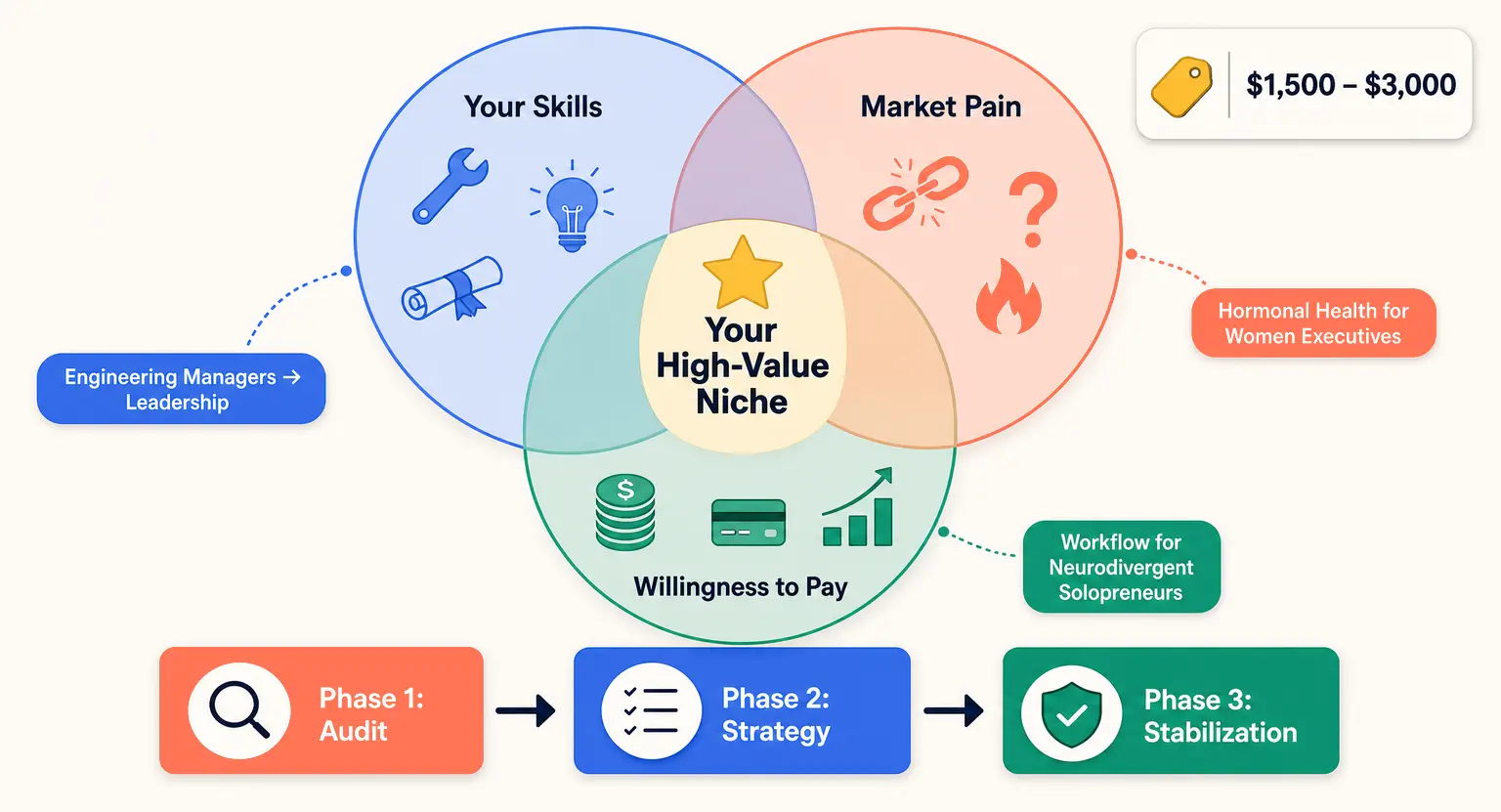
To establish yourself as a true expert, find the exact spot where your core skills meet a painful market reality.
Ask yourself :
What specific challenges have you faced, analyzed, and successfully overcome?
Which of those solutions would others be willing to pay real money to skip the learning curve on?
Let's look at some examples of generic vs. high-value niches :
-
Instead of "Health Coach," aim for "Hormonal Health Coaching for Women Executives over 40."
-
Instead of "Career Coach," target "First-Time Engineering Managers Transitioning to Leadership Roles."
-
Instead of "Productivity Coach," build around "Workflow Systems for Neurodivergent Solopreneurs."
You do not need an official university degree in coaching to begin, but you do need an unshakeable proof of concept.
If you have successfully helped people in your day-to-day employment, your previous businesses, or even your personal circles, you are qualified - your experience is your certification.
Structure Your High-Ticket Signature Offer
Once you know who you are talking to, you have to pack your wisdom into a structure that feels easy to buy.
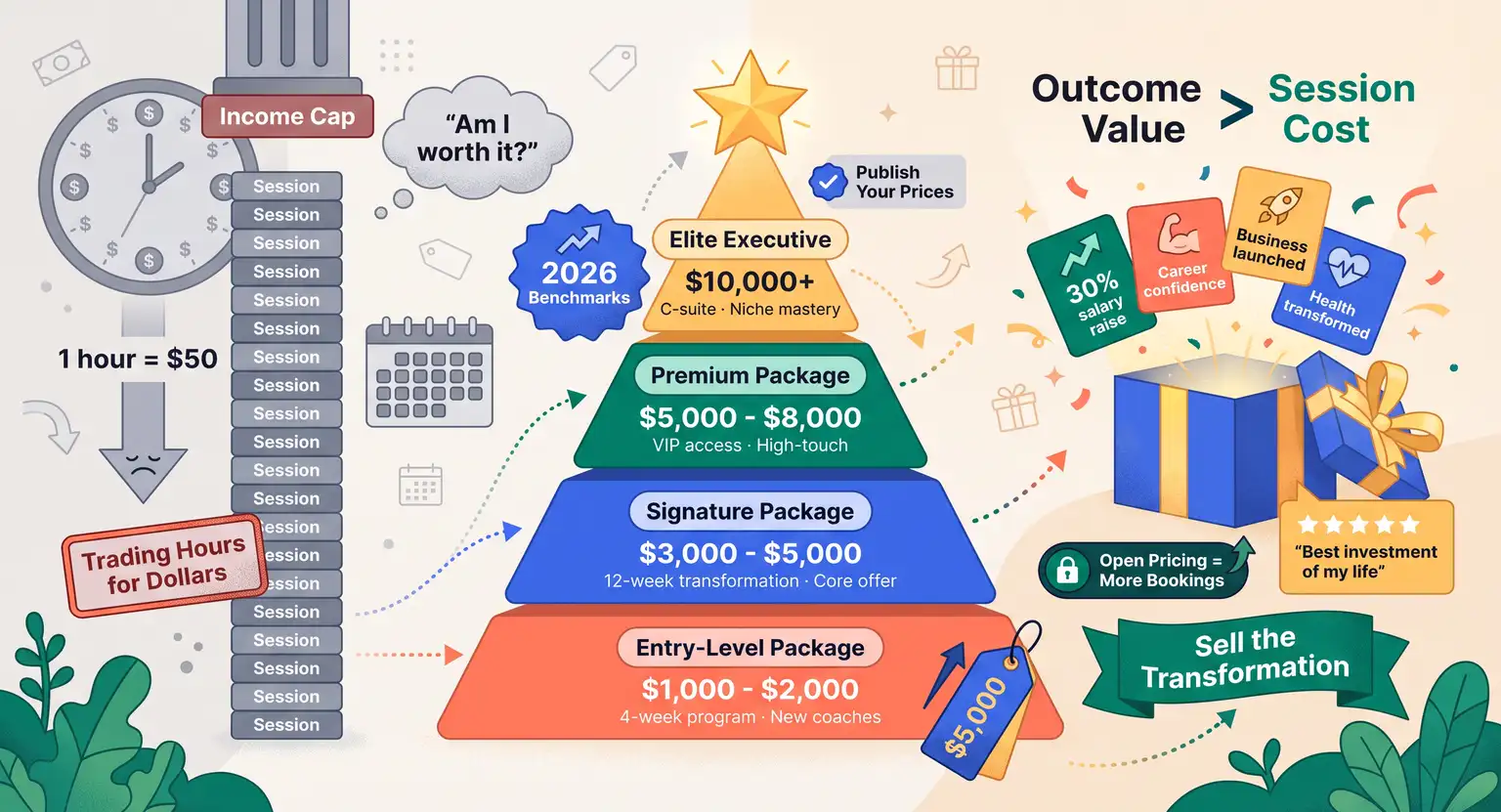
Stop trying to sell single coaching sessions. Selling a single $100 hour of zoom time is a fast track to fatigue - you will constantly be hunting for new clients to pay the rent, and your calendar will quickly become a messy patchwork of scattered appointments.
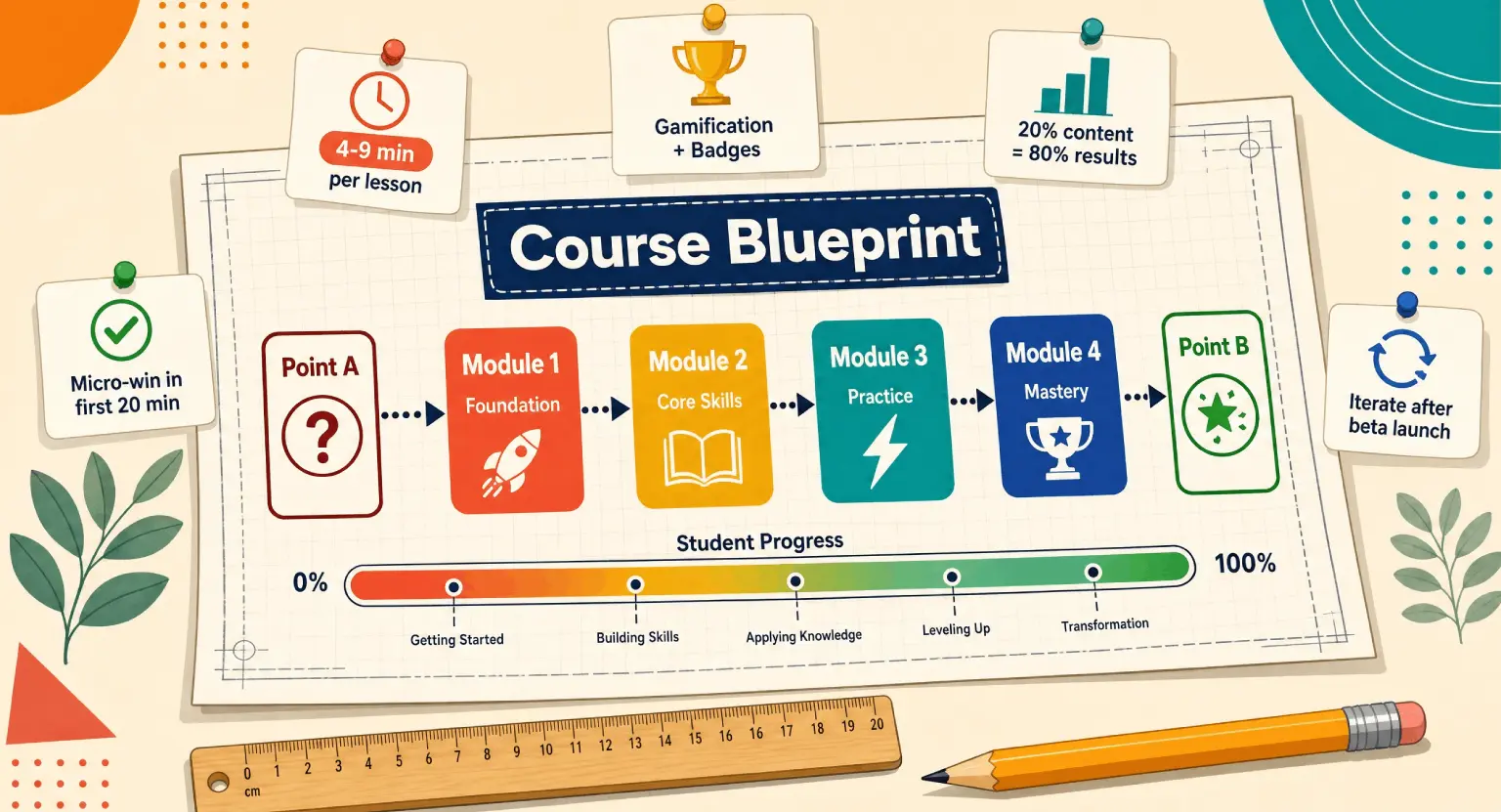
Instead, sell a complete outcome. Create a structured 8-week or 12-week program that guides your ideal client from their current point of frustration to their desired point of ease.
That package should have a set price tag - typically starting between $1,500 and $3,000 for high-ticket individual attention.
But how do you define this? You need to carefully map out every milestone your client will reach. When you learn how to package your expertise, you stop pitching your time and start pitching solutions.
This is the difference between asking someone to pay for "weekly conversations" and asking them to invest in "building a scalable personal lead system."
And how do you design this program? Here is a simple, highly effective framework :
-
Phase 1 (The Audit) : assess where the client is stuck. Clean up any bad habits, identify hidden bottlenecks, and establish clear baseline metrics.
-
Phase 2 (The Strategy) : implement your proprietary step-by-step action plan. Give them clear homework and direct action items every single week.
-
Phase 3 (The Stabilization) : ensure the changes take root. Help them transition from dependent coaching support to independent mastery of the system.
Your program should include a combination of live video calls, personalized action sheets, and brief chat support between scheduled sessions.
This comprehensive design justifies a premium rate and yields far superior student transformations than casual conversations ever could.
Establish Your Simple Digital Workspace
Many new coaches spend three months choosing brand colors, designing custom logos, and buying complex tools they do not understand - it is a form of productive procrastination.
It makes you feel like you are working, but it keeps you from doing the one thing that matters : talking to prospective buyers.
To start cleanly, keep your setup minimal. You do not need twenty different subscriptions. You need a simple engine that can handle your digital image, securely process client payments, store your coaching materials, and host your communication pipelines.
When looking at the best online course platforms, remember that a system should grow alongside your brand.
You might start with raw individual coaching calls, but you will quickly want to offer workshops, host small video vaults, or organize group coaching masterminds.
Finding an intuitive, reliable system saves you from a massive technical headache down the line.
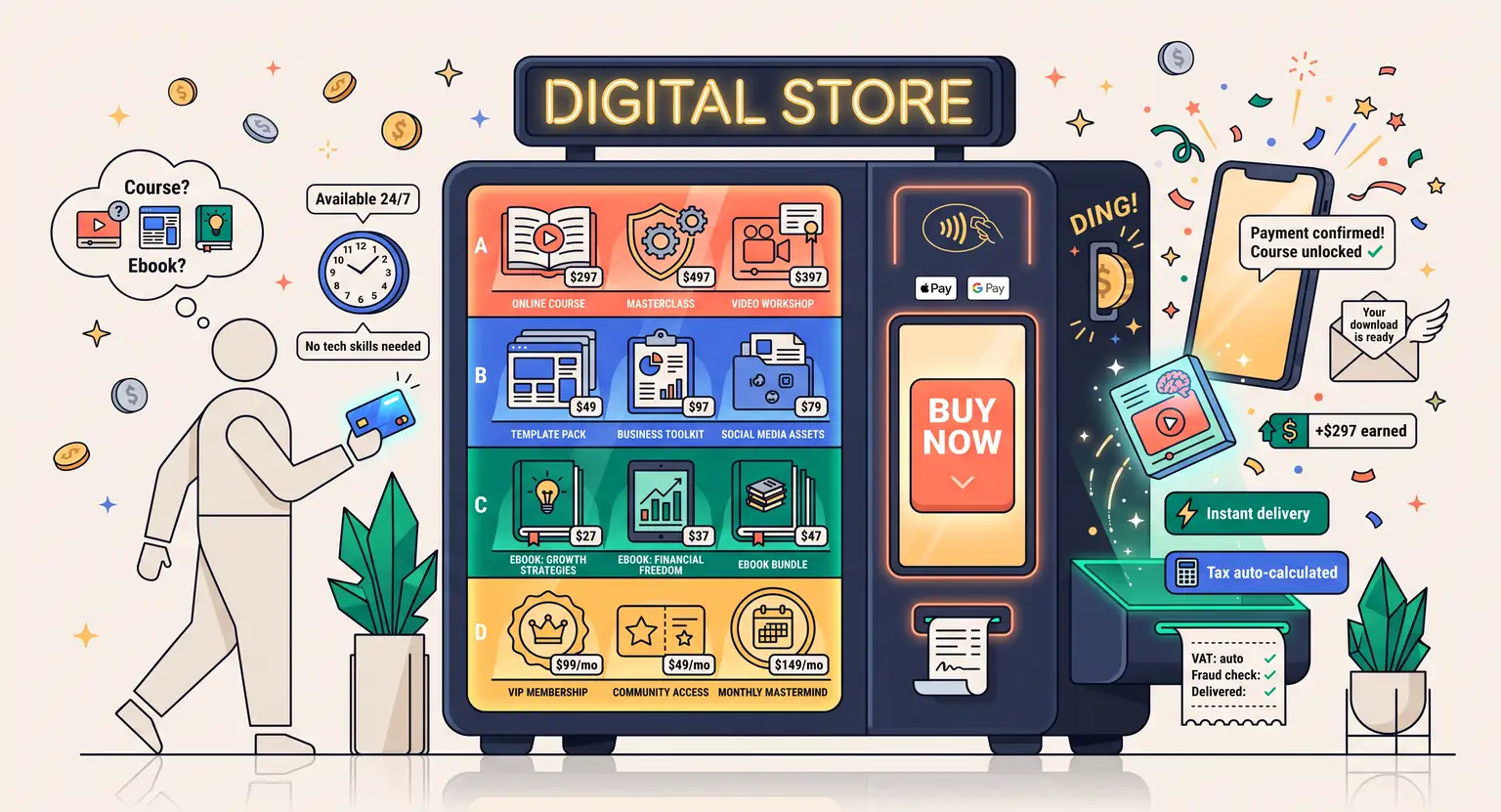
Using a streamlined, comprehensive all-in-one digital business suite keeps all your operations in a single dashboard.
Instead of trying to connect separate checkout tools, email providers, and site hosts, you can focus on building relationships with your audience.
| Workspace element | Core objective | What to avoid | Smart 2026 practice |
|---|---|---|---|
|
Landing & booking page |
Introduce your signature program and offer direct application forms. |
Complex multi-page websites with sprawling, outdated blog templates. |
A single, clean application landing page detailing the exact transformation you deliver. |
|
Client payments |
Process payments safely and support installments. |
Sending awkward paper invoices manually after the session starts. |
Embedded payment links within the booking flow to collect fees before the calendar opens. |
|
Audience building |
Collect emails to share helpful tactical tips over time. |
Spamming social media DMs randomly with cold pitches. |
Deliver highly actionable, specific guides in exchange for the reader's contact information. |
|
Curriculum storage |
Keep your lesson videos, worksheets, and assets safe. |
Cluttering your buyer's inbox with massive, messy PDF email attachments. |
A secure student portal where your program material is neatly stored and updated. |
|
Live communications |
Conduct video reviews and support conversations with stability. |
Using unstable, poor-quality free video applications. |
Integrated scheduling links linked directly to professional conferencing tools. |
The Human-First Client Engine (Getting Your First 3 Clients)
But how do you find actual paying clients? Let's be completely open : when you are just starting out, paid ads are a giant money trap and cold DM scripts make you look like a mindless robot.
The single most reliable way to get your first three high-ticket clients is to build authentic human connections.
To do this, you must learn how to build an email list from day one. Do not worry about having thousands of subscribers right away. Even fifty deeply engaged readers can sustain a full-time coaching practice if those fifty people represent your exact core niche.
You can build this initial audience by writing honest, clear posts on places like LinkedIn, hosting valuable live discussions, or sharing detailed casework breakdowns.
So, here is a highly effective launch strategy you can execute over the next thirty days :
-
The Direct Offer : reach out to your warm network.
Do not say : "Hey, do you want to hire me?" That is awkward and uncomfortable.
Instead, write something like : "I am working with three ambitious managers to help them streamline their communication setups this month. I am offering this initial support at a significant pilot discount to refine my methodology. Do you know anyone who might find this valuable?"
This approach removes all pressure and keeps the conversation completely natural. -
The Diagnostic Strategy Session : offer zero-cost, high-value 15-minute diagnostic calls.
During these calls, do not deliver a generic sales pitch. Help the individual identify their single largest bottleneck, show them a clear way to resolve it, and let the sheer value of your analysis speak for itself.
If they want help executing that solution, they will ask how they can work with you. -
The Referral Loop : when you guide your initial clients to beautiful, tangible results, their success becomes your marketing.
Ask them for deep, honest testimonials. Encourage them to introduce you to other colleagues who find themselves dealing with similar challenges. Warm introductions are the absolute best way to keep your calendar filled without spending a dime on ads.
Scale Your Business (Moving From Active Hours to Passive Assets)
Individual coaching is a beautiful starting point. It helps you deeply understand the daily struggles your audience faces, lets you test your strategies in real-time, and generates immediate, reliable cash flow…
But eventually, you will run into a hard wall - you only have so many hours in a week. If you want to grow your business past a certain ceiling, you have to transition away from trading your time for income.
And how do you do that? You can easily turn your recurring coaching patterns into scalable assets.
This is the beauty of creating passive income for creators. Over weeks of coaching, you will realize you are explaining the exact same five principles to every single client. You are asking the exact same questions and assigning the exact same diagnostic exercises.
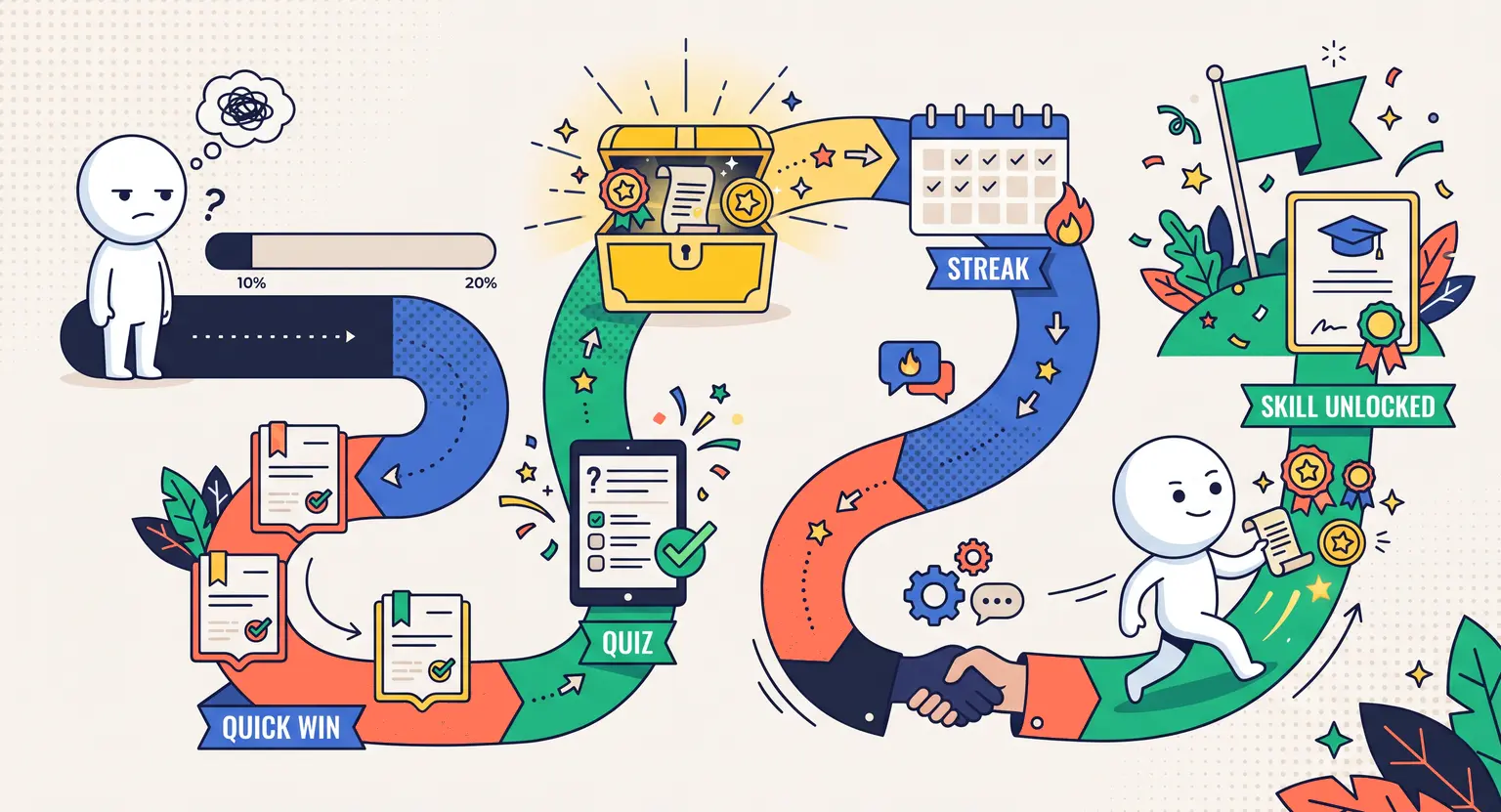
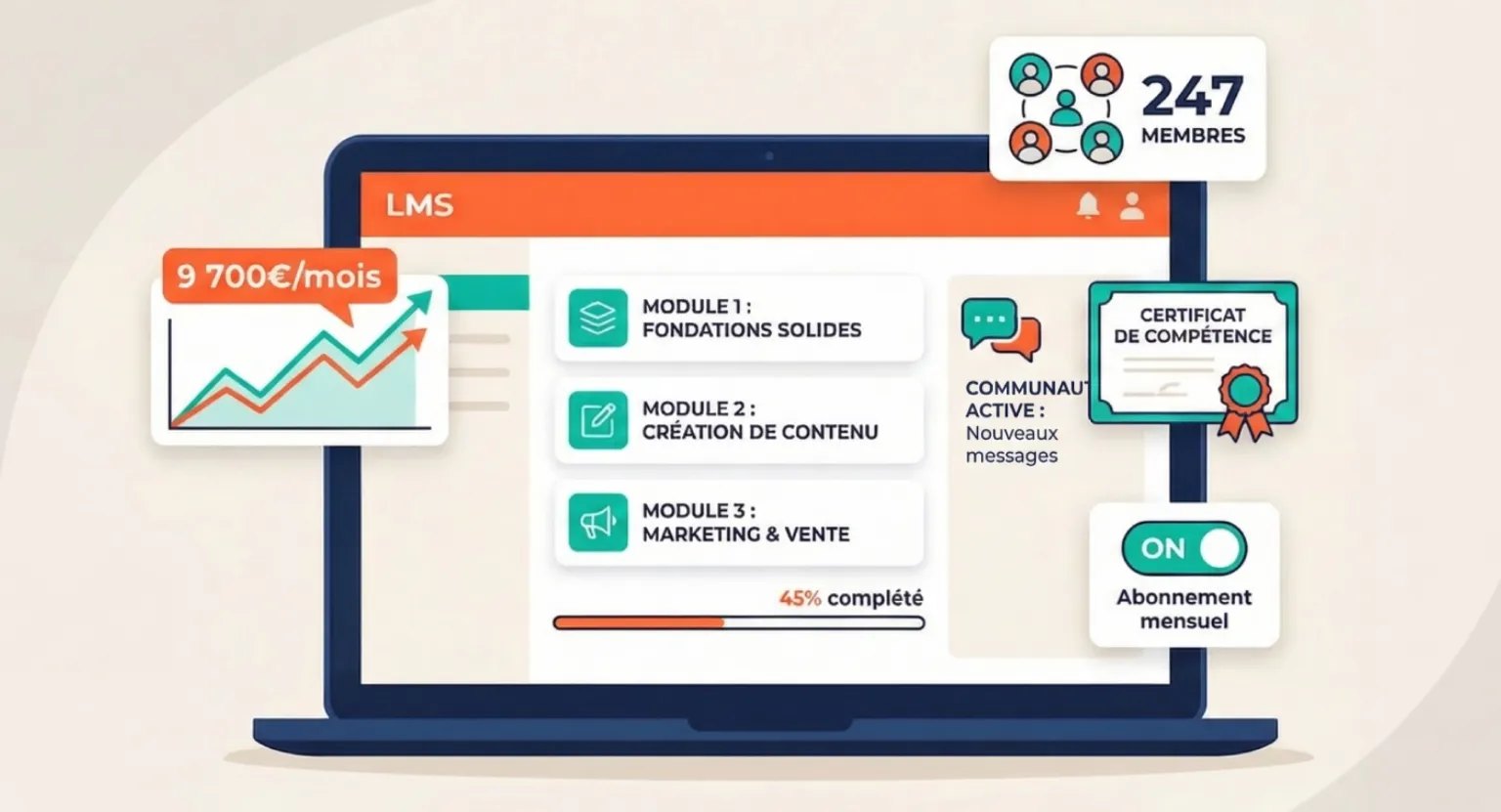
So, why not record those foundational elements? You can easily pack those recurring concepts into structured, video-based course modules. Your clients can watch this material on their own schedule before your coaching sessions.
This setup frees up your individual calls to focus purely on high-level troubleshooting and personal guidance.
This smart shift lets you transition from a strictly individual model to a highly profitable hybrid group coaching setup.
And when you are ready to expand your market presence, knowing how to launch an online course represents your absolute next level of business growth. You can then transition your individual coaching curriculum into a completely self-paced training course.
This path allows you to help hundreds of active students across the globe simultaneously, without ever touching your calendar or trading a single extra hour of your time.
Avoid These Two Common Mistakes
To keep your business running smoothly, you must protect yourself from two massive traps that derail most new online coaches.
The first trap is the Information Dump. When coaches start planning, they often assume they need to teach everything they know. They overload their students with massive libraries of hours of lessons, complex worksheets, and confusing checklists…
This is a fast track to overwhelmed, unhappy students who eventually drop out.
Remember : people do not pay you for more information, they pay you to filter the noise out and show them the single fastest path to their goal.
The second trap is the Perpetual Preparation Cycle. This happens when you spend weeks tweaking your program outline, waiting for the perfect weather, or trying to secure one more digital credential before you open your doors.
You do not need to be the absolute world authority to coach someone - you simply need to be two steps ahead of the person you are helping, and possess a clean, reliable system to guide them forward.
The absolute best way to learn how to coach is to actually start coaching real people.
Your Complete 30-Day Launch Blueprint
If you want to transition from planning to operating over the next four weeks, here is your direct weekly sequence :
-
Week 1 : pinpoint your high-value niche. Write down the one major challenge your ideal clients face and outline a step-by-step 8-week path to solve it.
-
Week 2 : set up your basic booking page and payment system. Keep it incredibly simple so you can safely process client fees and schedule zoom calls easily.
-
Week 3 : share three valuable, real-world case studies or helpful tactical tips on your preferred networks to show people you know what you are talking about.
-
Week 4 : offer five diagnostic strategy sessions to your warm network and sign your first high-ticket client.
Explore Further Reading & Planning Tools :
To help you scale your online business and organize your curriculum cleanly, take a look at these step-by-step guides from our team :
-
Analyze the numbers with our deep guide on how to make money with online courses.
-
Master the art of virtual group events with our insights on how to organize a successful webinar.
Ready to bring your online coaching brand to life? Stop waiting for everything to be perfect.
Define your niche,
set up your simple digital platform,
talk to real humans,
and start delivering practical, real-world value today.
Your future clients are already waiting for you to lead the way.
Frequently Asked Questions
Do I need a special certification to start coaching online?
No, you do not need an official certification unless you are entering highly regulated fields like mental health therapy, deep medical diagnostics, or formal corporate compliance.
Most clients are looking for real-world transformations, practical results, and a clear path to solve their immediate problems.
Your experience, past results, and structure are far more valuable to a client than a piece of paper.
How much should I charge for my first coaching package?
For your first high-ticket coaching program, aiming for a range between $1,000 and $2,500 for a 6 to 12-week transformation is standard.
This lets you offer deep support, validate your methodology, and gather powerful client reviews without selling yourself short or feeling overwhelmed by a high volume of lower-paying clients.
What is the best way to get coaching clients without spending money on ads?
The fastest path is direct, personal outreach to your existing network and warm connections.
Share helpful content on platforms like LinkedIn or Instagram, start active conversations, offer free 15-minute diagnostic calls, and ask happy contacts for warm referrals.
Can I transition from one-on-one coaching to passive sales?
Absolutely. Once you understand the recurring patterns and problems your individual clients face, you can record those solutions and package your expertise into group coaching models or independent digital courses.
This shift lets you scale your business revenue without increasing your weekly calendar hours.



 How to Create a Course Refund Policy (Templates & Best Practices for 2026)
 How to Run a Beta Version of an Online Course (2026 Guide)
 How to Create a Cohort-Based Online Course (2026 Guide)
 How to Sell an Online Course With a Quiz Funnel (2026 Guide)
 How to Sell an Online Course Through a Sales Call (2026 Guide)