







Passive Income for Creators: The 2026 Actionable Guide
Passive Income for Creators : The Definitive Blueprints of 2026
Key Takeaways :
-
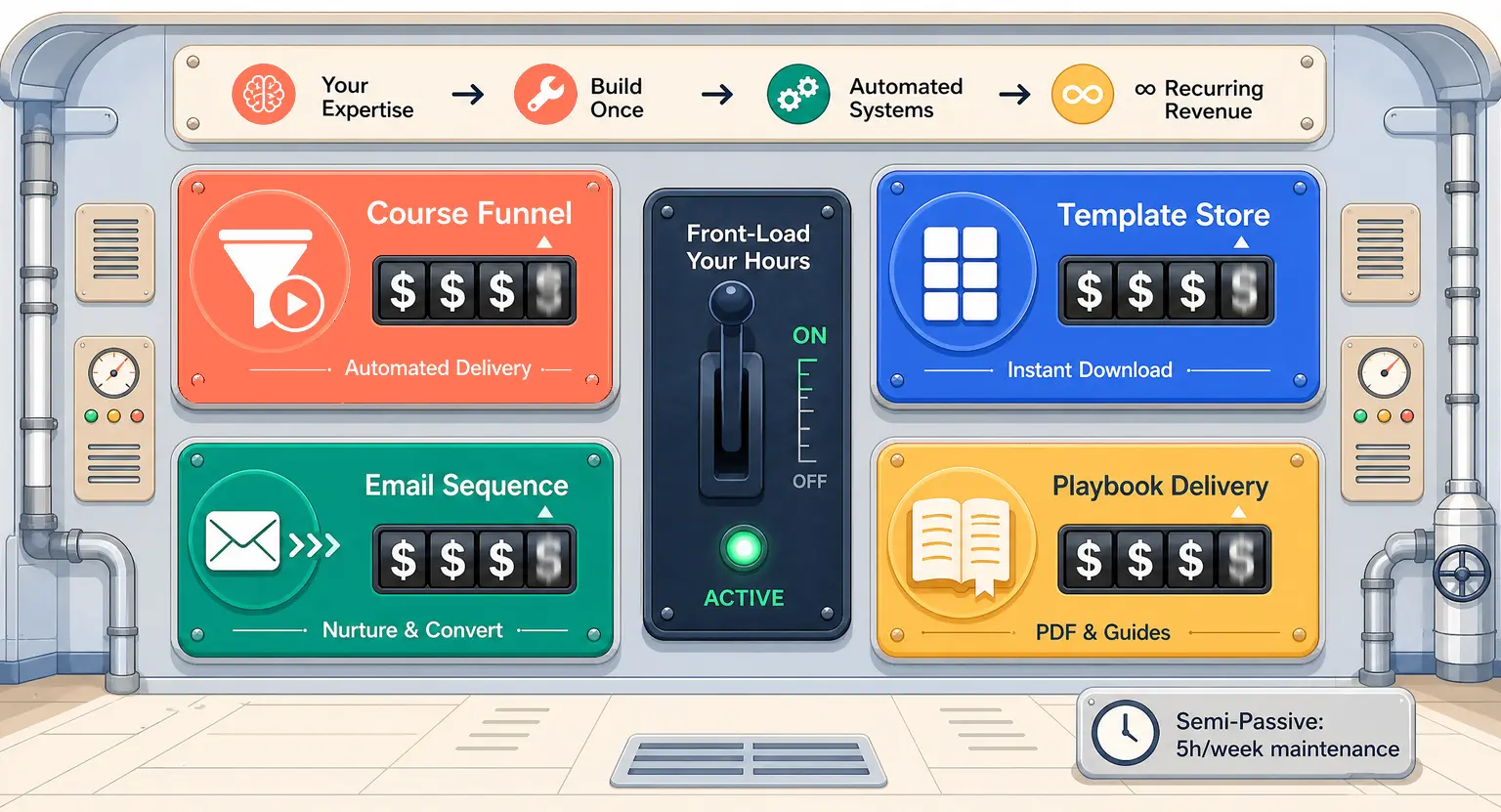
Shift your perspective : true passive income is decoupled labor - working hard upfront to establish systems that generate sales automatically over time.
-
Leverage digital templates : low-overhead digital products are incredibly high-margin assets that offer instant utility to your buyers.
-
Focus on owned channels : stop relying entirely on shifting algorithms; use an all-in-one platform to sell online courses to capture direct emails.
-
Prioritize regular preservation : your systems require simple health checks and warm, human engagement to avoid audience fatigue.
We have all seen those late-night posts on social media : a laptop resting near a quiet pool, with a caption boasting about making money while you sleep. It sounds like a daydream, or maybe a marketing scheme.
But in 2026, the creator economy has matured past this hype, and let us be direct : passive cash flow is completely real. It just does not look like what those internet gurus originally promised.
If you are expecting to push a single button and watch money rain down forever with zero effort, you are in for a disappointment - authentic, sustainable setups are not about doing nothing.
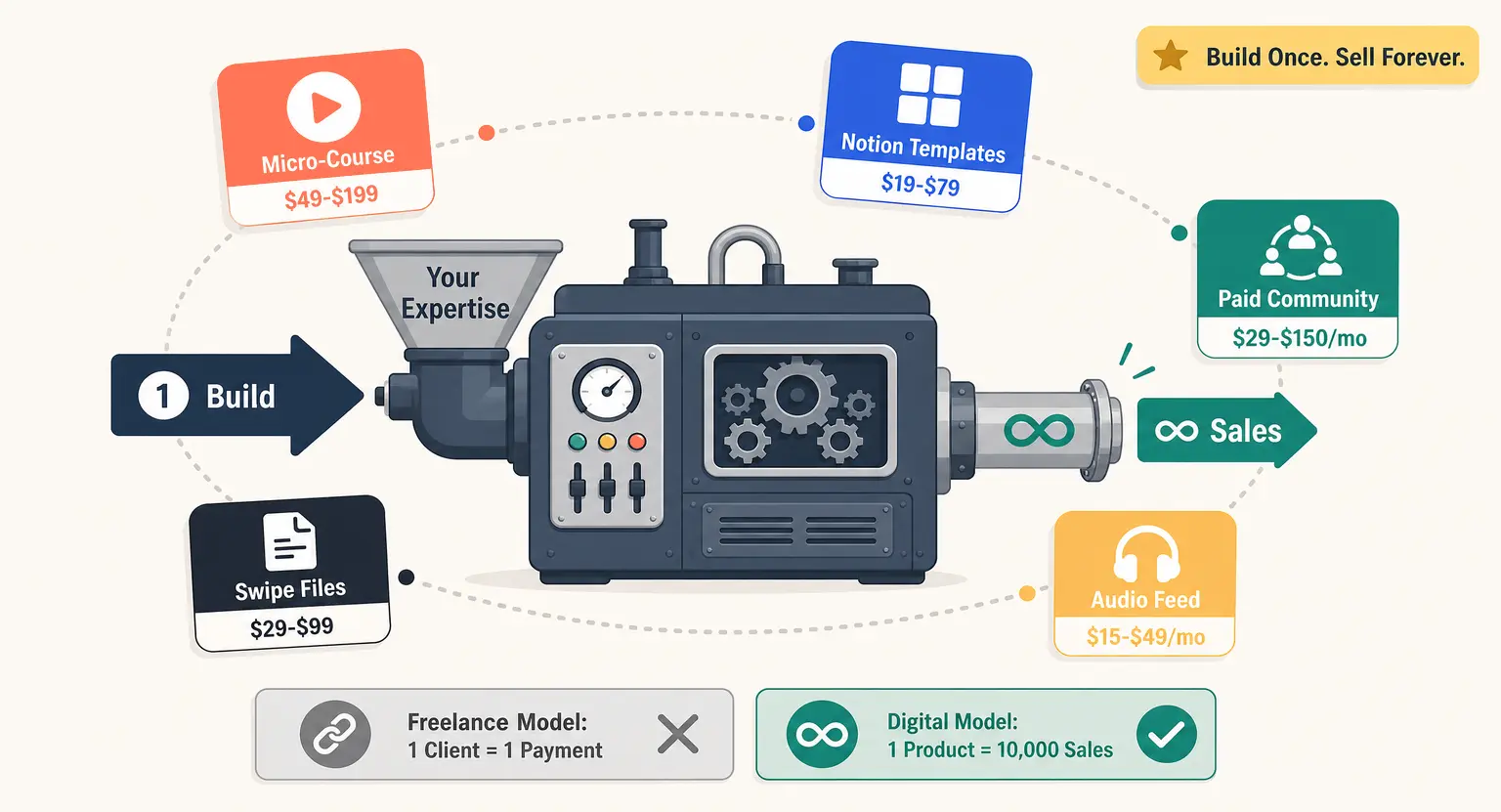
Instead, it is about shifting how and when you work. You front-load your hours to build a high-value asset, then you erect an automated pipeline that sells it long after your creative sessions are finished.
But with so many tools, platforms, and strategies pulling you in different directions, how do you actually start?
Let's dismantle the illusions, examine what works today, and look at the actual systems you can build to convert your unique knowledge into durable income.
The Real Definition of Decoupled Work
Let's get one thing clear : passive income is decoupled income.
In the early days of your journey, you probably traded time for money. You wrote articles, designed assets, edited video clips, or did hours of one-on-one coaching.
That works to pay the bills, but it lacks scalability - the moment you stop typing or talking, your bank account stops growing.
True passive systems break this tedious cycle. You spend forty hours building something once, but that asset sells ten thousand times - that is the leverage, but do not buy into the myth that you can walk away entirely.
In today's digital landscape, a passive stream requires occasional upkeep. Think of it like owning an engine : you must grease the gears, check the belts, and run occasional diagnostic tests.
So, how does a creator switch to this model? First, you stop chasing fleeting algorithm trends. Instead of trying to go viral for a tiny cut of a creator fund, you focus on cultivating direct relationships with your audience.
That is the foundation of every reliable revenue stream out there today.
High-Margin Assets Worth Building Today
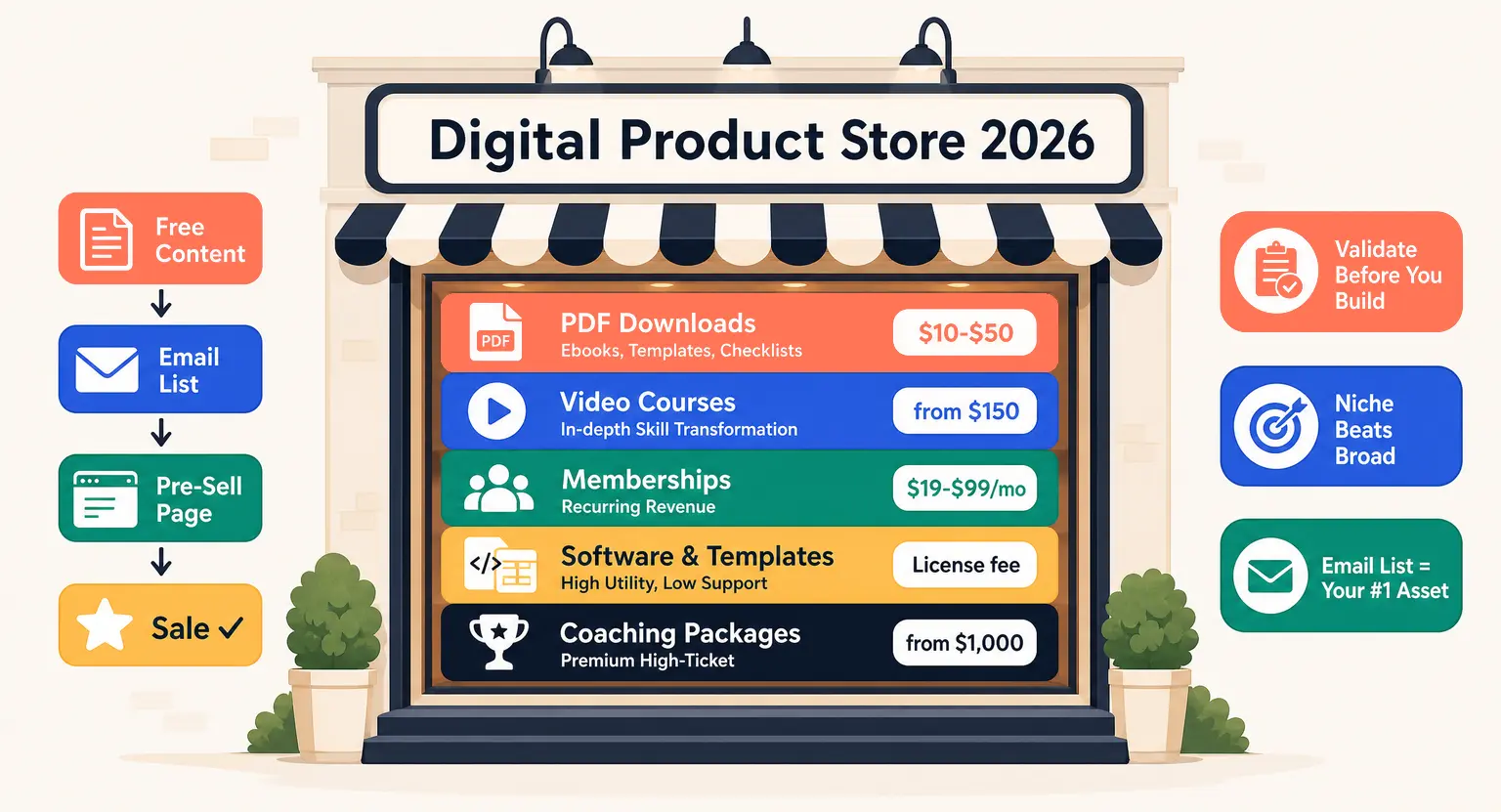
You do not need fifty different products to build a profitable setup. Focus on one or two high-leverage assets that truly serve your community.
Let's break down the primary vehicles that leading creators are utilizing this year.
1. Asynchronous Online Courses
The digital learning space has completely shifted away from bloated, sixty-hour masterclasses. Modern students want direct, highly focused learning paths that lead them to a specific outcome.
By packaging your specific expertise into a structured, step-by-step curriculum, you form an asset that works for you every minute of the day.
If you want to know how this plays out in terms of actual monetization, study how to make money with online courses to see how creators structure their pricing. The beautiful thing about courses is their margin - aside from software costs, your profit margins hover near ninety-five percent.
2. Specialized Templates and Asset Libraries
Think about the tools you use every day. Notion workspaces, Figma files, customized spreadsheet templates, Lightroom presets, or stock music clips... If you have spent years refining a personal workflow, your target audience is probably willing to pay to skip the setup process.
Selling digital templates is incredibly low-friction. Buyers get immediate utility, and you do not have to worry about grading assignments or updating long video lectures.
It is a simple "upload-and-forget" setup that can tick upward in the background.
3. Digital Guides and Playbooks
The classic PDF ebook is still alive and well, but it has evolved - nobody wants to read a two-hundred-page wall of text anymore.
Today's successful digital guides are visual, interactive, and filled with hyper-actionable frameworks.
Keep your guide focused on solving one single, painful problem. If you can help someone save five hours of agonizing trial-and-error, charging twenty or thirty bucks for a PDF is an easy sell.
The Step-by-Step Blueprint to Stand Up Your Engine
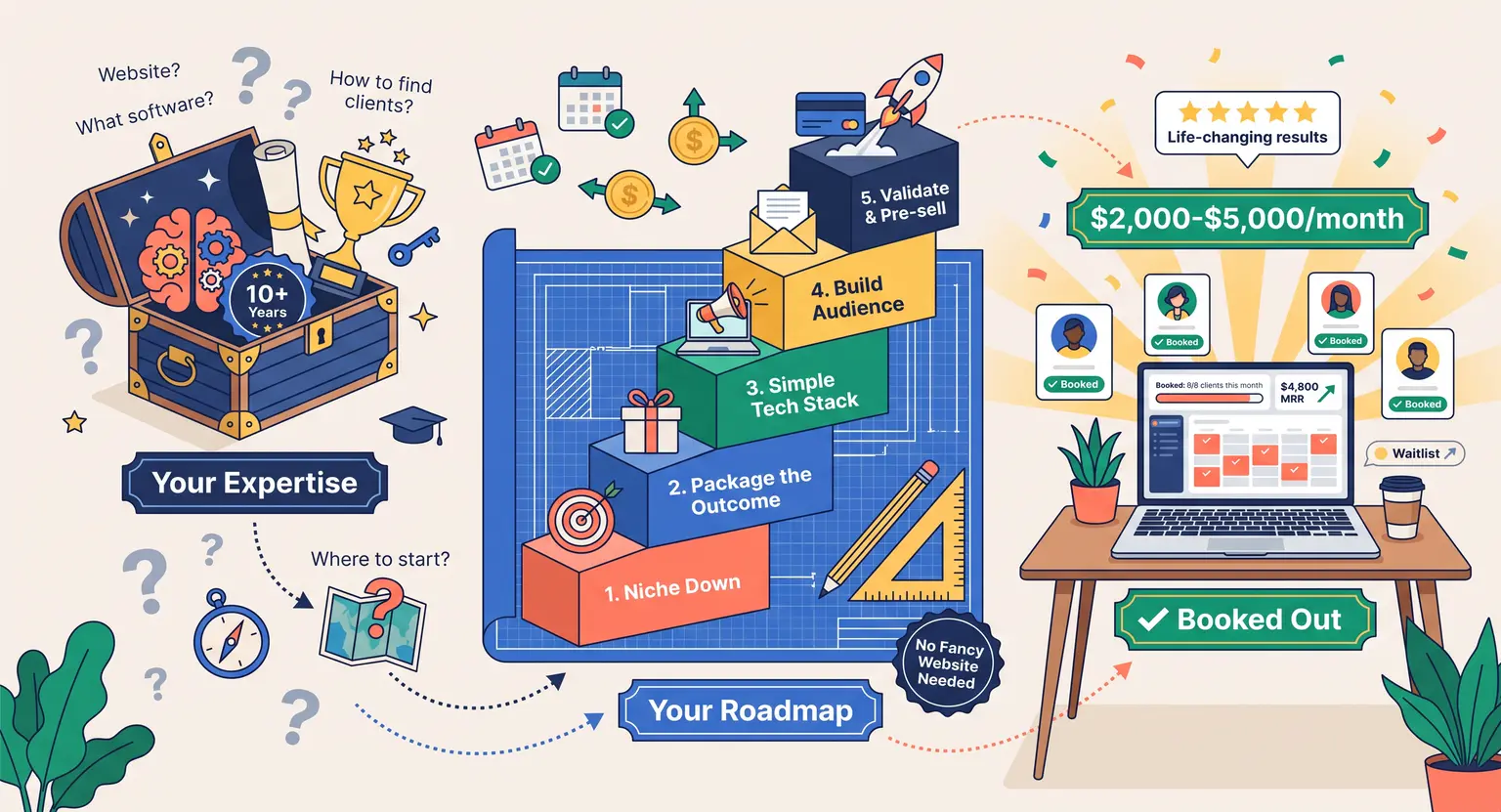
Building a passive income loop does not happen by accident. It is the result of a deliberate, step-by-step process. Here is how to launch yours without burning out.
Step 1 : Audit Your Unique Edge
You cannot sell what you do not know. Sit down with a blank sheet of paper and list your skills, the questions people constantly ask you, and the problems you have solved for yourself.
This is how you begin to understand your value. If you need a structural framework for this exploratory phase, look at how to package your expertise so you do not leave money on the table.
Step 2 : Cultivate an Owned Audience
Relying solely on social media algorithms to sell your stuff is a recipe for heartbreak.
Platforms can change their feed distribution overnight, leaving your sales numbers dead in the water - that is why your primary goal should always be moving followers off social media and onto an email list.
An email list is an asset you own. It is a direct line of communication with the people who actually care about your work.
Step 3 : Validate Your Concept Before Building
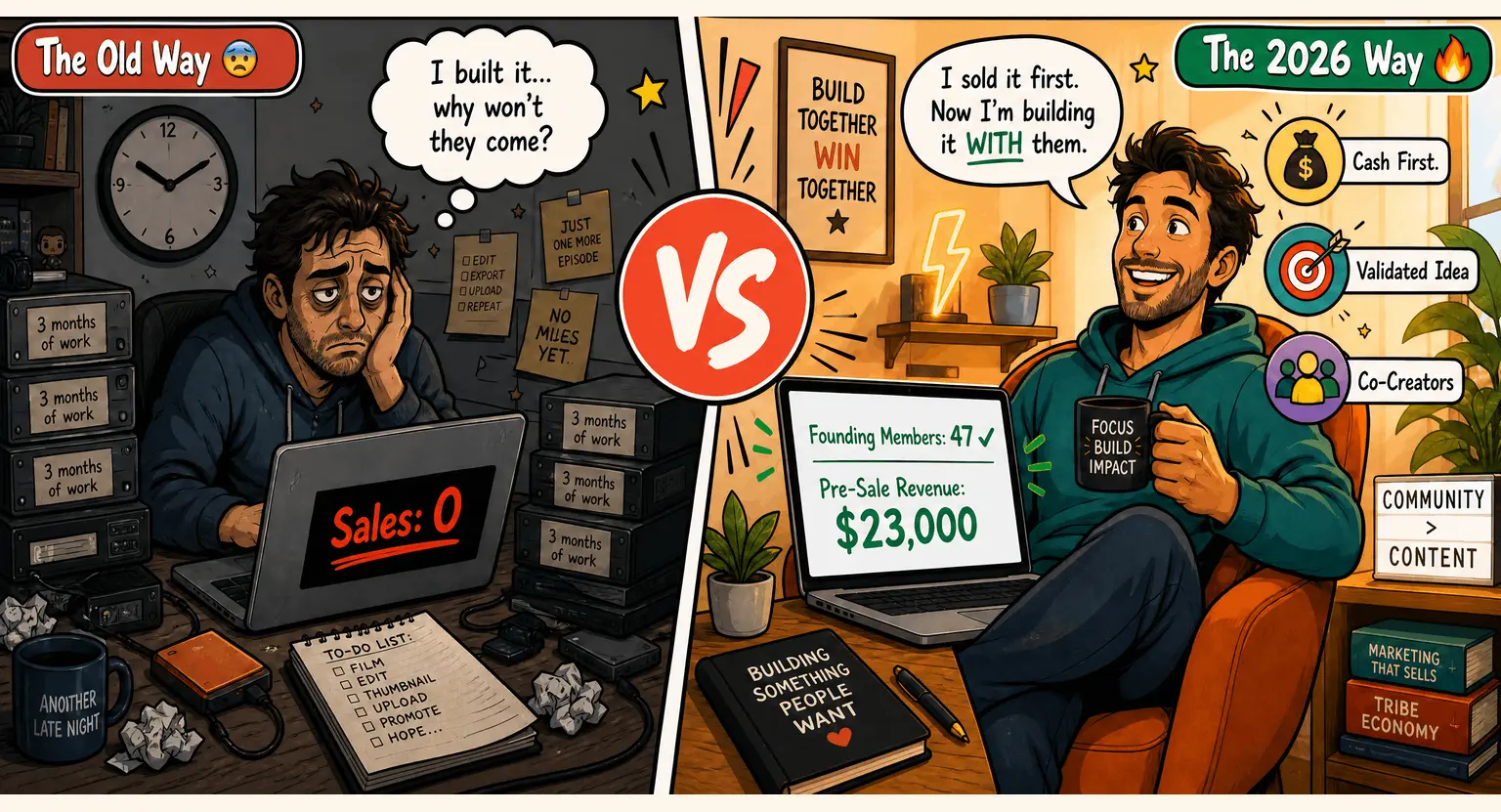
Do not spend three months filming video lessons or writing an interactive playbook without checking if anyone actually wants it - put up a simple landing page, describe your planned product, and see if people are willing to put their email addresses down.
Pre-selling is the ultimate validation tool. If nobody buys the pre-sale, you save yourself hundreds of hours of wasted effort.
Step 4 : Automate the Delivery and Funnels
This is where the magic happens. Once your asset is built, you need to plug it into a system that handles payment processing, digital delivery, and follow-up communication automatically.
You want a setup that receives a payment, sends the login details, and adds the customer to an onboarding email sequence without your intervention.
Comparing Your Passive Income Options
Choosing the right asset depends on your audience size, technical comfort level, and the amount of upfront time you are willing to invest.
Let's compare the most common options side-by-side to find your best path forward.
| Asset category | Upfront setup effort | Price point potential | Ongoing maintenance | Growth leverage |
|---|---|---|---|---|
|
Asynchronous courses |
High. Requires scripting, recording, and design. Use the best online course platforms to streamline this. |
$100 - $1,000+. Highest margin potential for specialized knowledge. |
Low. Annual content refreshes are recommended. |
High. Scales infinitely without extra delivery costs. |
|
Templates and action worksheets |
Medium. Building useful productivity boards or design assets. |
$10 - $150. Accessible for impulse buys. |
Very low. Only update when underlying software updates. |
Medium. Works best with steady organic traffic. |
|
Interactive playbooks or ebooks |
Medium. Writing and formatting deep-dive text and blueprints. |
$15 - $49. Great entry-level digital product. |
Virtually zero. Rare factual corrections over time. |
Medium. Perfect lead magnet to upsell higher programs. |
|
Automated email cohorts |
Medium to high. Setting up complex sequence logic in your autoresponder. |
$30 - $200. Great hybrid between courses and newsletters. |
Low. Monitoring delivery logs and broken links. |
High. Extremely simple delivery mechanism that works everywhere. |
|
Curated stock media assets |
High. Creating sounds, graphics, or code snippets. |
$5 - $200 or licensing subscription fees. |
Low. Periodic updates to expand the library. |
High. Appeals to business customers with recurring needs. |
Crucial Strategies for Keeping It Human
When creators focus entirely on automating their revenue, they often forget the most important part of the equation : trust. If your audience feels like they are being processed through a cold, robotic checkout funnel, they will quickly click unfollow.
So, how do you maintain a warm community connection while automating your deliveries?
First, you have to realize that automated emails do not have to read like a standard, faceless corporate template.
Write them exactly as you would write to a close friend. Share your struggles, talk about your failures, and let your unique voice shine through.
Do not try to sound like a massive company with a PR department.
People buy from people, not logos.
Second, dedicate a small sliver of time each week to direct, active engagement.
Even if your sales funnel is fully automated, spending half an hour in your inbox answering direct customer questions or sending quick voice memos to new buyers makes a massive difference.
That human touch turns a simple transaction into a lifelong brand advocate.
How to Protect Your Stream Against Audience Fatigue
One of the biggest mistakes passionate creators make is turning their entire content stream into a giant sales pitch…
If every social media post or newsletter you release is asking your audience to buy your digital guide, your engagement numbers will tank.
Instead, run a balanced strategy of giving and asking. Provide ninety percent of your content completely free of charge, with no strings attached.
Teach what you know, share useful tips, and help people get quick wins before they ever open their wallets. By the time you mention your paid masterclass or downloadable toolkit, your audience will already trust your experience.
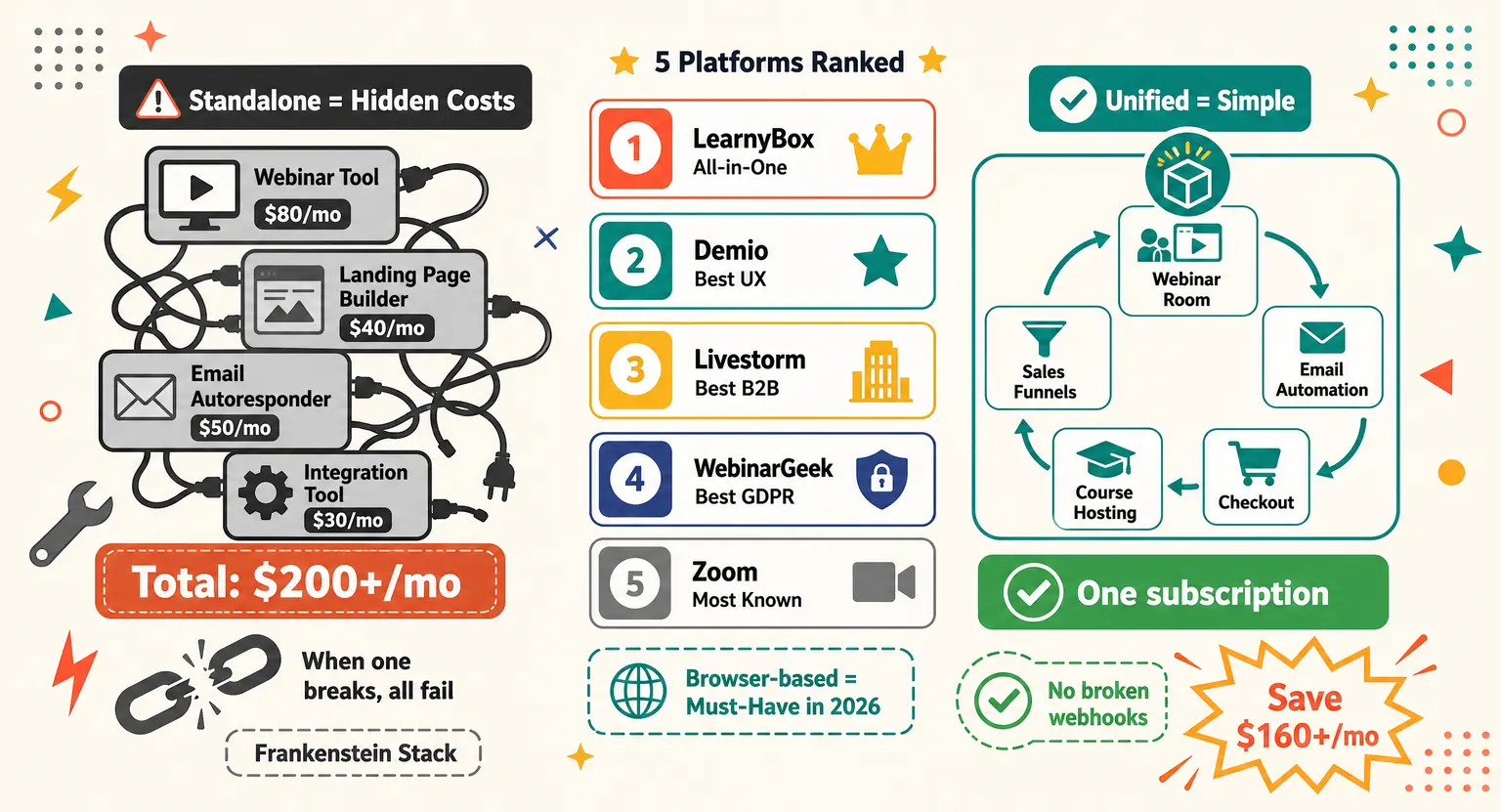
And don't overlook the technical infrastructure. Trying to link together ten different cheap plugins to save a few dollars usually ends in technical debt.
When databases break or email deliveries fail, your passive income turns into an active, stressful customer service job. Utilizing an integrated tech stack prevents these digital headaches before they start.
Explore Modern Scaling Strategies
If you are ready to take your passive systems to the next level, check out these additional field guides from our team :
-
Master list growth : read about how to build an email list from scratch.
-
Ready to price? Learn about our recommended online course pricing strategy.
-
Look through our main resources at LearnyBox to see our full suite of digital tools.
Your Next Steps to Freedom
Remember, the best time to start was last year, but the second best time is right now.
Pick one asset, keep your focus narrow, design your funnel, and launch it to your community.
Let's make this the year you finally break the tired, manual time-for-money loop.
Frequently Asked Questions
Let's wrap up by answering some of the most common questions creators ask when developing passive workflows - these answers cut through the social media myths to provide real-world insights from experienced builders who do this every day.
How much audience do I need before I can start earning passive income?
You do not need hundreds of thousands of followers to make a meaningful income.
In fact, a small, highly targeted audience of one thousand dedicated email subscribers often converts significantly better than a massive, disengaged social media following.
Focus on building deep connections with a smaller niche rather than wide reaching, shallow visibility.
If you want to expand your offerings into structured guidance, you can also look into learning how to become an online coach to monetize your knowledge base early on.
What are the biggest mistakes to avoid with creator automated setups?
The biggest trap is complicating your early stages too much.
Many creators spend months trying to construct incredibly complex launch funnels before they validate if their product concept is appealing…
Start with a simple, valuable asset, validate it with an early launch campaign, and expand your systems only after you have regular sales running through. If you are preparing to map out your curriculum, read our guide on how to launch an online course to avoid classic staging pitfalls.
How often do I need to update my digital assets once they are live?
It depends largely on your topic of expertise. If you teach rapidly changing technology or software systems, you may need to update your workflows twice a year.
However, if your expertise is in foundational concepts like writing, illustration fundamentals, or business strategy, a comprehensive review once a year is usually more than enough to keep the material relevant and very effective.
Is passive income truly hands-free?
No, and anyone telling you otherwise is hiding the raw truth.
While modern automated checkout systems process payments automatically in 2026, you must still generate healthy ongoing traffic to your offers, address basic customer support requests, and monitor conversion pipelines.
Think of it as semi-passive : you build the main structure once, then invest several hours each week into marketing and consistent product upkeep to maintain quality.




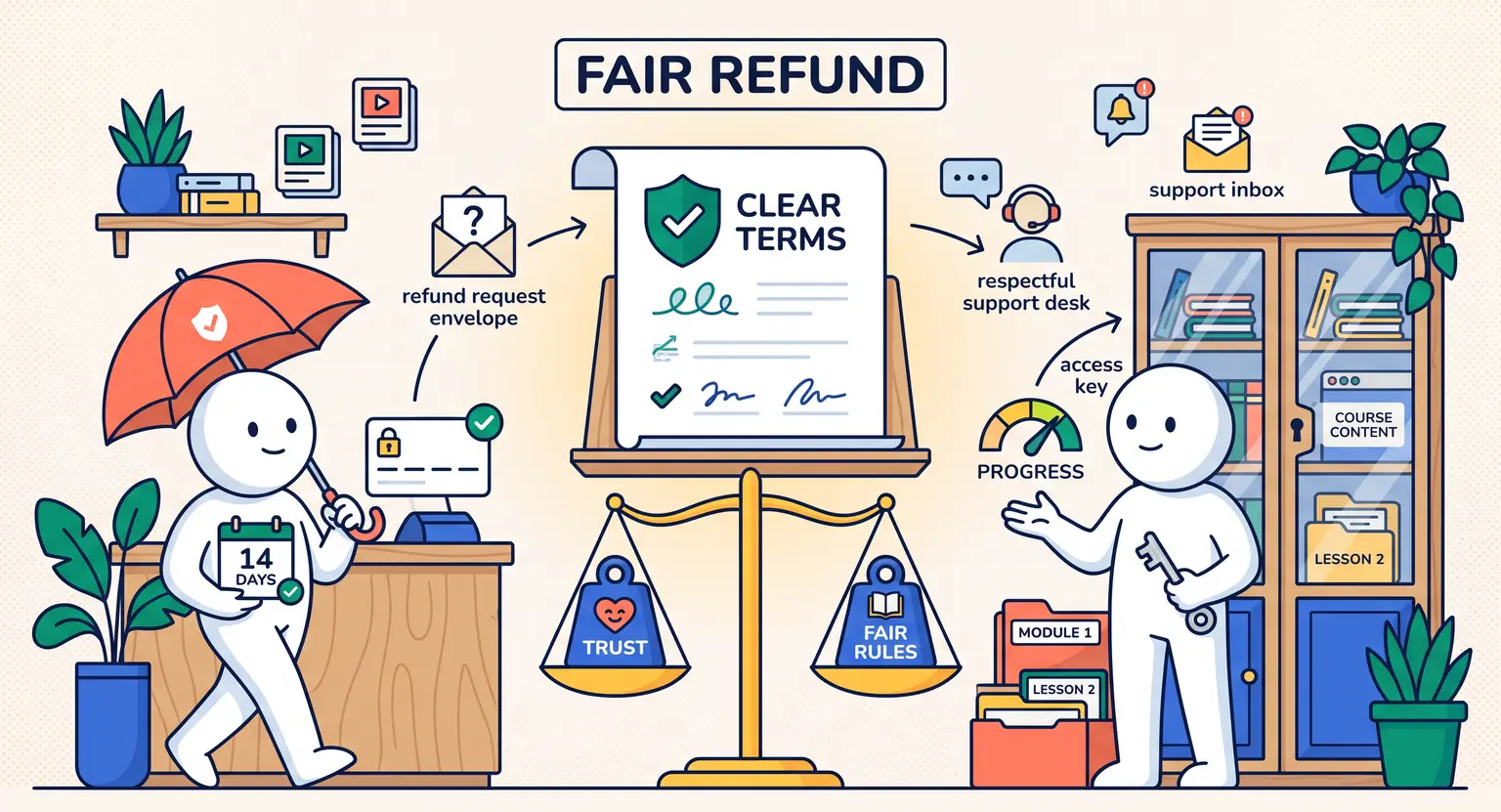 How to Create a Course Refund Policy (Templates & Best Practices for 2026)
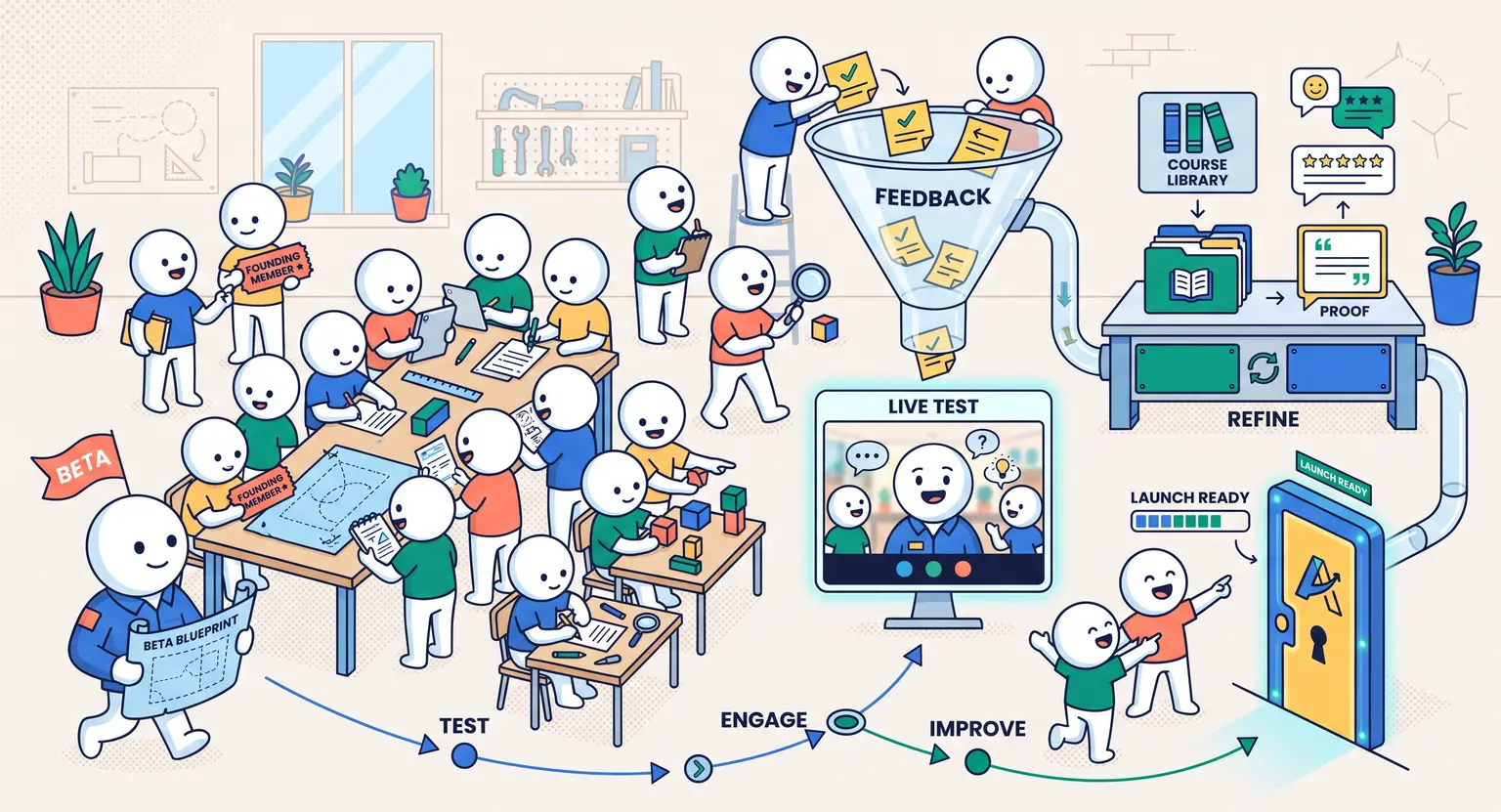 How to Run a Beta Version of an Online Course (2026 Guide)
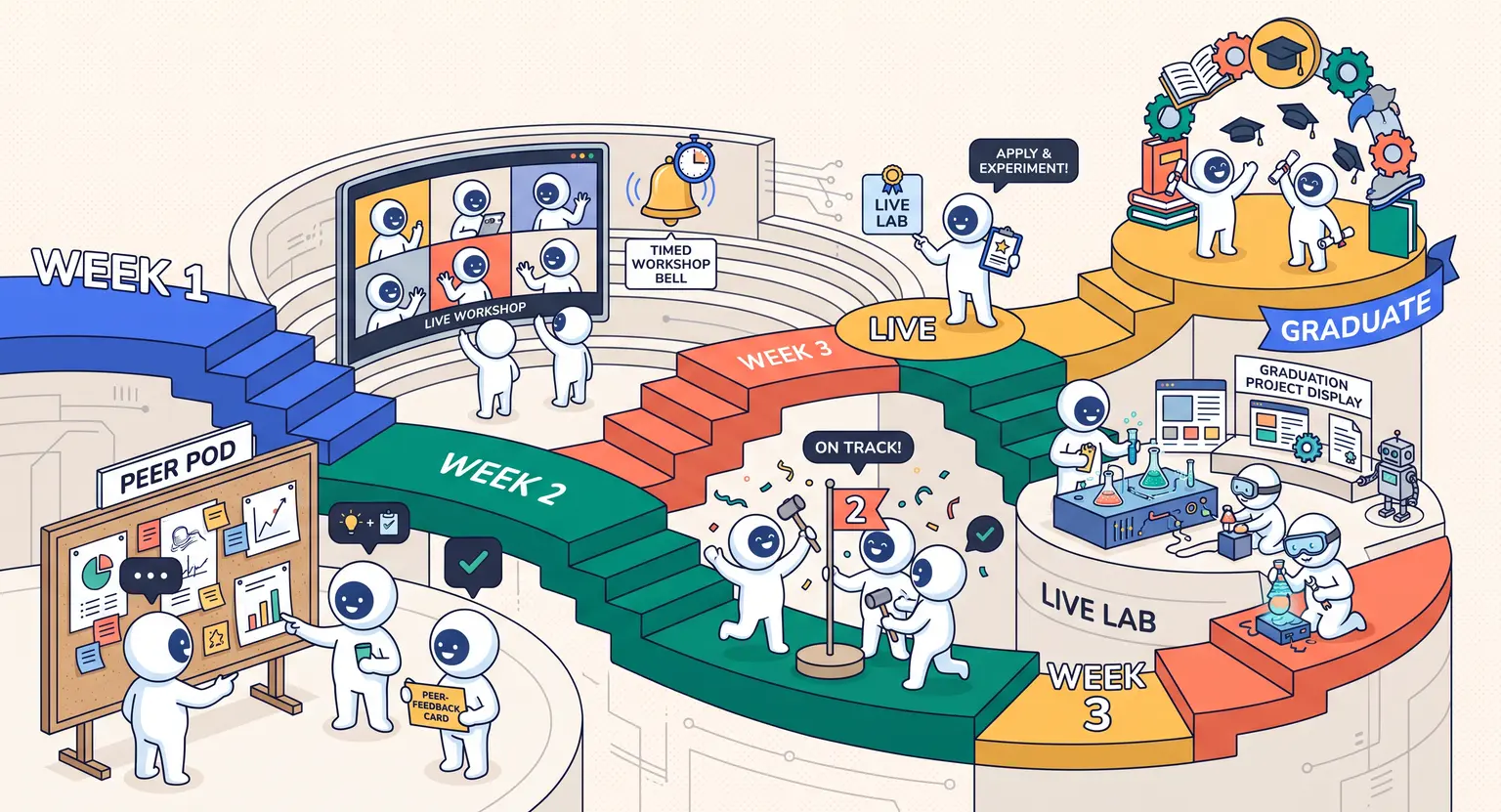 How to Create a Cohort-Based Online Course (2026 Guide)
 How to Sell an Online Course With a Quiz Funnel (2026 Guide)
 How to Sell an Online Course Through a Sales Call (2026 Guide)