







Creator Economy Business Models: Sustainable Assets in 2026
How to Build Sustainable Creator Economy Business Models in 2026
Key Takeaways : Monetization in 2026
-
Owned infrastructure is king : algorithms are too unpredictable to rely on for direct revenue. Diversifying into self-hosted assets is no longer optional.
-
Premium curation wins : in a world flooded with AI-generated noise, human-filtered community spaces and deep education are commanding higher prices than ever.
-
Scalable product bundling : combining community access with micro-learning products drives the highest lifetime customer value.
-
Knowledge ecosystems : learn how establishing a presence in knowledge commerce can shift your reliance away from erratic brand sponsorship deals.
The Great Shakedown of the Attention Hamster Wheel
If you are still relying entirely on platform advertising payouts or erratic sponsorships to fund your creative business in 2026, you are building your house on sand…
Platform algorithms have become incredibly selective, making organic discoverability feel like a casino game. Audiences are dealing with severe algorithmic fatigue, and creators are facing unprecedented burnout rates.
But there is a silver lining. We have entered the era of the business creator. The line between running a media channel and running a digital holding company has completely vanished - the most successful operators are not just posting content; they are deploying robust business models built on direct, owned, and scalable revenue streams.
And the secret to making this transition painless is understanding where the leverage lies. It is not about working harder or filming more content, it is about shifting your monetization strategy from attention arbitrage to actual digital product engines.
1. Knowledge Commerce : The Pinnacle of Creator Leverage
Selling what you know is by far the most profitable model in this landscape. Since AI tools have democratized entry-level information, the premium is now placed on structured transformation. Buyers do not want raw data; they want a highly structured roadmap that saves them time.
This is where knowledge monetization shines. Instead of selling your hours, you pack your unique insights into highly scalable formats.
If you want to build a truly automated business, learning how to sell online courses allows you to package your system once and sell it to thousands of people around the globe.
But courses are not the only structure… Sometimes people want a faster, highly condensed way to consume your genius.
That is why understanding how to sell ebooks online acts as a perfect gateway offer. It allows your audience to buy a low-friction asset, experience a quick win, and later upgrade to your premium, high-ticket curricula.
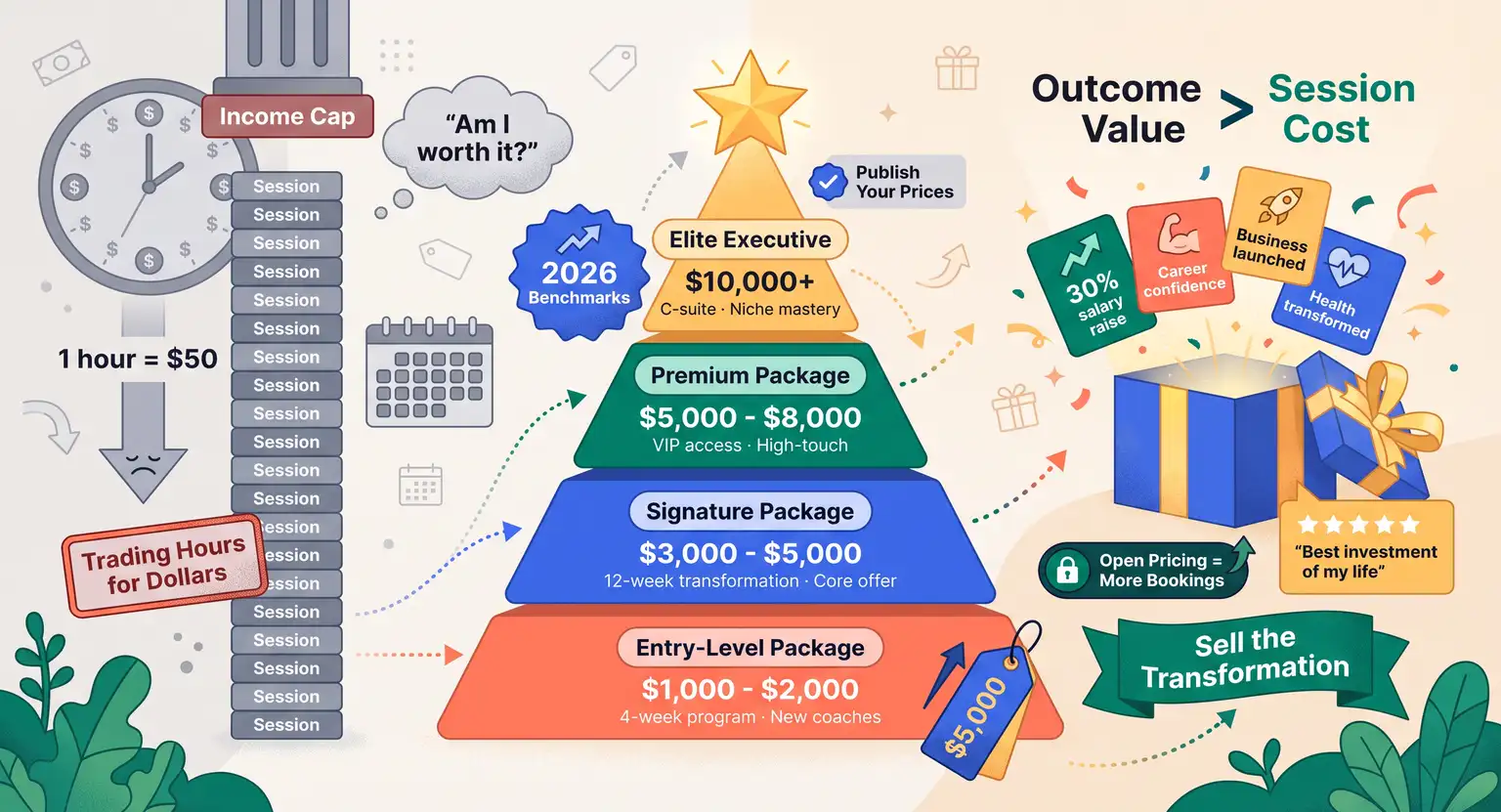
To pull this off effectively, you must understand your margins and positioning. It is essential to outline a clear online course pricing strategy that supports your operational costs without alienating your core fans.
By offering tiered pricing, you ensure that you capture both casual learners and die-hard superfans.
2. Passive Digital Assets : Templates and Utility Files
Not every digital product needs to be a multi-module learning curve. In fact, some of the fastest-growing revenue streams are purely utility-based - in 2026, busy professionals and fellow creators are willing to pay top dollar to bypass tedious setup tasks.
Think about spreadsheets, Notion dashboards, design presets, or dev kits. When you start selling templates online, you are offering immediate efficiency. Your customers do not have to build anything from scratch; they simply copy your proven workflow and get straight to work.
And the beauty of this model is its incredible scalability. There are zero inventory costs, virtually no customer support overhead, and you do not need to appear on camera to deliver value. Once you script or design the template, your storefront handles the distribution completely on autopilot.
3. Owned Memberships and Private Interactive Circles
If digital products provide explosive sales spikes, memberships provide the predictable baseline that keeps your business healthy.
Recurring revenue is the absolute gold standard of creator business health - it reduces the stress of wondering where next month's rent is coming from.
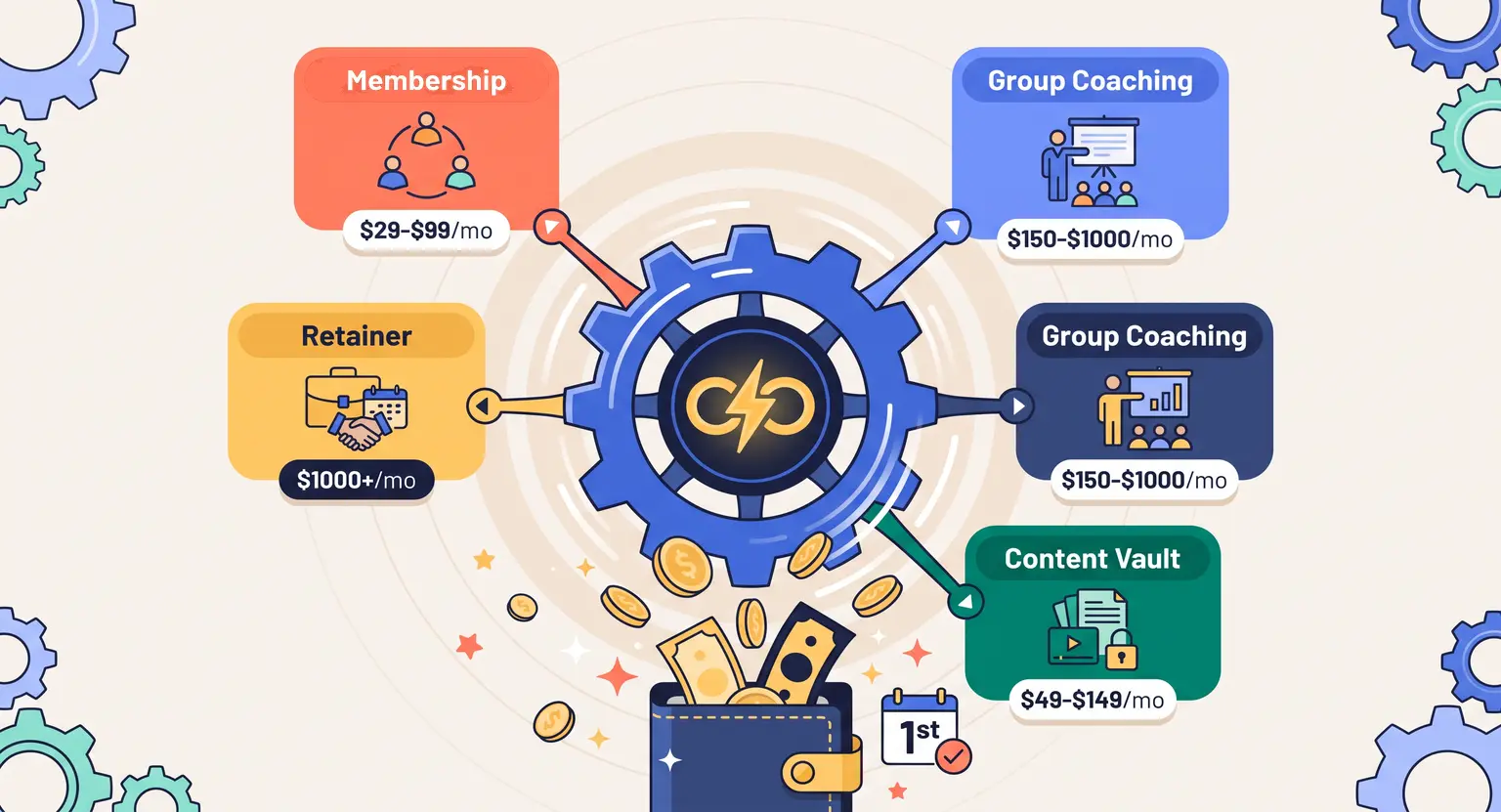
But memberships in 2026 have changed. Nobody wants another generic discussion forum. Today, people pay for curated proximity. They want direct access to your vetted circle, exclusive mastermind calls, and a community of peers who are on the exact same trajectory.
You can bundle your community access with ongoing micro-deliverables like fresh monthly assets, group coaching hours, or localized networking events. Keeping the community small and engaged often yields higher retention rates than running a massive, chaotic public group.
4. Rethinking Brand Partnerships : The Affiliate Hybrid Model
Let's talk about sponsor dollars. The old-school method of getting paid a flat fee for a thirty-second video shoutout is dying a rapid death - brands demand deep measurability, and creators are tired of chasing inconsistent marketing budgets.
Enter the hybrid partnership. Instead of a simple paid post, modern creators are leveraging performance-based earnings.
By looking closely at affiliate marketing vs influencer marketing, you quickly realize that combining the trust of influencer work with the long-term payoff of affiliate commissions creates a massive win-win.
You gain a recurring stake in the software, gear, or services you genuinely use daily, while the brand only pays for verified conversions. Over time, these cumulative commission streams can easily dwarf a single flat-fee sponsorship, giving you a powerful, compounding passive income engine.
5. The Strategic Execution : Launching Your Business Asset
So, you have the ideas, but how do you actually make them work? The execution phase is where most creators trip up. They buy five different software subscriptions, get overwhelmed by API integrations, and lose momentum before they ever publish a single link.
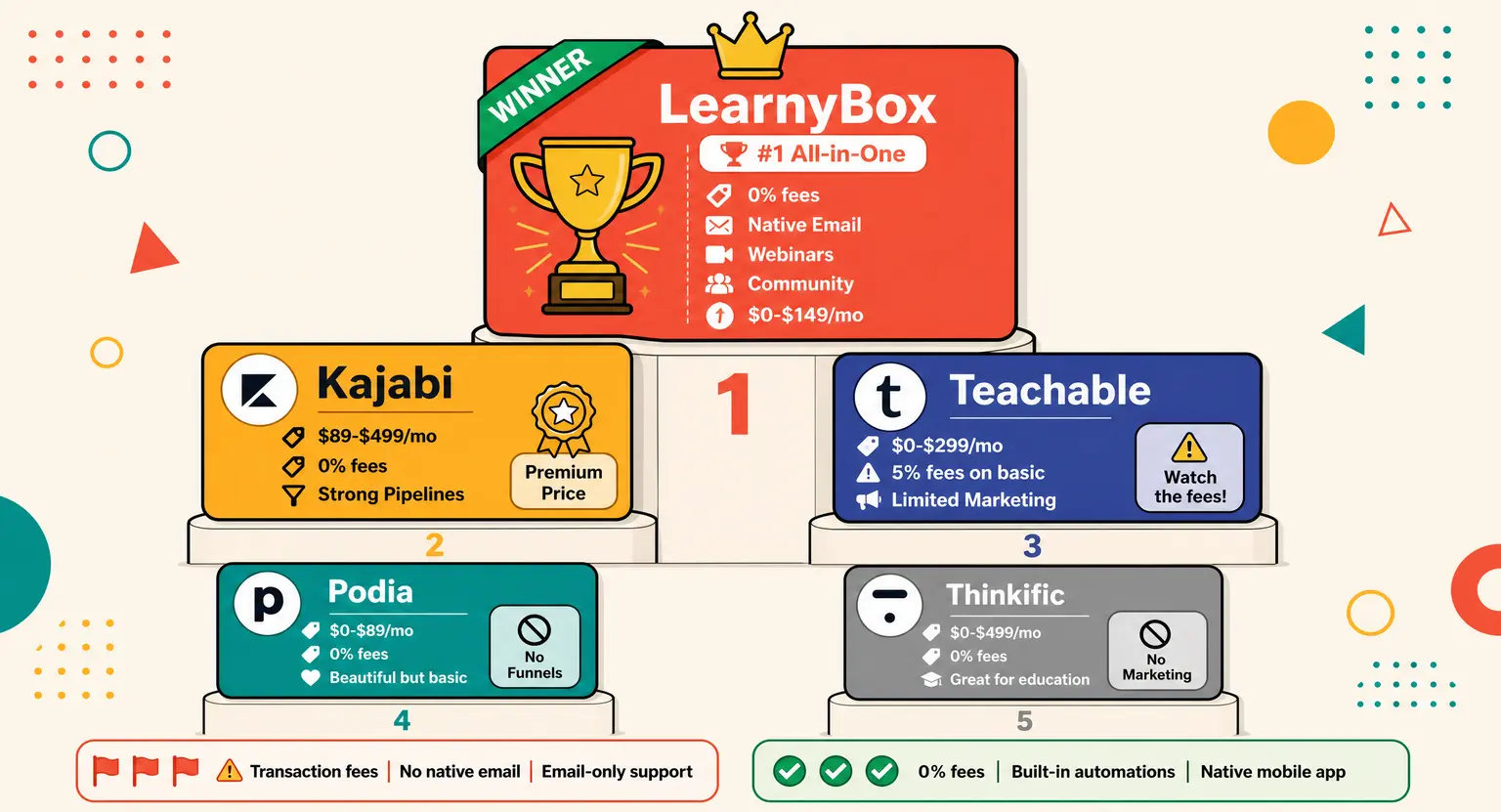
The trick is simplicity. Knowing how to launch an online course smoothly relies heavily on using unified tools that house your landing pages, email, and payments in one single dashboard. This prevents tech leaks and keeps your audience focused on the value you offer.
Additionally, you must optimize your backend workflows. Utilizing AI marketing tools for creators can help you repurpose original videos into profitable sales sequences, write your promotional copy, and handle initial customer inquiries without hiring a massive agency.
6. Building the Ultimate Creator Holding Company Model
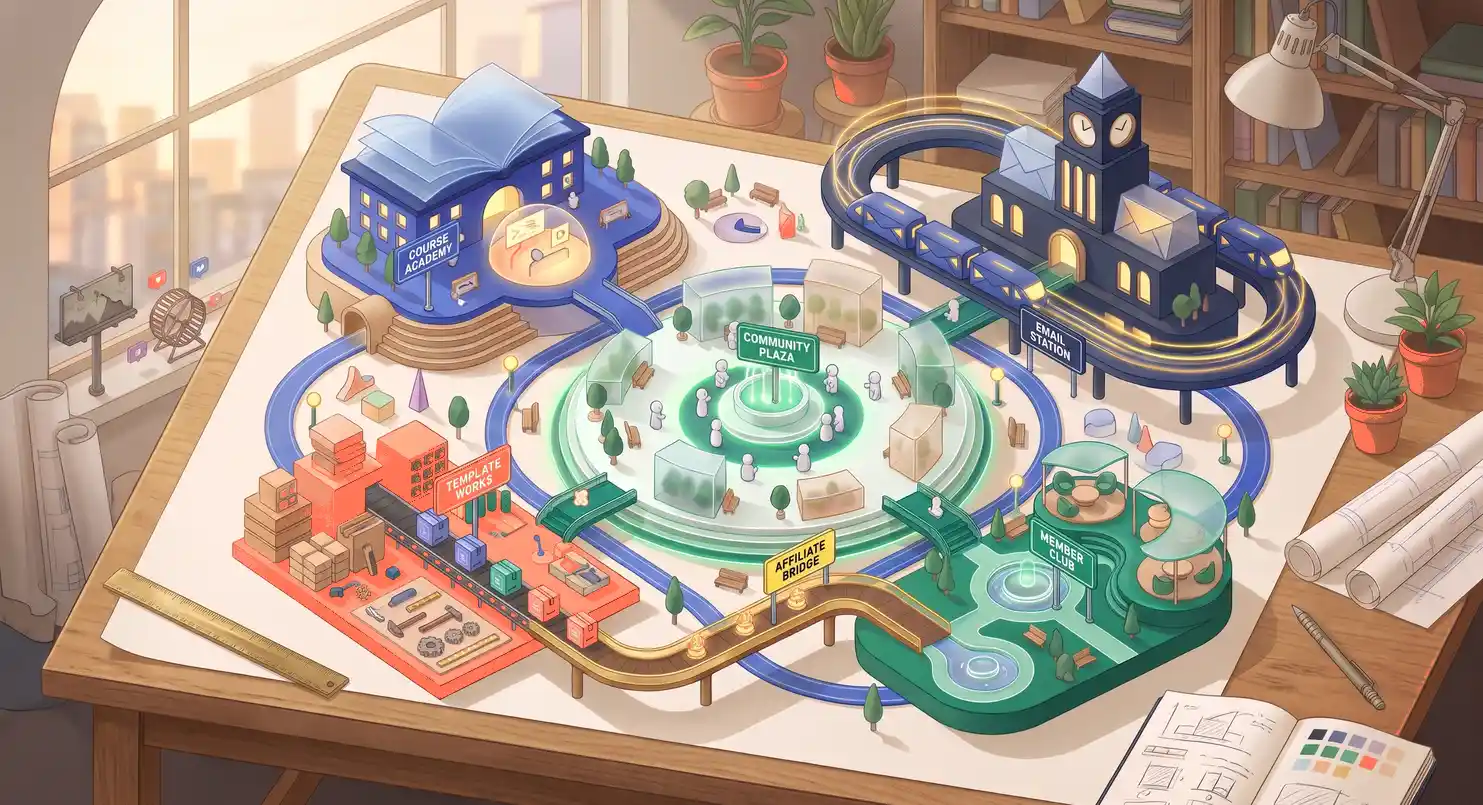
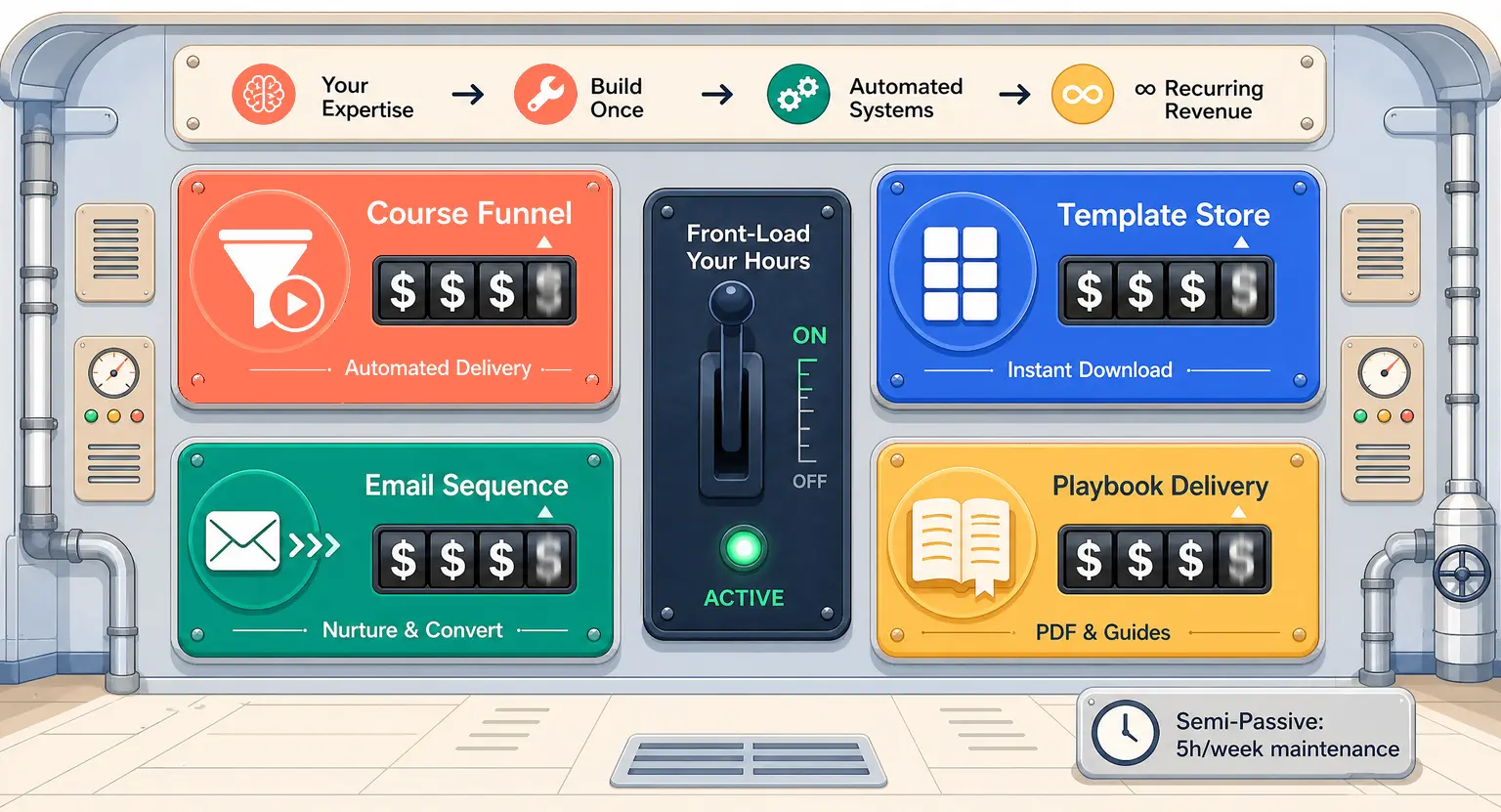
The absolute elite creators do not view themselves as influencers anymore. They operate like lean, modern holding companies. Instead of relying on a single monetization model, they layer multiple complementary streams that nourish each other.
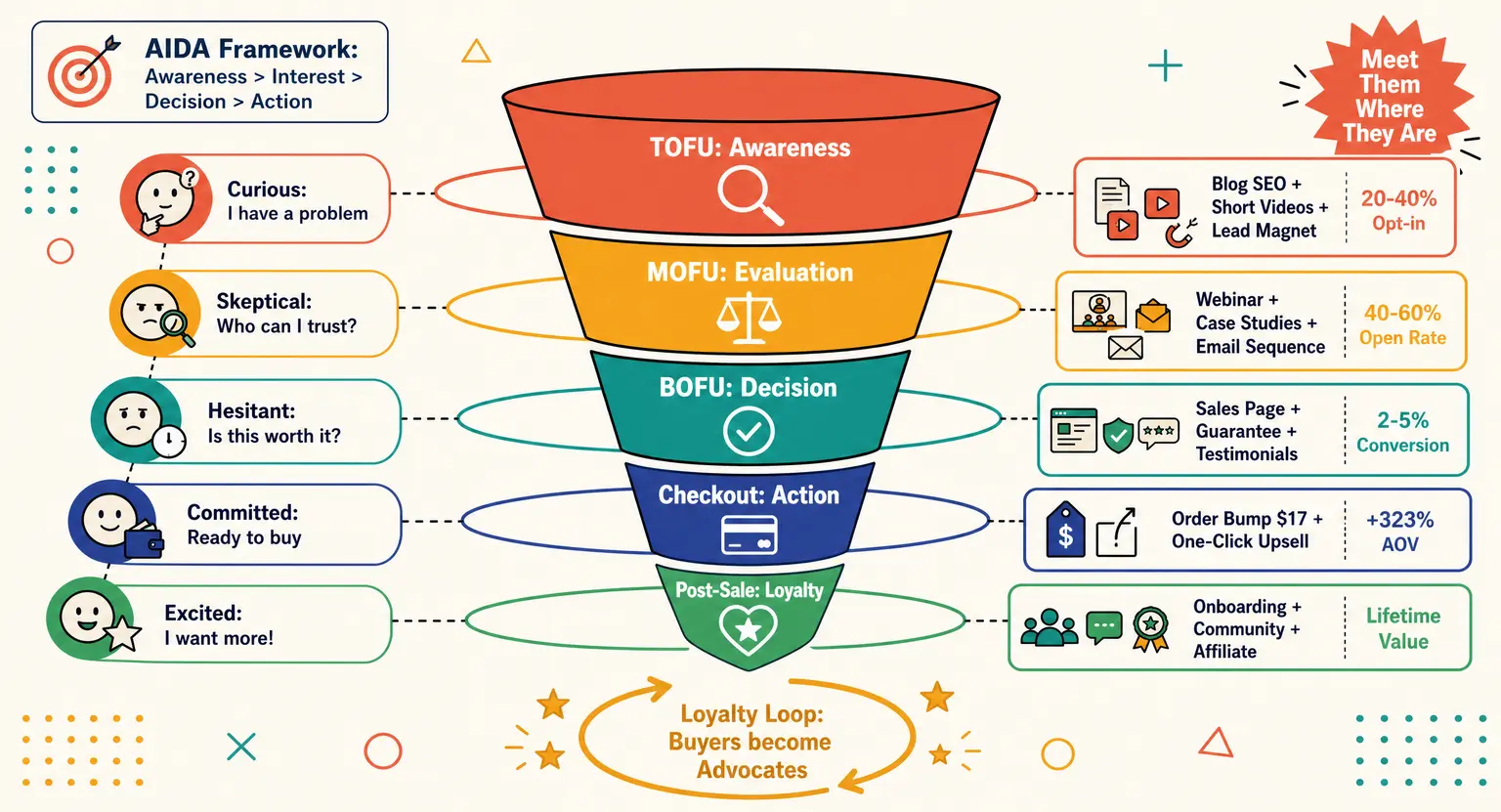
For example, you write a newsletter. That newsletter promotes your digital template downloads. The templates solve an immediate need but reveal a bigger skill gap. That skill gap is resolved by your flagship online course, which is hosted inside your recurring paid community.
This creates a cohesive flywheel where customer acquisition cost drops to practically zero. Every piece of free content you produce serves as organic advertising for your entry-level ecosystem, which systematically guides buyers toward your high-ticket experiences.
The 2026 Creator Monetization Matrix
| Business model | Operational effort | Profit margin | Scalability potential | Primary success metric |
|---|---|---|---|---|
|
Knowledge commerce |
Medium (high setup, low maintenance). |
Extremely high. |
Infinite scalability. |
Student completion and success rates. |
|
Recurring memberships |
High (ongoing engagement required). |
High average. |
Moderate limits. |
Customer lifetime value & churn rate. |
|
Digital templates |
Low (create once, sell forever). |
Near perfect. |
Extremely high (fully automated). |
Conversion rate & volume. |
|
Affiliate partnerships |
Low (pure integration & promotion). |
Pure profit. |
High potential. |
Click-through rate & earning per click. |
|
Intimate masterminds |
Extremely high (personal delivery). |
Moderate levels. |
Limited growth. |
Net promoter score & client retention. |
Frequently Asked Questions
How do I transition from sponsorships to selling physical or digital products?
The easiest transition is building digital products first because they carry zero manufacturing risk.
Start by auditing your community's recurring frustrations. Introduce a low-ticket, high-value asset like an ebook or template workflow.
Once you establish buy-in and see an appetite for your digital creations, you can comfortably step back from erratic sponsorships and focus on expanding your digital suite.
Is community-led monetization sustainable if I have a small audience?
Absolutely. In fact, a smaller, highly engaged audience is far easier to monetize with intimate community models.
High-ticket coaching, niche masterminds, or premium utility templates do not require millions of views.
If you have just five hundred devoted fans who trust your practical advice, offering tailored premium solutions can easily generate a sustainable six-figure income stream without any massive ad campaigns.
What is the most secure way to sell my custom checklists and templates?
To protect your intellectual property, never deliver assets via simple public cloud links.
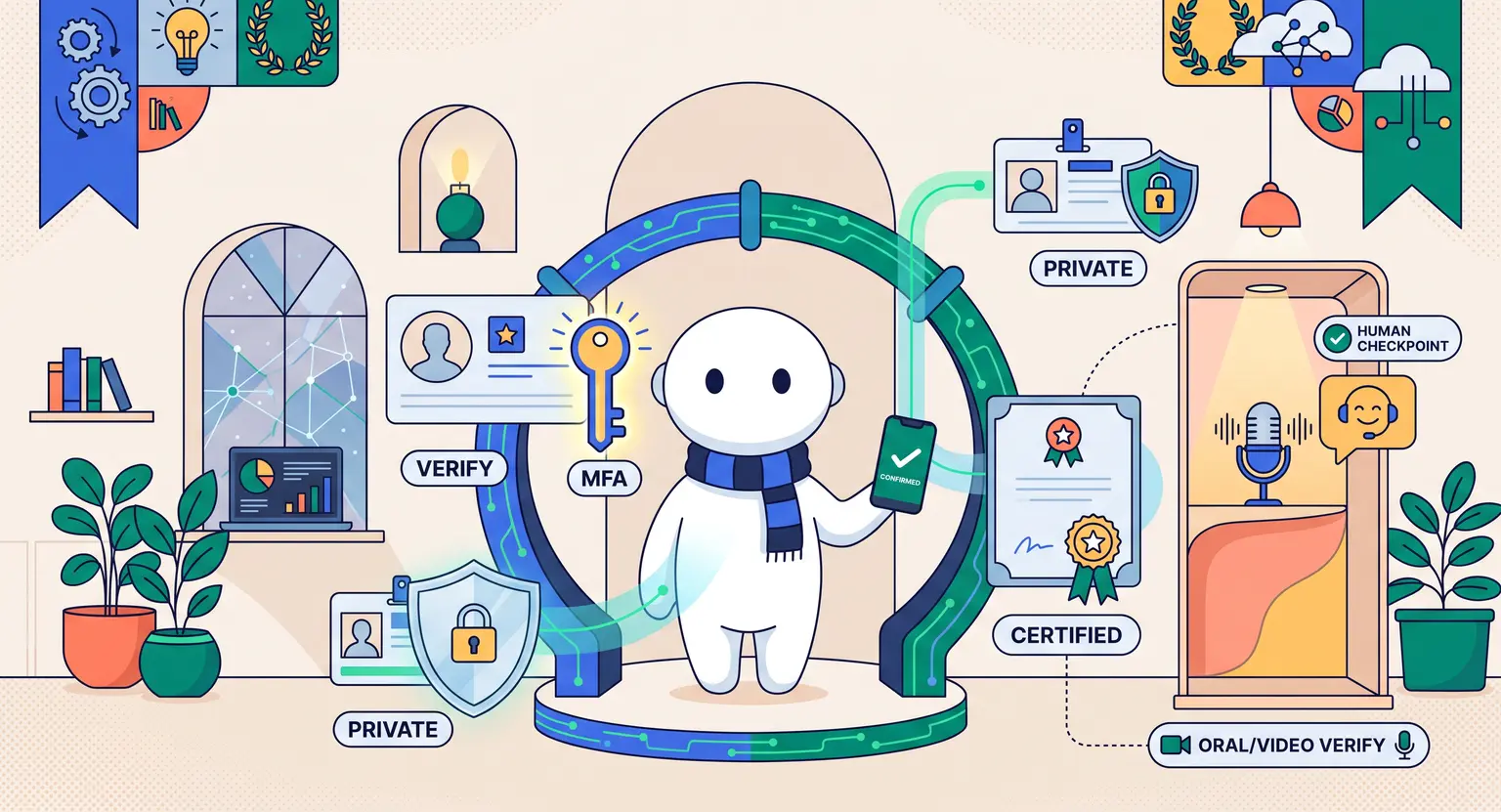
Utilize robust, unified digital storefronts that auto-generate secure, single-use download links or hold templates within safe, gated member portals.
This prevents unauthorized link sharing, secures your payments, and ensures that your actual buyers are the only ones benefiting from your hard work.
Can I combine digital assets, courses, and communities in a single business?
Yes, and you absolutely should. This is known as a hybrid ecosystem. You attract new fans with easy-to-use utility files or low-cost learning products.
As they get comfortable with your teaching style, you direct them to join your core online academy and interactive group mastermind.
This diversified structure maximizes your average order value while solving multiple levels of customer pain points.
Do I need advanced coding skills to build these payment pipelines?
No, the era of needing complex web engineering to run a business is completely behind us.
Modern creators use all-in-one software suites that manage email automation, payments, memberships, and courses out of the box.
This allows you to completely sidestep technical headaches and focus entirely on creating your best work and communicating with your audience.



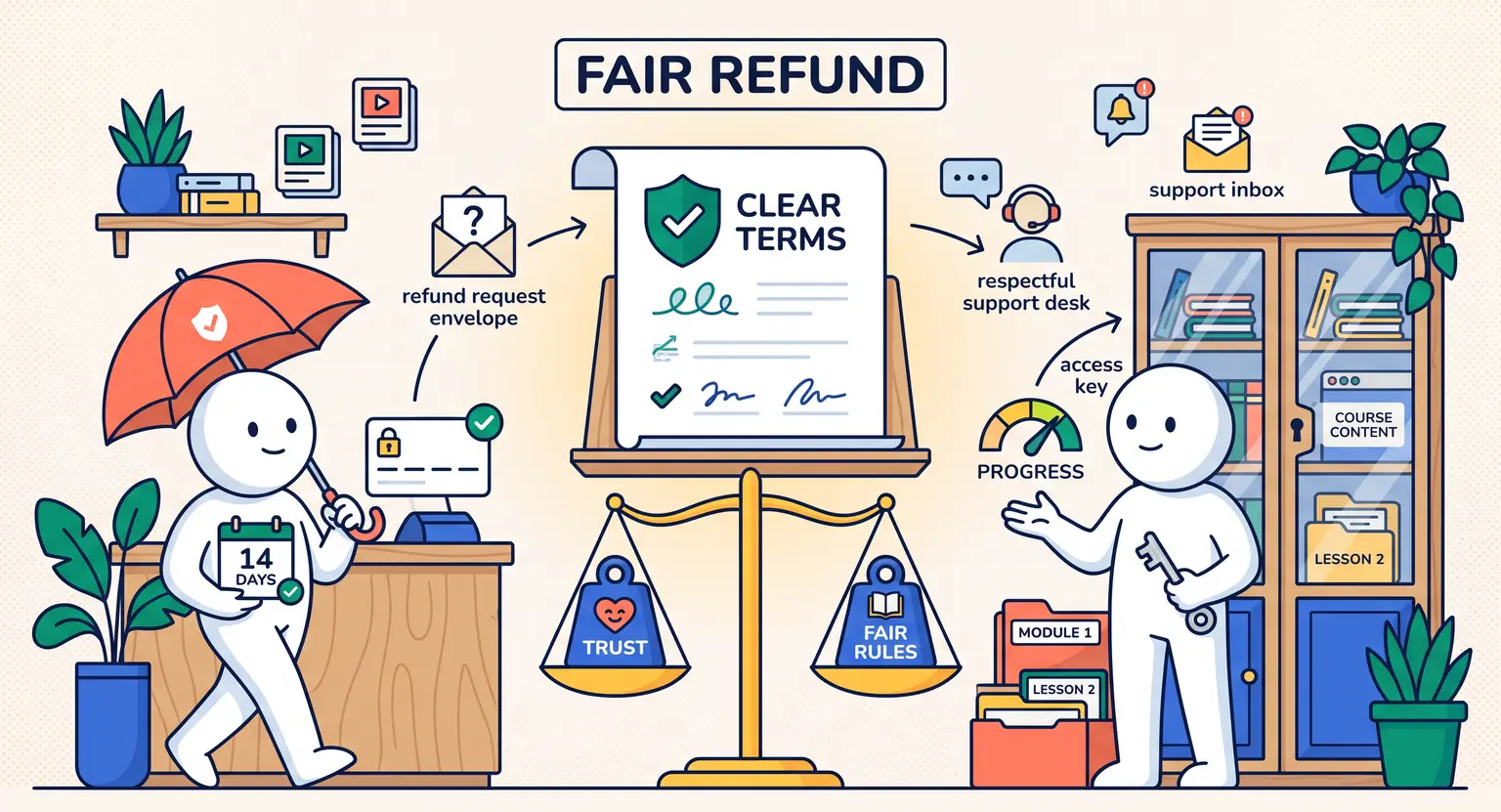 How to Create a Course Refund Policy (Templates & Best Practices for 2026)
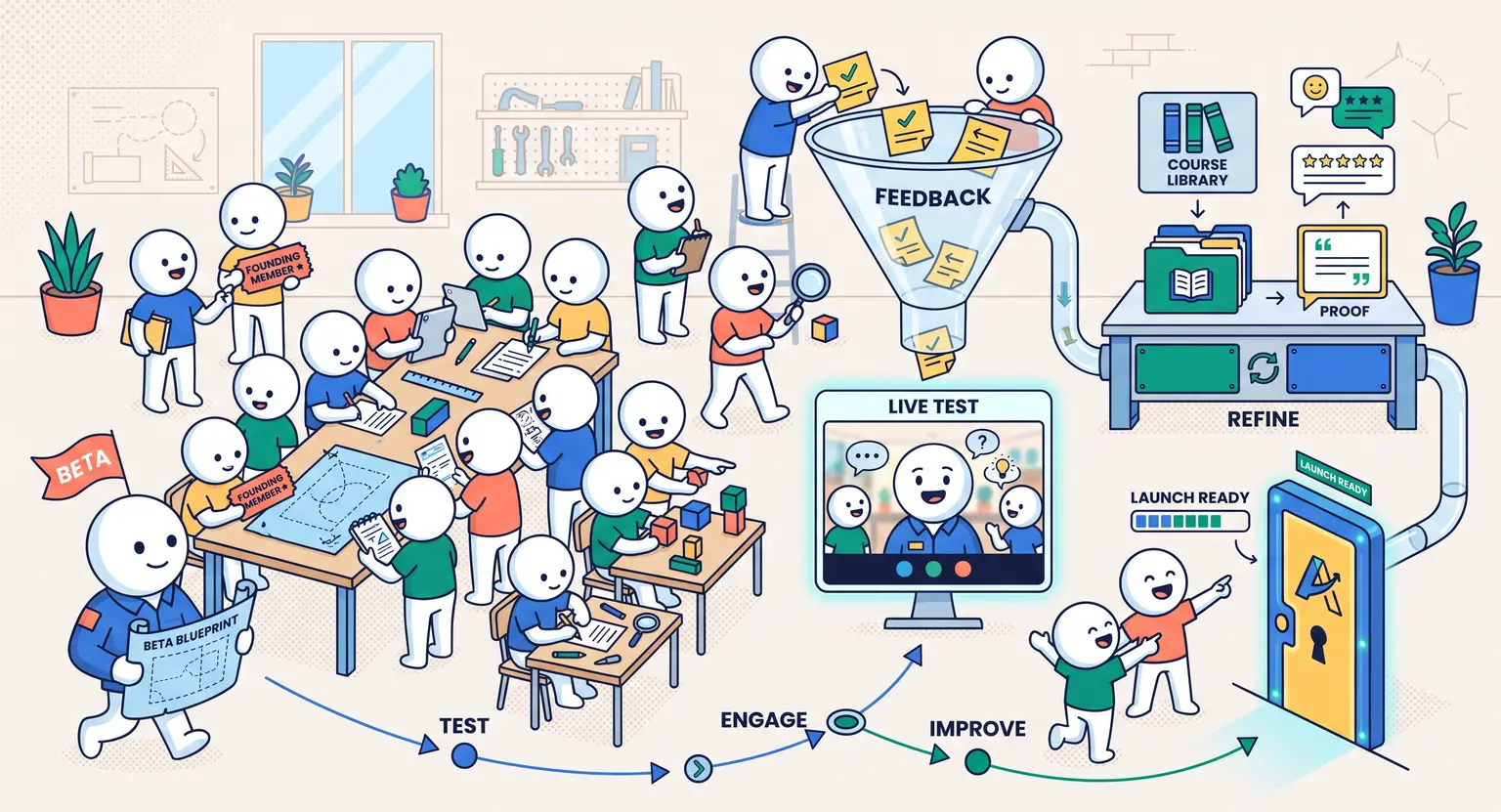 How to Run a Beta Version of an Online Course (2026 Guide)
 How to Create a Cohort-Based Online Course (2026 Guide)
 How to Sell an Online Course With a Quiz Funnel (2026 Guide)
 How to Sell an Online Course Through a Sales Call (2026 Guide)