







Best Affiliate Marketing Strategies in 2026: Human-First Playbook
Best Affiliate Marketing Strategies in 2026 : The Human-First Playbook
Key Takeaways for 2026 Success
-
Funnels win over flat links : sending traffic straight to an offer is dead; building a direct audience remains the gold standard.
-
Value stack your deals : bridge pages that bundle bonuses convert at triple the rate of a simple naked referral link.
-
Authenticity beats algorithms : modern buyers crave human-to-human proof and rough, unpolished reviews rather than sterile, AI-generated comparisons.
-
Diversify with systems : use a trusted email marketing platform to recapture leaky traffic and build assets you fully control.
Let's be completely honest with each other. The old playbook of throwing affiliate links at a wall and praying they stick is officially over.
If your current approach involves spamming forums, relying purely on programmatic SEO blogs, or copying and pasting sterile product descriptions, you are likely watching your conversion rates flatline.
The digital space changed dramatically over the last few years. Audiences have developed a razor-sharp radar for lazy recommendations.
They do not want to be sold to by a faceless algorithm or an anonymous website. They want real, unfiltered advice from humans who have actually used the tools they recommend.
To succeed today, you must pivot. You need to shift your focus from transactional clicks to building deep, trust-based ecosystems. If you are just starting out, taking a moment to understand how affiliate marketing works from an organic perspective is the first step toward long-term profitability.
Let us dive into the custom strategies that are driving massive revenue right now.
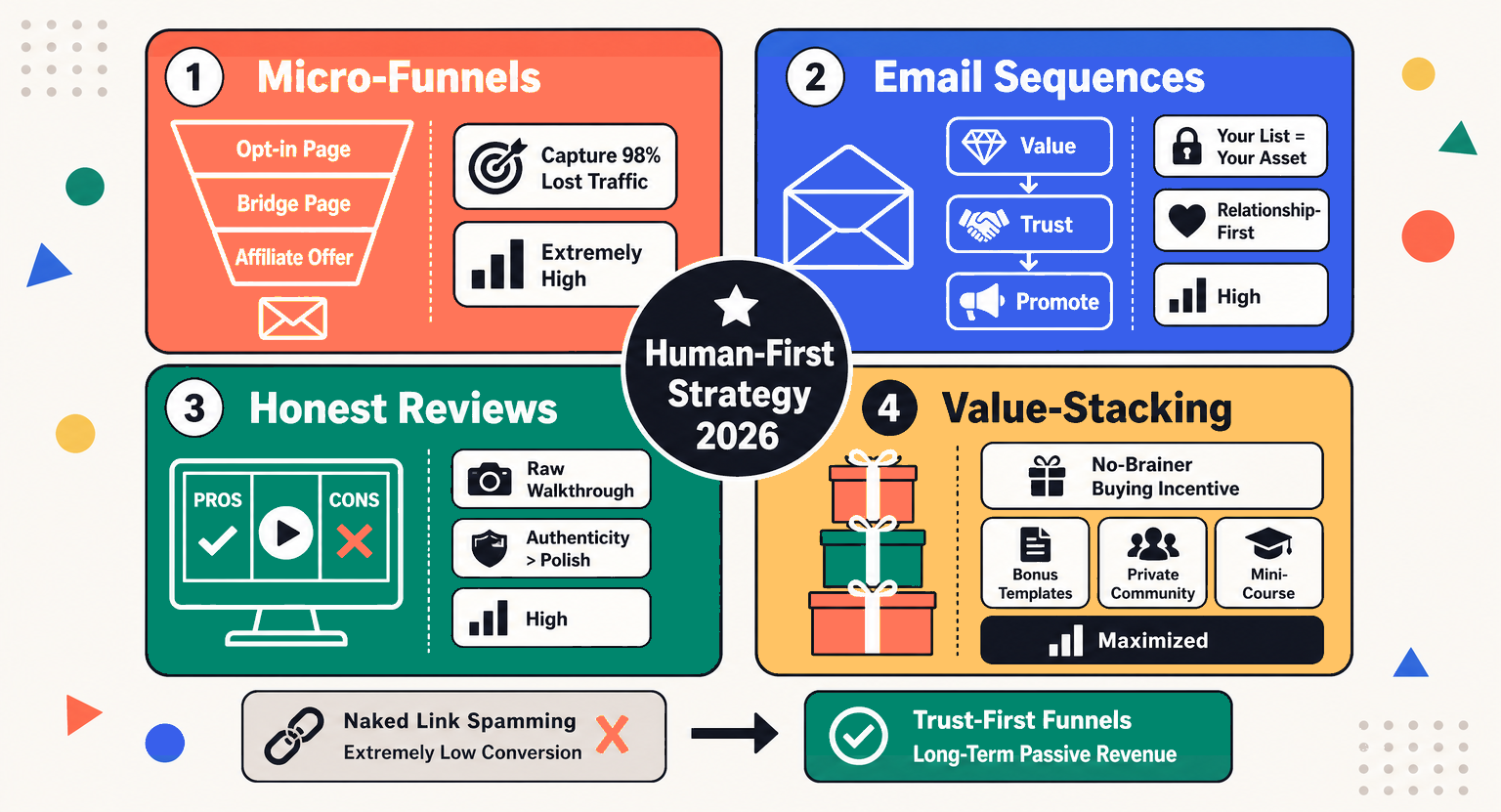
1. Build High-Converting Micro-Funnels
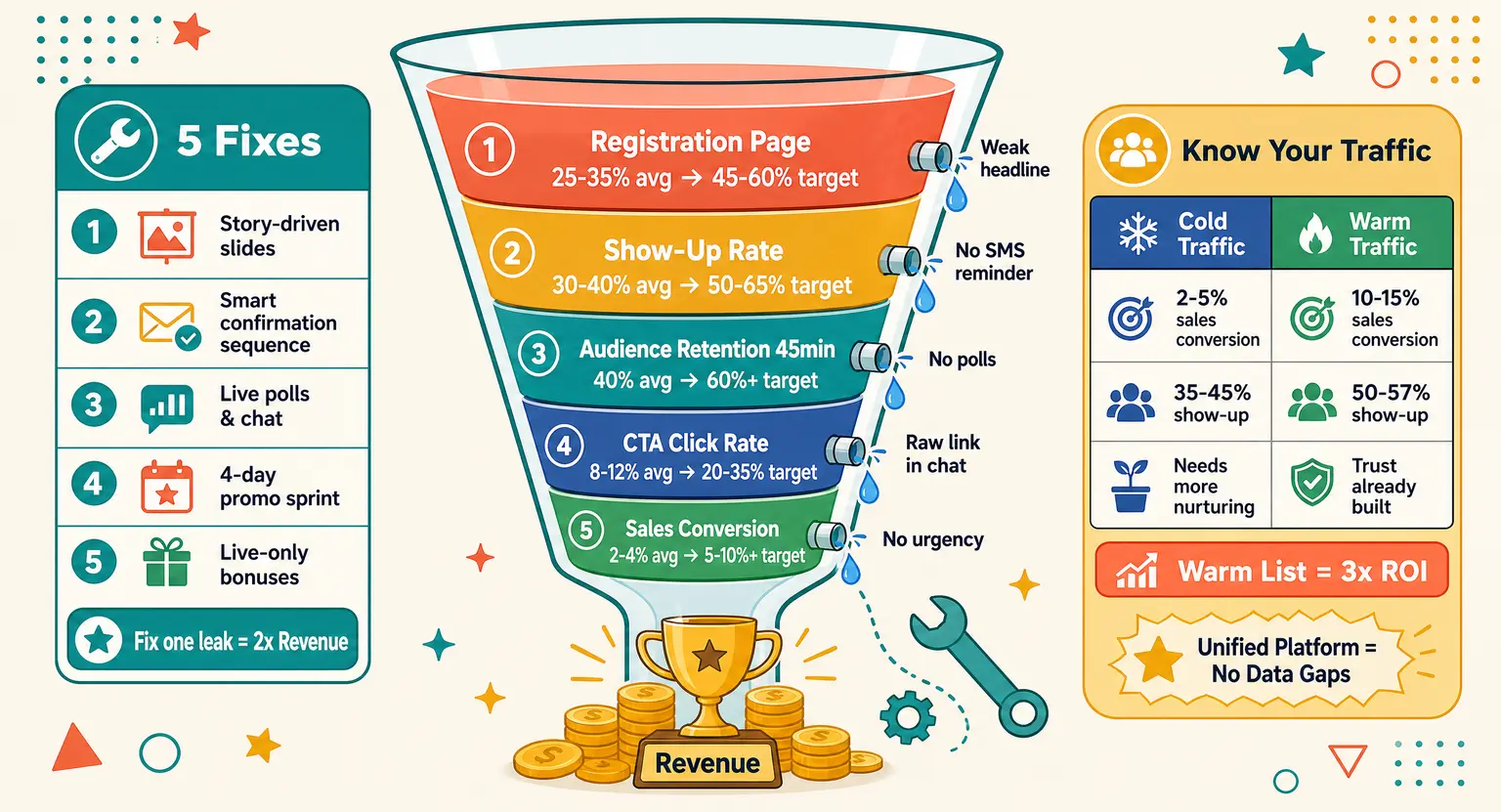
Too many marketers treat their affiliate links like a dead-end street. They send a user straight to the merchant's landing page, collect a tiny fraction of the traffic that actually buys, and completely lose the other ninety-eight percent forever.
That is a massive waste of energy and budget.
The most successful affiliates use multi-step micro-funnels. Instead of linking directly to a product, you direct your audience to a beautifully designed opt-in page.
Here, you offer a highly relevant free resource - like a template, an audit checklist, or a mini-guide - in exchange for their email address.
Once they opt in, you route them to a custom bridge page that introduces the affiliate offer as the logical next step to solve their problem.
Setting up these pathways does not require an army of developers. Using robust, streamlined sales funnels allows you to capture leads, track conversions, and send automated follow-up sequences without breaking a sweat.
If you fail to capture that contact information on the first visit, you are throwing away your most valuable asset : your list - Once you have their email, you can nurture them and promote other relevant items over time, increasing your average customer lifetime value exponentially.
2. Shift to Relationship-Driven Email Sequences
Email list building is only half the battle. What you do with those contacts determines your affiliate income.
If you just blast your subscribers with constant sales pitches, they will click unsubscribe faster than you can write your next subject line.
The modern way to monetize an email list is through story-driven, relationship-first sequences.
When someone joins your community, start by delivering massive, unbilled value for free.
Teach them something useful, share a painful mistake you made, or offer a contrarian insight.
Only after you have built goodwill should you introduce your recommended solutions.
If you are exploring affiliate marketing for beginners, remember that consistency is your superpower. Your audience should view you as an objective friend, not a biased salesman. Frame your promotions as helpful tools that saved you time or solved a specific frustration.
You can implement this cleanly by discovering how to build an email list that values your voice. Keep your communication steady, targeted, and always focused on their transformation first.
3. Dominate with "Un-polished" Honest Reviews
The era of highly polished, corporate-styled reviews is officially over - Today's consumers are incredibly savvy. They can spot a biased, manufactured review from a mile away. They know when a creator is simply reading a features page instead of using the product.
To stand out, you need to produce what we call "un-polished" reviews. This means showing the ugly side of the products you promote alongside the shiny features.
Highlight who the product is not for. Address the bugs, the bad customer support, or the overly complex user interface.
Your audience will respect your transparency, and when you finally recommend the product to the right user, they will trust you completely because you were honest about its shortfalls.
But how do you present these? Raw video walkthroughs, screen-sharing sessions, and casual case studies perform incredibly well.
Show your real dashboard. Let them see you clicking through the software, struggling with a setting, and finding a workaround.
This level of raw, unvarnished proof is impossible to fake. By avoiding common affiliate marketing mistakes - like pretending every tool is perfect - you establish a bulletproof authority in your niche.
4. Value-Stacking with Custom Bonuses and Free Mini-Courses
Why should someone buy a piece of software or a course through your affiliate link instead of going directly to the brand's website or using someone else's link?
This is the ultimate question of affiliate optimization and the answer is simple : value-stacking.
You must offer an exclusive bonus package that makes buying through you a complete no-brainer.
This could be a set of custom templates, a private community, or a free mini-course that teaches them how to get the most out of the tool they just purchased.
For example, if you are promoting a specific marketing system, offer a free masterclass showing them how to build successful campaigns with it.
If you want to create a massive competitive advantage, learning how to launch an online course as a value-add bonus is incredibly powerful.
You can house this training on a clean, robust platform, offering a premium learning experience to anyone who forwards you their affiliate purchase receipt - This strategy shifts you from a mere middleman to an active, indispensable partner in their personal or professional success.
To help you focus your efforts on what actually moves the needle, let us compare these core strategies. Every method has its place, but your execution determines your ROI.
| Affiliate strategy | Conversion potential | Effort level required |
|---|---|---|
|
Micro-funnels & lead magnets |
Extremely high (long-term list value). |
Medium (setup takes some initial focus). |
|
"Un-polished" video reviews |
High (builds massive personal trust). |
Low to medium (simple raw screen recordings). |
|
Value-stacking (course & template bonuses) |
Maximized (no-brainer buying incentive). |
High (initial content creation needed). |
|
Direct link spamming (naked links) |
Extremely low (fails to convert modern traffic). |
Minimal (ineffective and highly discouraged). |
Frequently Asked Questions
Is blogging still the best way to do affiliate marketing?
Blogging is an excellent asset, but it is certainly no longer the only way.
Written content is powerful for captured search intent, but combining it with video platforms, interactive tools, and dedicated email databases yields much faster results today.
The smartest approach is using a multi-channel hub where your blog feeds into your list, allowing you to capture and convert traffic continuously.
Should I disclose my affiliate links?
Yes, absolutely. Not only is it legally required by regulatory bodies like the Federal Trade Commission, but it also builds immense trust.
When you tell your audience upfront that you earn a small commission at no extra cost to them, they appreciate your transparency and often go out of their way to support your work by using your links.
How do I choose the best products to promote?
Focus entirely on products you have actually used or strongly believe in. Look for programs offering recurring commissions, high-quality merchant customer support, and helpful marketing materials.
If a product does not solve your audience's real pain points, do not promote it. Protecting your reputation is always worth more than a quick, short-lived commission check.
Can I do affiliate marketing without a website?
Yes, you can run promotions using social platforms, YouTube, or direct newsletters.
However, having a central hub under your control is highly recommended. Relying solely on third-party algorithms is incredibly risky.
Building an email list and a simple landing page gives you complete ownership over your marketing channels, protecting your business from sudden platform changes or policy shifts.



 How to Create a Course Refund Policy (Templates & Best Practices for 2026)
 How to Run a Beta Version of an Online Course (2026 Guide)
 How to Create a Cohort-Based Online Course (2026 Guide)
 How to Sell an Online Course With a Quiz Funnel (2026 Guide)
 How to Sell an Online Course Through a Sales Call (2026 Guide)