








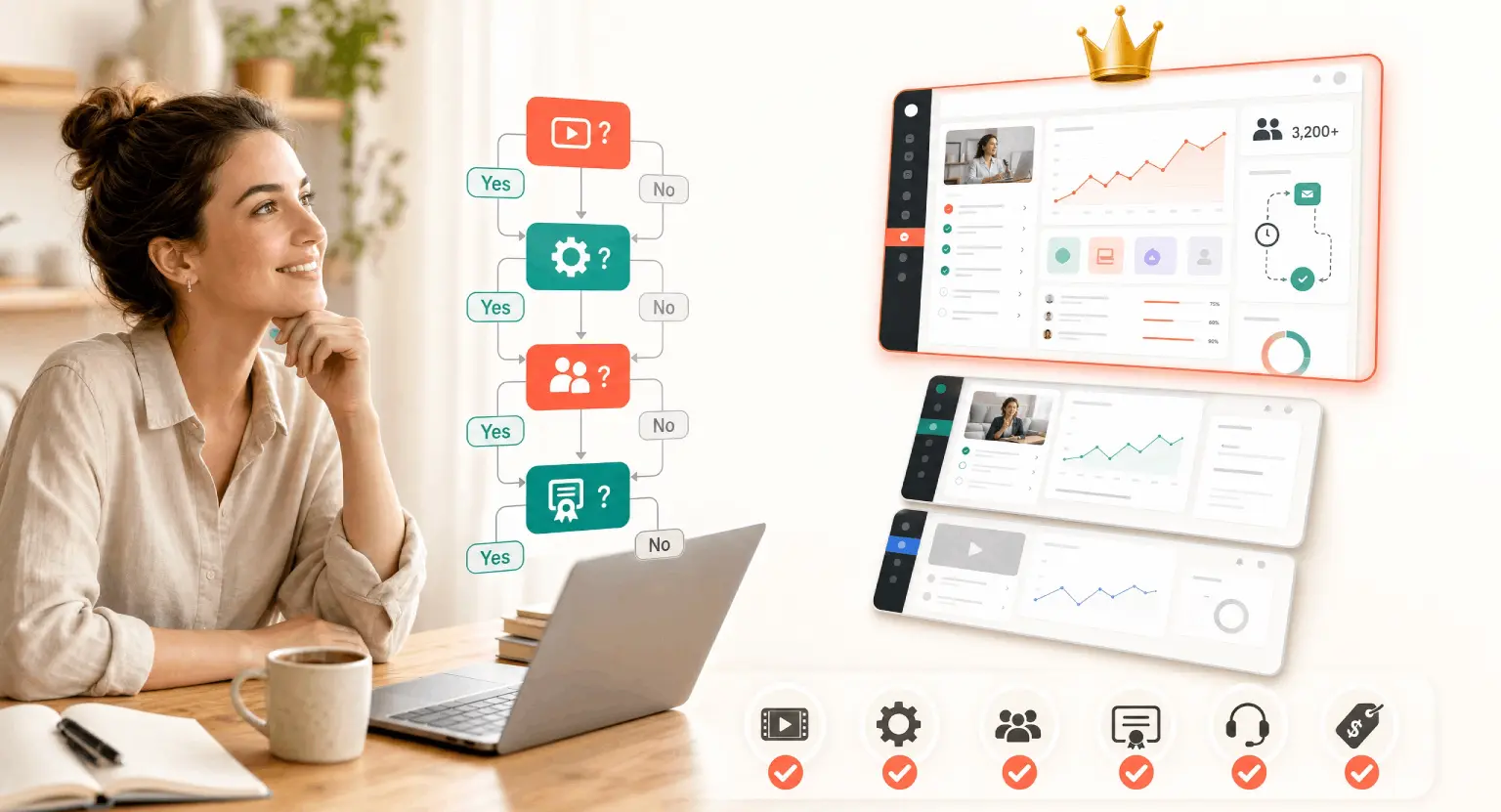
Best LMS for Course Creators: How to Choose the Right Platform in 2026
Best LMS for Course Creators : How to Choose the Right Platform in 2026
Key Takeaways
-
Focus on "All-in-One" : In 2026, speed is king. Stop connecting 10 tools.
-
Community is Mandatory : If your LMS doesn't have a built-in community, you're losing money.
-
Mobile Optimization : 80% of learners are on their phones. Your platform must be flawless on mobile.
-
User Experience (UX) : If it’s hard to use, your students won’t finish the course.
So, you’ve got something to teach. But man, the tech world is a mess right now, isn't it? Back in the day—and by that, I mean way back in 2022—you could get away with a basic video player and a PayPal button.
But it’s 2026. The market is smarter, the students are more demanding, and quite frankly, we’re all a bit exhausted by complicated software that requires a PhD to set up.
Choosing the best Learning Management System (LMS) isn’t just about comparing checkboxes on a pricing page. It’s about sleep. Specifically, how much of it you’ll get when you aren't fighting with an email integration at 2:00 AM.
I’ve spent the last few years looking at every platform under the sun, and I can tell you : the "best" one is the one that actually lets you spend time teaching, not troubleshooting.
The Reality of Course Creation in 2026
Let’s be honest for a second. The "gold rush" of online courses has evolved. People aren't just buying information anymore—they can get that for free from an AI bot. They are buying transformation, community, and curation.
This means your LMS needs to do a whole lot more than just hold files. It needs to create an environment where people actually feel like they're getting somewhere.
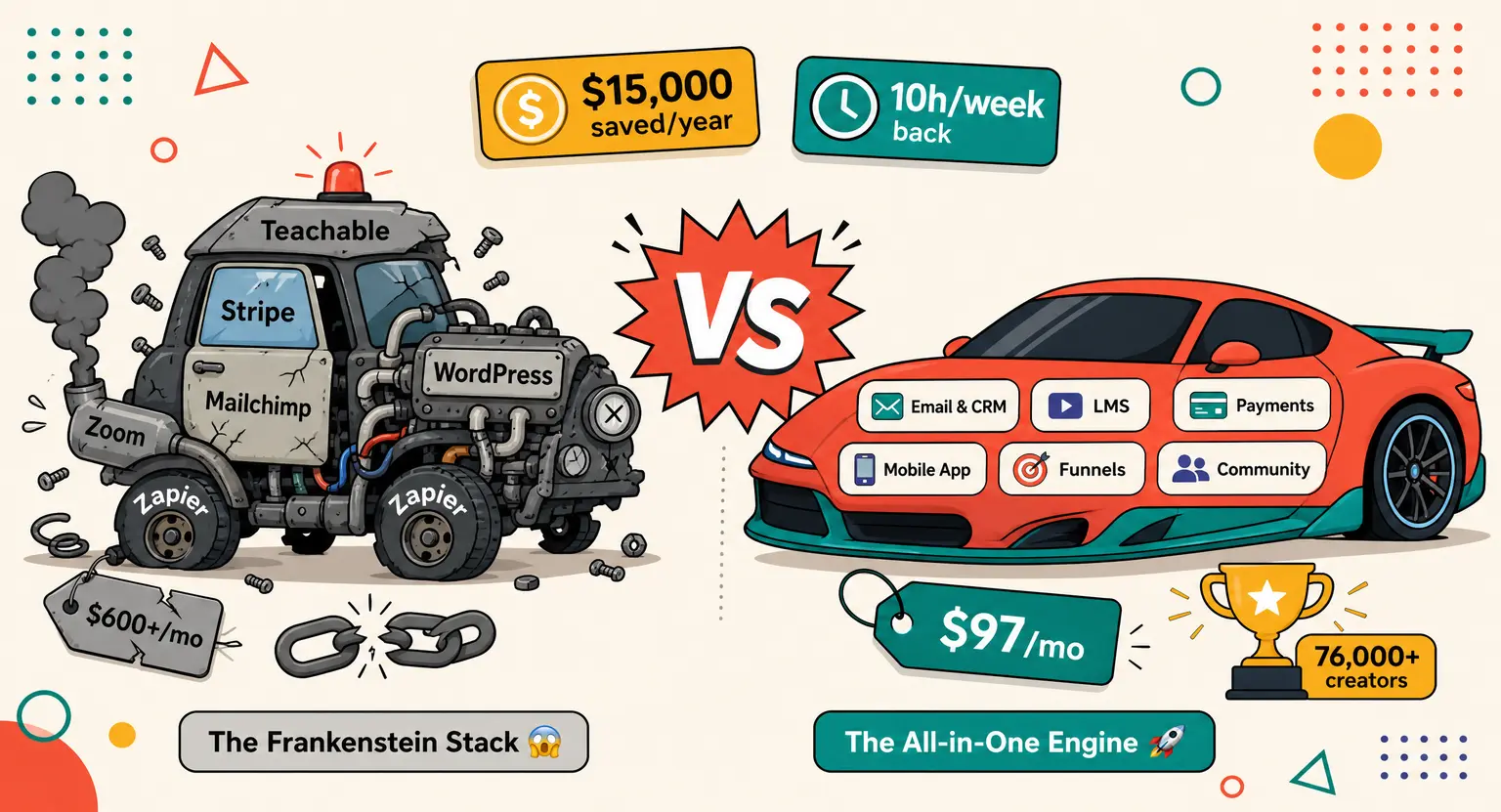
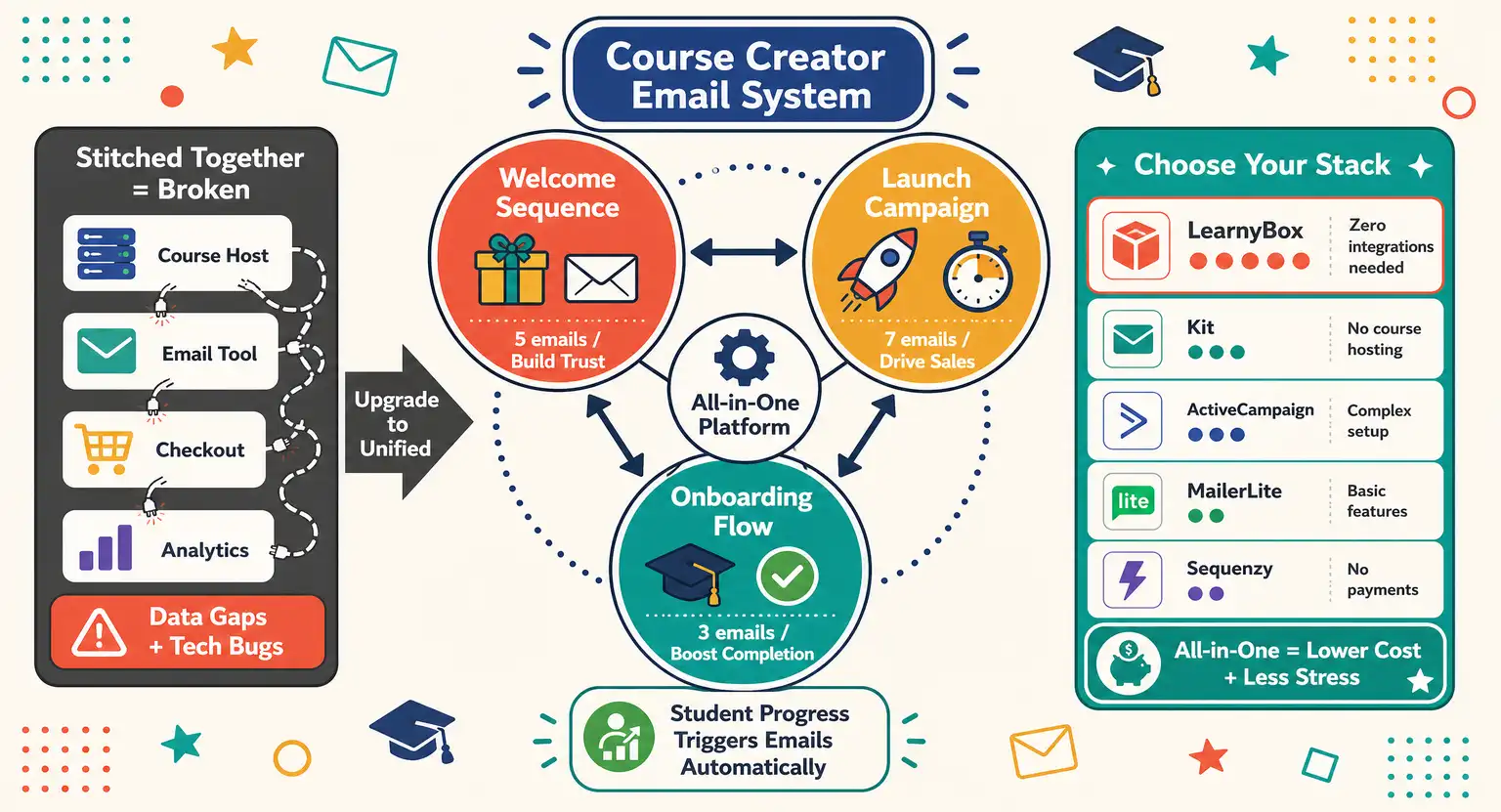
And let’s talk about the "Frankenstein" approach. You know the one. You have WordPress for your site, MemberPress for the logins, ActiveCampaign for the emails, ThriveCart for the payments, and maybe a Discord for the community. It’s a nightmare.
One update to a plugin and the whole thing collapses like a house of cards. In 2026, the smart money is moving toward integrated systems that keep everything under one roof.
What Actually Matters When Picking Your Platform?
But how do you sift through the noise? Every platform claims to be the #1. Instead of looking at their marketing slogans, look at these three pillars. If a platform misses one of these, run. Don't walk. Run.
1. The Marketing Engine (Because "Build it and they will come" is a lie)
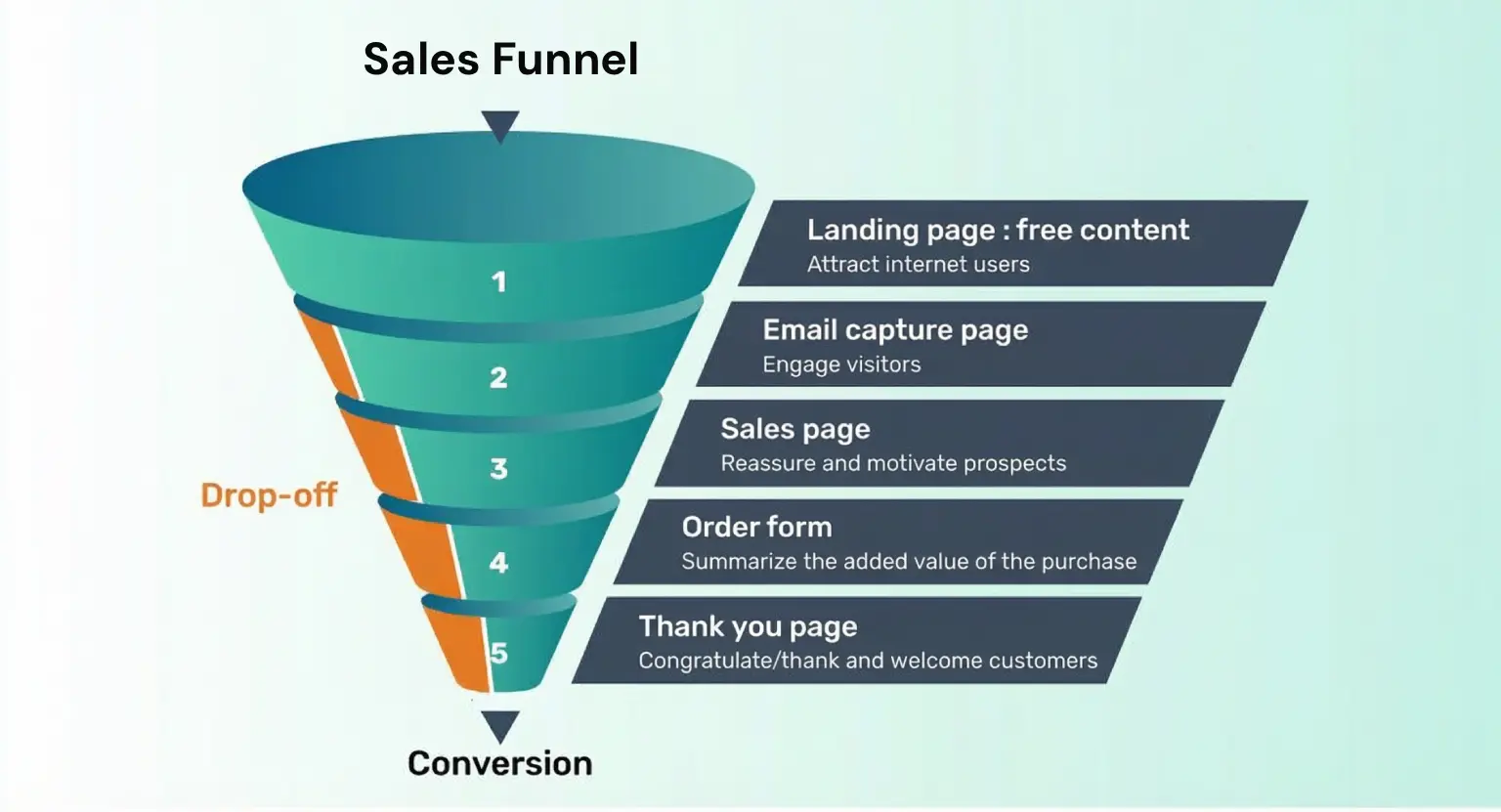
You can have the most beautiful course in the world, but if you can’t sell it, it’s just a very expensive hobby. Your LMS should handle your sales funnels, your email marketing, and your payment processing.
If you have to pay for a separate email service just to send a "Welcome" sequence, you're being overcharged. You need a platform that understands sales funnels as deeply as it understands video hosting.
2. The Student Experience (Retention is the new Acquisition)
Success in 2026 isn't just the first sale; it's the second and third. That only happens if your students actually finish your first course. Look for features like :
-
Gamification (badges, points, progress bars).
-
Automatic drip content.
-
Instant feedback quizzes.
-
Seamless mobile app access.
3. Scalability Without the Surcharge
Some platforms look cheap at first. Then you get 100 students and—BAM—they want a cut of every sale or they double your monthly fee. You want a platform that grows with you, not one that penalizes you for being successful. Especially if you're a solopreneur with no tech skills, you need a predictable cost structure.
Comparing the Heavy Hitters of 2026
| Platform Type | Best For | The "Gotcha" |
|---|---|---|
| All-in-One (e.g., LearnyBox) | Full-time creators who want everything automated. | Higher initial learning curve because it does everything. |
| Course Marketplaces (e.g., Udemy) | Beginners with zero audience. | You don't own your customer data. They take a 50%+ cut. |
| WP Plugins (e.g., Learndash) | Tech-savvy people who love tinkering with code. | Constant updates, security risks, and hosting headaches. |
| Minimalist Apps | People selling a single small PDF or one-off workshop. | No advanced marketing tools; you'll outgrow it in 3 months. |
But wait, I see people asking all the time : "Should I just start for free?" And sure, there are free LMS accounts out there that are great for testing the waters. But the second you're serious about this as a business, you need the pro tools.
Free tools often come with "Made on Brand" watermarks that scream "amateur" to your high-ticket clients. In 2026, professional branding is non-negotiable.
The "All-in-One" Revolution : Why Most Experts Are Switching
I’ve seen it a hundred times. A creator starts with a cheap platform. Six months later, they realize they need a blog. Then they need a webinar tool. Then they need an affiliate system. Suddenly, they’re paying $400 a month for six different tools that don't talk to each other. It’s the "SaaS Tax," and it’s killing your margins.
So, why is the all-in-one model winning? Because of Data Synergy. When your email system knows exactly which video your student just watched, you can send a perfectly timed email to nudge them or upsell them. If your systems are separate, that kind of automation is almost impossible to set up without a dedicated developer. In 2026, we want automation that "just works."
And let’s not forget the "Mobile App" factor. Building your own app costs $20k minimum. A top-tier LMS in 2026 should provide you with a white-labeled mobile app or at least a highly optimized progressive web app so your students can learn on the train, at the gym, or in bed. If they have to log in via a clunky browser every time, they'll stop coming back.
How to Make the Final Decision
Don't just sign up for the one with the flashiest Instagram ads. Do this instead :
-
Test the Support : Send a support ticket on a Tuesday afternoon. How long did it take to get a real human? If it takes 3 days, imagine what happens when your checkout page breaks during a launch.
-
Check the Checkout : Go through the buying process. Is it one-click? Does it offer Apple Pay, Google Pay, and crypto? If your checkout is slow, your conversion rate will tank.
-
Look at the Community Features : Can students talk to each other inside the platform? Or do you have to send them to a Facebook group? (Hint : Nobody wants to be on Facebook anymore).
-
Check the "No-Code" Factor : Can you change the layout without knowing CSS? In 2026, drag-and-drop should be standard, not a "premium" feature.
The Verdict for 2026
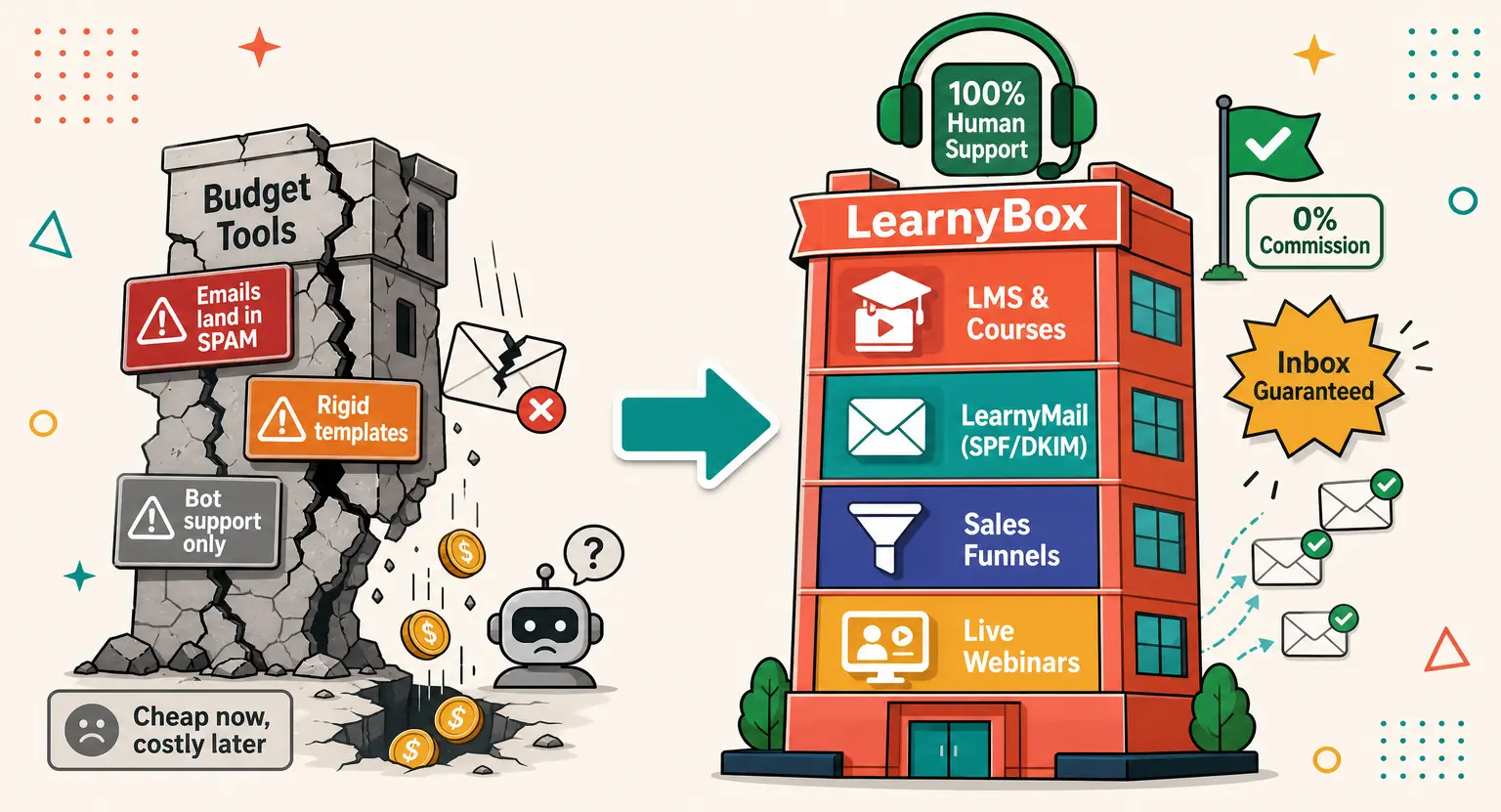
If you're just starting, keep it simple. But if you're looking to build a sustainable, six-figure-plus business, you need a foundation that won't crack. The "Best LMS" is a subjective title, but the objective truth is that the market is moving toward integrated ecosystems like LearnyBox.
Why? Because it stops the tech-headache before it starts. It lets you be a teacher, a coach, and a leader, instead of a part-time IT consultant for your own business.
✨ Ready to stop playing with tech and start playing with growth? ✨
Frequently Asked Questions
Q : Is it better to host my own videos or use the LMS hosting?
A : Always use the LMS hosting if it’s included. It’s faster, more secure against piracy, and usually optimized for e-learning. Hosting on YouTube is unprofessional, and Vimeo can get expensive fast.
Q : How much should I expect to pay for a good LMS in 2026?
A : For a professional-grade tool, expect to pay anywhere from $100 to $300+ per month. If it’s significantly cheaper, they are likely skimming your transactions or have very poor support.
Q : Can I migrate my content if I choose the wrong platform?
A : Yes, but it’s a pain. Most platforms have import tools for CSVs and videos, but your "funnels" and "email automations" will almost always have to be rebuilt from scratch. That’s why it’s so important to pick the right one the first time.
Q : Do I need a separate website for my blog?
A : Not in 2026. A good LMS like LearnyBox includes a full blogging engine and site builder. Keeping your content and your courses on the same domain is much better for SEO and user trust.


 How to Create a Course Refund Policy (Templates & Best Practices for 2026)
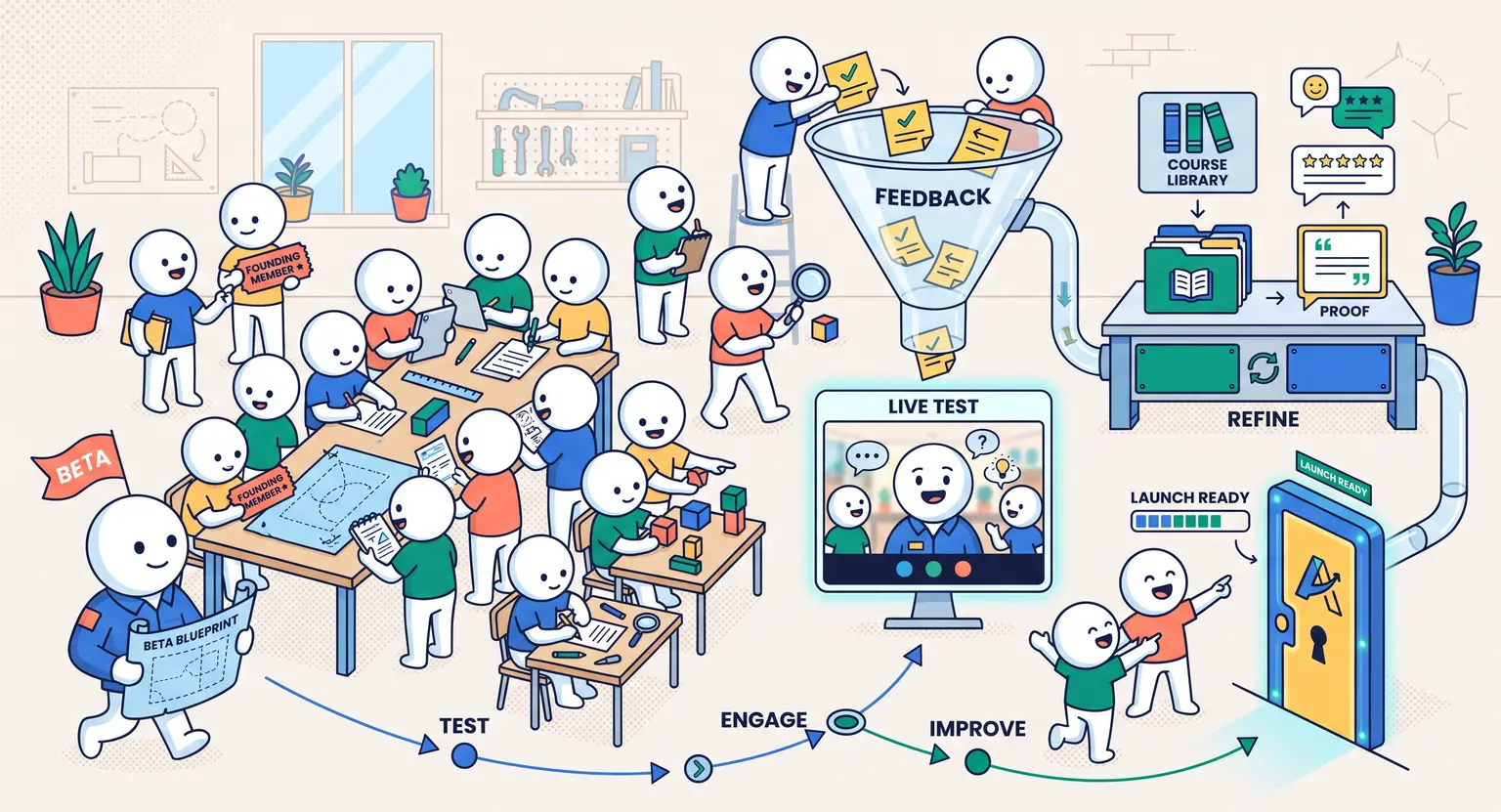 How to Run a Beta Version of an Online Course (2026 Guide)
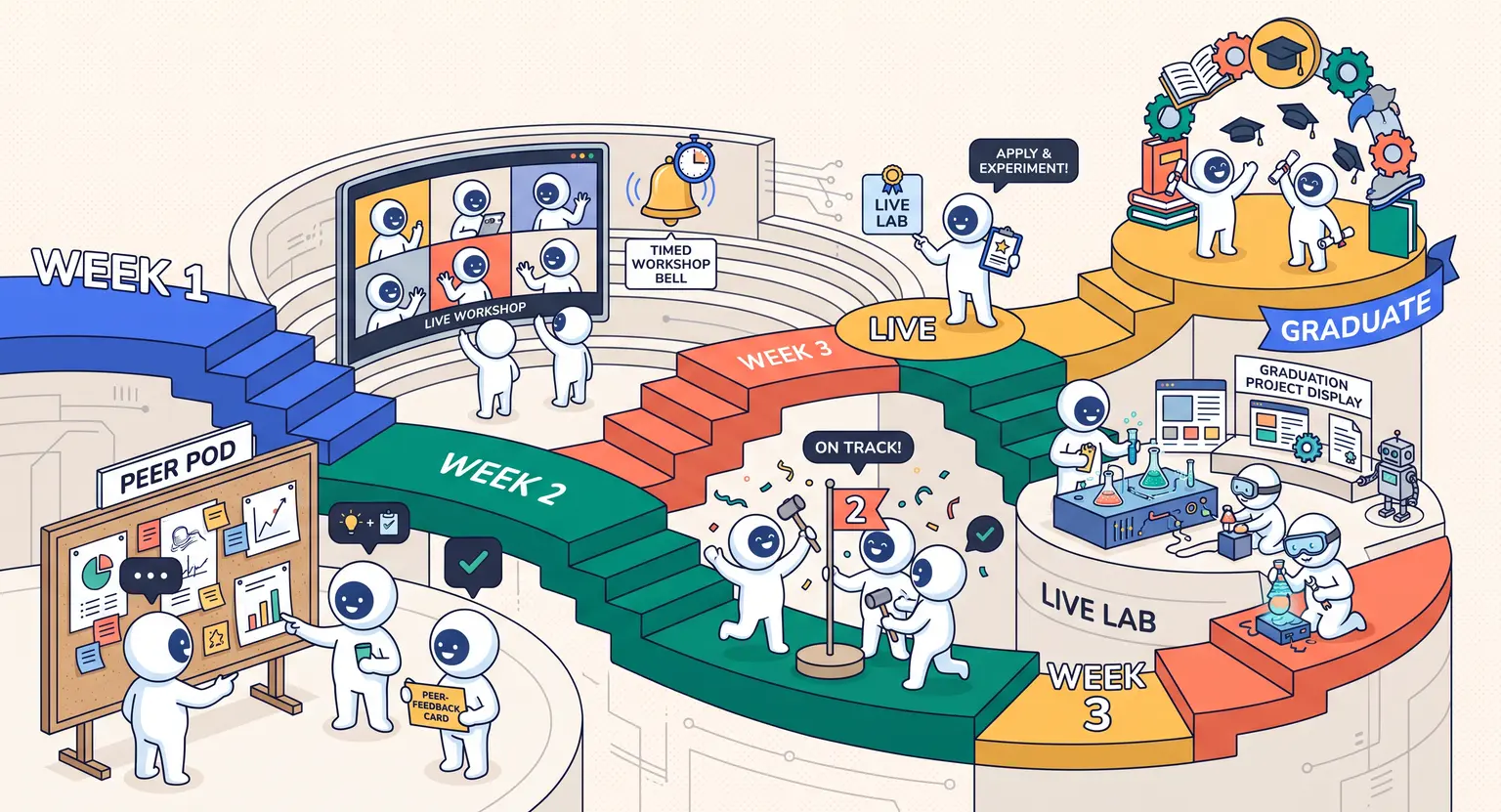 How to Create a Cohort-Based Online Course (2026 Guide)
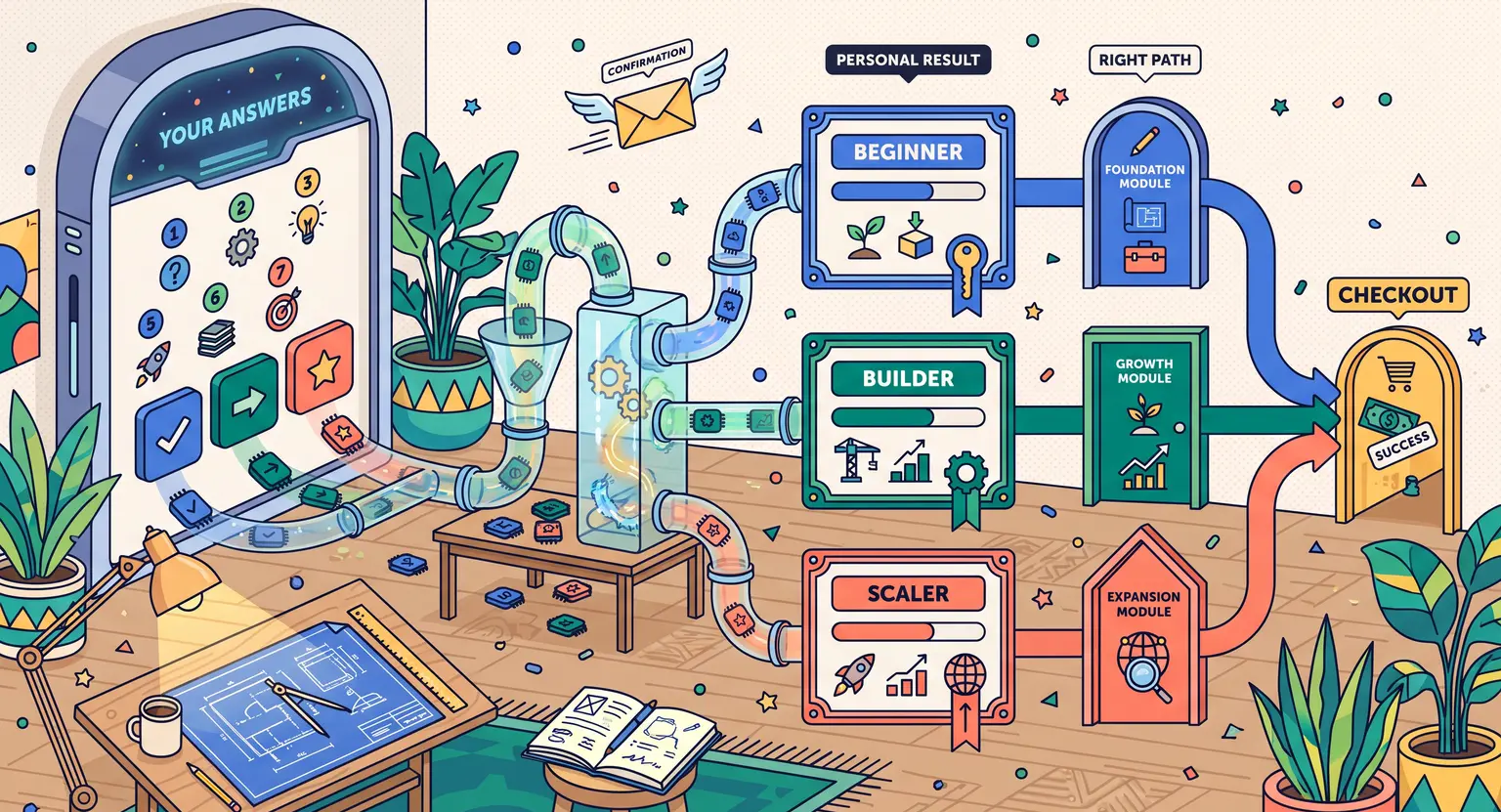 How to Sell an Online Course With a Quiz Funnel (2026 Guide)
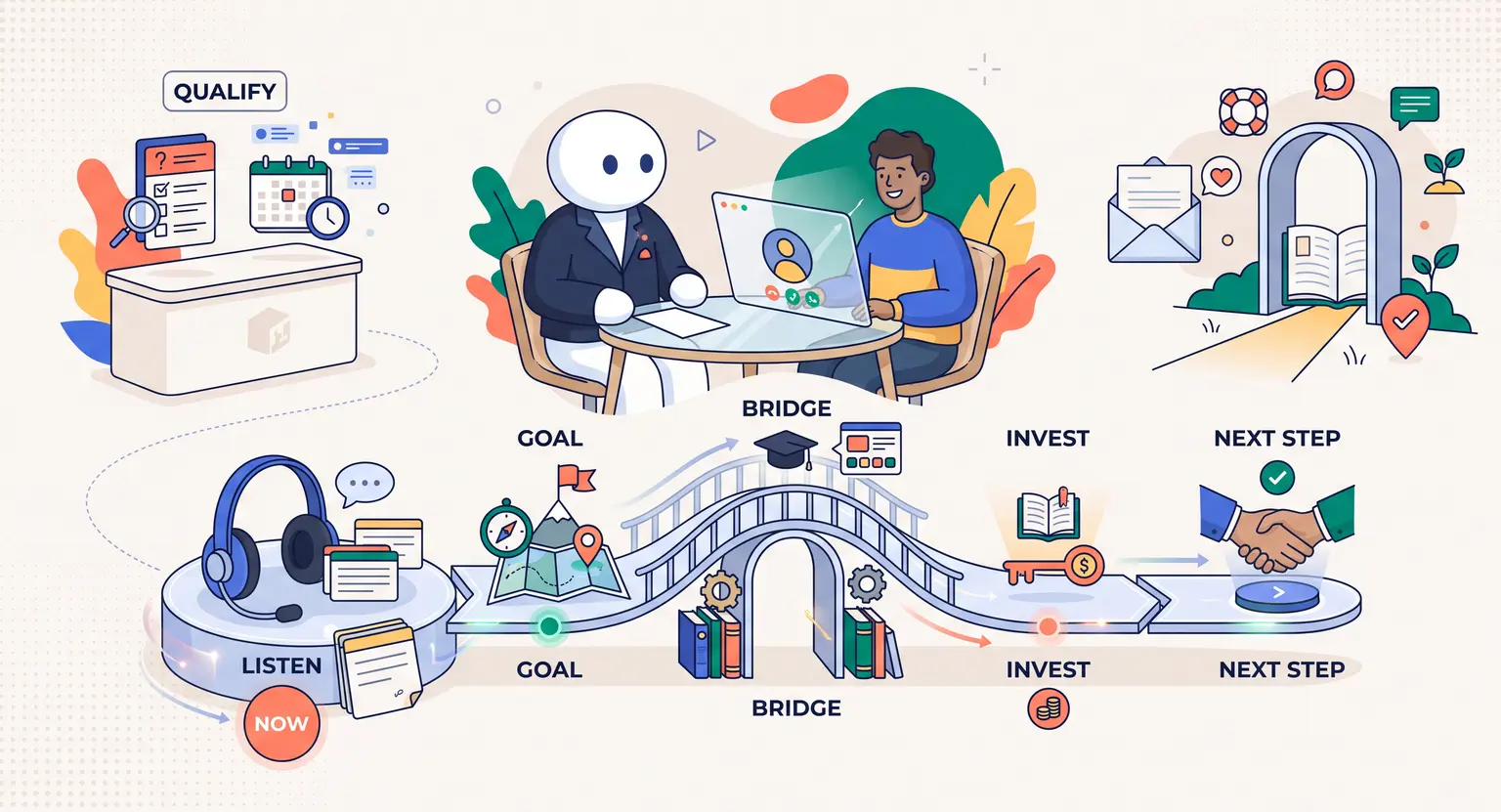 How to Sell an Online Course Through a Sales Call (2026 Guide)