





Coaching vs Courses: The Hard Truth for Your Business in 2026
Coaching vs Courses : The Hard Truth for 2026
Quick Summary :
-
Coaching relies on direct human interaction, high price points, and personal accountability.
-
Online courses utilize a scalable one-to-many business model that brings passive income.
-
If you want to validate your target audience's pain points instantly, start with private coaching sessions.
-
If you want to free up your schedule completely, build systems to sell online courses.
Look at the education landscape right now. It is noisy... Everyone wants to sell you a different vision of freedom. Some experts swear by high-ticket personal sessions. Others promise that pre-recorded videos will buy you a beach house…
But let's get real.
Choosing between these two models isn't about picking a trend. It's about understanding your lifestyle, cash flow needs, and how you actually like to spend your days.
So, what's the deal?
Coaching is high-touch. You are trading time directly for premium dollars. It can be exhausting, yet it gives you instant raw data on what your market struggles with.
On the flip side, digitized modules run on autopilot. They sell while you sleep - theoretically.
But they demand serious production, copywriting, and constant traffic. Let's break down the actual mechanics of both worlds so you can stop spinning your wheels.
The Personal Grind of Individual Coaching
When you sell a premium partnership, you are selling access to your brain.
You become a mentor, a guide, and sometimes an unofficial therapist. It's a beautiful way to work - the transformation is palpable because you are holding their hand through every roadblock.
But let's talk about the ceiling : you only have so many hours in a week.
If you charge two hundred dollars an hour, your income is mathematically capped the moment your calendar fills up. Sure, you can raise your prices to five hundred or a thousand…
Yet the primary issue remains : if you stop working, the business stops making money. And let's not overlook the emotional energy required. Holding space for clients takes a toll, but if you are just starting out, this model is a goldmine.
Why?
Because you get to hear the exact phrases your target audience uses when they are frustrated. You learn their objections, their fears, and their dreams…
This real-time feedback is worth its weight in gold. You can use this exact feedback later to design high-value digital products without guessing.
So, consider starting here if you need cash flow fast. You do not need a complex website or automated funnels. You just need a payment link and a webcam.
But if you want long-term leverage, this model alone won't sustain your freedom.
The Scalable Freedom of Online Courses
Let's talk about the digital classroom. Once you build a curriculum, record the lessons, and set up your delivery system, your workload drops significantly. You write your thoughts once, and thousands can consume them - it's the ultimate leverage.
But do not let the hype fool you - this is not easy money.
Creating a successful program requires serious preparation. You need to understand your client avatars, map out logical progression, and learn how to manage technical distribution. And then comes the marketing.
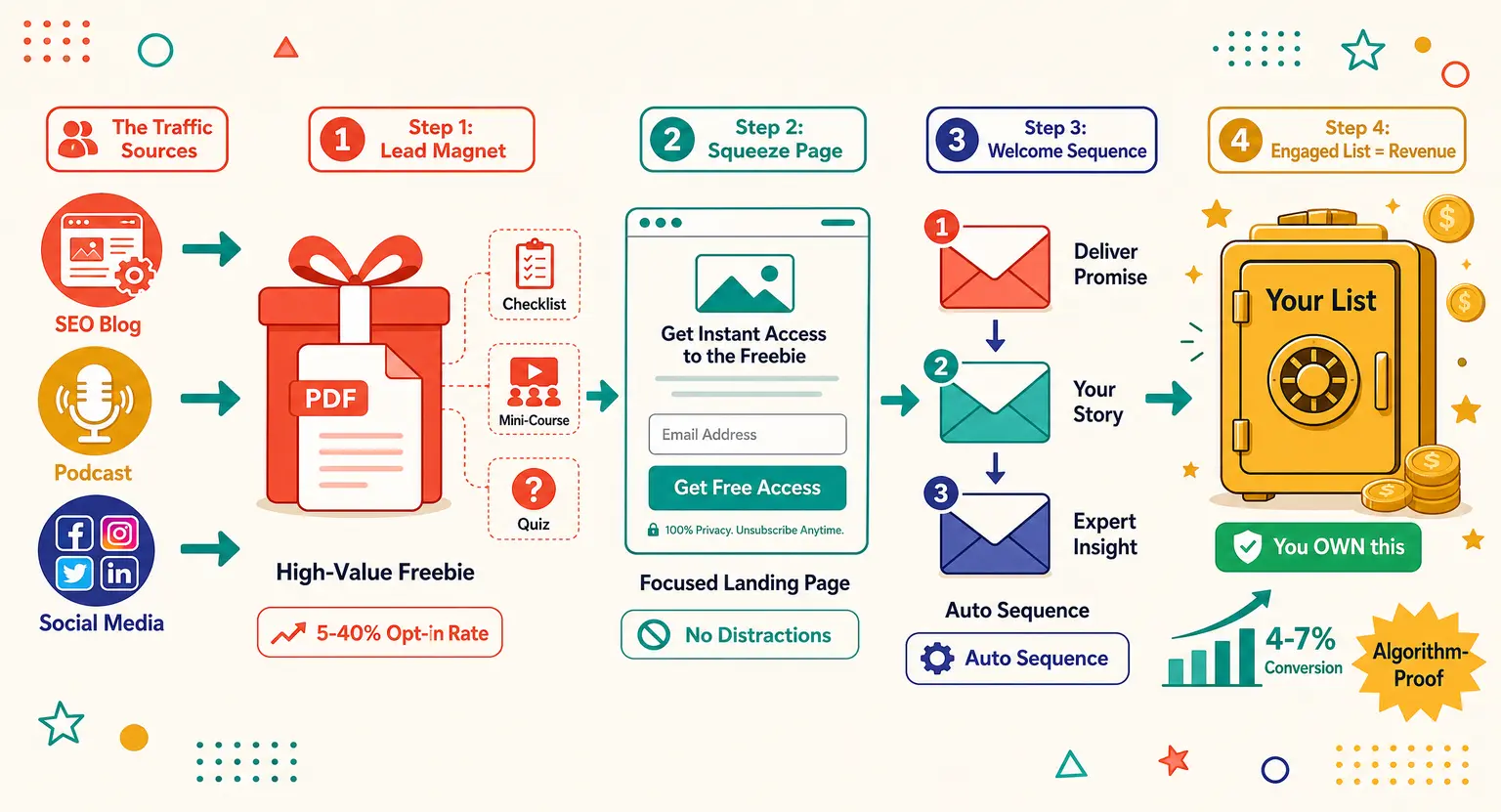
Unlike coaching, where you can close clients through a simple chat, digital files require robust traffic systems. You will need to discover recurring revenue ideas for experts to keep your business stable during quiet months.
And you will have to determine the perfect online course pricing strategy so you don't undervalue your brainpower. Many creators build a program, launch to crickets, and assume the product was bad.
Usually, the product was fine. The problem was they had no audience and no reliable way to generate attention... But if you master this, the rewards are unmatched - you gain the ability to help thousands of people simultaneously without sacrificing your weekends.
Side-by-Side Comparison
Let's compare the practical day-to-day realities.
Here is how both formats stack up when you look at the fundamental metrics of running an education business.
| Key metric | Private coaching | Online courses | The hybrid approach |
|---|---|---|---|
|
Initial setup effort |
None. Set up a simple booking link and speak directly with leads. |
High. Requires structuring modules, filming lectures, and building funnels. |
Moderate. Combine pre-made curriculum with monthly group sessions. |
|
Client transformation |
Outstanding. You provide direct accountability and adapt strategies dynamically. |
Varies. Completion rates can be low without personal check-ins. |
Strong. The materials guide them while group calls keep them focused. |
|
Income potential |
Capped by your schedule. You must charge premium prices to scale up. |
Infinite scale. Effort is identical for ten students or ten thousand. |
Highly leveraged. Sell the course package, add small-group premium upsells. |
|
Required platforms |
Basic booking calendar, Zoom, and simple invoicing tools. |
LMS software integrated with community spaces and webinars. |
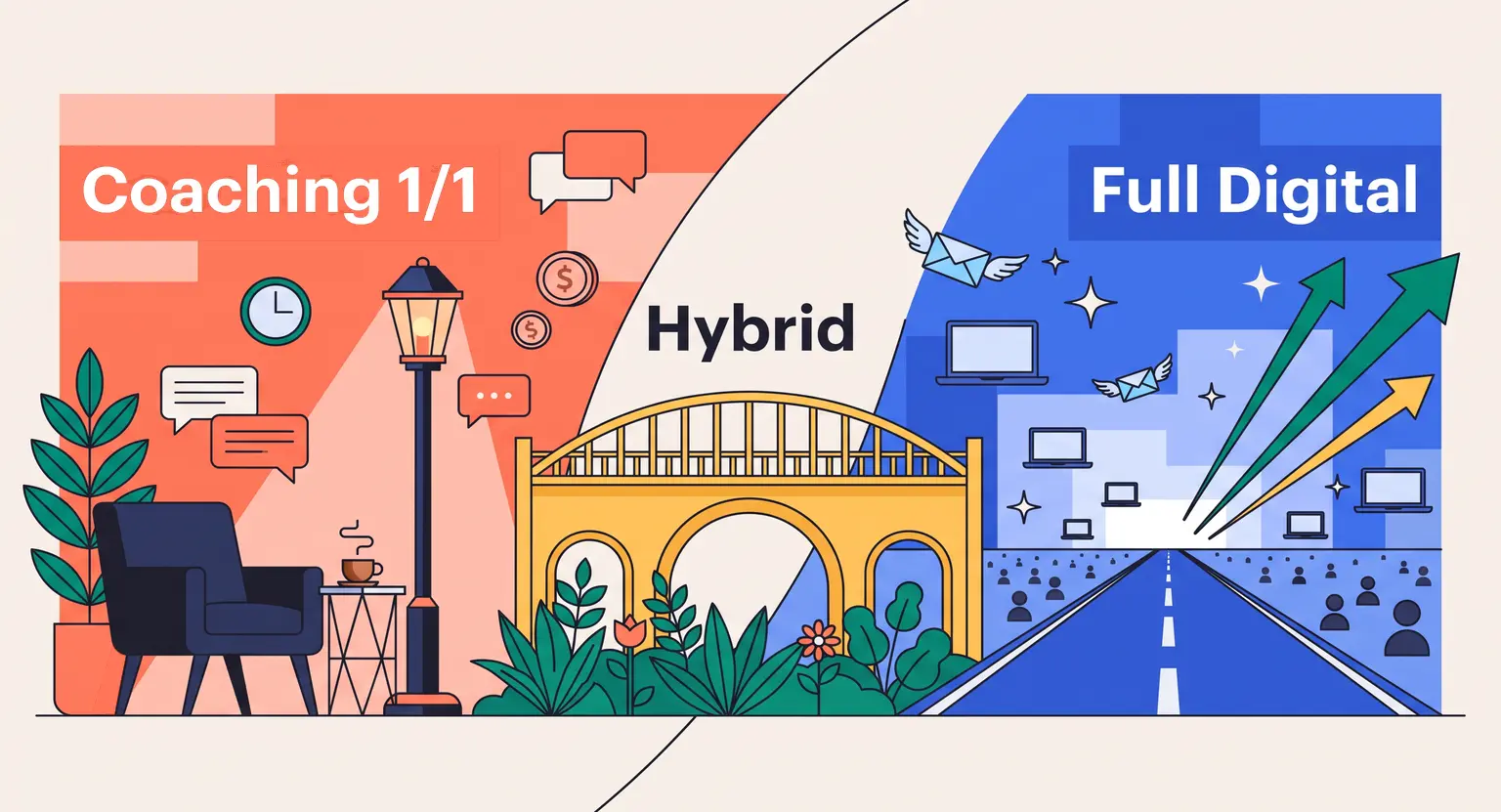
The Golden Path : Leveraging Hybrid Delivery
So, which path should you walk down? Actually, you don't have to choose only one.
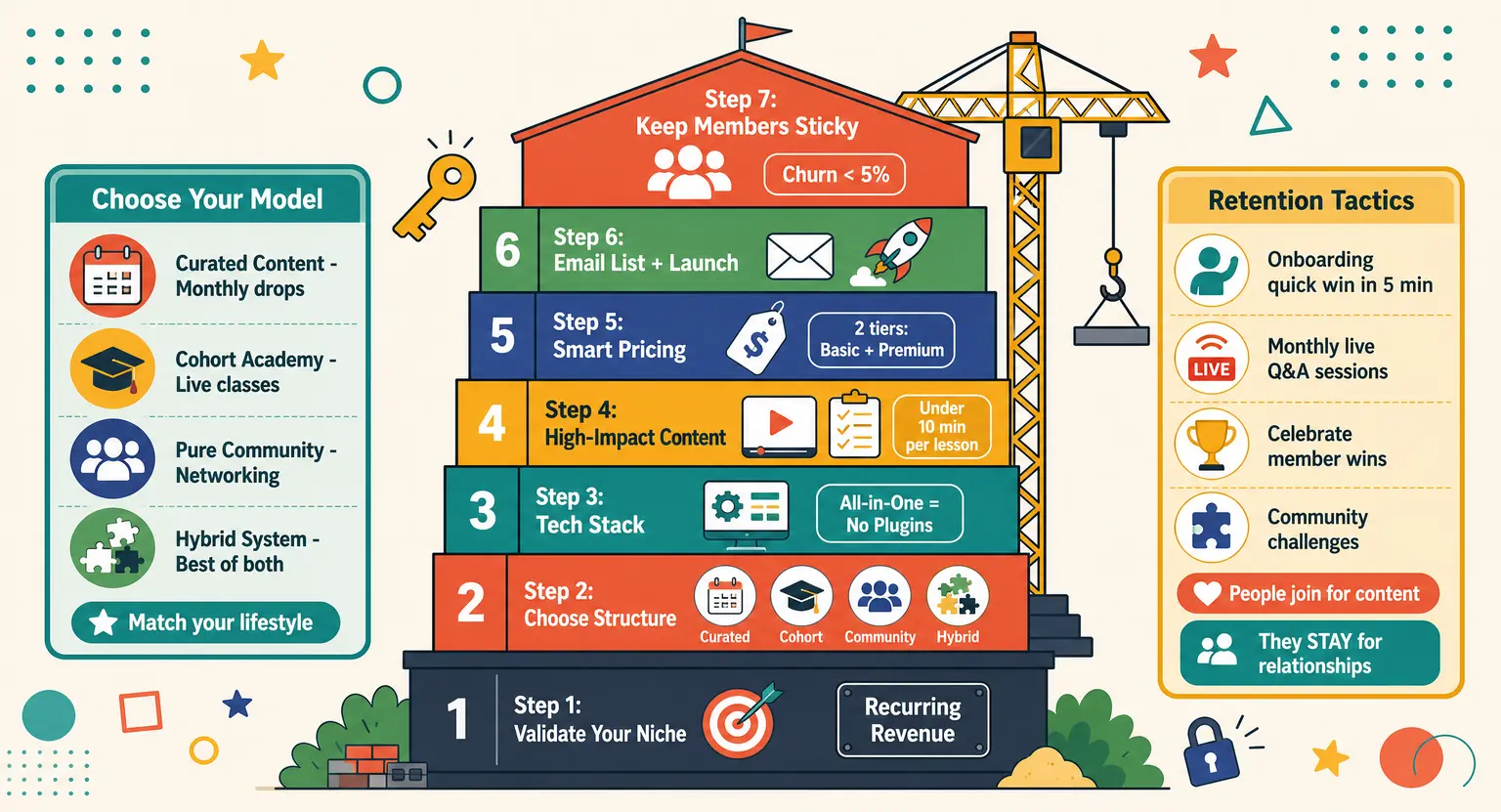
The smartest creators do not treat these as opposing choices - they treat them as stages of the exact same business lifecycle.
Let's look at how they connect.
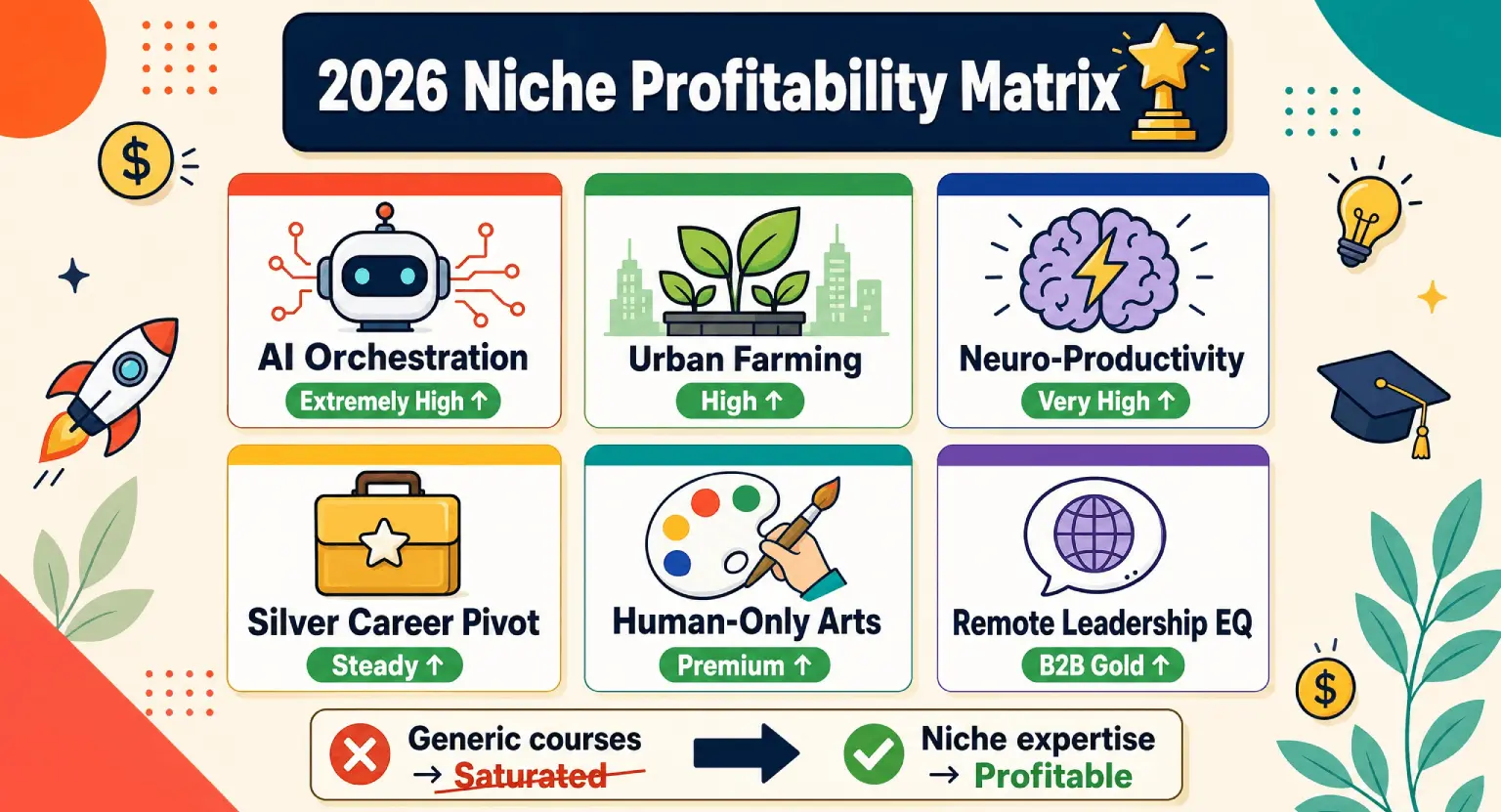
If you are fresh to the market, your first priority is validation - you do not know if your program idea will actually fly.
So, you take on three private clients,
You work with them intimately,
You note down their questions, and you watch where they trip up.
Once you find the universal patterns, you package those solutions into structured modules. And that is how you build a course that actually works.
You take that core knowledge, use the best platform to sell online courses, and invite the masses... But you can still offer a premium upgrade for VIP mentorship.
This hybrid model gives you the best of both worlds. You secure high profit margins from private consulting while maintaining the relaxed lifestyle of scalable programs. It keeps your brand grounded in the real, daily struggles of your community while giving you space to grow.
Explore Highly Detailed Guides :
-
Learn how to master marketing with our blueprint on how to market an online course.
-
Step-by-step masterclass : Learn exactly how to launch an online course.
-
Engagement secrets : Read our guide on how to create engaging course content.
-
Browse more structural breakdowns on our official blog page.
Frequently Asked Questions
Is it easier to start coaching or selling courses?
Starting with private coaching is dramatically faster when you are beginning your digital business journey.
You do not need to invest weeks in recording high definition video lessons, designing automated sales funnels, or writing complex launch emails.
All you truly need is a simple way to collect payments and a calendar invite. This minimal structural requirement allows you to start generating real revenue, testing your market viability, and building deep audience relationships immediately before committing resources to any pre-recorded digital course program.
How do I transition from individual work to leverage?
The most successful transition strategy lies in capturing your repeated client advice and packaging it cleanly.
As you notice yourself saying the exact same points to multiple coaching clients, write down those topics as separate learning modules.
Create video lessons explaining these foundational ideas so new clients can study them at home.
This shift instantly frees up your live hours, allowing you to run groups or webinars rather than repeated private sessions, unlocking scalability without losing high-touch impact all in the process.
What software platforms are needed for digital training?
To manage a digitized educational business smoothly, seek software that acts as an integrated command center.
You need an environment that hosts high-quality videos, delivers automated student onboarding sequences, hosts secure shopping baskets, and tracks user progress - choosing fragmented tools often leads to deep technical fatigue and constant integration breakdowns.
Relying on a consolidated system ensures your students enjoy a frictionless learning experience while you focus solely on creating beautiful lessons instead of dealing with annoying software glitches on a daily basis.
Should I offer private mentorship as an upgrade?
Yes, this is an incredibly powerful monetization tactic that skyrockets your average order value. Many students love the convenience of self-paced digital chapters but are willing to invest a high premium to have you personally evaluate their specific projects.
By offering individual calls as a high-tier checkout option, you build an efficient dual stream system. You gain passive profits from the masses who buy standard modules while maintaining high-ticket margins from serious clients.
It is the absolute smartest strategy for growing your tutoring brand.


 How to Sell an Online Course Through a Sales Call (2026 Guide)
 How to Build an Online Course Business for Acquisition (2026 Guide)
 How to Create an Instructor Revenue-Sharing Model (2026)
 How to Build a Waitlist for an Online Course (2026 Guide)
 How to Build a Customer Education Program With Online Courses (2026)