







How to Build an Online Community in 2026: The Ultimate Guide
How to Build an Online Community
Quick Blueprint Highlights :
-
Start small with an exclusive invite-only founding group to establish a warm tone before expanding.
-
Choose all-in-one digital business tools like LearnyBox to seamlessly combine your chats, forums, and courses.
-
Create themed engagement days to remove the pressure of initiating conversations from your busy members.
-
Maintain a safe workspace by setting clear, friendly guidelines and enforcing them with soft alerts.
-
Choose sustainable monetization by exploring recurring revenue business models to fund your daily hosting energy.
Let us be completely honest about the state of the internet today. Mainstream social networks have become incredibly loud, chaotic, and exhausting.
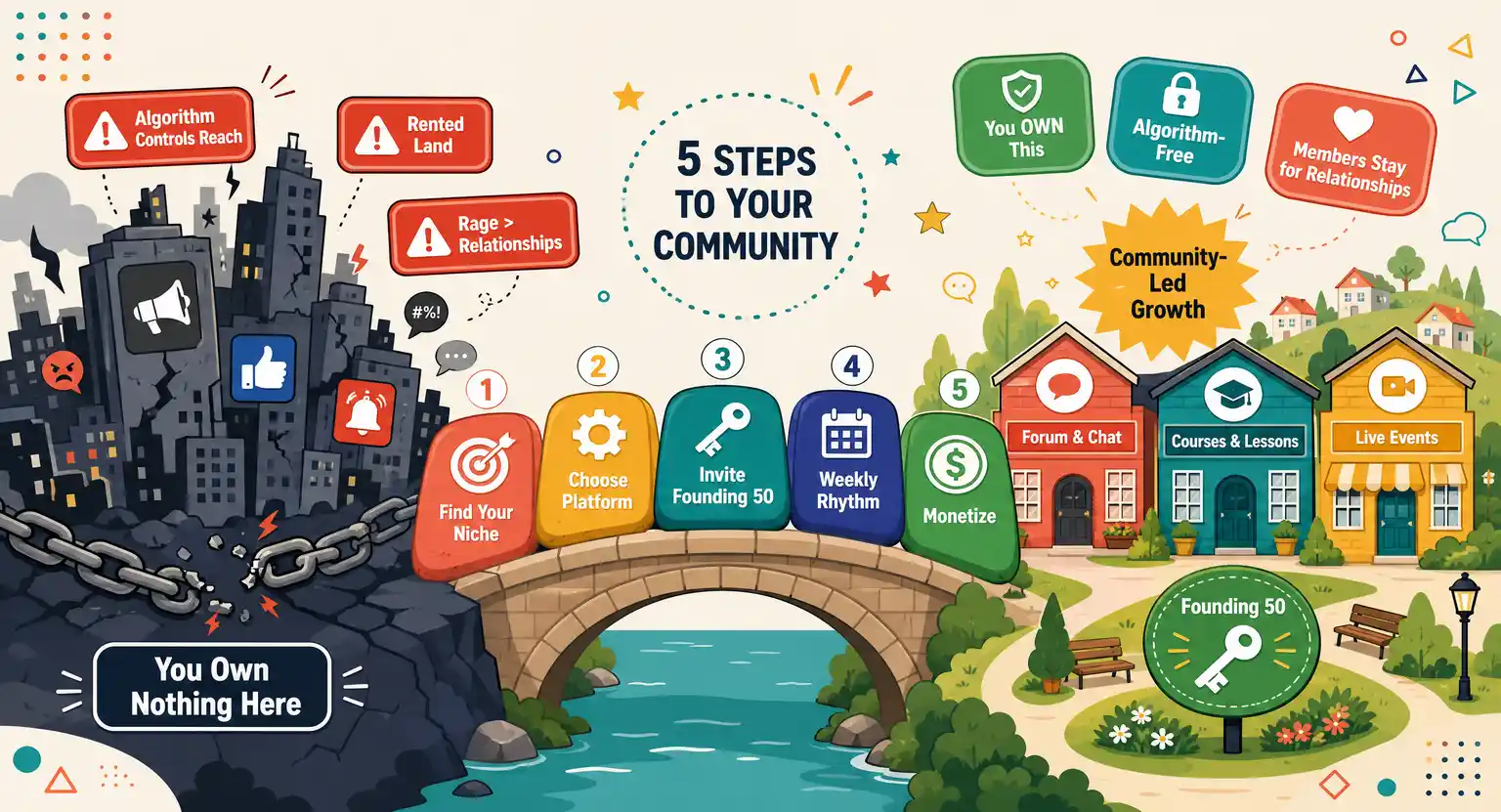
If you have tried having a conversation in a standard comment section lately, you know it feels like chatting inside a crowded subway - Everyone is shouting, algorithms are pushing rage over relationships, and real connection is incredibly hard to find.
But here is the exciting part : this chaos has created a massive opportunity for smart creators. People are desperate for cozy, private spaces where they can share insights, ask vulnerable questions, and meet peers who actually share their passions.
This is why community-led growth has become the ultimate business strategy for 2026. If you want to establish a loyal network of fans, clients, or students, building a dedicated digital neighborhood is the most powerful move you can make.
So, how do you transition from a completely empty forum to a self-sustaining hub of activity?
It is not about throwing together a free group chat and begging your friends to post. Instead, it requires a clear roadmap, the right digital infrastructure, and a deep understanding of psychology.
Whether you want to launch a small cohort or a massive movement, this expert guide is your hands-on blueprint. Let us jump in and look at what actually works.
Finding Your Niche : Establish a Razor-Sharp Purpose
First of all, you cannot build a home if you do not know who is moving in - The biggest mistake creators make is trying to build a space that appeals to everyone.
A community designated for "all graphic designers" will almost always fail to gain traction, while a community built specifically for "freelance book cover designers using 3D modeling tools" will thrive instantly.
So, start with radical specificity. Ask yourself :
What is the shared goal uniting these individuals?
What is the specific monster they are trying to fight together?
Is it mastering a new software, escaping industry isolation, or learning how to grow organic vegetables in a tiny city apartment?
When your group's focus is razor-sharp, joining becomes an absolute no-brainer for your ideal customer. They read your landing page and think, "Finally, these are my people."
That feeling of instant alignment is what turns casual visitors into active participants.
Remember, a successful community is not measured by sheer volume, but by how deeply the members care about the same topic. Focus on finding a handful of passionate people first, and let that energy organic grow.
This tight focus also protects you from immediate burnout. When everyone in the group has the exact same goal, they naturally start helping each other.
You no longer act as the sole source of answers because your peers will share advice. That is the magic moment when a broadcast channel officially transforms into a true community.
The Infrastructure Battle : Where Will Your Community Live?
Once your purpose is crystal clear, you need to decide where this digital meeting house will live.
In the past, creators relied on basic plugins or free social forums - but those setups are highly distracting and expose your members to constant ads and endless notification feeds from other groups.
You want a premium, private headquarters where your members can post updates, message each other, and access valuable learning files effortlessly.
Integration is the absolute secret to high engagement. If a user has to log into one app to watch a course and then open a different app to talk about it, they will quickly lose interest.
That is why choosing an integrated hub is a total game-changer. By using top online course hosting systems, you can create workspaces where video lessons and community forums live side-by-side.
Members can finish a module and immediately jump into a discussion thread to share their progress. It is seamless, professional, and dramatically boosts your retention rates.
And let us talk about ownership. Hosting your group on a popular social media platform means you are building your house on rented land.
If the platform changes its rules or restricts your organic reach, your business can vanish. Managing your space on your own custom domain guarantees you own your member database, your branding, and your pricing structures.
The Seed Phase : Securing Your Founding Members
A completely empty room is a terrifying sight. If a new member logs in, sees zero active threads, and confronts a blank dashboard, they will log out and never come back…
So, how do you beat the cold-start problem?
You do not launch to the general public right away.
Instead, you invite a small, hand-selected group of early adopters - your "Founding Fifty."
Reach out directly to your network, your regular email subscribers, or people who actively comment on your social content. Offer them free or discounted lifetime access in exchange for their honest feedback and early participation.
Give them simple, clear actions to take. Ask them to introduce themselves, share a current project, or upload a photo of their workspace.
When you seed these initial discussions yourself, you set the cultural tone for everyone who joins later. This works beautifully alongside other marketing projects, such as using strategic methods to build an email list, allowing you to warm up leads before welcoming them to the main platform.
During this early phase, you must act as the ultimate host.
Welcome every new member by name, reply to every single post, and actively connect people who have similar goals.
If you notice two members are working on the same challenge, introduce them. These personal, human touches build a strong social foundation that makes early users feel incredibly valued and eager to help the group grow.
Let us look at how different community structures compare :
| Community strategy model | Target demographic | Core engagement trigger | Typical lifespan |
|---|---|---|---|
|
The cohort hub |
Students in intensive classes. |
Live project reviews and peer feedback. |
3 to 8 weeks. |
|
Continuous mastery space |
Industry professionals and hobbyists. |
Weekly themed challenges and expert resources. |
12 to 36 months. |
|
Support & help desk |
Customers of software or products. |
Rapid Q&A threads and official troubleshooting. |
Transactional. |
|
Premium mastermind roundtable |
High-ticket executives or founders. |
Monthly intimate hot seats and peer accountability. |
1 to 5 years. |
|
Brand fan club & advocacy |
Passionate fans and customers. |
Behind-the-scenes content drops and challenges. |
Ongoing. |
The Engagement Loop : Designing Consistent Routines
How do you keep people coming back week after week without exhausting yourself? You cannot be the only person creating content every day.
The golden rule of community management is shifting from a "one-to-many" broadcast to a "many-to-many" conversation.
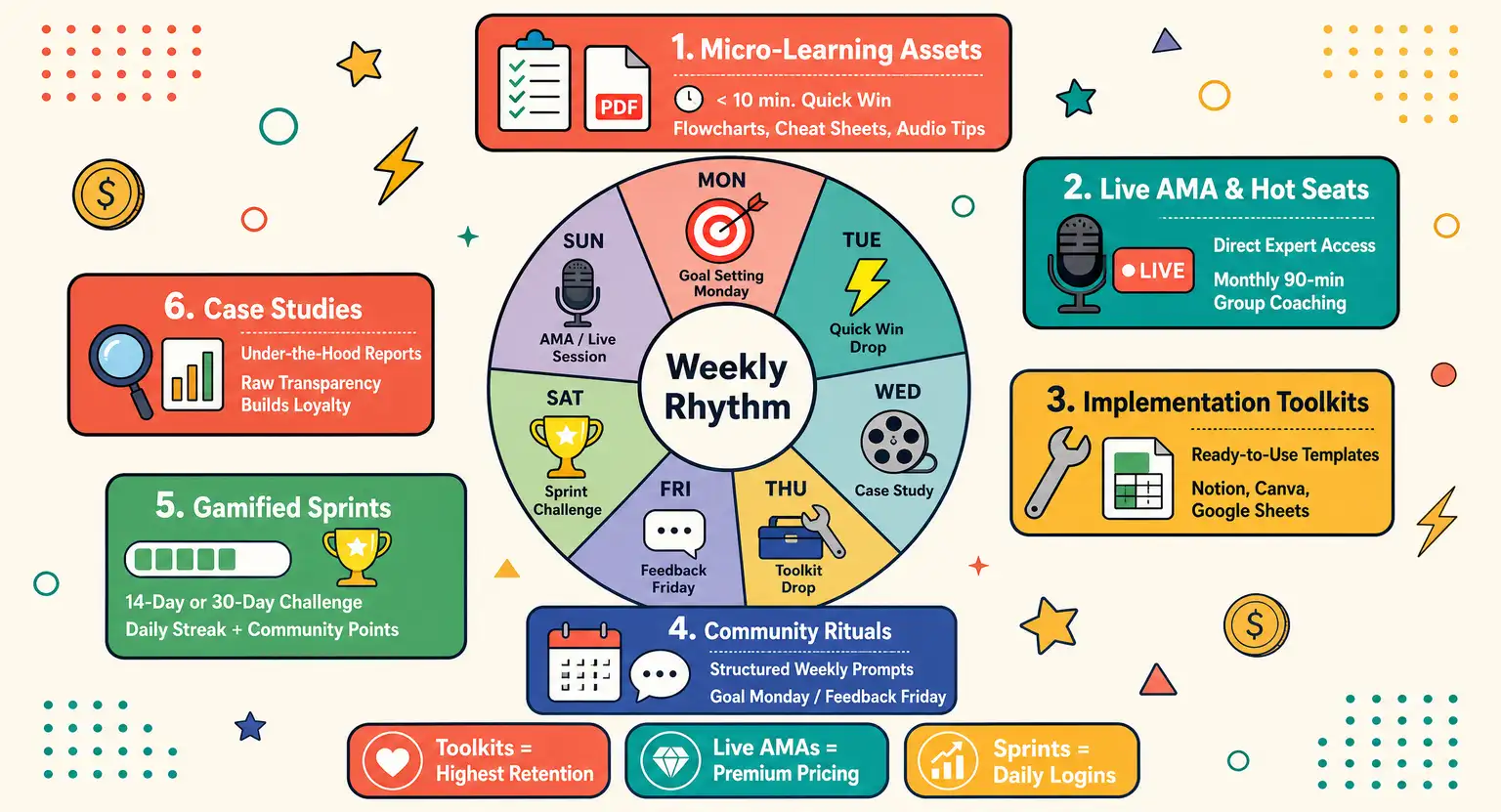
To make this happen, establish a highly predictable weekly rhythm - Humans thrive on routine.
By setting themed days, you make it incredibly easy for members to know when and what to post :
-
Motivation Mondays : encourage everyone to share their main goal for the upcoming week to build team spirit.
-
Work-in-Progress Wednesdays : let members post behind-the-scenes designs, draft articles, or raw software prototypes for feedback.
-
Feedback Fridays : a dedicated day for members to critique each other's work with kindness and constructive insights.
But daily prompts are just the beginning… You also need real-time events to build deep relationships.
Integrating live education, such as learning how to organize a successful webinar, injects enormous energy into your platform : Host regular live Q&As, invite guest speakers, or arrange quiet co-working hours…
When members interact live, they form real human friendships, which makes your platform irreplaceable.
Another killer strategy is launching a monthly member spotlight. Featuring one outstanding member on your main channel makes them feel celebrated, while showing everyone else what an ideal community participant looks like.
It is a simple gesture that generates massive loyalty and encourages others to step up.
Establishing Rules : Safe Spaces and Smart Moderation
A growing group is incredibly rewarding, but it can quickly slide into chaos if you do not establish the rules of the road early.
Healthy debates are welcome, but spam, aggressive self-promotion, and disrespectful comments will destroy your community's vibe in a single afternoon.
Write a short, friendly list of guidelines for onboarding and keep them simple :
-
Always be helpful and deeply kind above all else.
-
Do not pitch your services or paste affiliate links unless asked.
-
Keep shared insights confidential to protect everyone's privacy.
Always politely but firmly enforce these standards.
If a member steps out of line, send a friendly private message pointing them to the guidelines, if they continue, remove them immediately.
Your members will love you for protecting the safety of their digital home - When people know the space is strictly moderated for quality and respect, they will share their real challenges.
Smart Monetization : Fueling Growth Without Fear
Many creators feel dynamic guilt when they start charging for community access, but hosting a lively hub takes hours of your time, emotional energy, and cash for platform fees.
Monetization is not greedy; it is what allows you to show up fully and serve your members with premium resources.
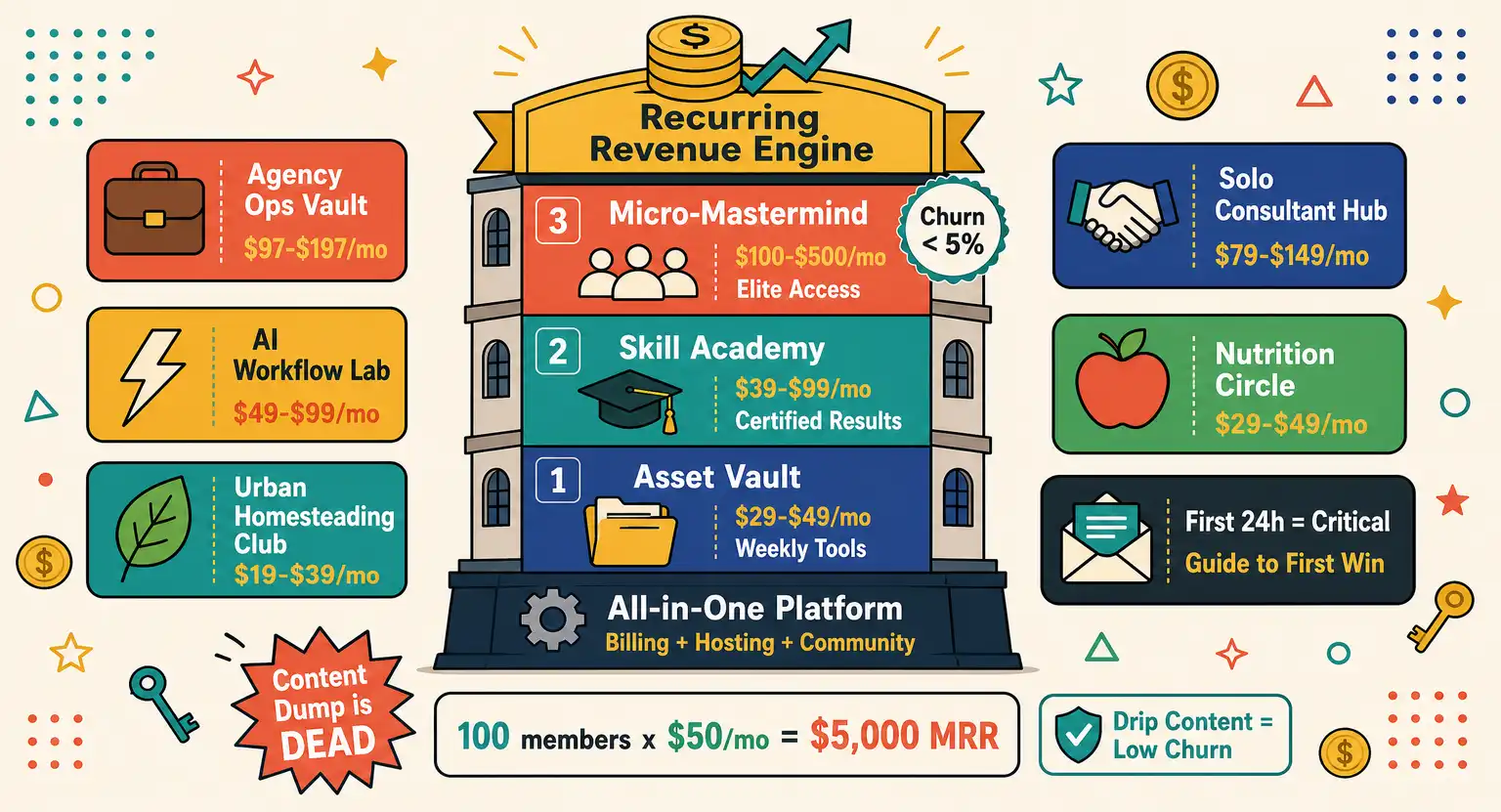
And there are so many ways to design this ! You can charge a recurring subscription, sell course access that includes a community chat, or build an elite premium tier.
If you need inspiration, exploring lucrative membership site structures can help you map out your offers.
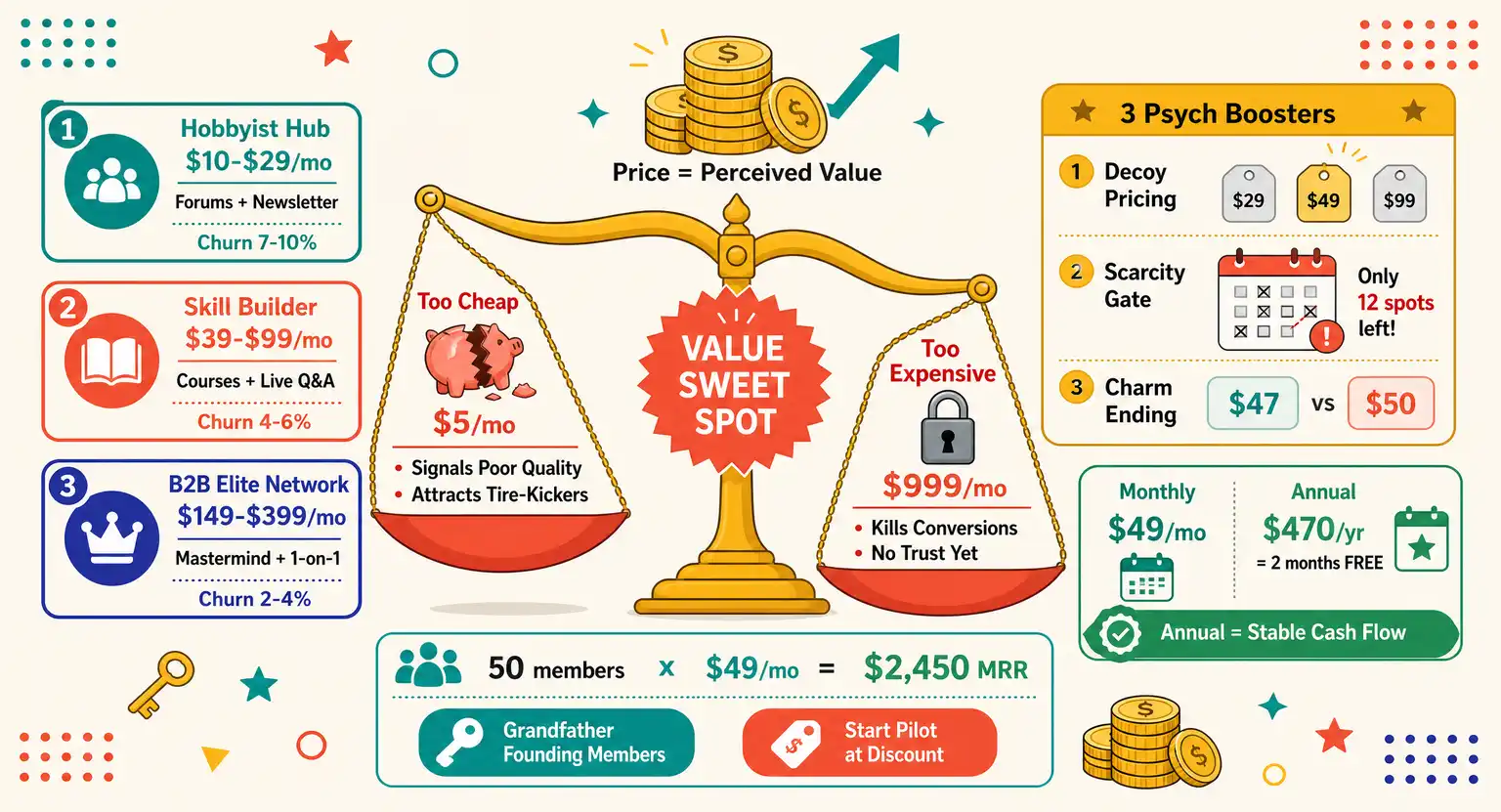
Once you select your format, choose a pricing model for your membership that balances affordability with business sustainability.
If you also plan to launch an online course, your active community is the ultimate place to nurture students. It builds deep trust naturally, which makes high-ticket sales easy.
But do not rush to monetize if your community is still quiet. Focus first on building relational value : when your members realize they get ten times the price of admission, transitioning to a paid system is easy and completely natural.
Explore Further to Grow Your Brand :
-
Discover the perfect pricing strategies for digital courses to maximize your continuous revenue streams.
-
Master the art of launching high-value memberships that keep members subscribed for years.
Frequently Asked Questions About Building Online Communities
How do you start an online community with zero members?
Start by targeting a very specific core challenge. Reach out directly to early adopters in your circles, offer them a founding spot, and seed the earliest conversations yourself to keep your forum highly active.
What is the best platform to host a private community?
The best setup uses an integrated platform that connects forums directly with lessons, payments, and messaging.
This single-dashboard experience prevents technical fatigue and keeps members fully engaged without needing external links.
How do you keep community members engaged over time?
Build a highly predictable weekly routine with themed feedback days, live events, and gamified rewards.
Encouraging members to interact directly with one another reduces your own hosting burden dramatically.
Can you monetize a community without charging a direct monthly fee?
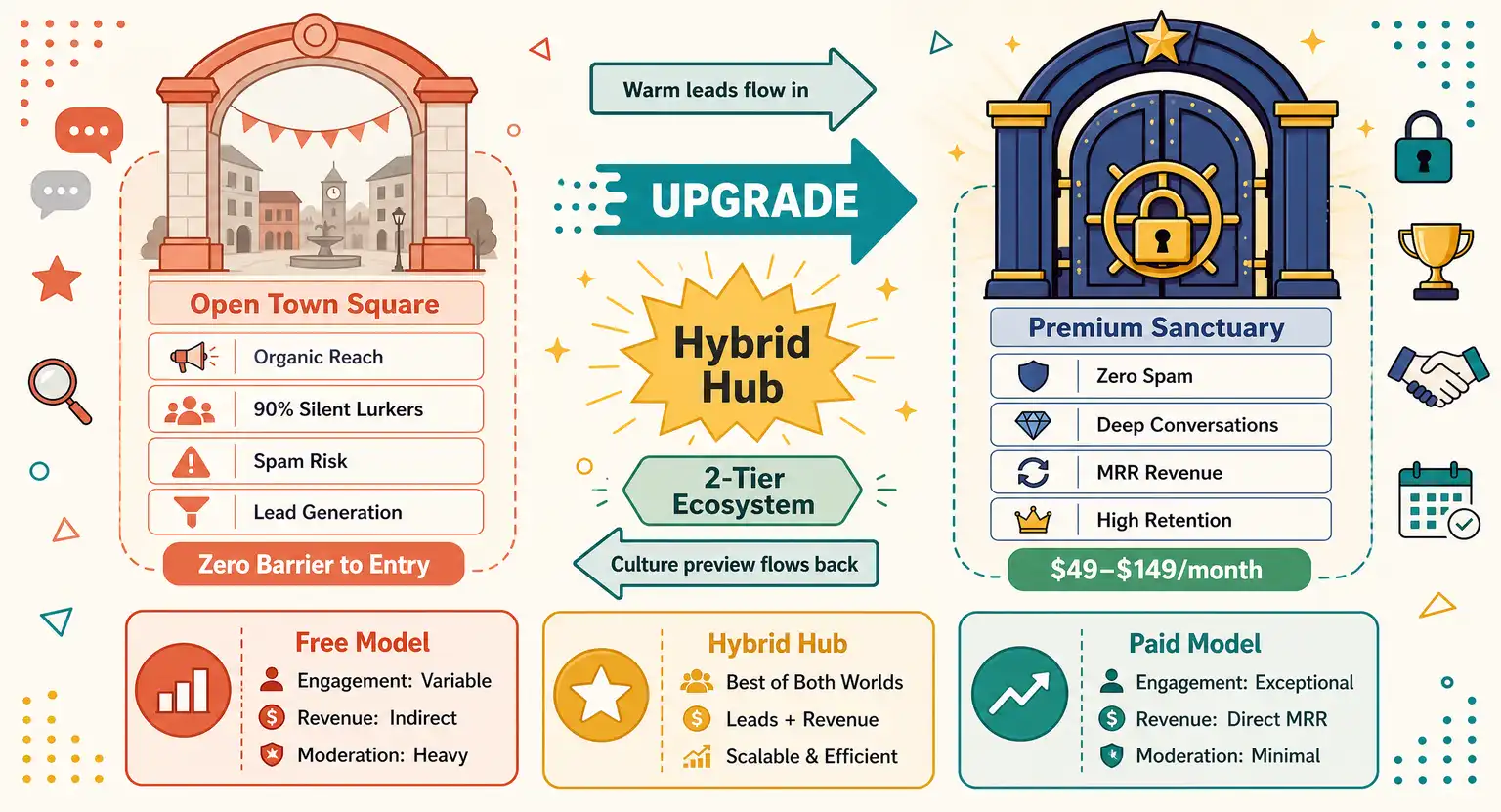
Yes. Keep your core discussions accessible, but charge for premium workshops, private coaching, or digital courses.
Building a digital community is not a quick sprint; it is an ongoing conversation. By stepping away from the noisy algorithms of generic social sites and creating a focused, respectful, and organized space for your niche, you build an incredibly valuable asset.
Always keep showing up, support your founders, use a reliable digital workspace, and connect with purpose. Your future members are waiting for you.



 How to Create a Course Refund Policy (Templates & Best Practices for 2026)
 How to Run a Beta Version of an Online Course (2026 Guide)
 How to Create a Cohort-Based Online Course (2026 Guide)
 How to Sell an Online Course With a Quiz Funnel (2026 Guide)
 How to Sell an Online Course Through a Sales Call (2026 Guide)