








 French
Infopreneur : What is it and Why Become One ?
Infopreneur : Where Does This Word Come From?
The word "infopreneur" is a portmanteau of "information" and "entrepreneur." An infopreneur shares and monetizes their knowledge online - they are, in the most literal sense, an information entrepreneur.
Definition: What Exactly Is an Infopreneur?
An infopreneur is someone who monetizes their knowledge by selling digital information products, 100% online: they create online courses, templates, ebooks, masterclasses, bootcamps, group coaching, paid community subscriptions.
Every digital format is on the table.
Do you have expertise, a genuine passion, or know-how that others would love to acquire?
You already have the raw material. You can package it into an info-product - a digital product sold exclusively online. That's what infopreneurship is about.
And it isn't reserved for marketing specialists: trainers, coaches, freelancers, training organizations, and SMEs can all make it work with the right tools.
In practice, you create relevant content - a specific outcome for a specific audience - in an educational format, and distribute it through landing pages, automated email sequences, sales funnels, webinars, and a members-only area.
Why Become an Infopreneur in 2026?
-
Freedom and flexibility: you set your own schedule, shape your own offers, and work at your own pace.
-
High margins: content produced once can be sold hundreds of times.
-
Authority: publish, teach, mentor - and become the recognized expert in your niche.
-
An asset catalog: each course enriches your library and fuels future sales.
-
Accessible tooling: modern LMS platforms remove the technical barriers - no engineering background required.
Pro tip: Aim for a core "evergreen" offer (sellable year-round) combined with seasonal campaigns (launches, bootcamps). Your MRR grows steadily, and your cash flow becomes more predictable - which matters more than most people realize when running their own business.
The Main Infopreneur Offer Types
1. Online course (asynchronous)
Example: "From Zero to Freelance SEO" - 7 video modules, exercises, quizzes.
Scalable and evergreen: you sell continuously and update based on learner feedback.
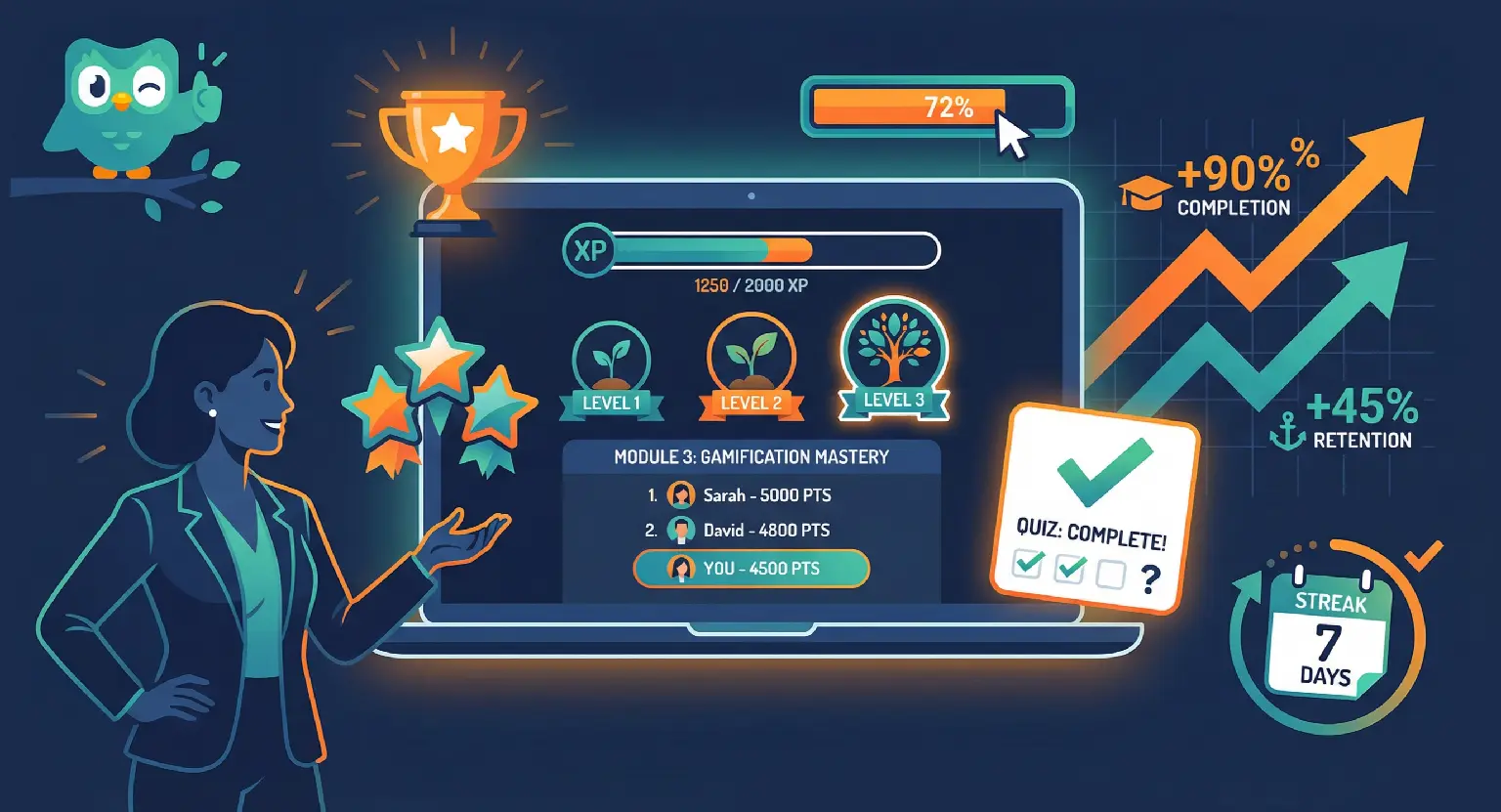
Pro tip: Upload your videos, add quizzes and certificates, and release modules progressively to sustain learner engagement throughout the program.
Before building your online course, get familiar with instructional design - it will make a big difference.
2. Bootcamp (cohort or group)
Example: "Launch Your Newsletter in 21 Days" - live sessions, replays, and assignments. High perceived value, close client relationships, and the highest completion rates of any format.
LearnyBox tip: Manage everything from one place - course creation, registrations, email reminders, live webinar, community. All integrated and straightforward to set up, even for beginners.
3. Membership (subscription + community)
Example: "Trainers' Club" - monthly content, Q&A sessions, and peer support.
The right model for generating recurring revenue and building a genuinely engaged community over time.
4. Live workshop or masterclass
Example: "Mastering ChatGPT for Your Business" (2 hours + workbook).
Perfect for testing a topic, gathering real questions from your audience, and generating revenue before committing to full course production.
5. Lightweight products (ebooks, templates, checklists)
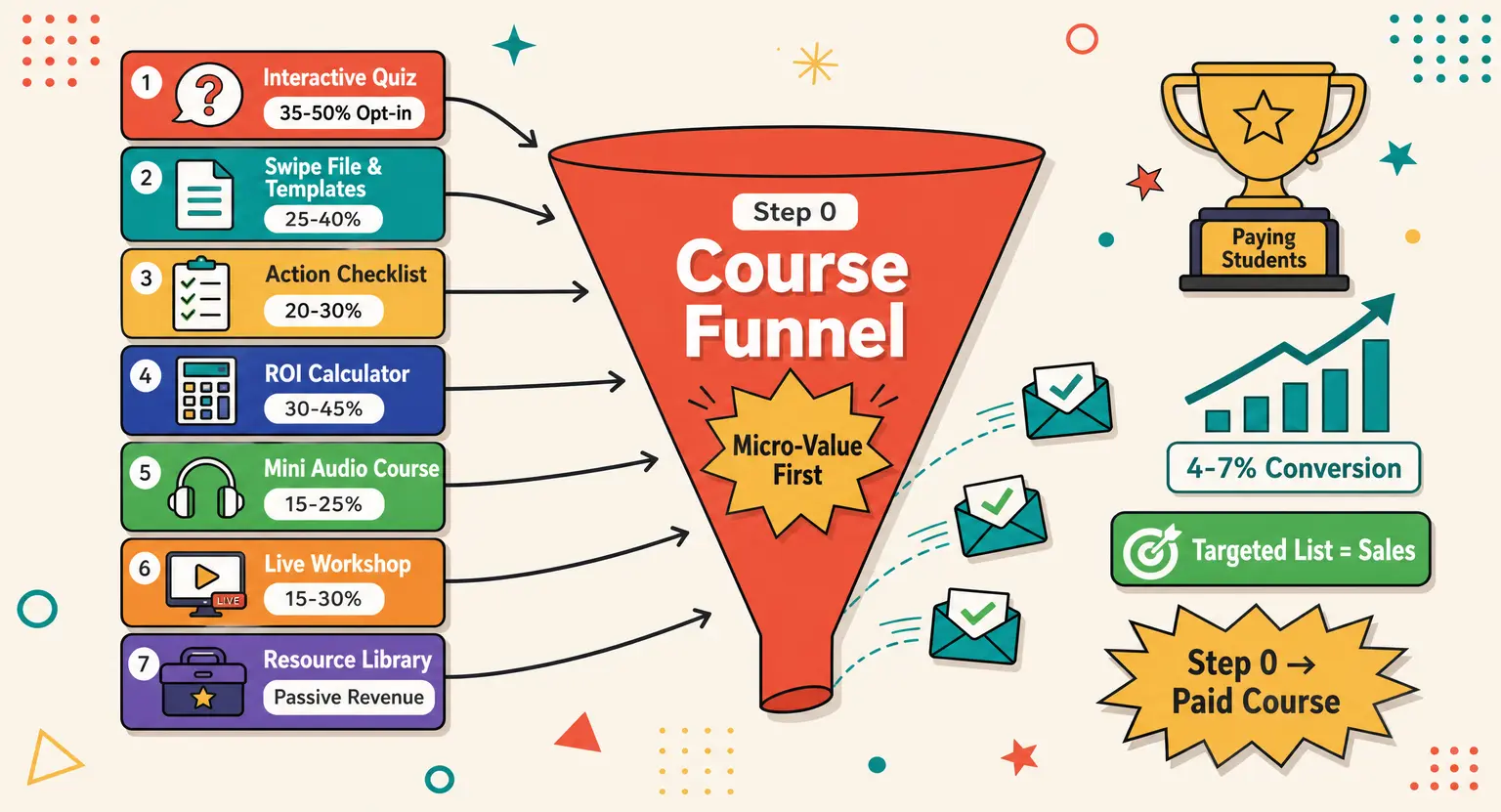
Example: "50 Emails to Convert." These small-ticket offers - often called "Tiny Offers" - are ideal as upsells or cross-sells, and generate revenue with minimal production overhead.
6. Coaching (1:1 or group)
Example: Sales funnel audit + action plan. Coaching generates fast cash flow and gives you direct, unfiltered insight into client pain points - which feeds back into your other offers and sharpens all of them.
Structure your offer ladder: entry-level product (under $100) > main offer ($100-999) > premium offer ($1,000-3,000). Each step should naturally lead to the next, with the customer progressing at their own pace.
Business Model : How Does It Actually Make Money?
Three main revenue drivers:
-
One-time sales - sales page to checkout.
-
Subscriptions - membership or community for predictable MRR.
-
Extensions - upsells and cross-sells: coaching, templates, B2B licenses.
Over time, the work shifts toward improving LTV (total revenue per customer) while reducing CAC (Customer Acquisition Cost) - by refining the user experience, tightening message segmentation, and automating follow-up sequences.
LearnyBox tip: Track your funnel metrics (opt-in rate, open rate, click rate, sales) and automatically follow up on abandoned carts.
Getting Started : The Step-by-Step Method
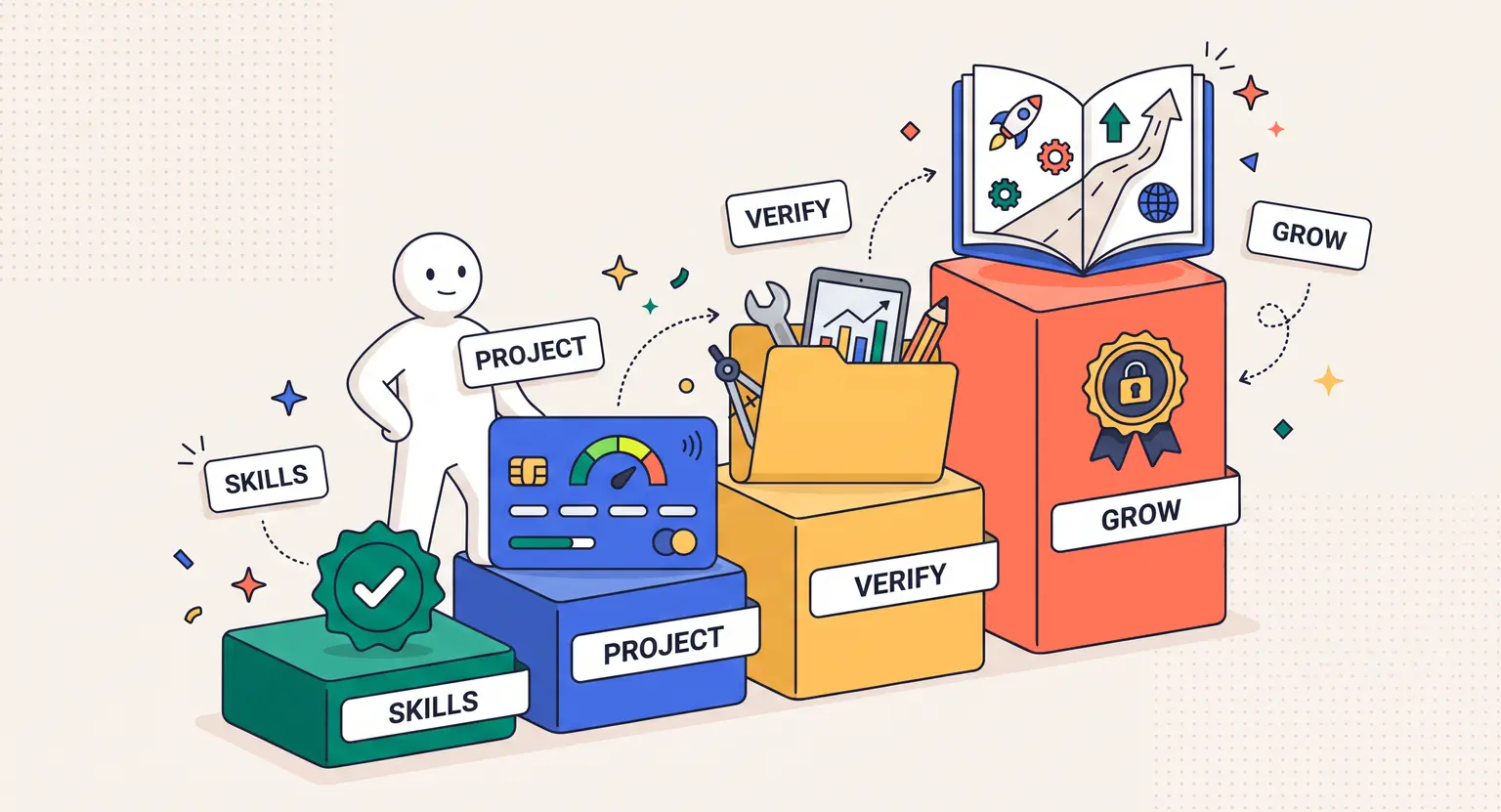
Step 1 - Define your niche and value proposition
A good course starts with a concrete problem. Ask yourself:
-
Who am I going to help?
-
To achieve what specific result?
-
In how much time?
-
Using what method?
Translate your answers into one sentence: "I help [target audience] achieve [outcome] without [obstacle] in [timeframe]."
For example: "I help therapists fill their client schedules without paid advertising in 8 weeks."
Step 2 - Validate before producing
Run 10 interviews, post a survey, or offer a pilot workshop at a discounted rate. Look for purchase signals - actual sign-ups and deposits - not just encouraging comments.
Validation is what separates a course people will pay for from one they'll merely compliment.
Step 3 - Create your MVO (minimum viable offer)
Start with a lightweight format: a 2-hour workshop or a 3-module mini-course that delivers clear initial results. Keep promises tight and specific.
A 6 to 8-step plan is more than enough - resist the urge to build the definitive course before you've made a single sale.
Step 4 - Set up a simple sales funnel
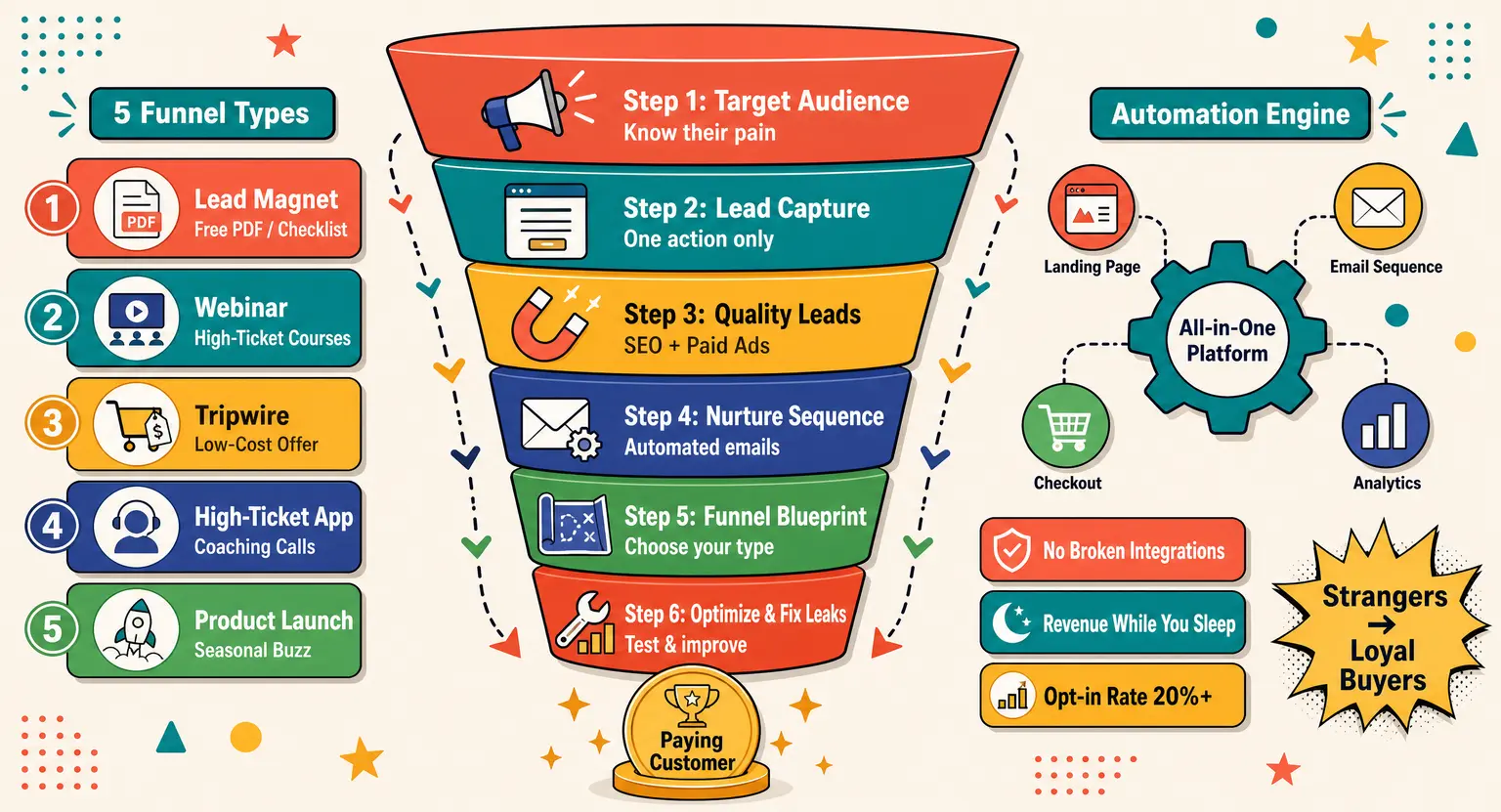
The minimal flow: landing page + lead magnet > email sequence > webinar or masterclass > sales page > checkout > members area.
With LearnyBox: manage everything from one place - landing pages, emails, webinars, payments, product delivery, onboarding. You skip the integration headaches that come from stitching together tools that barely talk to each other.
Step 5 - Produce cleanly without a studio
Script thoroughly before you hit record. A smartphone with a lapel mic and natural light is genuinely enough to start.
Add chapter breaks, a quiz or two, and a support section for questions - this gives you a steady stream of content improvements to make.
Production value matters far less than content clarity at this stage.
Step 6 - Launch without overthinking it
Build a waiting list with an early-bird offer, then run your launch event - a webinar works well - with a time-limited special offer to create genuine urgency.
After the event, release the replay with segmented follow-up emails. The more closely your message matches the specific behavior of each subscriber, the better it converts.
Step 7 - Test and optimize continuously
Continuous optimization is what separates a one-time launch from a real business. Read the numbers, collect feedback, and improve one element at a time - headline, promise, social proof, guarantee, CTA - so you can measure the actual impact of each change.
Hypothesis > A/B test > measurement > decision > standardization.
Tools: Why an All-in-One Platform Changes Everything
Hosting content, managing leads, processing payments, sending emails - it becomes genuinely unmanageable when each function lives in a different tool that barely integrates with the others.
With LearnyBox, everything is in one place:
-
Sales funnels - landing pages, sales pages, thank-you pages, checkout
-
Email sequences and automations - workflows, tags, lead scoring
-
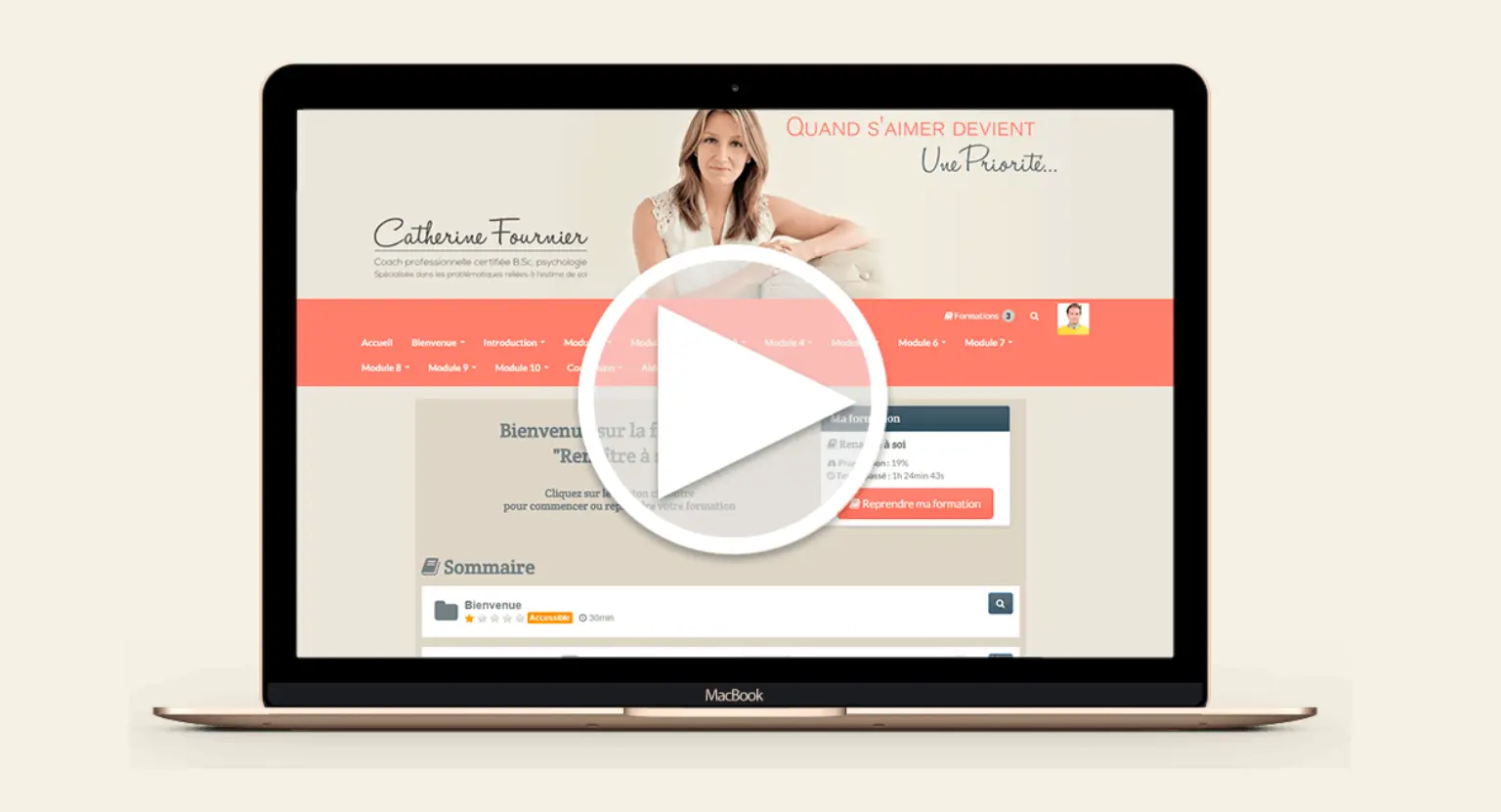
LMS - video and content hosting, chapters, progressive release, quizzes, assessments, certificates
-
Webinars - registration, reminders, live sessions, replays
-
Secure payments - one-time, installments, subscriptions; credit card, PayPal, Apple Pay, Google Pay
-
Affiliate marketing - tracking links and commission management
-
CRM and analytics - contacts, behavior tracking, conversion data
-
Mobile app - LearnyBox for your learners, LearnyCopilot for your own tracking
Acquisition: How to Find Your First Customers
A strong offer without an acquisition strategy goes nowhere. Here are your main channels - pick the ones that fit your situation, then test, iterate, and optimize.
Organic channels: SEO, YouTube, LinkedIn, podcasts.
+ No upfront cost.
- Results take time to compound.
Paid channels: Google Ads, Meta Ads, YouTube Ads.
+ Immediate results and precise targeting.
- Can be expensive depending on niche and competition.
Partnerships: cross-promoted live streams, content bundles, guest posts, podcast interviews.
+ Leverage an established partner's audience.
- Finding the right partners takes time when you're just starting out.
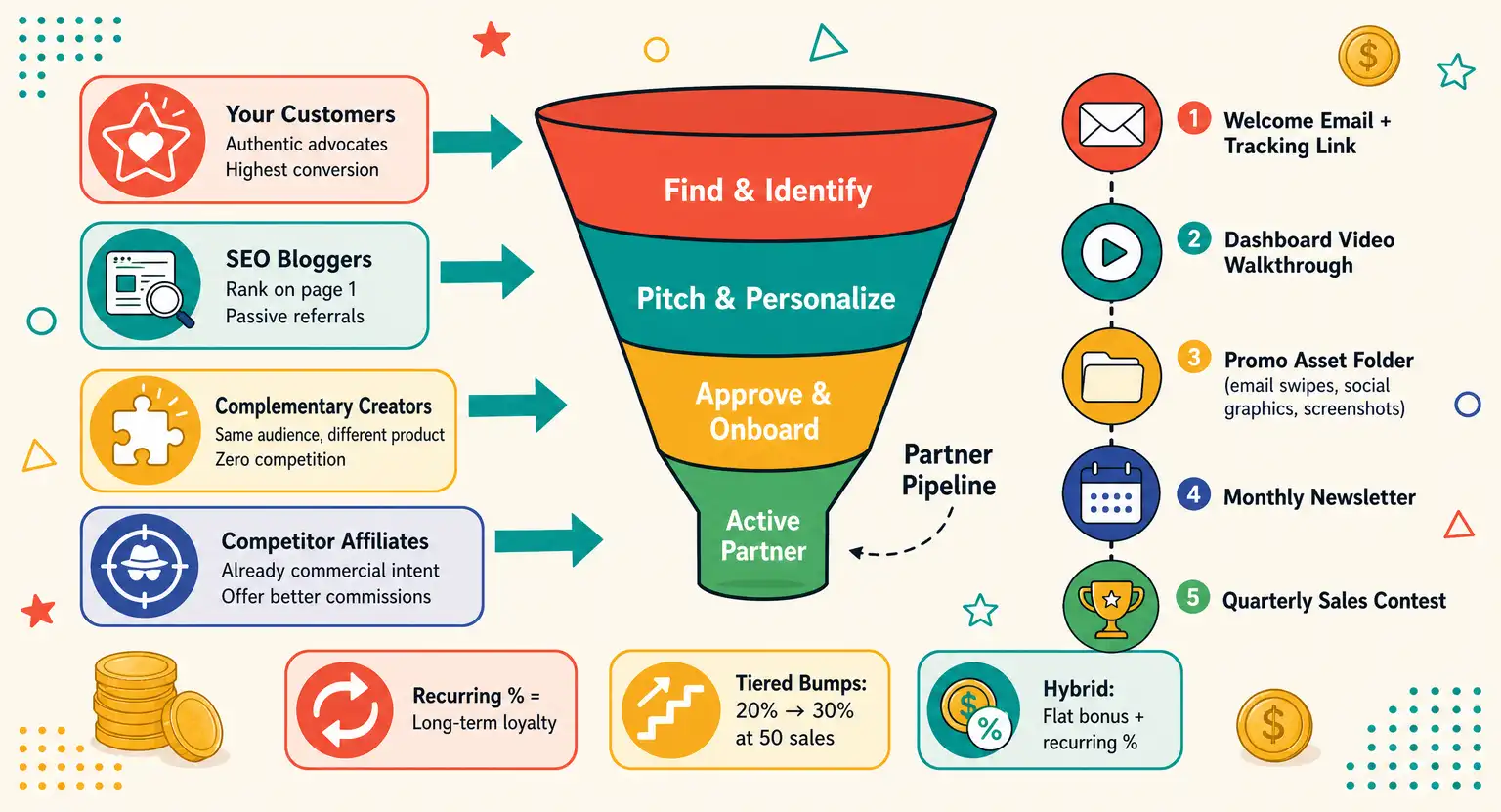
Affiliate marketing: 10 well-chosen niche partners can account for 20-40% of a launch's revenue.
+ You delegate a portion of direct prospecting to your affiliates.
- Setup and tracking depend heavily on the platform you use.
Sales Funnel: The Journey That Converts
The sales funnel is the guided path that moves a prospect from first contact to paying customer.
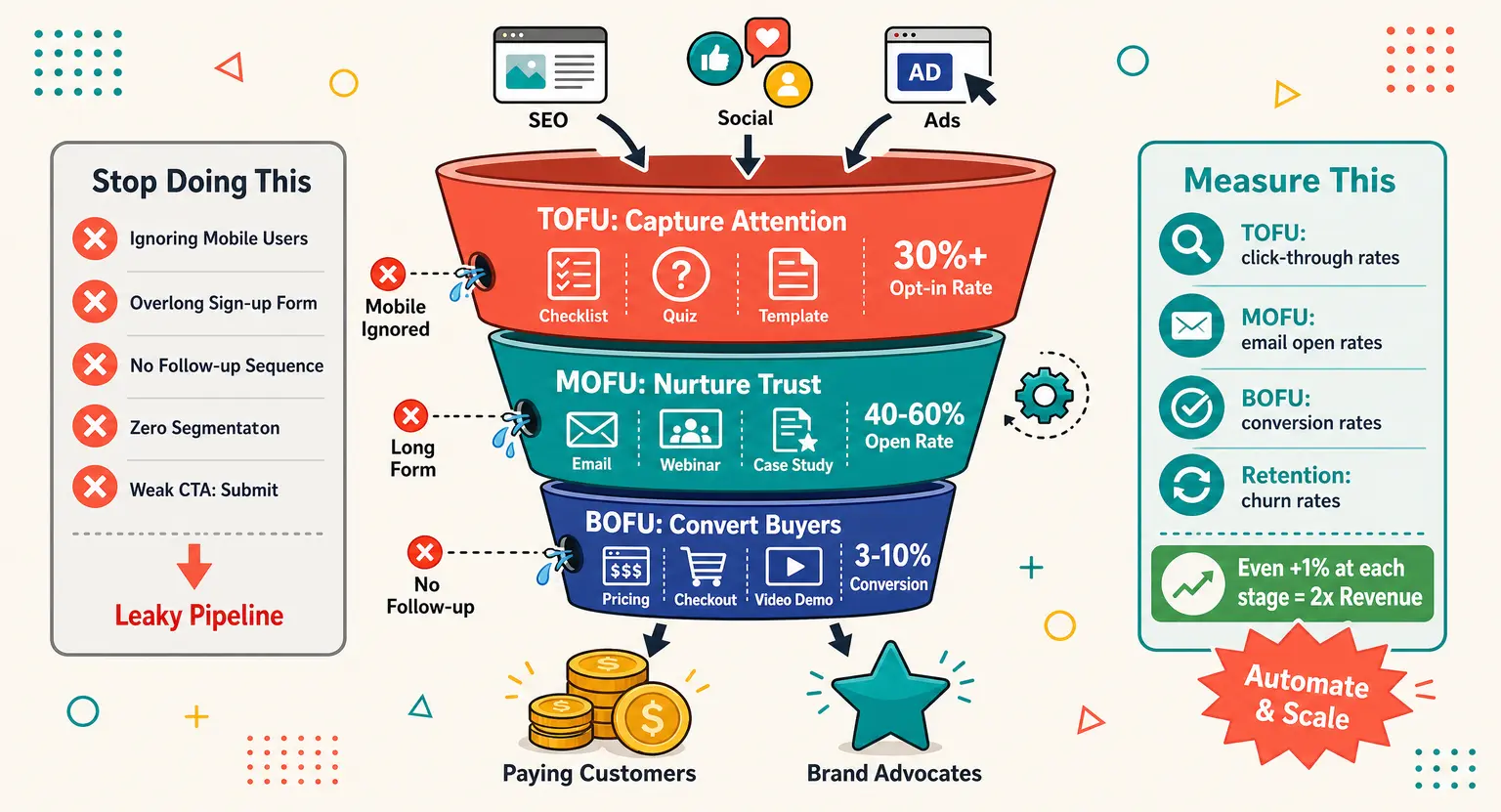
A clean, effective structure : content > capture page > email sequence > webinar > sales page > checkout > onboarding > upsell.
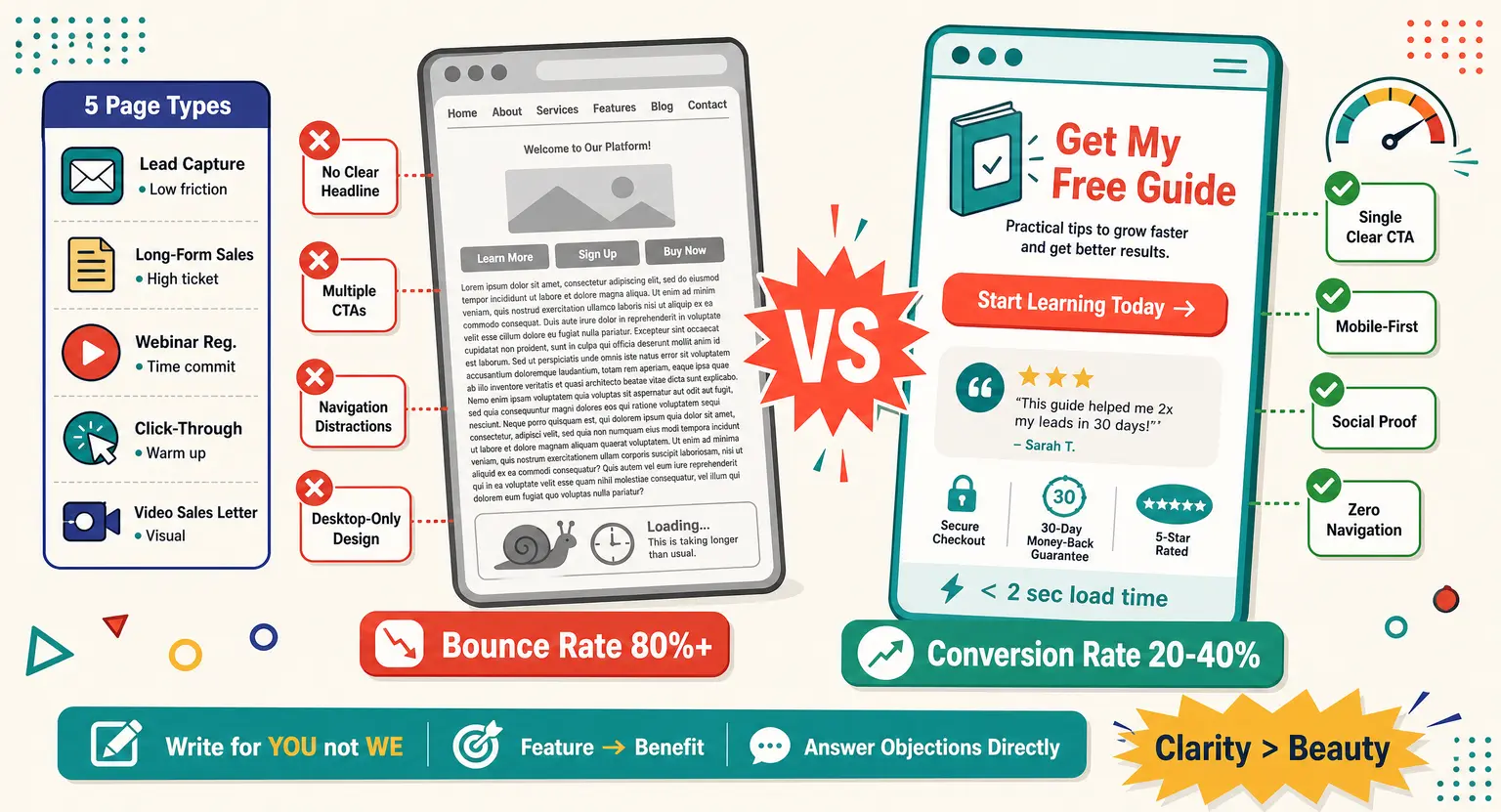
What makes the difference: a tangible promise (outcome + timeline + obstacle overcome), real social proof (testimonials, before/after examples), a clear guarantee, and multiple payment options (installments, PayPal, Apple Pay).
And don't underestimate the post-purchase experience. A warm, structured onboarding - something as simple as "Here's exactly how to get started in 3 steps" - significantly improves completion rates and the quality of future testimonials.
Setting Your Price, Guarantees, and Offer Structure
Combine three complementary approaches:
-
Value: how much is the outcome worth to your customer?
-
Benchmark: where do comparable offers sit in your niche?
-
Offer tiers: entry-level / main offer / premium, with increasing bonuses and support at each level.
A winning package: core course + relevant bonus (templates, audits, community access) + live support (Q&A sessions) + clear guarantee + payment in installments.
Consider offering free access to Module 1 and a deferred payment option. Both reduce perceived risk and consistently improve conversion without affecting your positioning.
Social Proof and Community
Share customer results and tell real transformation stories. Frame your testimonials consistently: context > problem > solution > outcome. Add screenshots of meaningful metrics (x% growth, x hours saved) or memorable community comments.
Tip: Collect reviews through automated post-purchase forms. Highlight badges and certificates to build credibility, and keep your community engaged with regular live events.
Legal Aspects (Overview)
Note: This section is for informational purposes only - not legal advice. Research the rules that apply in your country and consult a professional if needed.
-
Legal structure: sole trader, limited company, or the equivalent in your country.
-
Legal pages: legal notices, Terms of Service, privacy policy, GDPR compliance.
-
Copyright: check licenses for images, music, and third-party templates before using them.
-
VAT and invoicing: rules vary significantly by country and client type.
Measure and Optimize: Your Essential KPIs
-
Traffic: sessions, unique visitors, time on page, pages per session.
-
Capture rate: opt-in rate - aim for 35-55% on capture pages.
-
Email: open rate (aim for 30-45%), click-through rate (aim for 3-8%).
-
Sales: sales page conversion rate (2-6%), average cart value, MRR.
-
Retention: churn (aim for under 6% on subscriptions), course completion rate.
-
Satisfaction: NPS, reviews, documented learner outcomes.
Improvement cycle: hypothesis > A/B test > measurement > decision > standardization.
Common Mistakes (and Quick Fixes)
-
Building a "mega-course" without validation: start with the MVO. Sell first, then build.
-
Assuming "if I publish it, they'll come": plan your acquisition strategy before launch, not after.
-
A vague promise: keep rewriting until the outcome and timeframe are crystal-clear and measurable.
-
No social proof on the page: add testimonials, result screenshots, and concrete figures before your first launch.
-
Too many tools: consolidate with an all-in-one LMS that handles everything in one place.
Two Real-World Scenarios With Numbers
Case A - Wellness Coach (main offer: $297)
-
Audience: 3,000 subscribers.
-
Lead magnet: 40% opt-in > 1,200 leads.
-
Webinar: 30% registration > 360 registered, ~108 attendees.
-
Live conversion: ~5% of attendees > 5 sales.
-
Post-webinar sequence: 1.5% of leads > 18 sales.
-
Course revenue: 23 × $297 = $6,831.
-
$49 template upsell at 30% of buyers > $1,127.
Total launch: $7,958
Case B - B2B Consultant ($1,900 bootcamp)
-
Email list: 1,500 contacts.
-
Webinar registrations: 25% > 375.
-
Attendance rate: 35% > 131 attendees.
-
Live conversion: 6% > 8 sales.
-
Follow-up sequence: +2 sales.
Total launch: $19,000
Note: payment in 3 installments consistently improves conversion without devaluing the offer.
30-60-90 Day Action Plan
Days 1-30: Foundations
-
Define your niche and write your value proposition.
-
Choose your MVO format: 2-hour workshop or 3-module mini-course.
-
Build the basic funnel: landing page + email sequence + sales page.
-
Produce your first piece of content.
Days 31-60: Launch
-
Host a launch webinar.
-
Promote on LinkedIn and via email; publish 2 pillar articles.
-
Offer an early-bird rate with a time-limited bonus.
-
Collect testimonials and address objections in your follow-up sequence.
Days 61-90: Evergreen and Scale
-
Switch to an evergreen setup (replays + automated sequences).
-
Add upsells (templates) and cross-sells (coaching).
-
Launch an affiliate program.
-
Optimize key elements: headlines, social proof, CTAs.
Ready to get started?
✨ Try LearnyBox free - no credit card required, no commitment ✨
FAQ : Infopreneurship
What is an infopreneur?
An entrepreneur who creates and sells digital information products online - online courses, ebooks, workshops, memberships, and coaching.
The model is scalable : content produced once can be sold hundreds of times without proportional effort.
How do you start in infopreneurship without an audience?
Start with a low-cost live workshop to validate your topic, create a useful lead magnet to begin building a list, publish consistently on LinkedIn, and reach out to 2-3 micro-niche partners for cross-promotion.
An audience follows proof of value - not the other way around.
How much can you earn as an infopreneur?
Income ranges from a few hundred to tens of thousands of euros per month, depending on niche, offer design, traffic, and conversion rates.
The two scenarios above show realistic launch numbers: around $8,000 for a wellness coach and $19,000 for a B2B consultant, both with moderate-sized lists.
Which platform should I choose for my infopreneur business?
An all-in-one solution like LearnyBox that centralizes landing pages, email sequences, payments, the members area, webinars, and affiliate tracking under one roof.
The alternative - stitching together 5-7 specialized tools - creates integration headaches that consume the time you should be spending on your content.
Do you have to show your face to succeed as an infopreneur?
No - but it accelerates trust-building. If you prefer to stay off-camera, voice-over slideshows, screen recordings, and well-structured demos are entirely effective.
What matters most is the clarity of your teaching and the quality of the results you help people achieve.
How do I set the right price for my offer?
Combine value-based pricing (what is the outcome worth to your client?), benchmarking (what do comparable offers cost?), and a tiered offer structure (entry-level / main offer / premium).
Always include a clear guarantee and offer installment payments to improve conversion without discounting.


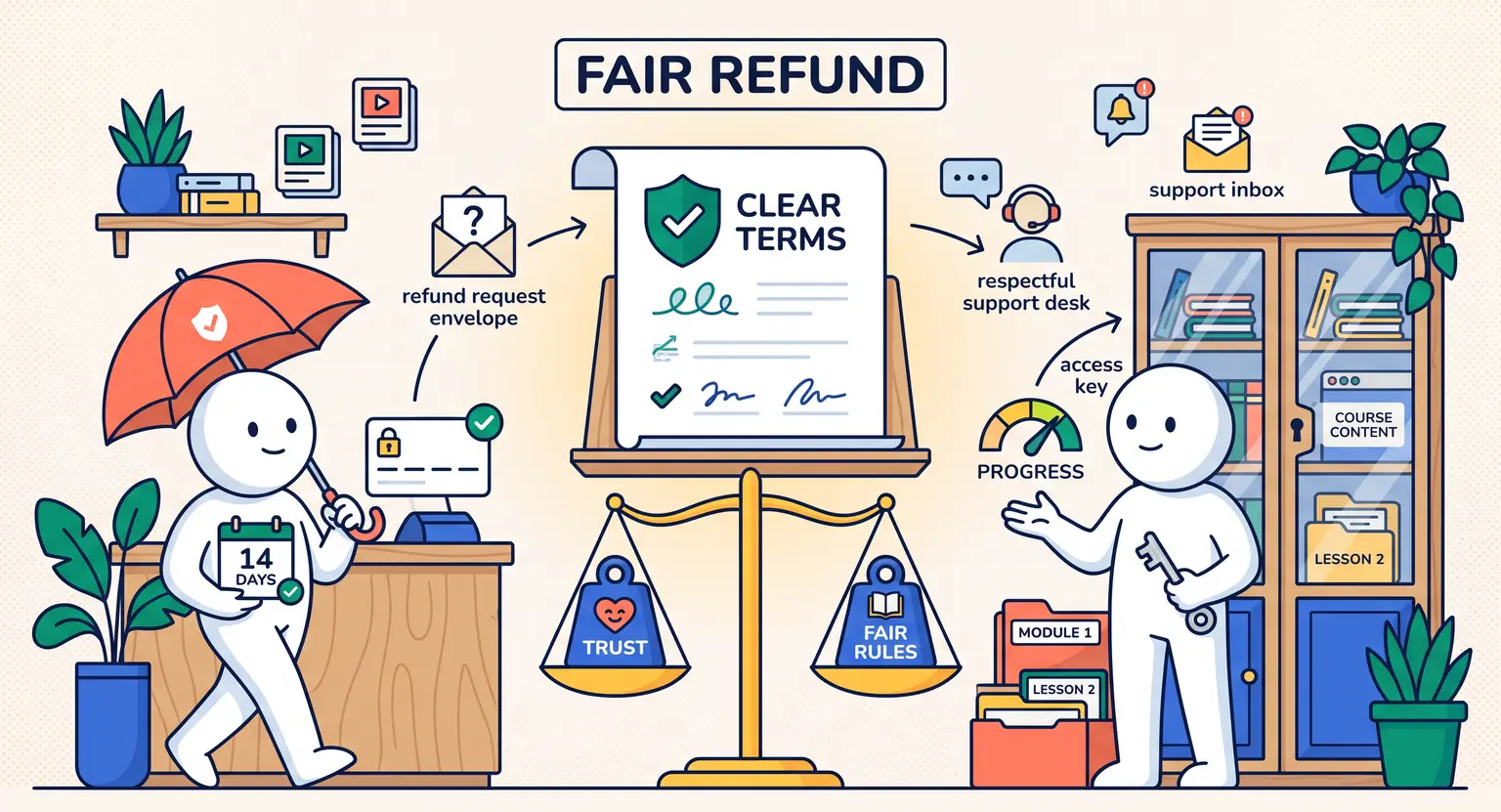 How to Create a Course Refund Policy (Templates & Best Practices for 2026)
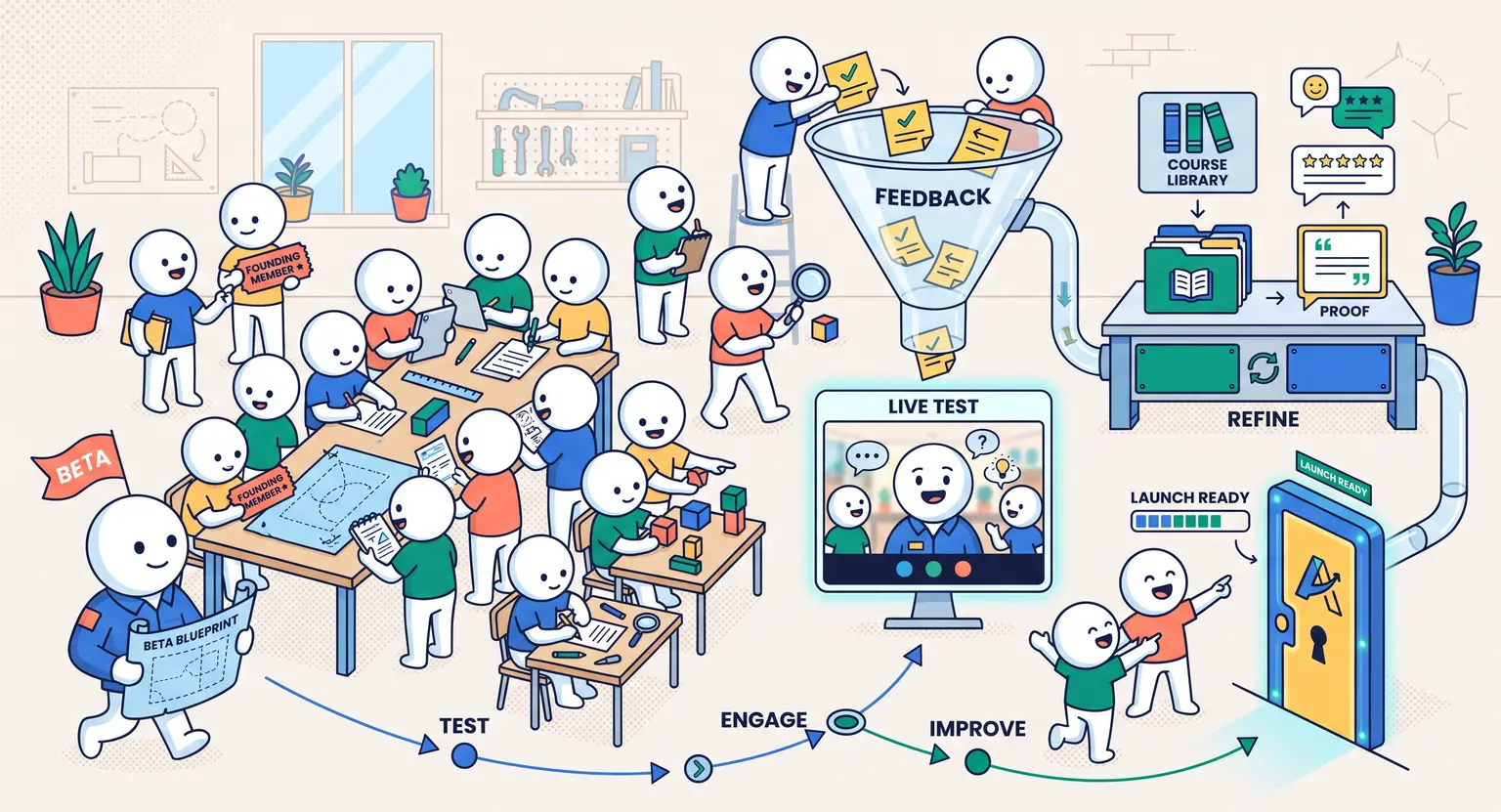 How to Run a Beta Version of an Online Course (2026 Guide)
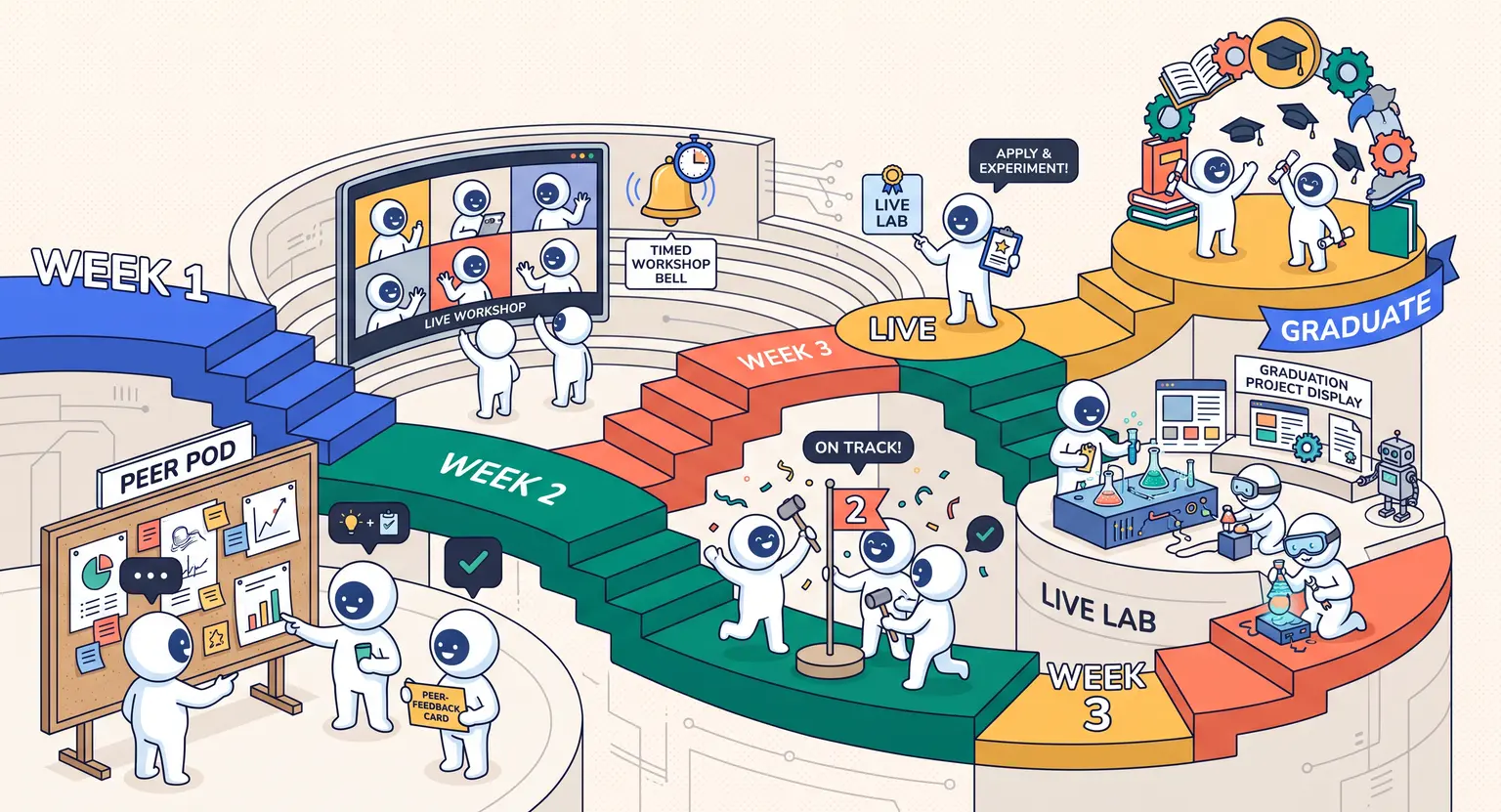 How to Create a Cohort-Based Online Course (2026 Guide)
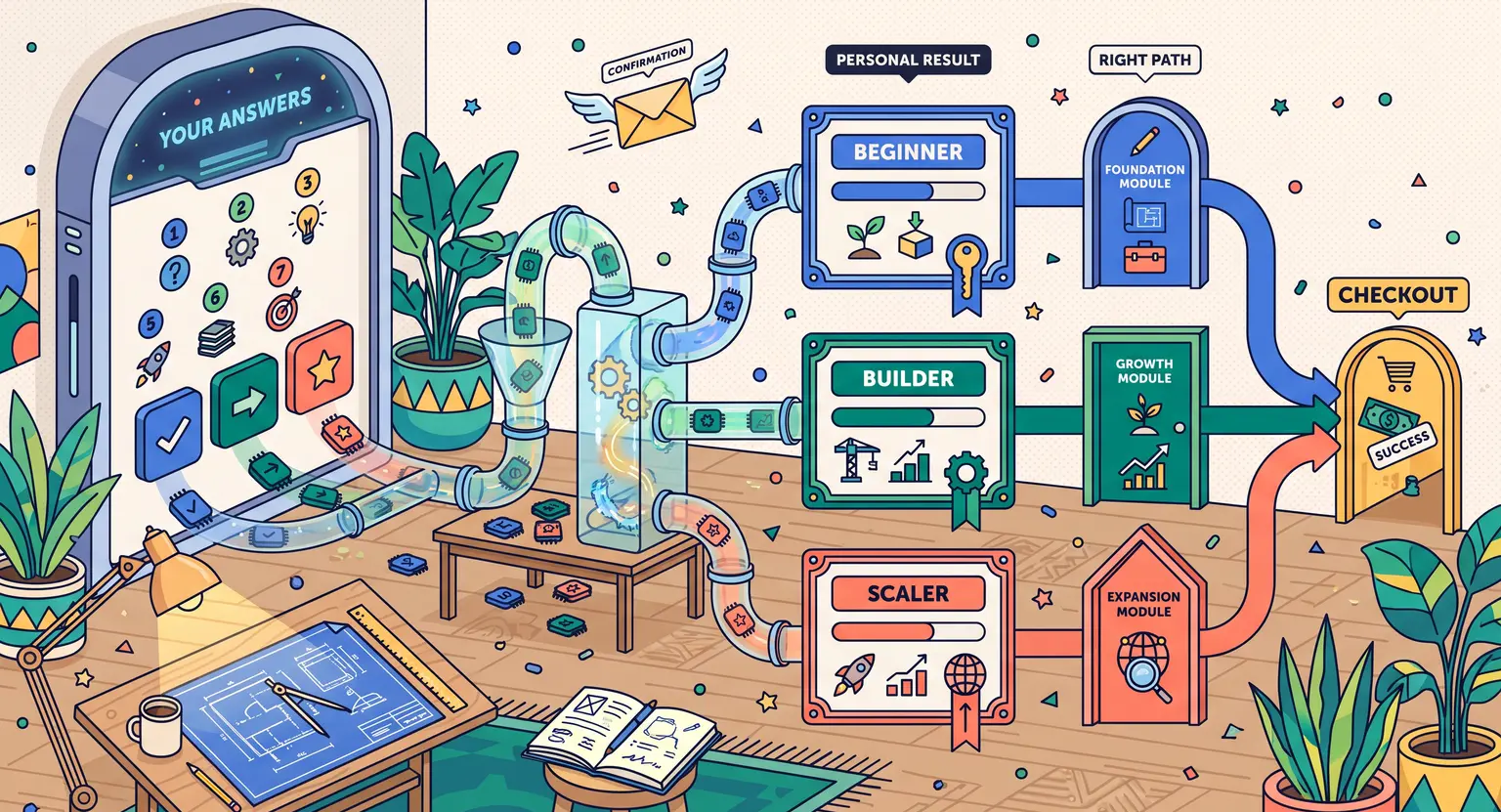 How to Sell an Online Course With a Quiz Funnel (2026 Guide)
 How to Sell an Online Course Through a Sales Call (2026 Guide)