







Newsletter Ideas for Creators: The Ultimate Strategy Guide
Newsletter Ideas for Creators
Social media algorithms are increasingly volatile, and organic visibility feels like a roll of the dice… But your newsletter is a direct connection to the people who care about your work.
When you build a private channel, you own the relationship instead of renting it and that is crucial.
Let's look at some creative email ideas to make your community look forward to seeing your name in their inbox.
Key Takeaways :
-
Owning your audience relationship shielding you from sudden algorithm changes is critical. For instance, knowing how to build an email list serves as your launchpad.
-
Focusing on high-value, specific education positions you as an expert resource. Creators can deliver these value-packed guides by using the best email marketing for online courses to scale trust.
-
Interactive content, like micro-challenges and direct surveys, turns passive readers into active community members.
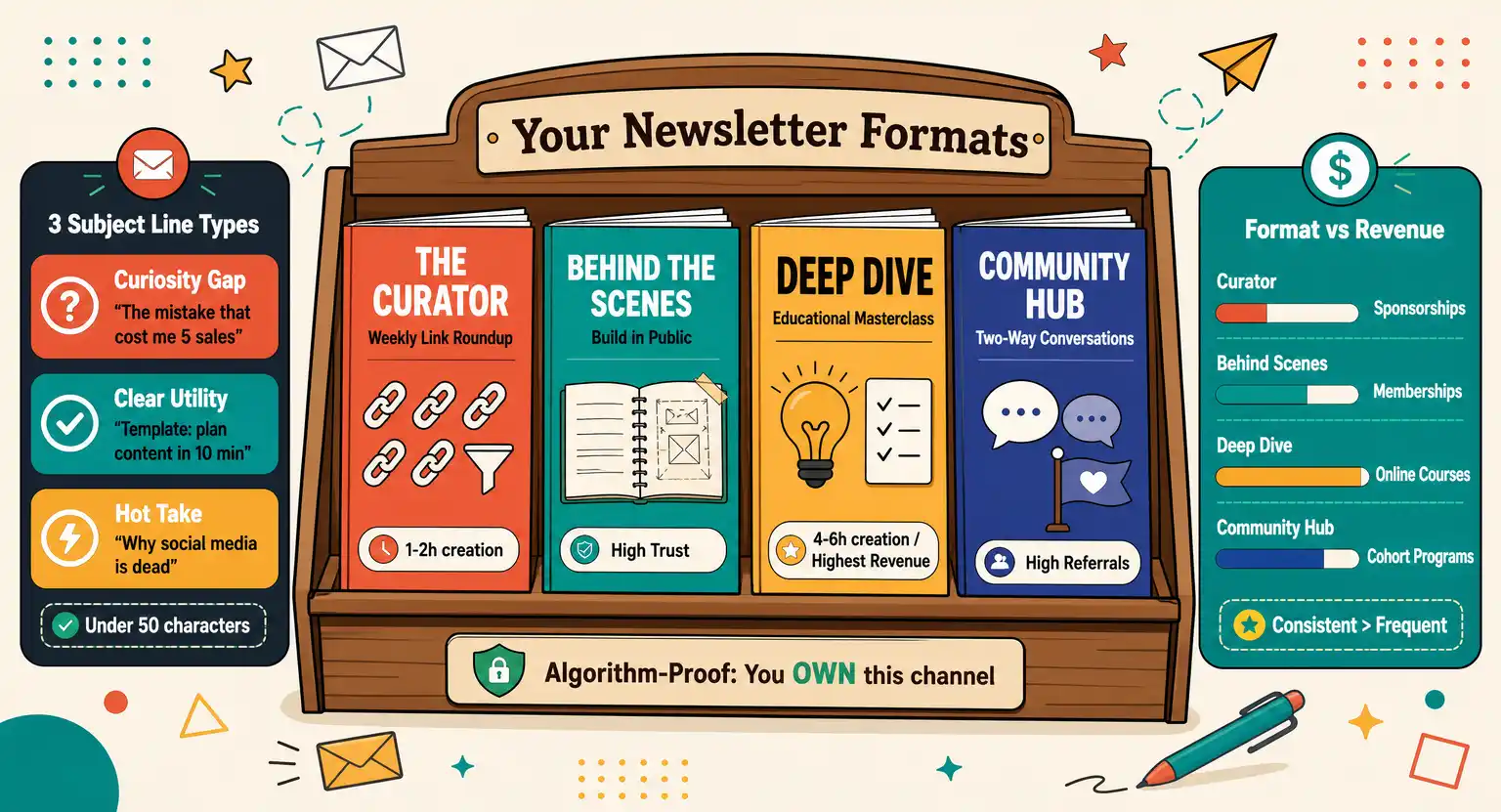
1. The Curator's Sandbox : Filter the Noise
We are flooded with online content every second of the day. So, your value as a creator often comes from what you decide to filter out.
A curated roundup is the perfect baseline strategy if you are short on time. It does not require you to write long-form original pieces from scratch every week.
Instead, you act as a trusted filter, pulling the most interesting links, resources, and news. Your readers pay you with their attention because you save them precious hours.
But do not just dump a list of links without context.
Add a single-sentence takeaway under each recommendation explaining why it deserves their attention.
-
The Weekend Link-Log : share five industry articles that shifted your perspective this week. Keep your descriptions punchy and completely personal.
-
Tools of the Trade : highlight a single software, physical tool, or setup addition. Explain the immediate time-saving benefit of this selection.
-
The Micro-Review : unpack a single outstanding podcast episode or video. Give your readers the gold nuggets so they don't have to listen to the whole hour.
2. Behind-the-Scenes Access : Build in Public
People do not buy what you do; they buy why you do it and how you do it. Giving your subscribers a raw, unfiltered view of your operational setup creates massive loyalty.
So, do not be afraid to talk about your ongoing messy projects. Share your drafts, your failed attempts, and the lessons you pulled from those roadblocks.
If you want to grow an email list, vulnerability acts like a magnet. Subscribers will flock to a real human voice over a polished corporate brand every time.
-
The Failure Journal : share a mistake you made this past week and how you corrected it. It shows your audience that mastery is a messy, continuous process.
-
My Income Report : publish your revenue streams, tools expenses, and savings goals. Transparency builds incredible trust among aspiring creative operators.
-
The Rough Sketch : show early mockups of your next digital product, course curriculum, or video outline. Invite immediate feedback from your email community.
3. The Interactive Community Hub : Two-Way Conversations
Too many newsletters feel like a one-way megaphone, but the best creators treat their emails like a cozy digital living room.
You want your readers to hit that "reply" button and share their own thoughts. When they interact directly with your sender address, your deliverability metrics jump significantly.
If you want to understand email marketing for course creators, engagement is your true north metric - And you can spark this active communication with deliberate prompts and community spotlights.
-
The Hot Seat Q&A : ask your list to reply with their biggest roadblock. Then, answer one or two of those queries directly in the next issue.
-
Subscriber Spotlight : feature a project or win from one of your newsletter members. This simple shout-out builds immense community pride and encourages active peer support.
-
The Weekly Micro-Challenge : propose a tiny, five-minute task for your audience to complete. Have them reply with their results to hold them accountable.
4. The Educational Deep Dive : High-Value Analysis
If you prefer a highly educational style, this format is your bread and butter. You take a highly complex topic and break it down into simple, actionable steps.
But remember to avoid writing dry, academic textbook definitions. Use direct analogies, personal stories, and custom screenshots to keep the reading experience light.
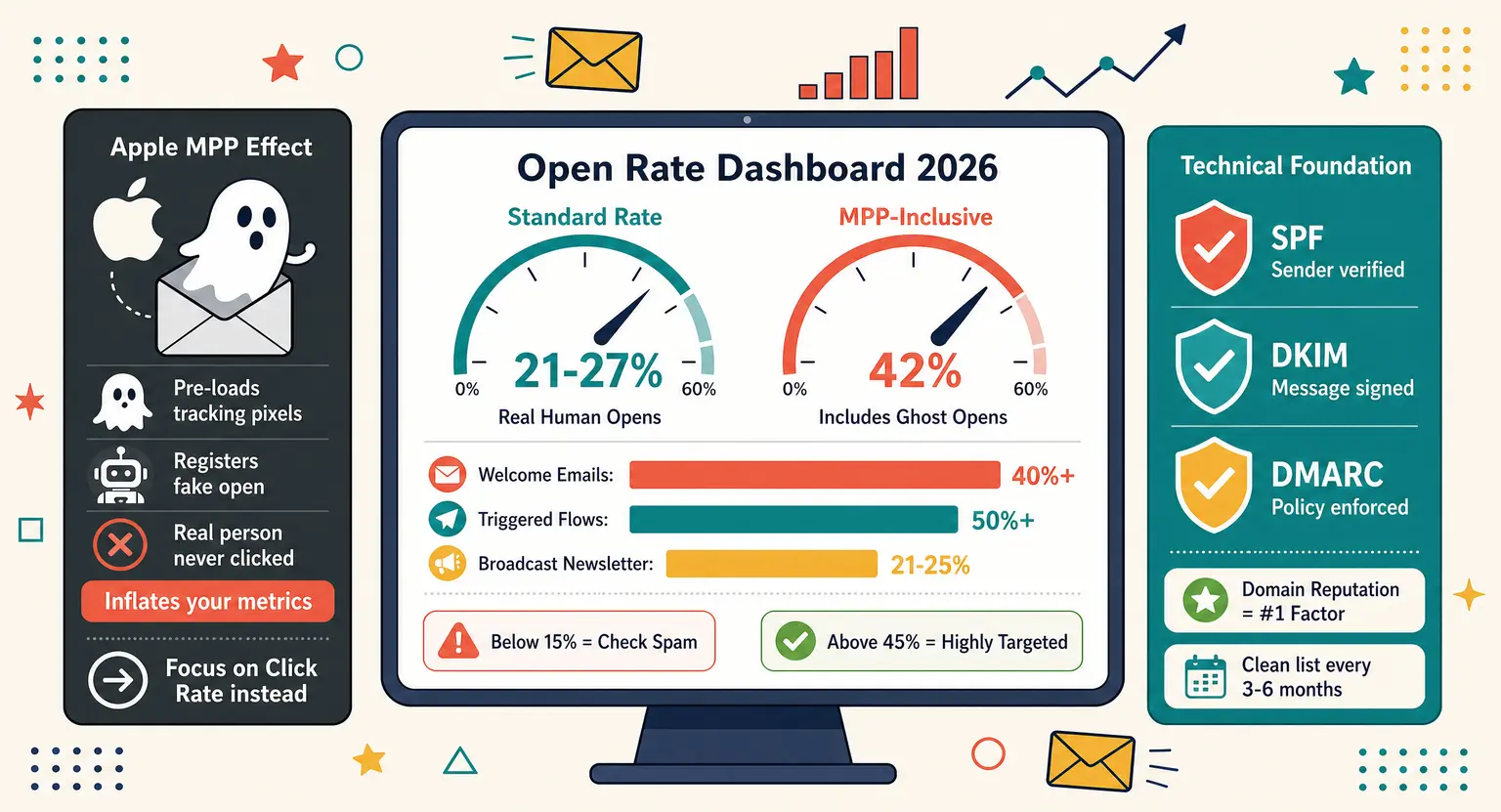
Check the latest email open rate benchmarks to see how highly educational mailings compare.
Generally, high-value tutorials earn some of the highest open rates because readers expect real utility.
-
Step-by-Step Masterclass : walk through a single technical skill or workflow. Do not leave out any hidden details or crucial intermediate steps.
-
The Case Study : deconstruct how a prominent creator or brand achieved a specific milestone. Highlight the exact strategy that other creators can easily replicate.
-
Industry Hot Takes : share your sharp, opinionated perspective on a major industry change. Explain how your readers should adapt their own setups to stay ahead.
5. Designing the Perfect Creator Newsletter Architecture
Your content dictates what your audience reads, but the structure controls how they consume it. Running a high-value letter means avoiding common formatting traps.
Keep your formatting highly scannable with clear bolding and plenty of white space - People rarely read emails word-for-word on tiny mobile screens anyway.
If you want to bypass classic email marketing mistakes, keep your layouts extremely simple. Avoid complex multi-column grid templates that break on mobile viewports.
Instead, prioritize single-column designs that focus heavily on typography and quick readability - Your thoughts should slide smoothly down the page without visual distractions.
Use short sentences to set a rapid reading pace that keeps subscribers moving forward. When the structure flows naturally, the reader easily absorbs your concepts.
Framework Comparison : Selecting Your Strategy
Choosing the right format depends heavily on your available energy and core business goals. Let us look at how these different structures behave under real pressure.
| Format category | Average creation time | Monetization potential | Best for |
|---|---|---|---|
|
The curated roundup |
Very quick. You only need 1-2 hours to collect links and write fast summaries. |
Medium. This format is great for newsletter sponsors and native advertising slots. |
Beginner creators trying to maintain high consistency without risking burning out. |
|
Behind-the-scenes |
Medium. Writing about your daily workflows requires some reflective processing time. |
High. Selling premium memberships or physical merch feels incredibly natural here. |
Solo practitioners looking to build emotional buy-in and true fan bases. |
|
Educational deep dive |
High. Expect to spend 4-6 hours researching, drafting, and testing code. |
Extremely high. It warms up readers to invest in structured digital courses. |
Professional experts looking to build massive industry authority and course sales. |
|
Interactive community hub |
Medium. You must spend time reading reader replies and compiling their outputs. |
High. Perfect for building interest in cohort courses and private communities. |
Creators who prioritize direct participant feedback and high referral loops. |
|
The micro-SaaS/tool letter |
High. You are building or curating specific small tools, widgets, or prompts. |
High. You can easily charge premium subscription fees for direct tool access. |
Developer-creators and designers who want to ship digital assets repeatedly. |
6. Consistency Protocols and Mailing Schedules
Once you choose your format, you must figure out delivery frequency. Spreading your energy too thin is a fast track to giving up entirely…
But how do you define your optimal schedule?
You must evaluate how often to send marketing emails based on your direct workflow realities.
A weekly send is the most common cadence for high-value creator letters. It keeps you on your audience's radar without taking over their life.
If your writing process is incredibly intensive, bi-weekly or monthly works just fine - The secret is showing up at the exact promised interval without fail.
And when your subscribers know exactly what day your mail drops, their opening routines form automatically. This expectation is what transforms standard emails into healthy digital rituals.
7. Selecting the Right Infrastructure
You can have the most brilliant formatting concepts, but they mean nothing without reliable software - Selecting a tool that handles both delivery and course integration is essential.
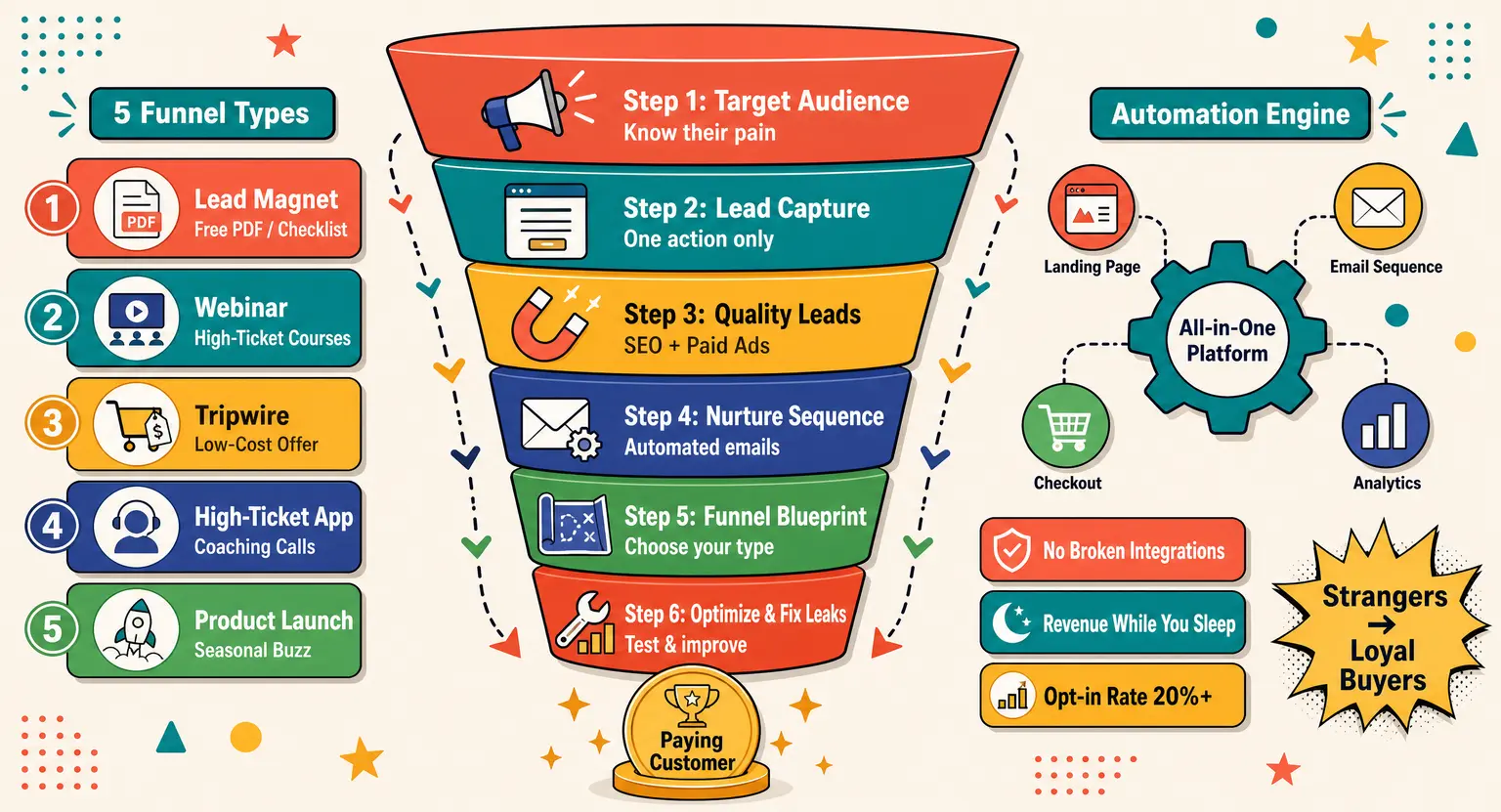
If your ultimate goal is monetization, look for a platform built for that purpose. You should explore the best all-in-one course platform options to see how they combine funnel designs and email newsletters under one roof.
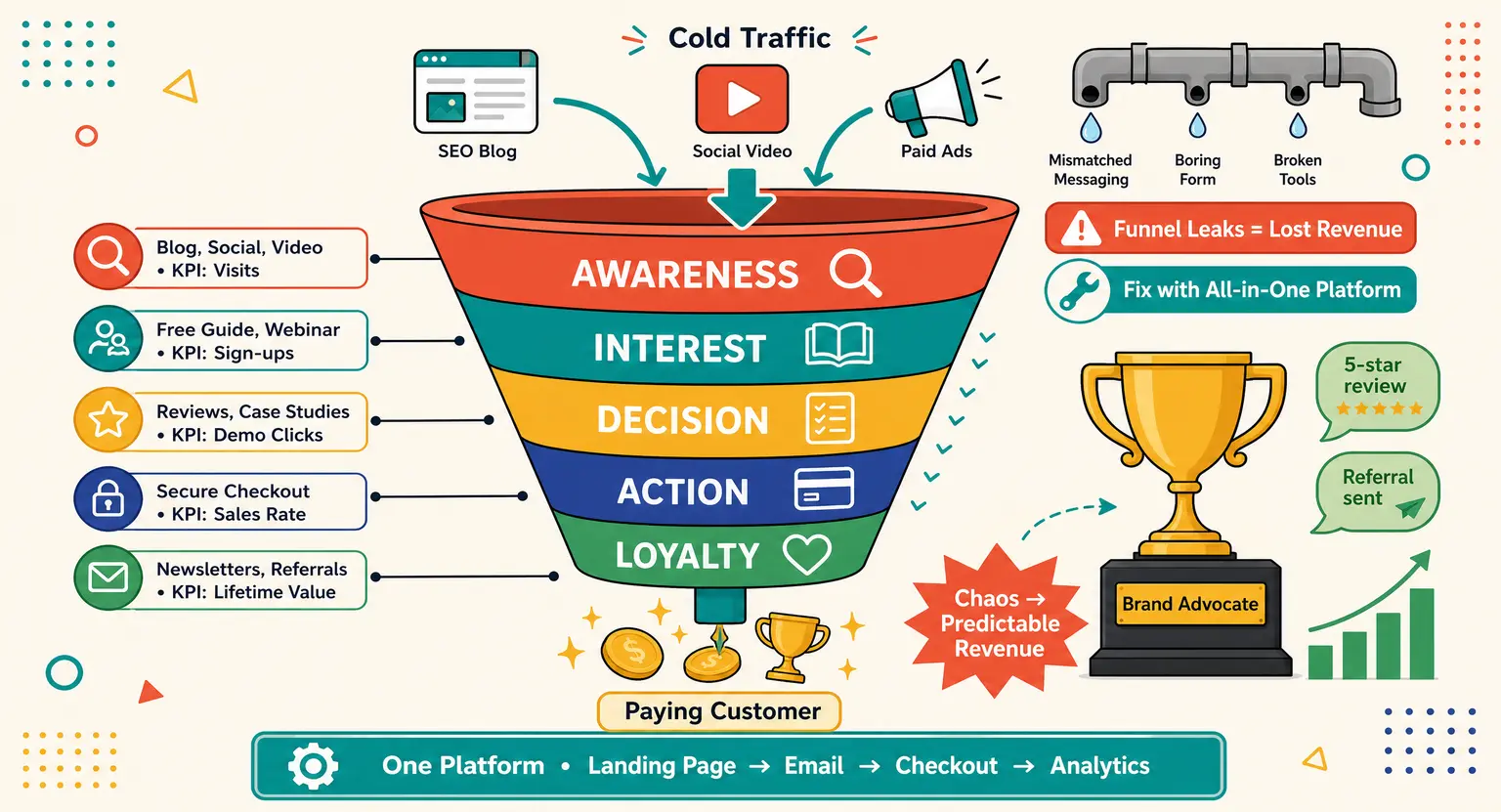
You can run your business smoothly when your email tags talk directly to your product checkout systems. It saves you from duct-taping three different services together with unstable APIs.
And once those pieces are connected, you can smoothly execute your primary online course pricing strategy. Your newsletter acts as the organic funnel that transforms casual readers into premium customers.
So, prioritize ease of use and direct automation over complex enterprise feature suites. Focus on writing your copy instead of troubleshooting software setups.
8. Writing Subject Lines That Convert
The best email is utterly useless if nobody bothers to click it open. Your subject line is the gatekeeper of your entire email marketing performance.
And writing a compelling hook does not mean resorting to trashy clickbait. Instead, focus on specific curiosity gaps or clear-cut utility promises.
Let your readers know exactly what benefit lies inside the letter before they ever click. Honesty builds long-term subscriber retention, whereas clickbait burns trust quickly.
-
The Curiosity Gap : "The mistake that cost me my first five course sales." This format sparks immediate interest without misleading readers.
-
The Clear Utility : "A simple template to plan your content calendar in ten minutes." Readers click because they want the promised asset.
-
The Hot Take : "Why standard social media marketing is completely dead." Strong opinions generate conversation and high click rates.
9. How to Transition From Reader to Paying Customer
Eventually, you want your newsletter to help fund your creative career. Monetization should feel like a natural next step rather than an abrupt sales pitch.
When you provide consistent free value, your readers naturally begin to wonder what your paid offers look like. You can quietly mention your digital courses at the bottom of your weekly mailings.
And when you are ready to formally launch an online course, your email subscribers will be your primary buyers - They already know your voice, trust your expertise, and understand your framework.
This organic flow completely removes the friction of standard cold advertising campaign setups. Your customer relationship is built on months of reliable, daily value delivery.
10. Crafting Your Visual Identity
Your visual presentation establishes the immediate mood for your written content : while content remains king, a chaotic design forces readers to close the tab.
You do not need to hire an expensive brand designer to start. Simple layout choices, like a clean monochrome aesthetic and legible fonts, will elevate your brand instantly.
And remember to optimize every image you upload to your template : heavy images slow down loading speeds on cellular networks, driving up unsubscribe numbers.
Consistency is key across all your digital channels, so match your email colors to your main website.
When a reader clicks a link, they should feel like they are visiting the same professional ecosystem.
Related Material for Expanding Creators :
Building a successful digital business requires the right set of systems.
Explore our curated strategic guides to streamline your workflows and maximize your monetization outputs :
-
Discover the best practices for building automated checkouts using our best email marketing for online courses analysis.
-
Check out our ultimate guide on setting up pricing tiers through our online course pricing strategy handbook.
-
Avoid major technical snags with our expert breakdown of critical email marketing mistakes to avoid this year.
Frequently Asked Questions
What is the best newsletter format for beginners?
The curated link list is the easiest starting point because it requires minimal original writing and relies on your personal taste.
Over time, you can easily shift toward deeper personal perspectives as your brand expands.
How do I choose the right niche for my creator newsletter?
Focus on the exact intersection of your specific professional expertise and what your target audience keeps asking you about. This structural approach ensures you never run out of helpful content ideas.
Can I monetize a newsletter with a small subscriber list?
Yes, high subscriber counts are less important than having highly targeted, deeply engaged digital relationships. You can sell premium online courses, exclusive coaching packages, or direct community sponsorships easily.
How often should I send out my creator newsletter?
A reliable weekly schedule is generally the sweet spot for maintaining top-of-mind awareness without overwhelming inboxes.
However, consistency matters far more than high mailing volume.
What software features are vital for running a newsletter?
Look for clean template blocks, reliable subscriber tag systems, and direct digital commerce connections. Your tools should ideally make sending and selling completely frictionless.


 How to Create a Course Refund Policy (Templates & Best Practices for 2026)
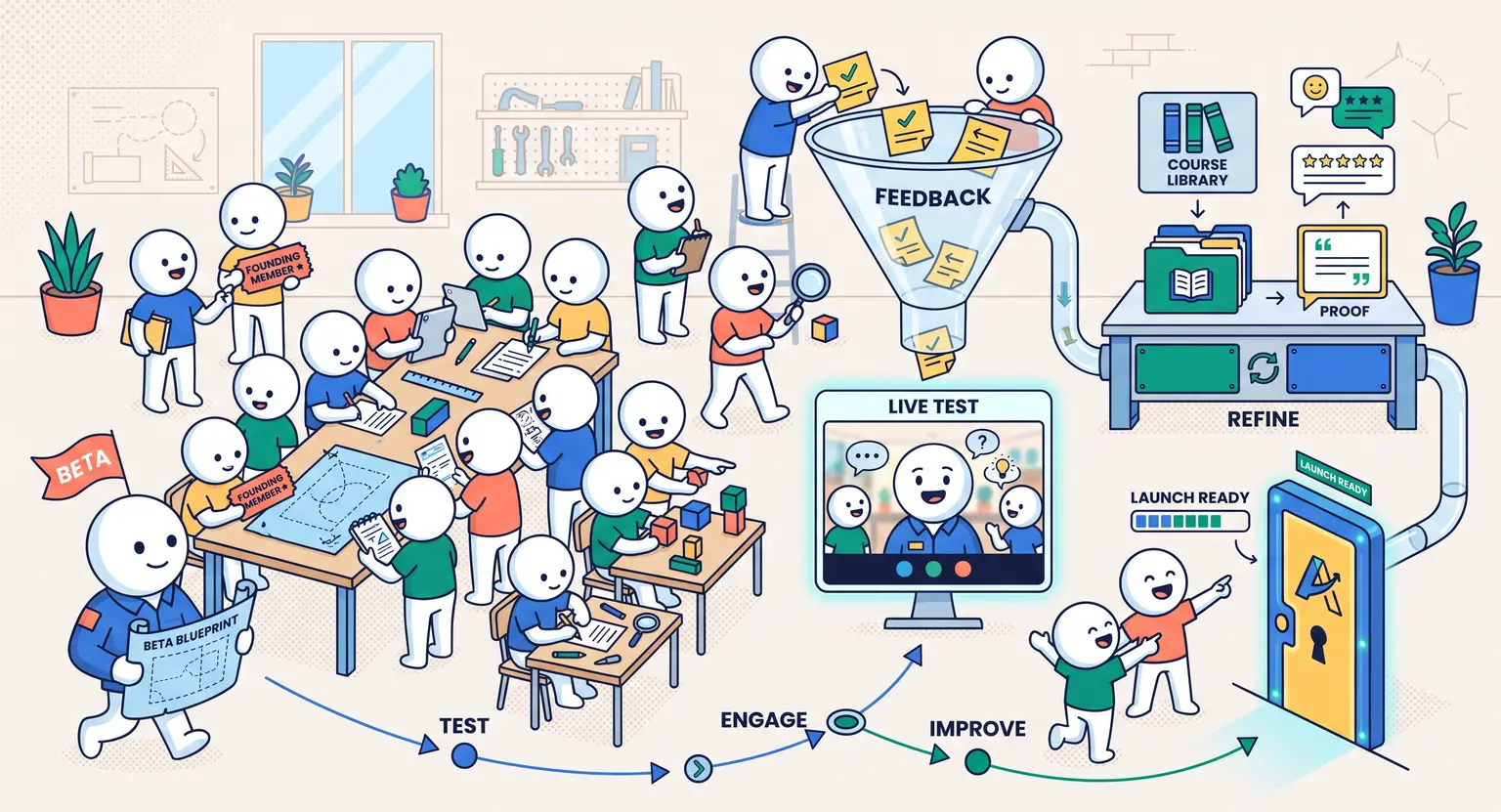 How to Run a Beta Version of an Online Course (2026 Guide)
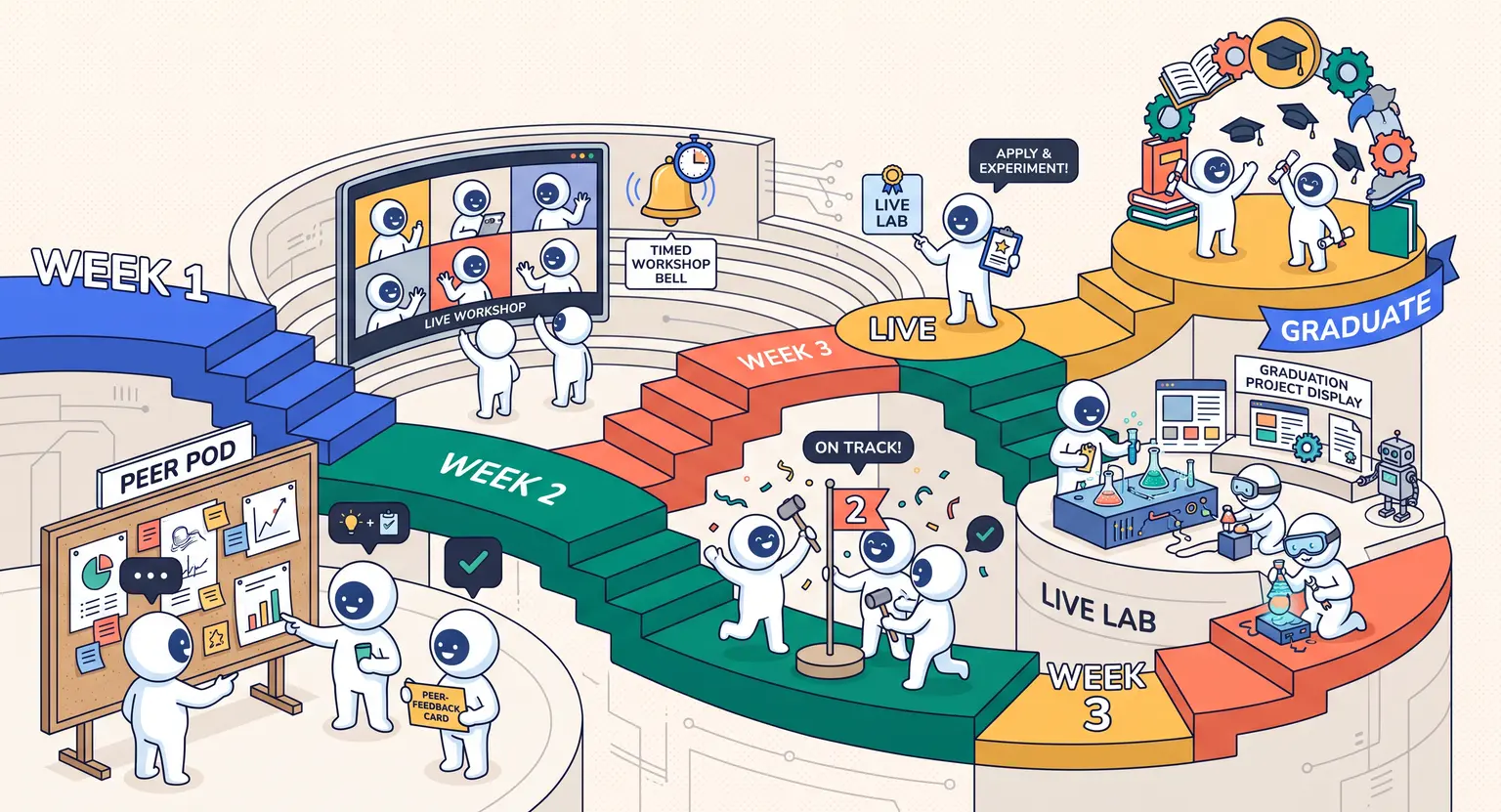 How to Create a Cohort-Based Online Course (2026 Guide)
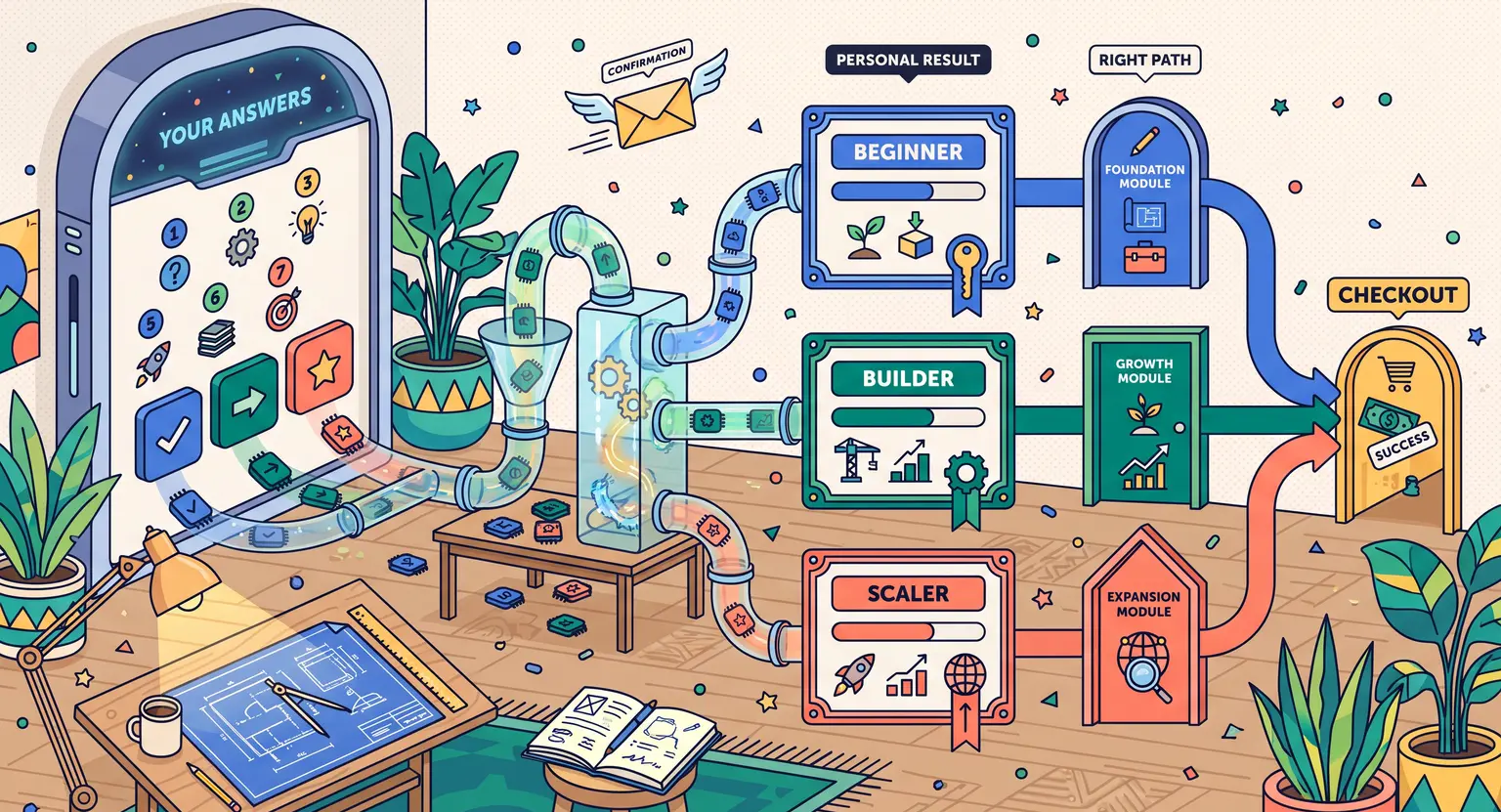 How to Sell an Online Course With a Quiz Funnel (2026 Guide)
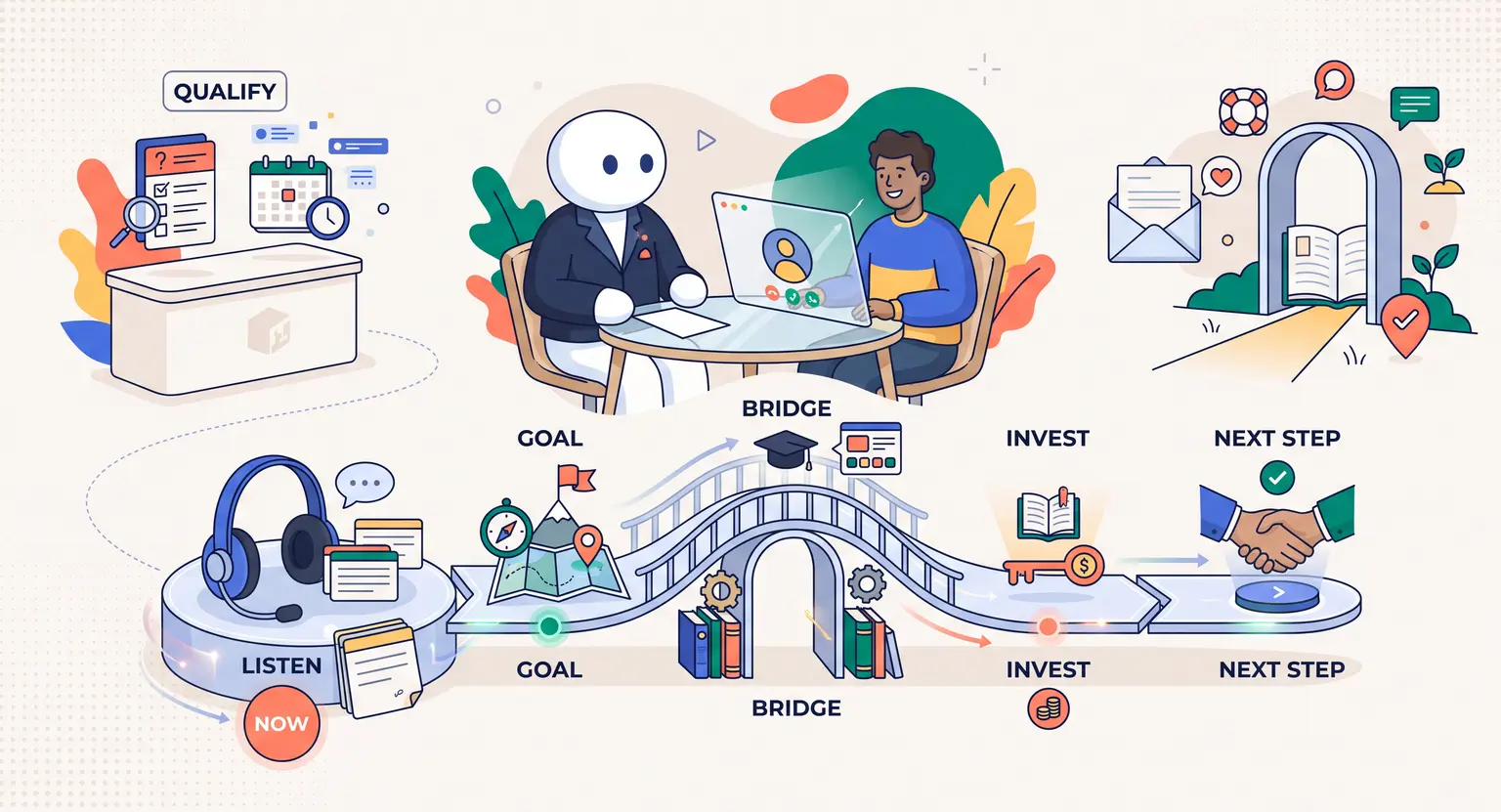 How to Sell an Online Course Through a Sales Call (2026 Guide)