






AI for Online Course Personalization (2026 Guide) | Learnybox
AI for Online Course Personalization
Key Takeaways
-
Artificial intelligence customizes learning speed and materials based on direct learner behaviors.
-
Platforms use predictive analytics to identify when a participant is struggling before they fail.
-
Tailored systems boost overall engagement, completion scores, and customer lifetime value.
-
Creators can deliver dynamically changing modules matching student experience levels instantly.
-
Check out the best online course platforms to see how modern portals integrate these tools.
Remember the old days of online learning? You bought a digital program, logged into a portal, and clicked through a rigid series of recorded presentations.
Every customer had to follow the same exact sequence, regardless of their background, speed, or unique objectives. It felt like walking through a sterile factory assembly line rather than participating in an engaging academic experience.
Things have changed. In 2026, the rise of custom automated systems has completely transformed how people learn. No two students expect to sit through identical curriculum pathways anymore.
Today, we live in a world of smart digital portals. These platforms analyze behavior, adapt instantly, and build custom routes for every student.
If someone breezes through a complex concept, the system fast-tracks them to advanced materials.
If another student struggles with a foundational metric, the software steps in with helpful hints. This is the new standard of dynamic education.
The Shift to Dynamic Learning Paths
For years, creators struggled with course dropouts. People signed up but lost momentum midway. Standard programs failed because they did not adapt to individual learning styles. Fast learners became bored, while beginners got overwhelmed.
This wide learning gap caused massive churn rates.
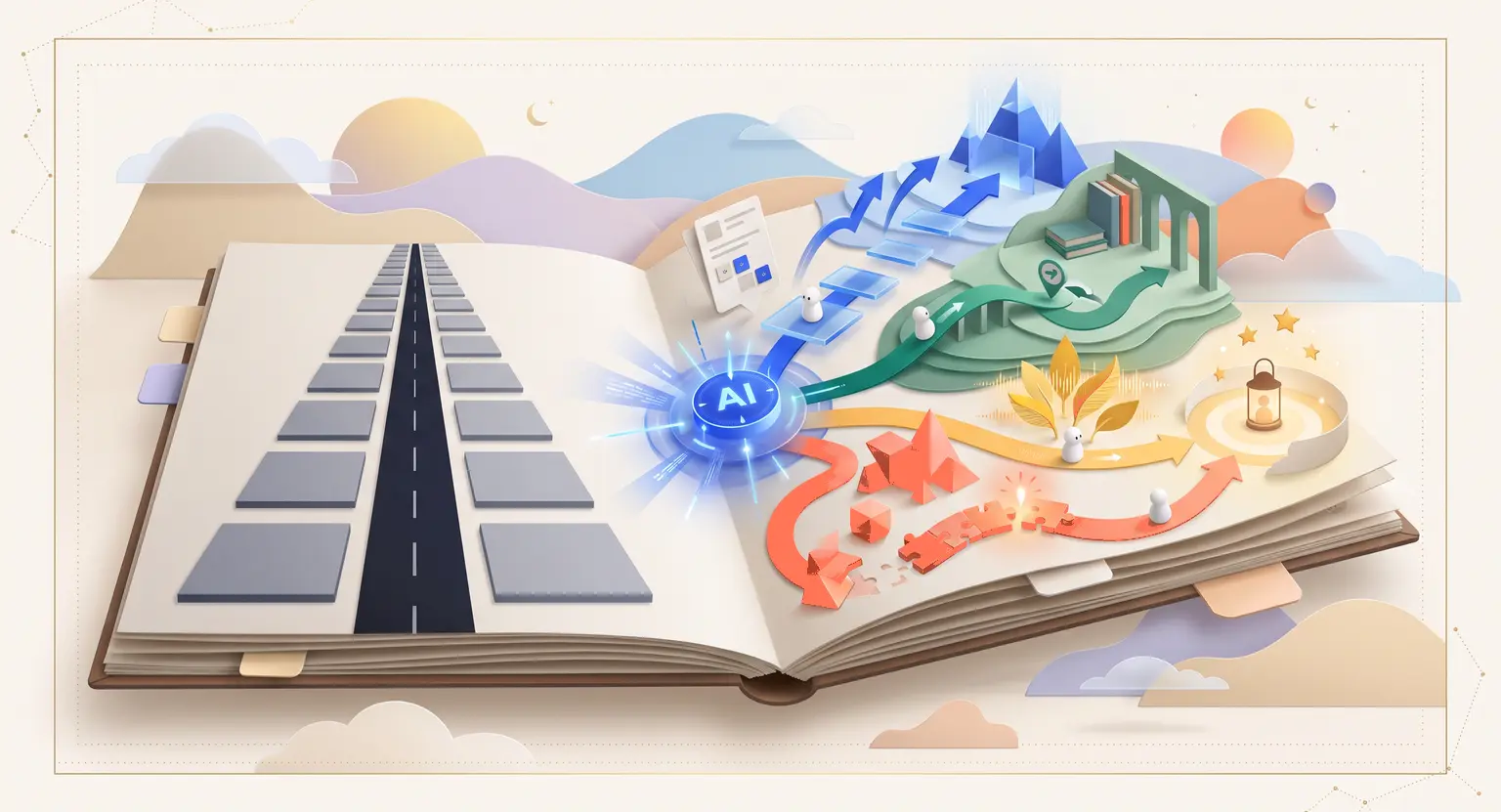
Smart setups solve this issue by replacing static modules with dynamic journeys. These advanced systems track real-time activities, including test performance, video viewing metrics, and engagement frequencies. Instead of a linear roadmap, learners navigate a shifting web of modules that morph to match their speed.
To design such a tailored setup, you must start with a solid foundation. If you need inspiration, check our detailed guide on structuring a high-converting digital curriculum.
A well-designed framework allows algorithms to move users between introductory, intermediate, and advanced resources seamlessly.
But how does this work in real life?
The system continuously captures data points.
A quick benchmark test at the beginning gauges their comfort level. If the algorithm recognizes they already understand core marketing principles, it bypasses the basic setup and takes them straight to campaign execution - this saves time and keeps satisfaction high.
Tailoring Content Delivery on the Fly
Customization goes far beyond adjusting the order of your slides. It changes the actual format of the material. Some individuals absorb information best through text. Others require visual demonstrations or interactive challenges.
Modern engines can format content based on user preference profiles. A student struggling with heavy text might receive an interactive checklist or audio format. This multi-layered delivery ensures nobody gets left behind due to formatting barriers.
For instance, smart algorithms can dynamically generate custom materials. You can easily utilize AI to design course assessments that adapt their difficulty dynamically.
If a student answers a question correctly, the next challenge gets slightly harder.
If they make a mistake, the software displays a simpler problem to reinforce the concept before moving forward.
Additionally, automated tutors offer instant feedback. You can implement AI-driven learner feedback mechanisms to answer student questions in real-time.
Instead of waiting days for a response from an instructor, users get immediate answers, maintaining their momentum and flow state.
Comparing Traditional vs. AI-Driven Course Experiences
Implementing customized digital learning environments radically upgrades the entire student journey.
Let us look at the differences between standard frameworks and modern adaptive setups.
| Learning metric | Traditional approach | AI-personalized approach |
|---|---|---|
|
Course progression |
Strict linear structure where every learner follows the exact same set sequence of static modules. |
Fully customizable learning paths that adapt dynamically to actual progress and performance metrics. |
|
Learner assessment |
Identical quizzes taken at the exact same intervals with static grades and generic solutions. |
Dynamic questions that shift difficulty based on instant behavioral metrics and interactive responses. |
|
Feedback loop |
Manual evaluation from the teacher taking several days, which slows down academic momentum. |
Immediate machine-generated feedback highlighting exact errors and suggesting corrective study resources. |
|
Content mediums |
Fixed formats such as pre-recorded videos or unchanging PDF workbooks for all students. |
Flexible formats adapting dynamically to written, auditory, or visual preferences. |
Practical AI Personalization Strategies for Creators
You do not need an enterprise budget or a team of data scientists to start customizing your learning tracks. Modern platforms have integrated these features directly into their dashboards, making it easy for independent creators to build highly customized courses.
But how do you transition from a basic structure to a smart experience? It starts with mindful planning of your content layers. You should focus on developing interesting learning material that can be categorized into foundational, intermediate, and advanced levels.
So, let us look at some practical implementation methods you can integrate into your current systems to make your digital school more responsive to consumer behavior :
-
Smart entry checks : use a short preliminary questionnaire at signup to gauge the user's current professional knowledge. Create rules that bypass introductory videos for experienced users. This increases completion rates significantly.
-
Behavioral tagging : configure tags based on how users consume your lessons. If a subscriber watches your videos at double speed, tag them as an active fast learner and email them supplementary advanced case studies.
-
Adaptive practice : allow users to create interactive quizzes that automatically adjust after every three answers, keeping the analytical challenge stimulating.
-
Customized emails : send automated congratulatory messages or progress warnings. If a system notes that a participant stopped watching a module for more than five days, trigger a gentle nudge email automatically.
And remember, setting up correct pricing plan configurations is vital. You can charge premium rates for courses that feature personalized pathways and custom automation, reflecting the increased value of the learning experience.
Building the Ideal Technical Ecosystem
Scaling this level of deep customization manually is impossible once your student base grows beyond ten active users. You need a dedicated technical system to automate these complex tasks.
By using an all-in-one online academy system, you avoid the hassle of connecting separate software platforms together. Instead of trying to link email automation, quizzes, video players, and user tracking manually, you can manage everything inside a unified dashboard.
But how does this ease your daily operations? A unified setup allows your marketing software to talk directly to your course engine. If a student finishes a course segment early, the platform notifies your dashboard and updates their customer record.
If you want to experience how easy integrated systems can be, consider starting with a free learning management account. Testing the environment first ensures you fully understand how to create complex automation before launching your premium school.
And once your tech foundation is set, you can explore specialized tools, such as artificial intelligence marketing platforms, to find new leads and bring target audiences straight to your personalized modules.
Balancing Smart Tech with the Human Touch
Automation is extremely powerful, but you should never let computers completely replace actual human intuition. Students still crave genuine connection, mentorship, and support from real instructors.
The secret is finding a healthy balance between machines and human elements.
Let your automation handle initial grading, data gathering, custom progression, and routine administrative emails. This frees up your schedule to focus on group coaching, host live Q&A sessions, or offer precise manual reviews.
By using these smart tools, you are not stepping away from your students. You are simply clearing out busywork so you can support them when they genuinely need your expertise.
Frequently Asked Questions
How does personalization improve course completion rates?
Personalization keeps learners engaged by adapting course content to their unique skill levels.
When materials match their pace, they do not feel bored or overwhelmed. This prevents student dropout rates and significantly increases course completion scores.
If you want to check more options for dynamic sites, check out our LearnyBox platform to start building your course today.
Is custom learning path setup difficult for beginners?
No, because modern systems automate paths using simple rule engines.
You can easily set up criteria based on quizzes or module completion, and let the software handle redirections. If you want to read more about this, look at our main knowledge hub for up-to-date resources and advice.
Can AI grade descriptive assignments or essays?
Yes, advanced natural language systems can analyze descriptive texts for structure and technical accuracy. However, combining automated assessment with a manual review from the instructor is ideal.
This ensures your students get the benefits of instant analysis while receiving constructive human feedback.


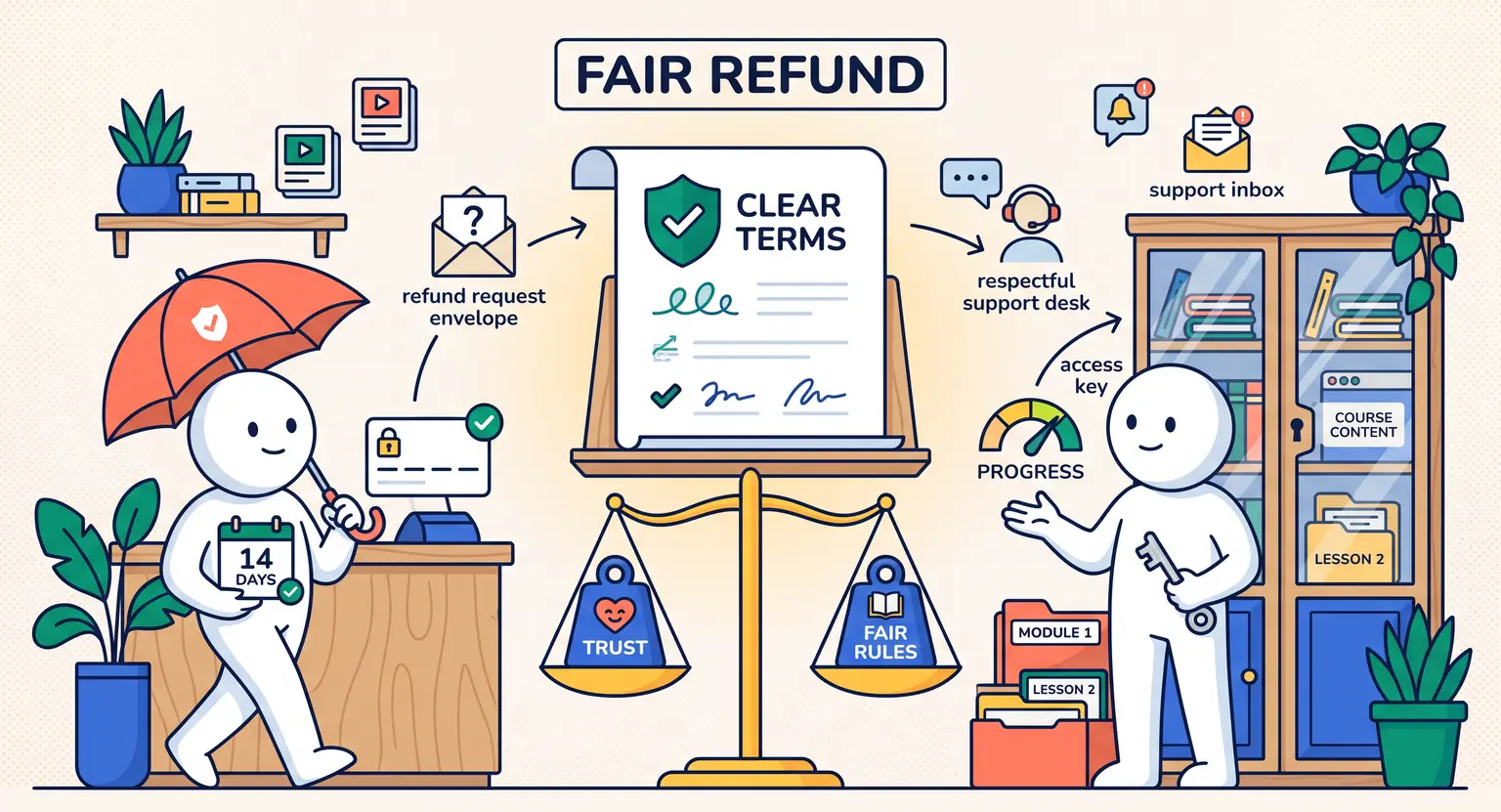 How to Create a Course Refund Policy (Templates & Best Practices for 2026)
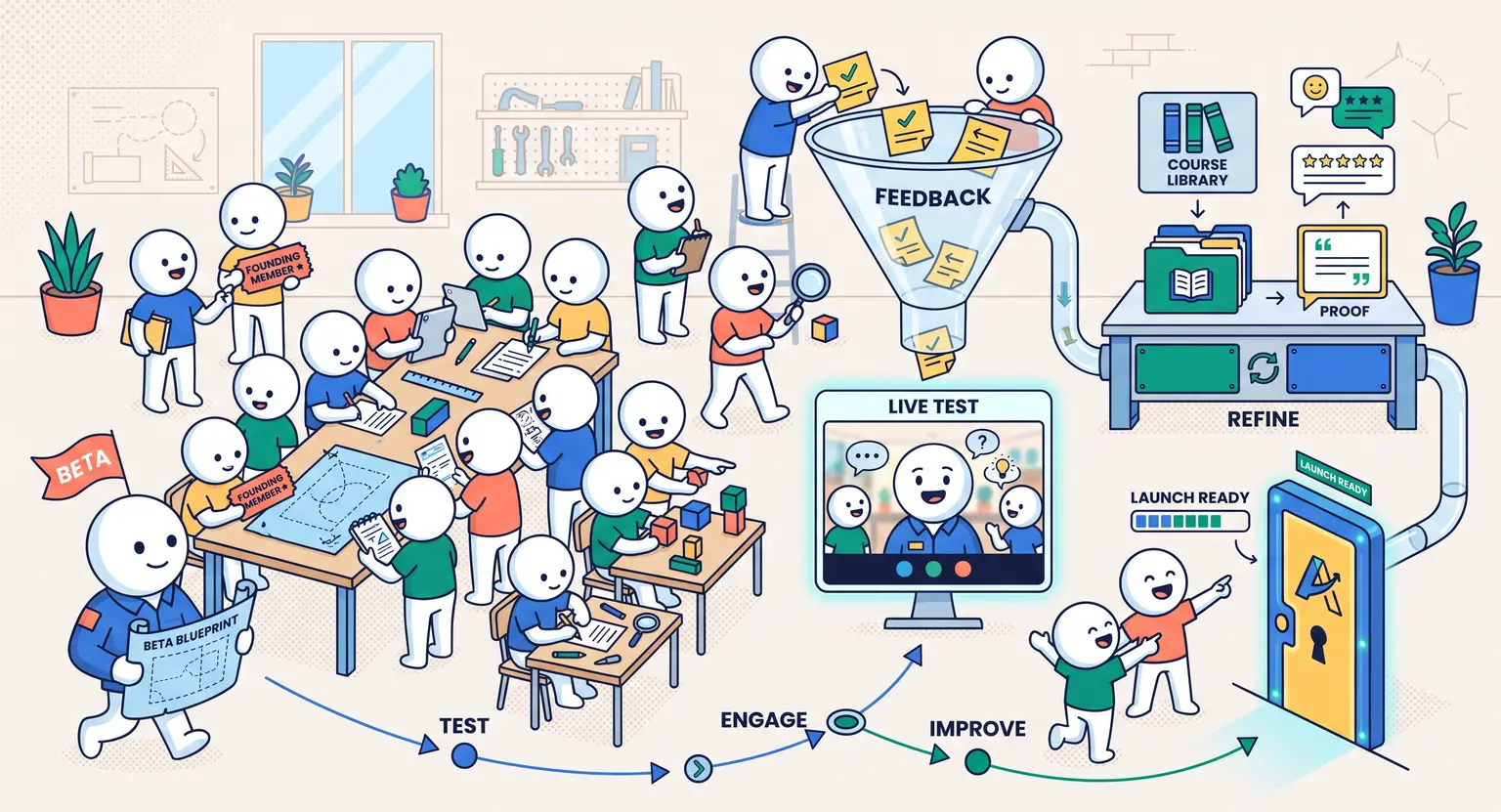 How to Run a Beta Version of an Online Course (2026 Guide)
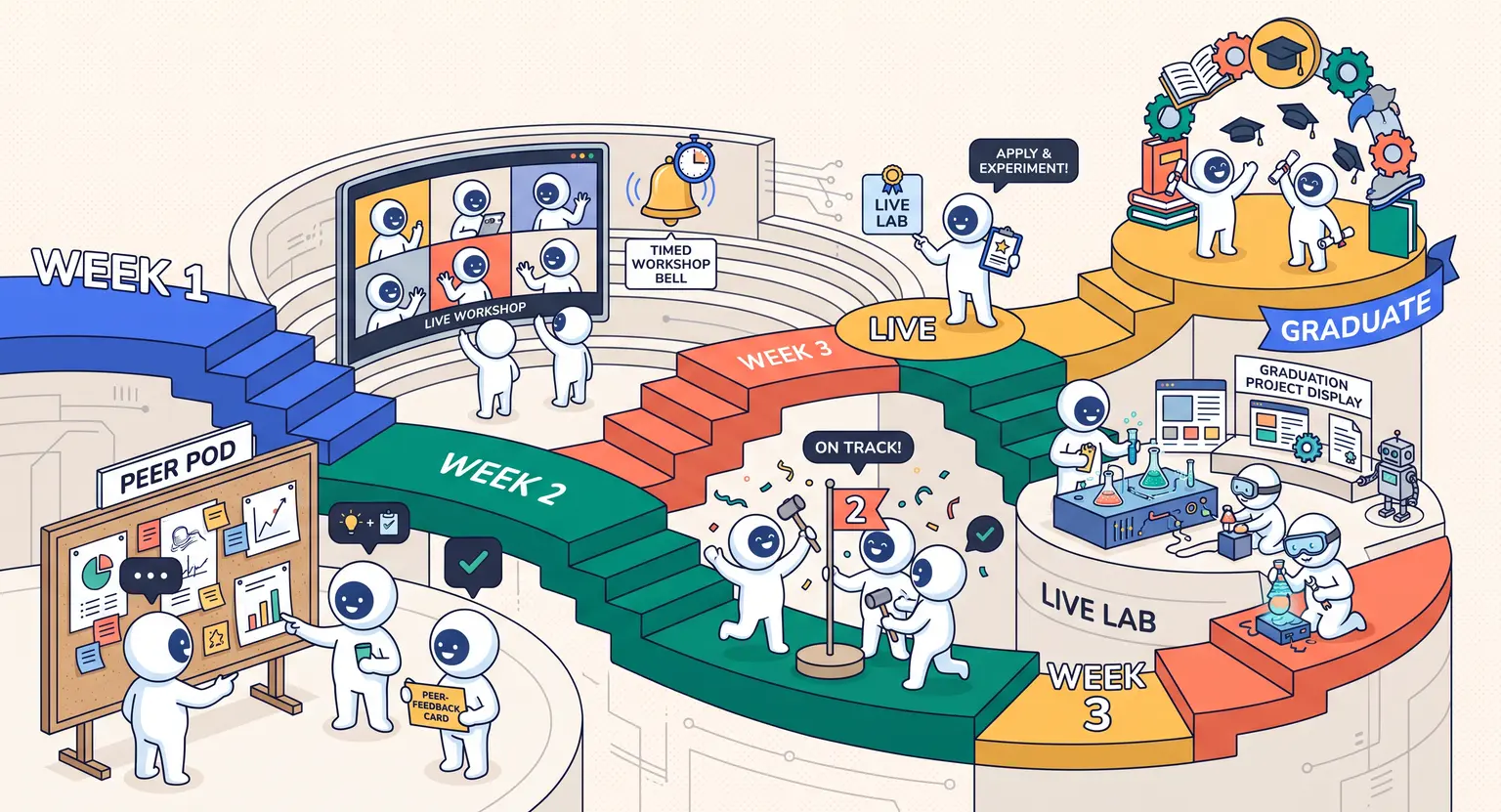 How to Create a Cohort-Based Online Course (2026 Guide)
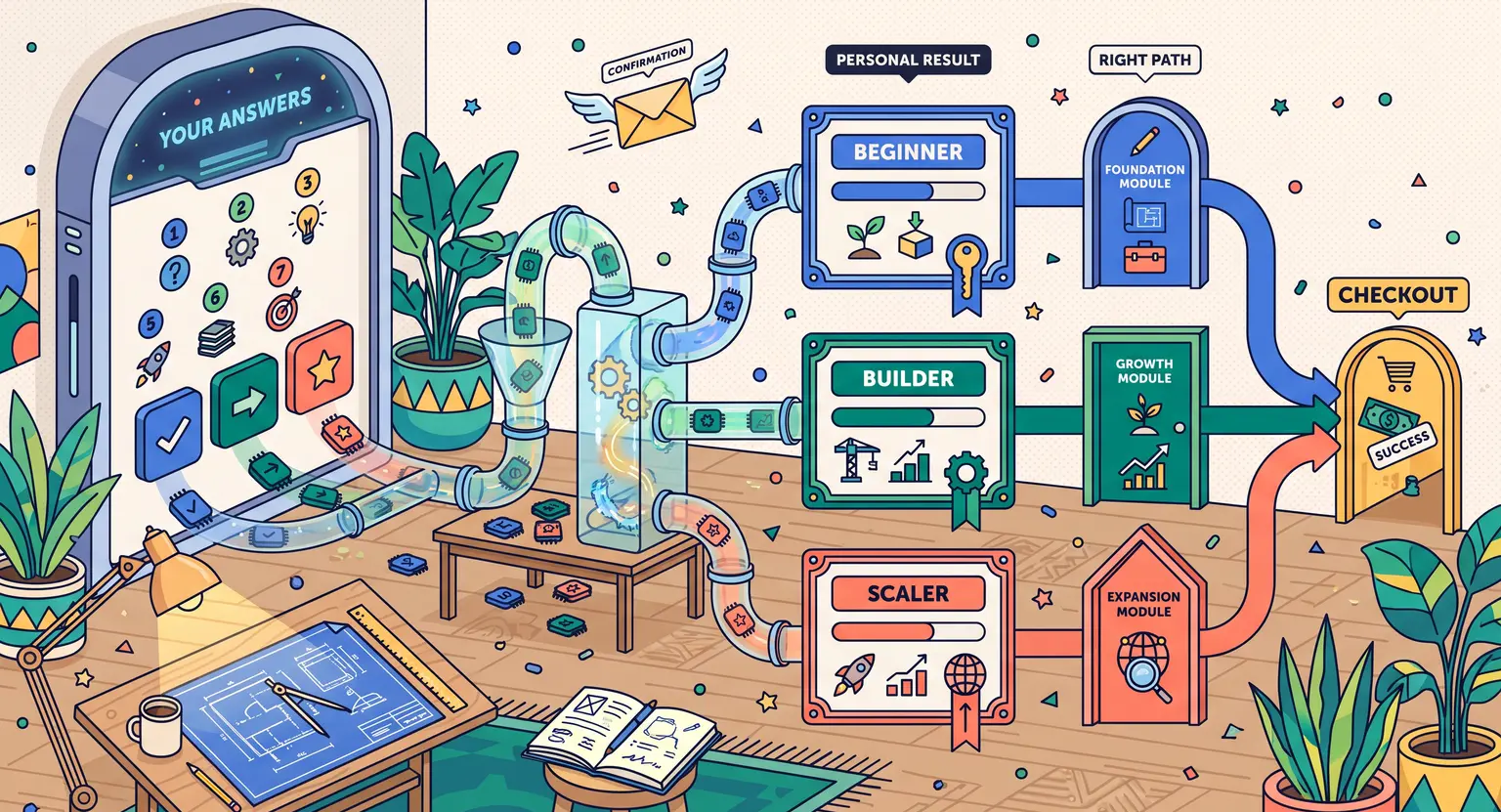 How to Sell an Online Course With a Quiz Funnel (2026 Guide)
 How to Sell an Online Course Through a Sales Call (2026 Guide)