






How Often to Send Marketing Emails: The 2026 Frequency Sweet Spot
How Often to Send Marketing Emails
How often do you check your inbox and feel instantly overwhelmed? We have all been there, staring at a giant wall of unread messages from brands we once loved.
Finding the balance between staying top-of-mind and becoming annoying is the ultimate challenge.
If you send too much, you destroy deliverability and customer trust quickly,
If you send too little, your subscribers will completely forget who you are…
And in the noisy digital space, getting forgotten is just as bad as getting marked as spam.
So how do you discover that absolute sweet spot for your unique audience?
Let's examine the core numbers and strategy.
Key Takeaways :
-
Quality overrides frequency every single time, meaning low-value daily messages will instantly ruin your list. Do not fall into the trap of sending low-grade content just to fill a regular schedule spot.
-
Aim for one to two weekly updates to keep your engagement steady and your domain reputation healthy. This balance is optimal for both busy creators and professional businesses.
-
Always analyze your email open rate benchmarks to see if your audience wants more or less communication. These metrics act as direct signals of subscriber health.
-
Ensure you give your subscribers a clear path to opt out of promotional launch series without leaving entirely. This respectful feature saves your general list from permanent churn.
1. The Invisible Danger of Oversending vs. Undersending
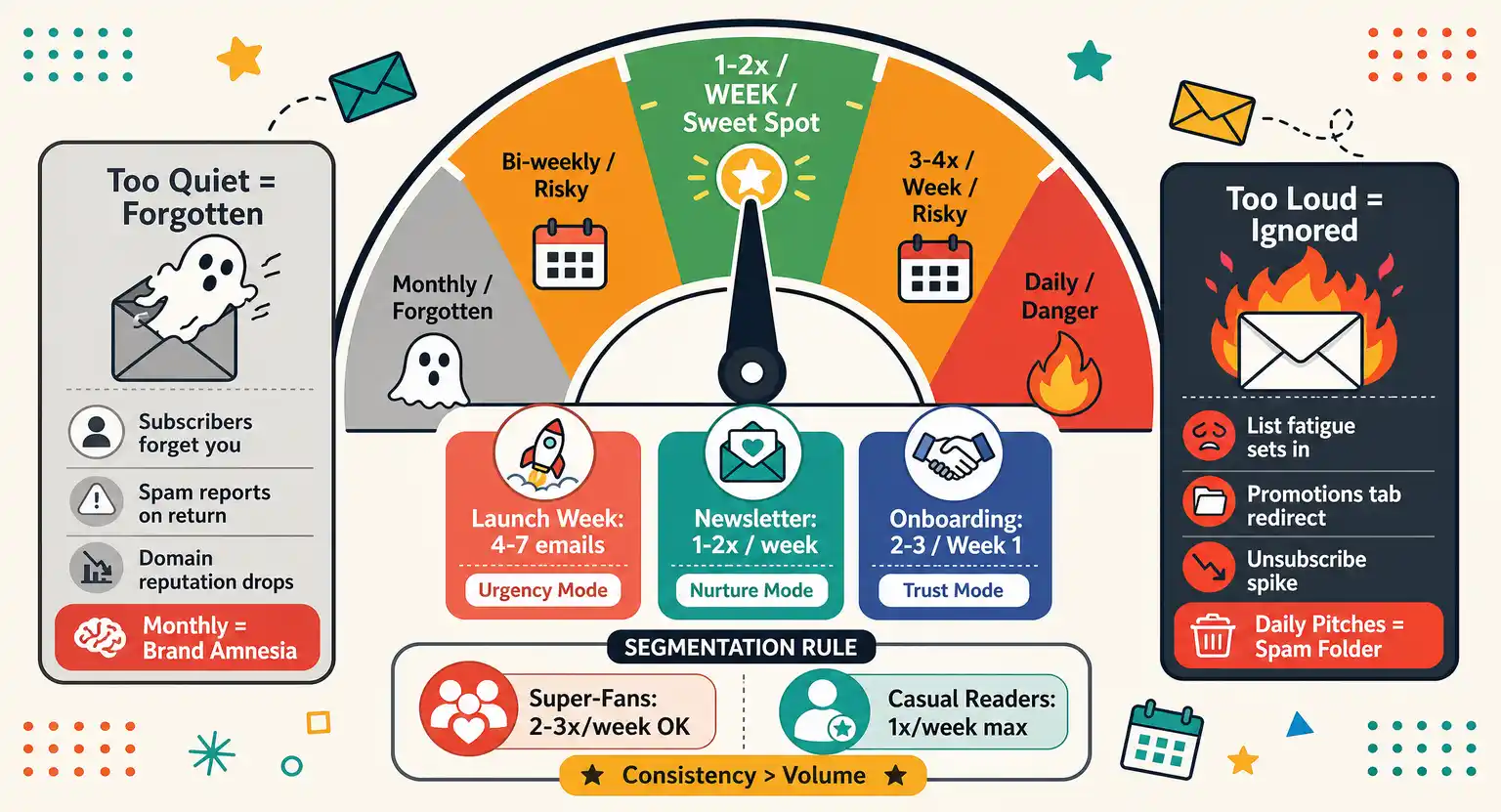
Let's talk about the silent killer of email campaigns, which is list fatigue. When you bombard your subscribers with daily pitches, their immediate reaction is to tune you out completely.
They might not click the unsubscribe button right away, but they will simply stop opening your weekly messages. This passive-aggressive behavior signals to inbox providers like Gmail that your updates are low value.
Once that happens, your future messages get diverted directly to the promotions tab or the dreaded spam folder : That is a dark territory where you definitely do not want your business to end up.
On the flip side, sending messages rarely hurts your growth. If you only reach out monthly, people will forget your brand.
They may assume they never signed up and click spam. This is a classic mistake made without realizing the damage.
Consistency breeds familiarity, which in turn builds long-term customer trust and engagement - So finding a regular schedule is not just a stylistic choice - it is a technical necessity for safety.
2. Finding Your Golden Frequency
So what is the actual sweet spot for most digital businesses in today's landscape?
The data consistently points to sending one to two emails per week as the safest baseline.
This frequency keeps your brand active in their minds while allowing you to produce high-value content. If you cannot write two high-quality messages every week, stick to one absolute masterpiece.
But what if you run a fast-paced retail business or a daily news briefing? For those specific business models, a daily frequency is not only accepted but completely expected by the audience.
The rule of thumb here is simple : your frequency must match the expectations you set at signup. If you promise a weekly roundup, do not send them three random sales pitches on Tuesday.
And if you run an educational brand, your community expects detailed, helpful guides rather than quick sales pitches - You must let their reading habits dictate your final production schedule and content layout.
3. Customizing the Strategy for Creators and Educators
If you are a course creator, coach, or consultant, your relationship with your list is highly personal, people subscribe to hear your unique voice and learn from your direct business expertise.
This means your emails need to feel like they are coming from a trusted colleague rather than a corporate marketing department - So, pouring your energy into one deeply practical email a week is incredibly powerful.
Using an all-in-one platform like LearnyBox makes managing these schedules and testing different days incredibly simple.
You can easily build, segment, and track how your readers respond to different weekly frequencies.
Send your teaching newsletter on Thursday mornings when people plan their reading, then follow up with a quick check-in on Monday.
This split structure creates a rhythm that feels less like marketing and more like real coaching - And that is precisely how you build a loyal community that actually opens your emails.
4. Aligning Content Types with Mail Intervals
Not all emails are created equal, so they should not all be sent at the same intervals. Your educational content, promotional sales letters, and administrative updates require vastly different pacing.
For educational content, a weekly or bi-weekly pacing works best because it gives people time to digest the information. If you send complex guides every single day, you will quickly overwhelm your student base.
On the other hand, promotional campaigns during a product launch can easily ramp up to daily messages. Since sales windows are usually short, your subscribers understand the increased urgency of these messages.
Always offer a quick out for uninterested contacts. Let them skip the promotional series while remaining on your newsletter list.
If you are looking for creative ways to structure these different campaigns, explore some newsletter ideas for creators to keep your content fresh and exciting - This variety prevents your list from ever feeling repetitive or boring to your audience.
5. Building a Reliable Data-Driven Strategy
You do not have to guess what your audience wants because they will tell you through their behavior. Your email statistics hold all the answers to your frequency questions if you look closely.
Start by running a simple test over a four-week period where you increase your output by one email per week.
Watch your open rates, click-through rates, and unsubscribe numbers very closely during this trial phase.
If your click rates drop significantly while unsubscribes spike, you have likely crossed their tolerance threshold. But if your metrics remain steady or improve, you have successfully gained extra touchpoints.
Find that pivot point where volume no longer yields returns. Every list has a threshold shaped by content quality.
Averages are just starting points, not absolute rules. Your direct numbers are the guide to trust.
6. Launch Sequences and Promo Spikes
When you are about to launch a new product, your standard sending rules temporarily fly out the window. A successful launch requires a structured, multi-day sequence to build anticipation and secure sales.
During this high-energy phase, you might send four to seven emails over the course of a single week. But this works because you are telling a compelling story and solving an urgent problem.
So, how do you handle this surge without permanently damaging your sender reputation? The secret lies in segmentation and pre-warming your list before the heavy selling begins.
If you want to master this process, studying how to launch an online course will give you the exact blueprint for timing your messages. This ensures you keep the energy high without pushing your subscribers to click spam.
Once the launch ends, return to your normal schedule to let your list breathe. This cooldown restores goodwill.
7. How List Segmentation Solves the Frequency Puzzle
The absolute holy grail of email marketing is sending the right message to the right person at the perfect time - Instead of emailing your entire list at the same frequency, segment them based on engagement.
Create a segment for your "super-fans" who open almost every email you send them.
These highly engaged subscribers will gladly welcome two or three updates a week from you.
Meanwhile, keep your less active subscribers on a strict, high-value once-a-week or even bi-weekly digest. This strategic approach keeps your overall list healthy and avoids unnecessary unsubscriptions.
Tailoring your frequency to individual behavior maximizes sales without annoying subscribers. Modern software makes this process easy.
8. The Hidden Link Between Sending Day and Sending Frequency
Does the day of the week actually matter when you are sending your emails?
While frequency dictates how often your subscribers see you, the specific day shapes their mindset when they open your message.
Mid-week days like Tuesday and Thursday are historically famous for generating the highest open and click-through rates. But because every marketer knows this, these days also feature the highest inbox clutter.
Sending an extra email on Sunday might yield better visibility - It is a fantastic tactic to test if mid-week broadcasts get buried.
Combine Sunday delivery with high-value guides to give readers a relaxing way to connect. Off-peak sending reveals hidden engagement pockets.
9. The Golden Rule of Deliverability
Every single time you click send, you are staking your sender reputation on the quality of your message. If your frequency is too intense, subscribers will flag your mail as spam rather than clicking unsubscribe.
This signals that your domain is untrusted, which degrades delivery rates.
Soon, your emails will land directly in junk folders.
But you can avoid this by keeping a highly engaged list. Removing inactive users routinely keeps your stats pristine.
So, a lower sending frequency paired with a healthy list is infinitely better than high-frequency sending to a dead list - Take the time to audit your sender reputation regularly to ensure your messages always land safely.
Email Frequencies by Campaign Goal
| Campaign type | Target frequency | Primary goal | Strategy link |
|---|---|---|---|
|
Course sales launch |
4 to 7 emails per week |
Drive high-urgency conversions while explaining product benefits. |
|
|
Standard newsletter |
1 to 2 emails per week |
Nurture subscribers with steady educational value and lessons. |
|
|
Initial onboarding |
2 to 3 emails in week one |
Deliver requested freebies and build trust immediately. |
|
|
Re-engagement campaign |
3 emails over 2 weeks |
Identify inactive subscribers before removing them from your host. |
Clean up your lists regularly to boost stats. |
|
Special updates |
1 email per month |
Communicate important legal, framework, or structural business news. |
Keep users informed without spamming their inbox. |
Explore Further
-
Discover how to choose the right email marketing platform to power your entire automation network.
-
Learn the best practices on how to grow an email list from absolute scratch.
Frequently Asked Questions
What is the industry standard for email frequency?
For most businesses, sending one to two emails per week keeps engagement high without annoying subscribers.
However, this varies widely based on your niche and audience expectations.
You should always monitor your unique subscriber behavior closely to find your perfect rhythm. And remember that consistency is always more important than raw volume.
Will emailing my list daily hurt my deliverability?
Yes, it can if your subscribers do not expect daily updates, leading to higher spam complaints and unsubscriptions. Daily emails only work if the content is highly engaging, extremely short, and eagerly anticipated.
But if you are sending low-value sales pitches daily, your domain rating will quickly crater. So you must focus on maintaining exceptional quality if you choose to email daily.
How do automation sequences affect standard broadcast frequency?
Automation sequences can overlap with your standard newsletters and over-saturate a reader's inbox. It is best to temporarily suppress active campaign leads from receiving your weekly broad-blast broadcasts.
And you can easily set up these exclusion rules inside your chosen delivery tool. This smart step ensures you never overwhelm your prospective clients at critical moments.
Should I change my frequency during a product launch?
Increasing frequency during a promotional launch is completely normal and highly effective. Just make sure to provide an opt-out link specifically for the launch sequence so people do not leave your main list.
But always return to your normal schedule immediately after the campaign ends. This crucial shift gives your audience a much-needed break from active selling.
Does email frequency influence open rates?
Absolutely, as higher frequencies often lead to diminishing open rates over time. Keeping a consistent schedule helps maintain steady engagement and protects your reputation.
So keep a close eye on your campaign statistics to detect any sudden drops in reading active times. And adjust your weekly output dynamically to keep your audience happy.


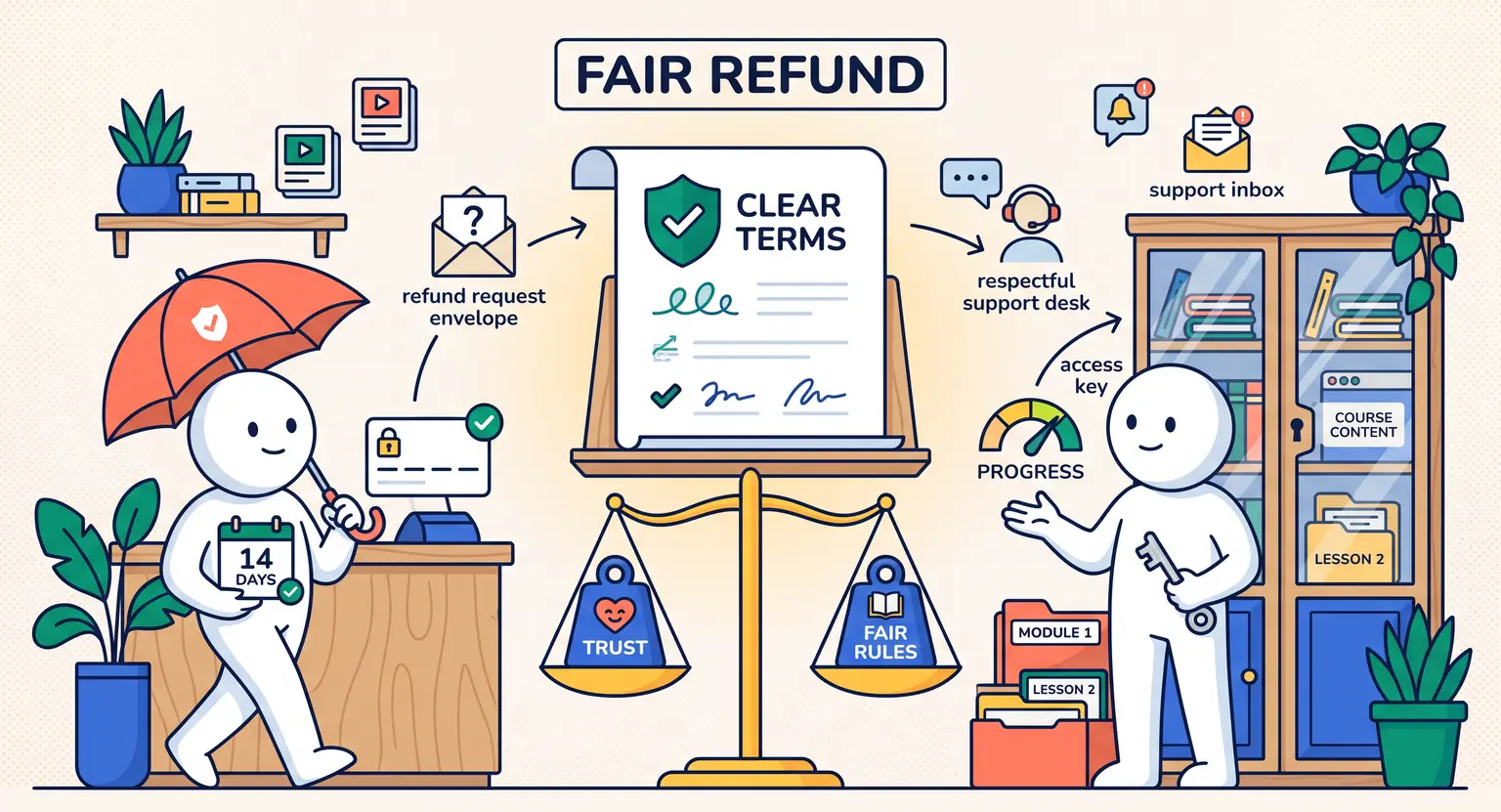 How to Create a Course Refund Policy (Templates & Best Practices for 2026)
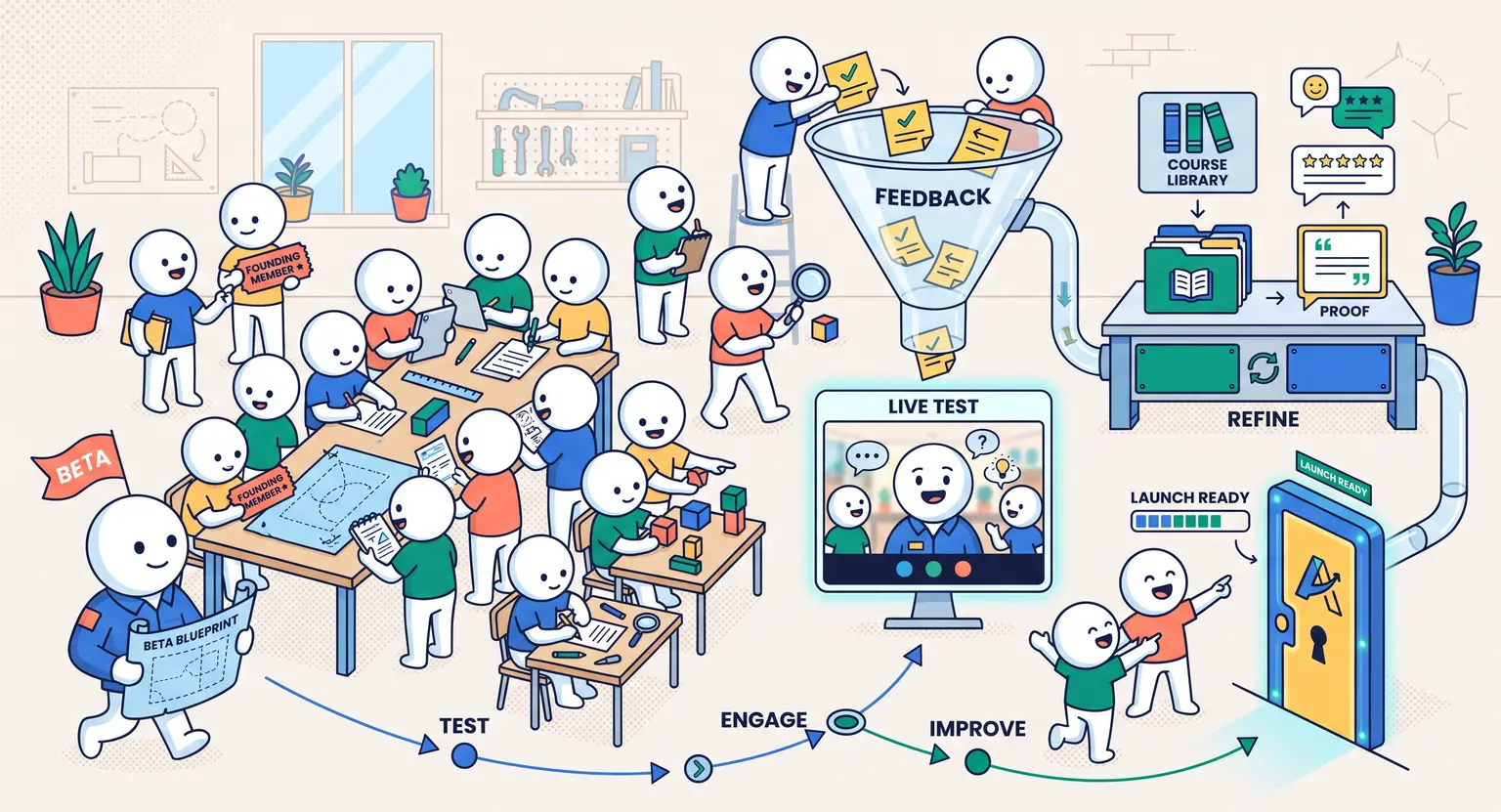 How to Run a Beta Version of an Online Course (2026 Guide)
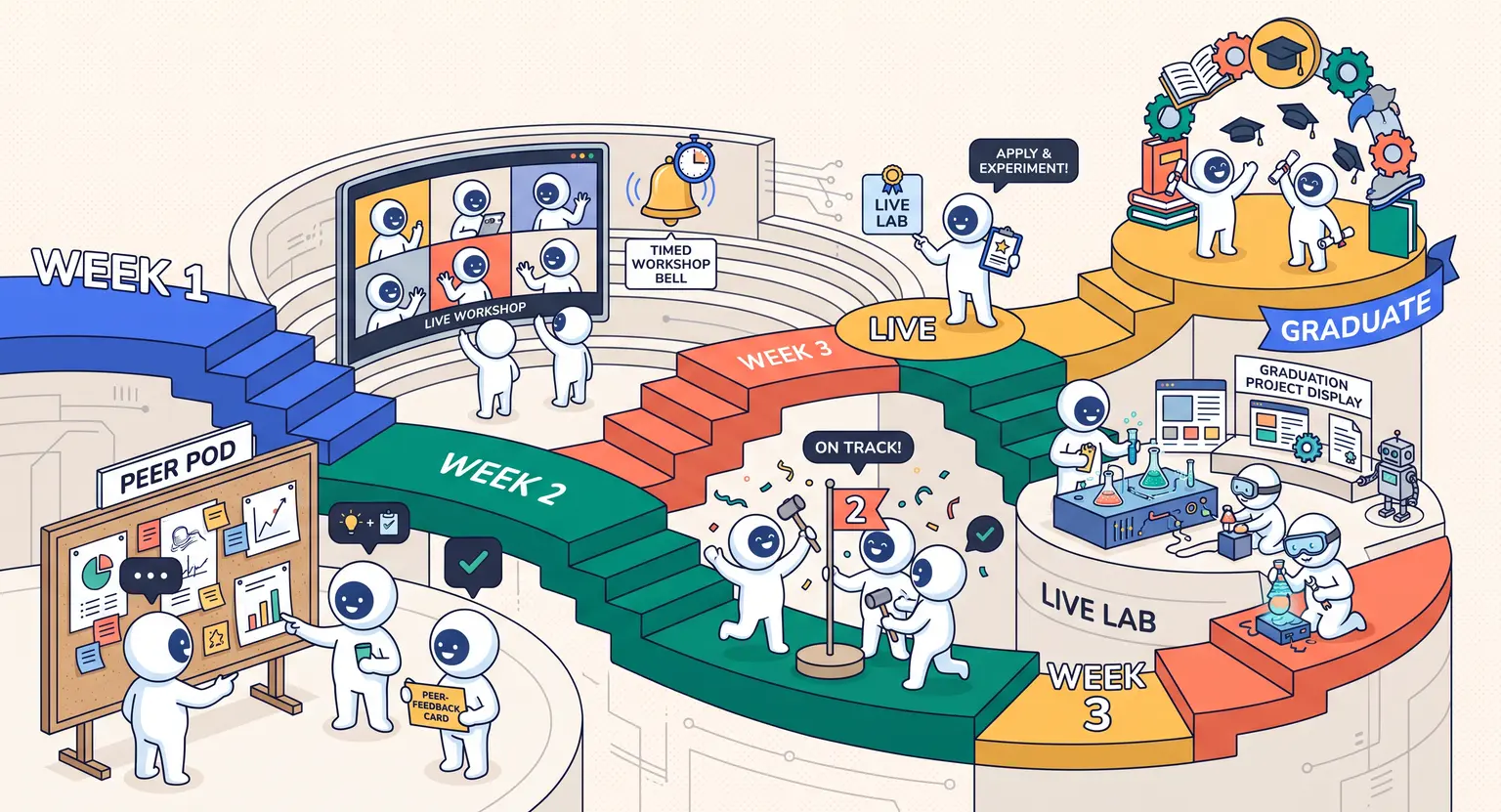 How to Create a Cohort-Based Online Course (2026 Guide)
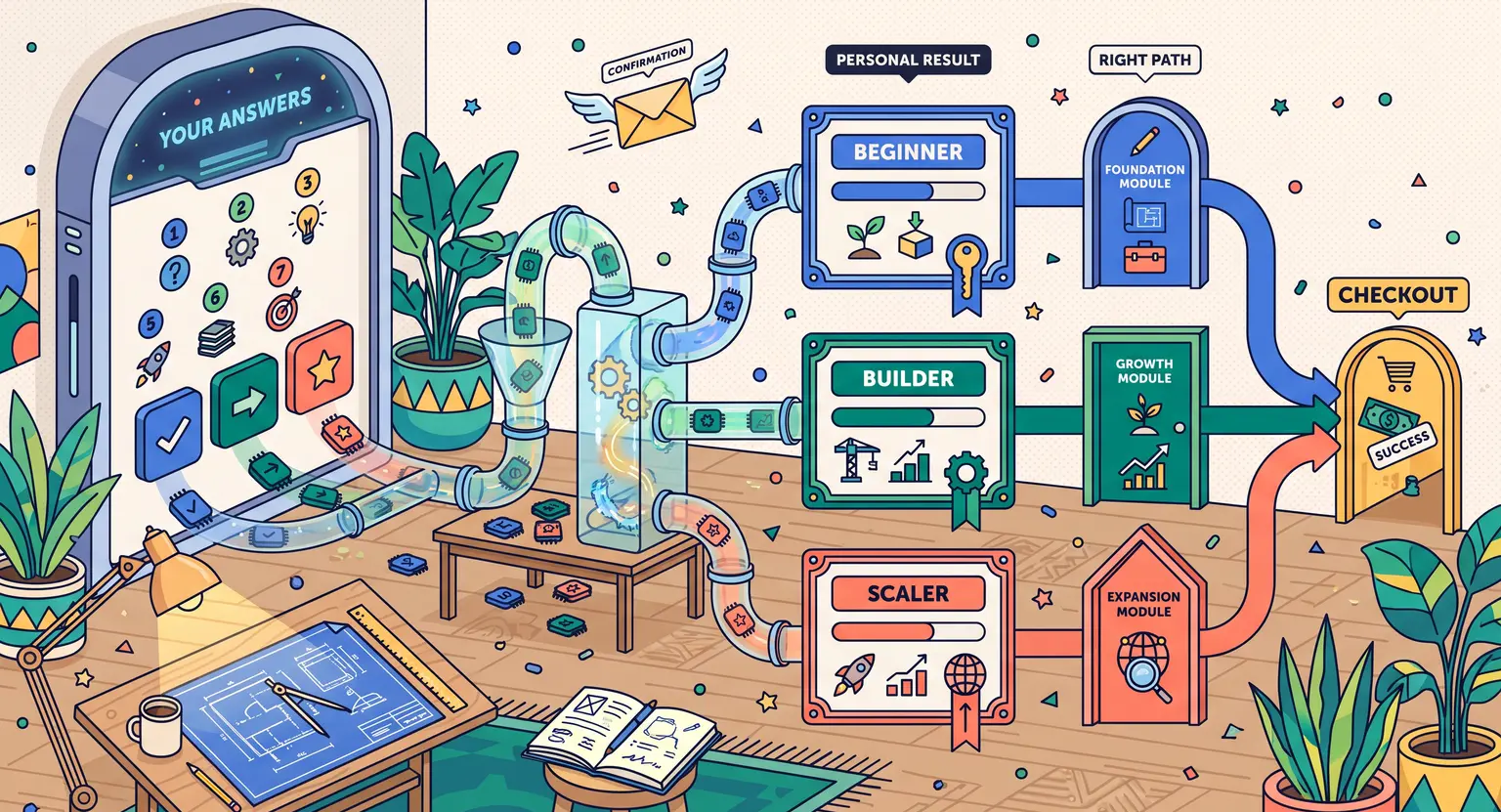 How to Sell an Online Course With a Quiz Funnel (2026 Guide)
 How to Sell an Online Course Through a Sales Call (2026 Guide)