








Master the Art: How to Create a Course Curriculum That Actually Works in 2026
How to Create a Course Curriculum That Actually Works in 2026
Key Takeaways
-
Focus on Outcomes : your students aren't buying information; they are buying a new version of themselves.
-
Modular Architecture : break complex topics into 10-15 minute chunks to keep completion rates high.
-
Validation First : make sure you validate an online course idea before building the whole thing.
-
Active Learning : incorporate quizzes, homework, and community discussions to move from theory to practice.
-
Iterative Refinement : use student feedback to constantly prune and improve your lessons for better results.
Let's be real for a second. We've all signed up for that one online course that looked amazing on the sales page, only to log in and find a chaotic mess of sixty-minute videos and generic PDFs.
It's frustrating, right? By 2026, the "information dump" era of online education is officially dead. People don't want more content; they want the shortest, most efficient path from Point A to Point B.
If you want to stand out, your curriculum needs to feel like a concierge-led tour, not an abandoned library.
And that is why the architecture of your course is actually more important than your production value. You can have 4K video and Hollywood lighting, but if your curriculum doesn't make sense, students will ghost you faster than a bad date.
So, how do you actually build something that works? It starts with looking at your knowledge from the student's perspective.
You have to forget what you know for a moment and remember what it felt like to be a total beginner.
That gap - the one between where they are and where you are - is where your curriculum lives.
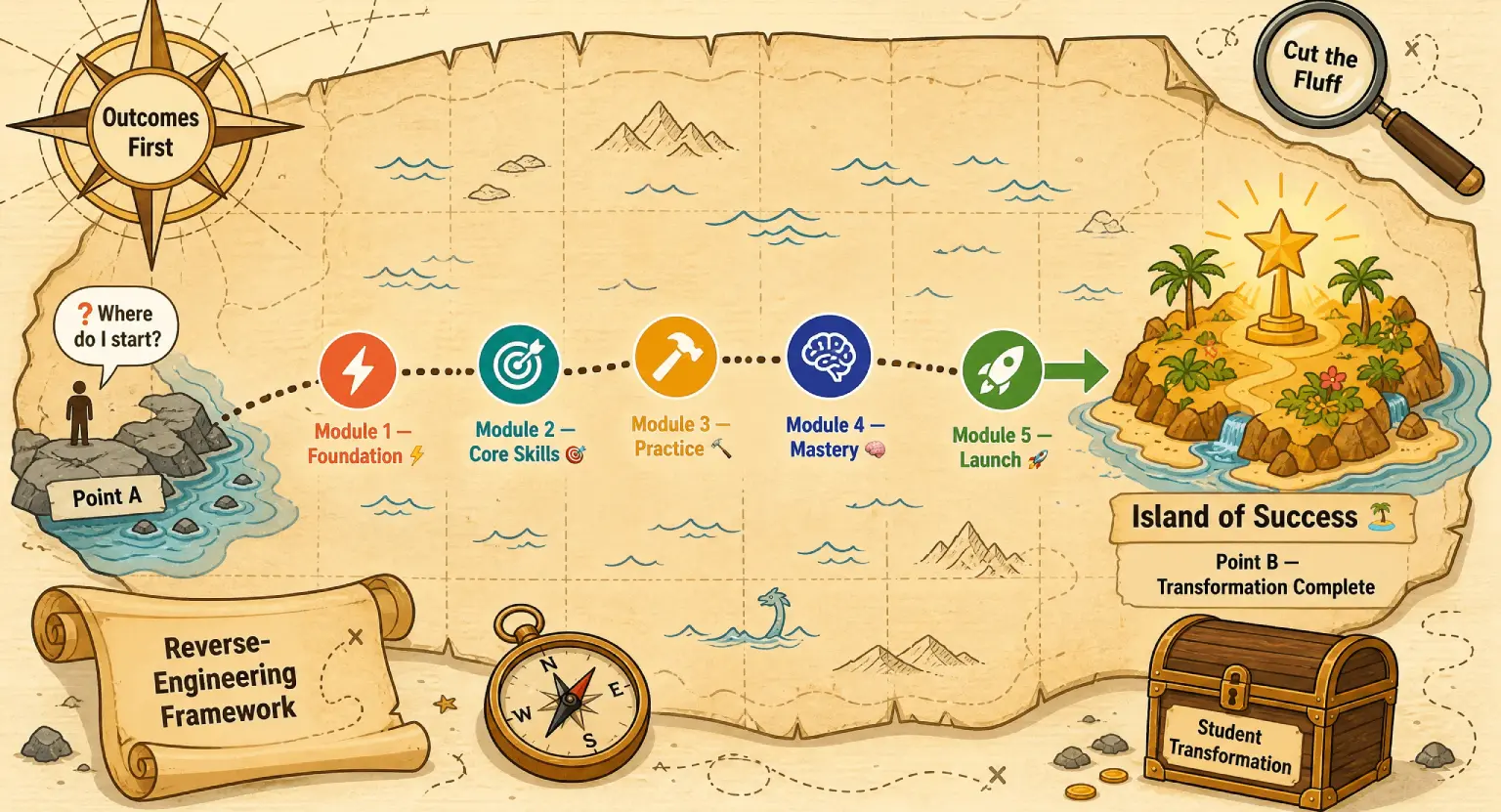
The Reverse-Engineering Framework
The biggest mistake I see beginners make is starting with Lesson 1. It sounds logical, but it's actually the worst way to design a learning experience.
Instead, you need to start with the "Island of Success." What is the one big, juicy result your student will achieve by the time they finish?
Once you have that clearly defined, you work backward.
What is the very last step they take before reaching that goal?
What's the step before that?
This helps you cut out the fluff that doesn't actually contribute to the transformation.
Think of it like a recipe. If you're teaching someone to bake a sourdough loaf, they don't need a three-hour lecture on the history of wheat in the Bronze Age. They need to know how to feed a starter and when the dough has proofed enough.
But you'd be surprised how many experts feel the need to include everything they've ever learned just to feel "valuable." Resist that urge.
Your value is found in the time you save your students, not the hours of video you force them to watch. You want to focus on how to create engaging course content that moves them forward fast.
When you map this out, try using physical sticky notes or a digital mind map.
Group similar ideas into "Pillars" or "Modules."
Each module should represent a significant milestone in the journey.
If your course is about photography, one module might be "Mastering Manual Mode," and another might be "The Secrets of Natural Light."
This gives students small wins along the way.
Small wins create dopamine, and dopamine keeps people logging back in day after day until they finish the course.

Structuring Your Modules for Maximum Impact
Now that you have your big milestones, it is time to drill down into the lessons themselves.
In 2026, the "Micro-Learning" trend has become the gold standard.
This means instead of one forty-minute lesson on "Composition," you create four ten-minute lessons : "The Rule of Thirds," "Leading Lines," "Negative Space," and "Framing."
Smaller chunks are easier to digest during a morning commute or a lunch break. It makes the mountain feel much more like a series of small, manageable hills.
But it's not just about the length. Every lesson should follow a consistent flow.
You introduce the concept, explain the "why," show the "how," and then - this is the part most people skip - give them a "do." Action is where the actual learning happens.
If someone just watches you do something, they haven't learned it; they've only witnessed it. For every lesson, ask yourself : "What is the one thing the student should do right now to apply this?"
It could be a worksheet, a five-minute exercise, or a post in your community area.
-
Define a clear "Learning Objective" for every single video.
-
Keep your introductions under 60 seconds (don't waste time on fluff).
-
Use a mix of talking-head video, screen shares, and visual slides.
-
Follow video lessons best practices to keep quality high.
-
Always summarize the "Action Item" at the very end of the clip.
So, you've got your modules and your lessons. Now, look at the transition between them.
Does Module 1 naturally lead into Module 2?
It should feel like a story where each chapter builds on the last.
If you find yourself needing to explain a concept in Module 4 that should have been covered in Module 1, your "flow" is broken.
Taking the time to get this logic right now will save you from a mountain of support emails later from confused students who feel lost in the woods.
Choosing the Right Curriculum Format
Depending on what you are teaching, the style of your curriculum might vary.
A "Masterclass" on painting is very different from a "Bootcamp" on coding or a "Coaching Program" for weight loss.
You need to decide which format fits your personality and your students' needs. Sometimes, a lean and fast approach is better than a deep, comprehensive one.
The key is to match the curriculum structure to the intensity of the result you are promising.
| Curriculum type | Best for | Typical length | Main focus |
|---|---|---|---|
| The Sprint / Bootcamp | High-intensity skills | 7 to 30 Days | Speed and execution |
| The Signature Course | Complete transformations | 6 to 12 Weeks | Comprehensive mastery |
| The Micro-Course | Solving one tiny problem | 1 to 3 Hours | Specific, quick wins |
| The Membership Path | Ongoing growth & community | Indefinite | Consistent progression |
Once you pick your format, think about how you'll deliver it.
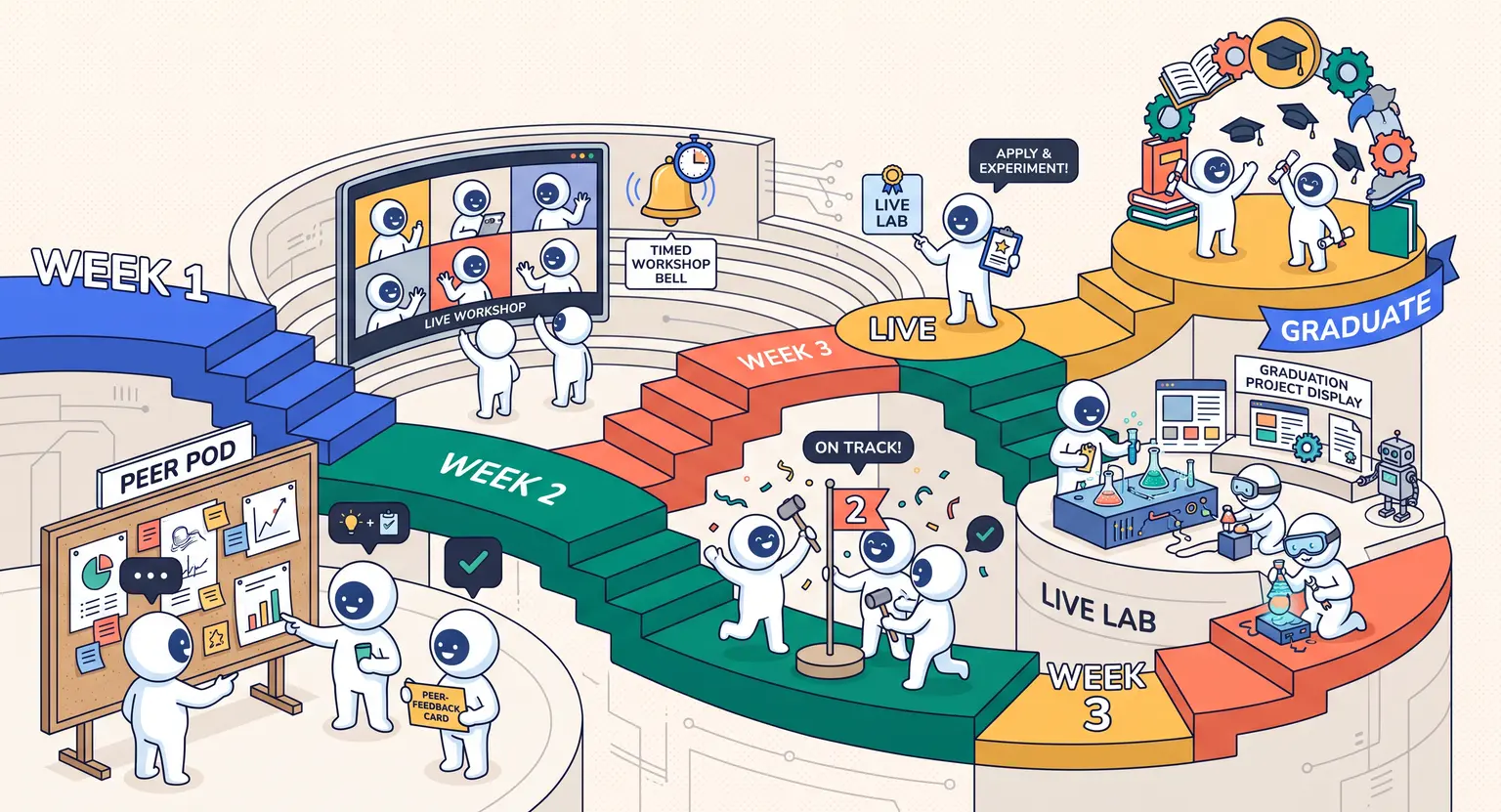
Are you going to release all the modules at once (binge-style), or will you "drip" them out over several weeks?
Drip feeding is great for preventing overwhelm, but some students hate waiting.
By using an all-in-one platform to sell online courses, you can often give students the choice or set up different tracks based on their learning pace. This flexibility is what separates the pros from the amateurs in the 2026 market.
Refining Based on Real Human Data
The curriculum you write today isn't set in stone. In fact, it shouldn't be.
One of the coolest parts of modern course creation is the ability to see where students are dropping off. If you notice that 40% of your class stops watching at Module 3, Lesson 2, you have a problem.
Maybe that lesson is too boring, too hard, or simply doesn't make sense.
Use that data to jump back in and tighten things up.
A curriculum is a living, breathing document that evolves alongside your students.
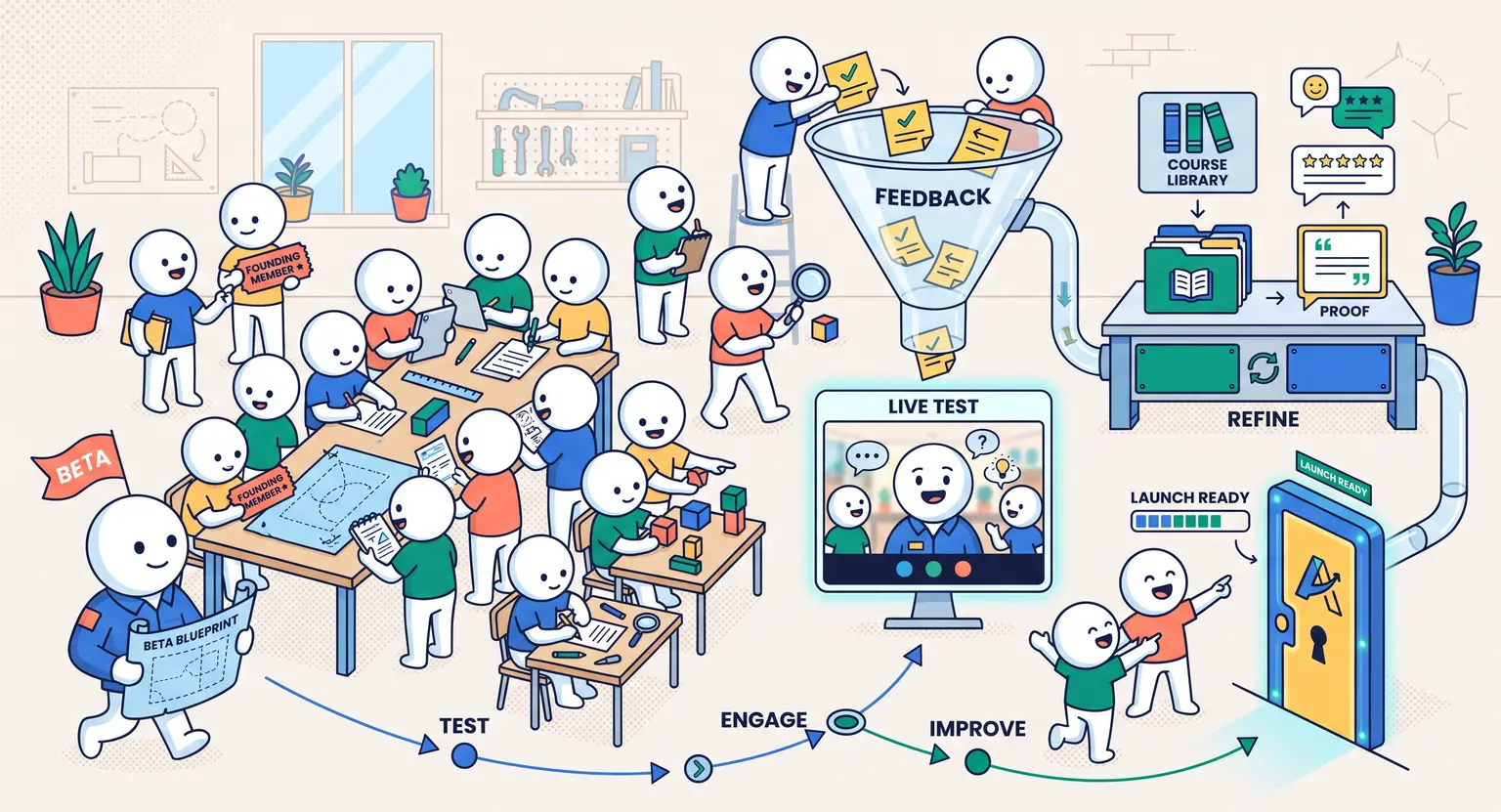
And don't be afraid to ask for feedback early. You can even launch a "Beta" version of your curriculum to a handful of students at a discount.
Watch how they interact with the material.
Where do they get stuck?
What questions are they asking in the comments?
Their confusion is your roadmap to a better course.
By the time you are looking at sell online courses platform pricing for your full launch, you'll have the confidence of knowing your curriculum actually delivers on its promises.
But remember, at the end of the day, a curriculum is just a tool to help someone change their life.
Whether you're teaching them how to code, how to garden, or how to manage their finances, keep the human element at the center.
Talk to them like a friend, guide them like a mentor, and celebrate their wins like a coach.
When you care about the result as much as they do, the curriculum almost designs itself.
So, stop overthinking, grab those sticky notes, and start mapping out that transformation!
Frequently Asked Questions
How long should a standard course curriculum be?
There is no magic number, but most successful courses in 2026 range from 4 to 8 modules.
The key is to ensure every lesson serves a specific learner outcome rather than just adding bulk to justify a higher price point.
Do I need to record all my videos before finishing the curriculum?
Absolutely not, and you probably shouldn't. It is much better to finalize your roadmap and even validate your idea with a small group before you spend hours in front of a camera.
What is the biggest mistake people make when building a syllabus?
The most common error is including too much information. This leads to student overwhelm and high dropout rates; focus on the minimum amount of info needed to reach the desired result.
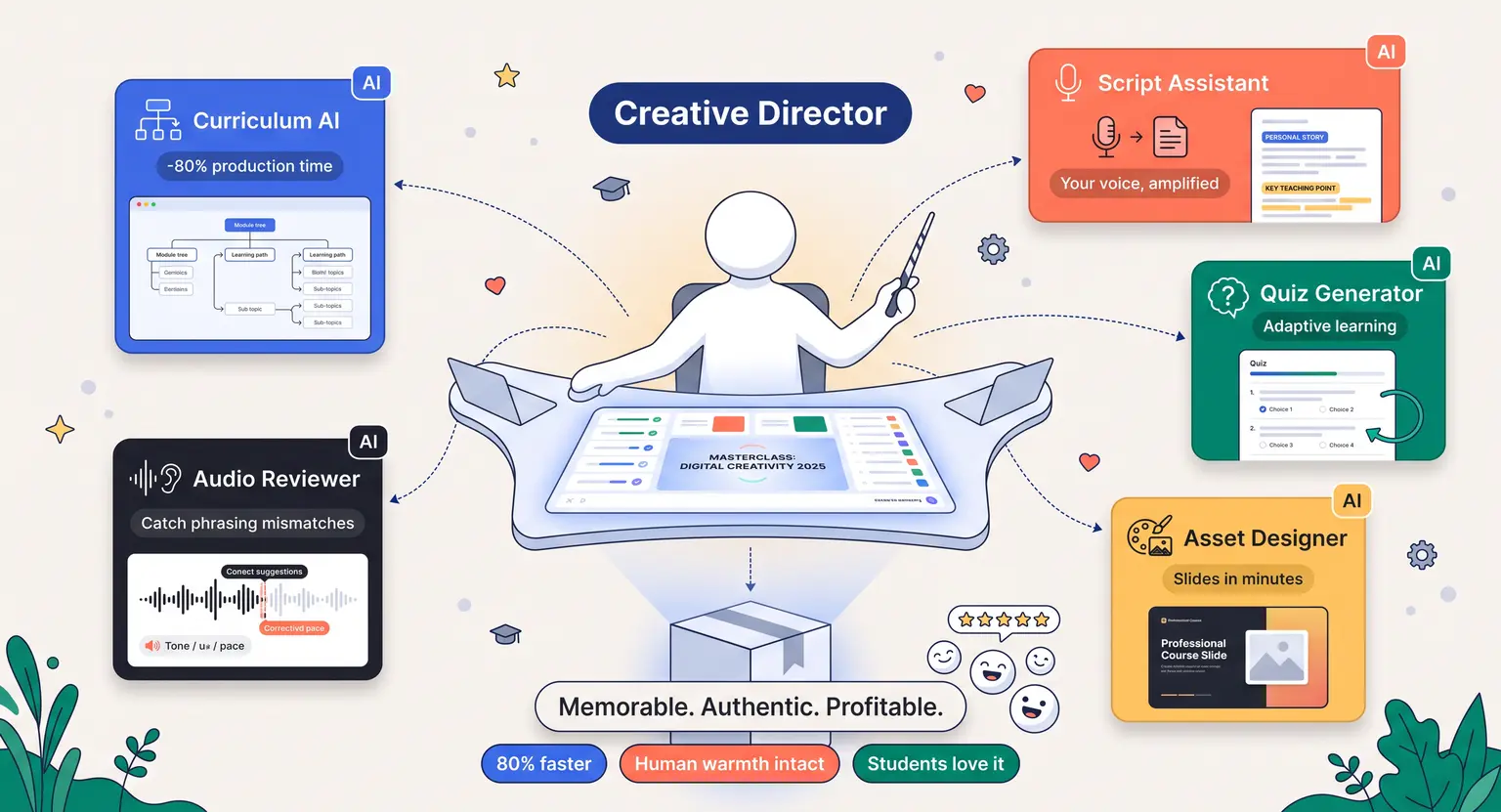
Should I use AI to write my curriculum?
AI can help with brainstorming and organizing your thoughts, but the unique value comes from your personal experience and voice. Use technology as a draft partner, but keep the core insights human-centric.


 How to Create a Course Refund Policy (Templates & Best Practices for 2026)
 How to Run a Beta Version of an Online Course (2026 Guide)
 How to Create a Cohort-Based Online Course (2026 Guide)
 How to Sell an Online Course With a Quiz Funnel (2026 Guide)
 How to Sell an Online Course Through a Sales Call (2026 Guide)