







How to Start an Affiliate Program in 2026: The Complete Guide
How to Start an Affiliate Program
You have built an amazing product. Maybe it is a course, a software tool, or an elite coaching program.
You are making sales, but the continuous grind of finding new customers through paid ads is eating your margins. Click-through rates are down, ad costs are up, and trying to please search engine algorithms feels like chasing a moving target.
So, how do you scale without breaking the bank?
You get other people to sell for you.
Starting your own affiliate program is one of the smartest business moves you can make. It transforms your marketing from a costly, unpredictable gamble into a zero-risk, performance-based machine - You only pay when a sale actually happens.
But you cannot just slap a referral link on your footer and call it a day. A successful program requires solid architecture, clear terms, and a reliable engine to track everything smoothly.
Let us look at how you can build a system that works tirelessly for your brand.
Key Takeaways for 2026 :
-
Zero Upfront Risk : you only pay custom percentages when verified transactions actually occur.
-
Seamless Technology : all-in-one platforms like LearnyBox combine hosting, checkout, and affiliate tracking out-of-the-box.
-
Defined Reward Architectures : establishing a clear, competitive affiliate commission structure keeps your promoters motivated and loyal.
-
High-Value Onboarding : supply links, custom banner assets, pre-written swipe copy, and educational support to maximize partner success.
-
Active Communication : send monthly updates to share new offers, product changes, and top-performing promo strategies.
The Hidden Engine of Scalable Growth
Imagine paying for marketing only after it generates real profit. Traditional advertising is a persistent gamble where you write checks up front and hope for conversions…
On the other hand, starting your own partner program represents a low-friction shift to pure efficiency.
You protect your cash flow because you only pay your promotional army after money arrives in your account.
But the benefits go far deeper than simple risk management. When trusted authorities, bloggers, and satisfied users recommend your products, they transfer their valuable credibility directly to your brand.
These authentic recommendations carry far more weight than any polished ad campaign. Customers acquired through partner referrals usually enter your ecosystem with higher trust, which translates to longer customer lifespans and lower refund rates.
Beyond that, this strategy builds a powerful network of organic visibility. As different partners start reviewing your digital products, courses, or items across their platforms, they build a web of authority.
This organic activity naturally signals search engines that your website is a trusted industry brand, giving you consistent search benefits without needing to chase algorithms.
Designing Your Commission Structure
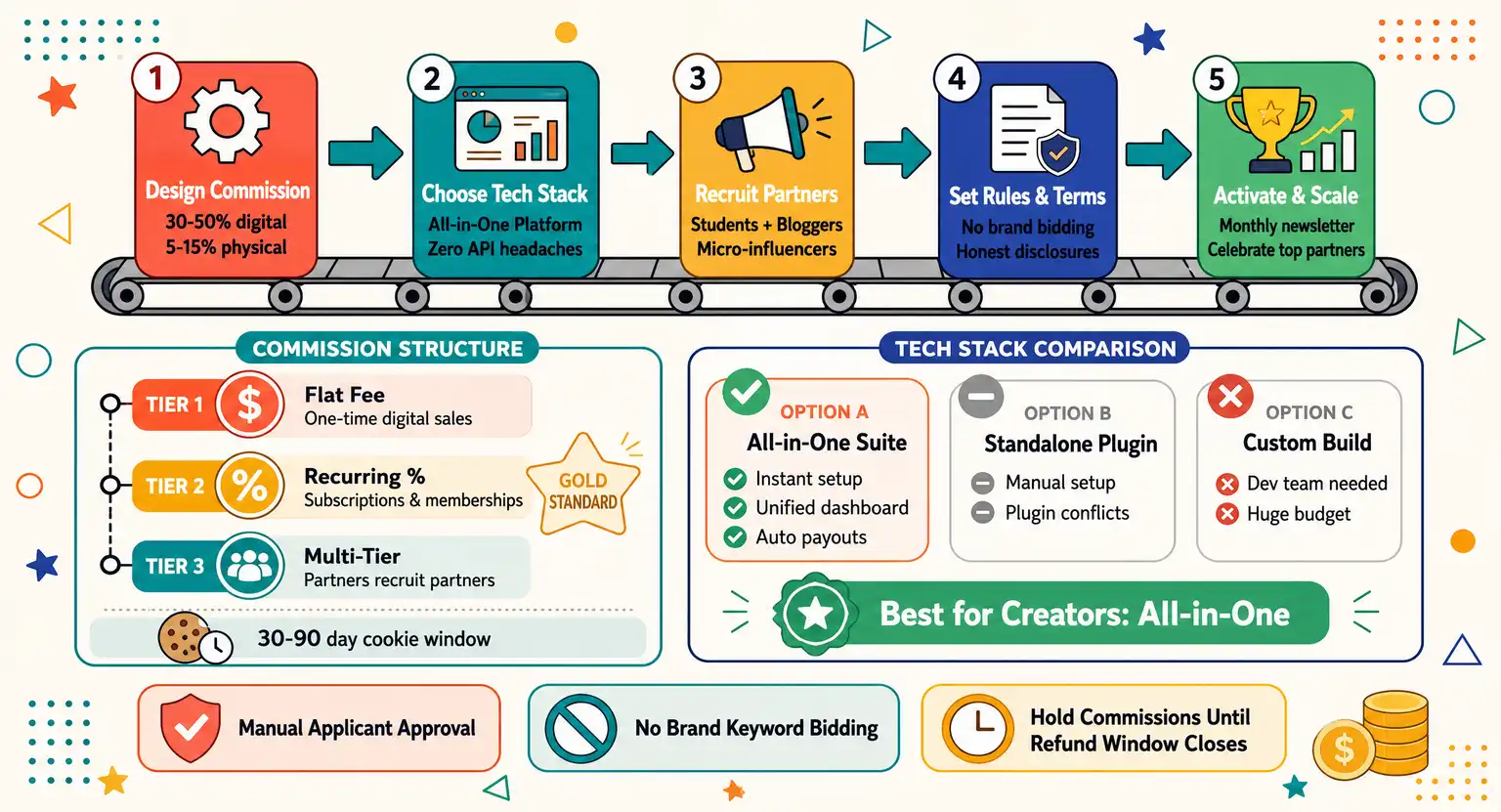
Before reaching out to potential partners, you must calculate your exact numbers. You need a setup that is highly enticing to marketers while preserving your business profit margins.
Your profit margins determine your payout limits. If you sell digital downloads, courses, or online memberships, your low overhead gives you massive flexibility.
This allows you to offer generous payouts, sometimes ranging from 30% to 50%.
On the other hand, physical goods carry high creation and delivery overhead, usually limiting payouts to a sustainable 5% to 15% range.
You also need to choose between paying flat fees or recurring lifetime commissions. Fixed payments are simple and work perfectly for single-time digital checkouts or retail products.
Meanwhile, recurring payouts are the absolute gold standard for subscription-based models or monthly memberships. They reward your partners continuously, giving them a strong incentive to remain active and support the customers they send you.
Do not forget to explore multi-tier setups too. This advanced strategy lets your top promoters earn minor percentages from other marketers they introduce to your system.
Resolving these policies early ensures you build on a solid affiliate commission structure.
Selecting the Tracking Tech Stack
Your tracking software represents the engine of your entire program. If a partner sends traffic and their clicks get lost, or if your checkout systems fail to attribute sales correctly, your partners will feel cheated and walk away immediately.
They need absolute trust that every click is tracked accurately.
You basically have two choices here : standalone platforms or fully integrated digital marketing systems.
Standalone tools specialize in tracking but require complex integrations, API setups, custom code, and complex manual billing syncs.
Running integrated platforms is far simpler. If you sell e-learning, training, or memberships, using built-in options makes absolute sense. Integrating affiliate marketing for course creators directly into your hosting engine eliminates technical friction and sync bugs.
Your chosen engine must offer a clear, self-service dashboard for your partners.
Marketers want to log in, view live click data, download creative assets, track historical earnings, and update their payout details without needing to send manual emails to your support team weekly.
Technical Architecture Comparison
Let's analyze different technical setups to see which model matches your operational capacity and business scale :
| Platform architecture | Implementation effort | Ideal business type | Primary advantages | Key drawbacks |
|---|---|---|---|---|
|
Integrated all-in-one suites |
Extremely low. Runs instantly out of the box with zero external scripts needed. |
Course creators, coaches, digital entrepreneurs, membership sites. |
No API headaches, unified customer database, automated payout tracking, simple dashboard navigation. |
Slightly fewer complex enterprise multi-tier tracking adjustments compared to custom engines. |
|
Standalone tracking plugins |
Medium. Requires manual plugin installation, setting setup keys, and connecting merchant gateways. |
WordPress users, simple blogging websites, standalone sales pages. |
Low initial entry price, high control over local site databases and direct setups. |
Speeds up database bloating, requires constant security updates, high chance of plugin conflicts. |
|
SaaS tracking platforms |
High. Requires manual JS tracking scripts, webhook integrations, and developer testing. |
B2B software, scaling SaaS tools, medium-sized e-commerce stores. |
In-depth analytics, multiple payout options, dynamic link generation tools. |
Expensive monthly subscription plans, steep technical learning curves, separate checkout connection hurdles. |
|
Public affiliate networks |
Medium. Demands merchant application approval, pixel installation, and deep product listing catalogs. |
E-commerce brands, retail products, physical merchandise shops. |
Instant access to an existing network of active marketers seeking promotions. |
High network platform fees, cuts of every single sale, intense direct competition with other merchants. |
|
Custom-built internal solutions |
Extremely high. Demands professional engineering, security reviews, and custom database setups. |
Large enterprise corporations, highly proprietary core software environments. |
Total proprietary system control, zero external software reliance, tailored data schemas. |
Huge maintenance budgets, security risks, constant development cycles, complex manually managed tax structures. |
Attracting and Recruiting Quality Marketing Partners
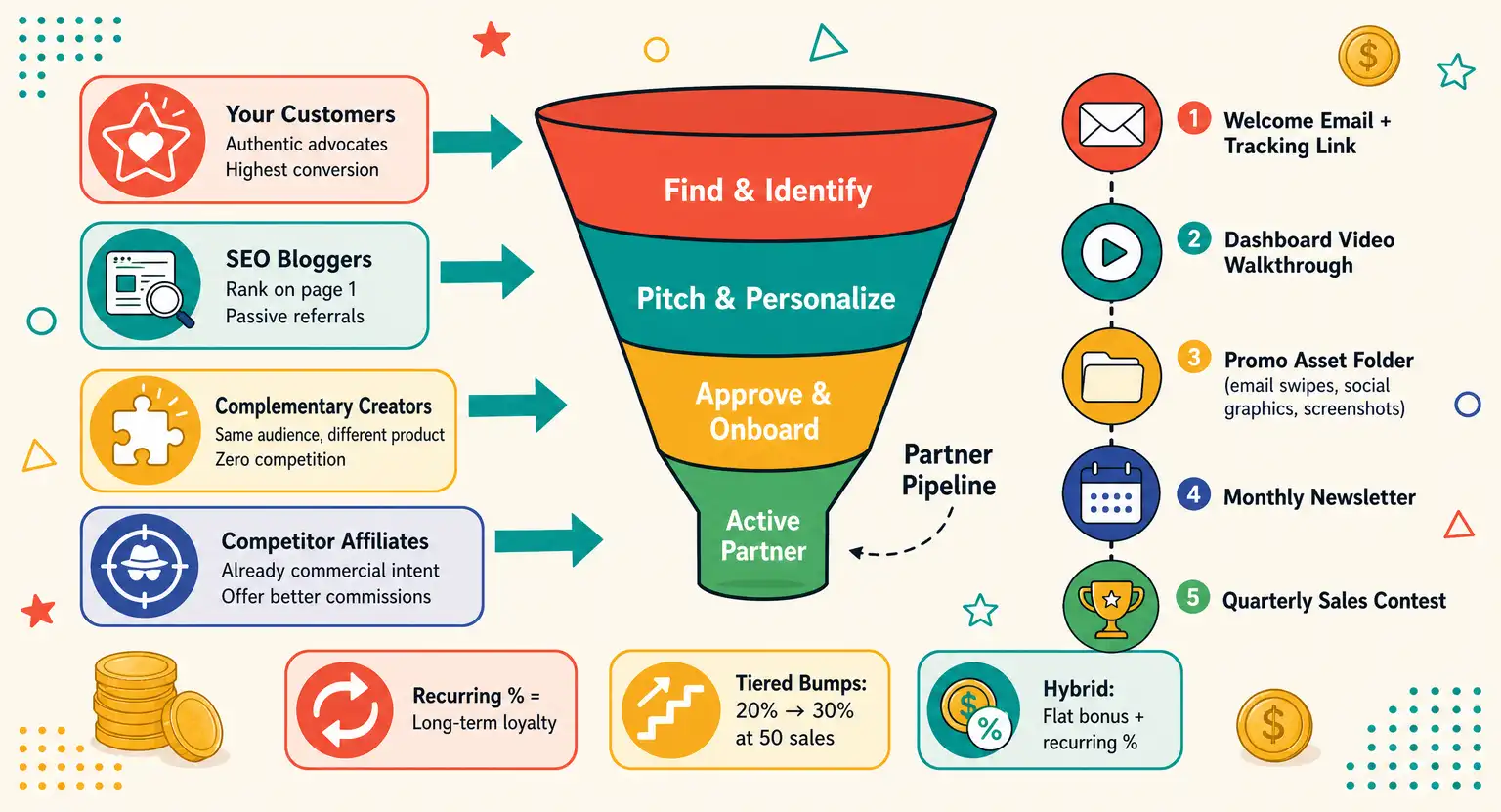
A shiny new partner system is completely useless without the actual promoters driving the wheels. You need to know how to recruit affiliates who already have the attention of your dream clients and possess natural alignment with your offerings.
Start by looking closely at your current audience - Your existing customers represent your most valuable, untapped asset. They already use your courses, love your products, and understand your brand ecosystem.
Send them a personal, warm email today inviting them to join your brand-new reward system.
Next, explore industry bloggers, niche content creators, and social media experts.
Conduct personalized, high-value outreach.
Avoid using boring, automated templates that feel spammy and cold. Instead, treat them like valuable human beings. Explain exactly why your product fits their content, and offer them a free trial account so they can try it firsthand before recommending it to their readers.
Finally, build an attractive registration landing page right on your website. Put a visible link in your navigation menu or footer.
On this page, outline your payout details, commission rates, cookie lengths, and marketing perks clearly so potential partners can easily see the massive value of joining your network.
By combining direct customer outreach, personalized influencer partnerships, and highly visible website sign-up routes, you will quickly build a solid, scaling, and highly profitable team of motivated promoters.
Rules, Compliance, and Community Management
Launching your program is just the beginning. To keep it healthy, you must define clear rules that protect your brand equity. Write a straightforward agreement that outlines exactly what promotional channels are allowed and what is forbidden.
Establish clear rules regarding paid advertising. Most brands strictly forbid partners from bidding on company-brand keywords, as this directly drives up search costs for everyone. Specify how coupon sharing is handled, and prohibit spamming methods.
Beyond rules, keep your team active with steady communication. Send a monthly friendly newsletter sharing updates, fresh creative assets, and helpful promotion tips.
Celebrating your high-performing partners publicly builds a loyal, enthusiastic community that consistently drives results.
Consistency is key. Always pay your commissions on time, keep your resources updated, and treat your partners like vital extensions of your company.
This ensures everyone stays focused on mutual growth.
Program Compliance Standards :
-
Always maintain clean, reliable tracking setups to completely avoid lost partner click transactions every week.
-
Establish highly competitive payout reward structures to easily secure top industry influencer loyalty long-term.
-
Regularly update your promotional branding assets quarterly to keep affiliate marketing campaigns fresh always.
Frequently Asked Questions
How much does it cost to start an affiliate program?
You can easily launch for under a hundred dollars monthly using consolidated web systems. But if you demand custom, heavy enterprise tracking engines, expect high setup fees and engineering bills that run into thousands of dollars.
How do I prevent affiliate fraud in my program?
Start by manually approving every applicant.
Enforce strict terms of service, ban self-referrals, and use tracking software that blocks suspicious cookie patterns, high click-to-lead ratios, or unauthorized brand bidding on search engines. Always audit payouts before sending cash.
Should I pay recurring or one-time commissions?
Recurring structures are incredibly effective for keeping partners active because they receive monthly checks.
If you sell simple single-time checkouts, courses, or physical assets, a competitive, generous one-time percentage payment is much easier to manage over the long term.
Can I run an affiliate program without a specialized platform?
You can try tracking links using custom spreadsheets, but it quickly becomes an operational disaster.
Manually monitoring clicks, calculating dynamic payments, and managing payout invoices takes massive amounts of physical labor that specialized programs automate in seconds. Do not waste precious hours.
How long should my tracking cookie duration last?
Standard industry cookies last between thirty and ninety days. This window gives prospects plenty of time to research and buy while ensuring your partners get fair credit for generating the original interest. Avoid super-short cookie lifetimes.





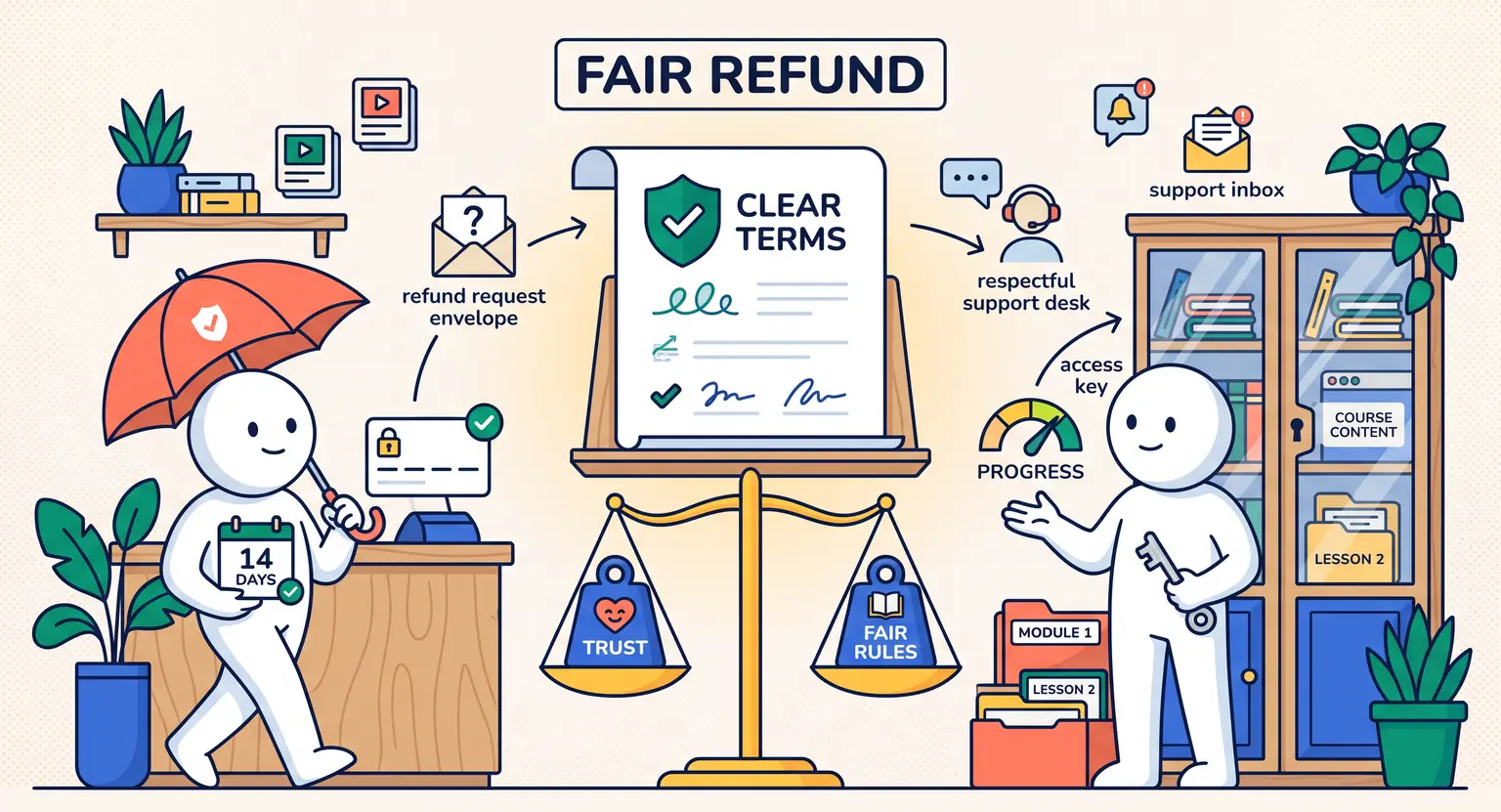 How to Create a Course Refund Policy (Templates & Best Practices for 2026)
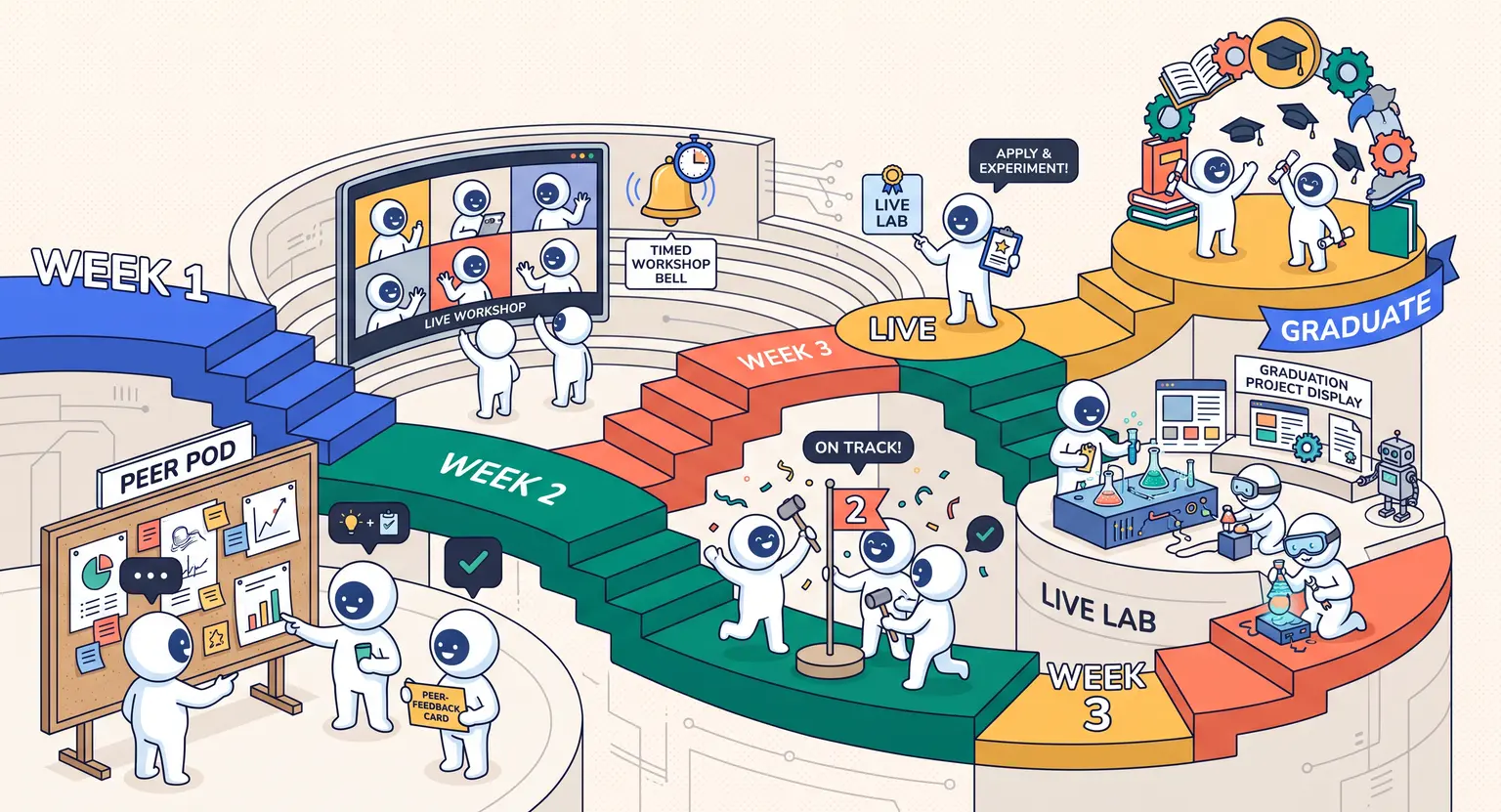 How to Create a Cohort-Based Online Course (2026 Guide)
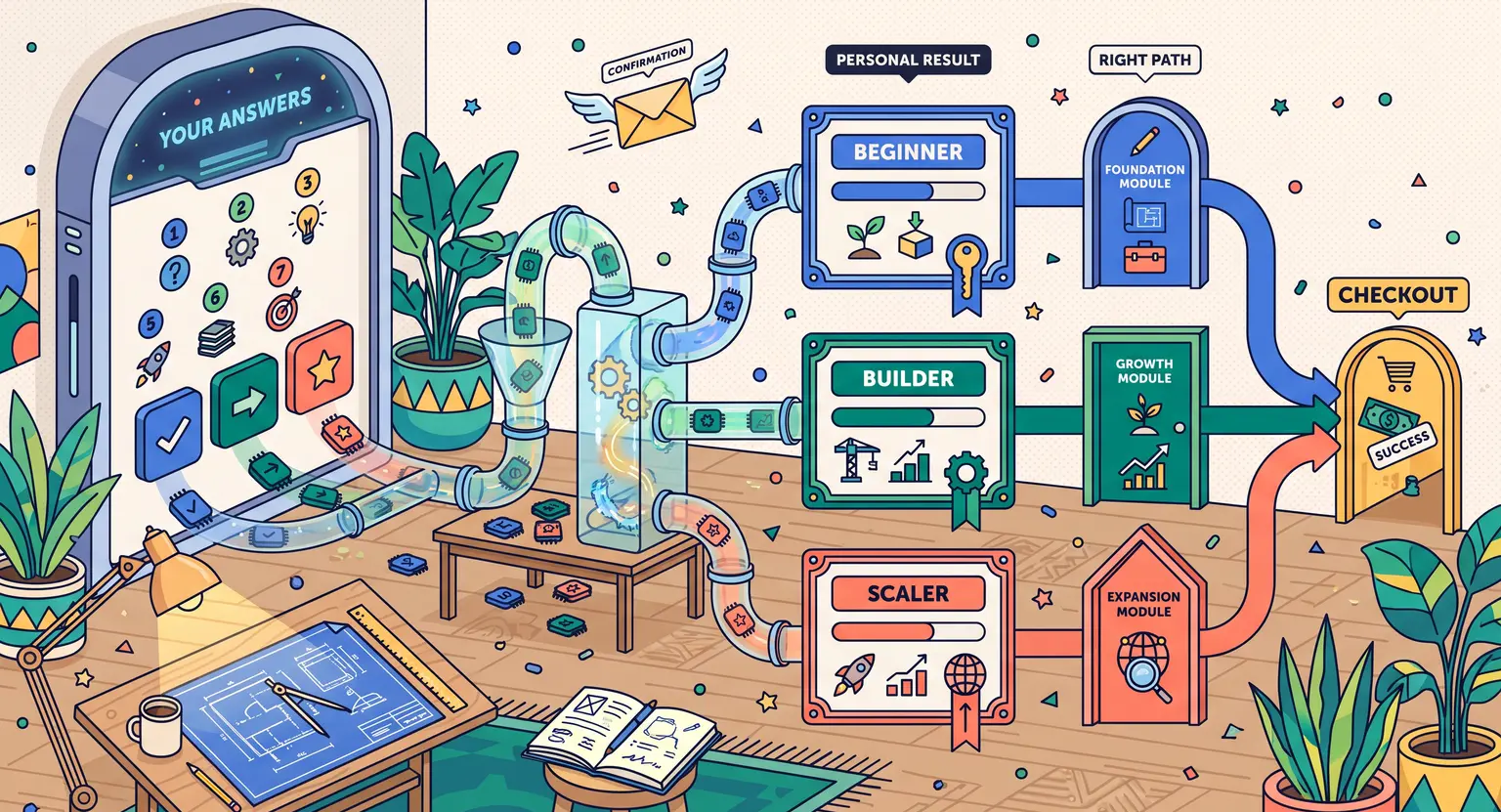 How to Sell an Online Course With a Quiz Funnel (2026 Guide)
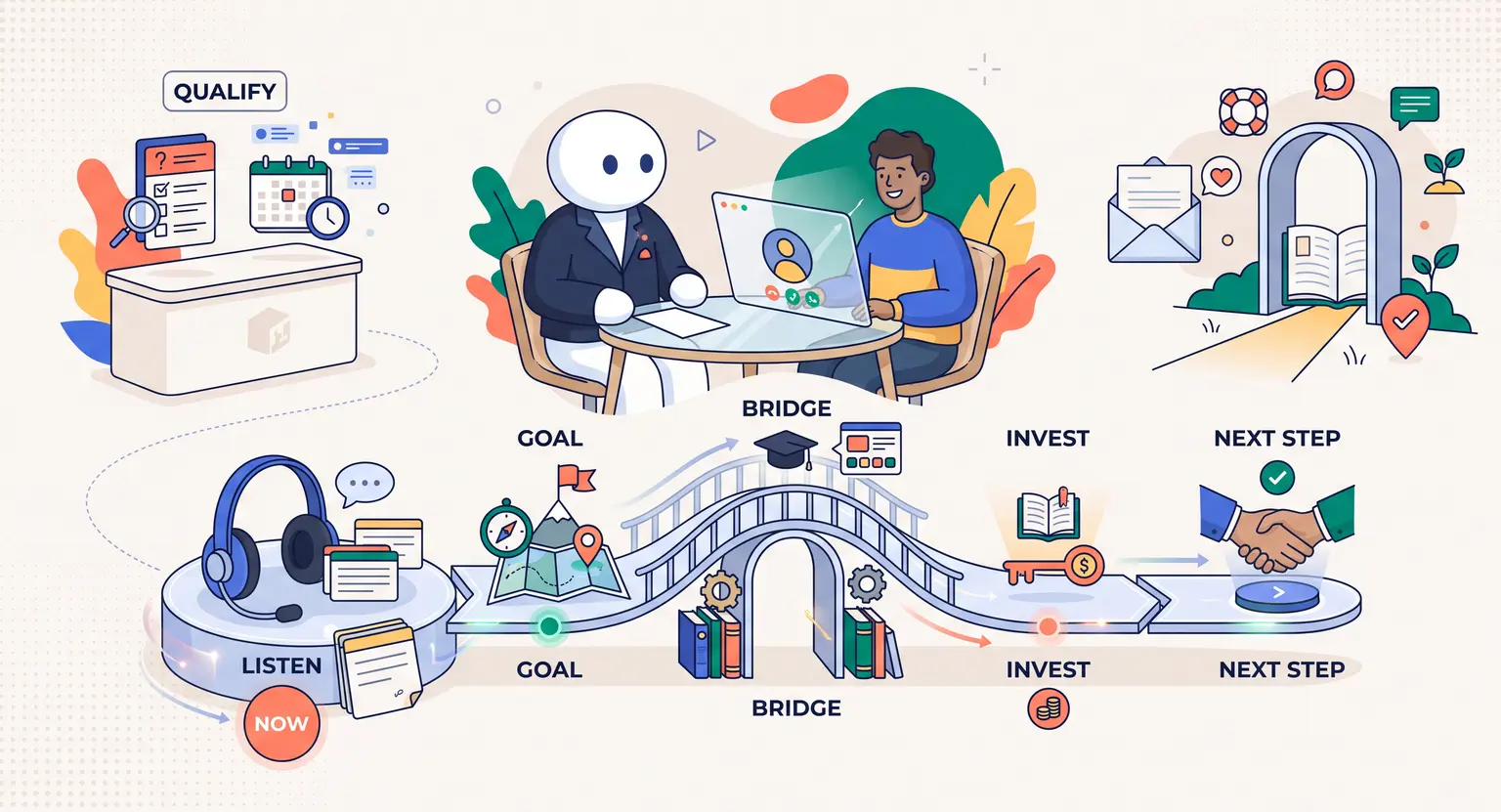 How to Sell an Online Course Through a Sales Call (2026 Guide)