






Online Course Copyright: Who Owns the Content?
Online Course Copyright : Who Owns the Content?
Key Takeaways for Creators
-
You automatically own copyright on all original files the moment you record, style, or write them down.
-
Modern software platforms do not possess your uploads, but you should check their specific terms.
-
Independent freelancers retain ownership of their creations unless they sign a written work-for-hire contract.
-
Protect your digital property with a highly secure system like an all-in-one platform to sell online courses to keep control of your distribution without risking leakage.
Picture this scenario - you spend months pouring your best insights, slides, workbooks, and videography into a premium digital program and the launch is a massive success… How exciting!
But within weeks, you spot a copycat website using your exact logical structure. Or worse, a paying student downloads every lesson and distributes them on a digital pirate hub…
Your heart sinks. It forces you to ask a fundamental legal question : who actually owns the content of your online course?
Intellectual property acts as the primary engine for any online teaching business. Yet, a shocking number of creators put their revenue at risk simply by assuming they own everything they put online.
The truth is that copyright laws are highly nuanced. Between navigating platform agreements, hiring third-party designers, and dealing with problematic students, ownership is rarely simple.
Let us look at how copyright applies to your digital training assets so you can protect your hard work from unwanted reproduction.
1. The Default Rule : Who is the Original Author?
Under the international copyright framework, the basic rule of ownership is clean. The individual who physically creates an original work holds the copyright the moment it becomes tangible.
That means the exact second you stop recording on your camera, export a slide design, or type out a downloadable worksheet, you own that specific asset. It happens automatically. You do not even need to file a formal registry application to enjoy basic rights, though doing so creates a stronger legal shield.
But copyright only protects the unique expression of ideas, never the underlying ideas themselves.
For example, if you teach a standard math formula, you cannot claim ownership of the math concept. However, you absolutely own your specific slide colors, your slide scripts, and your exact audio recordings.
To secure these, you must proactively protect your intellectual property as a course creator by establishing proof of creation dates and adding official markers to every document you publish.
But what happens when you start loading these files onto software web servers?
2. Platforms vs. Creators : Do They Keep Your Content?
When you prepare to launch your program, you must upload videos to a virtual server.
Many independent teachers worry that uploading valuable video lesson tutorials to an external host somehow dilutes their legal claims - some even fear the host might reproduce their precious video files.
Rest assured, reliable software systems explicitly state in their service terms that you keep full copyright ownership of everything. They do not own your videos or curriculum files.
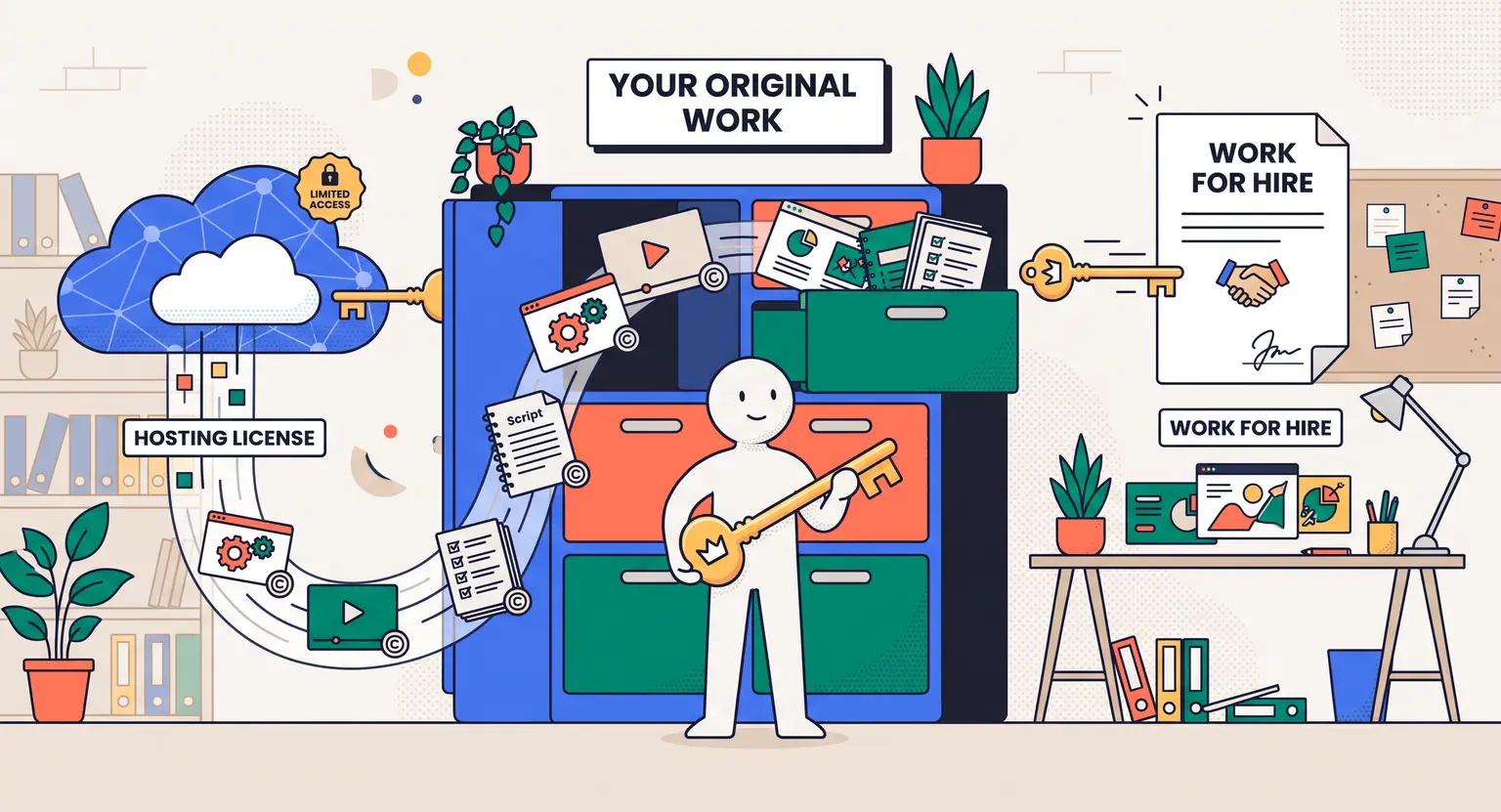
Instead, hosting tools legally require a limited, non-exclusive license. This permission is simply a functional necessity. It lets their systems process, compile, and stream your media files directly to the students who buy your product.
However, be careful with large, open course marketplaces. Some of those sites demand broad marketing rights, allowing them to discount or bundle your classes without your explicit consent.
Choosing a secure, independent site helps you keep absolute command over your brand, allowing you to prevent students from sharing paid course access through robust delivery and custom security options.
So, you own your self-made videos, but what about hired help?
3. Collaborators, Freelancers, and Joint Ventures
Complications often arise when you outsource parts of your digital production.
Imagine hiring a freelance designer to design your lesson slide decks, or paying a skilled content writer to outline your learning modules - many academy owners believe that paying the contractor's invoice automatically grants them full intellectual property ownership.
Unfortunately, this is a massive legal misconception that can crash your educational business.
By default, copyright laws favor the actual creator of the media asset. Unless you have a written contract explicitly stating otherwise, the freelancer technically owns the copyright to the layouts they build for you.
To prevent this headache, you must have all contractors sign a clear "Work for Hire" agreement before they start work. This document legally transfers every single piece of intellectual property over to your brand.
Without this document, your business is merely renting their designs, which makes it extremely difficult to handle copyright infringement of your online course if a contractor decides to resell your work.
Who Owns What? Quick Scenarios
To help you navigate these structures, check this complete summary detailing the actual legal status of different assets you create, host, or buy :
| Creation asset class | Original legal owner | Core asset protection |
|---|---|---|
|
Your self-produced videos |
You as the original primary author. |
Automatic federal copyright law and branding watermarks. |
|
Freelance designed slides and outlines |
The individual freelance designer or copywriter. |
Signed written work-for-hire contract assignment. |
|
Hosted portal lesson and PDF modules |
You as the individual site administrator. |
Secure hosting platform enterprise terms of service. |
|
Student community group board postings |
The active contributing course student author. |
Enforceable student agreement terms of use. |
4. Actionable Steps to Secure Your Course Assets
Do not wait for a copycat to duplicate your hard lessons before you decide to execute a security plan. You must shield your valuable digital assets by setting up active legal and technical defenses starting today.
Taking simple, deliberate precautions upfront keeps your training platform safe while establishing clear boundaries for everyone who registers.
-
Deploy visible copyright badges : display a clear copyright notice on every slide footer, downloadable PDF, and video introduction clip. Seeing a formal badge warns potential copiers that you take your ownership seriously.
-
Publish watertight legal terms : implement clear agreements that outline acceptable usage boundaries. Verify exactly what legal pages an online course website needs before you open registrations to incoming public students.
-
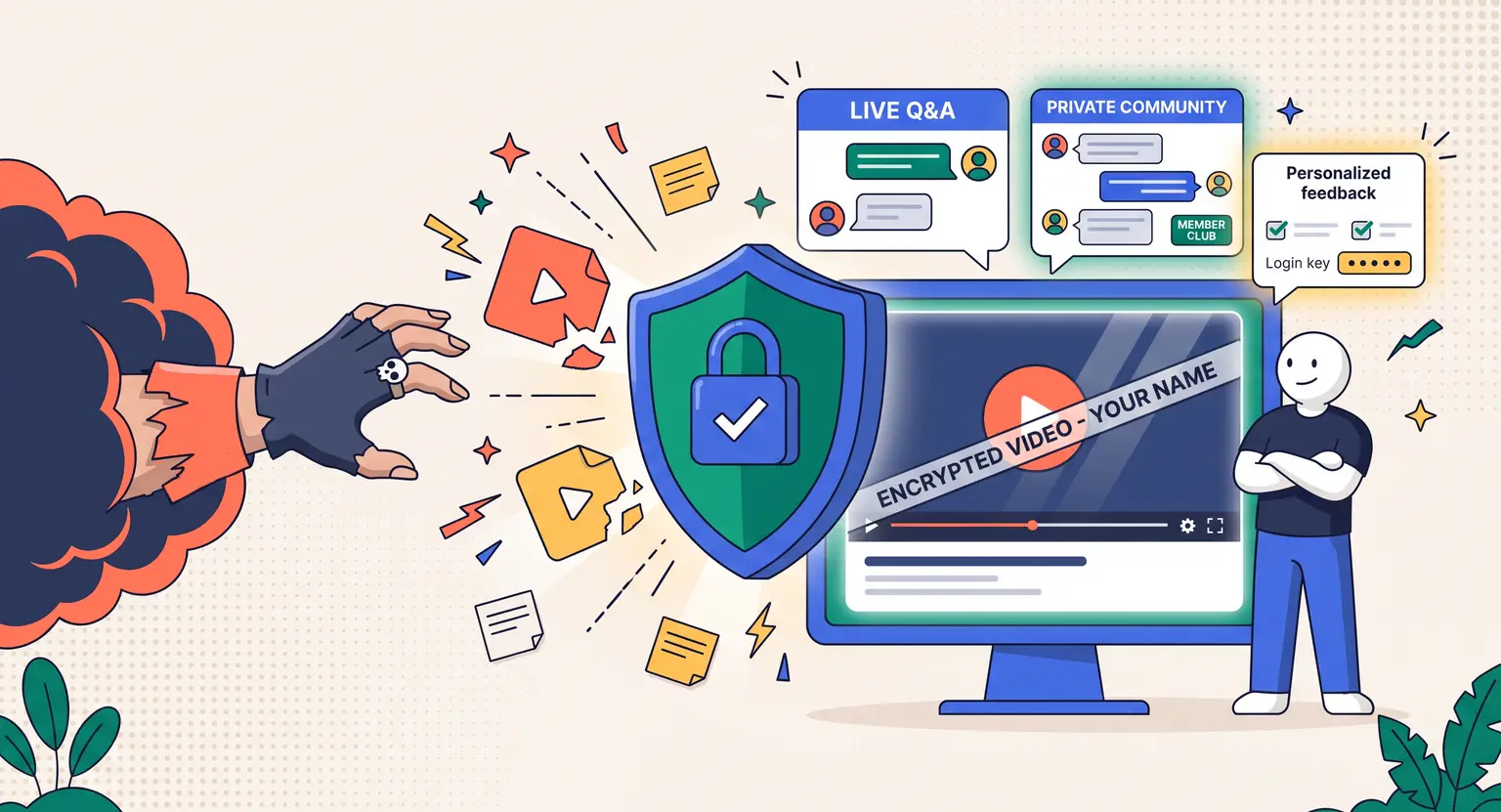
Implement technical access locks : never distribute editable slide files or raw MP4 files. Instead, host flattened PDFs and use secure streaming video feeds to make direct unauthorized downloading difficult.
-
Enforce your intellectual property : keep a regular eye on external directories. If you discover a copycat, sending a prompt cease-and-desist warning acts as a highly efficient tool to protect an online course from piracy.
Frequently Asked Course Copyright Questions
Can I launch legal action if a student shares their school account?
Yes, absolutely. Unauthorized credential sharing violates both your user agreement and federal copyright laws. You can immediately terminate their account access and seek damages for lost course sales.
Does my third-party hosting platform own any uploaded course files?
No, never. Reputable course websites only secure a limited operational license to host and stream your media. You keep one hundred percent copyright ownership of your intellectual assets.
What happens if a hired freelance writer designs my lectures?
The freelancer owns the creative layout unless they sign a written work-for-hire transfer. Always execute a signed contract before you release payments to protect your school from future disputes.




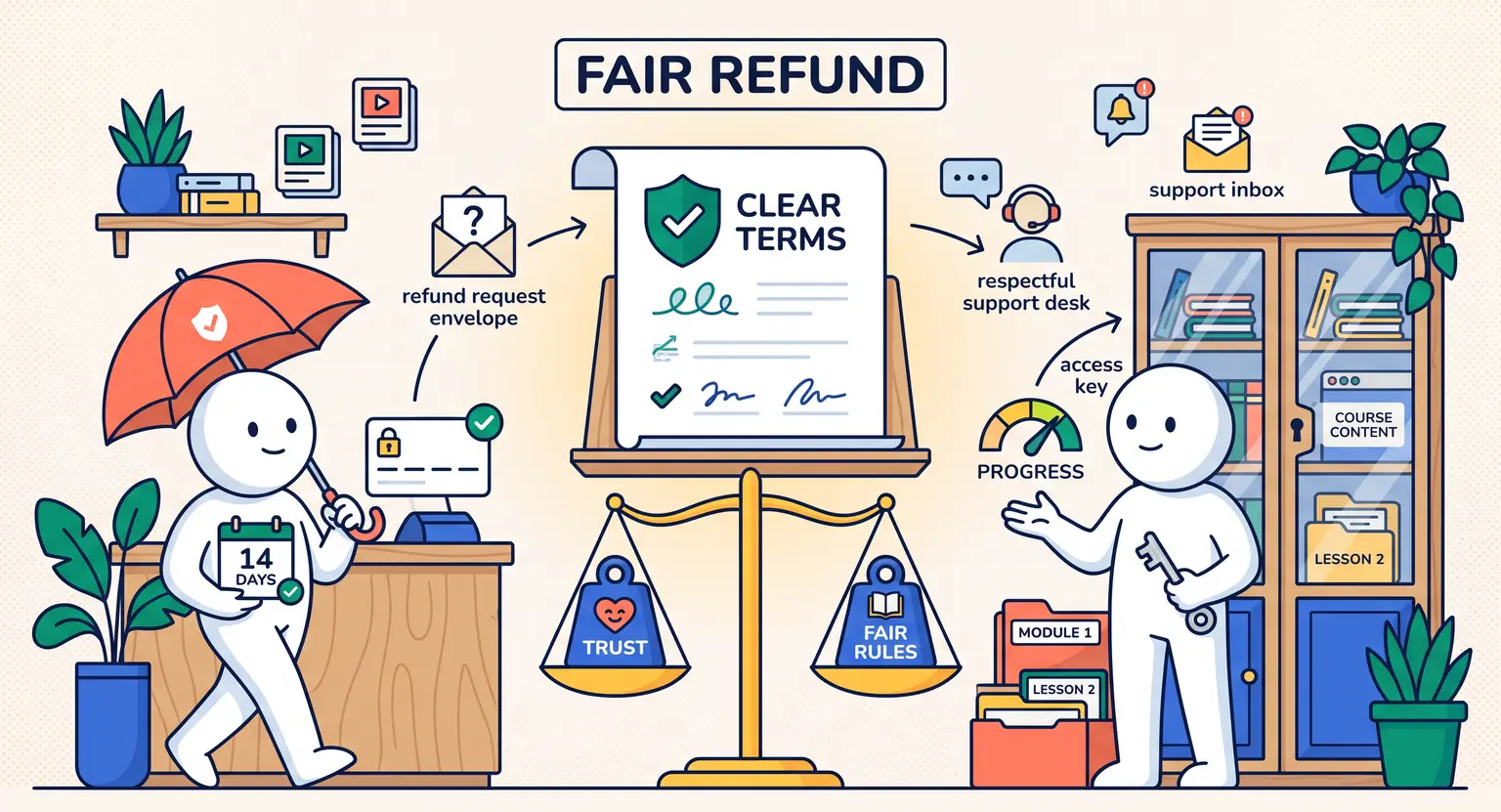 How to Create a Course Refund Policy (Templates & Best Practices for 2026)
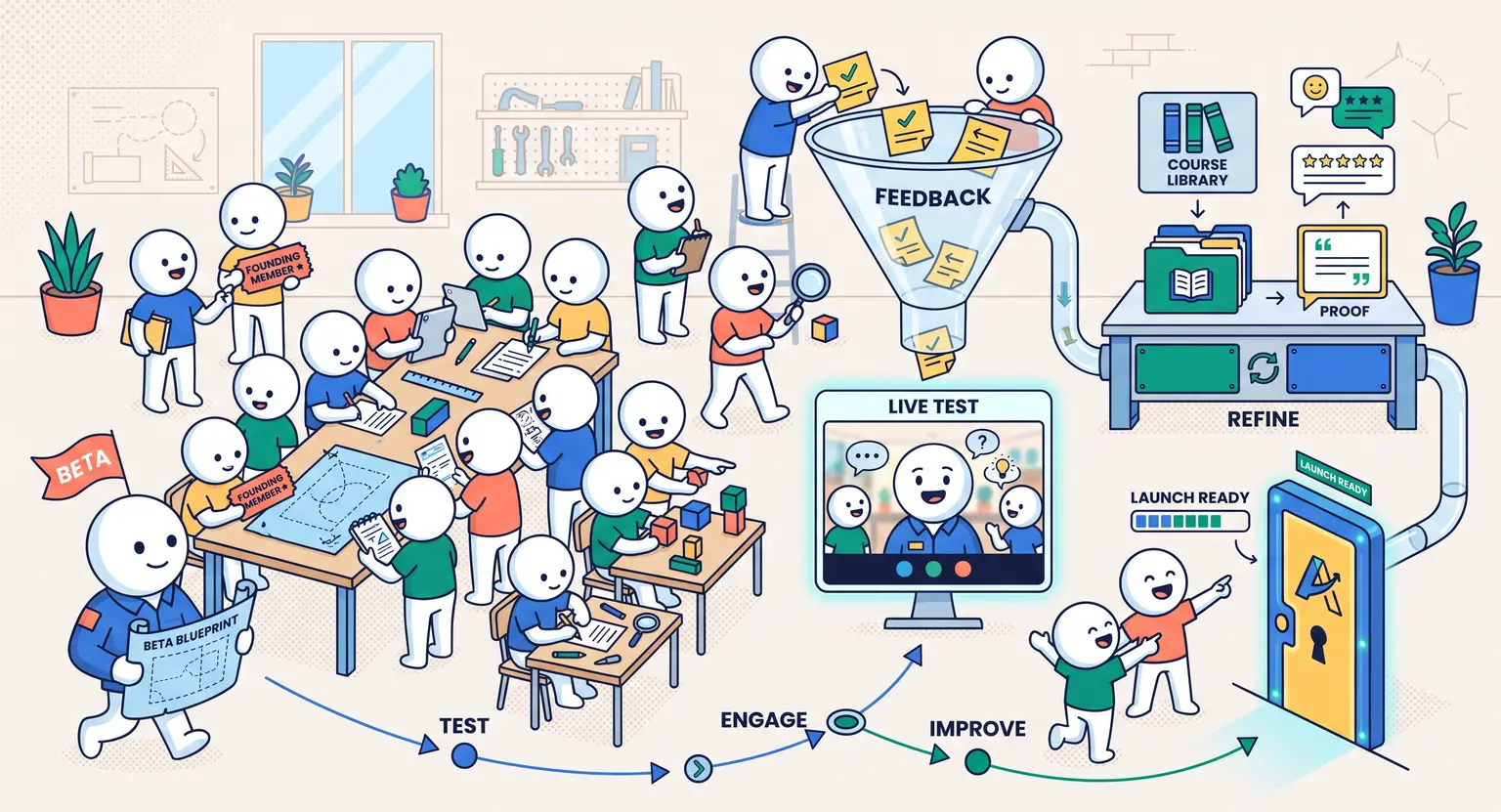 How to Run a Beta Version of an Online Course (2026 Guide)
 How to Create a Cohort-Based Online Course (2026 Guide)
 How to Sell an Online Course With a Quiz Funnel (2026 Guide)
 How to Sell an Online Course Through a Sales Call (2026 Guide)