







12 Proven Online Course Marketing Strategies That Convert in 2026
Online Course Marketing Strategies
We've all seen the classic playbook. You spend months locked in a room, filming video lessons, polishing slide decks, and creating beautiful workbooks…
Then, you open the virtual doors, post a few links on your social feeds, and wait for the sales... But nothing happens. Just the sound of digital crickets.
It's a painful situation, but in 2026, it is entirely preventable.
The digital landscape has evolved past simple pitches. Today, learners are flooded with free information, making trust and hyper-relevance the actual currencies of the space.
If you want to build a thriving business around your knowledge, you need a marketing strategy that focuses on authentic connection and immediate value.
Whether you're launching your first curriculum or trying to scale an existing school, this guide cuts through the noise.
Let's get into the exact frameworks that are driving student enrollment right now, focusing on sustainable, organic tactics that put your expertise front and center.
Key Marketing Takeaways
-
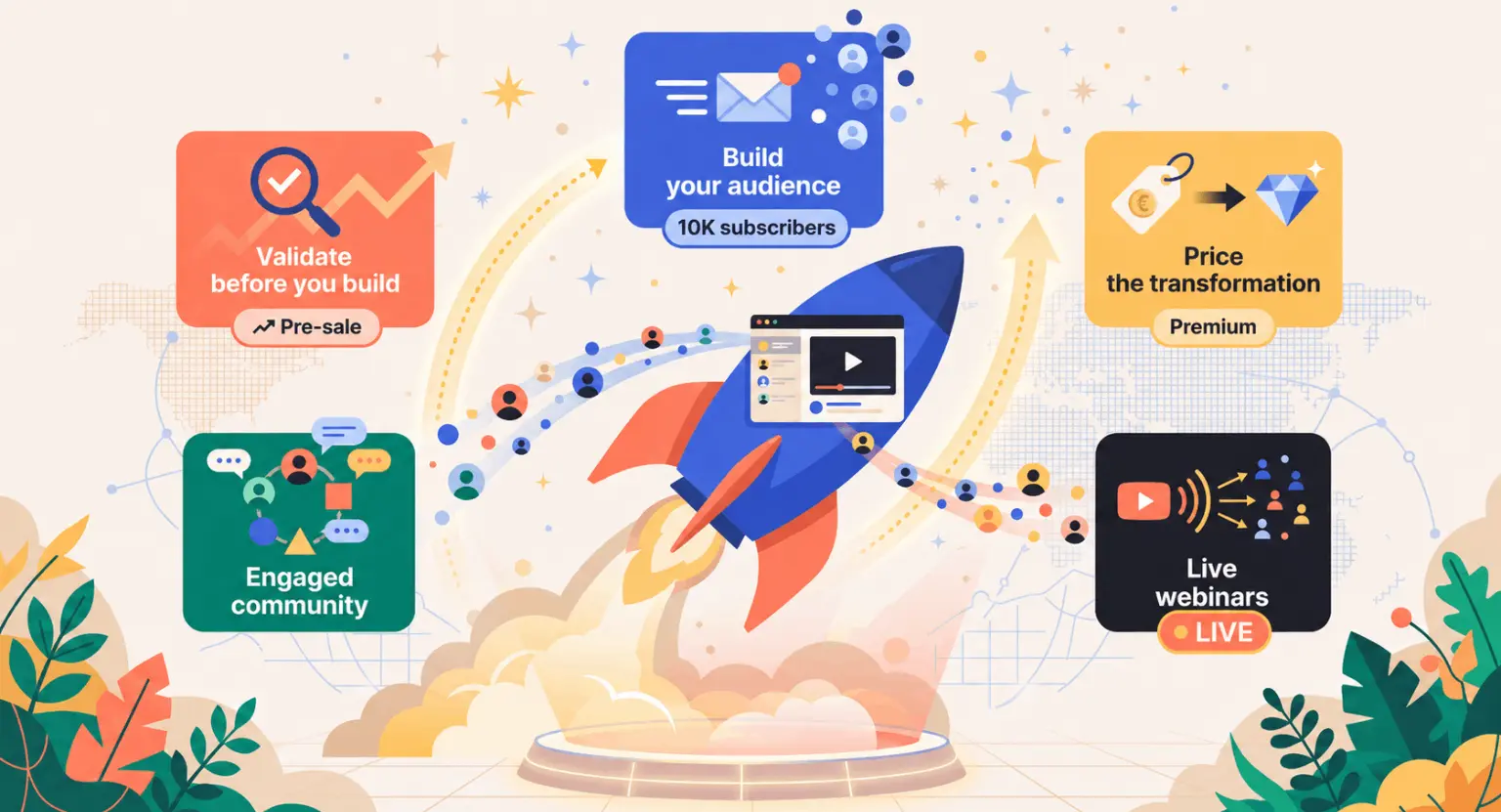
Validate Before You Build : save your energy and resources by learning how to pre-sell an online course to ensure there is active demand before you record.
-
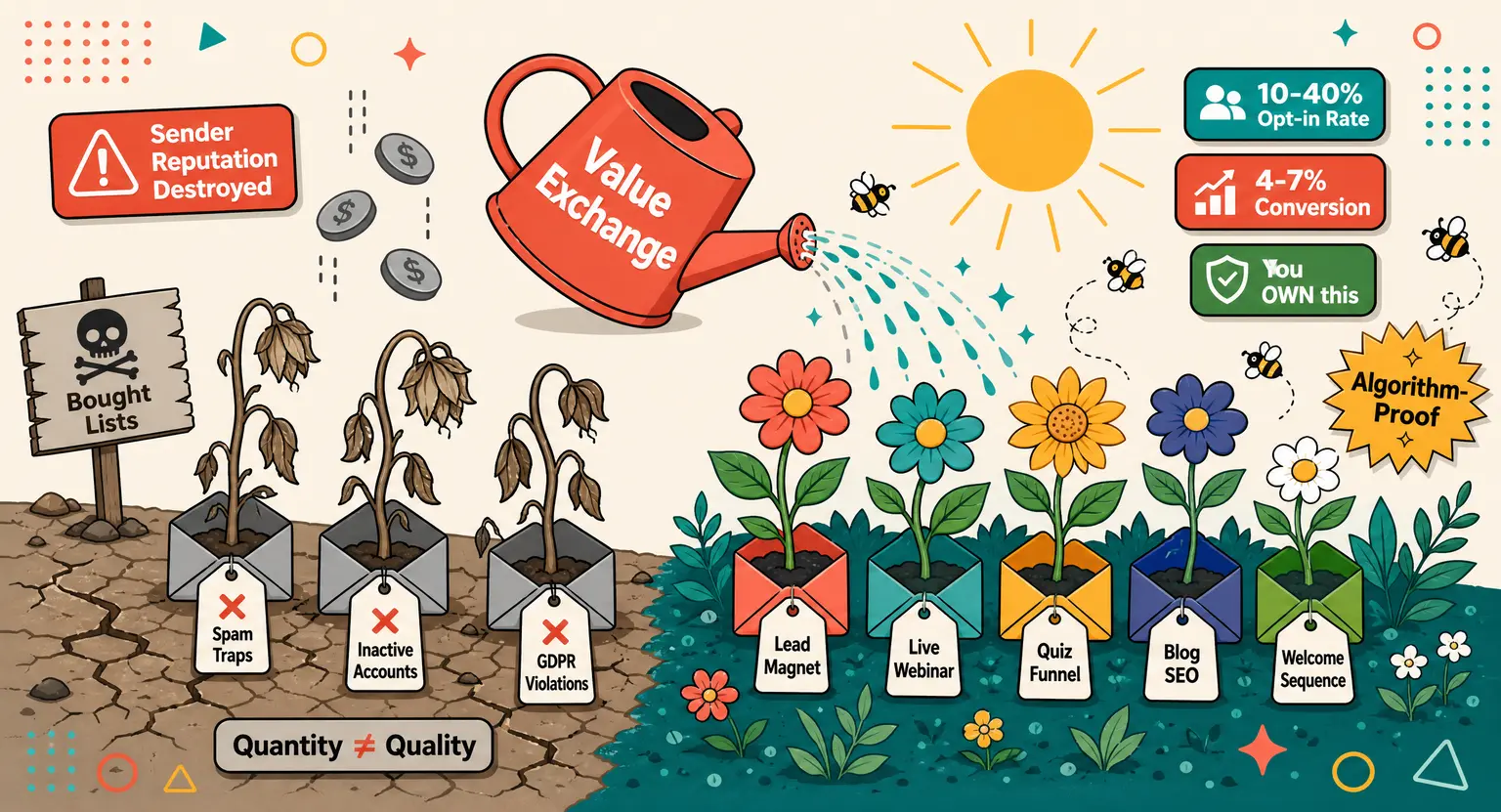
Build an Owned Audience : social media algorithms fluctuate, but a targeted, highly nurtured subscriber list remains your highest-converting business asset.
-
Price for Transformation : align your pricing structure with high-value, realistic student outcomes. Check our guide on online course pricing strategy for actionable models.
-
Simplify Your Stack : reduce tech friction by using integrated systems to manage your emails, landing pages, and communities in one spot.
-
Focus on Relationship Building : modern digital students demand trust. Connect with them directly through live workshops and interactive forums to prove your expertise.
Validate and Pre-Sell : De-Risking Your School Launch
Creating digital content without solid proof of demand is a gamble you don't need to take.
The smartest way to guarantee sales is to secure them before you film a single minute of video lessons. By putting up a simple, high-impact landing page outlining your upcoming curriculum, you give your target audience a chance to vote with their wallets.
This isn't about tricking people; it's about collaborative design.
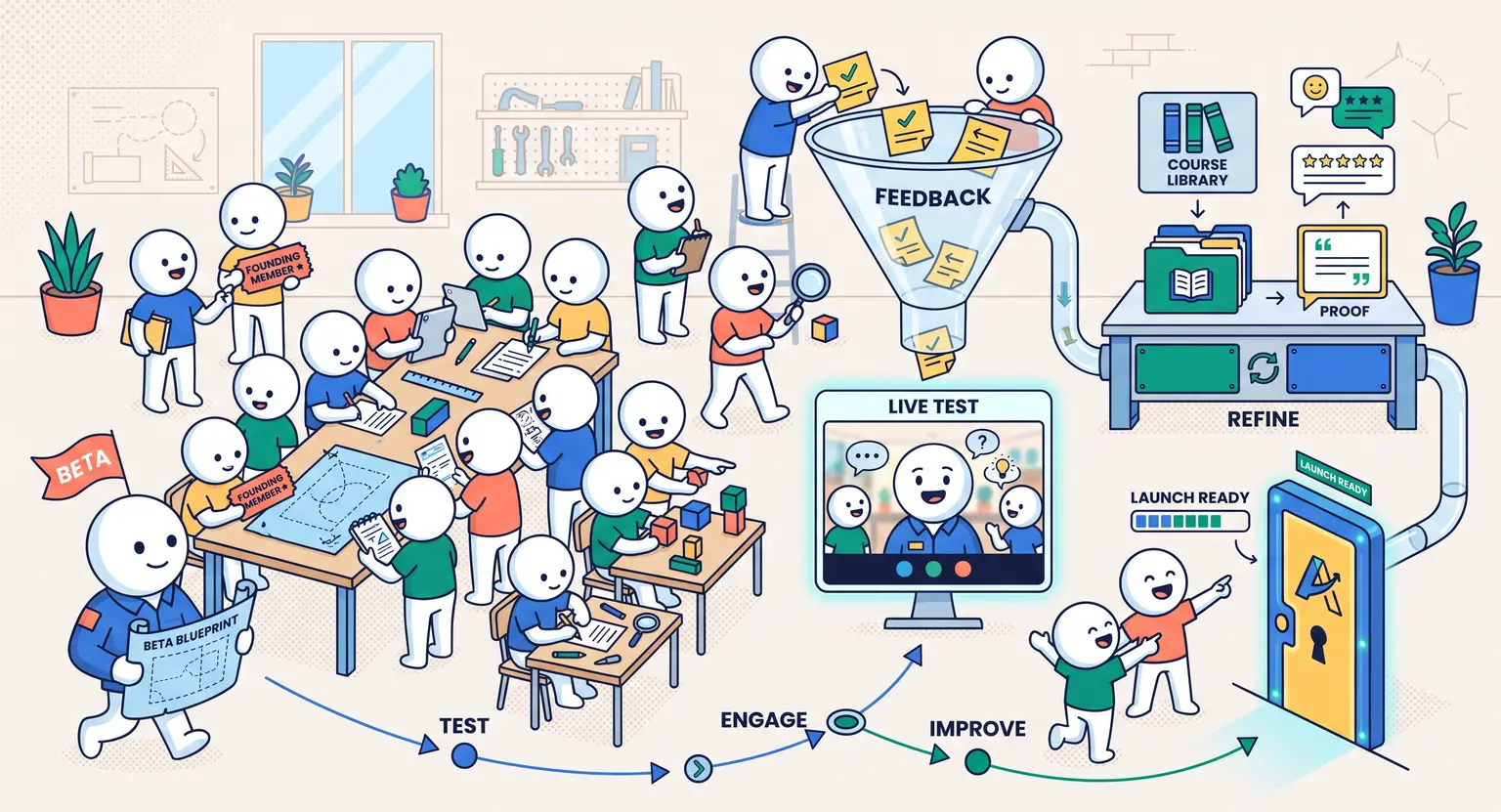
When you sell a course that is still under development, you can bring your founding students into the process - ask them what specific roadblocks they are facing, use their feedback to tailor the modules, and watch how much more enthusiastic they become as co-creators of the material.
Ultimately, direct feedback from real human buyers prevents you from launching a product that nobody wants to purchase.
If you are trying to understand how to attract ideal learners for this initial run, focus on small, highly concentrated spaces.
Think niche communities, industry forums, or specialized professional groups.
Approach them not as a salesperson, but as a peer offering a tailored solution to a known problem - this approach creates a feedback loop that guarantees your ultimate offer will hit the mark.
High-Yield Interactive Events : The Shift to Practical Workshops
The era of boring, one-way sales pitches disguised as educational content is officially over.
Today's students are highly discerning; they can spot a pitch from a mile away. If you want to use webinars to draw in registrations, you must shift your perspective - your live sessions need to be genuinely helpful micro-workshops where attendees walk away with a real win.
Focus on delivering a single, tangible breakthrough.
If your school helps people master interior botany, don't just speak abstractly about plants. Show them the exact three-step soil check they can perform in five minutes.
When you provide immediate value, you make a silent promise about the quality of your paid curriculum.
To keep this engine running flawlessly, focus on mastering the mechanics of how to structure highly profitable live webinars.
Keep your segments interactive, invite real-time questions, and integrate your call-to-action naturally near the end. Remind your audience that while the workshop solved a micro-problem, your full program will help them master the entire system.
This live strategy also lets you overcome doubts on the spot.
Cultivating an Engaged List with Smart Email Strategies
Social channels are fantastic for initial brand building and casual outreach. But let's be realistic : you don't own your followers.
A single algorithm shift can cut your reach in half overnight… And that is why your absolute highest marketing priority must be moving people off social networks and onto an email list you control.
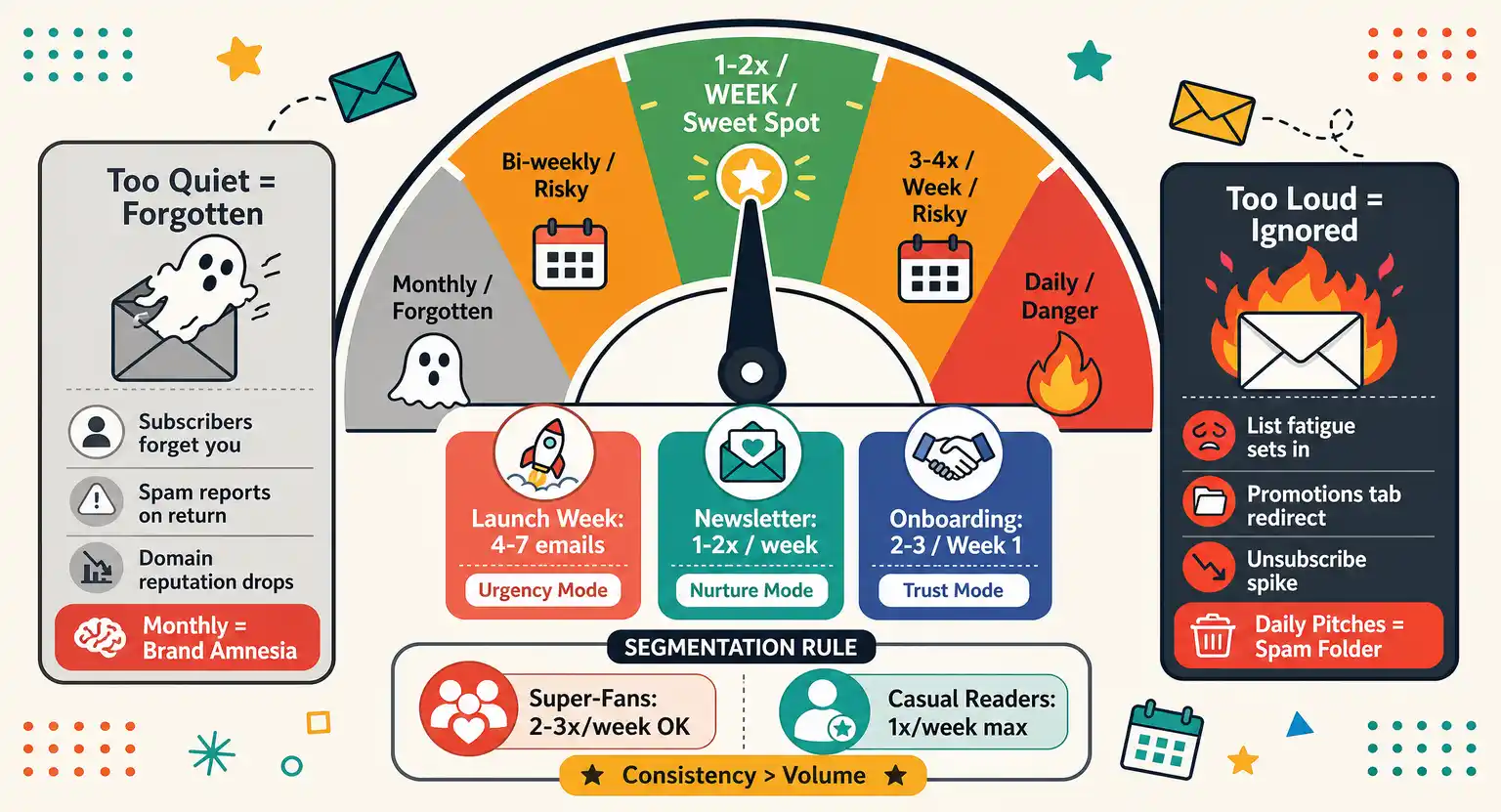
Once someone subscribes to your newsletter, your communication style should be highly personal and structured - share behind-the-scenes insights, case studies, and quick, actionable tips. Do not pitch them in every single message.
Instead, build a steady rhythm of value so that when you finally announce a product opening, your audience is actually excited to read the email.
You are not just selling a product; you are developing an ongoing relationship with a community.
To design emails that convert, dive into comprehensive email marketing strategies tailored specifically for educators :
Build automated sequences that welcome new readers,
establish your credibility,
and systematically resolve common objections.
This automated warming process keeps your sales engine running in the background while you focus on teaching.
Search Engine Optimization and High-Value Content Creation
If you want consistent student sign-ups without running expensive paid advertising campaigns, you need long-term organic discovery.
Search engine visibility is the ultimate engine for passive leads. When potential students type a specific pain point into Google, your content should rise to meet them.
This requires combining foundational technical SEO best practices with a commitment to producing truly valuable articles.
Do not write generic, superficial guides that read like they were scraped from other websites.
Write with real authority, share personal case studies, and use unique graphics that make your material highly linkable.
By publishing thoroughly researched guides on your blog, you establish your hub as an industry authority.
Having strategic, valuable content marketing campaigns ensures that even months after you publish an article, it will keep bringing relevant visitors to your landing pages - it's a compounding asset that pays dividends over years, not days.
This approach is far more robust than renting space on shifting, unpredictable social feeds.
Comparison of Marketing Channels for Course Sales
To help you decide where to direct your initial marketing energy, let's compare how different channels perform across essential business metrics - not all methods are equal; some yield immediate results with high effort, while others build sustainable authority over time.
Using an all-in-one approach is typically the smartest route.
When you coordinate your landing pages, emails, and webinars within a single environment like the LearnyBox platform, you remove the classic tracking headaches that plague most growing online schools.
| Marketing channel | Typical setup time | Conversion velocity | Long-term ROI potential | Primary marketing goal |
|---|---|---|---|---|
|
Interactive webinars |
1 to 2 weeks. |
Very high (immediate). |
Moderate. |
Fast relationship building and live objections handling. |
|
SEO & blog creation |
3 to 6 months. |
Low (slow warm-up). |
Extremely high. |
Passive organic traffic generation and topical authority. |
|
Automated email funnels |
2 to 4 days. |
Medium (consistent). |
High. |
Automated subscriber warming and repeat purchases. |
|
Social media communities |
Ongoing daily. |
Medium (interactive). |
Moderate. |
Brand awareness and building real-time human connection. |
|
Joint venture affiliates |
2 to 3 weeks. |
High (during campaigns). |
Moderate. |
Leveraging external trusted audiences for rapid reach. |
Launch Logistics : Scaling Your Campaigns Without Burning Out
So, you have verified your idea, built a steady relationship with an email subscriber segment, and set up your foundational pages… What comes next?
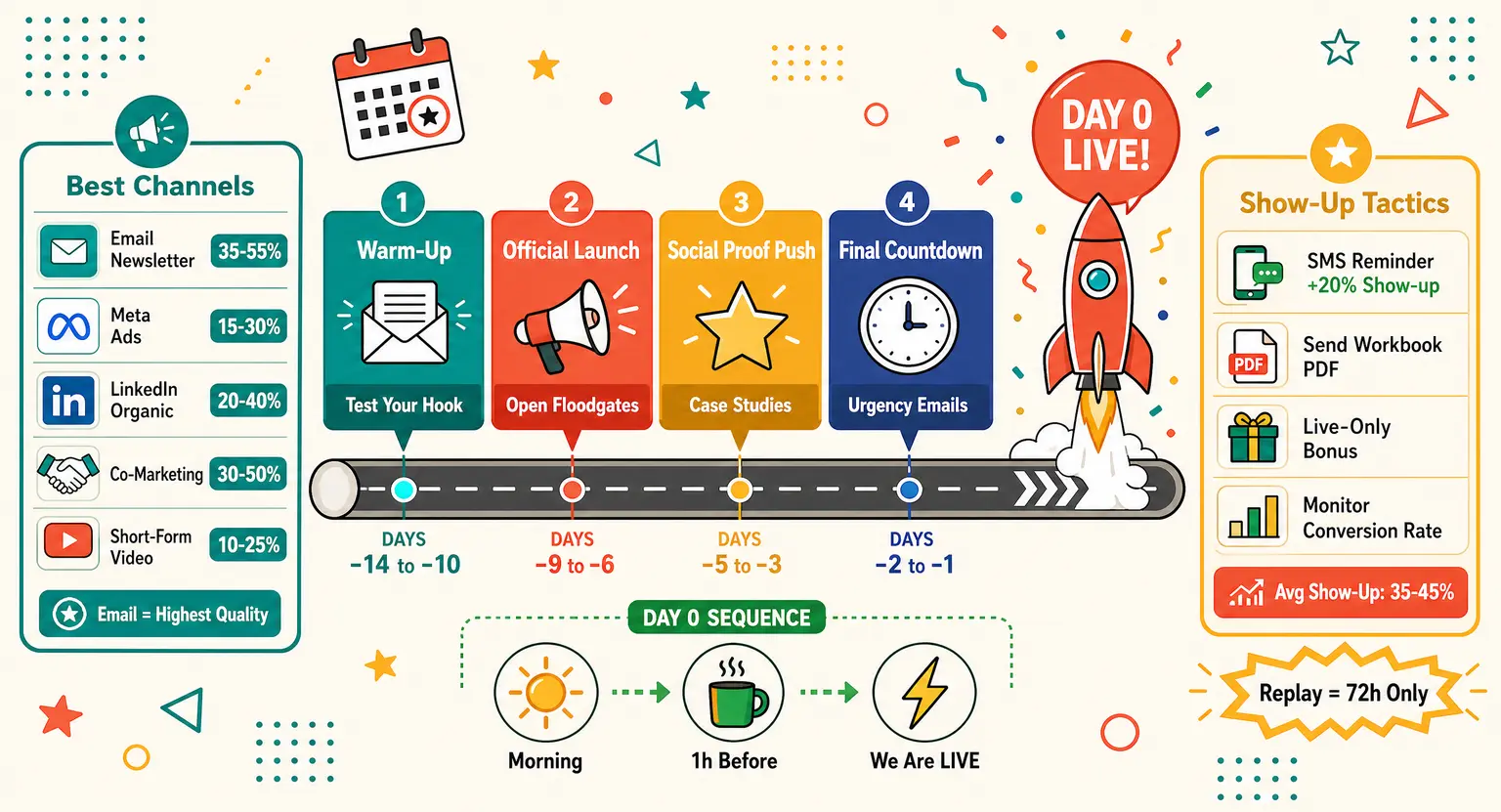
The launch phase itself requires a clear focus on urgency and value - you must design a transition window that encourages your prospects to take immediate action.
A rolling open-and-close structure is a classic tool for driving action. By giving buyers a tight window to enroll - say, five to seven business days - you capitalize on natural urgency.
During this window, support your offer with robust case studies and detailed demonstrations of your curriculum.
If you are ready to organize this sequence, make sure to read our breakdown on how to launch your course smoothly. Structure your promotional schedule so that your audience gets multiple value pieces followed by direct paths to checkout. This keeps your communication feeling helpful, rather than pushy.
Social Media Engagement : Authentic Multi-Platform Presence
Many educational creators fail on social platforms because they try to treat every network like a digital billboard.
They broadcast generic promotional links and then wonder why their engagement numbers are diving… In 2026, social platforms favor native, platform-specific content that keeps users inside their ecosystems.
Instead of sending casual viewers directly to a sales page, share complete micro-tutorials on your profiles.
Give away practical, high-impact strategies in short videos or engaging text posts, invite readers to request additional materials, like a checklist or workbook, by leaving a comment.
This natural interaction triggers algorithm recommendations and lets you initiate conversations in the direct messages.
Developing a consistent flow of value-driven updates requires relying on a native social media outreach strategy.
Focus your energy on one or two platforms where your ideal students spend the majority of their professional time. Once you build active traction there, you can expand your footprint across other networks.
Simplifying Operations with Integrated Tech Hubs
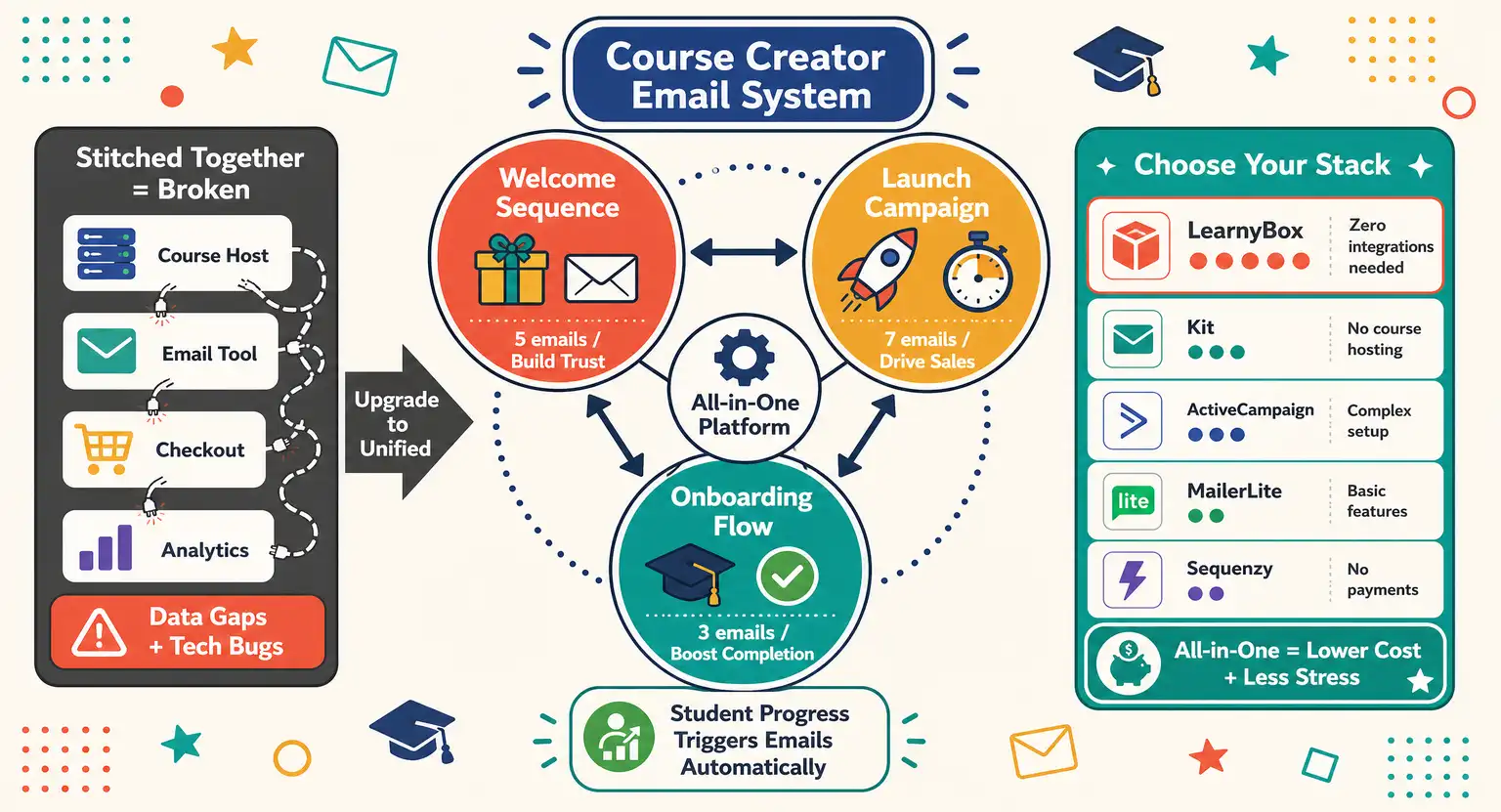
The biggest friction point for digital educators isn't actually marketing; it is managing a chaotic collection of disconnected tools.
If your landing pages do not talk to your email sequences, or your checkout cart struggles to sync with your database, you will waste countless hours trying to patch things together… When your systems are fragmented, your user experience suffers, and lost data translates directly into missed sales.
To keep your focus on creation and student success, look for an all-in-one ecosystem.
A comprehensive all-in-one hub solves this by combining your payment processor, your course host, and your email builder under a single roof - this means zero complex API integrations, fewer monthly subscriptions, and a streamlined checkout experience for your incoming students.
It simplifies your administrative life so you can devote your creative energy to constructing incredible educational content.
Explore More Marketing Guides :
-
Get your tech right from day one by picking the best platform to sell online courses.
-
Review real-world feedback on what systems are working right now on our testimonials page.
-
Take your school live and integrate masterclasses seamlessly with our webinars integration tool.
Building a sustainable marketing engine for your school takes patience, focus, and a willingness to learn from your students… But by centering your strategy on genuine relationship-building, you build a resilient business that can weather any trend or change.
Start today by engaging with your audience, choosing the right infrastructure, and watching your digital community thrive.
Your future students are waiting for someone to guide them through their learning journey.
Frequently Asked Questions
How do I market an online course without an existing audience?
The fastest way is to borrow existing audiences by collaborating with established brands, podcasts, or bloggers.
You can also run highly specific, interactive webinars with partner networks.
Over time, you should build your own organic visibility using content-focused strategies and specialized keyword targeting to draw in consistent, high-intent traffic.
What is the most effective launch structure for digital schools in 2026?
A hybrid launch strategy works best. Combine a live launch window (using open-and-close dates and interactive masterclasses to build excitement) with an automated evergreen sequence.
Once the live window ends, your automated system can nurture new leads and systematically direct them to purchase based on when they join your community.
How important is an email list for selling digital programs?
An email list is the single most critical asset for your marketing efforts. Social media and search channels are fantastic for discovery, but their algorithms change regularly.
Email gives you direct, unmediated access to your audience, allowing you to build trust slowly and launch your products predictably without relying on paid advertising platforms.
Should I write my own copy or hire an external expert?
In the early stages, writing your own marketing copy is highly valuable. This process helps you understand your target audience's language, pain points, and natural objections.
As your business grows, you can hire a dedicated copywriter. Provide them with your real student interviews and survey data to maintain an authentic, warm tone across all your campaigns.



 How to Create a Course Refund Policy (Templates & Best Practices for 2026)
 How to Run a Beta Version of an Online Course (2026 Guide)
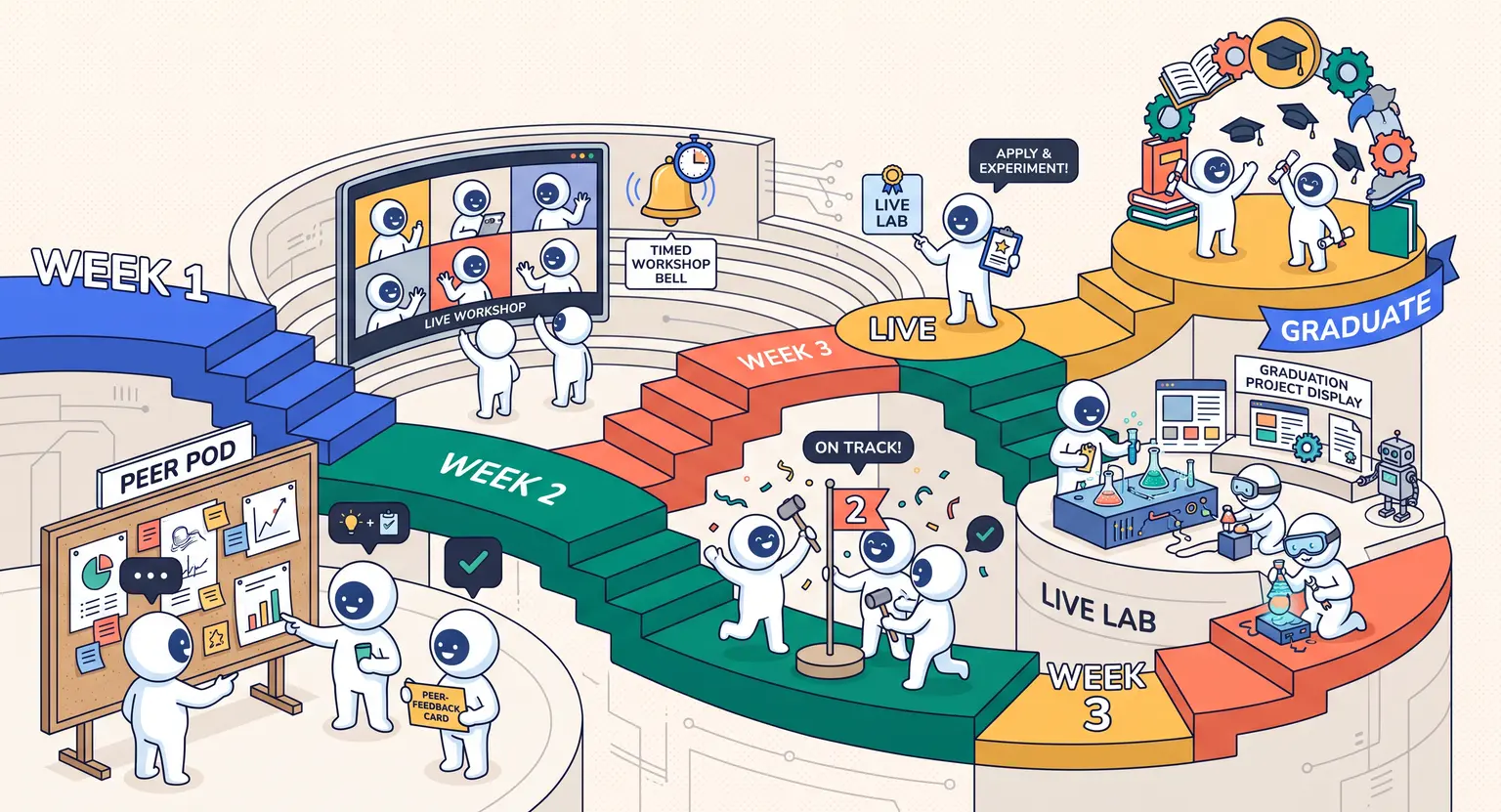 How to Create a Cohort-Based Online Course (2026 Guide)
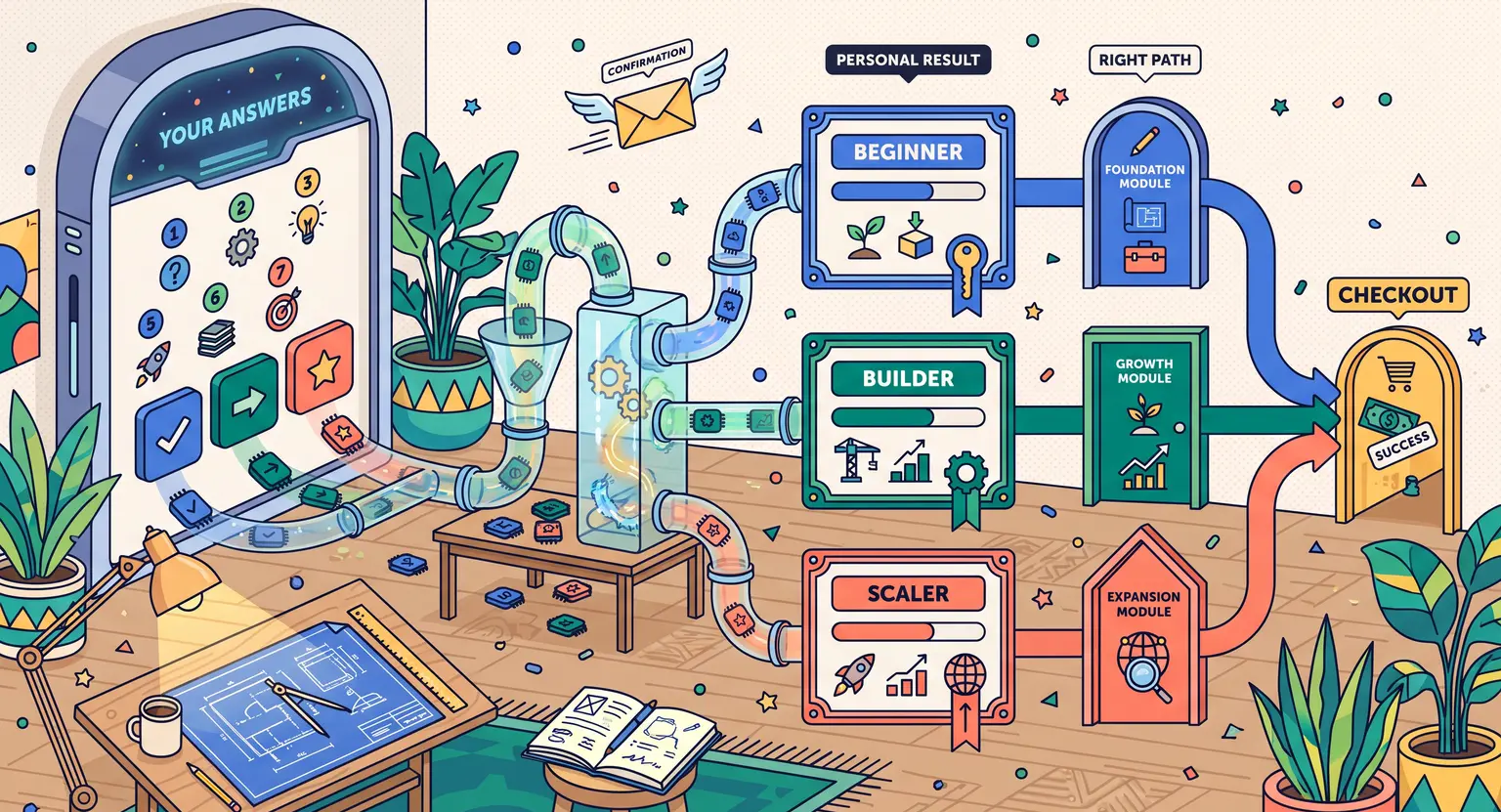 How to Sell an Online Course With a Quiz Funnel (2026 Guide)
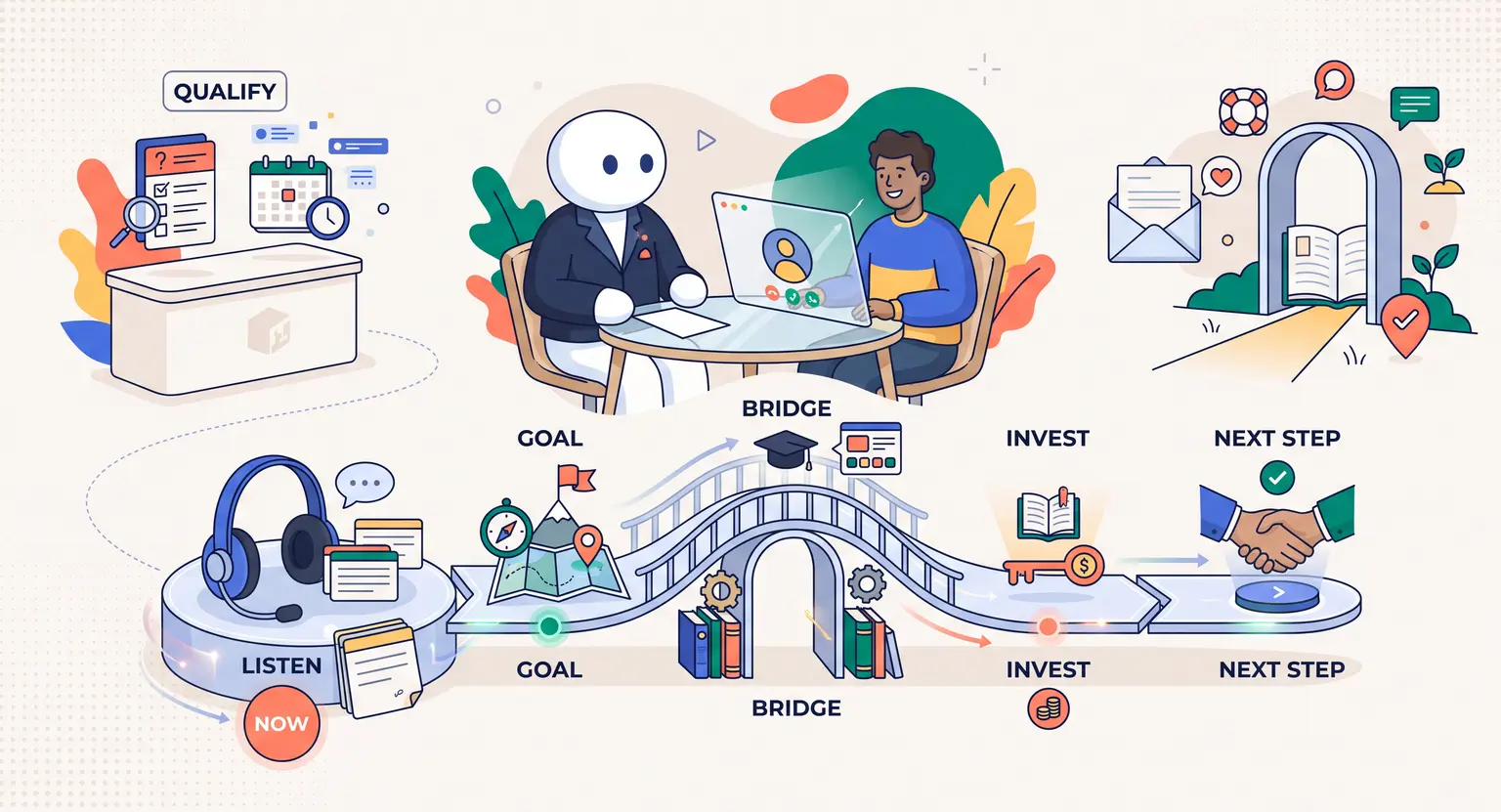 How to Sell an Online Course Through a Sales Call (2026 Guide)