








VAT on Online Courses: What Creators Need to Know (2026 Rules)
VAT on Online Courses : What Creators Need to Know
Key Takeaways
-
VAT depends heavily on how your course is delivered : pre-recorded (automated) vs. live interaction.
-
Pre-recorded files fall under "electronically supplied services," meaning you must charge VAT based on the consumer's location.
-
Non-EU creators face VAT obligations from their very first sale to European Union buyers.
-
Using the right platforms simplifies payments. You can easily sell your digital products without dealing with complex taxation spreadsheets yourself.
-
Make sure to set up your billing systems early, especially if you plan to launch an online course.
Tax. It is probably your least favorite word as a digital entrepreneur. You started your business to share your expertise, build an active community, and live life on your terms.
But as your business expands, a quiet panic sets in : what about taxation? If you are catering to students in Europe, Value Added Tax (VAT) is a hurdle you absolutely cannot ignore in 2026.
Governments worldwide have tightened their oversight on digital goods. And since the massive regulatory updates of the last few years, the lines between what is considered a tax-exempt educational service and a taxable digital service are sharper than ever.
So, how does this affect you? Let's break down the rules in plain English, without the dry jargon that makes tax codes so painful to read.
We will explore how to protect your revenue, keep your operations fully legal, and ensure your pricing strategy is built for global success.
Pre-Recorded vs. Live : The VAT Trigger
The very first thing you need to understand is how tax authorities classify your course. It is not about what you teach, but how you deliver it.
This is where most creators make their biggest mistake. They assume that because they are educating people, their work is instantly VAT-exempt. In the commercial online space, that is almost never true.
If your students purchase access to a pre-recorded video collection, download some PDFs, and complete automated quizzes, the EU classifies this as an electronically supplied service (ESS). These are automated digital products. And under current rules, any product that requires minimal or no human intervention is subject to VAT based on where the consumer lives.
But what if you run live weekly coaching sessions on Zoom? What if you are actively teaching in real-time? That changes everything.
In 2026, live interactive webinars are taxed differently because they involve real human labor. However, even these rules have tightened. B2C live virtual events are also taxed based on the customer's country.
This means whether it is fully automated or highly personal, selling online courses in Europe requires tracking where your buyers live.
You might want to consider this when crafting your online course pricing strategy.
Let's look at what is considered digital vs. educational in the eyes of the tax man :
-
Digital (taxable) : entirely pre-recorded video paths, automated email newsletters, downloadable resource files, and online quizzes.
-
Non-digital / hybrid (often exempt or taxed as live service) : one-on-one video coaching sessions, live webinars with real-time Q&A, and hand-graded assignments.
The Global Customer Trap : No Matter Where You Live
Here is the second big shocker for creators based outside Europe. You might be working in Bali or New York, thinking, "Hey, I don't pay taxes in the EU!" But the rules do not care where your business is set up. If a student in Paris or Rome clicks 'buy' on your page, VAT is due in their country.
For creators operating within the European Union, there is a tiny safety net. You get a €10,000 threshold for cross-border B2C sales.
This means you can charge your home-country VAT rate on digital services until your sales across other EU countries cross that mark.
But if you are based outside the EU? There is no threshold. You always owe VAT from your very first euro of sales.
To manage this, you either register in every country where you have a student (an absolute administrative nightmare), or you use the EU One Stop Shop (OSS) scheme. The OSS allows you to register in just one EU member state and file a single quarterly return for all EU sales. It is much easier.
You still have to verify your student's location using IP addresses or billing country, and charge the correct local rates, which can range from 17% up to 27%.
How to Handle the Tech and Tax Hassle
So how do you manage this without losing your mind? You essentially have two choices.
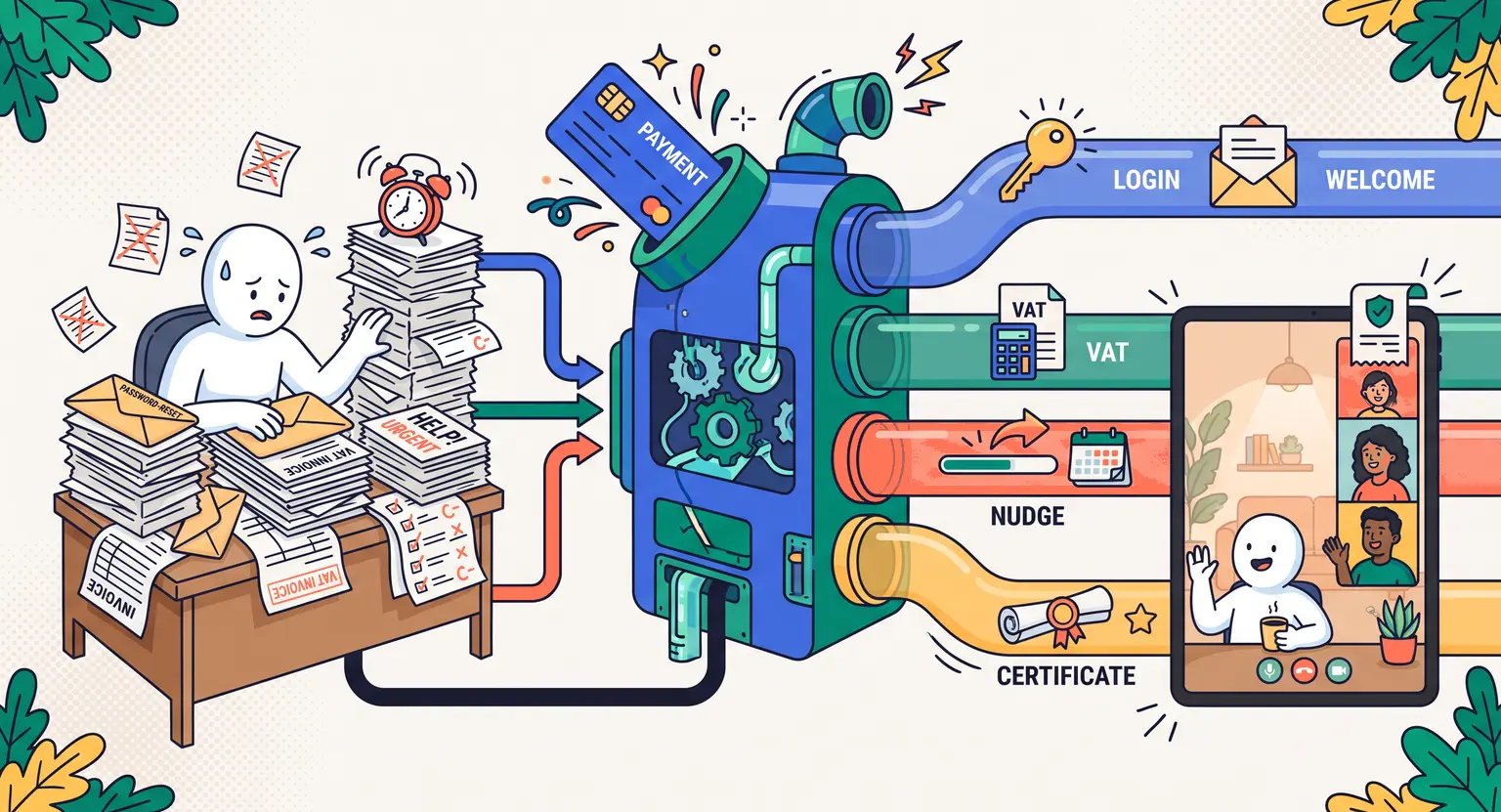
You can handle compliance yourself, or you can use a platform that takes the weight off your shoulders. Some tools serve as a Merchant of Record, meaning they process payments and handle taxes as if they were the seller.
But this convenience often comes with incredibly high transaction fees that eat into your profit margins and diminish what you make when you finally figure out how to make money with online courses.
The alternative is using an intelligent infrastructure that integrates with tools specifically built to calculate and collect sales taxes.
For example, when you use a powerful, integrated solution like LearnyBox, you retain full control over your business while retaining the capability to link to secure local gateways.
High-quality systems let you leverage features like Learnypay secure payments to automate compliance and securely verify customer data without slowing down your checkout flow.
Let's look at how different platform setups handle VAT to give you a clear picture :
| Platform type | Who collects VAT? | Pricing control | Best for |
|---|---|---|---|
|
Merchant of record marketplaces |
The marketplace platform collects and submits VAT automatically. |
Very low. The platform controls your branding and limits pricing. |
Beginners with low initial sales volume. |
|
Payment gateways (Stripe/PayPal) |
You do. You must link external tax calculators to handle the rates. |
High. You set the pricing structures and control checkout. |
Intermediate creators who manage their own tax settings. |
|
Integrated platforms (LearnyBox) |
Handled via smart checkout integrations and secure payment engines. |
Absolute. Flexible options and unified tools optimize your margins. |
Scaling creators seeking the best all-in-one course platform to build a real business. |
Legal Safeguards to Set Up Early
Charging the correct tax is just one puzzle piece. As a creator, you also need to protect your business.
For instance, you must remain compliant with data rules. Read our guide to GDPR for online course creators to secure customer data. Understanding the necessary legal documents prevents regulatory headaches and keeps your brand fully protected.
Frequently Asked Questions
Is my online course automatically VAT-exempt?
Pre-recorded automated courses are fully taxable based on customer location.
What is the non-EU registration threshold?
There is no threshold; non-EU course sellers must pay from their first sale.
What is a One Stop Shop scheme?
The OSS allows single-state registration to report all EU-wide digital VAT.







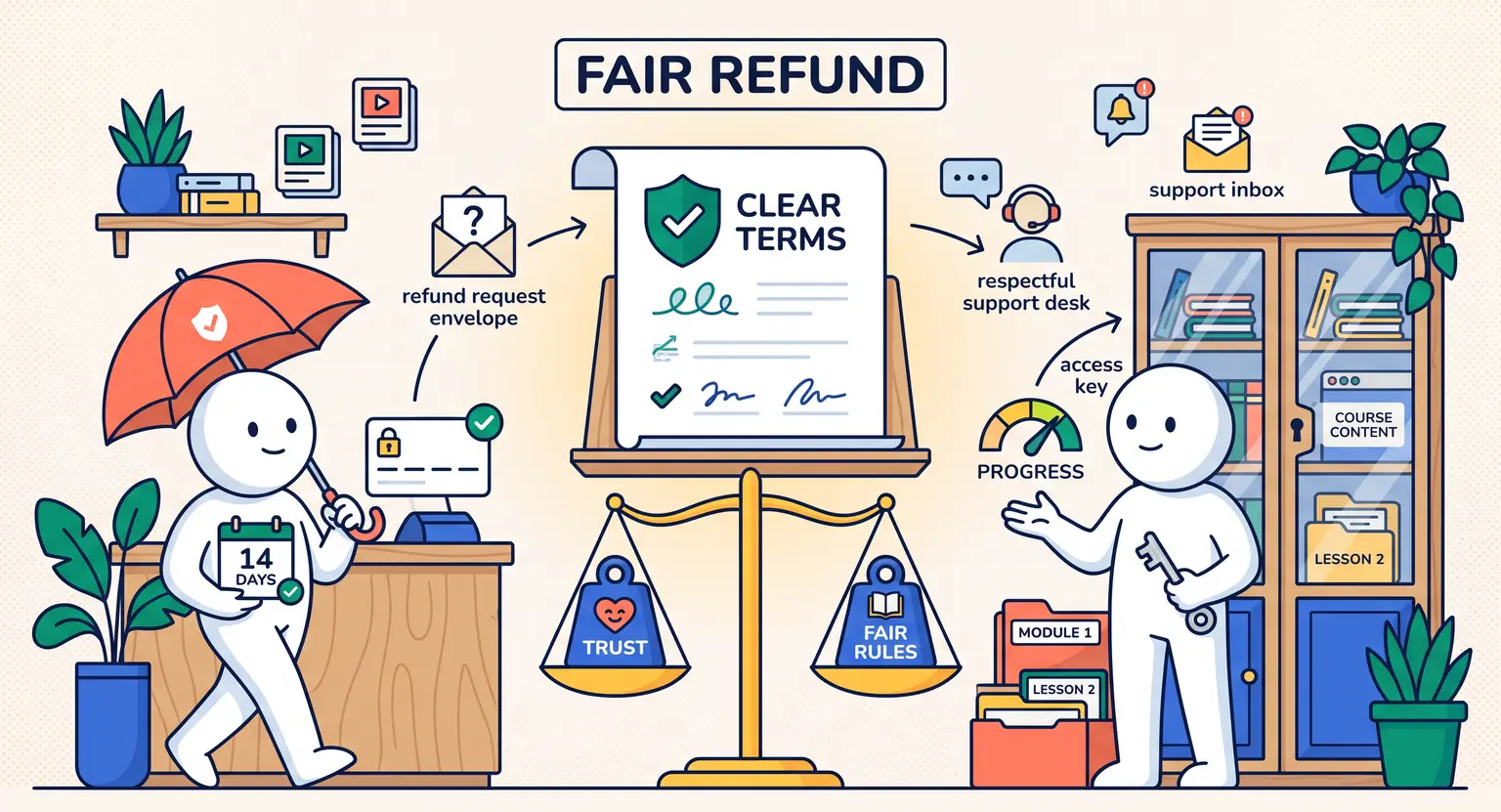 How to Create a Course Refund Policy (Templates & Best Practices for 2026)
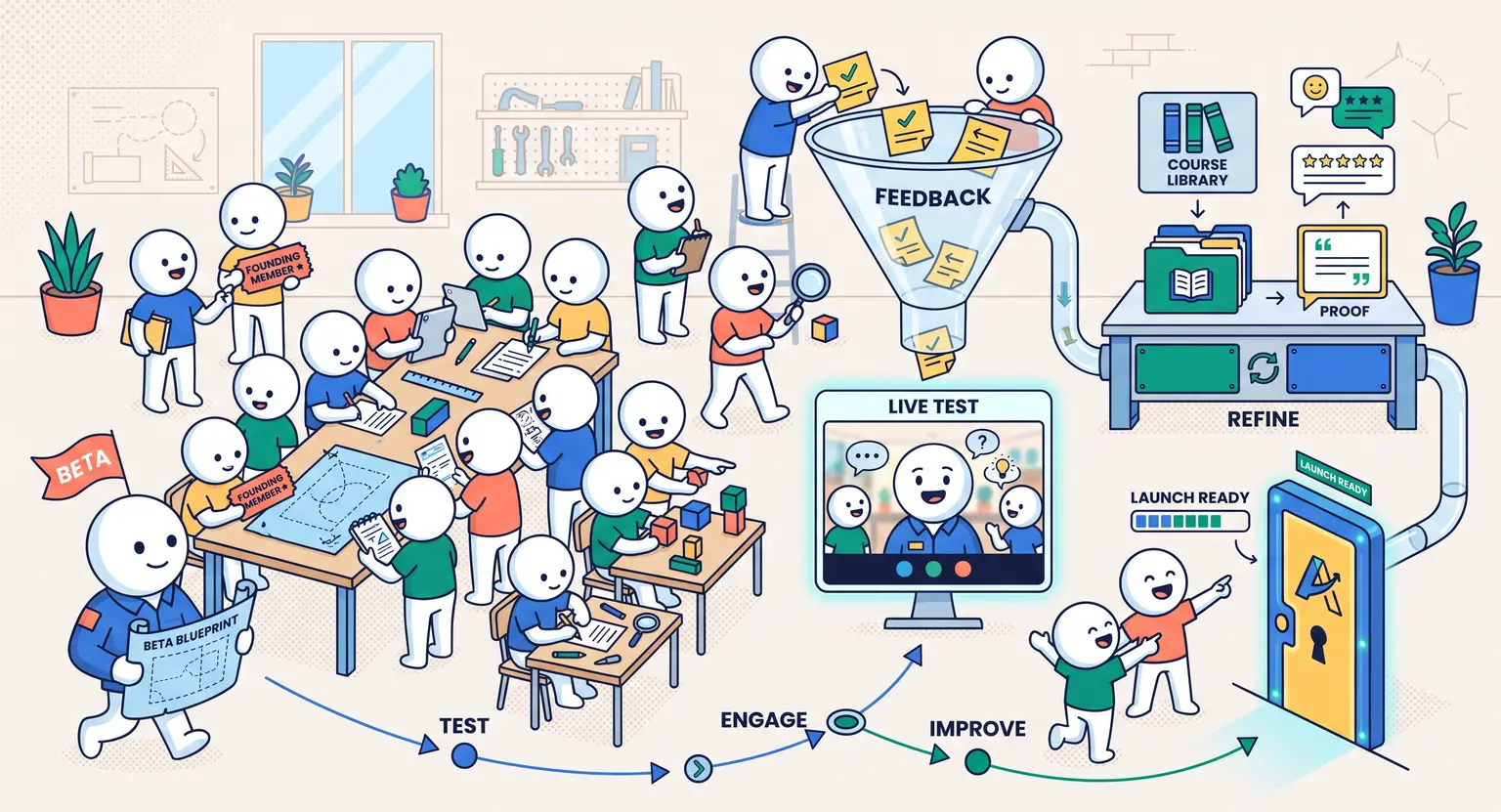 How to Run a Beta Version of an Online Course (2026 Guide)
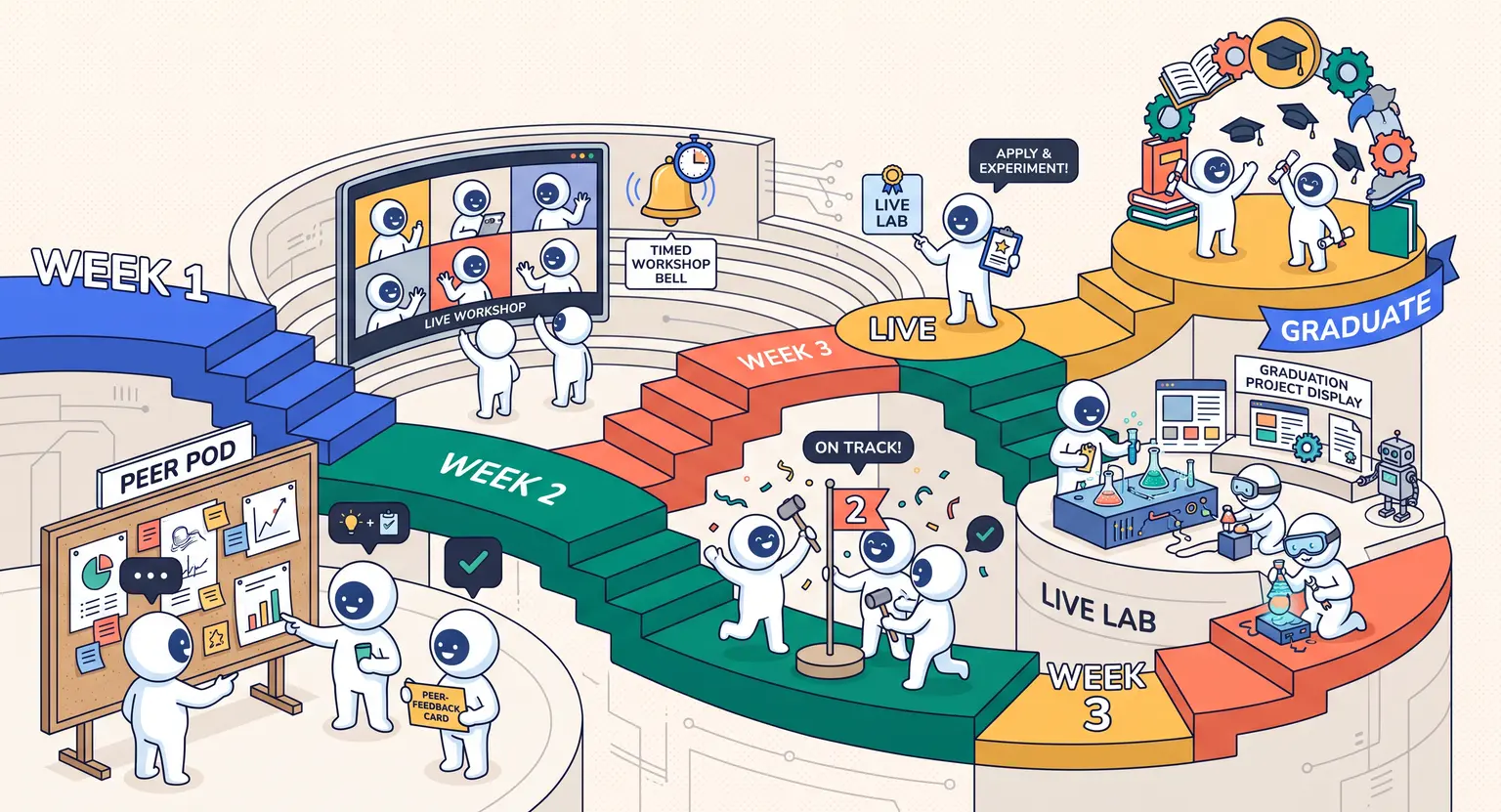 How to Create a Cohort-Based Online Course (2026 Guide)
 How to Sell an Online Course With a Quiz Funnel (2026 Guide)
 How to Sell an Online Course Through a Sales Call (2026 Guide)