







How to Price Your Membership Site in 2026: The Ultimate Guide
Membership Site Pricing
Look, let's be completely transparent. Deciding on the price for your membership community is one of the most stressful parts of building a digital business.
You have poured your heart, soul, and endless late nights into creating outstanding resources, but now you must name your price, and that old, familiar voice of self-doubt starts whispering.
You ask yourself if this is too high, or if people will think you are greedy.
Or worse, you worry if it is too low, making them believe the value is poor.
So, you do what most creators do. You scour the web, look at what your competitors are doing, and arbitrarily pick a monthly number like twenty-nine dollars. Then you cross your fingers, hit launch, and hope for the best…
But here is the reality in 2026. The online subscription economy has matured. Audiences are incredibly protective of their monthly bank accounts.
They do not want another dusty content archive sitting on their credit card bill compiled of videos they never watch. They want clear outcomes, genuine connection, and real-time guidance.
To match their expectations and build a sustainable business, you must throw out the guesswork and construct a smart pricing strategy.
By establishing clear expectations early, you eliminate buyer friction and position your platform as an essential premium resource rather than a simple monthly expense.
A structured, strategic approach ensures you generate sustainable monthly returns while providing real, undeniable life-changing value. This establishes trust and longevity.
Let's explore how to get there.
Key Takeaways for Setting Your Tiers
-
Focus on Transformation : price based on the final outcome for the buyer, not your creation hours.
-
Offer Simple Options : limit choices to avoid decision paralysis.
-
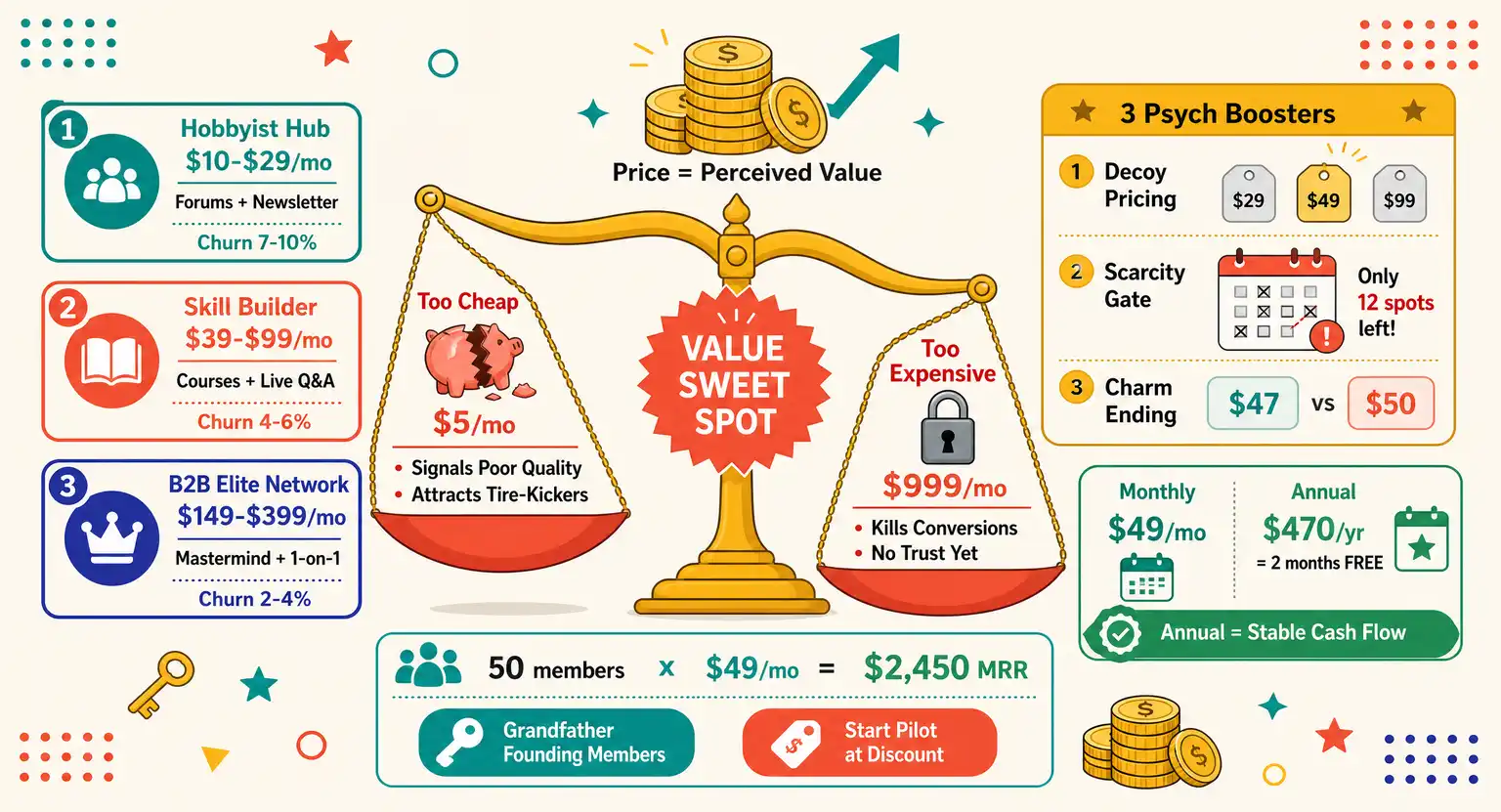
Grandfather Founding Members : lock in rates to encourage early adoption and retention.
-
Maintain Core Inspiration : researching fresh membership site ideas helps you refine your value.
The Philosophy of Value-Based Pricing
How do you define what your expertise is worth? Far too many beginners fall into the trap of cost-plus pricing. They count their digital hosting fees, software bills, and microphone upgrades, then add a small margin.
But your audience does not care how much you spend to keep the servers running. They only care about the pain they feel and whether you have the key to lock it away.
This is where value-based pricing steps in. You must anchor your monthly fee to the tangible transformation your members experience. Ask yourself : what do they save or gain by hanging out with you?
If you operate a specialized B2B community where freelance designers learn to land four-figure corporate clients, a fifty-dollar monthly fee is incredibly cheap.
Landing a single new client pays for their entire year of membership ten times over. They will gladly pay two hundred dollars a month because the return on investment is immediate and obvious.
When you match the pricing of your digital asset to the emotional or financial payoff, your buyers feel satisfied. They see your platform as an investment rather than a cost.
High-value systems deserve a respectable price point that commands attention, while cheap pricing signals poor quality.
Choosing Your Engine : Popular Pricing Models
Building a reliable membership means picking a billing model that matches the flow of your content delivery. There is no single correct answer, instead, there are specific models built for different business designs.
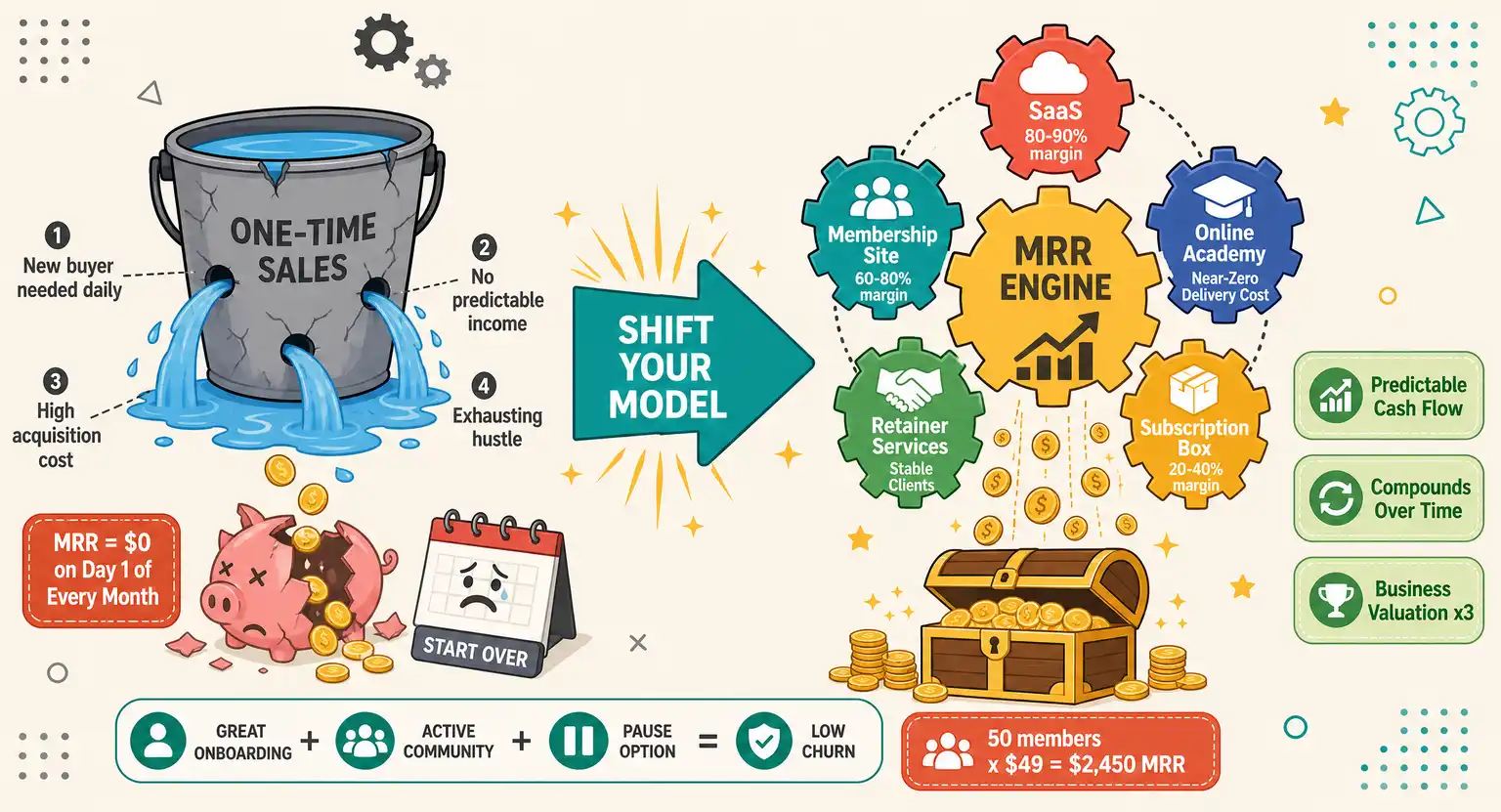
The regular ongoing recurring subscription is the baseline of modern creator models. This is the core engine behind highly successful recurring revenue business models.
Your members pay a steady fee - typically monthly, quarterly, or annually - to maintain complete unrestricted digital access to your materials and forums.
Monthly billing keeps your doors highly accessible to beginners, but it requires continuous community nurture to combat attrition.
To quickly stabilize your recurring business income, you should always offer an annual pass alongside your monthly rate. The standard industry rule is to offer twelve months of access for the price of ten.
This upfront influx of capital gives you immediate cash flow to market your business, hire coordinators, or run paid traffic, while giving your user a full year to build lasting habits inside your network.
Then, we have the hybrid model of courses combined with continuous community elements. Many creators pair deep, step-by-step video curriculums with live monthly Q&As or community support forums.
If you struggle to align these, reading up on how to build a robust online course pricing strategy can clarify how to tier your digital products so your ongoing community acts as a valuable upgrade to your core education.
Lastly, some founders experiment with lifetime plans. While providing immediate quick cash, it creates deep long-term platform liability.
Demystifying Your Audience's Spend Threshold
You cannot establish price points in a silent room. You must look closely at the professional and personal realities of the human beings you seek to serve.
We can group prospective members into distinct brackets of purchasing power.
First are hobbyists and casual learners - This audience is paying with their hard-earned personal income.
They view your membership as a fun evening escape. Because it is a discretionary expense, they are highly sensitive to sudden premium price spikes and will cancel quickly if they need to tighten their budgets.
Second are upwardly mobile professionals and freelancers - These individuals are actively looking to gain competitive advantages or upgrade their industry skills.
Often, they can write off their membership fees as tax-deductible educational expenses. They evaluate purchases based on professional advancement.
Knowing how to build an online community is your ultimate shield against churn. They will never cancel a subscription that connects them to their daily allies and keeps them inspired.
By identifying exactly which bracket your core members inhabit, you can set boundaries that respect their financial realities while successfully funding your platform's operational expansion.
Testing, Tweaking, and Optimizing Your Core Prices
Do not let fear lock you into one price forever. Your pricing is a living, breathing component of your online platform that should shift as your value increases.
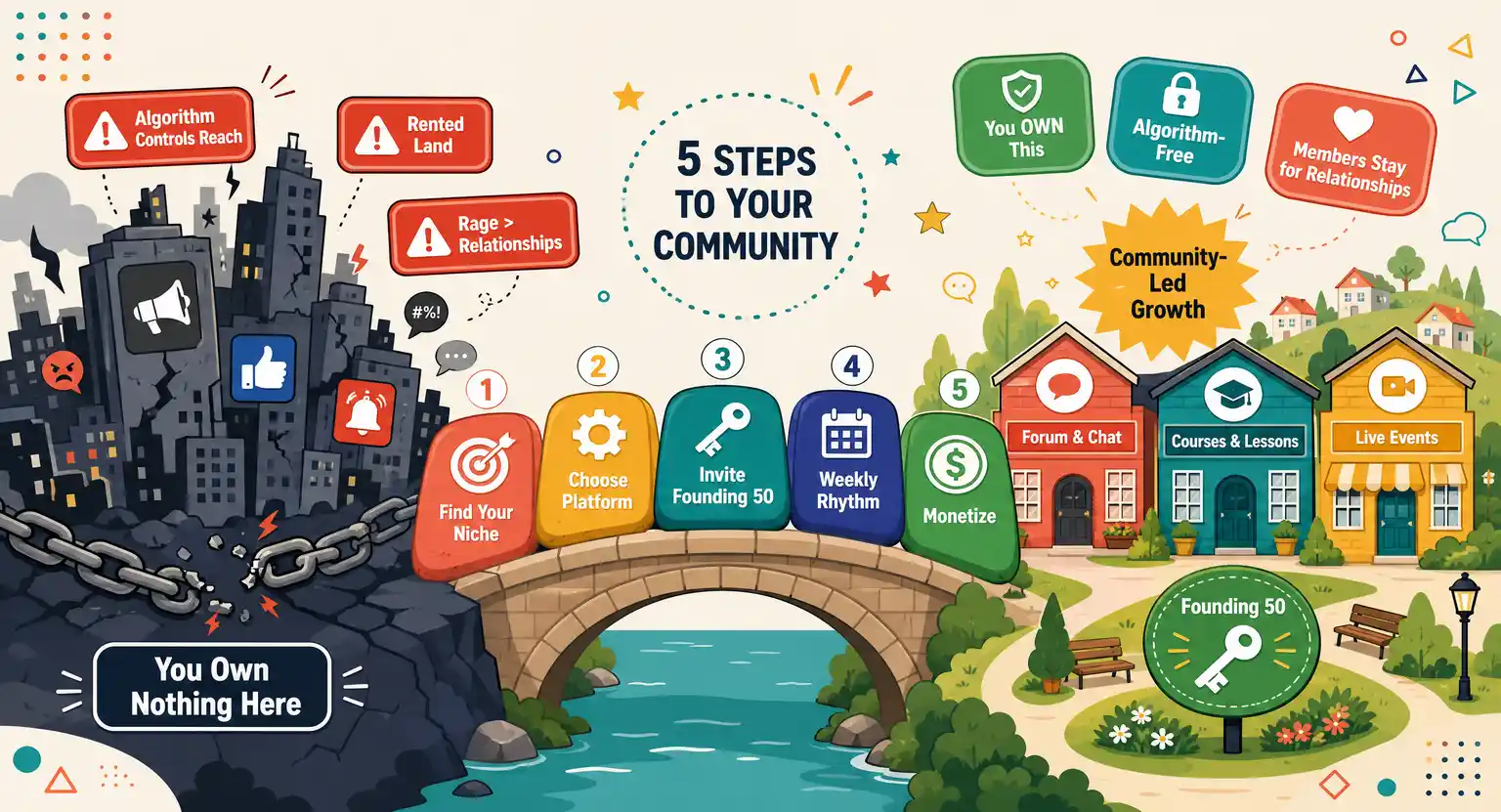
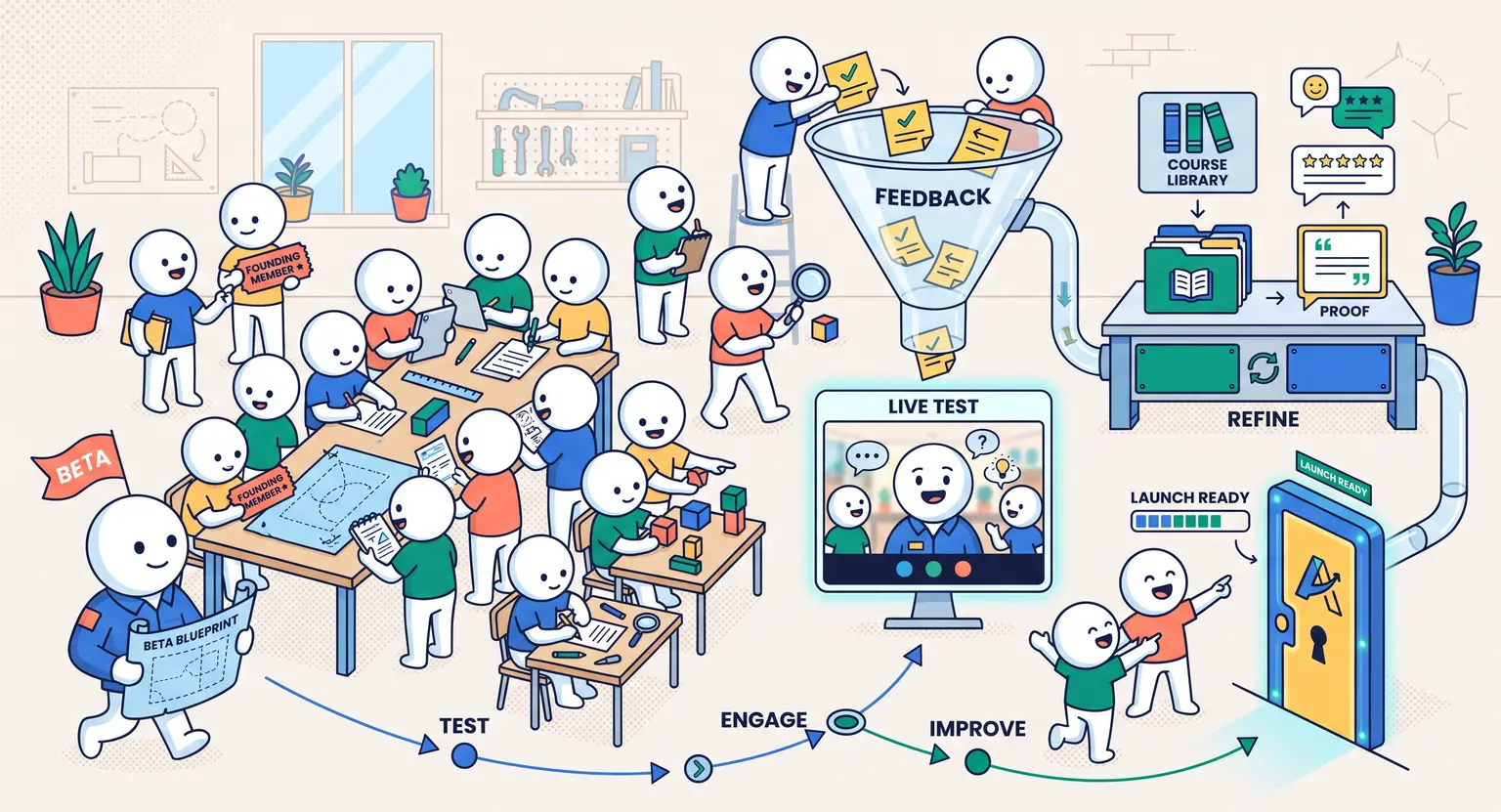
The most logical starting point for any creator is a restricted pilot launch. Gather thirty to fifty early adopters and invite them to join your platform at a heavily discounted rate.
This populates your empty forum, establishes your initial positive culture, and gives you invaluable reviews.
When you are ready to open the gates to the wider public at a higher price, always grandfather in your legacy members - Let your early members know that as long as they keep their subscription active, they will never see a price increase.
This fosters incredible community loyalty.
Developing a strategy on how to grow an email list gives you a continuous stream of ideal clients.
Mastering how to launch an online course or structural membership model allows you to confidently introduce your tiers, monitor checkout conversions, and find your optimal pricing rhythm.
Iterating slowly based on user feedback allows you to elevate your prices naturally without alienating the core followers who supported you early on during your initial validation phase.
Comparing the Tiers : Strategic Pricing Landscape
To help you navigate these choices, here is a detailed, real-world comparison chart showing how various membership formats align with market prices, expected churn rates, core features, and target groups.
| Membership type | Typical pricing range | Primary core deliverables | Average monthly churn | Best fit audience target |
|---|---|---|---|---|
|
Hobbyist & social hubs |
$10 - $29 / month |
Discussion forums, curated monthly newsletters, basic content archives, and social interest sharing. |
7% - 10% |
Discretionary spenders, hobbyists, casual fans, and initial communities. |
|
Professional skill builders |
$39 - $99 / month |
Structured video lessons, downloadable templates, monthly live Q&As, and direct peer networking groups. |
4% - 6% |
Career development professionals, advanced creators, freelancers, and ambitious learners. |
|
B2B elite networks |
$149 - $399+ / month |
Direct 1-on-1 consultations, masterminds, deep-dive industry insights, exclusive job boards, and partner perks. |
2% - 4% |
Business owners, agency heads, senior executives, and enterprise teams. |
|
Hybrid educational cohorts |
$99 - $199 / month |
Guided multi-week cohorts, interactive live workshops, intensive homework reviews, and long-term forum access. |
5% - 8% |
Specialized career changers, intensive upskillers, and project-oriented teams. |
|
Legacy pilot programs |
$19 - $39 / month |
Raw co-creation process, early feature feedback loops, beta access, and permanently locked-in pricing. |
3% - 5% |
Warm audience leads, super-fans, early adopters, and continuous feedback loop participants. |
Crucial Pitfalls to Avoid When Pricing Your Membership
Let's make sure you bypass classic pricing quicksand easily.
First, avoid letting imposter syndrome drive your prices to the basement floor - You might feel tempted to charge five or ten dollars a month, thinking it protects you from critics, but super-low prices often signal cheap, unreliable content.
Additionally, low-cost buyers tend to demand an immense amount of hands-on attention, draining your daily energy. Price for the true value of your expertise and the results you bring.
Second, avoid overwhelming your prospects with too many choices. When users see five different pricing tiers, their brains experience decision fatigue.
Keep things incredibly clean : have a central monthly tier, a highly beneficial annual option, and maybe an elite premium level for those wanting custom coaching.
Third, prioritize clean, painless financial transactions. If your checkout screen looks unprofessional or local payment methods fail, your sales will crash before they start.
Integrating learnypay secure payments gives your buyers an elegant, safe, and modern checkout experience, paving the path to smooth recurring conversions.
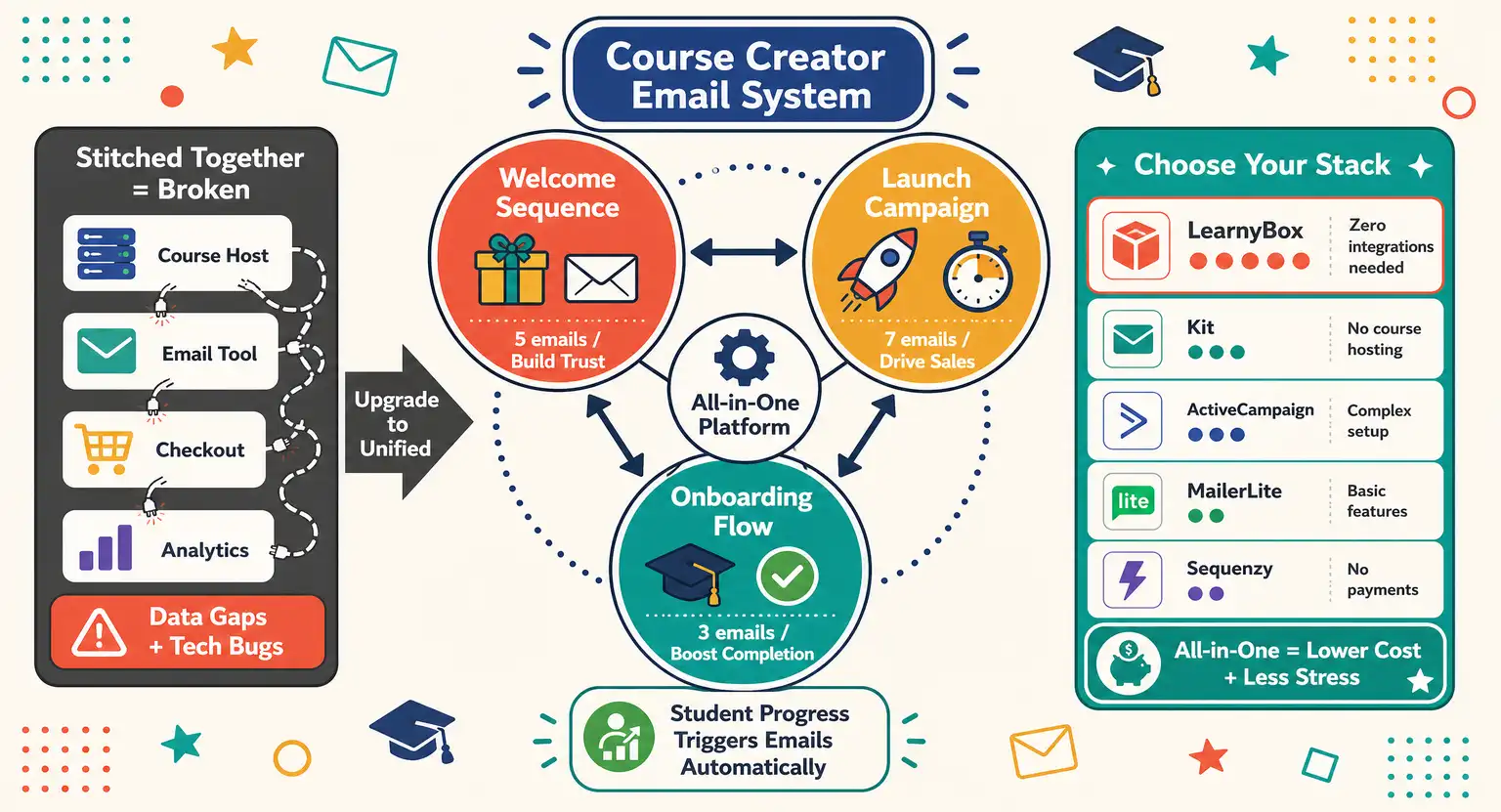
Fourth, do not build your business with fragmented, messy software tools. Constantly trying to connect different plugins is exhausting and slows down your growth.
Choosing the best all in one course platform saves you massive engineering headaches, giving you a smooth portal to manage all your courses, funnels, emails, and payments under one unified dashboard.
Maximizing Lifetime Value Responsibly
Remember that your membership fee is just the beginning of your customer relationship. Once you earn the trust of your community, you can offer them curated, high-level solutions that lift your average order value naturally.
For instance, you might offer strategic one-on-one sessions for members looking for personal guidance.
Setting up customized premium packages allows your most dedicated members to bypass group queues without raising prices on those who prefer to learn independently.
You can also optimize your onboarding funnels. Mapping out smart, contextual sales funnels helps you suggest helpful bonus templates or workshops at the exact moment someone signs up.
This keeps your main membership clean while serving those who are eager to speed up their progress.
Finally, you must nurture your connections long before they reach your sales pages.
Communicate consistently and value-first with an expert email marketing platform to share practical tips.
When your subscribers see your consistent expertise inside their inboxes, joining your paid community feels like the natural next step in their path, turning warm leads into long-term partners.
By designing a system that focuses on genuine member transformation, you cultivate a loyal base willing to buy other advanced training products down the road.
Quick Psychological Booster Tactics
-
Decoy Pricing Plans : presenting an alternative option that offers less value for nearly the same price makes your main tier instantly look like a massive steal.
-
Legitimate Scarcity Gates : limit cohort enrollment to clear dates or caps. Honest limits protect your capacity and encourage decisive commitments.
-
Clean Charm Endings : pricing your tier at $47 instead of $50 lowers psychological friction, visual layout limits, and payment processing hurdles.
Explore Further Resources
Building a profitable membership requires a robust toolkit. Here are some of our foundational expert guides to help you master every phase of the process :
-
Review our deep-dive pricing breakdown comparing LearnyBox vs Kajabi to choose your tech infrastructure.
-
Learn how to design your platform from scratch by reviewing these profitable ideas.
-
Ready to scale? Walk through the proven system to secure predictable revenue using modern models.
Frequently Asked Questions About Membership Site Pricing
What is the best price for a starter membership site?
For starter programs, a range of $25 to $49 per month is usually ideal. It is low enough to reduce buying friction but high enough to filter out low-intent users.
This sweet spot allows you to validate your model, gather feedback, and establish steady initial cash flows.
How do you handle churn on a monthly membership?
To battle monthly churn, focus heavily on improving the initial onboarding experience, offering annual pricing discounts to lock in longer commitments, and maintaining a high-quality community forum.
Using automation tools inside an email marketing platform or setting up strategic payment recovery systems also keeps failed transactions to a minimum.
Should I charge a setup fee for my membership?
Charge a setup fee only if your membership includes custom onboarding, personalized strategy audits, physical welcome kits, or intensive 1-on-1 calls.
The setup fee offsets manual administrative labor and serves as a psychological gatekeeper, filtering out non-committed participants.
Can I transition my current course into a membership model?
Absolutely. You can morph traditional courses into dynamic memberships by releasing new resources monthly, adding a structured group forum, and shifting the value proposition from one-time task completion to ongoing community support and continuous skill building.


 How to Create a Course Refund Policy (Templates & Best Practices for 2026)
 How to Run a Beta Version of an Online Course (2026 Guide)
 How to Create a Cohort-Based Online Course (2026 Guide)
 How to Sell an Online Course With a Quiz Funnel (2026 Guide)
 How to Sell an Online Course Through a Sales Call (2026 Guide)