







Affiliate Marketing for Beginners: Complete 2026 Blueprint
Affiliate Marketing for Beginners
Let us talk about money - and not the mythical, "make a million dollars while you sleep in your hammock" kind of money that filled your social media feeds back in 2020.
I mean sustainable, honest income built by helping people find the right tools. If you are starting out today, you have probably realized that the online landscape has shifted.
Traditional ads are dying, and people do not trust cold corporations anymore. They trust recommendations from people like you.
That is where this model shines. It is completely accessible, requires virtually zero upfront capital, and allows you to build an asset that grows over time.
But let us be real : it is not a get-rich-quick trick. If you treat it like an actual business, it will pay you like one. If you treat it like a lottery ticket, you will end up disappointed.
We have put together this guide to give you a clear roadmap - No fluff, no confusing jargon, just actionable steps to make your first commission and scale it to help you secure gains.
Key Takeaways for Digital Beginners
-
Understand the mechanics : learn how to recommend products using tracking links before diving in.
-
Focus on one niche first : master a single topic like digital tools rather than covering everything.
-
Build a list early : do not rely solely on social media algorithms; focus on direct email connections.
-
Prioritize trust over transactions : honest recommendations yield higher long-term earnings.
Demystifying the Process : How It Actually Works
Let us strip away the complex terms.
At its core, the concept is incredibly straightforward.
You find a product you like, you share it with your audience, and you earn a slice of the profit when someone buys through your unique link. It is a win-win-win loop.
The customer finds a solution, the brand gains a new customer, and you get compensated for your marketing effort.
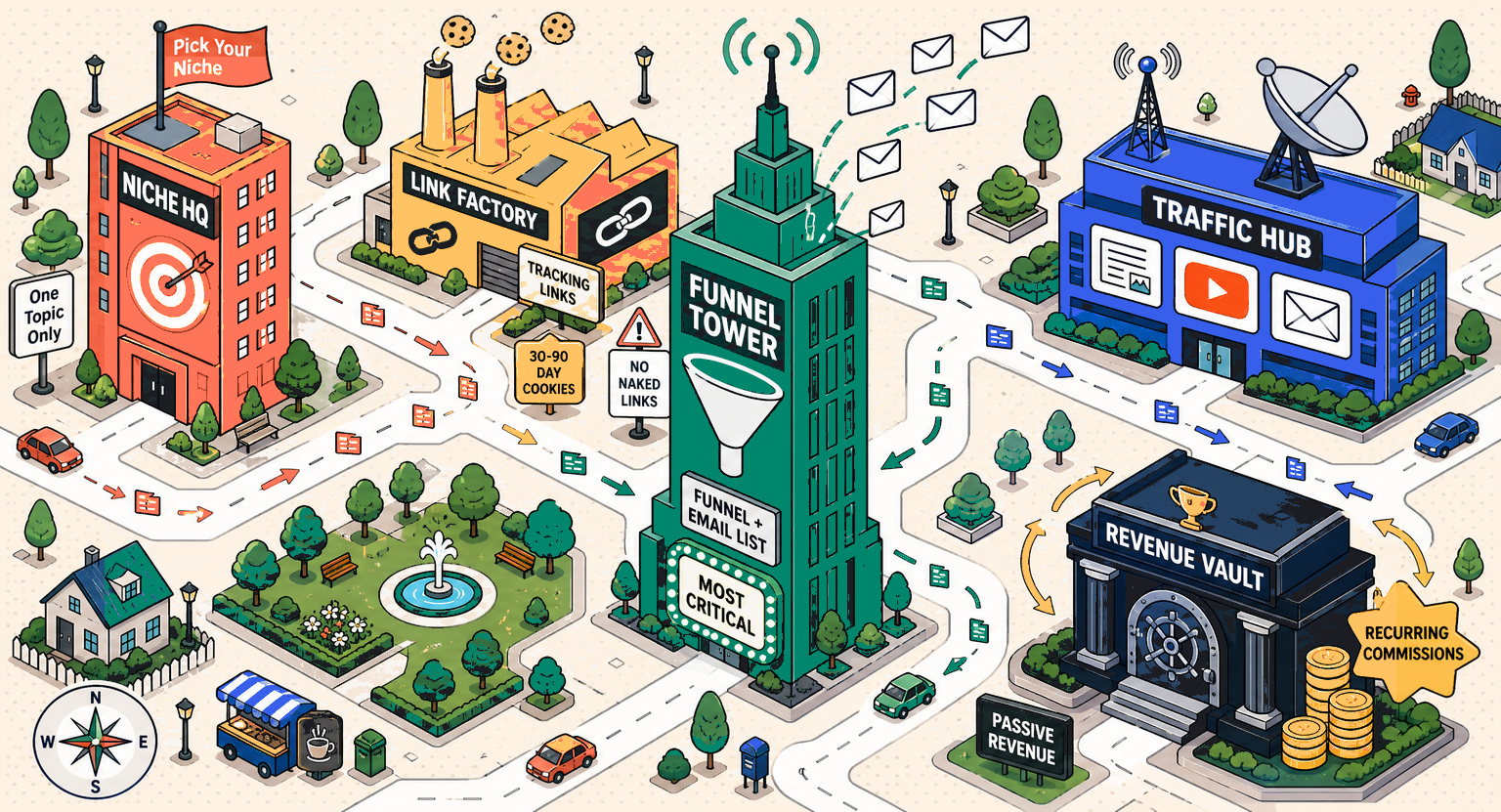
But how do platforms know you were the one who referred the buyer? This is where custom tracking links come in.
When someone clicks your link, a tiny file called a cookie is saved on their device. If they make a purchase within the cookie's lifespan (which can range from 24 hours to 90 days), you get the credit.
Knowing how affiliate marketing works from a technical standpoint keeps you from making silly structural mistakes. You do not need to build complex software. You just need to know how to direct the right people to the right products.
In 2026, transparency is everything. Always tell your readers when you are using promotional links. It builds integrity and keeps you legally compliant.
Finding Your Niche : The Foundation of Your Business
The biggest trap for beginners is trying to recommend everything to everyone.
You cannot promote weight loss teas on Monday, complex developer APIs on Wednesday, and outdoor camping tents on Friday. People will view you as a chaotic billboard.
You need a niche - A niche is simply a specific topic or industry you focus on.
To find yours, look at the intersection of your interest, your expertise, and market demand.
You do not need to be a world-renowned scientist to write about a topic - You just need to have a genuine interest and know ten percent more than the average beginner.
For example, if you love course creation, you could focus on recommending online education infrastructure. This is where high-ticket programs thrive.
If you are building an online ecosystem, sending people to a generic store might pay peanuts. Instead, look for digital solutions or software companies.
Choosing platforms like LearnyBox allows you to step into the highly lucrative world of digital publishing and e-learning. Software recurring programs pay you month after month - That is far better than a one-time physical product commission of three percent.
Setting Up Your Infrastructure : Simple, Smart, and Cohesive
You do not ever need to buy twenty different premium plugins to start. In fact, doing that is a shortcut to getting overwhelmed. What you actually need is a neat pipeline that captures attention, educates people, and displays your links - We call this your marketing stack.
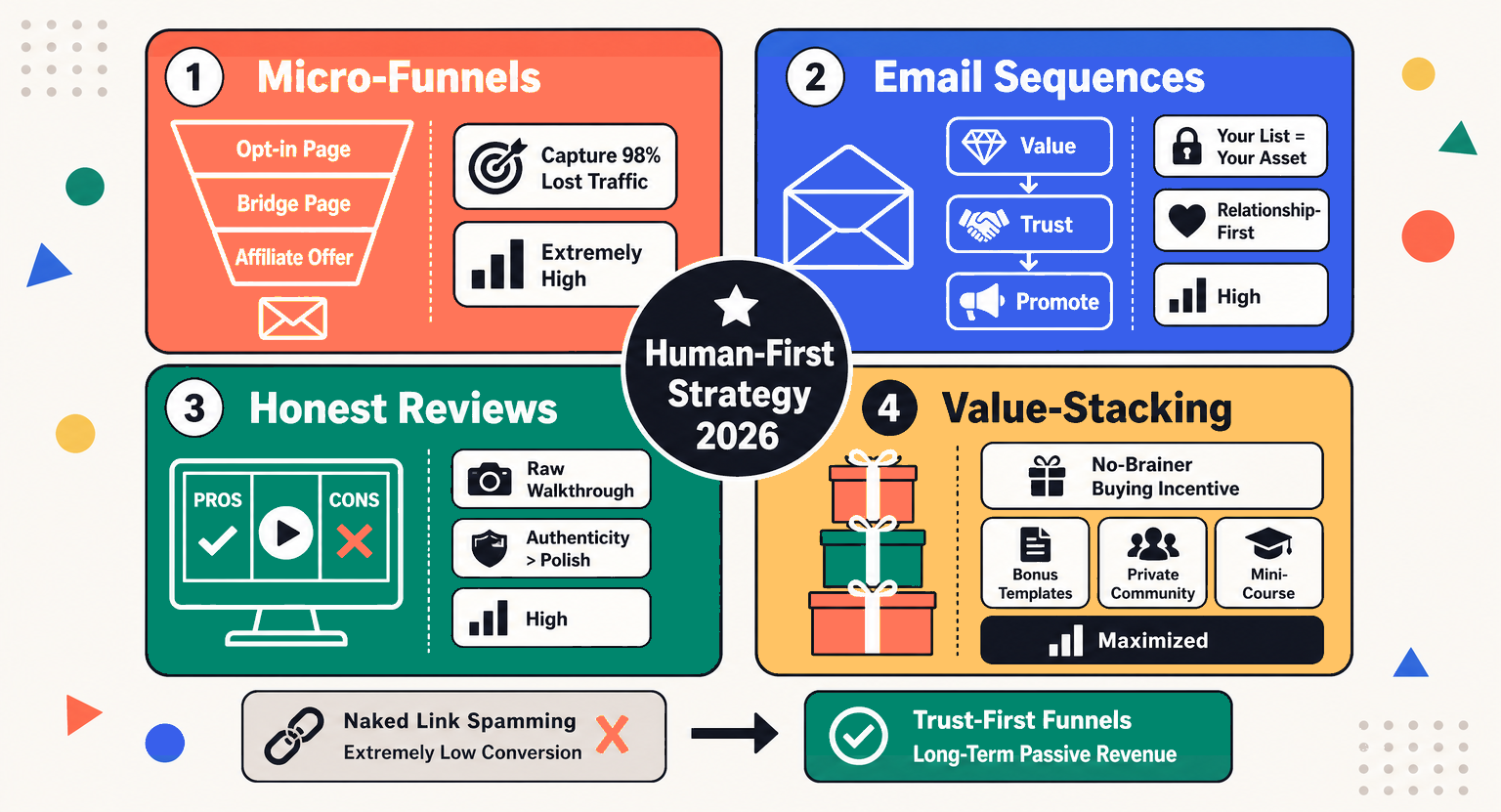
First, you should build optimized sales funnels. These are designed pathways that lead a cold visitor through a journey of realization.
Instead of tossing random links at them on a messy social media profile, you send them to a dedicated page. On this landing page, you offer something free and valuable : an e-book, a template, or a mini-video course.
In exchange for that free resource, they give you their email address.
Why is this critical?
Because most people do not buy something the first time they see it.
By gathering emails, you can construct a robust email flow that keeps in touch with them over time.
You need a reliable email marketing platform to organize these contacts and handle automated sequences. These workflows send personalized emails over days or weeks, allowing you to establish deep authority.
Traffic Generation : How to Reach Your Ideal Audience
Let us talk about traffic. Without traffic, your beautiful landing pages are completely useless.
How do you get eyes on your links in 2026?
You have two options : paid and organic.
Paid traffic (like social media ads) can yield quick data, but it is expensive and requires a strict budget.
Organic traffic (like search engines, blogs, and short video platforms) takes longer but builds a compounding asset.
To master organic reach, focus on direct list building. Knowing how to build an email list will protect your business from the whims of corporate algorithms.
This is how successful creators build reliable affiliate pipelines :
-
Create valuable comparison content : help buyers choose between two options.
-
Provide detailed troubleshooting videos : show viewers exactly how to overcome specific setup issues.
-
Distribute resource templates : share files that make their workflows easier.
So, you should choose a primary hub where you consistently post content - It could be a simple blog, a YouTube channel, or a podcast.
The medium matters less than your consistency and depth. If your content is shallow, people will close the tab and buy somewhere else. Give them genuine, highly relevant value before asking them to click anything.
Evaluating Affiliate Program Models
Not all programs are created equal. Finding the right mix depends on your experience, your audience's budget, and your monetization goals.
Some programs offer low commissions but sell incredibly easily.
Others present massive commissions but require sophisticated, high-trust sales processes.
If you are promoting to beginners, introducing them to the best all-in-one course platform can represent a fantastic starting point. It offers incredible recurring value and solves multiple pain points simultaneously.
Let us look at how the primary network structures compare :
| Program classification | Typical commission range | Payout frequency & model | Relative difficulty level | Primary pros and cons |
|---|---|---|---|---|
|
Low-ticket physical goods |
1% to 10% per transaction. |
One-time flat fee structure. |
Extremely low (low barrier). |
High trust but very small payouts. |
|
SaaS and softwares |
20% to 50% recurring monthly. |
Monthly subscription payouts. |
Medium (requires demo education). |
Compound growth but higher churn rates. |
|
Premium digital courses |
30% to 70% per transaction. |
One-time high-value payments. |
High (demands expert authority). |
Incredible margins but lower sales volumes. |
|
Premium hosting services |
$50 to $200 per sign-up. |
One-time premium bounties. |
High (ultra-competitive market). |
Huge payouts but strict approval criteria. |
|
Financial services |
Variable lead-based payouts. |
Cost-per-action or referral. |
Very high (heavily regulated). |
High conversion payouts but strict laws. |
Common Pitfalls : How to Sidestep Rookie Mistakes
When starting out, it is easy to get caught up in high-ticket hype. You look at large payout figures and completely ignore whether the offer actually matches what your audience needs.
This is one of the most classic affiliate marketing mistakes you can make. If your community feels like you are pushing useless junk to make a buck, they will leave and never return.
Another critical mistake is failing to test different strategies. You cannot rely on a single approach and expect it to yield magic indefinitely.
Utilizing the best affiliate marketing strategies means diversifying your traffic, optimizing your headlines, and continuously checking your analytical dashboards. It is all about data-driven adjustments to find what truly clicks with your people.
Choosing Your Initial Campaigns Wisely
Let us guide you through your first campaign choice.
When you are standing at the starting line, the temptation to register for fifty platforms is strong. But you should resist that urge.
Pick exactly two products that you know inside and out. If you have not used the system yourself, do not try to sell it - True expertise shines through the screen, and modern audiences can instantly sense when someone is promoting something purely for financial rewards.
So, how do you find these offers? Look at your everyday dashboard.
What software do you use to manage your personal schedule, build your graphics, or write your text? Start there - Contact their support systems, check their footer links for a partner portal, and sign up.
Then, design some beginner guides explaining how they solve everyday workflow problems.
By focusing your energy, you build deep, authoritative resources that stay helpful for years. Once you see your first commissions coming through, you will understand the process completely. Then you can confidently expand your portfolio.
Building a Scalable Long-Term Engine
Let us look at the big picture. When you are starting out, your efforts will likely feel highly manual. You will write articles, reply to messages, and build systems from scratch…
But as your platform matures, you will discover that a large percentage of your tasks can be completely automated.
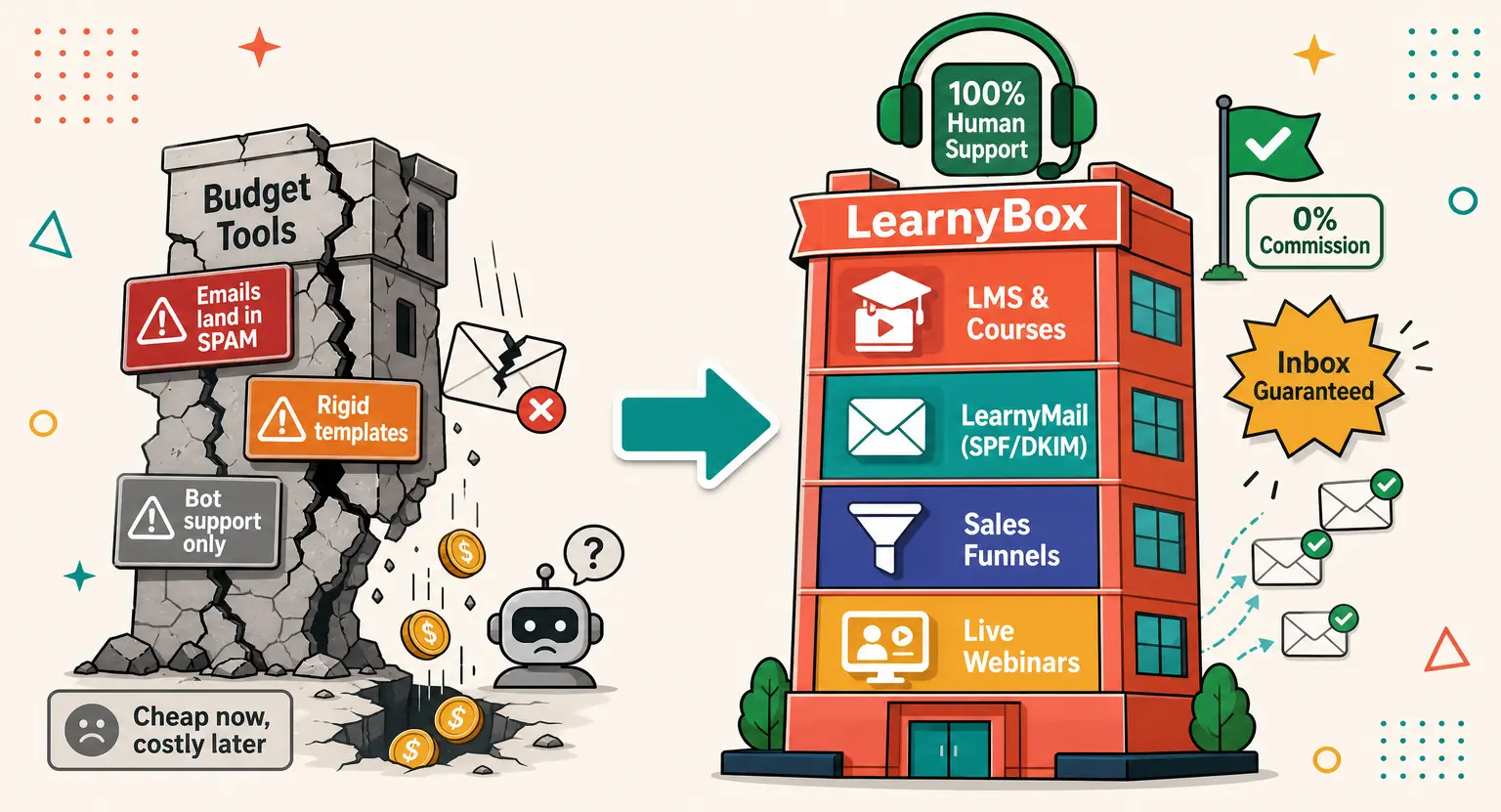
This is where a unified suite transforms your daily operations. Instead of constantly context-switching between tools, you want everything feeding into a singular system.
Focus on setting up assets that do not expire. A solid review video or a high-ranking evergreen blog post will drive commissions for months or even years, saving you valuable direct labor.
But do not just think about immediate earnings. Think about asset creation. When you have successfully built an engaged list, you can offer them multiple complementary digital resources.
You might even find yourself creating a course yourself down the road... It is a natural evolution. Many top creators started as recommendation partners, figured out what their audience desperately needed, and then developed customized answers.
Explore Further Insights
Ready to level up your entire digital publishing infrastructure? If you want to expand beyond third-party items, you can learn how to pre-sell an online course of your own.
This will grant you full control of your business model, customer relationships, and long-term earnings potential.
Frequently Asked Questions
How much money can a beginner reasonably expect to earn when starting out?
Your immediate earnings will entirely depend on your chosen niche and the specific strategy you implement.
Some creators make their first fifty dollars within their first two weeks, while others take several months to build up consistent traffic.
If you prioritize recurring subscription programs rather than flat one-off physical product fees, your income will compound much faster. Focus on patience and solid systems.
Do I really need to disclose my promotional partnerships to my audience?
Yes, you absolutely must. Modern digital regulations in the United States and global consumer rights acts mandate that you clearly declare when you earn a financial commission from recommended products.
Beyond the strict legal necessities, being transparent builds massive trust - Your audience will respect you for being completely upfront about your partnerships, which eventually drives higher long-term sales.
Is a custom website mandatory to get approved for network programs?
Having a personal website is not strictly mandatory for every network, but it dramatically increases your chances of getting approved.
Companies want to see that you have a professional presence and a real plan for sharing their links.
If you do not have a full site yet, you can use high-conversion funnel pages or highly active social profiles to prove you are a serious partner.
What is the absolute biggest error beginners make with their links?
The absolute worst error is choosing programs based purely on high commissions without checking if they fit your audience's direct needs.
Promoting expensive software to people who only want basic lifestyle templates will produce zero conversions.
Always prioritize and promote tools that you have personally evaluated, verified, and believe will bring genuine practical value to your specific community.
How long do browser tracking cookies usually stay active after a click?
Tracking cookie lifespans vary dramatically across different platforms. Some programs use a short twenty-four-hour window, while other digital networks offer generous thirty, sixty, or even ninety-day durations.
This means if a visitor clicks your link and purchases the product eighty days later, you will still get credited with the commission. Always analyze these terms before promoting any campaign.




 How to Create a Course Refund Policy (Templates & Best Practices for 2026)
 How to Create a Cohort-Based Online Course (2026 Guide)
 How to Sell an Online Course With a Quiz Funnel (2026 Guide)
 How to Sell an Online Course Through a Sales Call (2026 Guide)