







How to Design Learning Paths for Different Types of Students (2026)
How to Design Learning Paths for Different Types of Students
Key Takeaways
-
Linear curriculums cause silent churn; adaptive routes keep diverse students engaged.
-
Identify four core learner personas : the Fast-Tracker, the Hands-On Practitioner, the Deep Diver, and the Support-Seeker.
-
Use conditional quiz branching to guide learners toward tailored content nodes.
-
Discover practical techniques to create a personalized learning experience for online students right at onboarding.
Every creator has faced the same painful scenario. You launch a flagship program, pour hundreds of hours into high-production videos, and watch eager students sign up on launch day. Two weeks later, analytics show that half your cohort stalled on lesson four.
Why does this happen so frequently? The answer is simple : you built a single highway for people who drive completely different vehicles.
Some learners enter your course needing a direct answer to fix an urgent bottleneck by tomorrow morning. Others crave academic rigor, exhaustive case studies, and reference libraries.
When you force both types into the exact same rigid sequence, you inevitably frustrate one group while overwhelming the other.
Building adaptive learning paths fixes this structural flaw. By modularizing your material and letting students self-route or test into custom tracks, you turn passive viewers into active, engaged graduates.
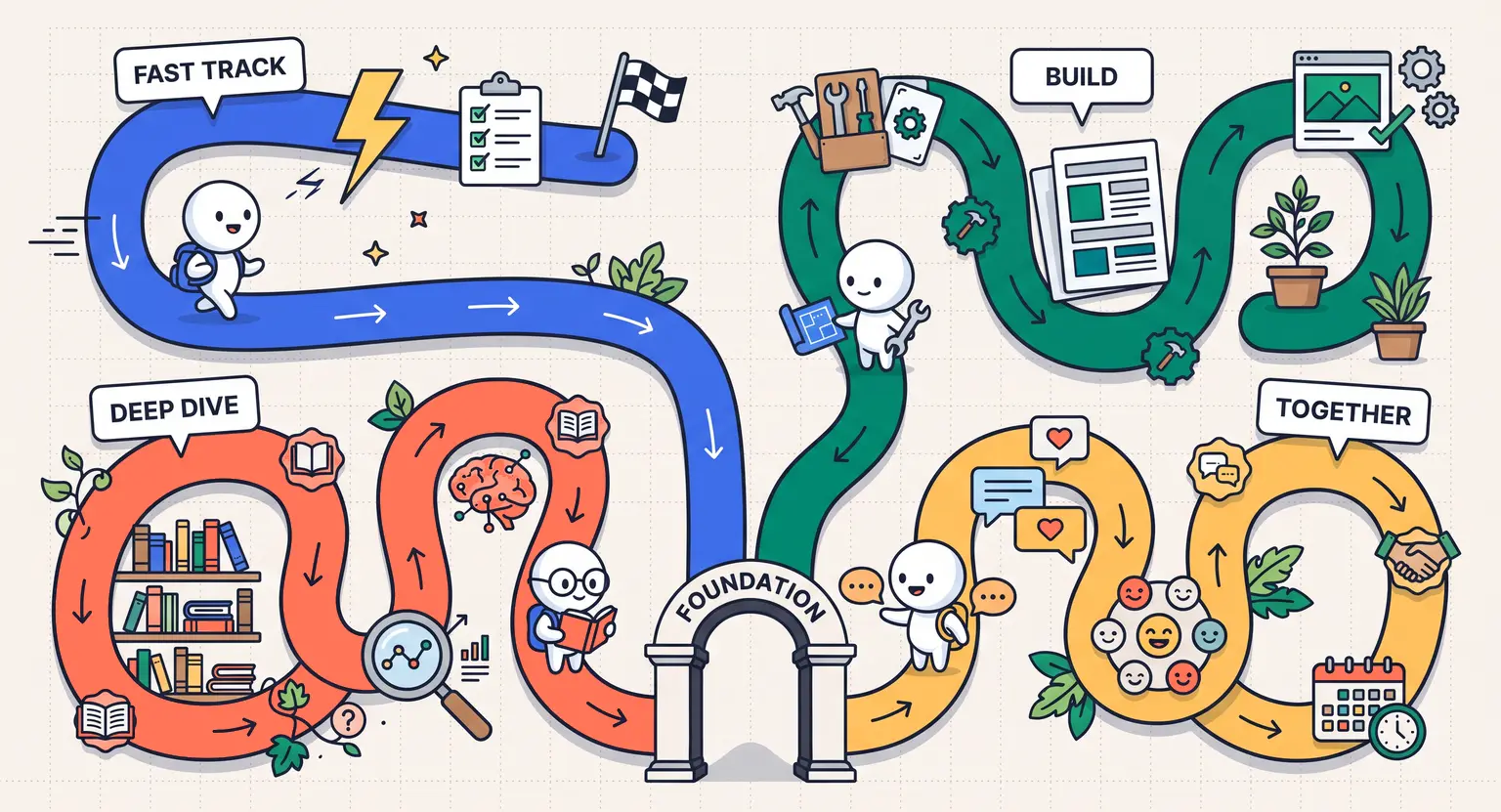
Identifying the Four Core Student Personas
Before touching your curriculum outline, you need a clear picture of who is actually logging into your member portal. While individual background knowledge varies, most digital learners fall into four distinct operational archetypes.
Let us break down how each group approaches your course library :
-
The Fast-Tracker (outcome-driven) : this learner wants quick wins. They skim long conceptual discussions and hunt for checklists, cheat sheets, and direct implementation steps. If a video takes six minutes to reach the actionable tip, they drop off.
-
The Hands-On Practitioner (kinesthetic/tactile) : these students learn exclusively by building. They need immediate sandbox exercises, assignment prompts, and tangible deliverables after every micro-lesson.
-
The Deep Diver (theory & architecture) : these individuals need to understand the underlying theory before touching any tool. They value extensive documentation, background context, and supplementary source materials.
-
The Support-Seeker (community & accountability) : this learner thrives on peer feedback, weekly check-ins, and structured milestones. Without structured checkpoints, they lose momentum and drift away.
When you build your modules, keep these distinct motivations front and center. You do not need four separate courses; you simply need a modular architecture that serves these styles efficiently.
Structuring Your Modular Curriculum Blueprint
Designing effective learning paths starts with dismantling the traditional top-to-bottom chapter model. Instead of a monolithic 40-video chain, organize your curriculum into three functional tiers : Core Pillars, Action Sandboxes, and Deep Specialization Hubs.
Core Pillars represent non-negotiable fundamentals that every student must understand to achieve the promised outcome. Keep these concise and free from heavy technical jargon. If you want a structured framework for this step, check our guide on how to structure an online course for optimal retention.
Action Sandboxes branch directly off each Core Pillar. For Fast-Trackers, a sandbox might consist of an interactive template or automated workflow. For Hands-On Practitioners, it provides an assignment brief where they submit real work for peer critique.
Deep Specialization Hubs house advanced breakdowns, niche edge cases, and technical tutorials. Fast-Trackers can skip these entirely without hurting their results, while Deep Divers will explore every resource enthusiastically.
To keep materials digestible for all groups, pair your video modules with concise printed guides. You can streamline this workflow by learning how to create a course workbook that supports multiple learning speeds simultaneously.
Diagnostic Onboarding and Intelligent Branching
How do learners actually find their appropriate path inside your member portal? You have two effective methods : self-selection menus and diagnostic placement quizzes.
Self-selection is the simplest approach. Immediately following checkout, present students with an onboarding survey asking about their primary goal, current weekly time commitment, and existing skill level. Based on their answers, your platform applies specific tags and highlights their recommended track on the dashboard.
Diagnostic quizzes offer a more automated approach. A quick 5-question pre-assessment evaluates baseline competency. Students scoring above 80% receive an automated badge granting direct access to intermediate modules, sparing them from basic introductory content.
To master this implementation, review our step-by-step tutorial on how to create quizzes for online courses that trigger dynamic tagging automations.
Comparing Learning Path Frameworks
The table below summarizes how each student persona interacts with different course delivery formats and milestone structures :
| Student persona | Primary motivation | Optimal delivery format | Key retention lever |
|---|---|---|---|
|
Fast-Tracker |
Immediate execution & efficiency. |
SOPs, cheat sheets, condensed summaries. |
Direct progress tracking. |
|
Hands-On Explorer |
Practical real-world application. |
Interactive projects & workshop tasks. |
Immediate milestone feedback. |
|
Deep Diver |
Mastery of underlying concepts. |
Technical teardowns & bonus libraries. |
Exhaustive reference resources. |
|
Support-Seeker |
Structured accountability & guidance. |
Cohort study groups & office hours. |
Community discussions & peer reviews. |
Integrating Gamified Milestones and Motivational Anchors
Even perfectly designed learning paths hit friction if you do not celebrate micro-achievements along the journey. Different student personas respond to different motivational cues.
Fast-Trackers appreciate dynamic visual completion bars that confirm their speed. Hands-On learners stay engaged when completing practical projects unlocks tangible rewards, like bonus resource packs or elevated community status.
If you want to incorporate game mechanics smoothly, explore our walkthrough on how to use gamification in an online course without overcomplicating your teaching.
Digital credentials also play an essential psychological role across all pathways. For a deeper breakdown of reward systems, look into our strategy guide on how to use badges to motivate online course students at every major curriculum checkpoint.
Explore Related Curriculum & Platform Guides
-
Speed up your production timeline using our free online course outline template to build fast.
-
Compare structural media styles with our guide to online course formats explained.
-
Ensure your content remains captivating with proven methods to create engaging course content across all tracks.
-
Discover the best all-in-one course platform solutions for managing automated learner paths.
-
Learn practical strategies on how to build an online community that keeps support-driven students active.
Frequently Asked Questions
How many different learning paths should a course creator offer?
For most creators, offering two to three focused paths is ideal.
A standard setup features an accelerated express track, a project-heavy practical path, and an in-depth mastery route.
Starting with too many custom tracks complicates administration and creates analysis paralysis for students.
Do I need complex custom software to set up branching paths?
No. Modern course platforms provide built-in conditional logic, tagging, and modular delivery rules that automatically trigger specific lesson access based on quiz outcomes or self-selected tags.
You can easily manage everything inside an intuitive visual funnel builder.
How do I prevent students from feeling overwhelmed by choice?
Provide an onboarding diagnostic assessment or survey right after enrollment.
Present a clear, single recommended path based on their answers, while allowing them to switch tracks whenever they want.
Clarity during onboarding removes hesitation and encourages immediate action.
How do modular paths affect course pricing?
Branching paths increase perceived value significantly.
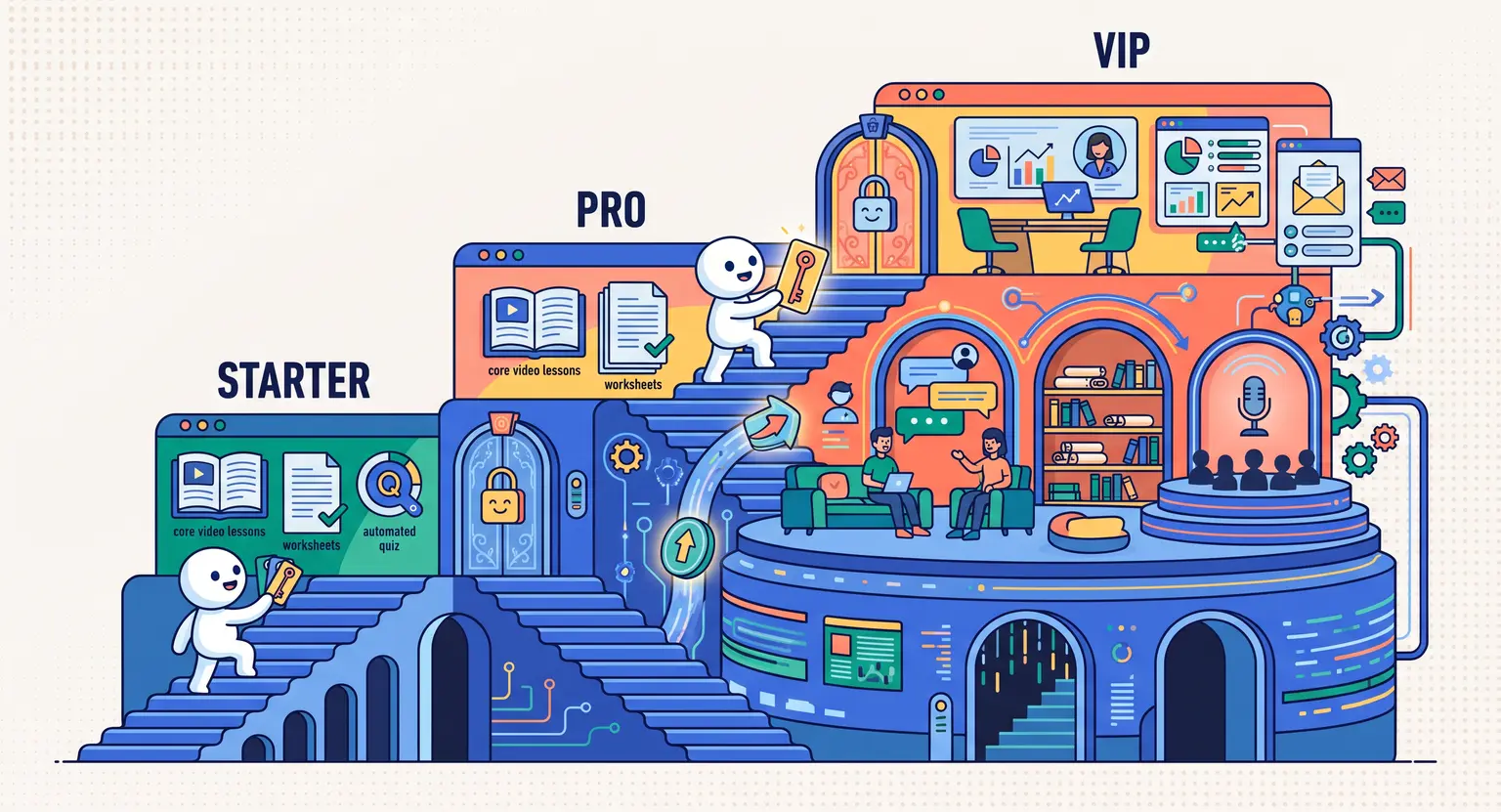
You can offer your core track at a base tier, while unlocking personalized coaching tracks or advanced specialization branches at premium pricing tiers.
This multi-path model naturally supports sustainable tiered monetization.





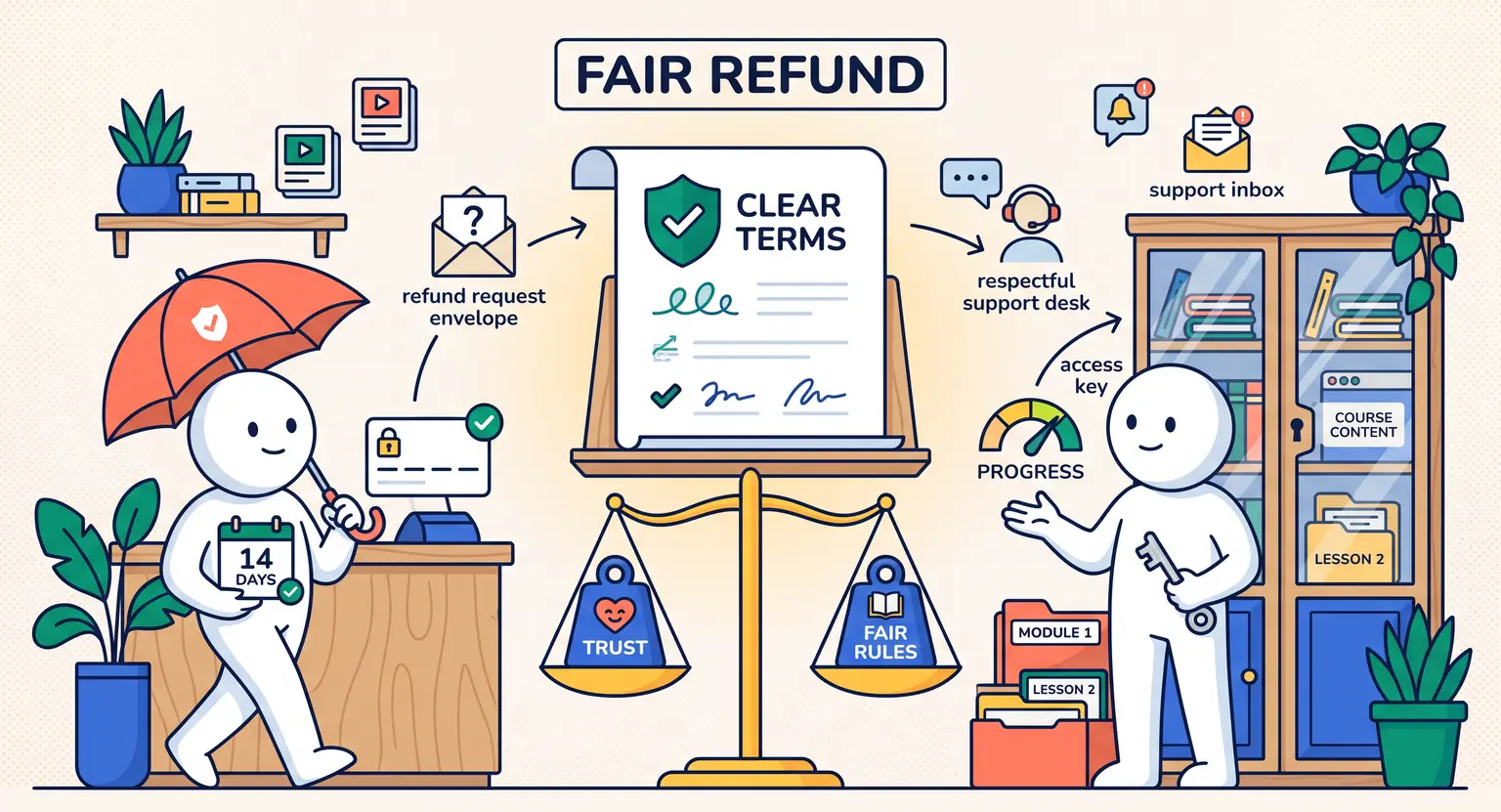 How to Create a Course Refund Policy (Templates & Best Practices for 2026)
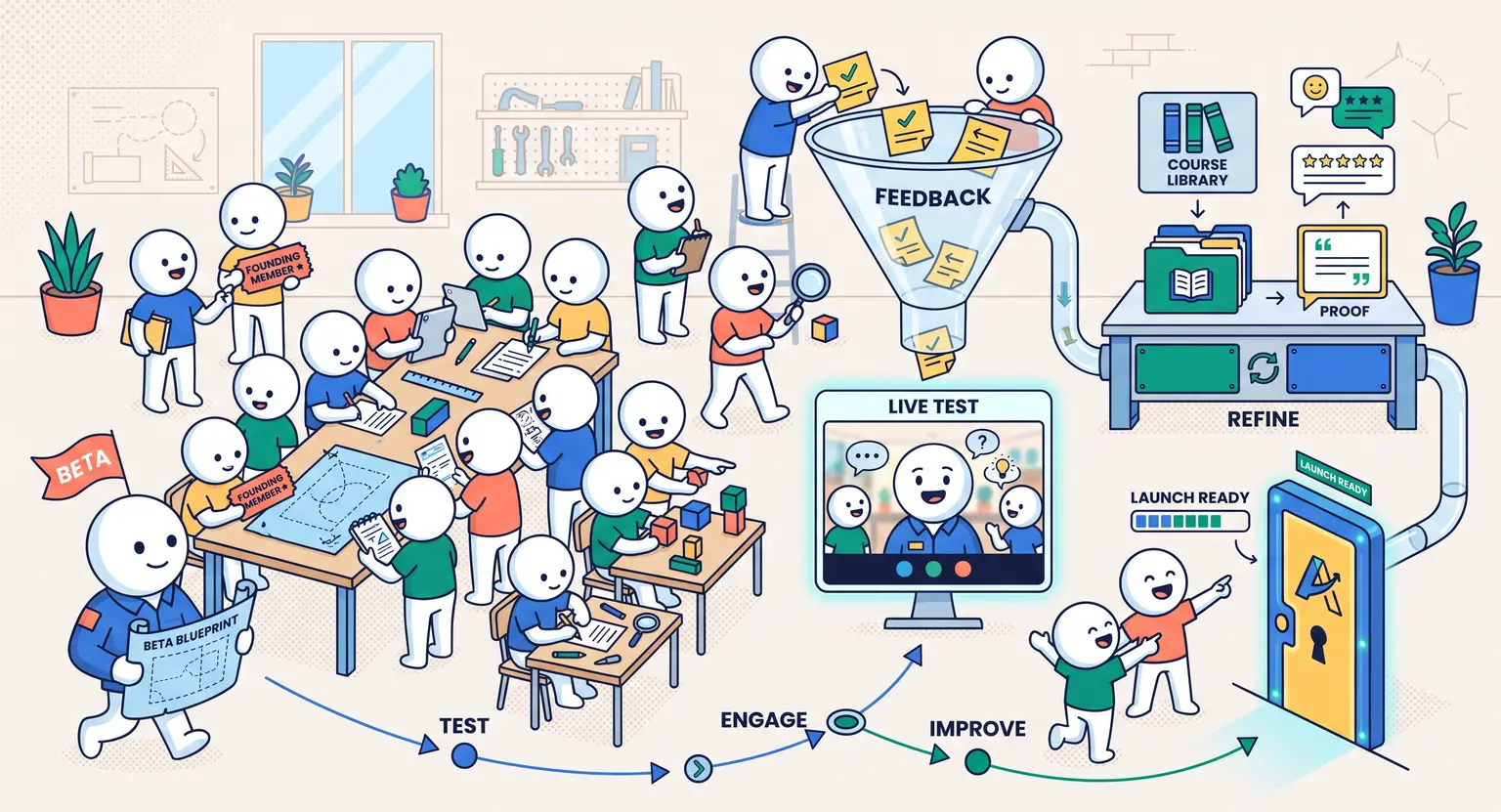 How to Run a Beta Version of an Online Course (2026 Guide)
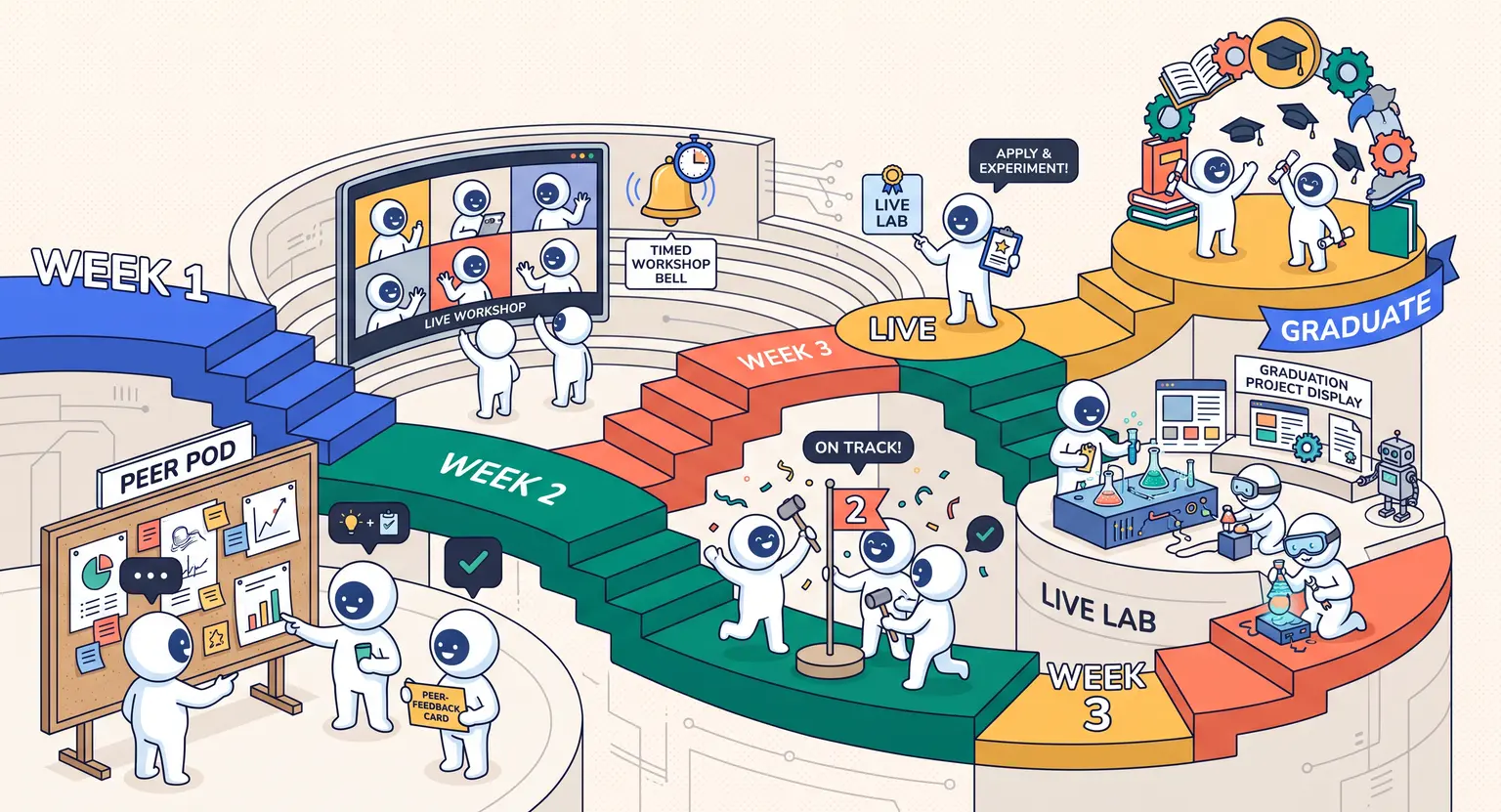 How to Create a Cohort-Based Online Course (2026 Guide)
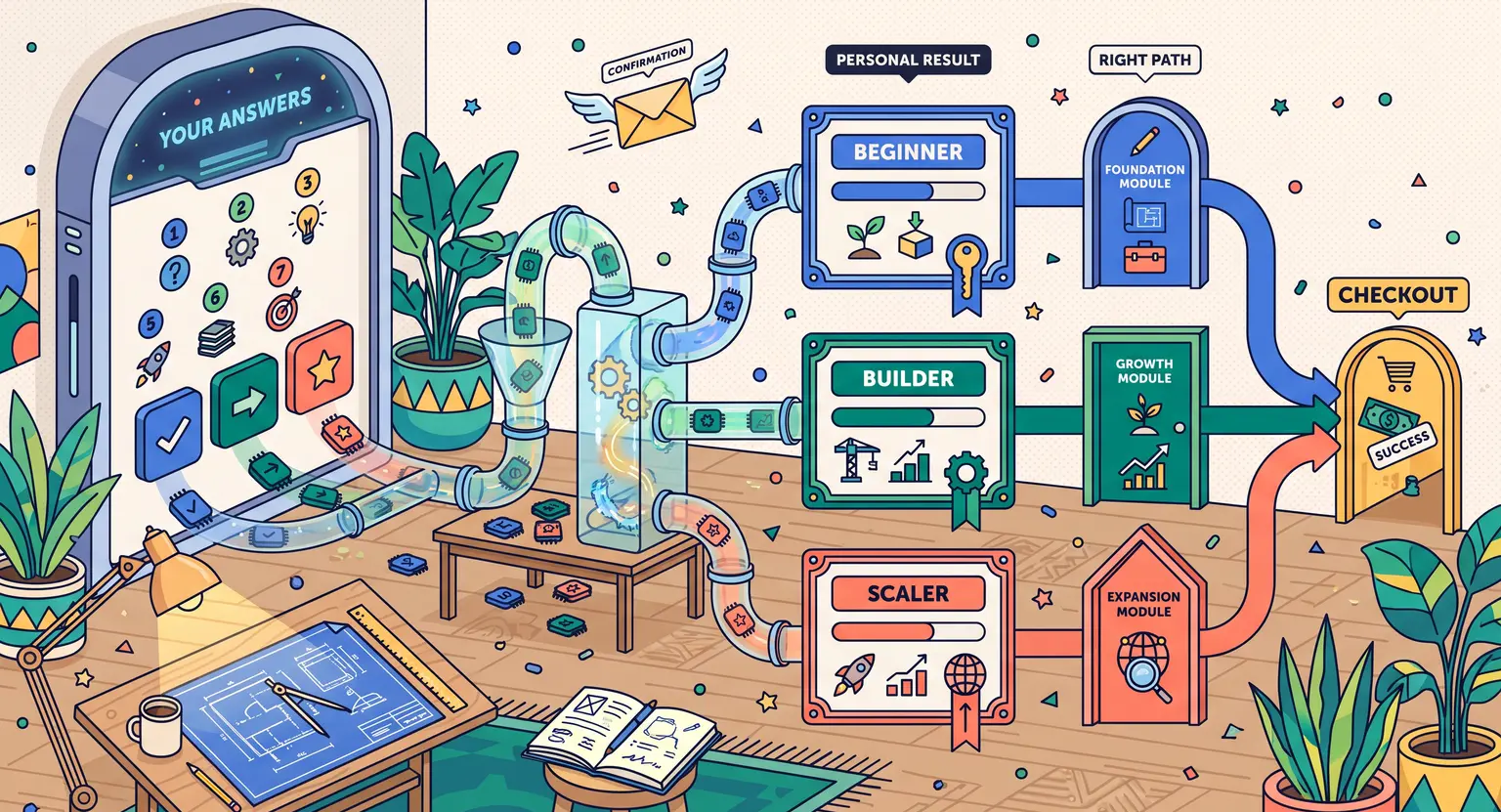 How to Sell an Online Course With a Quiz Funnel (2026 Guide)
 How to Sell an Online Course Through a Sales Call (2026 Guide)